
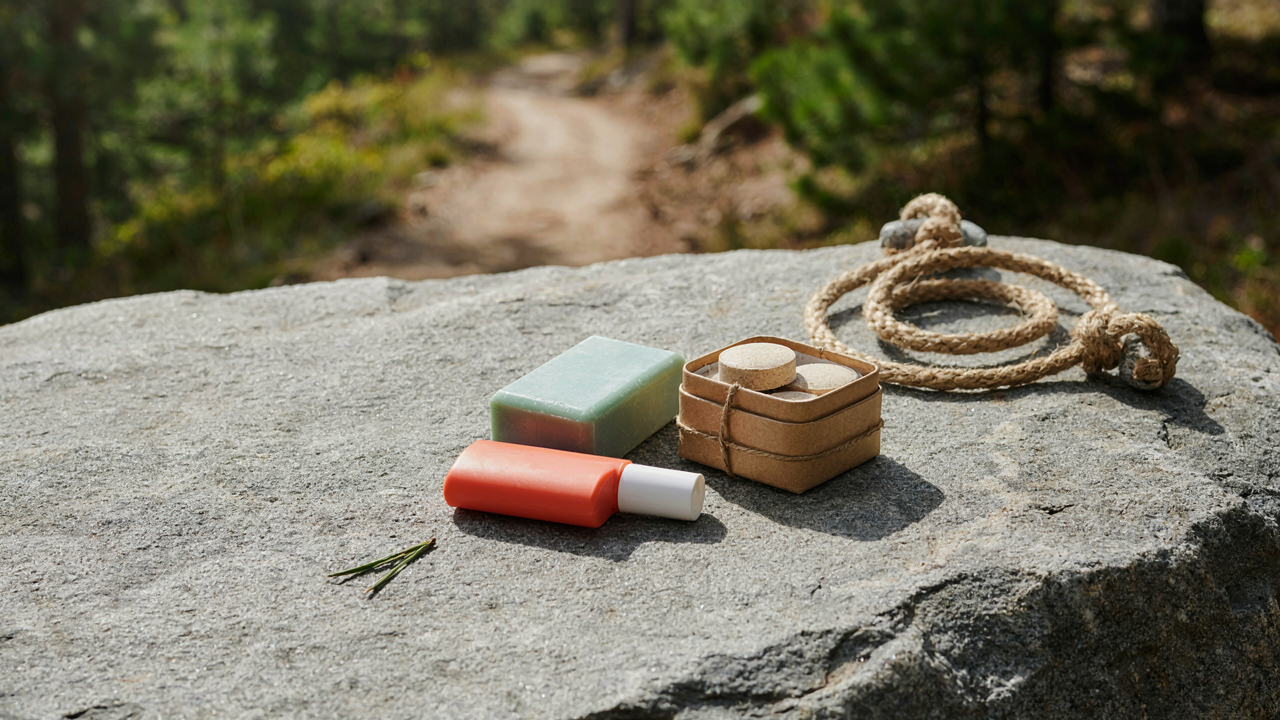
The Illusion Of Preparedness: Why Your Toiletries List Is Lying To You
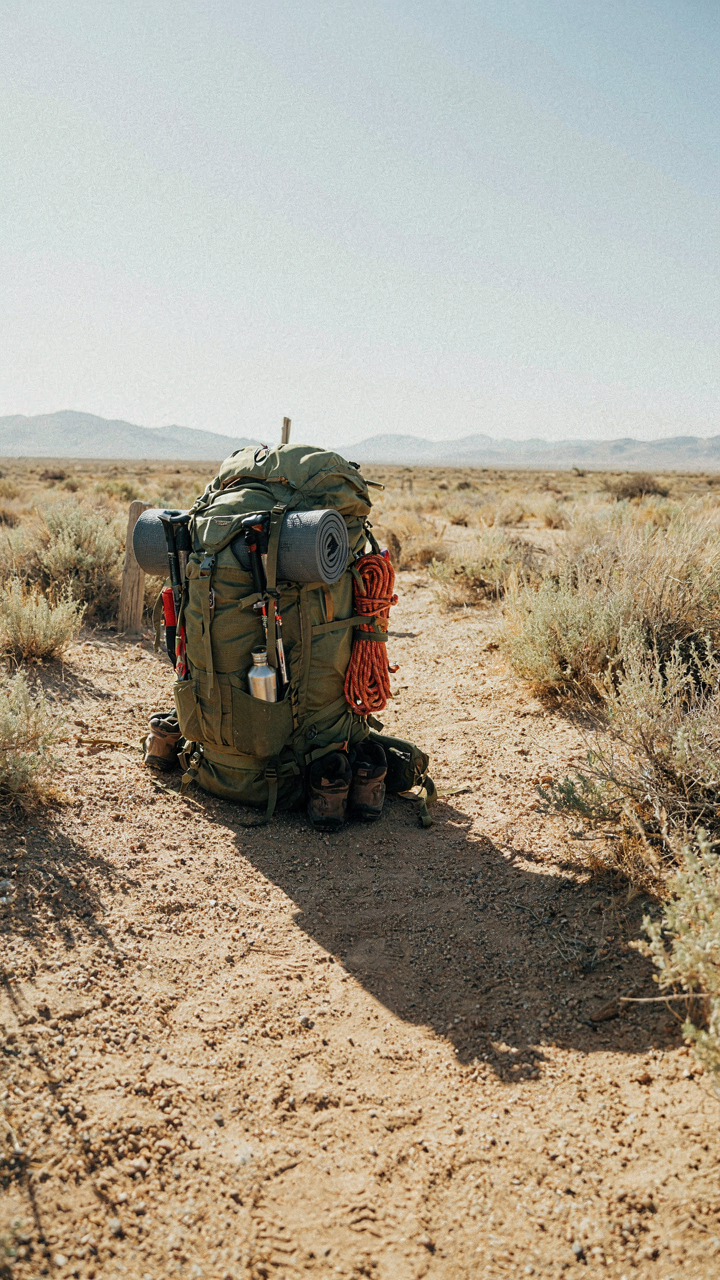
You’re Packing For The Person You Think You Should Be
You want to look like someone who has it all figured out. The real mechanism at work here is that most hikers confuse completeness with competence. They build toiletry kits based on what they own at home, not what actually happens on a trail. They pack deodorant for a three-day trip. They bring full-size bottles. They convince themselves that more options equal better preparation.
The gap between home and trail is where bloat lives. On trail, you use maybe thirty percent of what you planned for. Your skin behaves differently. Your priorities shift. Humidity and exertion change everything about what you actually need versus what you imagined needing. Most hikers only discover this after their pack weighs too much and their shoulders remind them why lighter was the smarter choice all along.
The Real Cost Of Hedging Your Bets

Fear disguises itself as thoroughness. You’ve heard stories about blisters that ended hikes, chafing that ruined days, dehydration, sun damage. So you pack blister kits, body glide, sunscreen, lip balm, moisturizer, and a backup of each. You’re not preparing. You’re insuring against anxiety. The economics term for this is “moral hazard” – when protection against a problem makes you less careful about the actual risk.
What actually stops a blister is stopping early when you feel the first hot spot. What prevents chafing is testing your kit before the trip. What protects from sun is timing your miles and wearing a hat you already own. None of this requires multiple backup items. The hikers who finish trips strong pack less, not more. They’ve accepted that perfection isn’t the goal. Functional coverage is.

Backpacking Toiletries: The “Rule Of One” For True Efficiency

One Item, Multiple Uses
You want to feel like you’re traveling light without actually changing your hygiene habits. The mechanism is simple: most hikers pack redundant products because they haven’t mapped what each item actually does. In systems design, this is called functional overlap. A solid bar of soap eliminates the need for body wash, face wash, and shampoo. One multitasking item reduces pack weight by 60% compared to carrying separate bottles.
The math is brutal. A travel-size body wash bottle weighs 30 grams. Add a separate face wash, another 30 grams. A dedicated shampoo, another 35 grams. A quality bar of soap weighs 80 grams total and replaces all three. You save 45 grams and three container volumes. This compounds fast. A toothbrush with integrated toothpaste head eliminates a separate paste tube. A lip balm with SPF removes the need for both products. The rule isn’t about deprivation, it’s about honest accounting of what your body actually needs on the trail.
Eliminating Redundancies
The common advice tells you to pack a toiletry kit for every conceivable scenario. That’s incomplete because it misses the constraint that matters: pack volume and weight multiply daily discomfort, not occasionally. Deodorant serves no function on a three-day hike where you’ll shower after. Separate sunscreen and moisturizer waste space when a sunscreen moisturizer exists. Shampoo and conditioner are two products when a conditioning shampoo bar handles both.
Start by listing every item you currently pack. Next to each one, write its actual function: cleaning, protection, moisture, scent. Now identify products that share functions. If an item only prevents a problem that won’t occur on your trip length, remove it. This isn’t minimalism for status. It’s the difference between a pack you can carry for seven hours and one that breaks your shoulders by hour four. Keep only what solves a real problem on the specific trail you’re hiking.
The Expeditionary Loadout: A Military Logistics Approach To Hiking Toiletries

Separating Signal From Noise
You want permission to pack less and still feel prepared. That’s the real ask here. Military logistics teaches the distinction between essential and convenient through a brutal filter: what keeps the mission moving versus what makes it comfortable. In hiking toiletries, essential means items that prevent infection, maintain skin integrity, or restore basic function. Everything else is convenience. A blister prevention kit is essential. Cologne is not. The mechanism is ruthless triage. You list every toiletry you think you need, then ask which ones directly address skin breakdown, infection risk, or hygiene collapse. The rest stays home.
Hikers routinely pack redundant items because they confuse “nice to have” with “necessary.” A full-size bar of soap, multiple deodorants, and nail clippers all get thrown into a pack without ranking. Military supply chains don’t work this way. They calculate load-to-benefit ratios. A single travel-sized bar of soap handles washing and wound cleaning. A small pouch of blister treatment prevents days of compromised hiking. Multi-tool nail clippers serve both grooming and gear repair. Pack only items that earn their weight through multiple functions or direct injury prevention.
Function First, Comfort Second
Field operations prioritize what stops deterioration over what feels good. Your toiletries strategy should do the same. Blister prevention and treatment own the top position because foot damage ends hikes. Sunscreen prevents skin damage that compounds over multi-day trips. Anti-chafe products stop small problems from becoming mobility issues. Once you’ve locked in these critical items, you allocate remaining pack weight to one comfort item per category: one moisturizer instead of five, one deodorant instead three.
The specific protocol: start with a day hike to test your actual needs. Most hikers overestimate what they use. Then build your loadout backward from your trip length and terrain. A three-day trip in moderate conditions requires different coverage than a week in high altitude or extreme humidity. Weight each item’s function against its size. Replace full-size products with travel versions or solid alternatives. Cut your list once more. What remains is your expeditionary baseline. Everything else is waste.
Hiking Toiletries: Beyond The Bottle – The Solid State Revolution
Why Bars Beat Bottles On The Trail
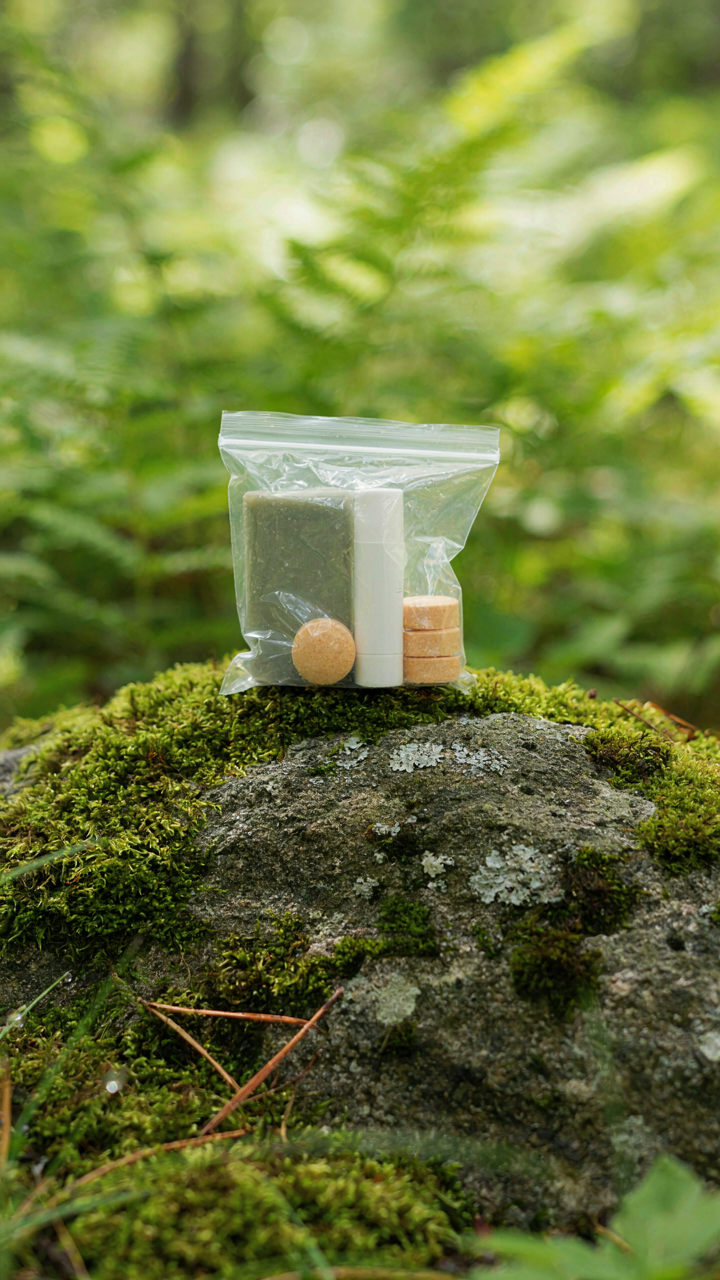
You want to look like someone who has their gear dialed in. The real mechanism is density. Solid bars concentrate active ingredients without water weight, shrinking your toiletry footprint to something that fits in a jacket pocket instead of consuming pack real estate. Liquid products are mostly water. You carry water to carry water. Bars eliminate this redundancy.
Solid soaps, shampoos, and deodorants dominate ultralight hiking for one reason: they’re material efficiency. A bar of soap outlasts three liquid bottles by volume. Toothpaste tablets replace tubes. Deodorant sticks replace roll-ons or sprays. The shift from liquid to solid isn’t about trend. It’s about displacement and durability colliding with pack space.
- Bar Soap: One 100-gram bar replaces 200-300 milliliters of liquid soap. Lasts 30-40 days of daily use. Dries fast, takes no space in wet conditions.
- Solid Shampoo: Concentrated formula means one bar equals two to three liquid bottles. Rinses clean without buildup. Weighs under 60 grams for multiday trips.
- Toothpaste Tablets: Single-use tabs eliminate tube waste and weight. Chew, add water, brush. One tablet weighs 0.5 grams versus 5-10 grams in traditional paste.
- Deodorant Sticks: Solid formulations last longer than spray or roll-on formats. No liquid suspension means no evaporation loss. Compact enough to fit inside a sock.
- Solid Lotion Bars: Concentrated oils and butters replace creams in bottles. Prevent chapping in dry climates without liquid weight. Apply directly to skin.
The reason most hikers still pack liquid bottles is habit, not logic. You don’t need to explain your choices on a trail. You need to carry less and move more.
The Arithmetic Of Less
Weight reduction on a multiday hike compounds. Remove 200 grams across toiletries and you’ve cut fatigue by 2-3 percent. Space reduction matters more on short trips where pack efficiency determines comfort. A solid toiletry kit fits inside a small ziplock. Liquid bottles sprawl across compartments, leak into gear, and create dead space.
The secondary benefit nobody states is durability under impact. Bars don’t break. Bottles crack. Bars don’t leak. Bottles do. On a three-week trek, leakage isn’t a minor annoyance. It’s contamination of your sleeping bag, food storage, and water treatment supplies. Solid forms eliminate this failure mode entirely. Your pack stays dry. Your gear lasts.
The Minimalist Toiletry Travel Kit: Cutting The Unnecessary

What Actually Matters On The Trail
You want permission to pack less because you’re afraid of looking unprepared or smelling bad in front of other hikers. Here’s the mechanism: your skin and hair don’t need what marketing tells you they need. Most toiletry categories exist to solve problems that don’t exist on a multi-day hike. Sweat, dirt, and sun exposure are the only variables that matter. Everything else is noise you’re paying weight for.
The common advice says “pack everything you use at home, just smaller.” Wrong. On the trail, your body operates differently. Sebum production normalizes after three days. Your skin sheds dead cells faster in dry air and altitude. Bacteria colonization shifts because you’re sweating salts that change your microbiome. Strip down to what actually prevents infection, chafing, or sun damage. Everything else gets left behind.
The Weight Cost Of Comfort Narratives
Psychology calls this “loss aversion” but in kit design, we call it false necessity. You’re not protecting yourself by carrying a full toiletry arsenal. You’re carrying the story you tell yourself about what safety looks like. A three-ounce bottle of “nourishing” shampoo is just weight that doesn’t change your output on mile fourteen. The real mechanism is simpler: your body needs protection from external damage, not internal pampering.
Test this on your next trip. Pack only sunscreen, lip balm with SPF, a solid soap bar, and a microfiber towel. Measure how your actual needs differ from what you expected. Most hikers report their skin feels better at the end because they stopped over-cleansing and stripping natural oils. The psychological relief comes from action, not inventory. Commit to one overnight test run and track what you actually use versus what stays in your pack.
Toiletries Organization: The “Quick Draw” System For Accessibility
Where You Actually Need Items On The Trail
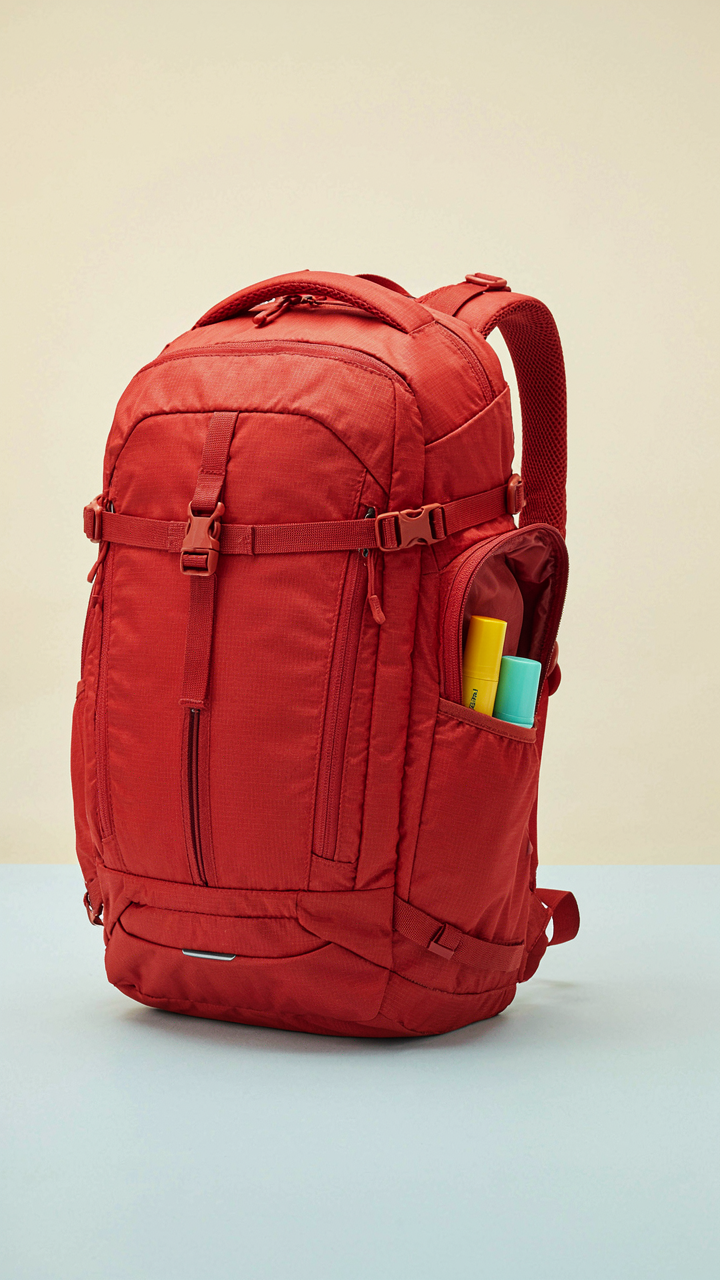
You want to look like you have your act together on a hiking trip, but the real issue is this: you’ll waste mental energy deciding what to grab mid-hike if your toiletries aren’t architected for the moment you actually need them. Borrow the military’s concept of supply echelon staging, where gear sits in layers based on access frequency. Your toiletries need the same hierarchy. Items used daily go front and accessible. Items used once per week go deeper. This isn’t organization for its own sake—it’s friction reduction.
A standard pack compartment is horizontal space wasted. Most hikers throw everything in a dopp kit and dig through it like a junk drawer. Instead, separate by use case: immediate access layer holds sunscreen and lip balm. The secondary layer holds shower items and deodorant. The tertiary layer holds medications and nail care. This vertical stacking cuts your search time from ninety seconds to five. On a multi-day hike, five seconds per access multiplied across fourteen days compounds into reclaimed minutes you spend actually hiking instead of rummaging.
Compartmental Packing For Modular Removal
The generic advice says “pack light and stay organized,” which is useless because it doesn’t explain why modular compartments beat monolithic bags. Each toiletry category should live in its own sub-container so you remove only what you need at camp or on the trail. A small zippered pouch for sun and lip protection. A separate pouch for shower items. A third for medications. This modularity serves one mechanism: you eliminate unnecessary weight from your active pack during the day.
When you camp, you pull the shower pouch to the tent. You pull the sun protection pouch to the side pocket of your day pack. You never carry full toiletry weight when you’re hiking uphill. Most hikers keep everything in one bag and haul it all day, then wonder why their shoulders ache by mile eight. The protocol is simple: inventory what you use during active hiking versus what you use at rest. Pack rest-use items in a camp pouch that stays in base camp. Carry only active-use items in your day pack.
Things To Bring Backpacking: The Hygiene Of The Self Reliant Hiker
When Soap Becomes A Liability
You want permission to skip hygiene on the trail because it feels optional when nobody’s watching. Here’s the mechanism: field hygiene isn’t about cleanliness—it’s about infection prevention and water management under constraint. A blister that gets infected ends your trip. A urinary tract infection from poor bathroom hygiene ends your trip faster. Home hygiene removes dirt for appearance. Trail hygiene removes pathogens before they colonize wounds or mucous membranes.
The difference shifts everything you pack. Biodegradable soap matters less than you think. What matters is targeting high-risk zones: hands before eating, genitals after urination, wounds before they’re wounds. Bring a small bottle of castile soap—not for lathering luxury but for concentrated antimicrobial action in minimal volume. Wet your hands with collected water, apply soap, scrub for fifteen seconds, rinse with minimal water waste. Skip the rinse entirely if water is scarce; residual soap prevents more harm than it causes.
Pack Weight Versus Ecological Footprint
Ecology is a constraint equation: input resources minus output waste equals system health. Travel-size toiletries force you to confront that equation directly instead of pretending scale doesn’t matter. A full-size deodorant stick lasts one person six weeks. That same volume in solid deodorant lasts three months and weighs half as much.
The real cost lives in what you don’t pack. Liquid products are 60-80 percent water by weight—dead weight carried uphill to be deposited back into the watershed. Solid toiletries concentrate active ingredients, lower transport emissions per use, and reduce packaging waste by volume. Choose solid deodorant, solid shampoo bars, solid sunscreen sticks when available. Liquids belong in your pack only when no solid alternative exists or when the liquid version performs a function solids cannot replicate.
The True Cost Of Bulk: Why Less Is More Than Just Lighter
Every Pound Has A Price Tag
You want to feel prepared. That’s the real reason you’re reading this. Preparedness feels like control, and control feels like safety. But economics solves this: opportunity cost means every ounce of extra toiletry weight you carry is an ounce of energy you burn that could have gone toward distance, elevation, or recovery. Your body has a fixed caloric budget per day on trail. Toiletries compete directly with food, water, and shelter for that budget.
A single extra ounce costs roughly 0.1 calories per mile on flat terrain, more on inclines. Over a 20-mile day, an unnecessary 8-ounce toiletry kit burns 16 calories you don’t have to spare. Scale that across a week-long hike and you’re hemorrhaging energy for items that duplicate function. The mechanism is simple: lighter pack, lower metabolic demand, longer functional hiking day before fatigue sets in.
Clarity Comes From Constraint
Everyone says “pack what you need,” which is useless advice because need is subjective until you constrain it. Real mental clarity emerges from a preset kit that forces decisions upstream, not on trail. You choose your toiletries at home under good light with access to information, not at mile 12 when you’re tired and your judgment collapses.
Streamlined gear eliminates decision fatigue in the field. You reach into your toiletry bag and find exactly what you need because you already decided. No scanning options. No second-guessing whether to skip deodorant today. No rummaging through duplicates. This compounds: fewer decisions preserve cognitive resources for actual hazards like route navigation, water safety, and weather assessment. Your brain stays sharp for what matters.
The Real Obstacle Isn’t The Pack; It’s The Mind That Overcomplicates A Simple Necessity
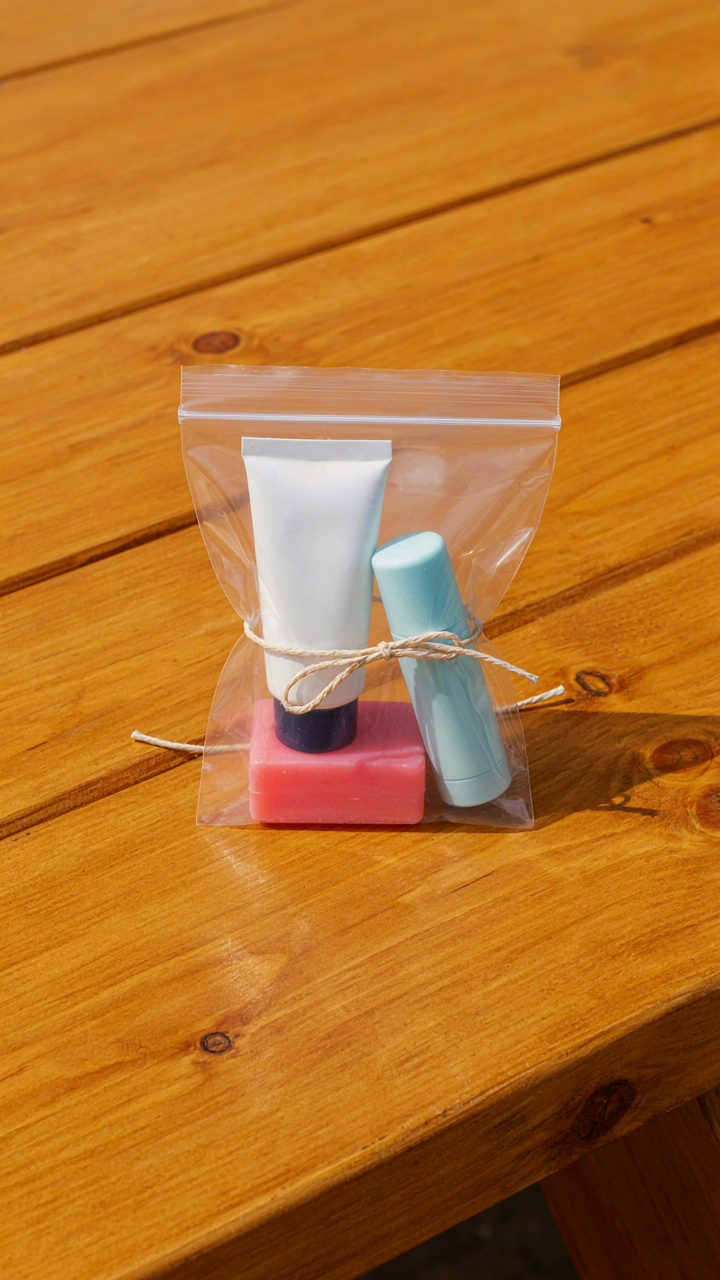
Most hikers don’t fail because they pack wrong. They fail because they pack like they’re moving across the country. Your toiletries don’t need a strategy. They need elimination. Grab a small ziplock, add three essentials, and move on. The paralysis of choice kills more trips than actual conditions. Stop thinking about what you might need. Start using what actually works on your skin. Open your bathroom cabinet today and commit to one deodorant, one soap, one sunscreen for the next three hikes. You’ll discover that simplicity isn’t boring. It’s freedom.