
The Illusion Of The Adrenaline Rush: What You’re Really Chasing

Your Body Doesn’t Know The Difference
You’re reading this because you want permission to feel alive, and adventure sports promise that feeling without admitting it. Here’s the mechanism from biology: your nervous system triggers the same stress response whether you’re falling off a cliff or stuck in traffic. Cortisol and adrenaline spike. Heart rate climbs. Blood floods your limbs. The actual danger level is irrelevant to your physiology.
The sport you choose matters less than the perceived risk your brain assigns to it. BASE jumping and paragliding activate identical threat pathways even though paragliding has a fatality rate around 1 in 100,000 jumps while BASE jumping sits closer to 1 in 2,300. Your body can’t read statistics. It only reads signal. If your mind believes you’re in danger, your endocrine system responds like you are, regardless of engineering, safety protocols, or redundant systems protecting you.
Status Disguised As Bucket Lists

Most bucket list advice is garbage because it skips the real driver: other people’s perception of your life. You don’t want to skydive because the freefall is mechanically interesting. You want the story. You want the photo. You want the version of yourself that exists in someone else’s mind when you mention it at dinner.
This is status-seeking wrapped in experience language, and it shapes which sports you actually pursue. You pick activities that photograph well and carry social weight. That’s why Everest Base Camp treks and shark cage diving dominate travel lists while less visible pursuits go ignored. The activity itself becomes secondary to the narrative you can extract from it. Before booking anything, ask what you’re actually optimizing for: the physical sensation, the story, or the image others form of you.

Beyond The Instagram Filter: True Adventure Sports Bucket Lists

The Difference Between Doing And Broadcasting
You want to add adventure sports to your list because you’re afraid of being ordinary. That’s not judgment—it’s the mechanism. Social proof demands visible proof, so you chase activities that photograph well instead of activities that change you. The gap between these two is where most bucket lists die.
Real adventure sports selection uses the same filter as military strategy: asymmetric advantage. You’re not looking for what looks hard. You’re looking for what builds a specific skill or capacity that transfers to the rest of your life. Rock climbing builds finger strength and problem-solving under pressure. Whitewater kayaking builds read-ahead decision-making in chaos. Mountaineering builds recovery protocols for sustained discomfort. Each one has a mechanism. Most people skip this step and just book the experience.
Challenges That Actually Build Something
The common advice is wrong here: do what scares you. That’s lazy. Fear is not a compass. Fear is just signal that something is unfamiliar. The real question is whether the unfamiliar thing will expand your actual capacity or just your story collection.
Start with your current limiting factor. If you freeze under time pressure, sprint racing or competition climbing matters. If you can’t move through physical discomfort, trail running or long-distance cycling builds that tolerance. If you struggle with navigation and decision-making in real time, backcountry skiing or off-trail mountaineering trains that specific skill. The mechanism is simple: pick an adventure sport where your weakness becomes the primary demand. You don’t do it once for the badge. You do it repeatedly until the weakness becomes neutral. That’s when you move to the next one.
The “Edge Protocol”: A Framework For Conquering Fear
Name Your Actual Fear, Not The Activity
You’re reading this section because you want permission to skip the hard part. You want to believe the fear goes away on its own, or that enthusiasm cancels it out. It doesn’t. Fear is specific, and you’ve been trained to describe it vaguely. You say “I’m scared of heights” when what you mean is “I’m afraid of losing control during the fall” or “I don’t trust the equipment.” Psychology calls this distinction the difference between surface fear and trigger fear. In adventure sports, naming your actual trigger is the only move that matters.
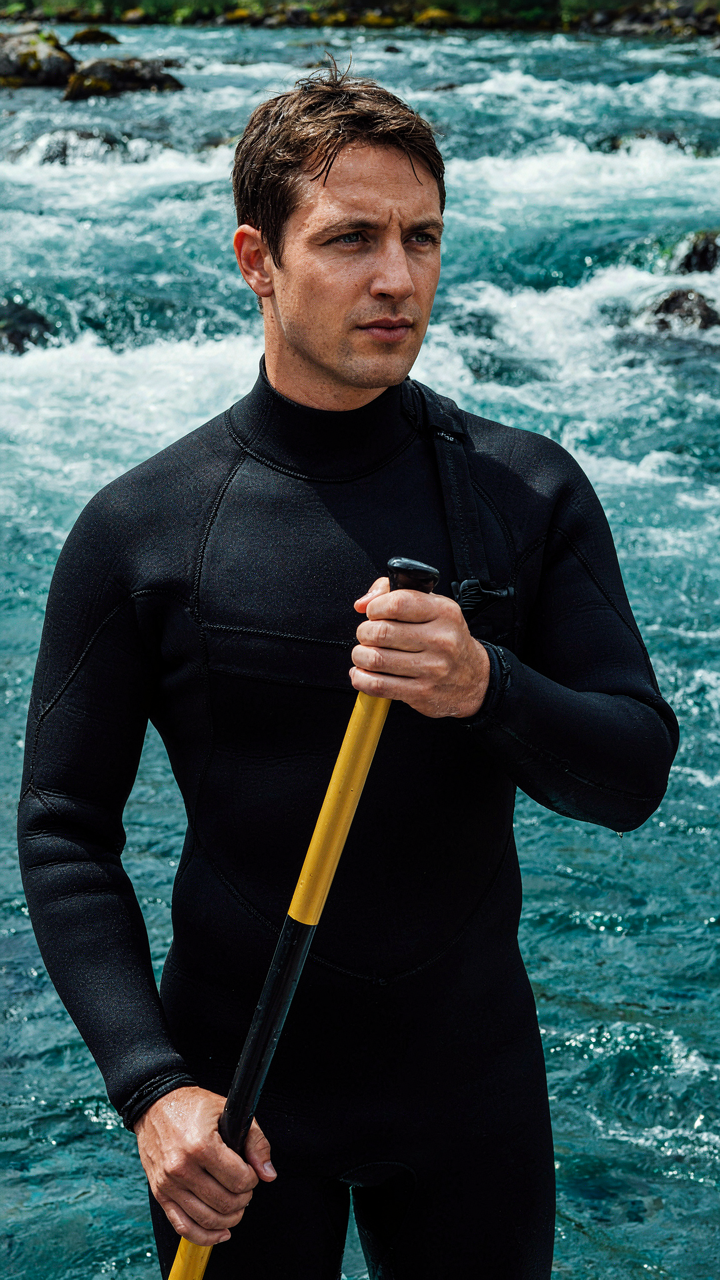
Most people never separate the activity from the fear response. Rock climbing triggers fear of falling, but the real trigger for one climber is grip failure, while another fears the harness failing. Whitewater rafting triggers fear of water, but one paddler fears drowning while another fears capsizing in a rapid. The distinction determines your training path. Until you name the mechanism activating your nervous system, every preparation attempt wastes time and money on the wrong solution.
Build Tolerance Through Staged Exposure
Systematic desensitization comes from behavioral psychology and military pilot training. The mechanism is simple: repeated, controlled exposure to a threat shrinks the threat’s neural weight in your brain. Your nervous system learns the stimulus doesn’t produce the predicted outcome. In adventure sports, this means you don’t jump from caution straight to commitment. You stage the exposure in measurable increments.
- Ground-based progression: Start with the skill at zero height or zero consequence. Rock climbers boulder at chest height or use crash pads. This builds movement competence without adding fall risk to the equation.
- Controlled environment training: Use managed versions of the real sport. Indoor rock gyms, wave pools for surfing, and simulated freefall chambers for skydiving all compress variables so you isolate the specific fear trigger.
- Supervised low-stakes repetition: Work with an instructor in scenarios where failure carries minimal consequence. A guide on a beginner ski slope teaches edge control in conditions where falling doesn’t escalate to serious injury.
- Real environment, restricted scope: Move to the actual activity but limit complexity. Deep water solo climbing uses the ocean but removes fall risk. Sport climbing outdoors uses real rock but on established routes with bolts.
- Full-scope engagement: Only after each prior stage produces zero anxiety response do you progress. Base jumping requires hundreds of skydives first. Big wave surfing requires years in smaller waves.
Each stage must produce measurable competence, not just emotional comfort. Your nervous system doesn’t care how you feel. It cares whether repeated exposure confirms your predictions were wrong. When you’ve completed a progression stage five times without spike in heart rate or freeze response, you’ve desensitized that trigger. Then you move to the next stage. Skipping stages leaves a psychological gap that manifests as hesitation during execution.
Things To Do For Adrenaline Junkies: Redefining “Thrill”
The Real Combat Zone Between Your Ears
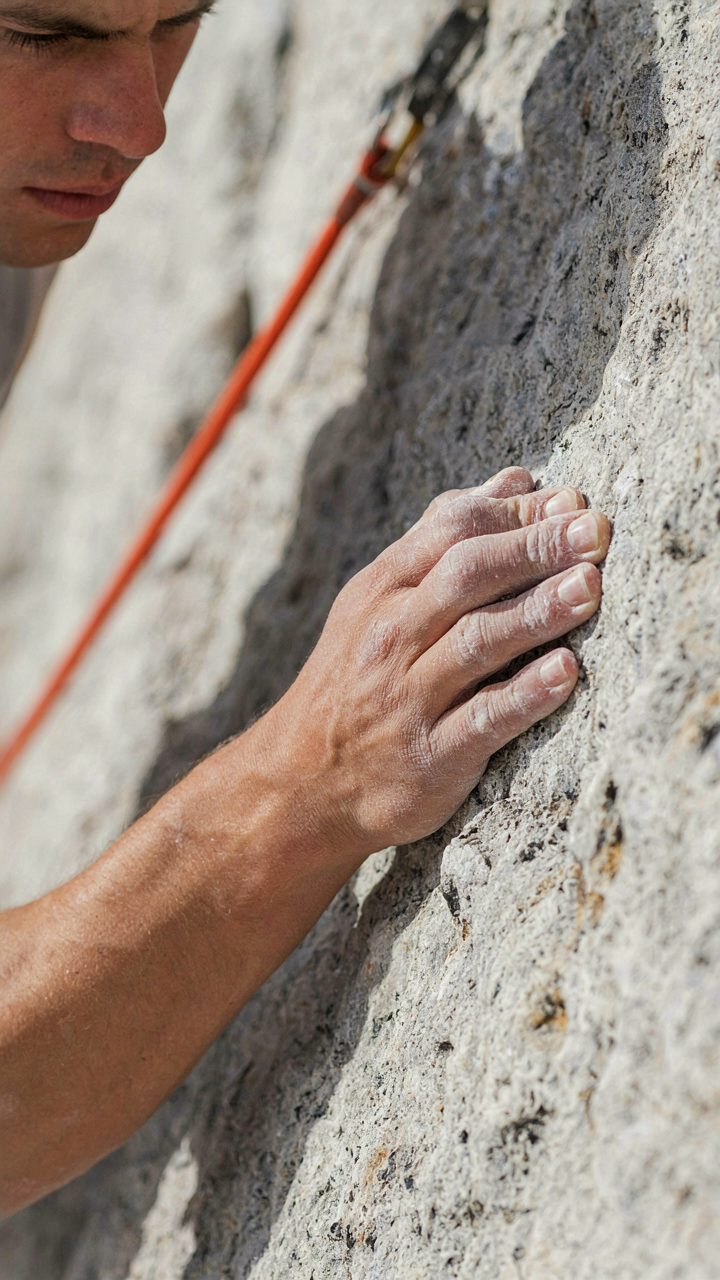
You care about this section because you want proof that you’re not ordinary. The mechanism is simple: your nervous system doesn’t distinguish between physical danger and psychological pressure. Both trigger the same stress response. Most people chase altitude or speed thinking the external stimulus creates the thrill. Wrong. Military psychology research shows that uncertainty and loss of control generate the actual response. In rock climbing, BASE jumping, or whitewater kayaking, the thrill comes from navigating incomplete information while your body screams to escape. The sport is just the container.
When you’re 2,000 feet up on a cliff face with one anchor point, your amygdala doesn’t care about the safety systems. It processes the gap between what you can predict and what might happen. That gap is where the sensation lives. This is why experienced climbers can feel bored on well-protected routes and feel alive on dangerous ones with identical physical demands. The external conditions matter far less than your mental model of control versus chaos. Mental fortitude isn’t the ability to stay calm. It’s the capacity to function while your threat detection system runs full throttle.
Discomfort Designed Into Every Decision
Generic advice says “push your limits.” That’s useless. The real skill is learning to operate in states where your body demands you stop but stopping means failure. Ultramarathon running exposes this clearly: at mile 60, your legs don’t hurt worse than at mile 20. Your brain simply decides the pain is intolerable and invents reasons to quit. Skydivers, cave divers, and expedition mountaineers train the specific mental protocol: acknowledge the signal, evaluate the threat rationally, then continue anyway.
This isn’t motivation or willpower. It’s systematic desensitization to discomfort as a valid operational state. You train your nervous system to accept that suffering and forward progress coexist. Start small: hold ice in your hand until it burns, then for thirty seconds longer. Run a hard interval when you’re already tired. Sleep in cold conditions. The mechanism rewires your threat response so extreme environments feel like information, not emergency. When you’re underwater in a cave system and your tank pressure drops, the trained response is assessment, not panic. That’s the skill every item on a thrilling adventure sports list actually tests.
The Stoic Thrill Seeker: Embracing The Uncontrollable
Your Response Is The Only Variable You Control
You’re reading this section because you want to feel in control during chaos. That’s not happening. The mountain, the wave, the canyon—none of it cares about your confidence. But here’s the mechanism: Stoicism from ancient military strategy applies directly. In warfare, commanders separate what they control (troop positioning, decisions, effort) from what they don’t (enemy tactics, weather, terrain). The same split works in adventure sports. Your fear stems from treating the uncontrollable as if it were yours to manage. It isn’t. Stop there.
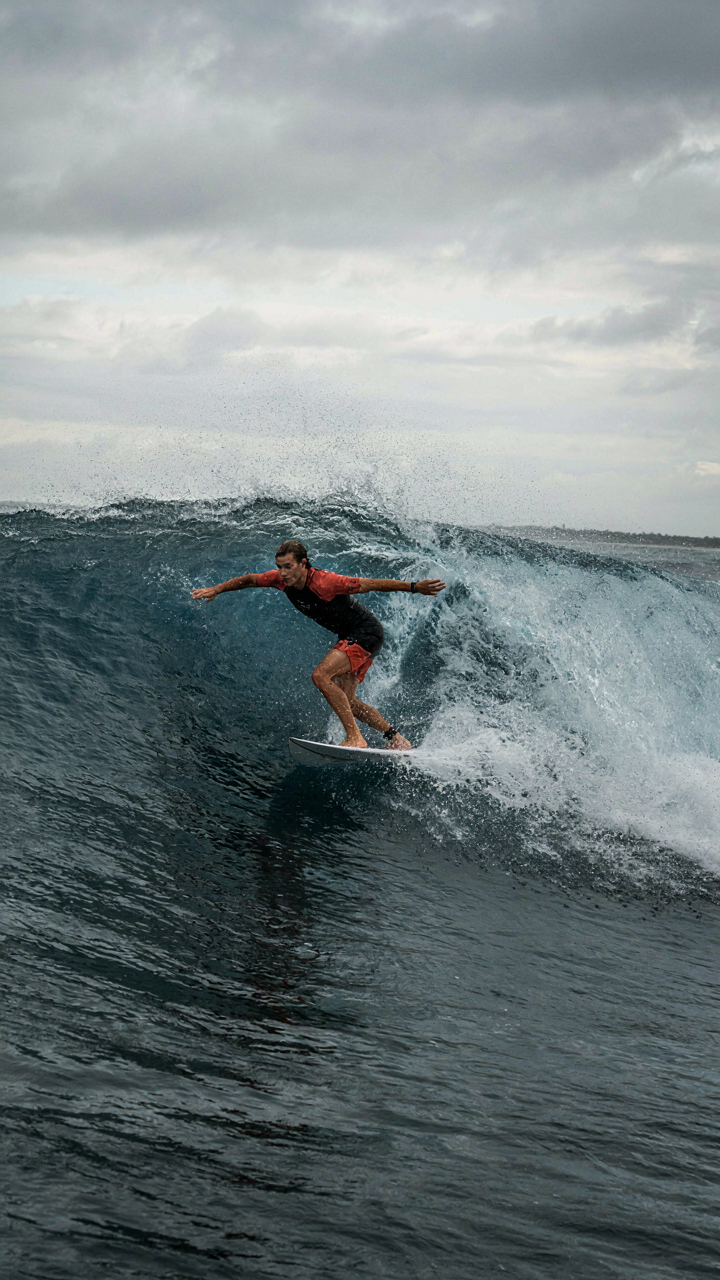
What you actually control is microscopic: breath rhythm, body position, whether you commit or hesitate, how you respond to failure. Base jumping, ice climbing, big wave surfing—these demand you obsess over your micro-decisions while accepting the sport’s inherent variables. The rock breaks. The weather shifts. The ocean doesn’t negotiate. Your job is to master the fraction that’s yours, then execute it with zero attachment to outcome. This distinction collapses anxiety because you stop fighting reality.
Pre Mortem As Preparation Protocol
Pre-mortem analysis is a military planning tool: assume the mission failed, then work backward to identify failure points before they happen. Adventure sports demand the same discipline. Before you rappel, cave dive, or charge a boulder field, you mentally execute every way you could die or get hurt. Not to paralyze yourself—to inoculate yourself against surprises.
Map each failure scenario. Equipment failure—what’s your backup? Body failure—what’s your exhaustion point? Environmental failure—what weather or condition makes this impossible? Each scenario gets a specific protocol, not a vague hope. Climbers use this constantly: they don’t just plan the climb, they plan what they do when the rope snaps, when fatigue hits at altitude, when weather turns. Pre-mortem converts abstract fear into concrete contingencies. You can’t eliminate risk in adventure sports, but you can eliminate improvisation in crisis.
Adventure Bucket List Activities: The Investment Principle
Opportunity Cost Chooses Your Real Competition
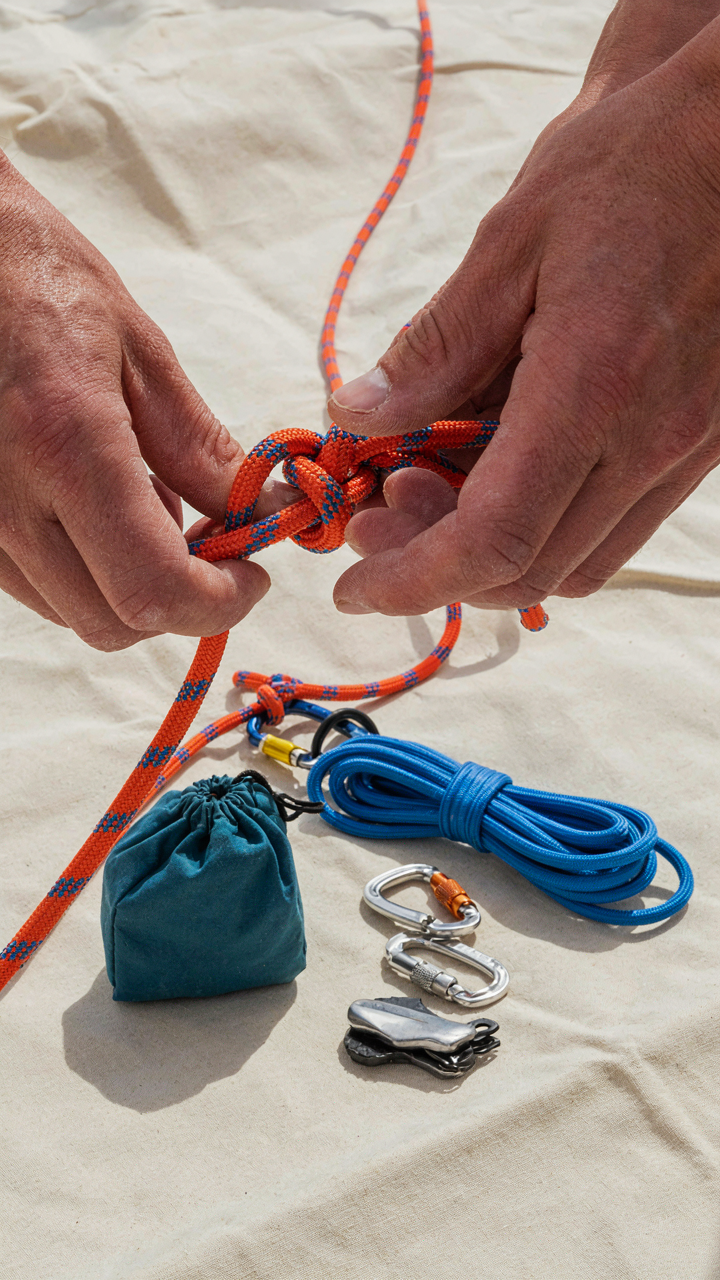
You want the story, not the tradeoff. That’s why you’re here. But the mechanism that actually matters in economics is opportunity cost: what you give up by choosing one thing over another. Skydiving in New Zealand takes a week and five thousand dollars. That same week and capital could fund a month of rock climbing skill development in Utah. One gives you a photo. The other builds competence you use for years.
The real competition isn’t between adventure sports. It’s between a one-off experience and compounding returns on your time. Most people choose wrong because they chase the event instead of the asset. A single heli-ski run feels exclusive until you realize you spent the year’s travel budget on six hours. Meanwhile, someone else trained for backcountry skiing and spent the same money on fifty days of slopes, terrain variety, and actual skill that translates to safety and enjoyment on future trips.
Skill Compounds Faster Than Adrenaline Fades
The conventional advice splits experience into two camps: the bucket list stunt or the hobby you develop over time. Both are real, but the framing is broken. Stunts feel better in the moment because they’re novel. Skills feel boring at first because repetition doesn’t spike dopamine the same way. But a skill-based sport like ice climbing or technical mountaineering becomes a tool you use for the rest of your life. A stunt becomes a story you repeat until nobody cares anymore.
The mechanism is retention and utility. Technical skills in sport transfer across conditions and years. Backcountry skiing knowledge stays with you. BASE jumping expertise doesn’t degrade. A one-off helicopter tour doesn’t teach you anything you’ll use next year. Choose activities where the learning curve means your fifth attempt is materially different from your first. That difference is what builds the identity of someone who does these things, not someone who did one thing once.
Best Rides For Adrenaline Junkies: Engineering Resilience
Your Brain Wants Predictable Danger
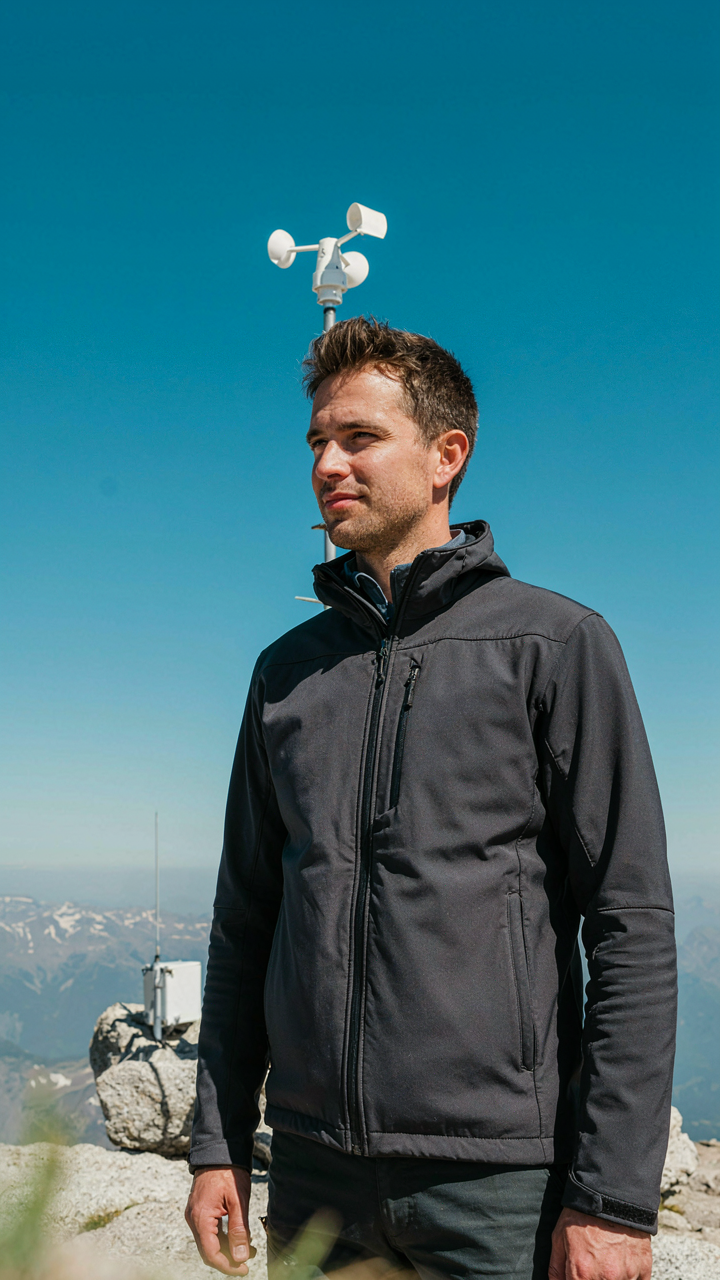
You want to feel alive without dying. That’s not weakness, that’s why you’re reading this. The mechanism that separates thrilling adventure sports from reckless gambling is feedback. Cybernetics, the study of control systems, teaches us that every stable system requires real-time information loops. In BASE jumping, rock climbing, and white water kayaking, your sensory input directly shapes your next decision. You feel the wall, read the current, see the altitude. No feedback means no control. No control means you’re not doing a sport, you’re taking a bet.
Elite athletes in these spaces build what engineers call “negative feedback loops.” When a climber feels the rock shift, she adjusts grip immediately. When a skier reads ice conditions, he angles differently. The best adventure sports operators—the ones with zero fatalities across thousands of runs—obsess over data collection before action. They log conditions, track personal performance metrics, test equipment under stress. Your job is simple: demand this data before you participate. Ask for incident reports. Ask how long gear has been in service. Ask what changed the last time someone got hurt.
Systems Fail When One Part Goes Silent
Most adventure sports deaths don’t happen because of single failures. They happen because problems cascade. A harness gets worn, the climber doesn’t notice, the rope frays slightly, the belay partner doesn’t catch it, and suddenly one small gap becomes fatal. Military and aerospace industries call this cascading failure analysis. You prevent it by building redundancy into every critical system. Whitewater outfitters use multiple safety protocols at each rapid: guides trained in rescue, backup rescue boats, mandatory helmet use, and throw rope systems. None alone keeps you alive. Together, they ensure one failure doesn’t kill you.
The venues worth your time have compartmentalized risk. When you heli-ski, the operator maps avalanche terrain, runs forecasts, employs spotters, and maintains communication systems independently. Each system works without the others. If one fails, the others still function. Before you book any adventure sport, ask: what happens if the primary safety system fails? If the answer is “you die,” move on. If the answer is “here’s the backup system we deploy,” you’ve found someone who engineers resilience instead of hoping for luck.
The Untapped Power Of Adrenaline Activities Bucket Lists

Why Adrenaline Sticks When Everything Else Fades
You want proof you’re alive. That’s the real reason you’re reading this. The mechanism is simple: your nervous system doesn’t distinguish between manufactured thrills and genuine survival. Skydiving, ice climbing, big wave surfing—they all flood your body with the same neurochemistry. Your brain timestamps these moments differently than ordinary days. They carve themselves into memory because they demand total presence.
The difference between a bucket list that transforms you and one that becomes photo ammunition comes down to integration. Most people chase the high, collect the story, then return to their default life unchanged. Real transformation requires you to process what the activity revealed about your capacity. Solo climbing a 14,000-foot peak teaches you something about problem-solving under pressure that transfers to your work. A expedition down a technical river teaches you how you actually behave when things go wrong. You’re not just adding experiences—you’re building data about yourself.
Courage Compounds Across Your Life
Building a legacy of courage operates like compound interest in psychology. Your nervous system remembers. When you’ve already committed to something genuinely dangerous, smaller fears lose their grip on you. Most advice here is garbage because it treats courage as a feeling you summon. Wrong. Courage is a practice. Each deliberate confrontation with fear rewires your threat detection. The person who summits Kilimanjaro handles professional rejection differently than someone who stays comfortable.
The mechanism works through desensitization and expanded self-concept. After you’ve performed under real stakes, your internal narrative shifts. You stop asking “Can I?” and start asking “What’s the protocol?” This isn’t motivation or mindset work. It’s neurological recalibration. Document your adventures as decision logs, not trophy photos. Write what you were afraid of, what surprised you, what you’d do differently. These records become your evidence that you operate differently than your former self. Return to them when new challenges arise.
Beyond The Peak: Integrating Adventure Into Daily Life

Courage Isn’t Built In Mountains
You want permission to believe that extreme sports matter to your real life. Here’s the mechanism nobody admits: courage is a skill with transfer value, not a personality trait you’re born with. Neuroscience confirms this. When you push past fear in rock climbing or whitewater rafting, you rewire your threat-detection system. Your amygdala stops firing at routine obstacles. The neural pathways you build confronting a real cliff face activate when you face a real professional setback.
The mistake most people make is treating adventure sports as escape rather than training. You’re not going to summit Kilimanjaro and suddenly become bold in board meetings. But you will accumulate reference points. Your nervous system learns that discomfort is survivable. That learning sticks. The key is repetition in progressively harder contexts, not one massive trip you talk about forever.
When Discomfort Becomes Data
Common advice says “apply lessons from adventure sports to your career.” That’s backwards and useless. You don’t extract metaphors from rock climbing and hope they work in sales. You train the actual systems. Extreme sports teach you how your body responds under pressure. Your breathing patterns. Your decision-making speed when stakes are real. Your ability to execute when fear is loud.
Take ice climbing or mountaineering. Both demand you make technical decisions while exhausted, cold, and scared. You can’t think your way out. You execute the protocol you trained. That’s precisely what high-pressure moments demand in business, relationships, or any domain where hesitation costs. Build the protocol first. Practice it under low stakes. Then deploy it when the real pressure hits. The adventure sports list becomes your lab. Everything else becomes the field test.
The Ultimate Adventure: Mastering Your Inner Landscape
Know Yourself Before You Jump
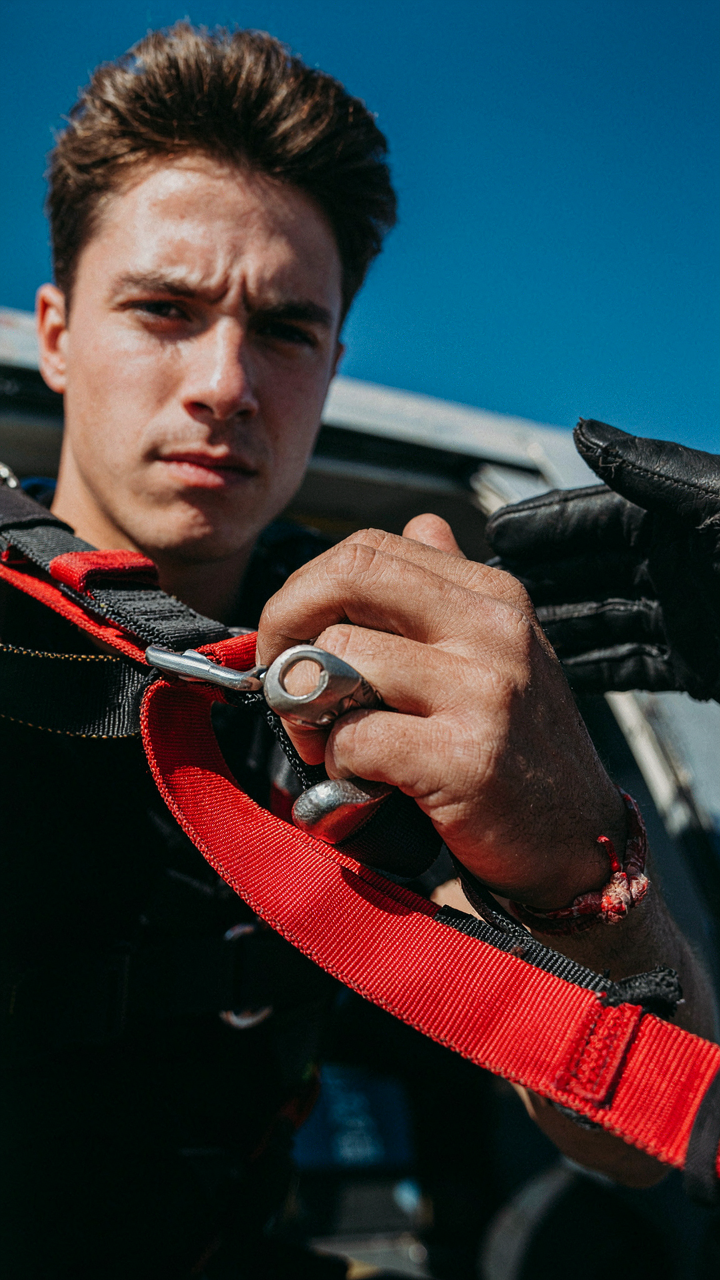
You want to believe fear is something you overcome. It’s not. You’re actually chasing proof that you’re not the person you suspect you are in quiet moments. Self-awareness works like a compass in navigation sports: it tells you which direction is true north, not which direction feels dramatic. Without it, you mistake recklessness for courage and burn out fast.
The mechanism is simple. When you understand your actual limits, your actual triggers, and your actual motivations, you stop performing bravery for an invisible audience. Rock climbers who die are often climbers who never asked themselves why they were really climbing. BASE jumpers who survive decades are the ones who’ve mapped their psychology like they map wind patterns. Self-awareness isn’t introspection. It’s data collection about how you actually respond under load.
The Edge Is Where Growth Becomes Measurable
Generic advice says “push yourself” and stops there. That’s incomplete. Psychology borrowed from skill acquisition shows that adaptation happens at the edge of your competence, not at the edge of your ego. Whitewater paddlers call this “reading the river” before running it. Mountaineers call it acclimatization. The pattern is identical across every thrilling adventure sport on your list.
The protocol is concrete. You establish your baseline: what you can execute consistently with zero uncertainty. You then add a single variable. One increment of difficulty. One new condition. You master it. You repeat. Skydivers progress through jump altitudes in exact steps for this reason. Each step builds the neural pathway that makes the next step automatic, not terrifying. This is how people do difficult things without destroying themselves.
The Only True Adventure Is Confronting Your Own Mediocrity

Every thrilling adventure sports list becomes pointless the moment you treat it like a bucket. You don’t need permission to skydive or climb or kayak. You need to stop building your identity around the experience and start building it around who you become when risk demands everything. Book the trip this week. Not next month. Not when conditions are perfect. The adventure isn’t out there—it’s in your refusal to stay comfortable.