
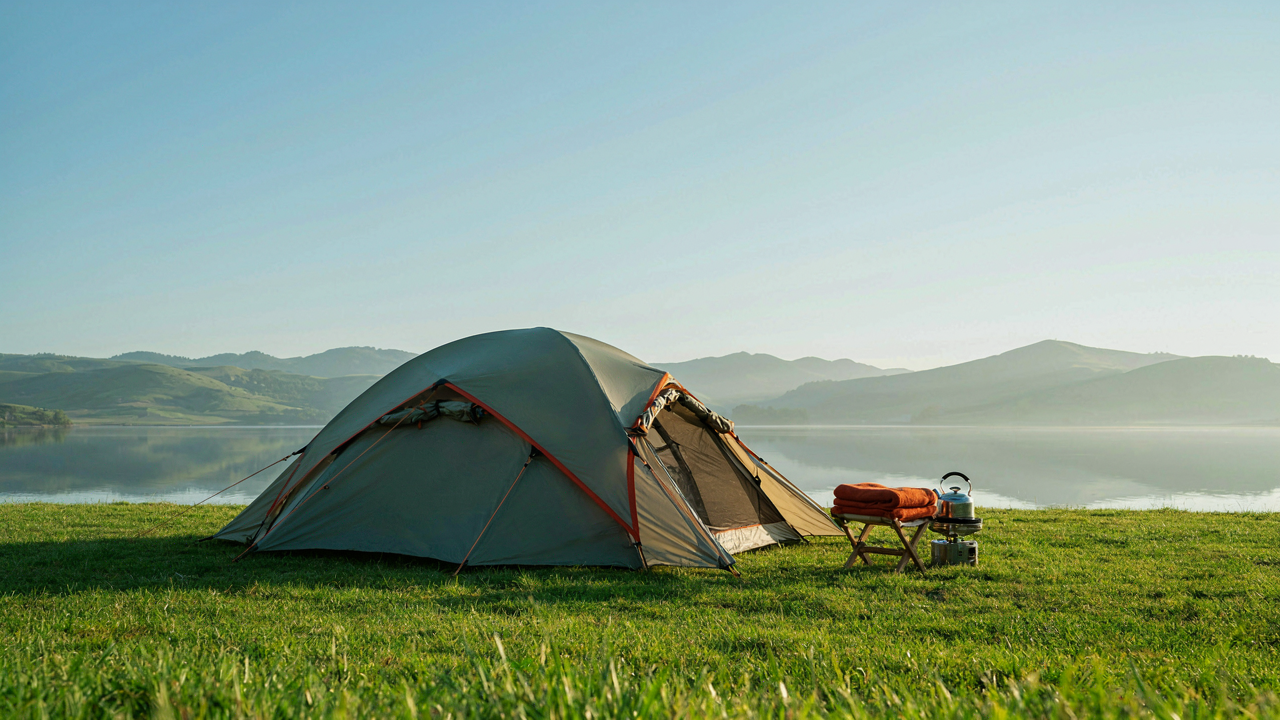
The Minimalist Mindset: Why Less Gear Is More Freedom

Separate The Signal From The Noise
You want permission to buy less because you’re afraid you’ll look unprepared. Here’s the mechanism: every piece of gear you own becomes a decision tax. You pack it. You carry it. You set it up. You break it down. You clean it. You store it. Most beginners confuse gear quantity with competence, when the opposite is true. A competent camper knows what actually keeps them alive versus what makes them feel safe.
The real distinction is biological. Your body needs shelter, sleep, food, and water. Everything else is either a convenience that saves time or a security blanket that costs it. Most beginner gear lists contain both. You have to ruthlessly identify which is which, because the weight of your pack directly determines how far you can go and how much you actually enjoy the trip. Comfort matters, but only when it doesn’t undermine the core function of camping: moving through an environment on your own terms.
The Decision Weight You Carry
Packing light isn’t about stoicism or Instagram aesthetics. It’s about operational efficiency. Every item in your pack represents cognitive load. When you set up camp, you unpack thirty things and have to remember where each one goes. When you break camp, you hunt for thirty things scattered across your site. The friction compounds.
The real advantage is freedom of movement and mental clarity. A ten-pound pack versus a thirty-pound pack means the difference between a casual hike and a forced march. When your pack weighs less, you move faster, you get tired slower, and you make better decisions because your brain isn’t burning calories just compensating for extra weight. Start by carrying only what you’ve used on the previous trip, then add one new item per outing. This builds inventory from experience, not from a checklist written by someone else.

Your First Tent: Don’t Overspend, Overthink.
Functional Beats Fancy Every Time
You want the tent that looks like the ones in the Instagram ads because you think it signals you’re serious about this. Stop. The mechanism is simple: tent manufacturers stack margin on aesthetics while durability stays flat. A $300 tent with unnecessary vents and color-matched zippers performs identically to a $120 tent with the same floor area and rainfly coverage.
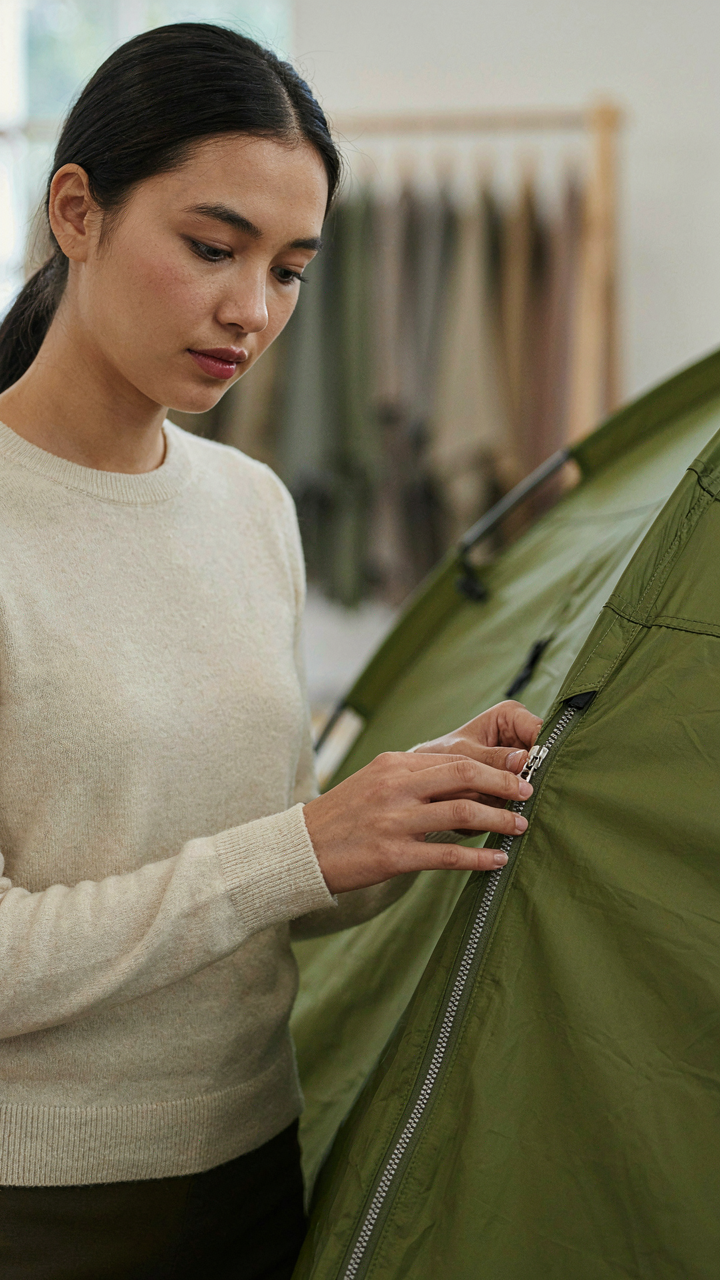
Buy a tent that fits your body count plus one, has a bathtub floor that extends six inches up the sides, and comes with a rainfly. Those three factors stop 95 percent of beginner failures. Seams sealed or taped, door zippers that don’t jam, and poles that aren’t flimsy matter more than brand recognition or minimalist design. Test the zippers before you leave the store. Push on the poles. That’s the entire evaluation.
Tent Ratings Are Marketing Noise
The term “season rating” borrows from product lifecycle strategy in manufacturing. A tent rated for three seasons isn’t actually usable in three seasons. It means the tent handles spring, summer, and fall reasonably well, but fails in winter wind or snow load. Manufacturers use season ratings to create artificial tiers and justify price jumps that don’t reflect actual performance differences.
Ignore the star ratings and the marketing copy about “all-weather capability.” Instead, check two real metrics: what’s the minimum temperature the floor insulation can handle, and what weight of snow load can the poles support. Most beginner tents list neither clearly because they’re mediocre in both. Read reviews from people camping in your actual region and season. That’s the only rating system with signal.
The Easy Tent Setup Guide Protocol: Speed Over Perfection

Choose Your Ground Like You’re Reading Terrain
You want to look competent in front of whoever you’re camping with. The real mechanism is this: wind and water don’t care about your intentions, so your site selection determines whether you sleep or fight your environment all night. Flat ground beats everything else. Find it first. Avoid low spots where water pools after rain, ridge tops where wind accelerates, and areas directly under dead branches. High ground near water sources works, but not too close. You need drainage and distance.
The second filter is ground composition. Soft soil holds stakes better than hard clay or rock. Test it by pressing your boot heel down. If it resists, move ten yards. Grass-covered areas drain faster than bare dirt. Trees provide wind breaks on exposed campsites, but keep your tent at least fifteen feet from trunks to avoid falling branches and to prevent root systems from making the ground uneven under your tent floor.
Practice Your Setup Before You Camp
Common advice says “just read the instructions.” That’s incomplete. The real difference between a tight pitch and a loose one is muscle memory, not intelligence. Your hands need to know where stakes go and how tight guy lines should feel before you’re doing this in the dark or rain on your first trip. Set up your tent in your backyard or yard twice before you camp. Time yourself. You’ll learn what taut actually means instead of guessing.
The protocol is simple: stake down corners first, then guy lines if your tent has them. Corners take most of the load. Guy lines distribute wind stress and prevent the tent from flexing in gusts. Stake at a 45-degree angle away from the tent, not straight down. This angle creates mechanical advantage against pull force. Your second backyard setup will be thirty percent faster than your first. By trip three, you’ll pitch in under five minutes without thinking.
Beyond The Tent: Crucial Gear For Camping For Beginners
Sleeping Systems: Warmth Not Plushness
You want a sleeping bag that feels like a hotel bed. That’s not what keeps you alive at night. The mechanism is insulation trapping dead air, not softness. Thermal resistance, borrowed from physics, determines survival in cold conditions. A bag rated for 20 degrees Fahrenheit means the insulation maintains that threshold before you lose core heat. Down and synthetic materials both work, but synthetic retains warmth when wet. Down compresses smaller for pack space but fails if damp. Pick a bag rated 10 degrees lower than your expected coldest night. Pair it with a sleeping pad, which blocks ground cold that steals heat faster than air above you.
The sleeping pad matters as much as the bag itself. Ground contact drains body heat through conduction at a rate insulation alone cannot stop. Foam pads cost less and work fine for beginner trips. Inflatable pads add comfort but fail if punctured mid-trip. Stack them if you own both. Place your bag on the pad, zip the bag fully, and keep dry layers inside. That’s the protocol. Temperature ratings assume you follow this setup exactly.
Cooking And Water: Self Sufficiency Essentials
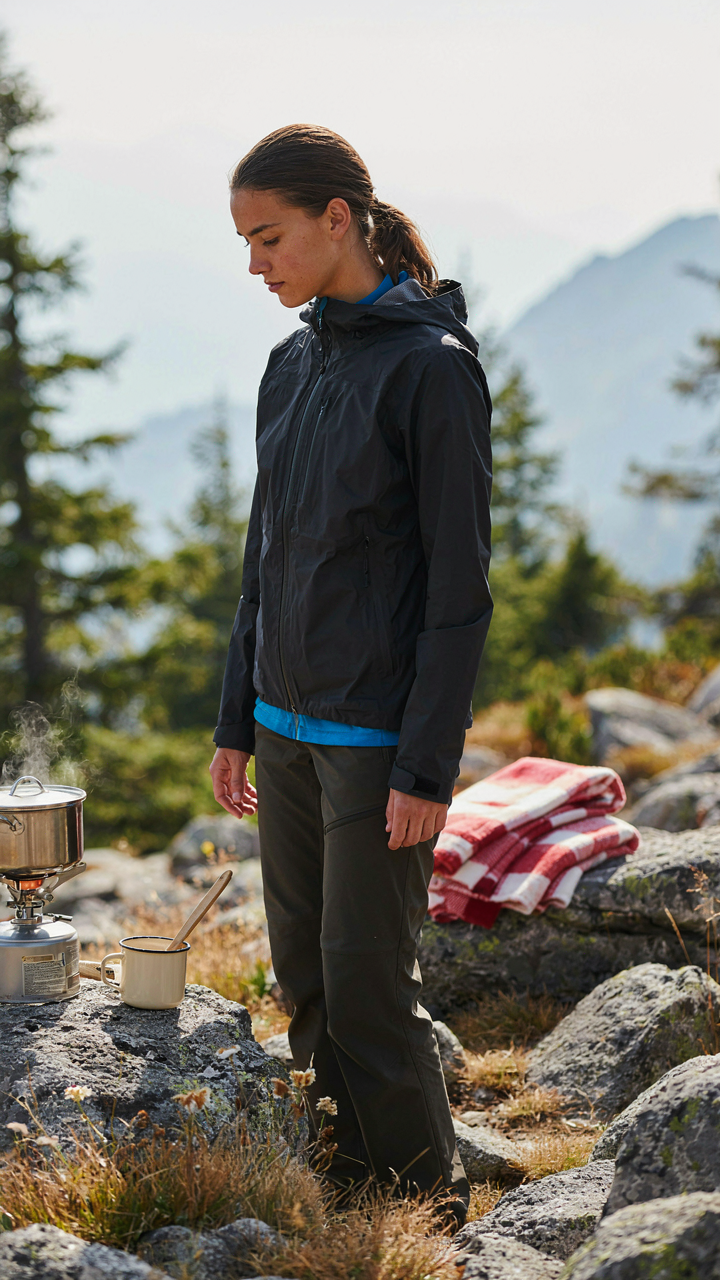
Most beginners assume they need a camp stove. They don’t, but a stove eliminates the learning curve of fire management. A lightweight canister stove and fuel weigh under two pounds and boil water in five minutes. You’ll burn fuel either way, so efficiency matters. Water requires two containers: one for storage and one for cooking. Store three liters minimum per person per day at baseline. Dehydration sneaks up because altitude and activity accelerate fluid loss. Boiling water for ten minutes kills most pathogens, but chemical tablets or filters work faster if you’re filtering repeatedly.
Meals don’t need to be elaborate. Rice, pasta, and dehydrated vegetables rehydrate with hot water and don’t spoil. Cook once daily to save fuel. Bring a lightweight pot with a lid, one utensil, and a bowl that doubles as a plate. Clean cookware immediately after eating to avoid attracting animals. Pack out all waste including food scraps. Never leave food at your campsite overnight. Proper storage prevents bears and other wildlife from conditioning to human food, which gets them killed later.
The “Beginner Camping Gear Guide” You Actually Need
Gear That Actually Matters
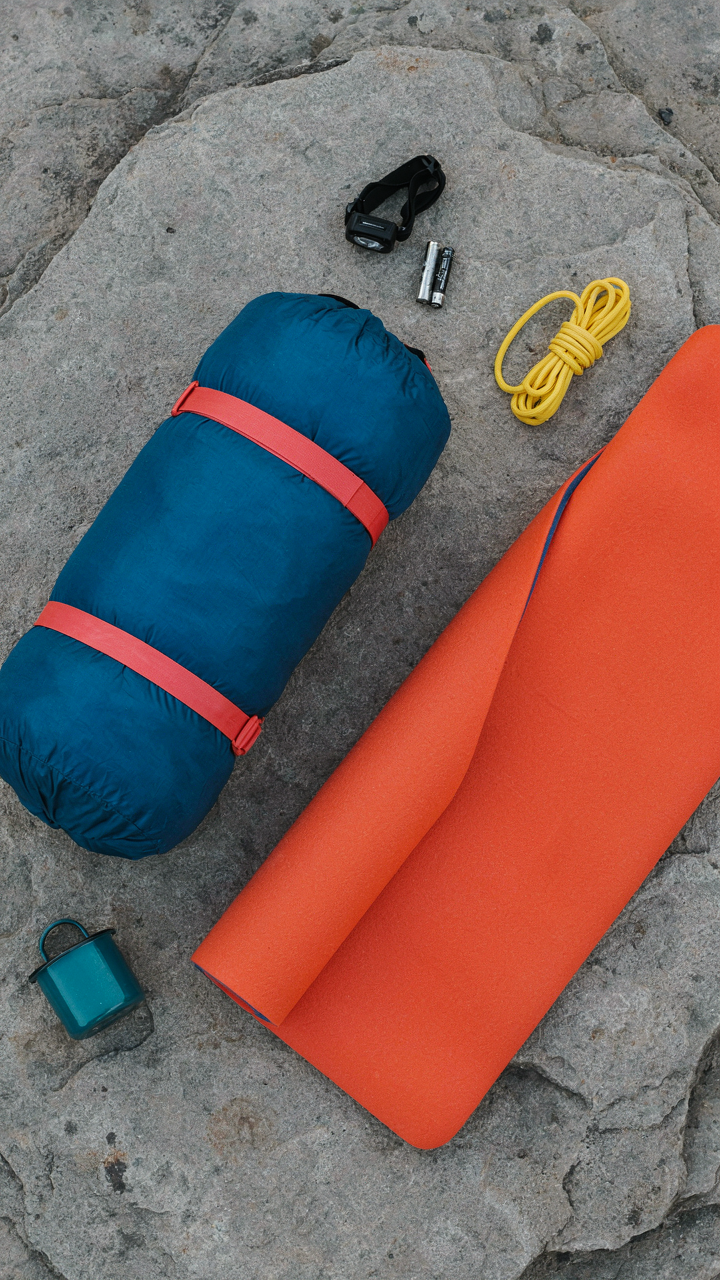
You want the list because you’re afraid of buying wrong and wasting money on dead weight. Here’s the mechanism: beginners conflate gear abundance with safety. More stuff doesn’t make you safer or more comfortable. It makes you carry weight and regret. Start with shelter, sleep system, and the ability to make fire or boil water. Everything else is negotiable.
- Tent with rainfly: A three-season tent rated for your climate. The rainfly prevents interior condensation and water intrusion during rain. This is your primary barrier against the elements.
- Sleeping bag rated for season: Match it to lowest expected temperature. A summer bag won’t keep you warm in spring. A winter bag wastes weight in July. Rating matters more than brand.
- Sleeping pad: Insulation between your body and cold ground. R-value indicates insulation quality. You lose heat downward faster than upward. A pad is non-negotiable for comfort and core temperature.
- Headlamp with extra batteries: Hands-free lighting after dark. A cheap LED headlamp works fine. Don’t overthink this. Test it before the trip.
- Stove and fuel or fire method: Either a lightweight camp stove or the ability to build and manage a fire. One boils water for meals and purification. Pick one and master it.
Everything beyond this list solves a problem you haven’t encountered yet. You’ll know what you need after your first night because discomfort speaks louder than speculation. Buy those five things. Test them in your backyard. Then camp.
The Gear Traps That Drain Money
Most beginner advice treats expensive gear like insurance against failure. It isn’t. The real trap is buying premium versions of items you don’t understand yet. You’ll buy a three-hundred-dollar tent when a one-hundred-twenty-dollar tent teaches you what matters. You’ll upgrade the sleeping bag three times before settling on one.
The mechanism is scope creep disguised as preparedness. You see “beginner camping gear lists” with thirty items. Most aren’t needed. Cooking utensils, camping chairs, lanterns, and specialty clothing multiply your pack weight without solving core problems. Your body generates heat. Cotton holds moisture but wool and synthetics dry faster. A basic tarp costs eight dollars. A camping chair costs sixty. Neither keeps you alive.
Buy used first. Rent expensive items for one trip. Return them if you hate the hobby. Beginners who invest five hundred dollars upfront quit camping at fifty percent the rate of beginners who spend eighty dollars and discover what actually matters through experience. The gear trap isn’t the price point. It’s the assumption that you know what you need before you’ve slept outside once. Start minimal. Add only what fills a specific gap you’ve already felt.
Primitive Skills: The Ultimate Camping Guide

Fire Starting Beyond The Lighter
You want fire mastery because it signals competence and survival readiness. The real mechanism is thermodynamics: fire requires three inputs in precise ratios, and most people fail because they treat it like a binary on/off switch instead of a heat transfer problem. Thermodynamics teaches us about energy state transitions. In camping, your tinder, kindling, and fuel wood each occupy different energy states. Light a match on wet wood and nothing happens because the wood’s moisture absorbs the heat faster than combustion can initiate. Build the sequence right and fire ignites.
The standard advice to “bring a lighter” is incomplete. A lighter gives you ignition, not fire. You need dry material staged by size: ultra-fine tinder (char cloth, dryer lint, bark), pencil-thin kindling, and wrist-thick fuel wood arranged in a loose pyramid. The pyramid shape matters because it creates airflow paths that pull oxygen through the burn zone. Strike your lighter under the tinder, watch it catch, gradually add kindling as heat rises, then add fuel wood only when the kindling burns hot enough to sustain it. Never jump stages. If your kindling is too thick or damp, the flame dies before it spreads.
Navigation The GPS Of Your Brain
Cognitive mapping is how your brain builds spatial memory without instruments. Modern beginners skip this because GPS exists, but GPS dies when batteries fail and signal vanishes under heavy tree cover. Your brain stores three navigation layers: landmarks (that dead pine tree), routes (follow the stream downhill), and survey knowledge (understanding how the campground layout connects to trails). Most people navigate using only landmarks, which breaks when you approach from an unfamiliar angle. Build survey knowledge by walking your camping area deliberately on arrival, noting elevation changes, water sources, and how trails intersect. Stop at high points and rotate 360 degrees, naming what you see.
The protocol is simple: on day one, walk a triangle loop starting and ending at your tent. Note one landmark per leg. On day two, walk the same loop backward. Your brain now holds that space in both directions. This takes ninety minutes total and prevents the panic of feeling lost within fifty yards of your site. You’ve built cognitive redundancy. When you move between locations, spend fifteen minutes standing still, scanning the landscape, and identifying two distinct visual anchors that won’t shift regardless of your position. That’s survey knowledge. You now navigate by understanding space, not following GPS coordinates.
Weathering The Storm: Real World Tent Camping
Rain And Wind Strategies
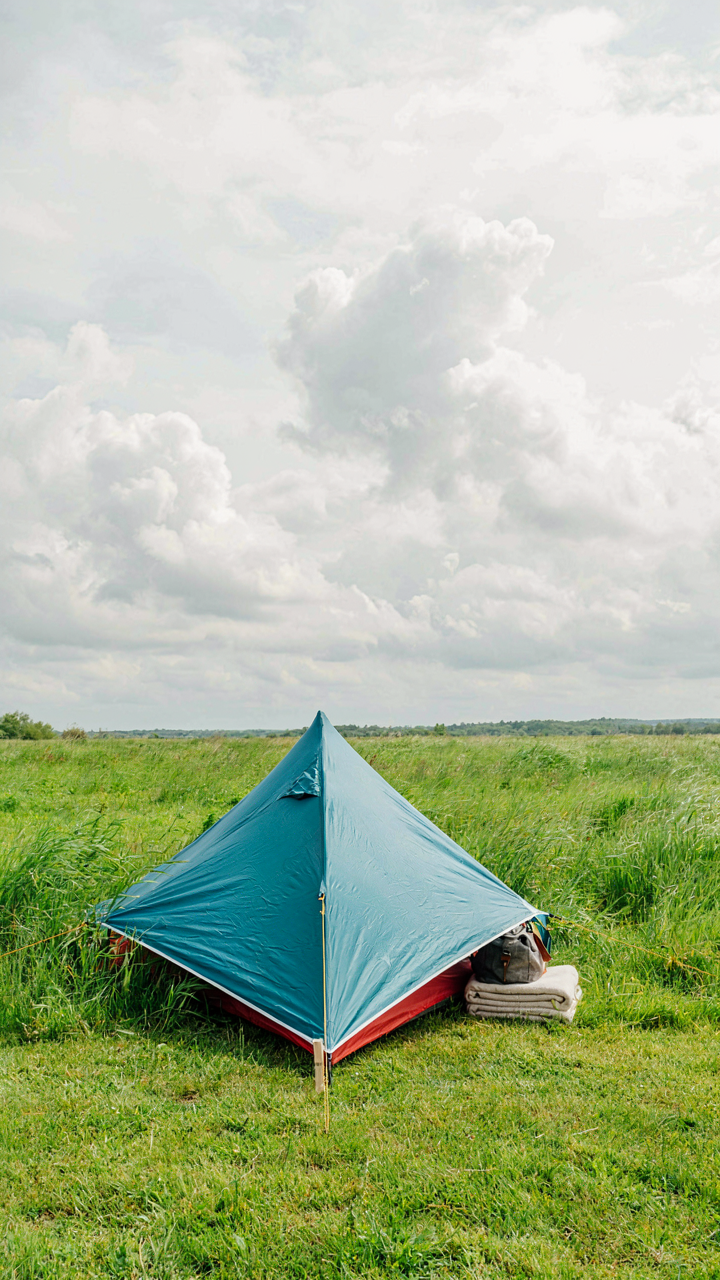
You want this section because you’re terrified of getting soaked and looking incompetent in front of people who matter. The real mechanism is simple: water moves downhill and wind pushes horizontally. Your tent’s job is to interrupt both forces before they reach your sleeping bag.
Rain prevention starts before the storm arrives. Pitch your tent on ground that slopes away from your sleeping area, never in a depression or wash. Set up your rainfly before nightfall, ensuring it covers the entire tent body with no gaps where water can funnel down seams. The rainfly’s job is to create a dead air space between it and the tent fabric, breaking the direct water path through capillary action.
Adapting To Unexpected Conditions
Most beginner advice says “just be flexible,” which is useless when your tent’s stakes are snapping in gusts or water pools at your door. Real adaptation means reading conditions three hours before they hit and making incremental moves, not panicked overhauls.
If wind intensifies, don’t strike camp randomly. Reorient your tent so the narrow end faces the wind source, reducing the surface area the gusts can attack. Lower your profile by adjusting guy lines tighter and angling them closer to the ground. If unexpected rain arrives and your rainfly has gaps, use your pack or extra gear to block water from entering. When conditions exceed your tent’s rated capacity, the protocol is clear: leave the site or seek shelter. Waiting out a storm in an inadequate tent wastes time and creates actual danger.
Leave No Trace: Respecting The Wild (And Yourself)
Waste Management: The True Measure Of Competence
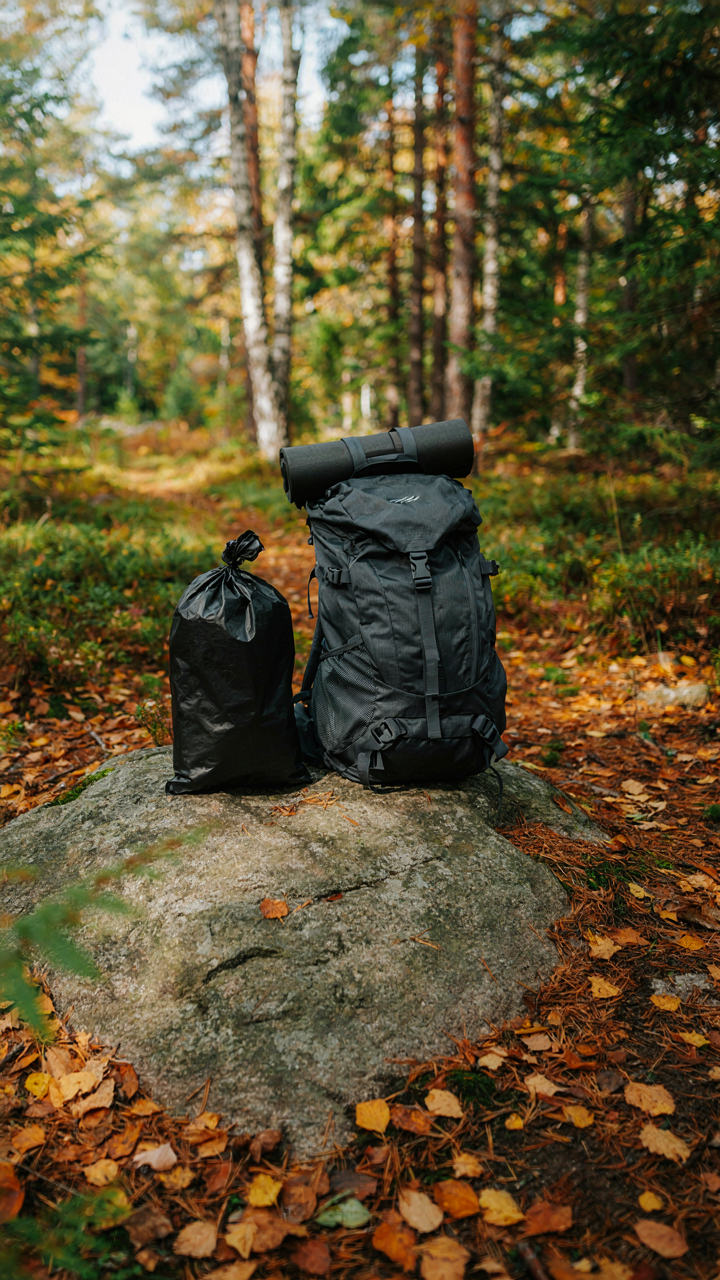
You care about this section because you want to believe you’re the type of person who leaves places better than you found them. That’s status disguised as ethics. The real mechanism is simpler: waste management is a systems problem, not a moral one. Pack everything out because decomposition doesn’t work on your timeline. Food scraps take months to break down. Toilet paper takes years. Microtrash—foil, plastic, fragments—disappears into soil and poisons it. You are not above the math.
Carry a dedicated waste bag. This sounds obvious and almost nobody does it. Most beginners leave behind fruit peels because they assume “natural waste biodegrades.” It does. Slowly. And it attracts animals, changes their behavior, and creates a feedback loop that damages the ecosystem faster than the garbage itself. Seal everything in a single container, separate from your food supplies, and pack it out untouched. Your competence isn’t measured by what you remember to pack in. It’s measured by what leaves with you.
Minimizing Impact: Beyond Campsite Etiquette
Standard Leave No Trace advice is incomplete. Most guides tell you to camp on durable surfaces and stay on trails. They’re right, but they miss the operating principle: you’re managing soil compaction and vegetation recovery as a finite resource problem. Each footstep compresses soil and kills root systems. Recovery takes years, sometimes decades in high-altitude or arid zones. This isn’t philosophy. It’s soil mechanics. The best campsites already show damage because they’ve absorbed impact from thousands of users. Choose established sites. Avoid pristine areas entirely.
Cook fifty yards from water and camp another fifty yards beyond that. This creates buffer zones that prevent bacteria and nutrient runoff from poisoning water sources and triggering algae blooms. Urinate away from camp and downstream of water sources. Defecate six inches deep in a cathole, at least two hundred feet from any water source, and cover it completely. Bury fire pits or use stoves instead. Every element follows a single rule: separate your presence from the system’s function. Do this systematically or don’t camp.
Your Second Trip: Refining The Art Of Tent Camping
What Actually Went Wrong Last Time
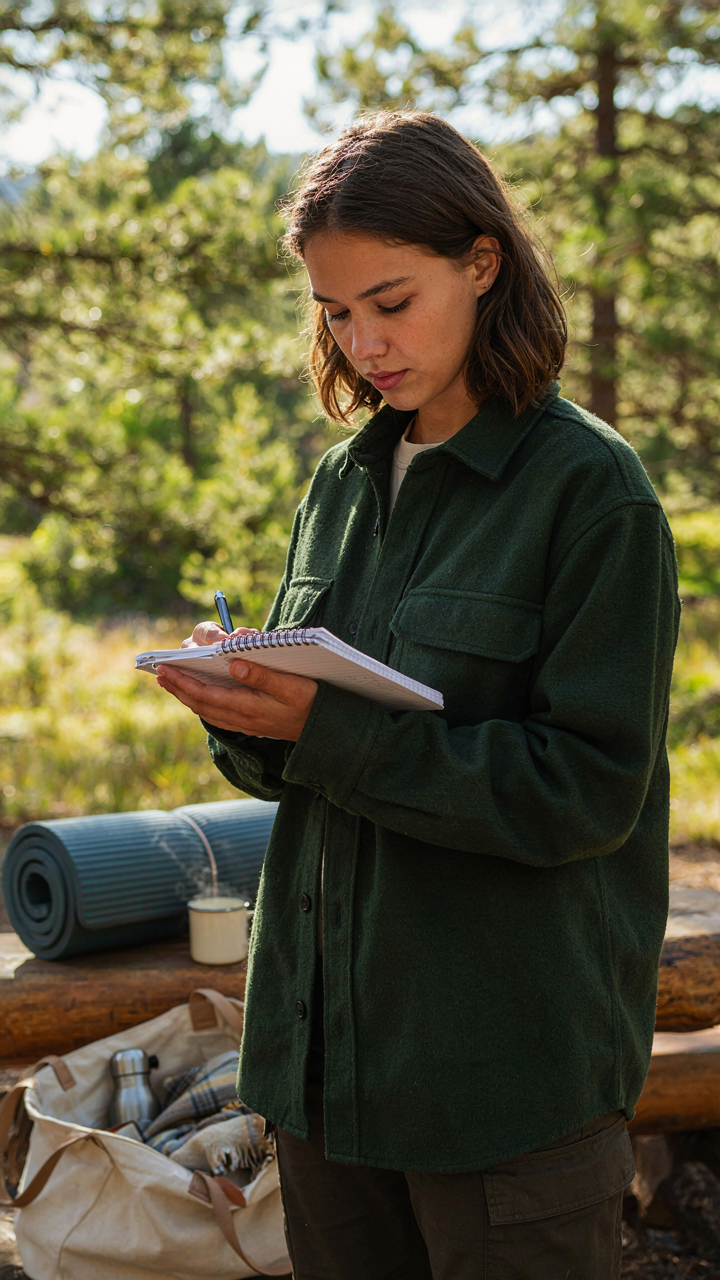
You want to believe your first trip was flawless so you can move forward. It wasn’t. The mechanism here is simple: your brain filters out minor friction because it was busy managing novelty. You were solving problems in real-time, not noticing them. Pull your gear out now, before trip two, and audit everything systematically.
Write down three things: setup time, comfort issues at night, and what you scrambled to find. Not feelings. Specifics. Did your sleeping pad slip? Did condensation pool in one corner? Did you fumble with stakes in the dark? These aren’t failures. They’re data. Your second trip improves because you’re solving actual problems, not imagined ones.
Small Fixes Beat New Gear
Everyone sells the story of upgrading equipment. Wrong. Ninety percent of beginner complaints vanish with behavioral tweaks, not purchases. You don’t need a better tent. You need to ventilate it correctly by cracking the rain fly vent and opening the tent door slightly. You don’t need a warmer sleeping bag. You need to seal air leaks around your mat by positioning it properly and wearing base layers you already own.
Economics calls this diminishing returns: each dollar spent on gear yields less improvement than fixing what you already have. Organize your second trip around protocol changes first. Place your sleeping pad in the tent center, not edges. Arrange your gear in the same spot every setup so your hands know where everything is. Tighten guy lines to specific tension, not guesswork. These cost nothing and compound fast.
The Only True Obstacle Isn’t The Wilderness, It’s Your Addiction To Convenience

Every objection you have about tent camping comes down to one thing: you’ve outsourced comfort to other people. Sleeping bags feel hard because your bed is soft. Cooking over fire feels complicated because your kitchen is automated. The real tent camping for beginners guide isn’t about gear or techniques. It’s about rewiring what you expect from yourself. Book a campsite for this weekend. Not next month. Not someday. This weekend. Your body will adapt faster than your mind will let you believe it can.