Introduction
Group team building activities offer practical ways to improve your team’s health, fitness, and travel experiences. These activities serve to build stronger connections among team members, which leads to better collaboration and productivity. You will learn how such activities align team goals, clarify roles, and address common challenges.
Understanding how to run these activities well will help you organize sessions that foster trust and teamwork. This article will provide specific examples, clear methods, and questions to consider when planning activities that improve both the physical and social well-being of your team while enhancing travel moments together.
Benefits Of Team Building Activities
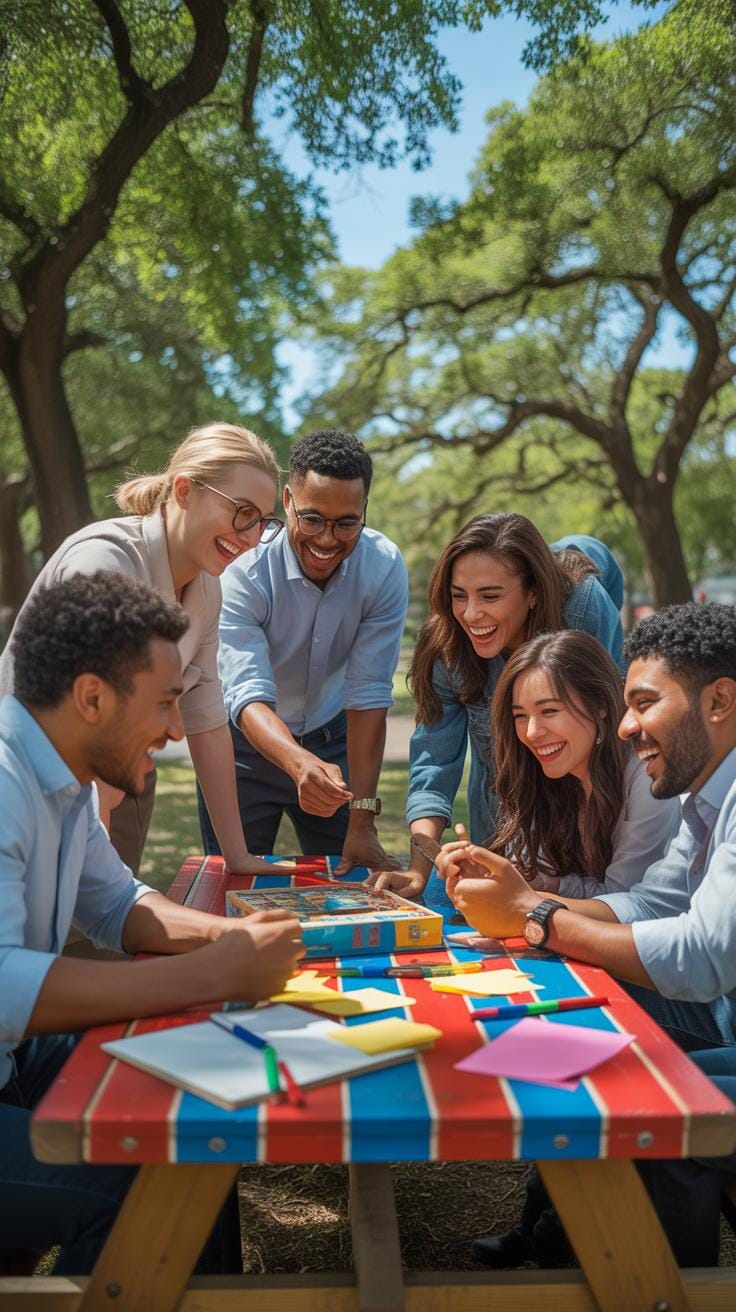
Group team building activities often bring more than just fun moments; they can quietly shift how a team functions daily. These activities tend to cut down on conflicts by encouraging open conversations, shedding light on misunderstandings before they escalate. When people engage in shared challenges, there’s this natural rise in communication because they need to collaborate, problem-solve, or just coordinate movements.
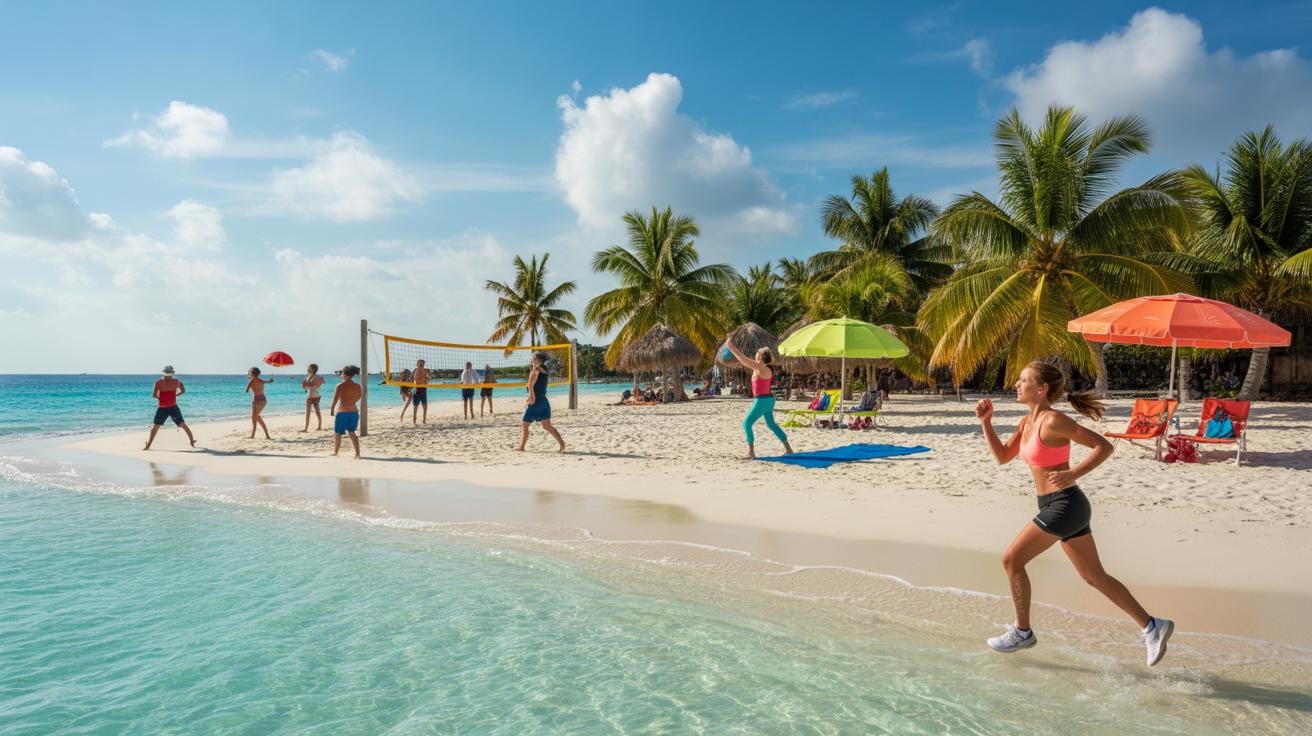
Trust blossoms in these contexts—it’s hard to doubt someone when you’ve experienced working through obstacles together. One real example involved a sales team that, after a weekend retreat with structured games and trust exercises, reported smoother collaboration and fewer clashing opinions during projects. It’s like the activities set a new benchmark for respect and understanding, which keeps carrying on beyond the event itself.
How Activities Improve Team Health
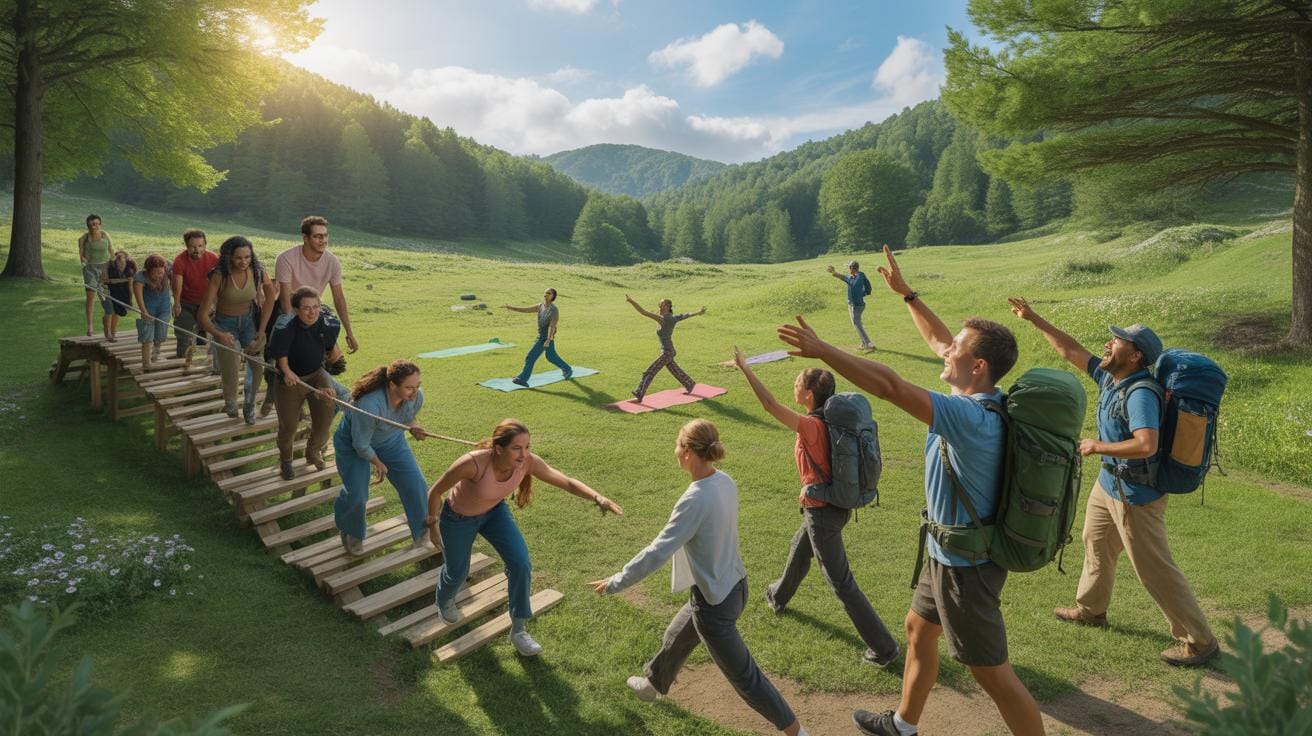
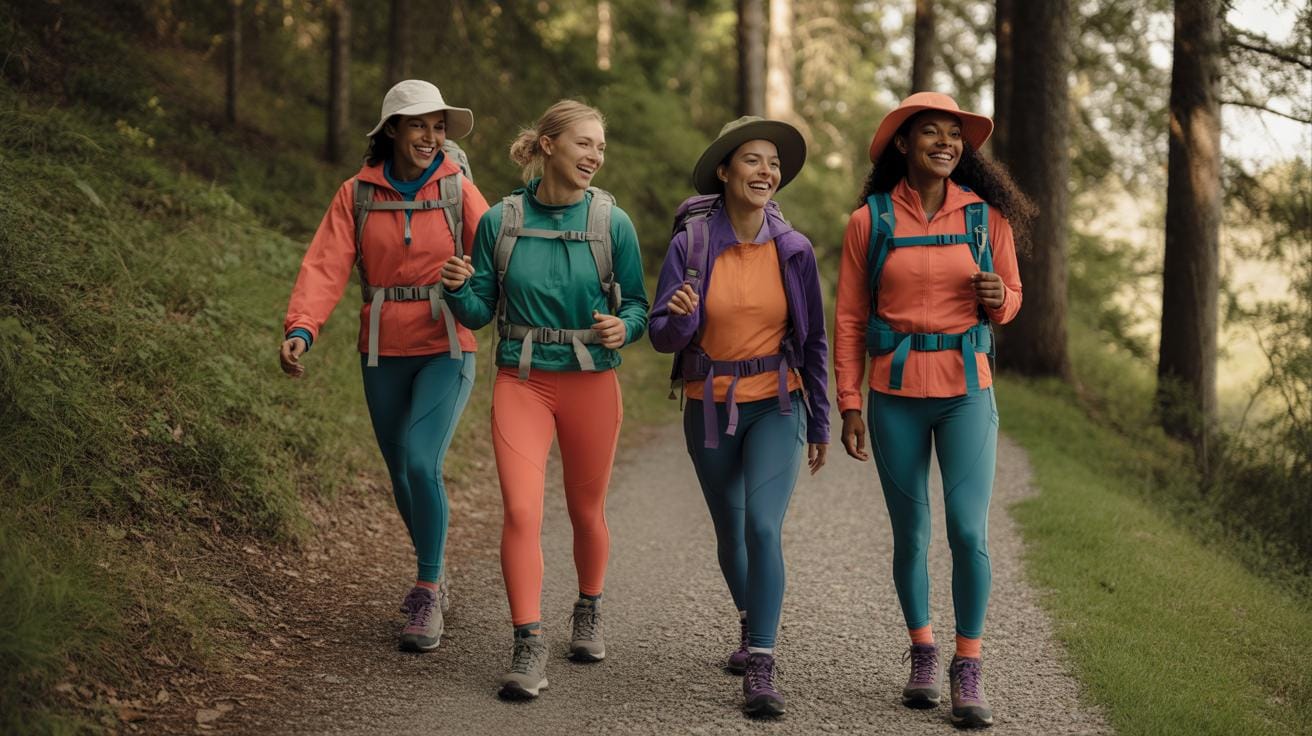
Team building often nudges people into moving more—outside exercises, fitness challenges, even simple group walks can promote well-being. It doesn’t have to be intense; something like group yoga or hiking not only improves fitness but also lowers stress levels. Imagine a software team swapping desk hours for a morning jog or playing tag—there’s an energy boost that’s tough to replicate at desks.
Some companies organize fitness challenges, where teams track steps or workouts. This encourages healthy competition, while subtly improving overall health. The physical aspect of these activities is more than exercise. They foster a refreshing break from routine, recharging mental energy and, ironically, boosting productivity back at work.
Travel Experience Enhancements
Traveling together offers a unique chance to bond, but planned group activities during these trips can turn casual interactions into deeper connections. Team outings like scavenger hunts or group cooking classes can make the trip more memorable and help team members discover new sides of each other.
In one case, a marketing firm used a cultural tour not just to sightsee but to engage in local crafts taught by residents. This shared immersion created stories and inside jokes that carried back to the office, fostering a tighter-knit group. The travel itself becomes more than a break—it’s a shared adventure that can smooth over tensions and add layers to workplace relationships.
Setting Clear Team Goals
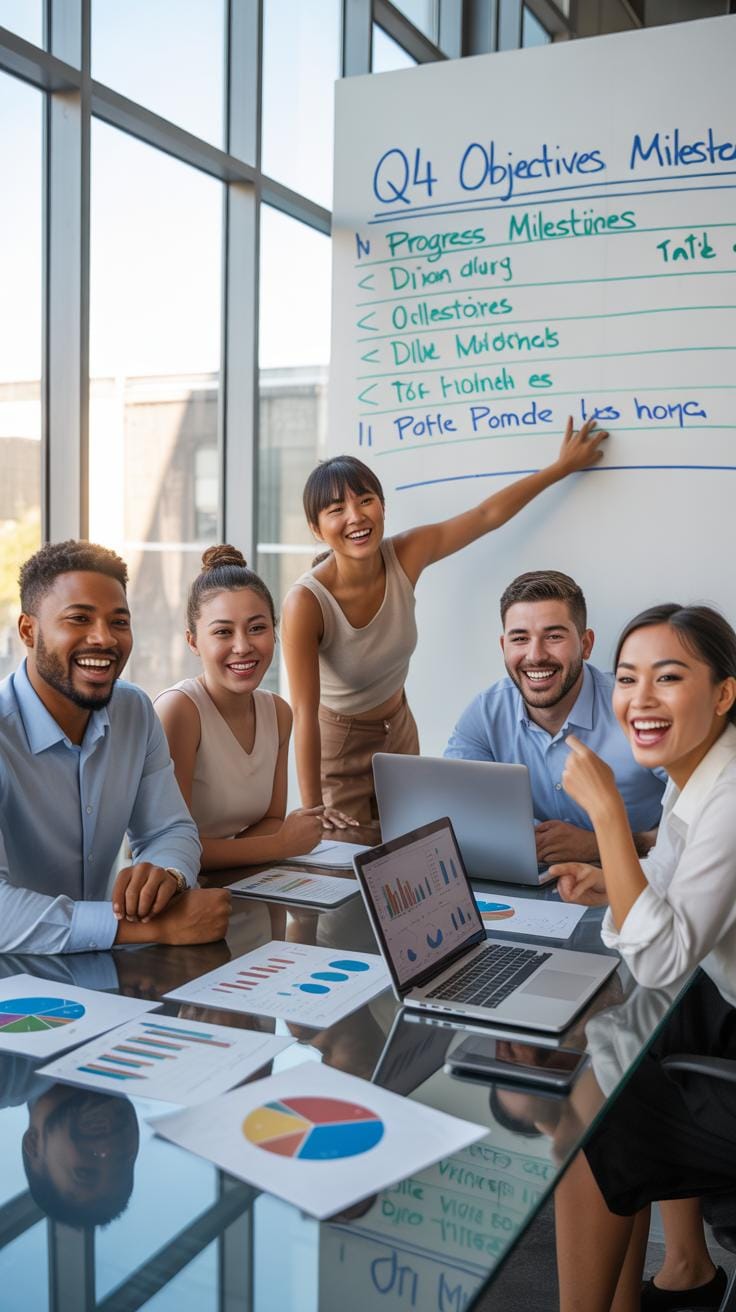
When groups come together for team building activities, setting clear, shared goals is often the difference between a scattered effort and a focused, engaging experience. Without these goals, activities can feel aimless, and motivation can wane quickly. But with well-defined targets, every challenge, hike, or workout feels connected to a purpose. You’ll notice teams that have agreed on their aims tend to support each other better, pushing through fatigue or doubt.
Setting these goals doesn’t just shape what you do—it shapes how you feel about doing it. A checklist can help here:
- Are the goals specific and understandable by every team member?
- Do they feel achievable within the activity’s timeframe?
- Can success be measured in some way?
- Do these goals require collaboration rather than solo efforts?
- Is everyone committed to these shared goals?
With this clarity, motivation grows naturally. You can almost see the shift in energy as teams focus on what matters.
Steps To Define Clear Goals
Start small. Gather your team and ask what they want to get out of the activity—better fitness, a sense of adventure, or maybe just a relaxed, social day. Then, turn these broad desires into specific, measurable goals. For instance, instead of “get fitter,” say “complete a 5K walk,” or “try three new fitness exercises.” Travel-related goals might include exploring a set number of landmarks or logging a certain amount of walking miles.
Break down those goals into steps everyone agrees on. It doesn’t have to be formal. Sometimes a simple shared document or conversation works better. Make sure the team knows what success looks like and what’s expected from them.
Measuring Activity Outcomes
It’s tempting to overlook tracking progress during fun activities, but even simple measures can boost morale. Tracking steps, timing challenges, or keeping a quick tally of completed checkpoints are good places to start. Regular check-ins—maybe after a morning hike or post-activity stretch—can help assess how the team is doing and adjust goals if needed.
Reviews don’t have to be long or formal. They can be casual chats or quick surveys. The key is creating a loop where the group understands how far they’ve come and where they want to go next. This reflection often sparks fresh motivation, even when the original goals seem distant.
Clarifying Roles In The Team
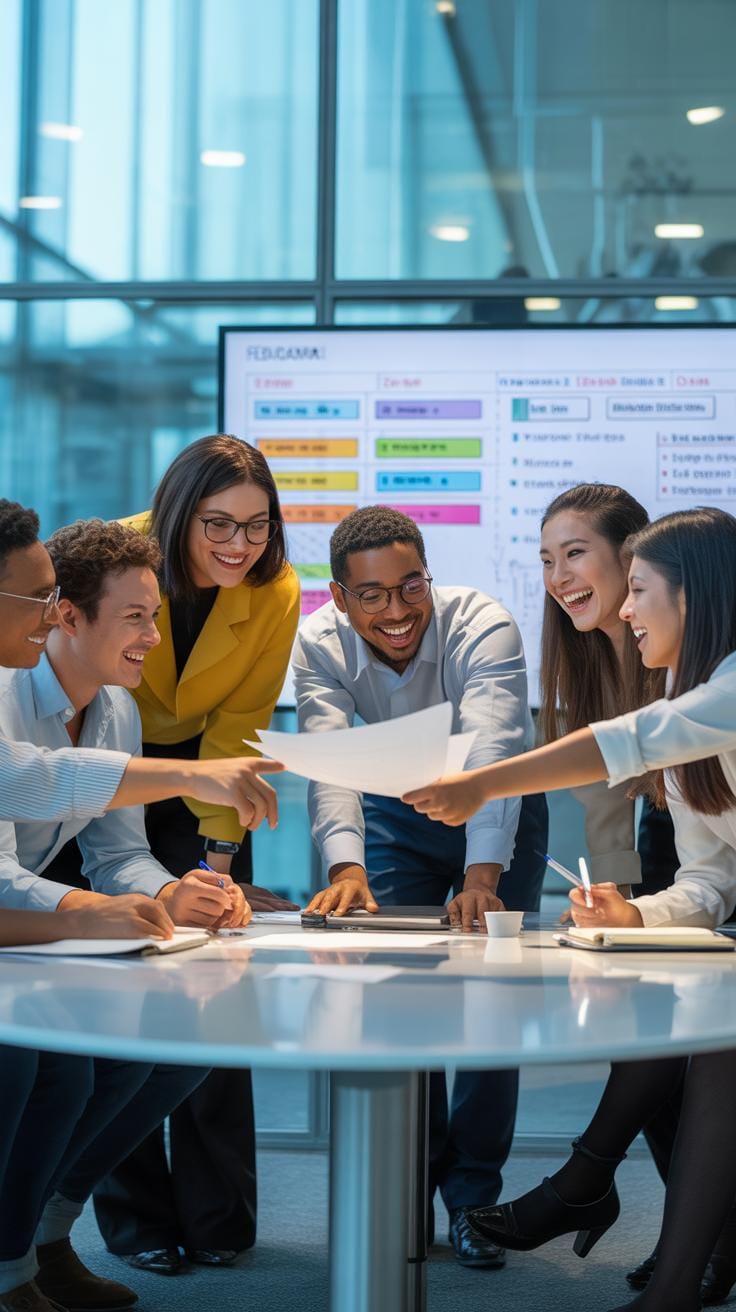
The moment you clarify who is doing what in a group activity, you start cutting down the chaos. When everyone knows their role, there’s less room for confusion about responsibilities. Imagine a hiking trip where one person is in charge of navigation, another handles supplies, and someone else monitors the group’s pace. Without these clear roles, the group might wander off course or forget essential equipment. Defining roles early helps prevent these mishaps and encourages smoother cooperation. In health-oriented activities, like organizing a group workout, assigning a leader to design exercises, a motivator to keep spirits high, and a timekeeper to ensure the session ends on schedule can make a big difference. These clear-cut responsibilities foster a sense of trust and team cohesion, making the entire experience more engaging and effective.
Assigning Roles For Success
Assigning roles doesn’t have to be a formal or rigid process. Sometimes, simply asking who prefers what responsibility works surprisingly well. You might start by listing all tasks, from organizing gear to managing schedules or rallying the team’s energy. In a travel planning activity, someone could volunteer to research destinations, while another takes care of bookings. Communicate roles clearly before starting any group activity — maybe through a quick group chat or a face-to-face check-in. Written lists can help, too, especially for more complex plans. It’s also useful to remind everyone their role throughout the activity, as tasks can shift or overlap. This keeps people engaged and aware, minimizing downtime or overlap.
Role Impact On Activity Flow
Clear roles improve how smoothly activities run. When tasks are divided, people know what to focus on, cutting down on delays or repeated efforts. For example, during a team fitness challenge, having a person track reps and another time the rounds keeps things moving without confusion. It also boosts morale — when you know your part contributes to the group’s success, motivation spikes. On the other hand, unclear roles often lead to last-minute scrambling or frustration, which can spoil the group’s vibe. Sometimes, though, roles might feel a bit restricting or create tension if someone feels stuck with a less desirable task. Yet, even then, having roles defined generally helps the team function better over time.
Solving Problems Together
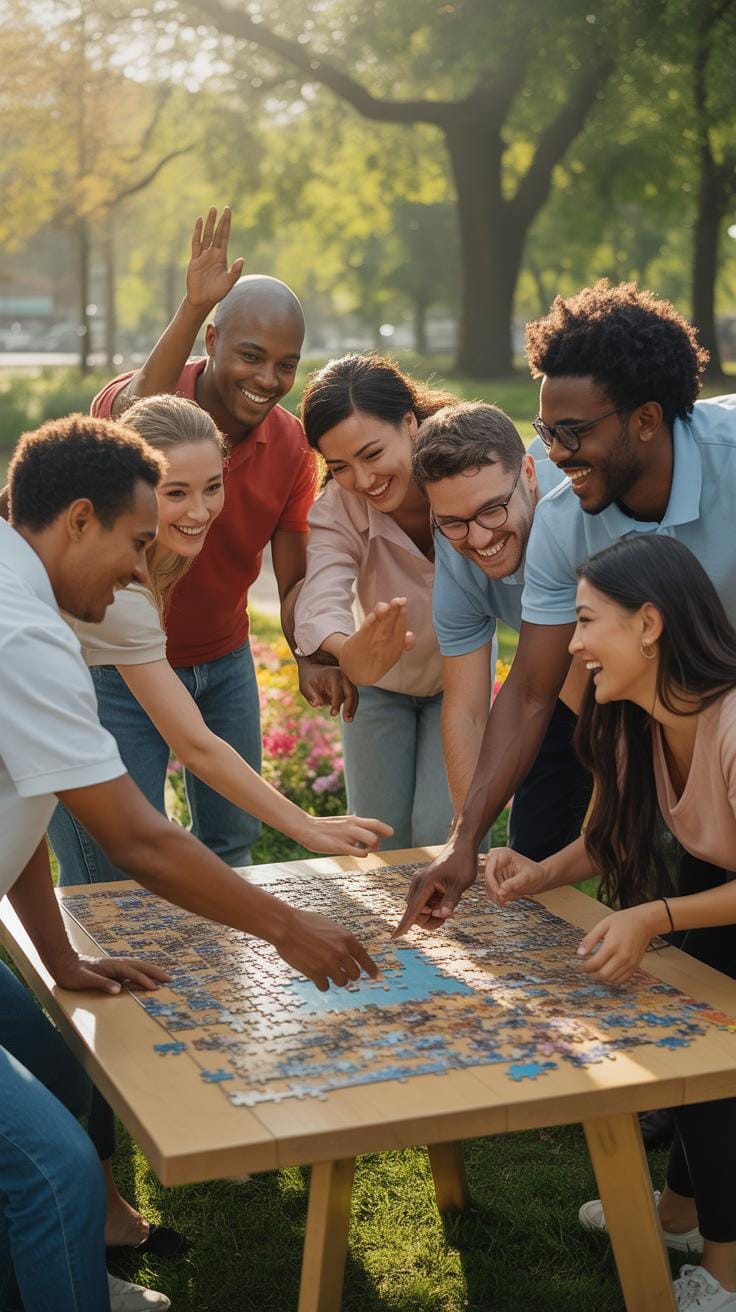
Group team building activities are often designed to push teams into real problem-solving situations. You can think of these as mini-experiments in collaboration. Imagine a fitness challenge where members have to plan a relay race route together, considering everyone’s strengths and pacing. Or a travel-themed puzzle where the team maps out an efficient itinerary within a budget while facing unexpected changes—weather delays or lost baggage, perhaps. These setups demand cooperation to figure out the best solutions, encouraging communication and collective thinking.
Teams frequently hit roadblocks like miscommunication, clashing ideas, or uneven participation. It’s common for some team members to dominate while others hold back. Sometimes, frustration creeps in when progress stalls. Addressing these issues means encouraging active listening, clarifying roles, and reminding everyone their input matters—simple but sometimes forgotten steps.
When teams face a challenge during an activity, following a clear problem-solving process can really help. Try these steps:
- Identify the problem clearly together, so everyone understands it well.
- Brainstorm as many ideas as possible without judgment, letting creativity flow.
- Weigh options by discussing pros and cons collaboratively.
- Agree on a plan of action and assign tasks based on each person’s strengths.
- Implement and review progress, adjusting as needed with open feedback.
This approach isn’t foolproof every time, but it offers a framework that keeps teams moving forward—even if they have to backtrack a bit. I guess that’s part of the point: learning to adapt and find new solutions through shared efforts.
Building Interpersonal Skills
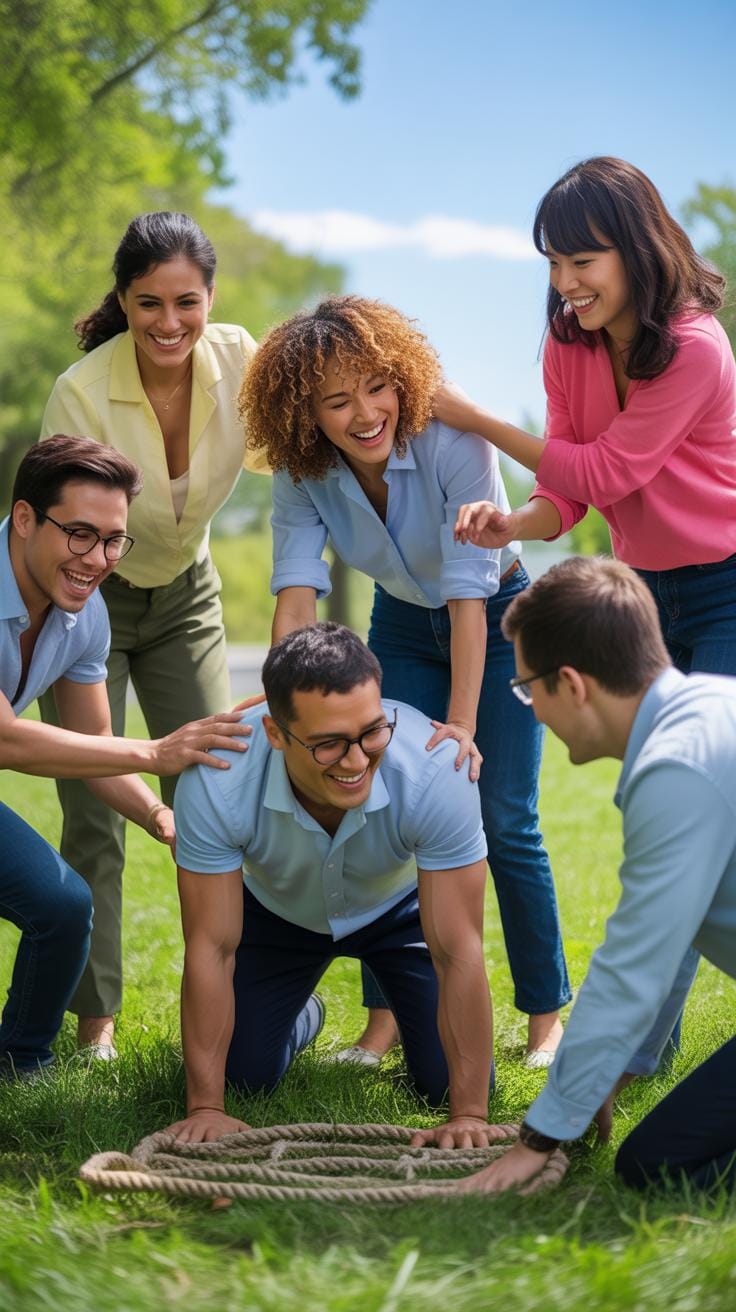
Team building activities offer more than just a break from the routine—they actively develop interpersonal skills essential for any group. If you think about it, these exercises create small, controlled scenarios where communication, support, and trust naturally emerge as necessary tools.
For instance, consider simple communication exercises like the “Two Truths and a Lie” game. It’s straightforward: each person shares three statements about themselves, one false. This sparks attentive listening, questioning, and discussion, breaking down barriers in a light-hearted way. It’s not intense, but it opens the door to better dialogue.
Trust can be a bit trickier to build. Practices such as the classic “Trust Fall” put individuals in a vulnerable position, literally relying on teammates to catch them. It might feel awkward at first—there’s hesitation, perhaps a bit of doubt—but that tension is part of the growth process. When trust is rewarded, it strengthens bonds.
Another effective trust exercise involves navigation tasks during travel activities—say, guiding a blindfolded partner through an obstacle course. This demands clear communication and reliance on one another’s guidance. It’s practical trust-building, and oddly satisfying when it works.
Plus, pairing support with teamwork can be as simple as group problem-solving challenges. These encourage members to listen, contribute, and back each other’s ideas. You realize support isn’t just about stepping in—it’s about standing together to achieve a goal.
Interestingly, not every activity will resonate the same with every team member. Some may hesitate, some jump in, and that’s okay—this unevenness often reveals where more work is needed and where strengths lie.
Planning Fitness Focused Activities
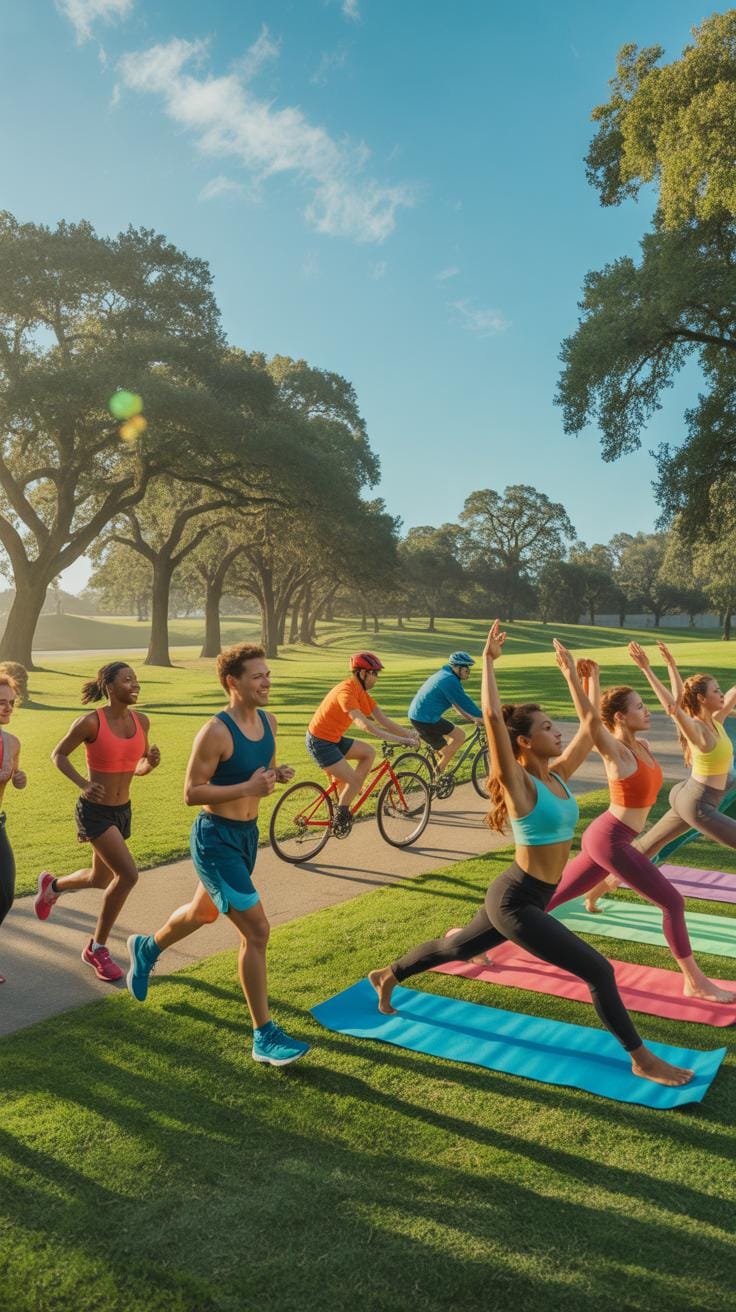
When planning team building activities centered on health and fitness, keep in mind what really motivates your group. Are they casual movers or fitness enthusiasts? Their energy levels and interests shape the choice. You might want to start with a checklist to cover basics:
- Assess fitness levels and any health restrictions
- Select activities suitable for all participants
- Consider the venue and available equipment
- Set clear objectives—fun, fitness, or both
- Plan for hydration, breaks, and safety
For example, activities like group walks, yoga sessions, or simple circuit training can engage different fitness levels. Encourage team members to involve themselves by setting small challenges or pairing up for support. The key—make it approachable so no one feels left out or overwhelmed.
Choosing The Right Activity
Picking the right fitness activity is trickier than it sounds. What suits one group might bore or exhaust another. Think about your team’s demographics, health concerns, and typical work energy. Are some more active or recovering from injuries? What about the mood—competitive or relaxed?
Also, consider practical factors like time available, location, and weather if outdoors. Sometimes mixing low and high intensity elements works. For instance, gentle stretching followed by a playful team relay may keep everyone engaged without burning them out. Asking participants beforehand can reveal surprising preferences or hesitations too.
Sample Fitness Activities
Some activities consistently foster both fitness and team spirit. Here are a few to consider:
- Group hiking—explores nature, builds camaraderie, and boosts endurance
- Partner yoga—enhances flexibility, trust, and communication
- Mini team triathlon—short runs, biking, and bodyweight exercises offer variety
- Relay races—inject energy and a bit of friendly competition
- Fitness scavenger hunt—combines mental and physical challenges
These activities invite participation at various skill levels, but be mindful—some might prefer watching or cheerleading rather than intense involvement, and that’s okay. The goal is a shared experience, not uniform performance.
Enhancing Travel Through Group Activities
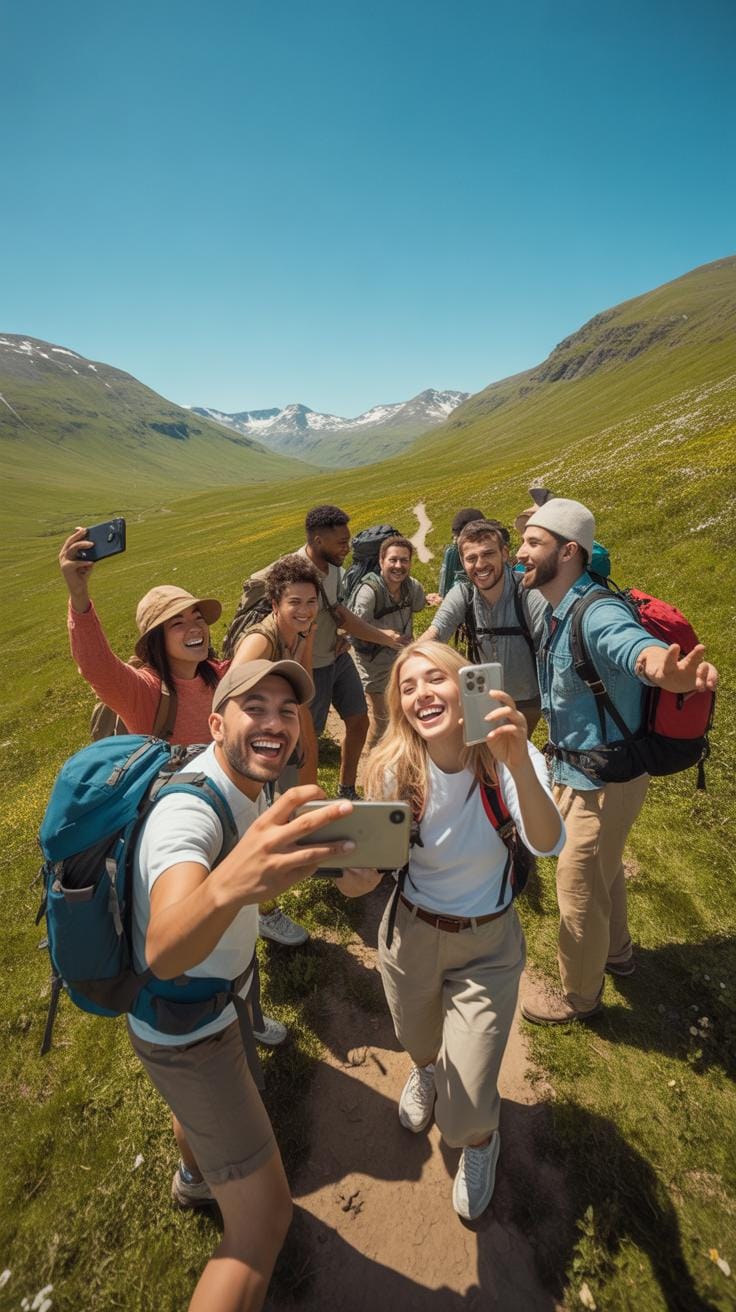
Using Team Building Activities to Improve Travel Experiences
Travel presents a unique chance for teams to bond through shared experiences. Team building activities during trips encourage collaboration and mutual support, which deepen connections. When people engage together in new or challenging scenarios, it often brings out different sides of their personalities—sometimes surprising even themselves. This can promote empathy and patience within the group, valuable traits for both travel and everyday work. For example, navigating unfamiliar landmarks as a team or collaborating on a group challenge in a new environment fosters communication and trust.
Shared activities, such as scavenger hunts or group cooking classes, make travel memorable by creating common stories and inside jokes. They often act as ice-breakers, too, especially beneficial in diverse groups or those with new members. It’s not just about what you see or where you go; it’s about how you experience the journey together and build rapport through those moments.
Organizing Travel Activities
When planning group activities on a trip, consider the group’s interests, physical abilities, and the location. Mix active with relaxed activities to avoid burnout. Here are some practical tips:
- Consult the group beforehand for ideas to ensure everyone feels included.
- Schedule activities at times that do not interfere with rest or free exploration.
- Balance structured events with downtime to allow informal bonding.
- Choose activities that encourage teamwork, such as solving puzzles or joint sightseeing tasks.
- Prepare for unexpected changes—weather, delays, or group mood shifts—and remain flexible.
Planning thoughtful activities can provide fresh experiences and deeper connections, enhancing the overall travel memory bank.
Case Study Example
Consider a hypothetical corporate retreat in a coastal town, where a team participated in a beach clean-up followed by a sailing race. The clean-up instilled a sense of collective responsibility and contribution outside their usual office role. Later, the sailing race required communication and coordination under pressure. Post-event reflections revealed improved teamwork and a stronger sense of unity. Team members reported feeling more connected and open with one another, highlighting that the shared challenges and accomplishments reshaped how they cooperated back at work. This example illustrates how thoughtfully chosen travel activities can make a lasting impact on team dynamics.
Evaluating Team Building Success
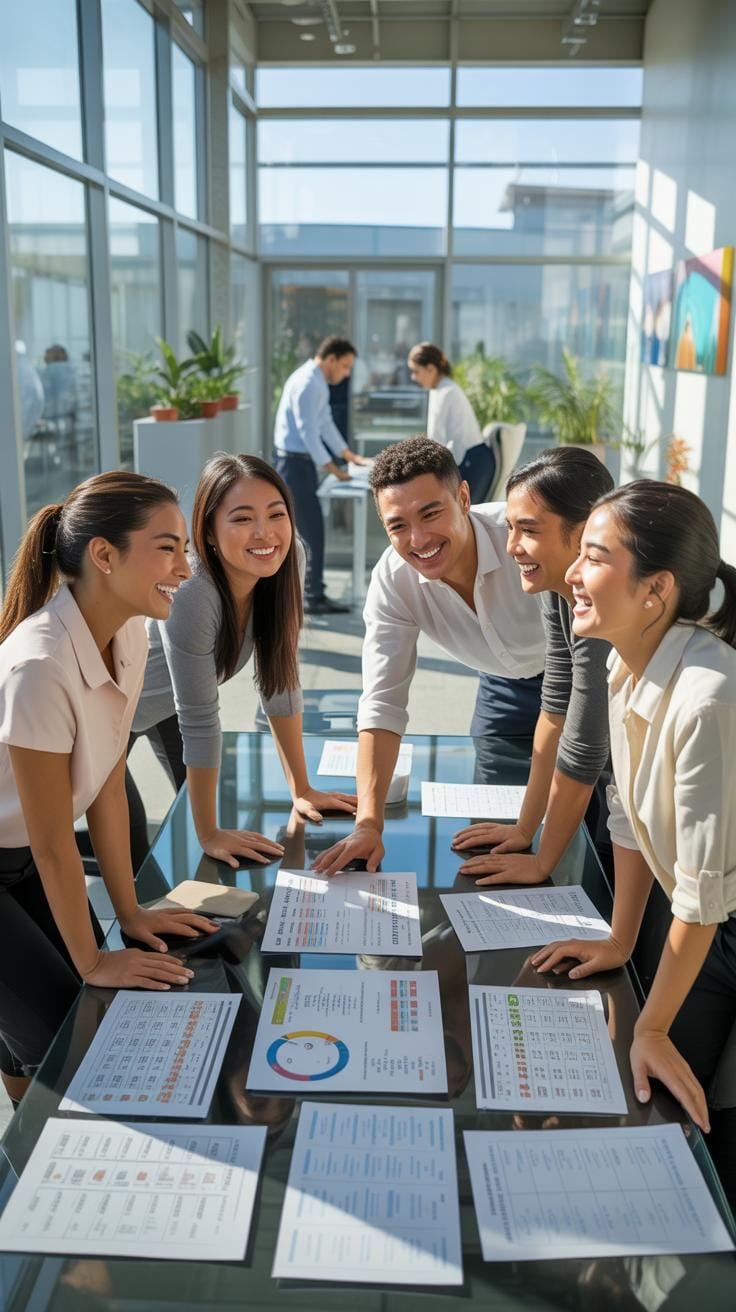
Evaluating the success of team building goes beyond just checking if people had fun. You really want to see if health has improved, if team relations feel stronger, and if travel experiences were satisfying. Sometimes it’s tricky to measure these, but a mix of approaches can help.
Start by gathering honest feedback from everyone involved. You could use simple surveys, quick pulse checks after activities, or even informal group chats or debriefs. These discussions can highlight what worked—maybe stress levels dropped or people felt more connected—and what could use improvement.
Key metrics to watch include physical fitness gains like endurance or energy levels, communication quality between team members, and how engaged people felt during travel-related events. Tracking metrics over time can reveal subtle changes you might otherwise miss. For example, if team members begin to collaborate more smoothly after activities, that’s a clear sign of progress.
Tools don’t have to be complex. Regular check-ins, anonymous suggestion boxes, or using apps for quick ratings can deliver insightful data without overwhelming anyone. The challenge is to stay consistent and be open to adjusting future plans based on what feedback shows.
So, when you think about assessing your team building, ask yourself: Are we noticing healthier habits? Are team bonds visibly stronger? Is the travel experience truly enriching? Answering these questions keeps the focus practical and meaningful.
Conclusions
Group team building activities improve health, fitness, and travel by encouraging cooperation and communication. You can use goal-setting and role clarification methods to build a focused, motivated team. Problem-solving and interpersonal skills practice will reduce conflicts and build trust.
Active participation in well-planned activities creates better team results and stronger relationships. Use the tips and examples provided to create enjoyable group experiences that grow your team’s abilities and shared memories.