
Introduction
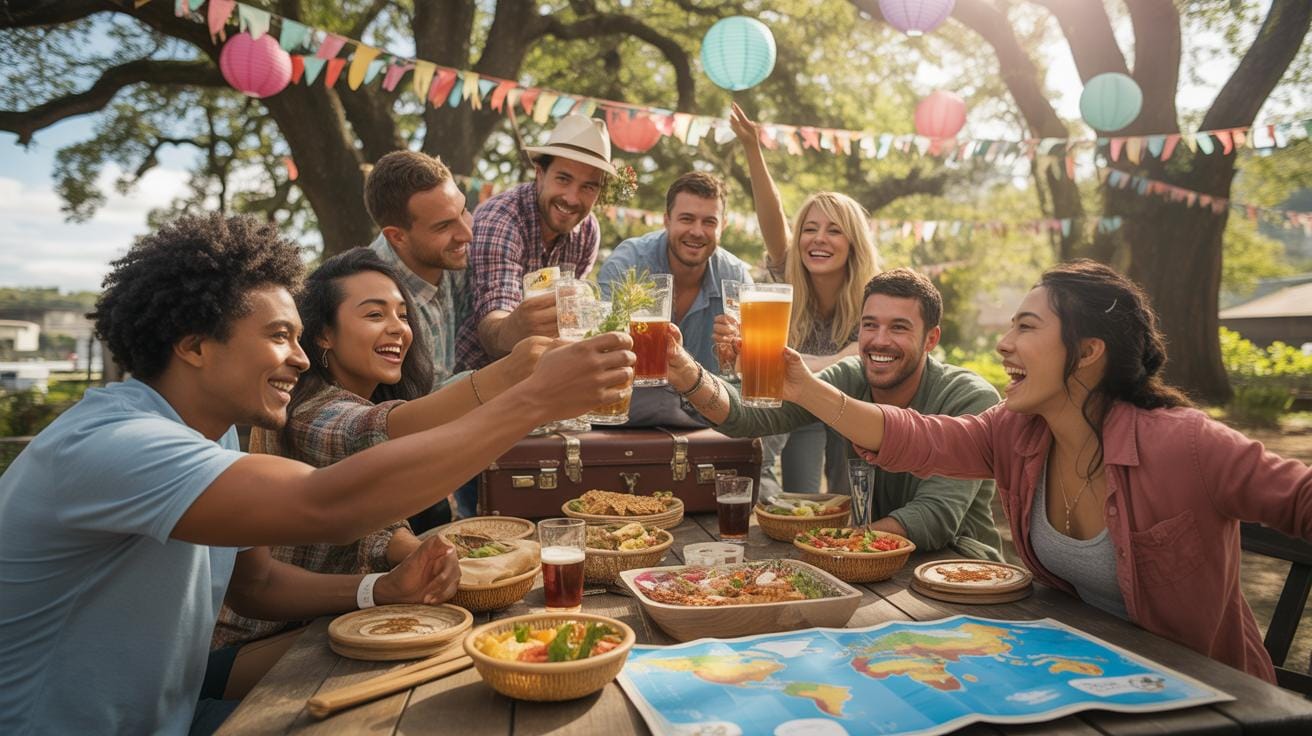
Team building is an important part of making any group work better. It helps people connect, work together, and understand their roles. When teams enjoy what they do together, they perform better. Fun team building ideas for travel, food, and drink lovers mix excitement, taste, and culture. This makes team building more enjoyable and meaningful.
In this article, you will find ways to create great team activities that involve travel, tasting food, and enjoying drinks. These ideas help your team bond and learn about each other while having fun. Whether you want to try a cooking class, a tasting event, or a travel-themed game, you can find simple steps and tips here to get started.
Why Choose Travel Food And Drink Themes
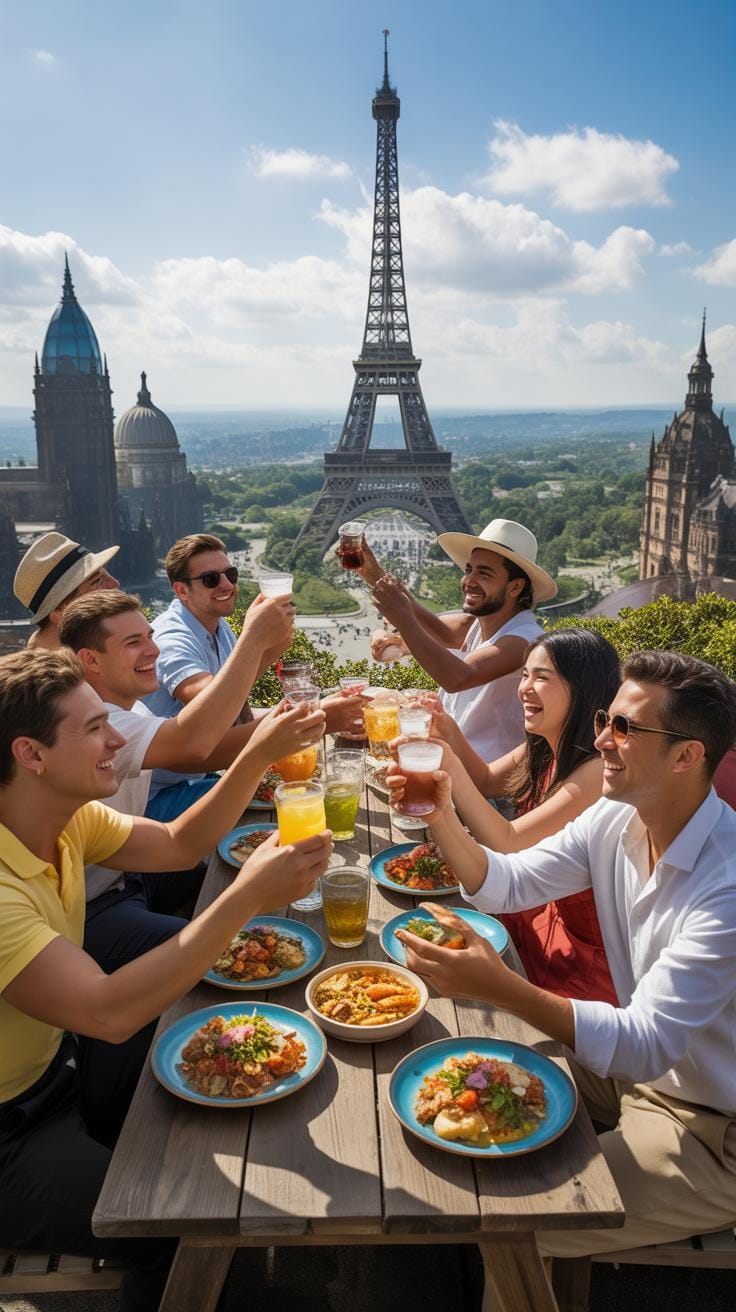
Travel, food, and drink themes naturally lend themselves to team building in ways that many other themes don’t. Think about it: these themes invite curiosity about the world, which often sparks conversations that go beyond work topics. When your team explores tastes and cultures together, it’s not just about eating or drinking—it’s about learning parts of each other’s stories. That cultural sharing can open doors to new connections.
The routine of typical office life tends to be pretty predictable. Introducing travel or food-based activities can shake that up, offering something lighthearted and engaging. Sometimes, just stepping away from the usual project meetings or emails and diving into a virtual tour of a far-off country or a hands-on cooking challenge can reset everyone’s mindset. It’s like pressing pause on stress.
There’s also the simple joy factor. Enjoying good food and drink together is universally appealing and can make your team-building event feel like something people genuinely want to be part of, rather than another task. So, mixing the fun with learning and breaking monotony—all at once? That’s the real strength here.
Cultural Sharing Builds Bonds
Sharing food and drink from various parts of the world invites a kind of vulnerability and openness. When someone introduces a dish from their background, it’s more than just a snack; it’s a piece of their heritage. Those moments can help team members genuinely see each other, beyond job titles and roles.
Think back to a time when you tried a dish you’d never had before and heard the story behind it. It often sticks with you. Now imagine a whole group doing that together—each person bringing a bit of their culture to the table. It’s an active way to build understanding and respect, often without even realizing it. Connections form in those shared tastes and stories, slow but honest.
Breaking Work Routine With Fun
Breaking away from the usual work grind isn’t just about having a break—it’s a chance to refresh the brain. Activities like tasting sessions, whether wine, coffee, or exotic snacks, provide a sensory experience that’s distinct from the cognitive tasks of most jobs. They offer a mental reset.
Then, there are virtual travel games and challenges that transport the team, at least temporarily, to other places. These activities can inject energy and laughter into the day, elements often missing from typical work sessions. It’s not only fun—it helps people return to work with a clearer head and often even more creative thinking.
So, this blend of fun and refreshment isn’t just a nice break—it can be the kind of small change that leads to better collaboration and openness back at the office.
Checklist For Planning Your Event

Planning a travel, food, and drink themed team building event means juggling a few key pieces. Start by asking yourself what you want the event to achieve—is it bonding, creativity, or maybe just a fun break from routine? Your goals drive many decisions, from the budget to the vibe.
Budgeting isn’t just about dollars. Think about your time frame as well. Block off enough hours for meaningful engagement but don’t stretch it too long or enthusiasm could dwindle. Sketch out costs like venue, ingredients, travel or delivery fees, and any special equipment.
Choosing activities? Think about the team size—large groups might suit tasting tours or a cooking challenge divided into squads; small teams work well with intimate mixology classes or gourmet charcuterie board workshops. Also, consider if you have a spot lined up, or if this will be virtual—this changes what’s feasible.
Invitations should clearly state what’s on offer and any preparation needed, like dietary restrictions or attire. Logistics need confirming early: transport arrangements, RSVP tracking, and backup plans for bad weather or tech troubles can’t be overlooked.
Step by step, your checklist might look like:
- Define precise goals for team outcomes.
- Set a timeline and budget, keeping some wiggle room.
- Choose activities matching interests and group size.
- Create clear invites detailing event style and requirements.
- Arrange logistics: venue, travel, supplies, and contingencies.
This approach helps keep things manageable and meaningful. Sometimes, the messy parts of organizing reveal fun discoveries. So, don’t aim for perfect—aim instead for memorable moments.
Example Activities For Your Team

Cooking challenges offer a hands-on way to bring your team together, especially with recipes inspired by various countries. Trying to whip up a simple paella from Spain or a quick stir-fry from Thailand can get everyone engaged. It often leads to a mix of collaboration and a bit of friendly competition. I’ve seen teams break down into roles naturally—someone chopping, another mixing, some plating—showing how different skills can mesh.
Tasting events are another great activity. You might gather a selection of cheeses from around the world or a range of craft beers. This variety sparks conversation; people often share personal stories related to certain flavors or memories tied to a place. The informal setting encourages relaxed chats, and sometimes surprising opinions about tastes pop up, which adds to the fun.
Themed quizzes work well to bring out some competitive spirit while testing travel and food knowledge. These quizzes don’t have to be perfect; actually, a bit of uncertainty or debate over answers can make the activity more lively.
Finally, travel story sharing invites your team to open up about their favorite trips. It’s a chance to bond over common experiences or spark curiosity about unknown destinations. Sometimes, these tales can inspire new travel goals for the whole group.
How To Encourage Participation

Getting everyone involved in team building can be a bit tricky. Some people come out of the gate ready to take on anything, while others hang back, perhaps unsure or even a little hesitant. So, how do you help all members enjoy the event fully? First, you have to create a space where comfort and inclusion aren’t just buzzwords but real priorities. That means paying attention to body language, checking in with quieter team members, and making sure no one feels pressured to perform.
Offering a variety of activities helps, so people can pick what suits them best. Nothing kills enthusiasm like forcing a group sing-along on someone who’d rather be silent. Making it clear that every contribution counts can ease anxieties too. After all, participation isn’t about perfection; it’s about connection.
Use Icebreakers And Games
Simple icebreakers can work wonders. Something like “Two Truths and a Lie” or a quick round of “Would You Rather?” can loosen tight shoulders and nervous smiles. The goal isn’t just to fill awkward silences but to encourage a bit of authentic interaction — maybe sharing stories about travel mishaps or favorite dishes. These games help people make light first impressions and find unexpected common ground. Even a short, silly game can break down barriers that might otherwise take hours to dismantle.
Create Small Groups For Comfort
Small groups offer a gentler setting for anyone who’s not keen on big crowds. When you split a team into subgroups of three to five, it becomes easier for shy members to speak up. It lowers the pressure and makes the experience more intimate. Instead of a sea of faces, there’s just a few, making interactions feel natural rather than forced. These smaller circles can lead to better listening and richer conversations. Sometimes, these close-knit groups end up forming friendships that carry on well beyond the team building event itself.
Cost Breakdown For Events Under 500
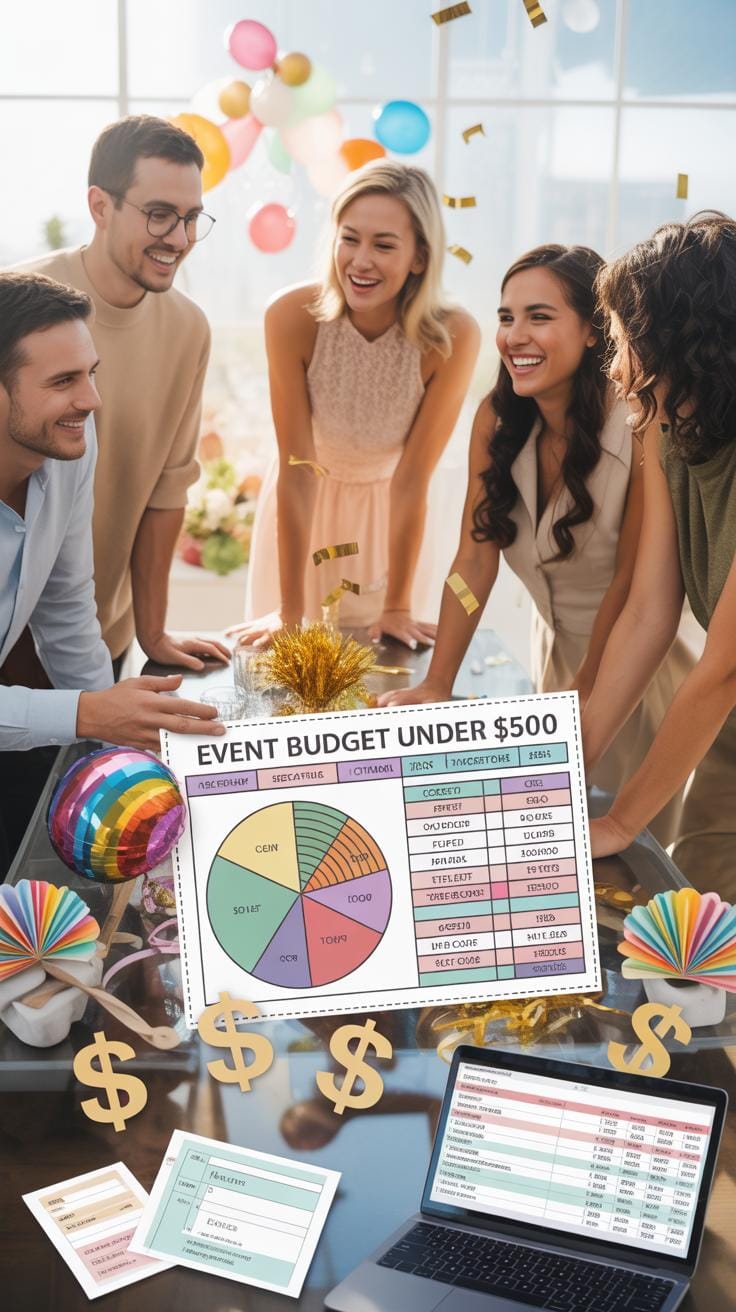
Planning team building activities that combine travel, food, and drink can feel pricey, but keeping under $500 is definitely doable. You just have to be strategic about it.
First, look at transportation. Group trips can be costly but consider carpooling or taking public transit. If the group is small, renting a van or using ride-sharing apps might save money compared to individual travel costs. Splitting the fare always helps.
For food and drink, you don’t need fancy catering. Think about potlucks with international themes—each person can bring a dish from a different country. This saves money, encourages creativity, and brings diverse tastes to your table.
Drinks can be simple too: prepare a few large batches of cocktails or mocktails rather than individual drinks. Buying in bulk from wholesale stores really cuts down the cost.
Venues often eat up a big part of the budget, but they don’t have to. Public parks, community centers, or even a colleague’s spacious home work well and can be free or low cost. Online platforms like Zoom or Google Meet are also good options for digital tastings or cooking classes, saving any venue fees entirely.
By mixing these elements smartly, you can keep your event under budget and still make it memorable. Ever tried a virtual wine tasting or a picnic with homemade international treats? They’re surprisingly fun, and you might even discover a new favorite snack or drink along the way.
Common Pitfalls To Avoid
When organizing team building activities for travel, food, and drink lovers, some common mistakes can throw off the whole event. One that often catches people off guard is ignoring dietary restrictions. It’s tempting to assume everyone eats or drinks the same way, but that can backfire badly. Allergies, intolerances, or even personal preferences can seriously impact whether someone feels comfortable or included. So, it’s really important to check in with your team beforehand. A simple questionnaire or casual chat could save a lot of trouble and ensure everyone has options.
Another snag is overcomplicating the program. Sometimes, people try to pack too much into a day or make activities overly complex. This can overwhelm the team or cause delays—something most organizers don’t want. It’s often better to choose fewer, well-paced activities that allow genuine interaction and fun without feeling rushed or pressured.
It might seem like a good idea to impress with a packed schedule, but a simple and clear program usually works better. Don’t forget that team building aims to connect people, not stress them out with logistics. Have you ever been at an event where things dragged on or became confusing? Avoid that—it’s better for everyone’s mood and energy levels.
Metrics To Watch For Success

When you’re trying to gauge whether a team building event hit the mark, look beyond just attendance numbers. Participation can be tricky—some folks might be physically present but mentally checked out. Instead, notice who’s genuinely engaged, asking questions or diving into activities with energy.
Signs that things went well often show up in those subtle moments: laughter, spontaneous teamwork, even a few moments of friendly competition. You might also spot people stepping up in new ways. That’s when you realize sticky friendships or respect could be forming. But measuring satisfaction? It’s not always about immediate smiles. Sometimes, enthusiasm brews quietly and surfaces later in the workplace.
One practical approach is to track participation across different activities and see who is stepping out of their usual roles. It’s a bit of a puzzle—patterns emerge if you keep an eye. Ask yourself: are people more willing to collaborate or communicate after the event? That could hint you nailed it.
Feedback From Participants
Getting feedback quickly and effectively can seem like a headache after a fun event. But simple methods often work best—think short surveys with just a few pointed questions, or even quick live polls you do right at the end. Sometimes, just a casual chat can reveal more than a formal survey. When team members feel safe sharing, their insights become gold.
You might try:
– One-word check-ins (“How would you describe today?”)
– Emoji boards where people place stickers representing their vibes
– Anonymous feedback boxes if folks are shy
It’s about catching the initial pulse before the details blur. Keep it light; ask what worked, what didn’t, and what they’d change next time. You’ll get both honest answers and ideas you didn’t expect.
Observing Team Interaction Changes
Noticing shifts in how your team communicates can be subtle but worth watching. Maybe after the event, meetings flow more smoothly, or people talk more openly during brainstorming sessions. Watch for new alliances or quieter voices starting to contribute. That’s often a sign the event loosened up some barriers.
Look for:
– More frequent collaboration on projects outside usual teams
– Team members checking in with each other informally
– Resolving conflicts quicker or with less tension
You might catch these changes in casual conversations or how quickly people respond to requests. It’s not always dramatic, but over days or weeks, you’ll see patterns. If certain dynamics improve, that’s when you know the event planted seeds that are starting to grow.
Compare Virtual And In Person Options

When considering team building for travel, food, and drink enthusiasts, choosing between virtual and in-person formats isn’t straightforward. You might find yourself torn because both have their strengths—and a few weaknesses.
Benefits Of In Person Events
Nothing quite matches the energy of face-to-face interaction. In-person events often offer a hands-on experience—think tasting sessions, cooking workshops, or wine blending—that’s hard to replicate online. The social atmosphere naturally encourages spontaneous conversations and bonding. Plus, you can pick up on body language or subtle cues to deepen connections. People tend to stay more engaged when physically present, which can make the whole team-building effort feel more meaningful.
Advantages Of Virtual Meetings
On the flip side, virtual meetings bring remarkable flexibility. You can include team members scattered across locations effortlessly—something that’s tricky or pricey with in-person meetups. Costs drop significantly since there’s no need to book a venue or cover travel expenses. Plus, virtual formats often allow for creative digital activities, like virtual tastings or interactive mixology classes. But, does all this convenience outweigh the lack of physical presence? That’s a question worth pondering.
Set Up Checklist For Smooth Day

Getting everything ready for a team-building day takes a bit of careful planning. Maybe you think you can keep it all in your head, but trust me, a checklist is your best friend here. It helps you stay organized and prevents that last-minute scramble that can throw off the whole vibe.
Start by jotting down the essentials to gather or confirm: food supplies, drinks, cooking tools or game materials—all those bits and pieces that make the activities flow. Don’t forget to double-check quantities and freshness, especially for perishable items. It’s the kind of thing you might overlook but can seriously affect the fun mood.
Once you have that, think about the schedule. What time does everything need to happen and who’s responsible for what? Writing it down clears up any confusion. It’s tempting to wing it, but a clear plan keeps the day on track and makes sure no one feels lost.
Lastly, consider any last-minute details that might pop up—like weather backup plans or extra utensils. Having those covered can make you feel a bit more relaxed, even if things don’t go exactly as planned.
Conclusions
Team building with a focus on travel, food, and drink offers unique chances to bring your team closer. These activities make work feel less like work and more like time spent together. Teams who share good experiences build trust and communicate better. This benefits your work and makes daily tasks smoother.
Choosing the right fun activities and planning carefully will make your event successful. Remember to match activities to your team’s interests and keep it easy to join in. With good ideas and clear goals, your team can grow stronger while enjoying travel, food, and drink together.