

Beyond The Glamour: The Real Surfing For Beginners Grind
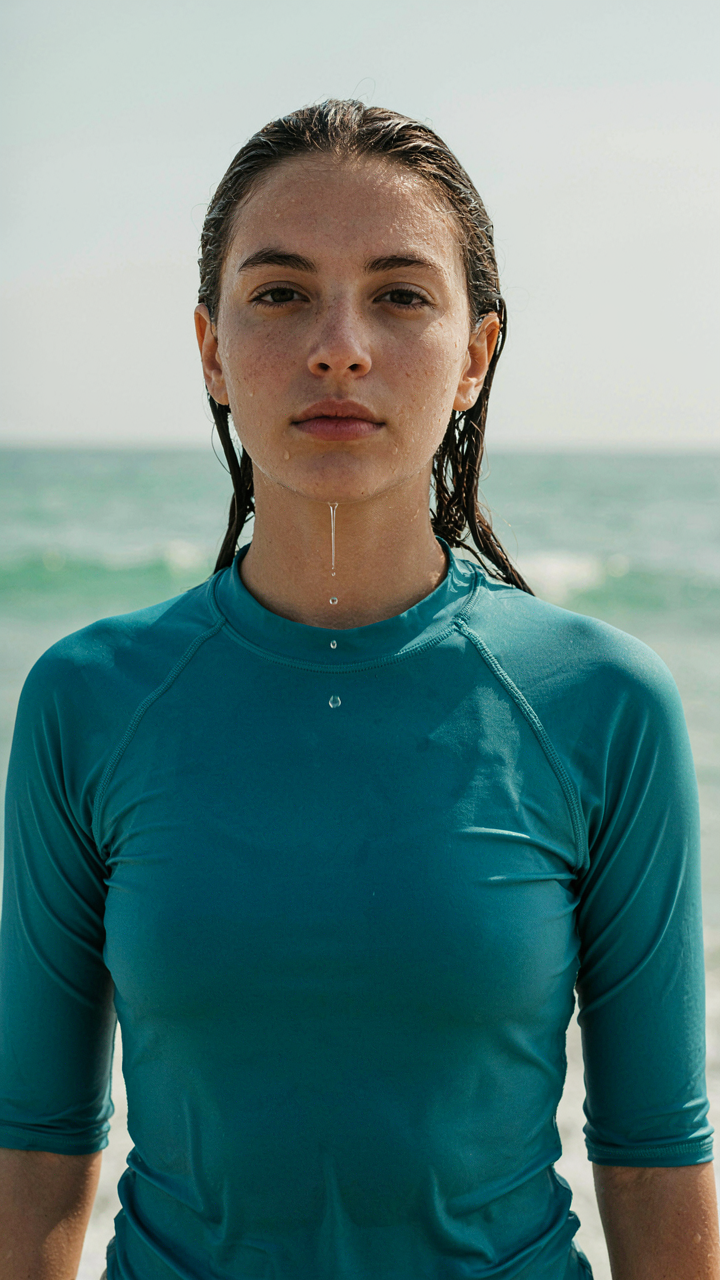
Movies Lied To You About This
You want to believe you’ll look competent in the water within weeks. Here’s what actually happens: the mechanism at work is simple pattern recognition under pressure, and your nervous system needs hundreds of repetitions before it stops fighting the board. Every surf film compresses months into minutes. Nobody films the forty wipeouts between one decent wave.
The gap between what you see and what happens is where most beginners quit. You will fall. You will swallow saltwater. Your shoulders will burn. The first real wave you catch feels like luck, not skill. This isn’t inspiration porn designed to keep you watching. This is the actual cost of entry.
Wipeouts Are The Curriculum

In motor learning, there’s a concept called “error correction.” Your body uses mistakes to calibrate. When you fall, you’re not failing—you’re collecting data. Every wipeout teaches your balance system what doesn’t work. Beginners resist this. They think wipeouts mean they’re bad. They’re wrong.
The learners who progress fastest are the ones who wipe out the most because they’re trying harder things. Paddling out in bigger waves, positioning higher on the board, catching steeper angles. They fail more, which means they learn faster. Your first month in the water should feel chaotic. If it doesn’t, you’re not pushing hard enough to actually improve.

The Unconventional Mindset: How To Hack Your Adrenaline
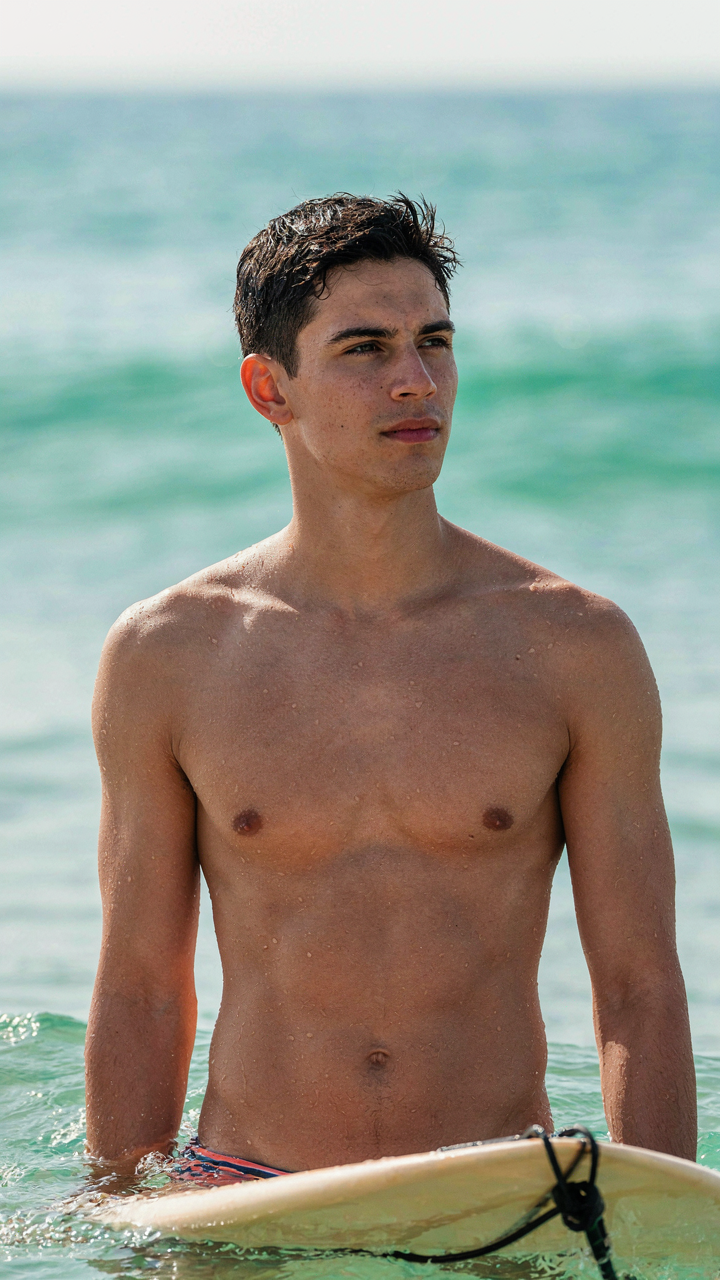
Small Wins Beat The Fantasy Barrel
You want the adrenaline hit so you’re romanticizing the moment you’ll nail a perfect wave in front of people who care. That’s not how this works. The real mechanism is this: your nervous system doesn’t distinguish between a pop-up and a barrel. It only recognizes success versus failure. You get the adrenaline from winning the small game, not from the fantasy outcome you’ve never earned yet.
Beginners chase the highlight reel moment and burn out in two weeks because they never feel the rush. They wipe out on overhead waves, taste salt, and quit. Meanwhile, the beginner who celebrates standing up for three seconds gets a dopamine hit that actually reinforces the behavior. That’s the feedback loop that builds consistency. Micro-victories wire your brain to keep showing up. Track them: how many waves you paddled, how many times you stood up, how long you stayed vertical. The adrenaline compounds.
Boredom Is The Skill Nobody Names
Flow state language is everywhere in self-help circles, but nobody admits what actually triggers it: the willingness to sit through extended boredom first. In neuroscience terms, boredom is the gap state where your brain reorganizes itself to handle novel stimuli. On a surfboard, you spend 90 percent of your time paddling and waiting. Most beginners hate this and flee to artificial stimulation.
The ones who get adrenaline are the ones who make peace with the waiting. They paddle out. They sit on the board in small waves. They watch the ocean. They don’t check their phone or narrate the experience to friends. This isn’t meditation fluff, it’s practical: when a wave comes, your brain is already in a state of heightened attention instead of scattered across multiple inputs. You react faster. You pop up cleaner. The adrenaline follows because you’re actually performing, not just showing up.
Surfing Basics For Beginners: The “Small Wave Mastery” Protocol

Pop Up Consistency On Ankle Slapper Waves
You want to look competent fast. That’s the real reason you care about nailing pop-ups on small waves. The mechanism is simple: muscle memory doesn’t care about wave size. Your nervous system learns the exact same firing pattern whether you’re on a two-footer or a six-footer. Small waves let you repeat the pop-up fifty times in one session instead of five. Repetition builds automaticity. You stop thinking and start moving.
Most beginners waste small waves by paddling into anything that moves. The real play is brutal specificity. Pick waves that break consistently in the same spot, waist-high or smaller. Paddle out, pop up, fall, repeat. Do this for two weeks straight before you touch anything overhead. Your body memorizes the timing, weight transfer, and hand placement. When a real wave comes, your pop-up fires without debate.
Reading Whitewash Like A Forecaster
Here’s where the common advice fails: everyone says “read the wave.” Nobody explains that whitewash prediction is a pattern recognition problem borrowed from meteorology, where forecasters identify predictable sequences in chaotic systems. Whitewash moves in predictable lines. It doesn’t spray randomly. The broken water follows the wave’s original trajectory, then gravity and friction decay it. Learn to see the energy path, not just the foam.
Spend one full session doing nothing but watching whitewash. Paddle out, sit on your board, observe. Notice which whitewash pushes you forward predictably. Notice which fades fast. Notice which carries reform energy and which disperses. This isn’t meditation. It’s data collection. Once you read the whitewash, you time your paddle pop correctly and maintain position without fighting current. Position control in small waves becomes effortless positioning skill in bigger waves.
Equipment Deception: What Beginners Actually Need (And Don’t)

Start With A Longboard
You want to feel like you’re doing something hard right away. That’s why you’re tempted to buy a shortboard. This is status anxiety dressed up as ambition, and it costs you weeks of wasted paddling. Borrowing a framework from physics: momentum. A longboard creates forward momentum with minimal effort. A shortboard demands it. You learn nothing on a board you can’t move.
A 7 to 8-foot soft-top longboard costs between 150 and 300 dollars. It floats you. It catches waves. It teaches you what your body needs to learn before your ego gets involved. The common advice here is incomplete. Beginners don’t need “the right board.” Beginners need a board that doesn’t punish them for being weak. Ride this for two months minimum before you think about anything else.
Wetsuits And Leashes Build Tolerance
You’ll hate your wetsuit the first time. Your leash will tangle. Water temperature doesn’t care about your comfort expectations, and your brain uses discomfort as early failure data. Investing in these tools isn’t about staying warm or safe. It’s about training your nervous system to separate temporary friction from actual danger.
- 3mm Neoprene Wetsuit: Standard thickness for most conditions. Protects skin from board abrasion and cold. Most beginner-friendly range fits 50 to 70 dollars used.
- Leash (ankle or calf): Keeps your board from becoming someone else’s problem in the water. 6-foot length works for most beginner setups. Cost is 15 to 35 dollars.
- Rashguard (optional first step): Thinner than a wetsuit, covers your torso. Easier entry point if water temps are warm. Allows focus on paddling mechanics before heat management matters.
- Booties (only if necessary): Reef cuts and rocks demand foot protection. Skip these until you know your break. Most beginner beaches don’t require them.
- Board shorts or swim trunks: You already own these. Don’t buy special gear yet. Focus on the fundamentals instead.
Buy used gear for your first setup. New equipment signals you’re committed to a story, not to learning. Once you’ve paddled out 20 times, you know what actually bothers you. Buy then. Until then, borrow or buy secondhand. You’ll quit before you admit wetsuits are uncomfortable, so make quitting cheap.
The Neural Pathway Method: Learning From First Principles

Your Nervous System Does The Work, Not Your Brain
You want to believe learning to surf is mental. It’s not. You’re hoping that understanding the theory will compress the timeline, spare you the repetition, make you feel smart before you’re actually competent. Neurobiology says otherwise. Your cerebellum and motor cortex build automaticity through deliberate repetition, not through insight. Every time you paddle, pop up, or adjust your stance, you’re carving a neural pathway. Do it the same way enough times, and the movement becomes automatic. Your conscious mind stops interfering. That’s when you can actually respond to the wave instead of thinking about responding.
Most beginner advice focuses on mechanics: “keep your hands here, bend your knees, look where you want to go.” That’s instruction, not learning. Learning is the repeated contraction of muscle fibers in the same sequence until your nervous system stops demanding conscious attention. Spend three weeks doing twenty pop-ups a day on the beach. Not ten. Not fifteen. Twenty. Your nervous system needs the repetition threshold to consolidate the motor pattern. After that, you move in the water with precision instead of hesitation.
The Feedback Loop That Actually Accelerates Progress
Cybernetics teaches us that systems improve through tight feedback loops. In surfing, the feedback is immediate and binary: you either catch the wave or you don’t. You either stay on the board or you fall. There’s no interpretation. That raw signal is what optimizes your performance faster than any coach. The problem is most beginners ignore the signal. They catch a wave, feel good, and paddle out for another one without analyzing what worked. That’s entertainment, not learning.
Real acceleration happens when you add structure to the feedback. After each attempt, ask one question: what was different that time? Did your paddle angle change? Did you take off from a different part of the board? Did you pop up faster or slower? Isolate one variable, test it on the next wave, notice the result. This closes the loop. Your nervous system gets clearer instruction on what produces the outcome. Within a session or two, you’ll notice your take-off improving because you’re not just repeating, you’re testing and refining. The feedback loop becomes the coach.
Ocean Dynamics: Your Personal Surf Beginner Battlefield Strategy
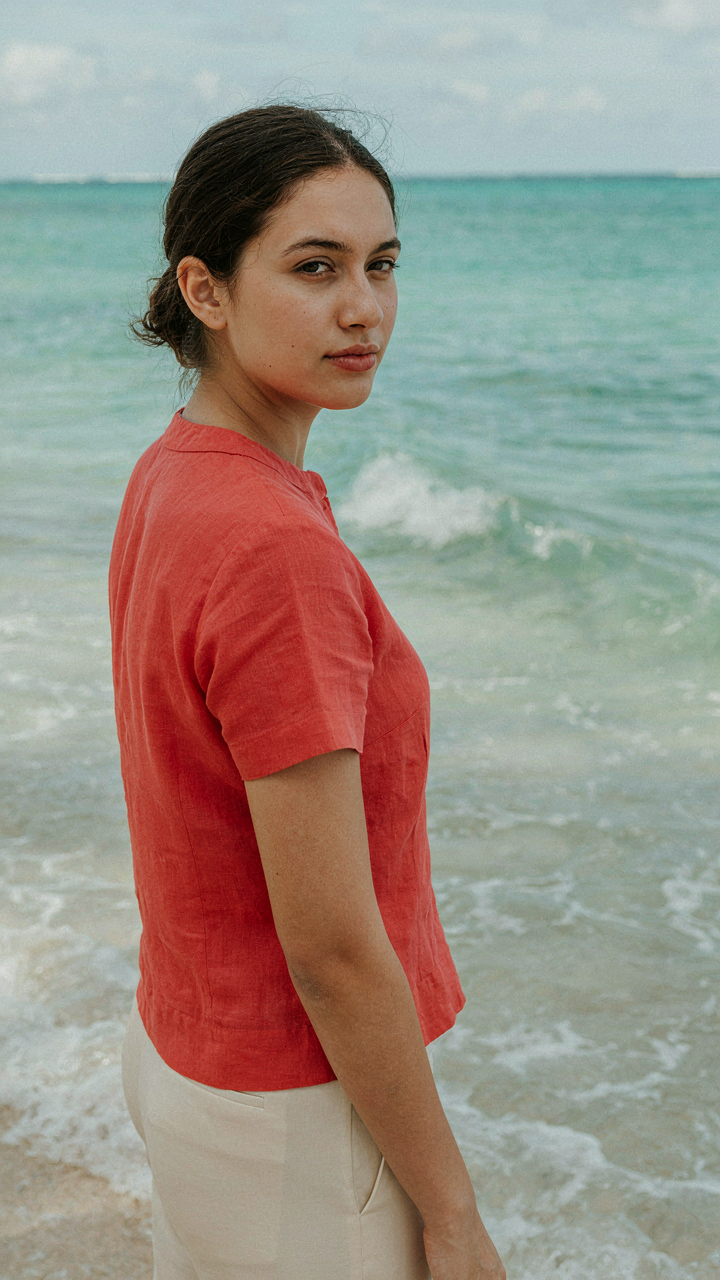
Read The Water Before You Read The Waves
You want to feel in control in the ocean because the ocean doesn’t care about your confidence. The mechanism that keeps beginners alive isn’t luck—it’s pattern recognition applied to water movement. Currents operate like military supply lines: they move water from point A to point B with indifferent force. A rip current is simply a return channel where water that waves pushed toward shore gets funneled back out. You can’t fight it, and panic kills more people than the current itself.
The standard advice to “swim parallel to shore” works, but most beginners panic before executing it. The real skill is identifying a rip before you’re in one. Rips appear as choppy, discolored water or a visible gap in the wave line. Study the beach for five minutes before entering. If you spot that channel, avoid paddling through it. If you’re caught in one, don’t thrash—paddle sideways until you exit the pull, then angle back to shore at a diagonal. The mechanism is simple: movement in a direction other than straight against the current breaks the rip’s grip.
Crowded Lineups Reward Positioning Over Aggression
Most beginner advice treats crowded lineups as a social problem. They’re actually a resource allocation problem, which is economics. Every wave has a finite number of takeoff zones. Your job is finding the zone where experienced surfers aren’t planted yet, then holding it without looking like a kook. This requires patience, not boldness.
Position yourself slightly outside the main pack, but inside enough to catch waves. Don’t paddle for every set. Let three pass. Watch where the peak is forming. On the fourth set, paddle into position before the wave arrives, not after it’s already building. Catch one wave clean, exit, reposition. Repeat this cycle five times. You’ll catch more waves with less collision than beginners who thrash for every opportunity. The mechanism is temporal advantage: you move before the crowd reacts, not during the chaos.
Progression, Not Pressure: Surf Tips For Beginners
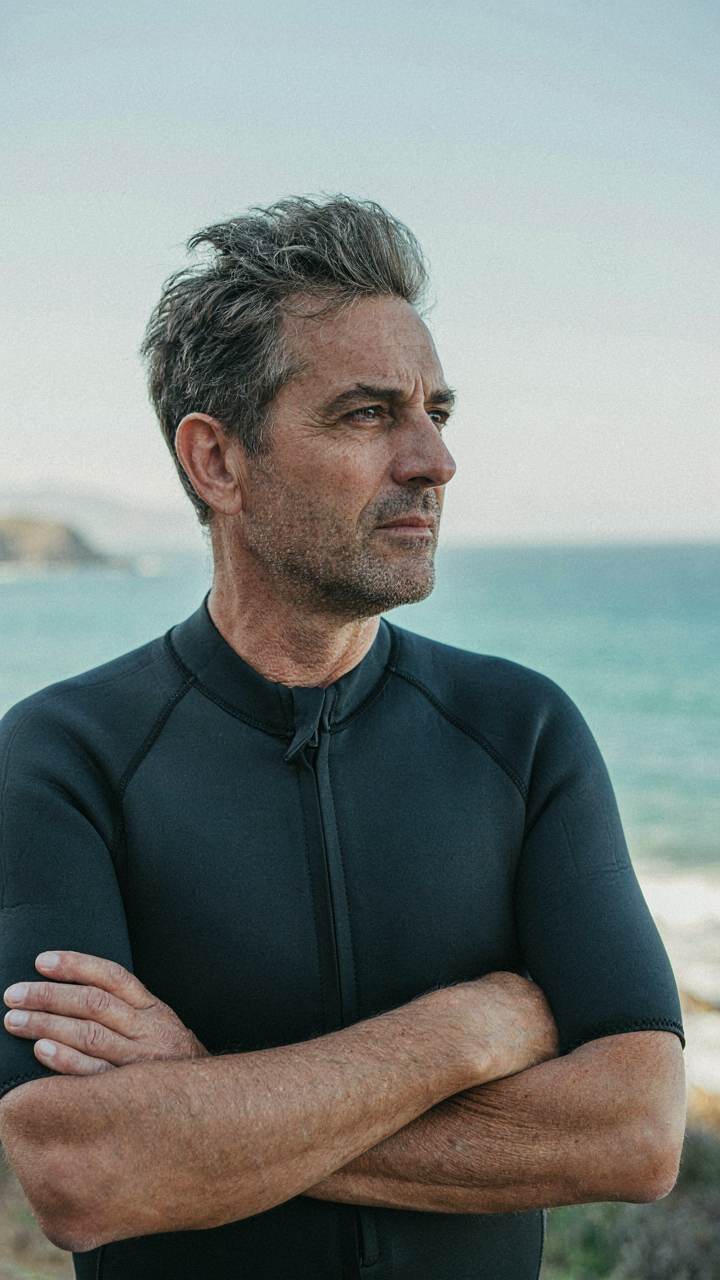
Know When Your Board Is Holding You Back
You want to move up because staying beginner-sized feels like admitting defeat. The real mechanism is this: a larger board forgives mistakes and builds confidence. A smaller board punishes them and forces technique. The transition matters, but timing it wrong wastes months.
Most beginner advice says “stay on your big board until you’re comfortable.” That’s incomplete. You downsize when your pop-up becomes consistent and you can maintain control through a turn without the board fighting you. Your wave count and paddle speed determine readiness, not how long you’ve been surfing. Drop down half a liter first, not two. This calculated risk prevents frustration while preserving the margin for error you still need.
Feedback From Surfers Who Won’t Coddle You
Don’t ask better surfers if you’re doing it right. Ask them what you’re doing wrong. Validation feels good and changes nothing. Critique creates friction that accelerates learning. The person who tells you “nice try” isn’t helping you progress. The one who points out your late takeoff or sloppy weight distribution is.
Find someone who surfs the break regularly and has already solved the problems you’re hitting now. Watch them, ask specific questions about their setup or positioning, then test their answers in the water. Ignore anyone who offers encouragement without mechanism. When they say “your paddling needs work,” ask exactly where your hand entry is wrong and what to fix. That specificity is what closes the gap.
Beyond The Wave: The Unseen Benefits Of Surfing Beginners Guide
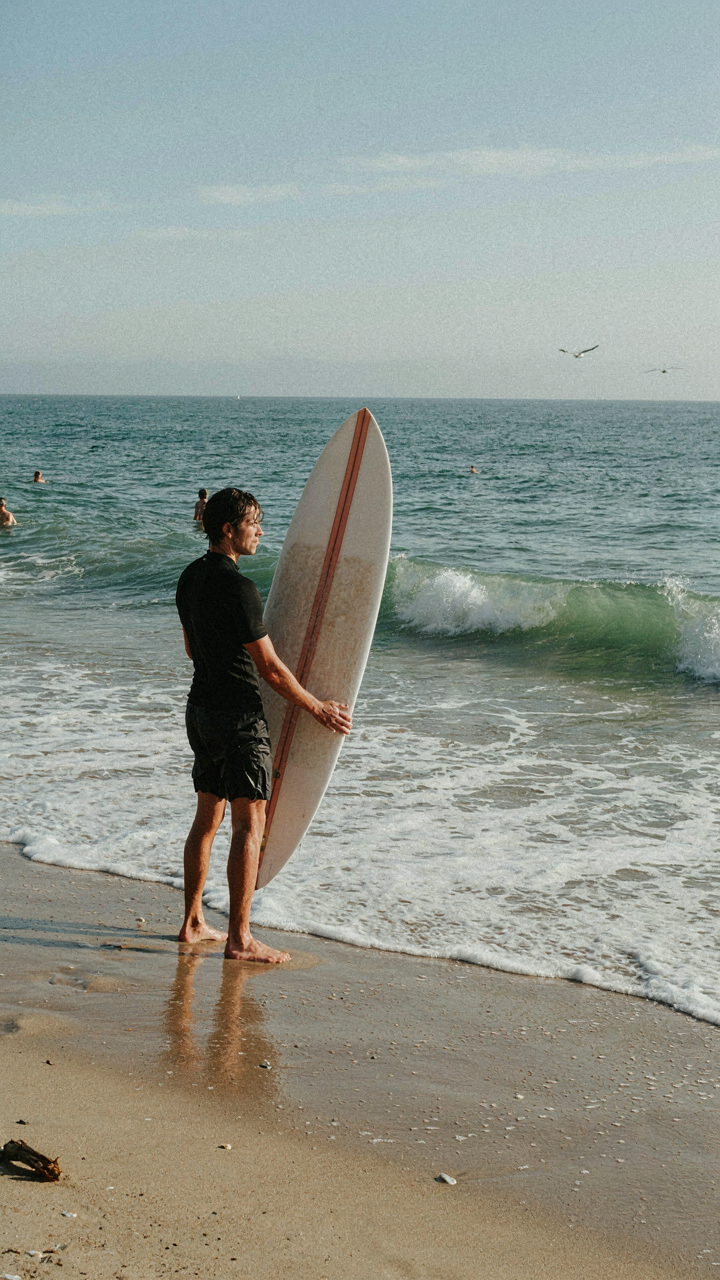
Your Nervous System Learns Faster Under Pressure
You want to know surfing builds character because that sounds better than admitting you’re bored and your nervous system is starved for real stakes. Here’s the mechanism: surfing operates like exposure therapy. You paddle out. The ocean doesn’t care about your intent. You face genuine consequence—wipeout, current, cold—without artificial safety nets. Your amygdala recalibrates what “manageable risk” actually means.
Each session teaches your body to stay functional when adrenaline spikes. Beginner surfers encounter the same stimulus loop repeatedly: paddle out, read the break, commit to a wave, fall or succeed. The failure rate is high. Your brain stops treating failure as catastrophic and starts treating it as data. This rewires your baseline anxiety response faster than any meditation app ever could.
Circadian Alignment Through Ocean Scheduling
Biology has a term called “entrainment”—when an external rhythm synchronizes your internal clock. Surfing for beginners forces you to chase dawn swells and tidal windows. You stop living on screen time and start living on tide charts.
Your cortisol curve actually functions again. You wake when light hits the water, not when your phone buzzes. Beginner surfers who paddle consistently experience sleep that’s measurably different from their pre-surfing baseline. The salt exposure, the exertion, the natural light, and the rhythm create a cascade that your body recognizes as legitimate. You’re not manufacturing energy through caffeine. You’re generating it by doing something your ancestors did for millennia.
Beginner Surfing Tips And Tricks: The 80/20 Rule For Rapid Skill Acquisition
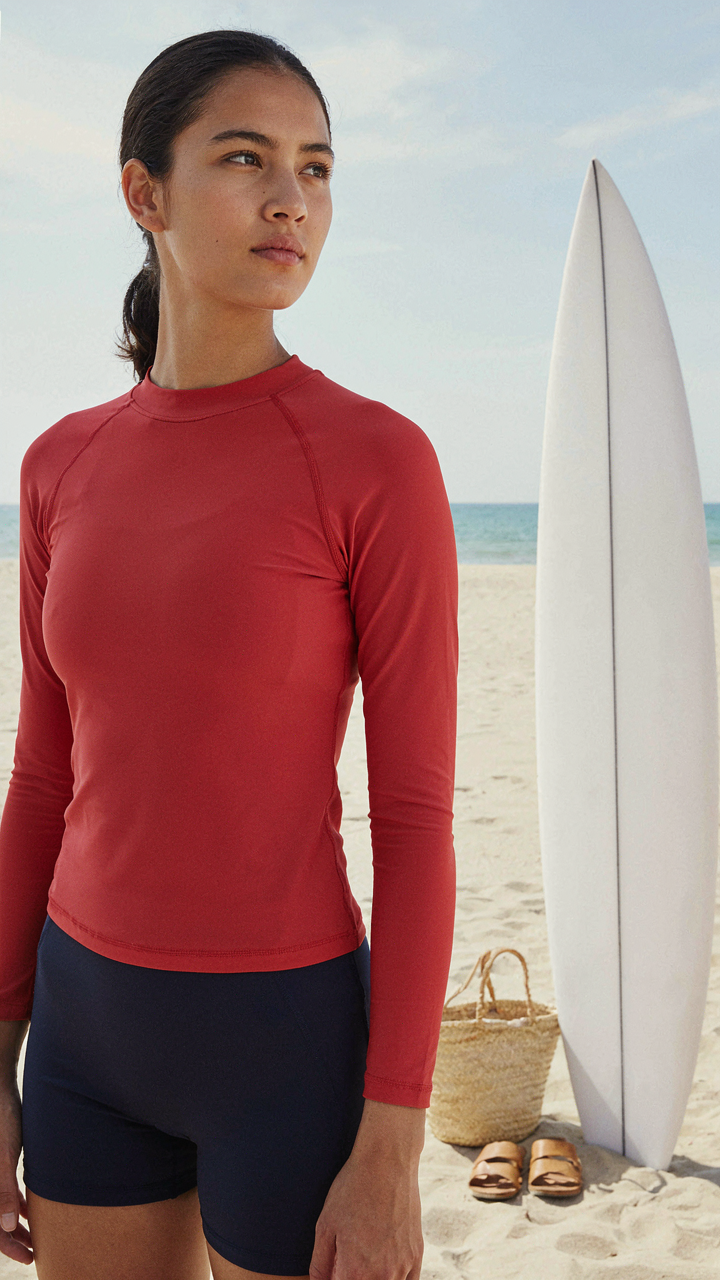
Where The Effort Actually Goes
You want to believe hard work beats talent. You want to think grinding on the board for six months straight will make you good. The truth is simpler and more brutal: most beginners waste 80% of their water time on movements that don’t move the needle. Economics calls this diminishing returns. In surfing, it’s the pop-up, the paddle position, and wave selection. Master those three and you’ve solved the game. Everything else is noise.
The pop-up is where beginners leak the most potential. Your hands plant too wide or too far back. Your feet land in the wrong spot on the board. Your hips stay low when they should drive upward. These micro-mistakes compound across hundreds of attempts. Beginners chase feel instead of mechanics, then wonder why they plateau. The paddle position determines whether you catch waves at all. Wrong angle, wrong power distribution, wrong timing. You sit in the lineup burning energy instead of riding.
The Movements That Matter
Stop doing push-ups on your board in the living room. Stop worrying about your rail game or your cutback technique. New surfers need exactly three mechanical wins: a repeatable pop-up, consistent paddle mechanics, and the ability to read where to sit in the lineup. Everything flows from those three. A beginner who pops up explosively and catches 10 waves will improve faster than someone who catches two waves and obsesses over style.
The pop-up works like this: hands shoulder-width, fins in the water, explosive drive through the chest and hips in one motion, feet land between your hands, front knee drives forward immediately. Repeat this 50 times on the board before you paddle out. The paddle: torso rotation, not just arm strength, generates power and efficiency. Sit upright. Rotate from the core. Pull water past your hip, not toward your face. Wave selection means positioning yourself where waves actually break consistently, not where you think they look good. Paddle out during low tide when lineups are visible. Sit inside the break for smaller waves as a beginner. Catch 10 small waves instead of fighting for two big ones.
The Ocean Does Not Reward Impatience; It Merely Exposes Your Internal Chaos

Most beginners quit because they expect results before they earn humility. The ocean doesn’t care about your goals. It cares about your respect. Book a lesson today, not next month. Show up tomorrow morning when the waves are smaller and your ego hasn’t infected your decisions yet. The adrenaline rush you’re chasing isn’t waiting for you to be ready, it’s waiting for you to stop waiting.