
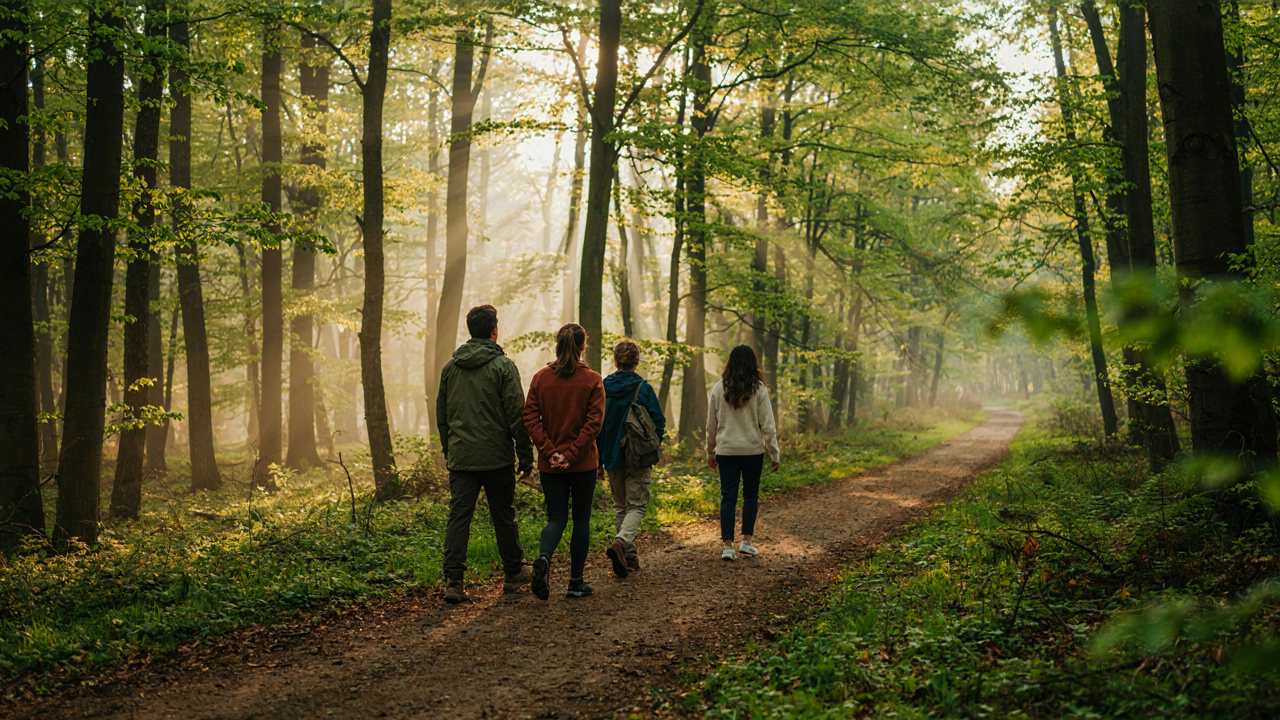
The Cognitive Edge Protocol: Why Dawn Hikes Win The Day
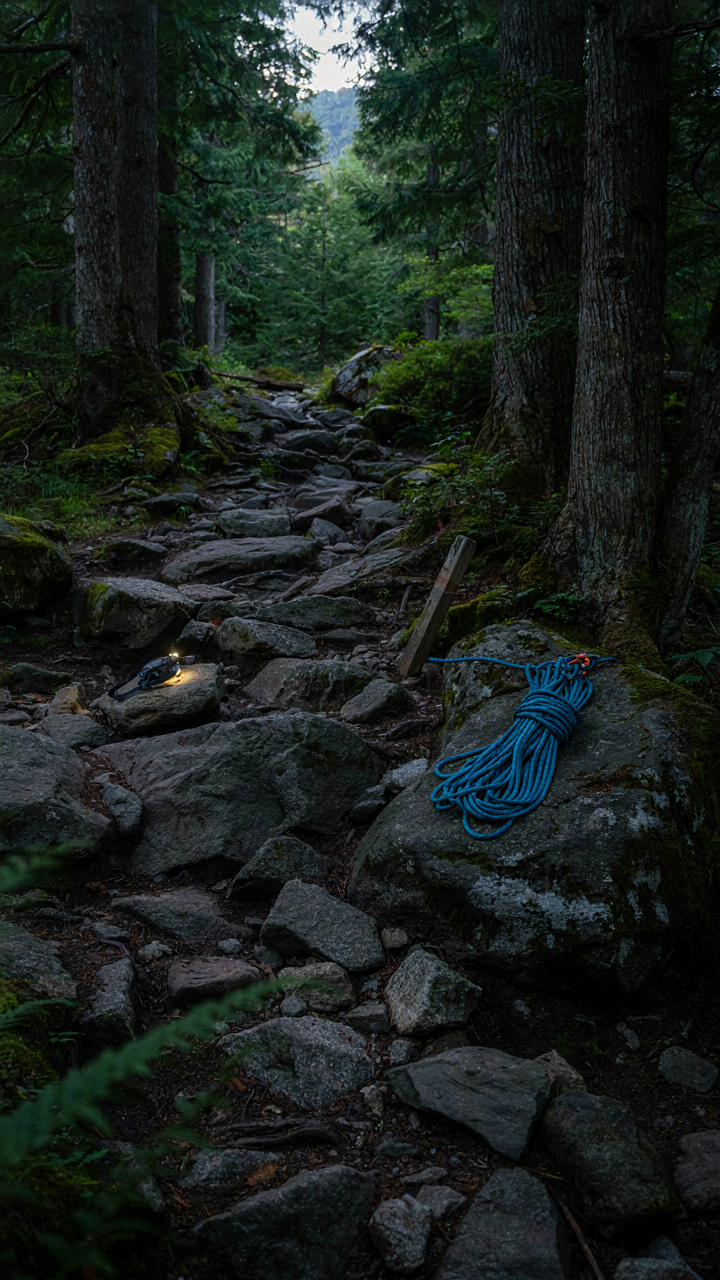
Pre Dawn Silence Rewires Your Nervous System
You want to feel productive without the chaos. Here’s the mechanism: neurobiology calls it the reticular activating system, the brain’s filter that decides what gets your attention. Pre-dawn silence removes competing stimuli, forcing your RAS to lock onto internal signals instead of external noise. No cars. No phones buzzing. No other hikers talking. Your brain stops defending against interruption and starts processing at depth.
Most people chase quiet in coffee shops or meditation apps. They miss the obvious: silence plus movement plus environmental change compounds the effect. A dawn hike doesn’t just remove noise. It resets your baseline for what normal stimulation feels like. You return to the day with a recalibrated threshold. Everything else feels louder, which means you filter it better.
Nature Becomes Your Focus Operating System

The common advice says nature is relaxing. That’s incomplete. Neuroscience shows nature engages your directed attention system without depleting it like office work does. A trail demands real-time decisions: foot placement, pace adjustment, route choice. These micro-decisions fire your prefrontal cortex without the emotional drain of human conflict or email urgency.
Hikers who start before sunrise hit the trail during what researchers call the circadian nadir, your lowest cortisol point before the day’s stress cascade begins. You’re building focus capacity when your nervous system is most receptive to it. The habit sticks because you’ve practiced attention control during a biological window optimized for it. Do this three times weekly and you’ll notice your focus holds longer into the afternoon.

Beyond The Instagram Shot: The True Value Of Sunrise Hike Aesthetic

The Aesthetic That Actually Matters
You want the photo because you believe it proves something about you to people who don’t know you. Here’s what actually happens at sunrise on a trail: your nervous system resets. The mechanism is circadian synchronization. Your body’s internal clock aligns with natural light exposure at dawn, triggering cortisol release that primes alertness for hours. The colors—pink sky, long shadows, cold air—aren’t decoration. They’re environmental signals your brain processes as a clean start. The photo is just proof you showed up for the signal.
The difference between chasing the shot and chasing the reset is everything. Most sunrise hikers waste the moment framing it instead of feeling it. Your phone camera compresses dynamic range anyway, flattening the actual luminosity shift that moves across the valley. The real aesthetic value lives in what your eyes catch that no lens will capture: the temperature gradient between shade and emerging light, the specific stillness before other people arrive. Document it if you must, but the primary transaction is between you and the environment, not you and an audience.
The Mechanism Of Internal Reward
Psychology calls this intrinsic versus extrinsic motivation, and the field has spent decades proving that external validation actually erodes the thing you’re trying to build. When you hike at dawn for a story to tell later, your brain categorizes the experience as performance. That shifts your attention outward—checking if the light is good enough, if the view is dramatic enough, if you’re tired enough to prove commitment. Internal reward bypasses this entirely. You hike because your body craves the oxygen, the temperature shock, the metabolic spike. Your mind craves the uninterrupted processing time. Neither of those needs an audience.
The practical shift: hike without posting for two weeks and notice what changes. You’ll choose different trails based on actual terrain feedback instead of reputation. You’ll stay longer at peaks because there’s no deadline to leave and edit. You’ll return to the same spot across seasons because you’re tracking your own progress, not collecting new content. The reward hardens into habit when it’s internal. This is how sunrise hiking stops being a task and becomes a protocol you run without negotiation.
The Micro Discipline Multiplier: Best Sunrise Hikes For Habit Stacking

Why Early Mornings Actually Work
You want proof that you’re serious about change without doing the hard internal work. A sunrise hike delivers that signal while you’re still half asleep. Here’s the mechanism: habit stacking in behavioral psychology means anchoring a new behavior to an existing routine. Your alarm already goes off. A sunrise hike hijacks that existing trigger instead of creating one from scratch. You’re not building discipline from zero. You’re converting existing momentum into a different direction.
The best sunrise hikes for this aren’t the Instagram peaks. They’re the ones thirty minutes from your home that you can reach before the sun clears the horizon. Peaks like Camelback Mountain near Phoenix, Runyon Canyon in Los Angeles, or Stone Mountain near Atlanta work because proximity kills the friction that kills the habit. You remove the decision about whether you have time. The hike becomes automatic because logistics don’t interfere.
Sunrise Hikes Lock In Your Cognitive Peak
Common advice says morning hikes clear your head and set intention for the day. That’s incomplete. Neuroscience shows cortisol peaks in the early morning, which increases alertness and focus. A sunrise hike amplifies this by combining movement with natural light exposure right when your brain is most receptive. You’re not just being productive. You’re timing a biological state that makes every subsequent task that day feel easier.
Specific hikes that deliver this include trails with eastern exposure where the sunrise hits you directly during the climb. Mount Tamalpais near San Francisco, Monadnock in New Hampshire, and the trails around Sedona Arizona all orient walkers into the sunrise path. The physiological effect is real: direct morning light synchronizes your circadian rhythm and suppresses melatonin production more effectively than indoor light ever will. Anchor your hike to the moment you finish, then immediately move into your highest-leverage work for the day.
Unlocking Flow State On Best Hiking Trails: The Biology Of Early Movement

Why Your Brain Craves Light Before Sunrise
You want proof that waking up early matters because you’re tired of feeling like you’re wasting your time. Here’s the mechanism: natural light triggers dopamine release through your retina’s intrinsically photosensitive ganglion cells, which connect directly to your brain’s reward centers. Sunrise hiking exploits this biological fact. Moving your body outdoors before 8 AM synchronizes these dopamine pathways with physical exertion, compounding the effect. The light hits your eyes, your brain floods dopamine, your muscles activate it, and you enter the mental state you’ve been chasing in meditation apps and cold plunges.
Most people chase dopamine through screens or supplements. They’re wrong. The pathway that matters most is the one evolution built for survival: light plus movement plus novelty. A sunrise hike delivers all three simultaneously. Your dopamine system doesn’t distinguish between “optimized” and “natural”—it responds to the stimulus. Start your hike 30 to 45 minutes before sunrise, so your eyes encounter increasing light gradually. Your system calibrates instead of shocking awake.
Cortisol Timing: When Your Body Actually Resets
Cortisol rises naturally between 4 and 6 AM as your body prepares for wakefulness. The common advice says to avoid stress during this window. That’s incomplete. You don’t avoid the rise—you channel it into purposeful physical work. Hiking during this window means your elevated cortisol fuels movement rather than stewing as anxiety. You’ve recruited a natural hormone surge instead of fighting it.
The second phase matters more: cortisol drops steadily after sunrise if you expose yourself to continuous natural light. Most people stay indoors, and their cortisol plateau stretches into afternoon. A two to three hour summit push means sustained light exposure during the exact window when your body sheds cortisol fastest. Time your descent for 9 to 10 AM, when cortisol has bottomed out and stabilized low. This is the protocol that creates sustained calm, not motivational posters about gratitude.
The “Opportunity Cost” Fallacy Of Sleeping In: Hiking Your Way To More Time

Trading Sleep For Leveraged Hours
You want to believe waking early gives you an unfair advantage. The real mechanism is economics. In economics, opportunity cost means what you sacrifice when you choose one thing over another. When you sleep until 7 a.m. instead of 5 a.m., you don’t lose two hours—you lose the leverage those hours provide before the world wakes. A sunrise hike at 5:30 a.m. gives you uninterrupted time when trails are empty, light is optimal, and your mind hasn’t fragmented across notifications yet.
The math breaks down this way: two hours on a crowded trail at noon produces a different output than two hours alone in golden light. One feels like exercise. The other restructures how you think for the day. The sleep-in choice doesn’t cost you hours. It costs you the compounding value of working with better conditions. You’re not trading rest for time. You’re trading leverage for comfort.
Compounding Benefits Of Early Starts
Early starts compound because each hike reshapes your baseline for the next one. Your legs adapt. Your cardiovascular system improves. Your ability to recover between hikes accelerates. After six weeks of consistent 5 a.m. ascents, a trail that crushed you in week one feels moderate. This isn’t motivation or willpower—it’s biological adaptation. Your body literally rewires itself.
The real compounding effect arrives when you notice decision-making clarity continues after the hike ends. The problem-solving capacity, the patience, the reduced reactive anxiety—these don’t fade when you reach the trailhead. They stack into your day. Do this for months and you’ve built a different operating system. The mechanism isn’t inspiration. It’s that early movement with natural light triggers neurological changes that extend into your work, your relationships, and your reasoning. The first sunrise hike is a single event. The fiftieth one is a restructured nervous system.
Finding Your “Edge” In The Dark: Hikes To See Sunrise That Demand More
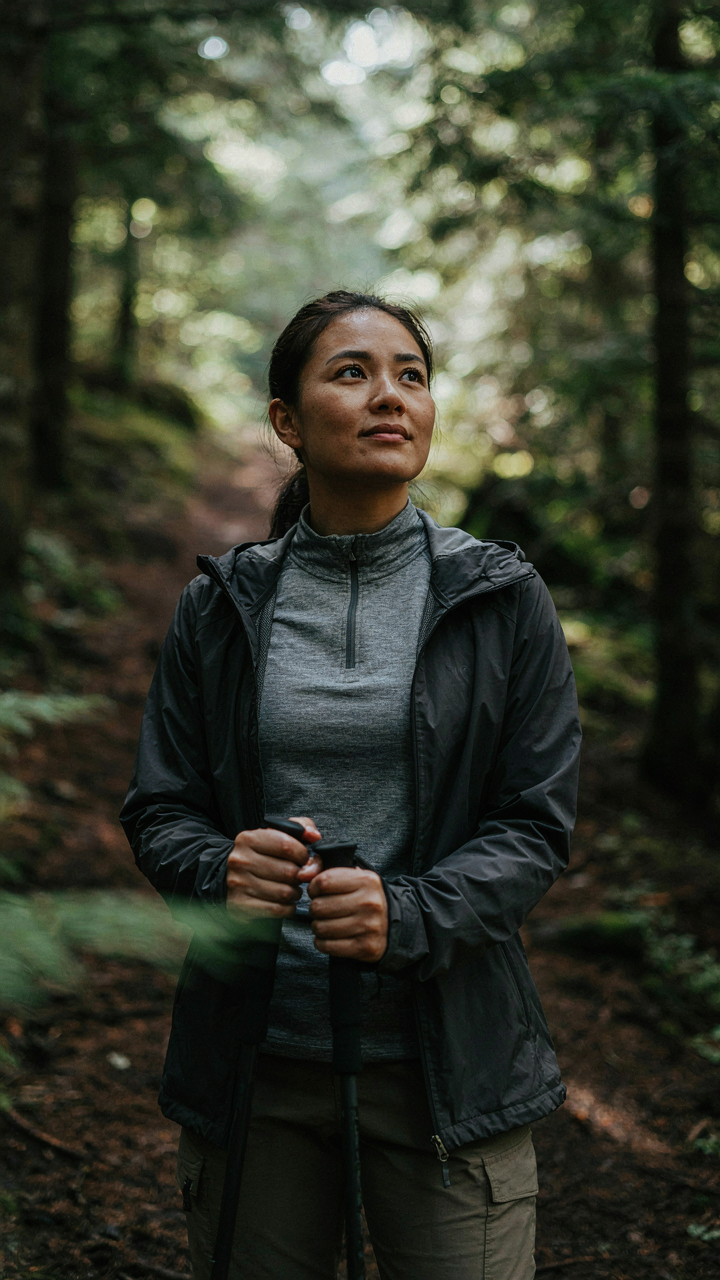
The Hard Climb Strips Away The Noise
You want the sunrise hike that proves something about you. That’s the real reason you’re reading this. The mechanism is simple: difficulty filters out the casual crowds and forces you into a state where your mind stops running its default program. In psychology, this is called cognitive load. A steep ascent in darkness creates it. Your brain can’t simultaneously worry about social status and navigate rocky terrain by headlamp.
The trails that demand more aren’t harder for the sake of being hard. They’re harder because they demand all of your attention before dawn breaks. Mount Tamalpais in Marin County offers a steep approach through Steep Ravine that rises 2,000 feet in under three miles. Sunrise here isn’t a passive moment you consume. It’s a point you’ve earned through effort and discomfort.
The Resistance You’ll Actually Face
Most advice tells you to “just start early” or “prepare properly.” That misses what actually stops people. The real barrier isn’t logistics. It’s the 4 AM moment when you’re awake and your bed is still warm and your brain manufactures a hundred reasons to skip it.
- The Pre-Dawn Void: Waking two to three hours before sunrise creates a psychological dead zone where your motivation hasn’t activated yet. The hike hasn’t started, so no adrenaline exists. Expect this and move through it mechanically.
- Solo Discomfort in Darkness: Hiking alone before dawn triggers a primal unease that group hikes don’t. Embrace this instead of running from it. It rewires your relationship with solitude and risk.
- The False Summit Trap: Easier trails like Mount Bald in the Bay Area let you summit quickly, then sit in darkness waiting for sunrise. Harder trails like Dipsea to Mount Tamalpais keep you moving through the dark, which prevents psychological stalling.
- Gear Failure When It Matters: A dead headlamp at mile two on a steep trail removes your safety net and forces adaptation. Test equipment in daylight first. Carry a backup light source always.
- Commitment Without Spectacle: The sunrise after a hard climb doesn’t feel like a reward you earned. It feels like a neutral event that happened to coincide with your effort. This gap between expectation and reality stops most people from returning.
The protocol is specific: choose a trail that takes ninety to one hundred twenty minutes to climb in darkness. Start your ascent one hour before astronomical twilight begins, not at sunrise. This ensures you’re moving through the hardest section when mental resistance peaks. Your discomfort ends with motion, and motion starts with a departure time you’ve already committed to in writing the night before.
The Anti Rush Hour: Embracing Solitude On Your Sunrise Hiking
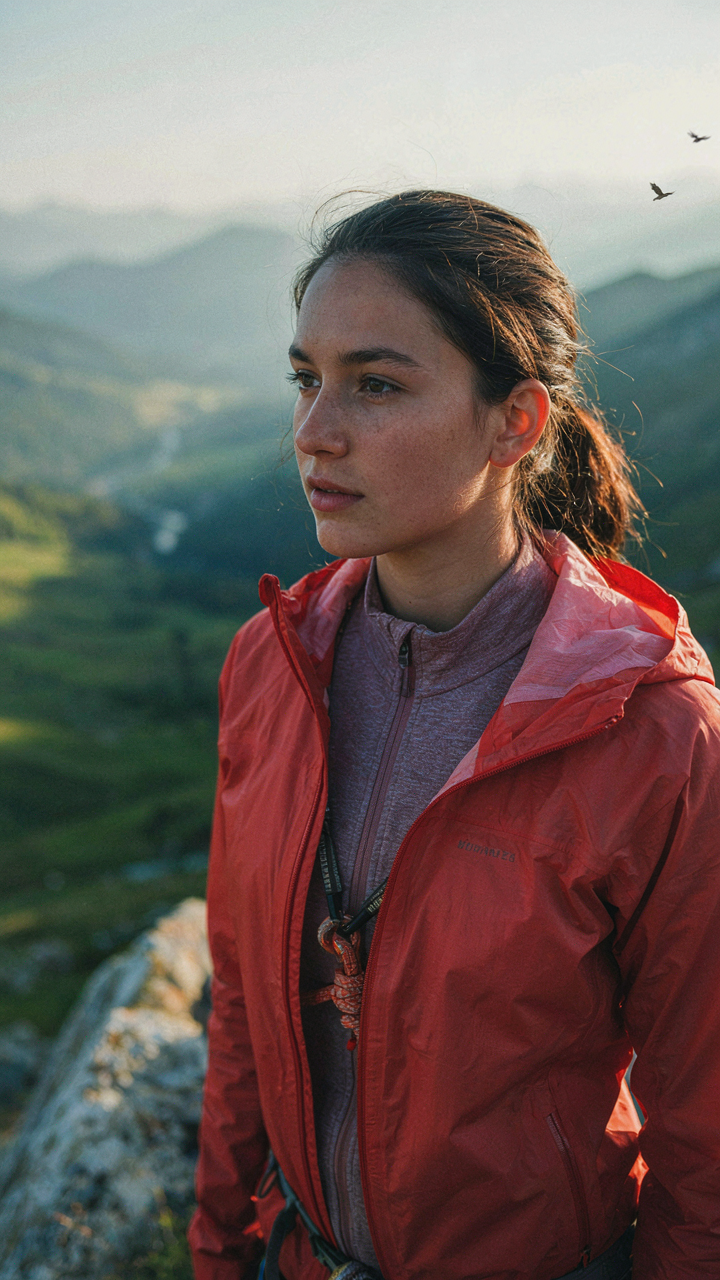
You’re Not Actually Seeking Peace
You want the Instagram story nobody else has yet. But that’s not what makes sunrise hiking work. The real mechanism is circadian alignment. Your cortisol peaks at dawn, your body temperature rises, your prefrontal cortex activates. You’re neurologically primed to solve problems and make decisions. The empty trail isn’t peaceful because it’s quiet. It’s effective because you’re climbing when your brain chemistry supports it, not fighting it.
The crowd arrives later because most people don’t understand this. They chase the aesthetic. You chase the physiology. Start your hike between 5:30 and 6:15 AM depending on season and latitude. You’ll summit before the bulk of day hikers arrive. You’ll have processed the hike cognitively before social pressure and fatigue accumulate.
Building Competence When Nobody’s Watching
The common advice says solitude is about meditation and reflection. Wrong. Solitude is about failure tolerance. In psychology, this is called metacognition: thinking about your thinking, observing your own performance without an audience. When you hike alone at dawn, you navigate without the option to follow someone else’s pace or route choice. You read the trail yourself. You make the call on weather. You turn back or proceed based on judgment, not group dynamics.
Solo dawn hiking forces you to develop navigation skills, weather assessment, and risk evaluation. You can’t delegate these decisions. You can’t hide incompetence. This builds genuine self-reliance, not the Instagram performance of it. The mechanism is simple: difficulty plus isolation plus stakes equals skill acquisition. You’re not meditating. You’re developing competence in real conditions where mistakes have consequences you feel personally.
Strategic Location Scouting: Not All Sunrise Sunset Views Are Equal

Elevation And Eastern Exposure Matter
You’re hoping a sunrise hike fixes your life or at least makes a good photo. Here’s what actually determines whether you see the sun rise or just watch the sky brighten: geography controls light arrival, not effort. Think of sunrise timing as a physics problem of refraction and shadow. Elevation determines when direct sunlight reaches you, and eastern exposure determines whether terrain blocks that light. A 500-foot gain facing east beats a 3,000-foot peak facing west every time.
The common advice says “go higher.” Wrong. A ridgeline at 2,000 feet with clear eastern sight lines beats a 6,000-foot summit surrounded by peaks to the east. You need unobstructed sky from the eastern horizon up to 15 degrees above it. Terrain and tree cover block more sunrises than elevation gains them. Scout your location on Google Earth’s 3D view. Check if ridges, forests, or rock formations sit between your spot and due east before you commit the pre-dawn hike.
Accessibility Versus Immersion Trade Off
The mistake most people make is conflating “easier to reach” with “better experience.” Short hikes deliver crowds at peak light. That matters if you’re chasing the scene, not the view. Accessibility determines how many people occupy your location and how much your experience gets fragmented by phones and conversation.
A trail that requires 90 minutes and 1,500 feet of climbing filters out 80 percent of casual hikers. You get light quality and solitude simultaneously. The mechanism is simple: drive time plus effort equals scarcity of witnesses. If the trailhead is within 30 minutes of a city and takes under 45 minutes to summit, expect 20 to 50 people at sunrise. Accept that or hike differently. Choose the 75-minute approach and hike alone.
Gear For The Unflinching: What Real Sunrise Hiking Demands

Pack Light Or Go Home
You want to feel prepared. That’s the real reason you’re reading this. But overpacking kills you before the summit does. Military logistics calls this “supply chain drag”—every extra pound compounds across distance and elevation. On sunrise hikes, you start in darkness and cold. Your body burns energy fast. Excess gear forces you to work harder when you’re already running on fumes and adrenaline.
The constraint is simple: carry only what prevents failure or death. Water, a jacket, food for glycogen. Leave the backup socks, the extra batteries, the “just in case” items at home. Most sunrise hikers start in the dark anyway, so you won’t use that camera lens. Strip down to essentials. Your legs will thank you on the descent.
Light And Navigation That Won’t Fail
Don’t bring a headlamp “just in case.” Bring one that works in subzero conditions and keeps working. This isn’t about having options. Most headlamp failures happen because people grab whatever’s convenient. LED headlamps with alkaline batteries die in cold. Lithium batteries hold voltage in freezing air. A headlamp dims when it fails, leaving you functionally blind on a dark trail. Test your light at home first, in darkness, for at least two hours. Know exactly when it starts to weaken.
Navigation on sunrise hikes requires redundancy but not excess. Download your route offline on your phone. Bring a paper map and compass as backup, not decoration. The mechanism is simple: electronic devices fail in cold and wet conditions. Maps and compasses don’t. On a dark trail, your phone battery drains faster than daylight hours. You need the old tools when technology quits. Verify your compass works before you start.
The Unspoken Cost Of Delay: Why Your First Sunrise Hike Starts Today

Waiting Is Just Expensive Regret
You’re reading this because you’re afraid the moment will pass without you in it. Here’s the mechanism: delay compounds backward. Every sunrise hike you skip doesn’t just subtract one experience. It subtracts the physical fitness you’d have built, the trail knowledge you’d have gained, and the neural pathways that would fire next time the alarm goes off at 4 a.m. Procrastination doesn’t cost you a hike. It costs you the person you become through showing up.
The common advice says “just start small” or “pick an easy trail.” Wrong. That’s the advice for people who want permission. You already have permission. The real barrier isn’t trail difficulty. It’s the gap between deciding and doing. That gap exists for exactly one reason: you haven’t anchored the hike to a specific date with non-negotiable logistics. No date equals no commitment. No commitment equals another year of 5 a.m. scrolling instead of summiting.
Compounding Begins With One Morning
Compound returns come from finance, but the mechanism works identically here. Start with one early hike. Your body adapts to the 4 a.m. wake time faster than you think, usually three weeks. Your legs strengthen on the descent. Your lungs perform better at altitude. But the real compound effect is psychological. After the first summit, the second hike feels 40 percent less difficult to schedule because you’ve erased the fantasy version of what it costs.
Pick a sunrise hike within 60 minutes of where you live. Register the date and time in your calendar as “non-negotiable.” Set two alarms. Lay out your gear the night before. This isn’t motivation. It’s protocol. Motivation fails on the third Tuesday when it’s cold and dark. Protocol doesn’t care how you feel. You execute the steps, and the returns compound forward. One hike creates the next. One season builds into a practiced skill you didn’t have before.
The Real Obstacle Isn’t The Alarm Clock; It’s Your Internal Resistance To Earned Solitude

Most people don’t skip sunrise hikes because they hate mornings. They skip them because silence terrifies them. You’ve built a life loud enough to ignore yourself. A summit at dawn strips that away. Pick one trail near you. Set your alarm for tomorrow. Show up alone and watch what happens when you stop running from your own thoughts. The hike isn’t the point. You are.