
Introduction
Summer holidays offer a great chance to relax and explore new places. Staying healthy and fit during this time helps you enjoy your vacation more. A well-balanced approach to food and travel habits is key. This article covers a checklist to keep your health and fitness in check while on your summer holiday.
You will learn about choosing the right foods to boost your energy. In addition, we will give you fitness tips that fit busy travel days. Use these practical pointers to keep your body strong and your mind fresh during your summer break.
Healthy Foods to Pack on Holiday

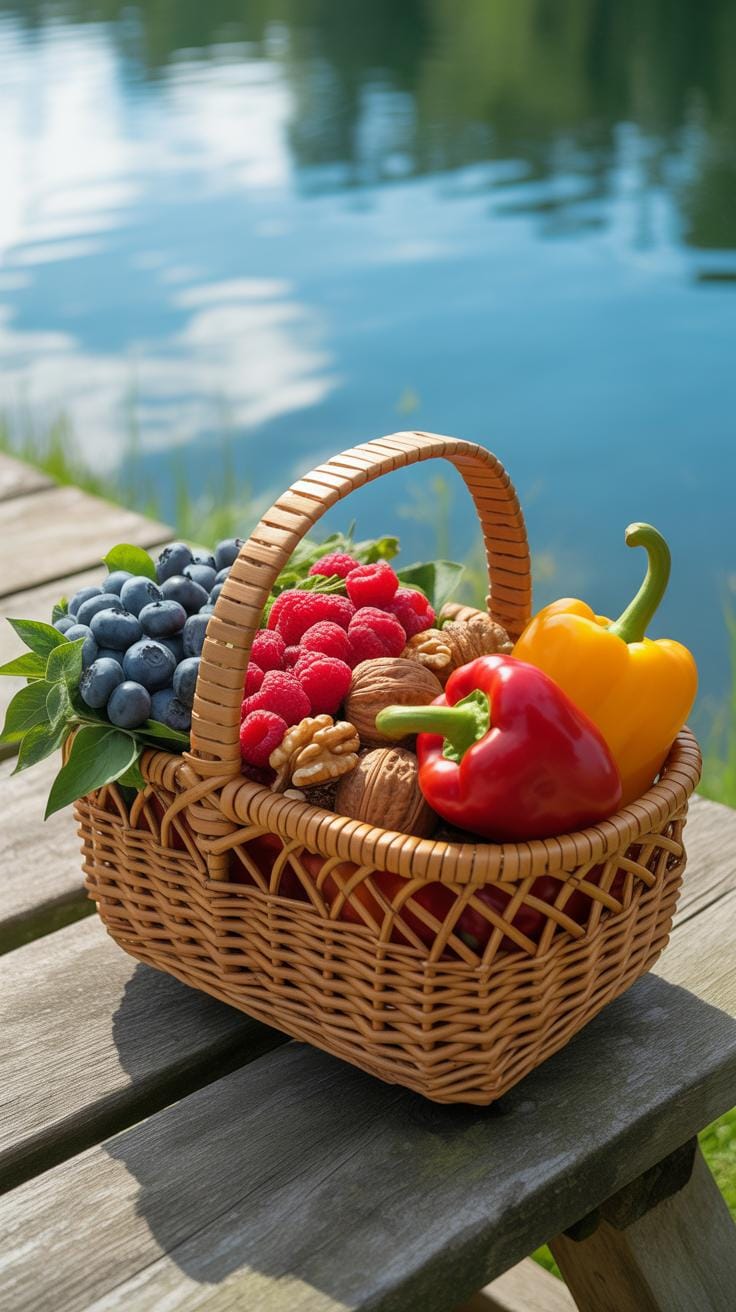
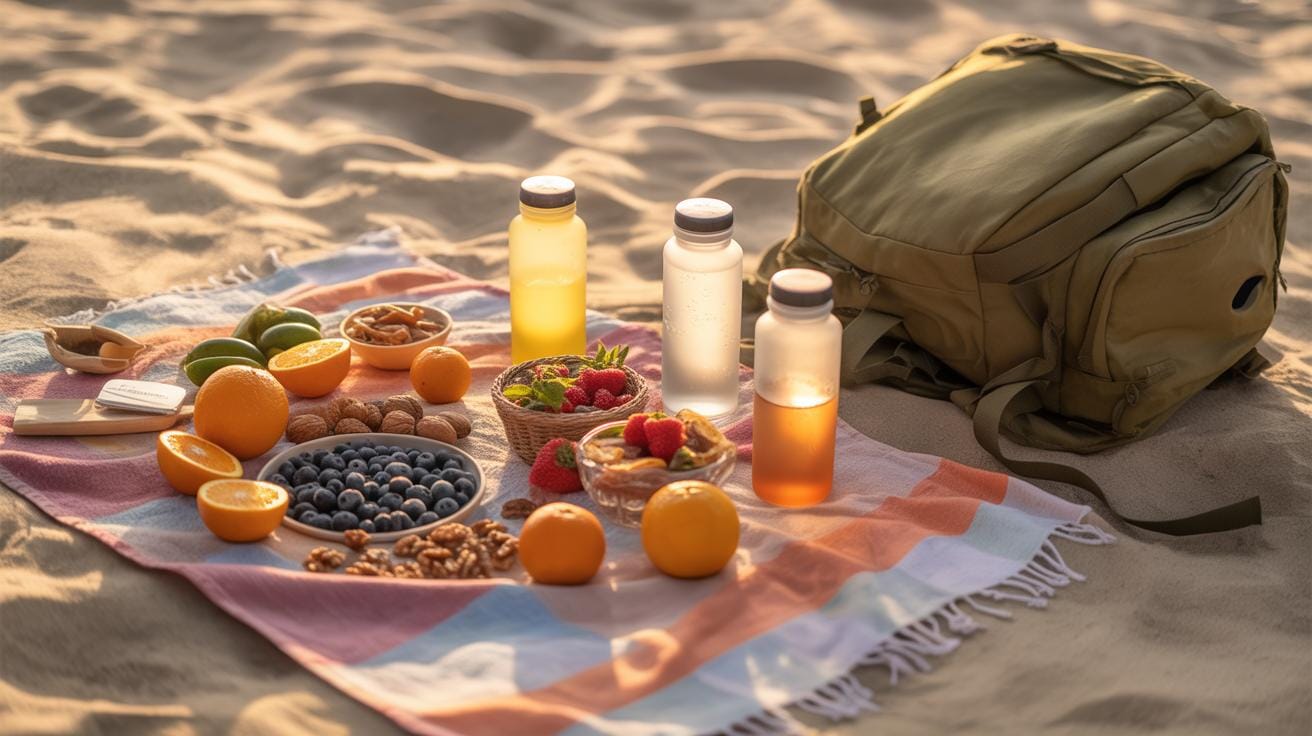
Picking the right foods for your summer holiday can make a big difference in how energetic and balanced you feel. It’s tempting to grab whatever’s easy or familiar, but thoughtful choices help nutrition stay steady. Packing snacks like fresh fruits—think apples, berries, or easily portable grapes—gives you natural sugars and hydration without the crash. Nuts, such as almonds or walnuts, offer healthy fats and protein, which keep hunger at bay longer. Whole grain crackers or rice cakes add a good crunch and fiber, helping digestion, especially if travel delays happen.

Meal ideas can be surprisingly simple and wholesome. A whole wheat wrap filled with lean turkey, leafy greens, and a smear of hummus makes for an easy, portable lunch. Or maybe hard-boiled eggs paired with cherry tomatoes—basic, yet quite filling. These can be prepared beforehand and stored in small containers. Yes, it takes a little prep, but it usually pays off with less hangry moments.
Choosing Nutrient-Rich Snacks
When selecting snacks, consider which ones provide lasting energy and key nutrients. Pick options rich in protein, fiber, and healthy fats to avoid quick energy slumps. For example, trail mix with a mix of nuts and dried fruit works better than just chips or sweets because it balances carbs and fats. Fresh fruit hydrates and supplies vitamins—watermelon chunks or orange segments work well if kept cool. Whole grain options release energy more slowly, keeping you steady on your feet during long walks or sightseeing.
During travel, these snacks don’t just fuel you physically but also help keep mood swings in check, since eating well influences how you feel. Have you noticed how a sugary snack sometimes leaves you more tired later? That’s why leaning into whole foods usually helps maintain energy.
Packing Tips for Food Freshness
Keeping your food fresh isn’t always straightforward. Insulated lunch bags with ice packs are a good start—they keep perishables like cheese or sliced veggies cool enough for several hours. Use airtight, reusable containers to avoid spills and keep flavors intact. Transparent containers are convenient because you can see what’s inside without opening them and letting air in.
If refrigeration isn’t an option, focus on foods that tolerate room temperature well. Hardier fruits like apples and bananas are a safe bet. Pre-cut veggies can brown or wilt quickly, so it’s best to prepare them the same day you leave and store them in moisture-absorbing paper towels inside containers.
One trick I’ve found useful is packing food in smaller containers rather than one big box—it reduces exposure to air every time you open a container. Also, layering ice packs around your main container, rather than just underneath, can help maintain an evenly cool environment. It’s a bit extra effort but might save your packed lunch from becoming a soggy disappointment by afternoon.
Balancing Meals When Eating Out
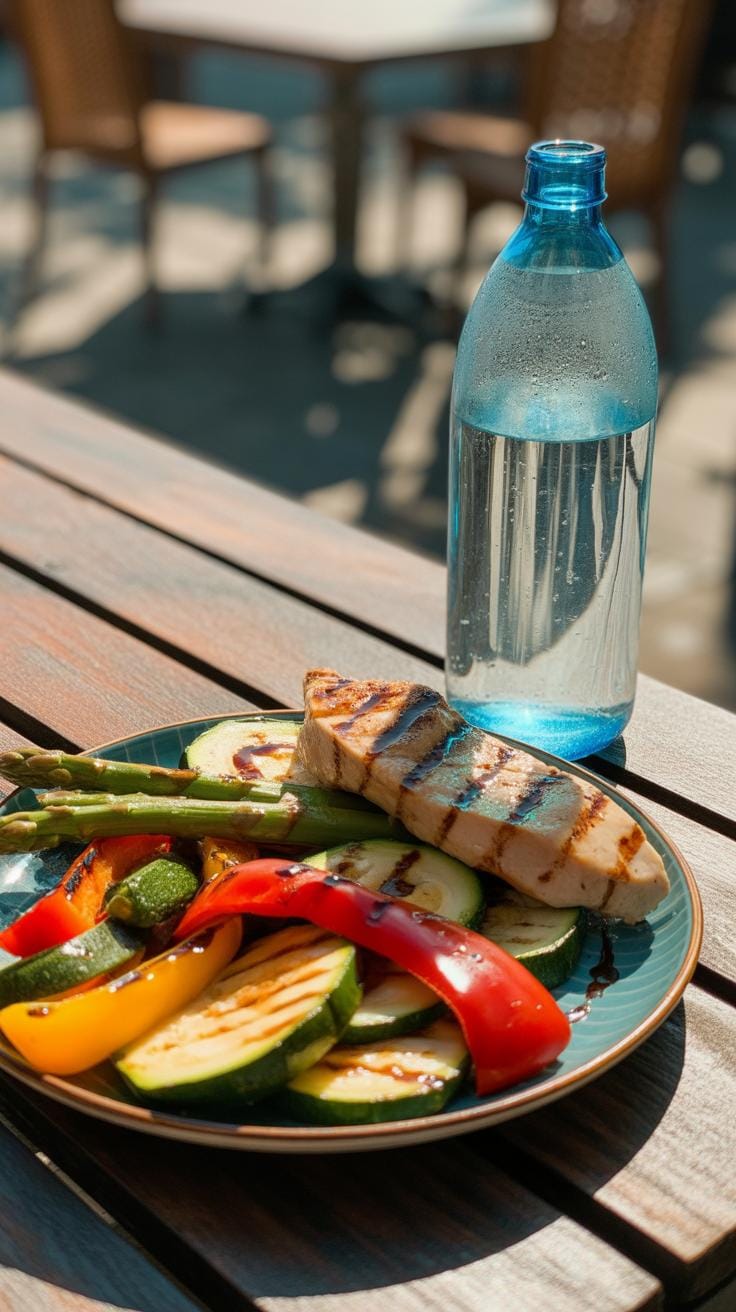
Eating out during summer holidays can easily tilt your nutrition off balance. But you don’t have to choose between flavor and health every time you dine. Watching portion size is key. Lots of restaurants serve massive portions—sometimes more than anyone needs in one sitting. You might want to ask for a half portion or share with a travel companion.
When it comes to ingredients, try to pick dishes rich in vegetables, lean proteins like chicken, fish, or beans, and whole grains instead of refined ones. Fried foods and creamy sauces? They sneak in fat and sugar quietly. Maybe ask for dressings and sauces on the side—you can always control how much to add.
Many menus offer temptations—rich desserts or sugary drinks tempting you after a meal. If you want to avoid extra calories, think about ending with fresh fruit or skipping dessert altogether. Balancing meals on holiday isn’t about strict rules but making mindful choices amid indulgence.
Staying Active During Travel Days
Travel days can feel like a test of patience—hours sitting cramped, barely moving, bodies stiffening with every minute. But being on the go doesn’t have to mean total inactivity. There are simple movements you can do without a gym or much space, just to keep your blood flowing and muscles from locking up.
Stretching Exercises for Flights
Try some stretches right in your seat or nearby if space allows. For instance, straighten one leg slowly and flex your foot up and down to activate your calves. Then switch sides. Rotate your ankles clockwise and counterclockwise—it’s subtle but helps. You can also raise your arms overhead, stretch gently side to side, or press your palms together in front of your chest and push for a few seconds. These little moves might seem minor, yet they reduce tension and can ease that tight feeling.
Light Walking and Movement Breaks
Whenever you get a chance, stand up and walk a bit. Even a quick stroll down the aisle of a plane or bus can do wonders. When stops happen—like during layovers or breaks at rest areas—step outside, move your arms, maybe march lightly on the spot. Small bursts of movement help prevent sluggishness and promote circulation. You might find that these brief pauses actually refresh you more than just sitting through the entire trip. Have you noticed that sometimes movement—not rest—is what actually helps you feel better mid-travel?
Finding Exercise Opportunities While Sightseeing
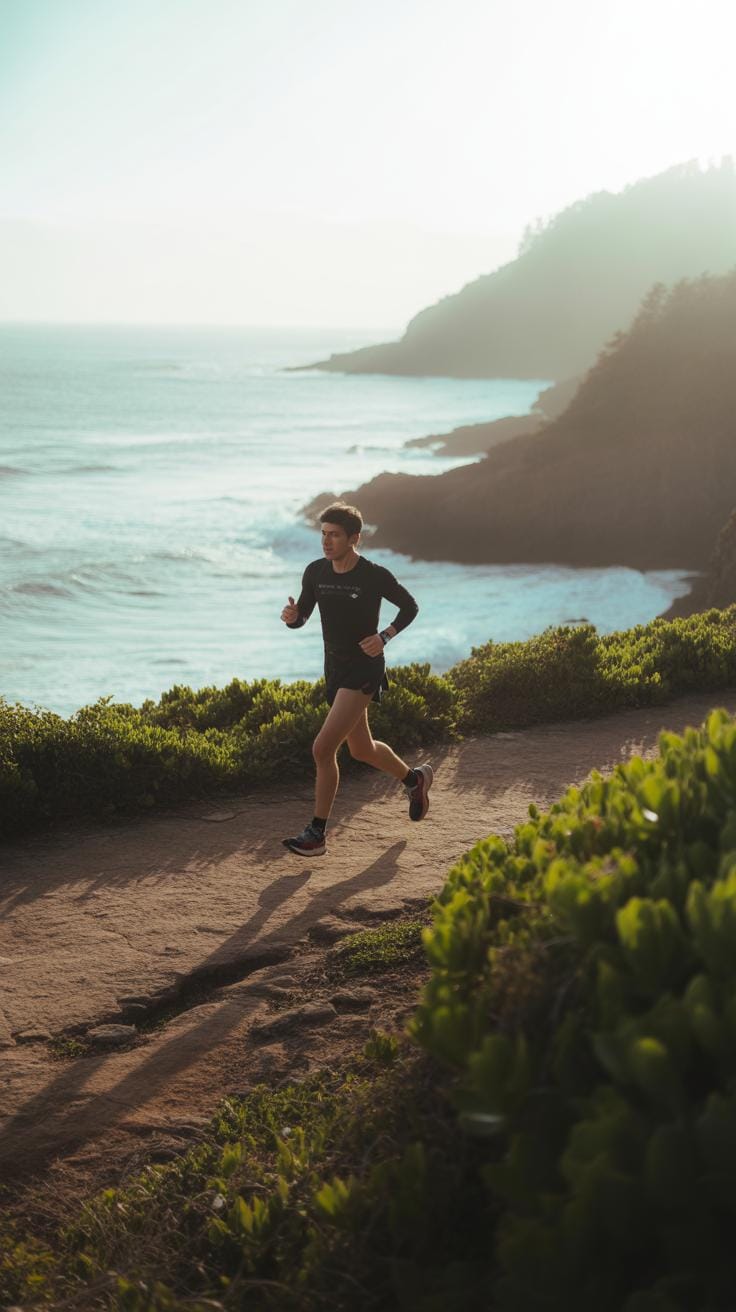
When you’re exploring a new place, fitting in some exercise doesn’t have to be a chore. Walking tours can turn sightseeing into an active experience—taking steps not just toward attractions but also toward your fitness goals. Think about swapping a bus ride for your own two feet. Even short walks between sites add up. If you’re near water, swimming offers a refreshing break and a full-body workout, especially on hot days. Renting a bike can cover more distance and give you a different view.
Walking tours versus public transport? Walking often wins for health benefits—you burn calories, improve circulation, and maybe spot a charming street or café you’d never see by bus. But practical issues come in: time, the size of the city, or your energy levels. Sometimes, a bus ride just can’t be beat to save your feet.
Finding places to exercise isn’t tough. Parks, local gyms, or pools often welcome visitors. Try searching online or asking your hotel staff. I once stumbled upon a quiet park with jogging paths just blocks from my hotel—a hidden gem. Even if you don’t want a full workout, visiting these spots gives you a little pause from sightseeing and a chance to recharge physically.
When picking activities, keep an eye on safety—stay hydrated, wear comfy shoes, and don’t push too hard in unfamiliar surroundings. Your holiday can be both rich in experience and respectful of your body’s limits.
Hydration and Its Role on Holiday
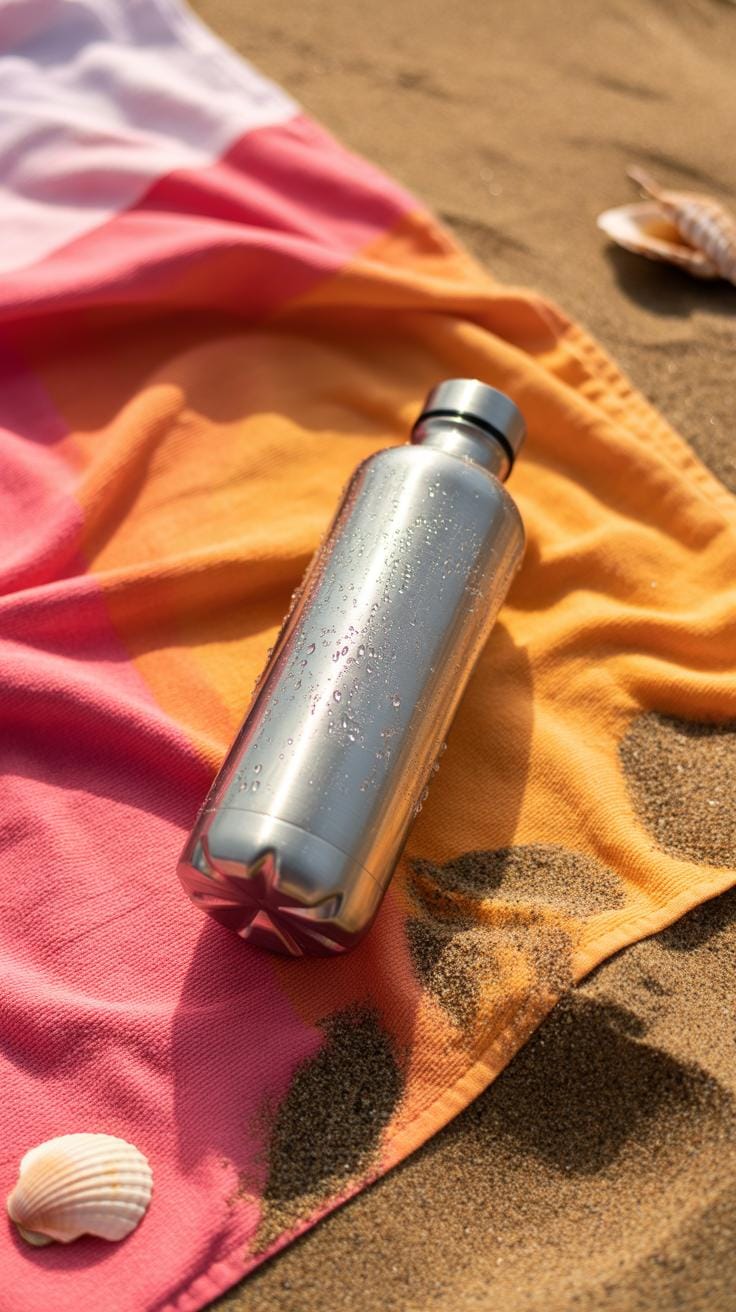
Traveling in summer means you’re probably moving more, under a hotter sun, and—if you’re anything like me—you might forget to drink enough water amid all the excitement. Dehydration sneaks up quickly. It drags down your energy and makes your workouts feel tougher than they should. Sometimes, it’s subtle: a headache here, maybe a bit of dizziness there. But if ignored, it can seriously hamper your fitness and even spoil the fun.
Carrying a reusable water bottle helps, though it feels a bit cumbersome when you’re on the go. I’ve found that having it within arm’s reach—on a beach towel or clipped to your bag—makes a surprising difference. It serves as a visual nudge to sip regularly, not just when you’re parched.
Watch out for early signs of dehydration, like dry lips, dark urine, or unusual tiredness. It’s easy to dismiss them on holiday, but paying attention could save you an uncomfortable day. It’s these small cues that tell you when your body truly needs water rather than just a break.
How Much Water Should You Drink
There’s no magic number that fits everyone, yet general guidelines can help. For a typical summer day with light activity, aiming for about eight cups (around 2 liters) usually works for most people. But if you’re hiking, swimming, or just walking more than usual, your needs go up. Imagine 3 to 4 liters — or even more — depending on the heat and exertion.
Climate matters too. Hot and humid days make you sweat more. Dry, sunny environments can trick you into thinking you’re less thirsty. So listen to your body, but err on the side of drinking a bit more than usual. If you sweat heavily, replace lost fluids with water and consider small amounts of electrolytes.
Tips to Stay Hydrated on the Go
It’s easy to forget water when you’re distracted by sightseeing or beach fun. One trick I use is setting alarms on my phone every hour as a reminder—yes, it feels a little nagging at times, but it works. Another is to pair each snack or meal with a glass of water. It becomes a habit rather quickly.
Try to avoid sugary drinks, which can dehydrate rather than hydrate, even if they sound refreshing in the heat. If plain water feels boring, a splash of lemon or cucumber slices can add some flavor without the downsides.
Ultimately, staying hydrated is about small, steady habits rather than big gulps now and then. Keeping water near and tuning into your body’s quiet signals goes a long way toward maintaining your fitness and energy on holiday.
Planning Rest and Sleep Amid Travel
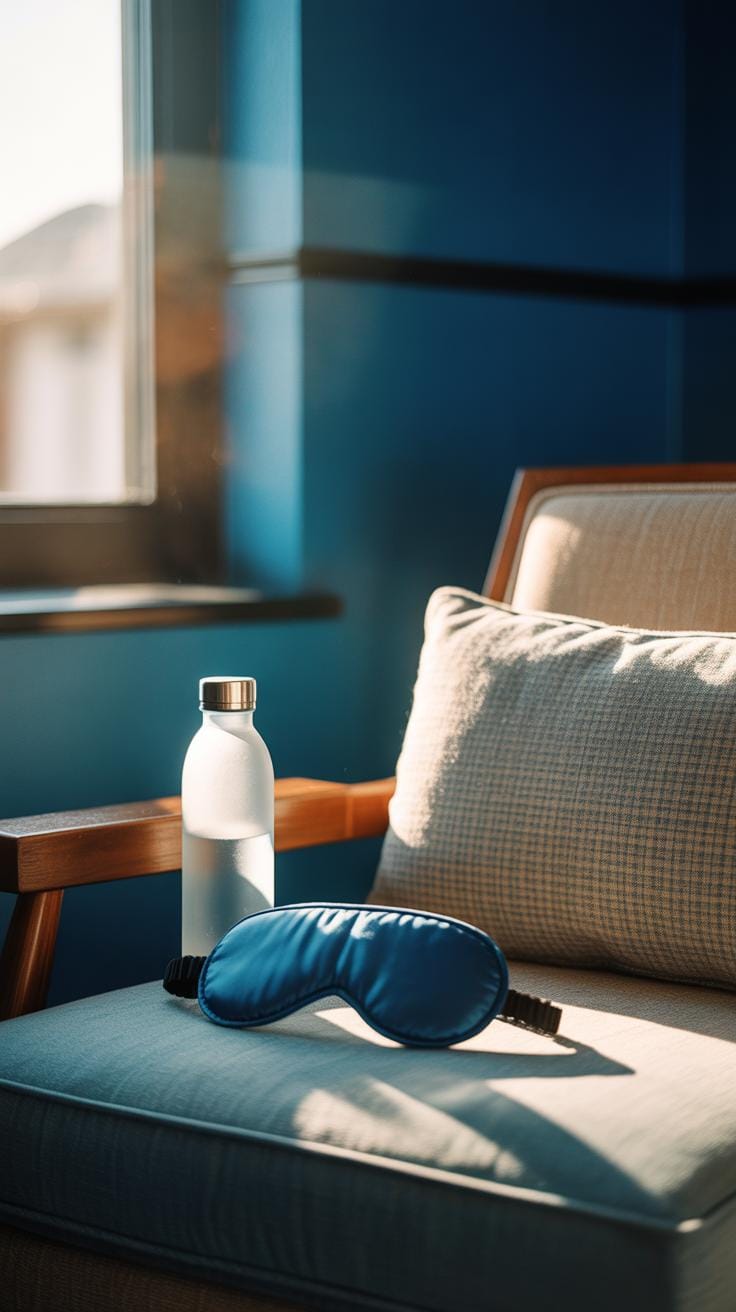
Traveling for summer holidays often disrupts your usual rest and sleep patterns. It can be tough to get enough quality sleep when you’re bouncing between time zones or sleeping in unfamiliar places. Still, managing your sleep schedule is key to feeling refreshed and enjoying your trip without dragging energy-wise.
One way to approach this is to tune into your body’s signals rather than rigidly sticking to old routines. Maybe you can take a short nap if you arrive early in the day but feel wiped out. Or try to get outside in natural light as soon as possible; that helps reset your internal clock.
Dealing with noisy or strange sleeping environments can be frustrating. Earplugs and sleep masks often make a big difference. Sometimes, running a white noise app on your phone calms your brain enough to fall asleep despite the unfamiliar sounds. Think about what usually helps you relax at home and try to replicate it as best as you can, even on the go.
Setting Up a Sleep-Friendly Environment
Creating a comfortable sleep space in a hotel room or guest house is a bit of trial and error, I think. Simple things go a long way — like adjusting curtains to block out daylight or rearranging pillows if the bed feels off. Take a moment to inspect the room for any disturbances: maybe the air conditioner is too loud, or the room is stuffy. Small changes can add up in making sleep easier.
Bring along familiar items if you can, such as a favorite pillowcase, an eye mask, or your usual blanket. These small comforts might reduce that disconnected feeling and help your mind settle. If you’re staying somewhere with unpredictable lighting, you might want blackout curtains or even portable sleep aids like a travel blackout shade.
Sometimes, even a little preparation can prevent tossing and turning at night because your sleep setup isn’t right.
Handling Jet Lag Effectively
Jet lag sneaks up on so many of us. Adjusting to a new time zone fast isn’t always straightforward, and sometimes you just feel off. But some tactics can ease this transition.
- Shift your sleep schedule gradually before traveling if your destination is several hours ahead or behind your usual time. Even moving bedtime by half an hour nightly helps.
- Stay hydrated during your flight but avoid heavy meals or caffeine close to bedtime.
- Expose yourself to natural light during daytime at your destination. That cues your body to align with the new time.
- Consider short naps if fatigue hits during the day, but keep them brief to avoid interfering with nighttime sleep.
I’ve noticed that sometimes trying too hard to force sleep on “local time” on day one backfires. Sometimes, accepting a little sluggishness and allowing your body to catch up bit by bit works better.
In the end, balancing rest and active exploration will help you recover faster and make your summer holidays more enjoyable overall.
Avoiding Holiday Diet Pitfalls
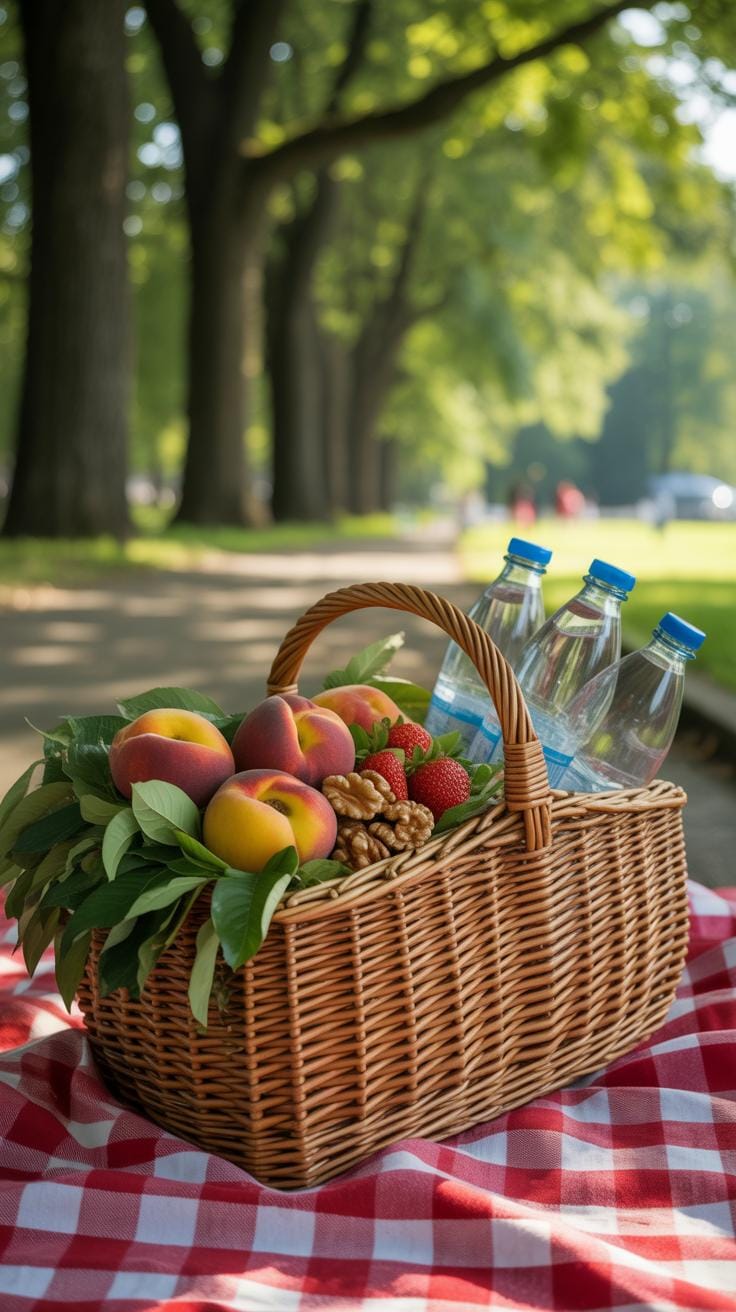
Holidays often bring a break from routine—and while that feels good, it can also lead to diet missteps. People commonly overeat, indulge in desserts or rich foods too frequently, or sometimes even skip meals, thinking they’ll “make up” for indulgences later. But skipping meals usually backfires, leading to stronger hunger and poor food choices afterward. It’s tricky because holidays create an atmosphere that’s almost designed for overindulgence.
To avoid these traps, try planning meal times roughly, but with some flexibility. Don’t ban treats, but decide beforehand when and how much you’ll enjoy them. Also, keeping snacks handy helps avoid that “hangry” feeling that tempts you into overeating later.
Recognizing Overeating Triggers
Sometimes you don’t even realize what’s pushing you to eat more than intended. It could be stress from travel, boredom when there’s nothing planned, or just the constant presence of food around social gatherings. Other times, the novelty of holiday eats makes you want to try everything—and then some.
To manage these triggers, pay attention to your body’s hunger signals rather than eating out of habit or expectation. Slowing down at meals and savoring each bite can help as well. Bringing along a list of favorite foods you want to try can also stop you from impulsively overeating because everything seems appealing.
Balancing Treats with Healthy Choices
It’s tempting to think that a holiday means losing control with food, but you don’t have to swing from extreme restriction to full indulgence. Mixing treats with fresh fruits, vegetables, and protein can keep your meals feeling satisfying and less like “cheat days.”
For instance, if you want that slice of cake, pair it with a portion of nuts or a salad first. This way, your blood sugar won’t spike too rapidly, and your overall nutritional intake stays balanced. Think of treats as part of the meal instead of a reward or a replacement—it makes it easier to enjoy them without guilt.
Using Apps to Track Food and Fitness
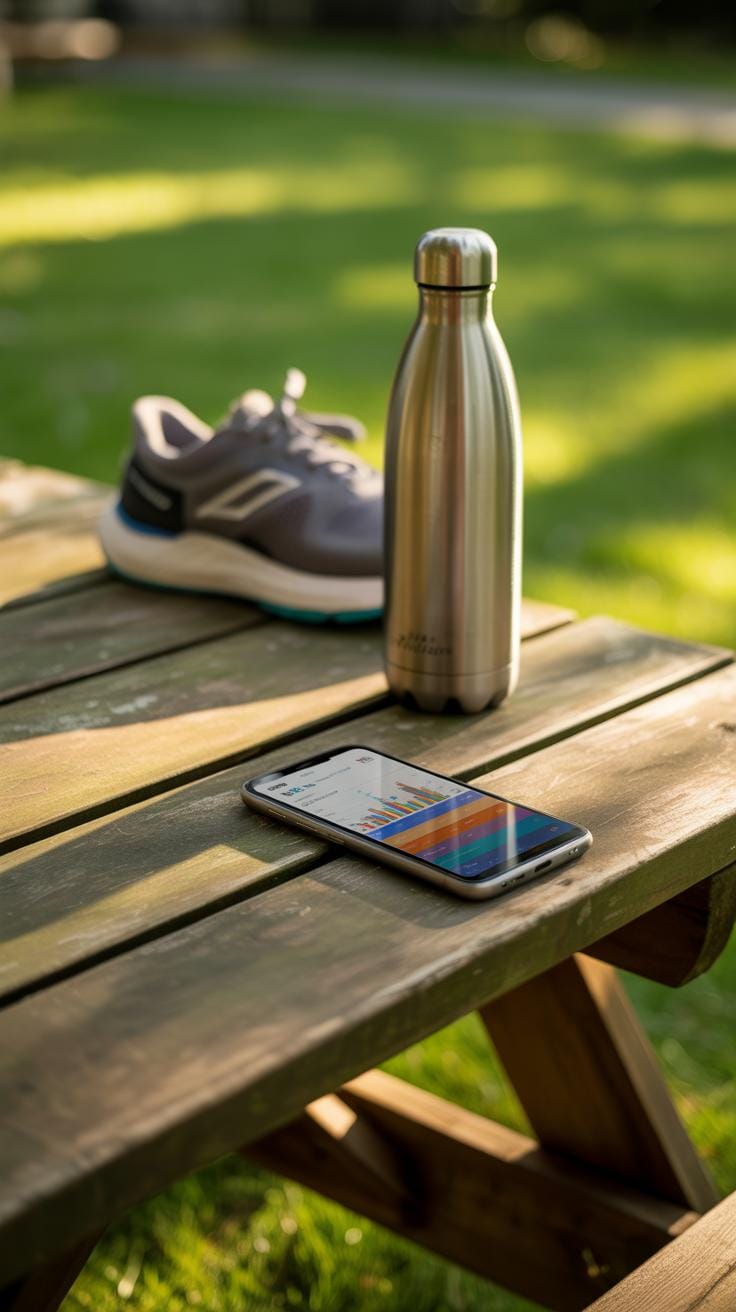
When you’re on vacation, keeping track of what you eat and how much you move can feel like a chore. Luckily, there are apps that make this easier, though picking the right one depends on what you want to focus on. For food logging and calorie counting, apps like MyFitnessPal and Lose It! are popular choices. They let you scan barcodes or search large databases, which helps when you’re unsure about local dishes. Portion control features can guide you without making the process feel overly strict.
On the other hand, fitness tracking apps such as Fitbit, Google Fit, or Strava help you monitor your steps, plan workouts, or even compete with friends for a bit of motivation. Some combine GPS tracking with route planning, which is handy if you want to explore new places while staying active.
When choosing apps, consider how intuitive they are and whether they sync across devices. You might want one that offers reminders or daily challenges—those little nudges can make a difference. Have you ever noticed how small progress updates can keep you going, even when you’re tempted to skip a workout?
Health Benefits of Active Holidays
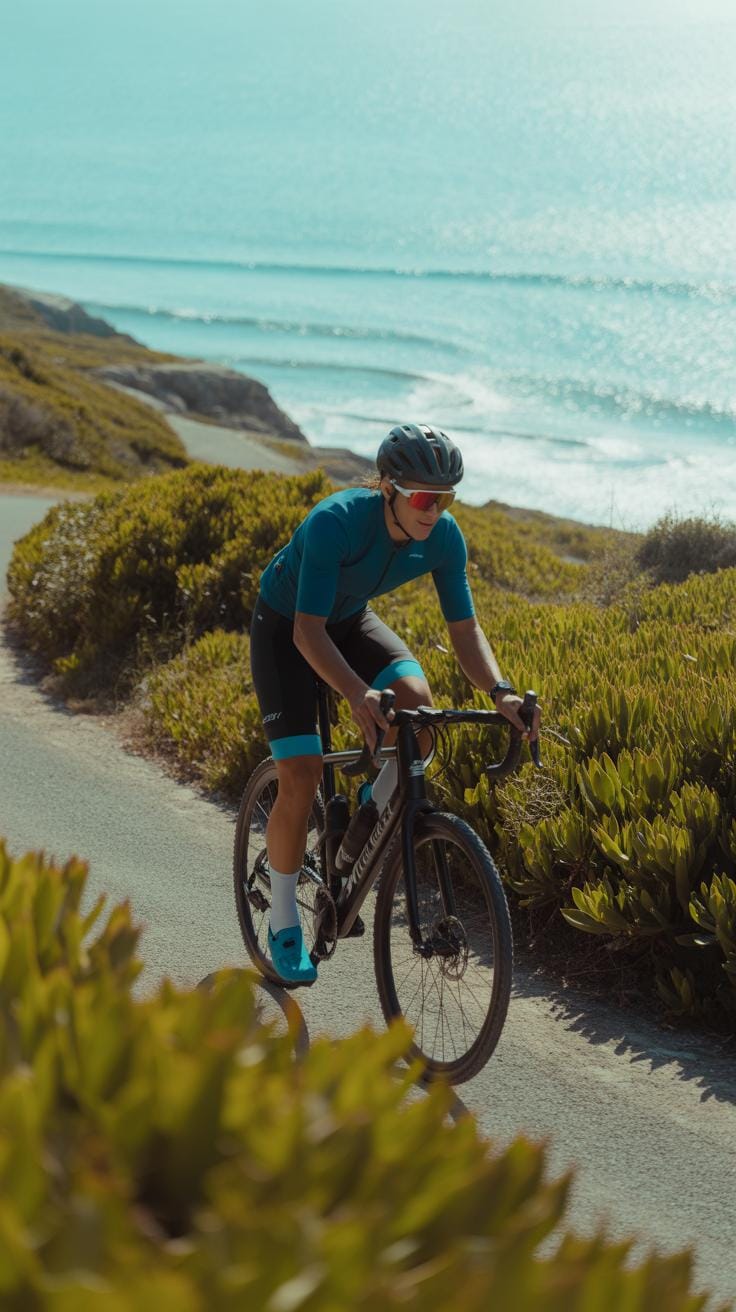
Being active during your summer holiday does more than keep you moving; it shapes how you feel, both physically and mentally. Studies suggest that physical activity, even in short bursts while traveling, can boost heart health and improve muscle tone. For example, a study from the American Journal of Preventive Medicine shows that people who maintain moderate exercise routines on vacation report better endurance post-trip. It’s not just about the physical gains. Walking, swimming, or hiking helps release endorphins, which can lighten mood and make stress less overwhelming.
Experts like Dr. Sian Cotton, a health psychologist, explain that exercise during breaks creates a sense of accomplishment and normalcy. But that’s not all—it also offers a mental reset, giving you space to step away from daily worries. The rhythmic motions of movement often bring a calming focus, something that often gets lost in busy life, right?
Physical Fitness Improvements
When you keep active over summer holidays, your body holds onto fitness gains better than if you just lounge around. Regular activity can improve endurance—imagine having more energy to explore without feeling wiped out. It also strengthens muscles and joints. Stretching out while hiking or doing yoga can enhance flexibility, which tends to weaken when we binge on inactivity.
I remember last summer, after a week of daily beach runs, I felt stronger and less stiff, even days later. These small boosts add up, making it easier to return to your routine afterward without losing momentum.
Mental Wellness and Stress Relief
Exercise and balanced eating go hand in hand when it comes to mood and stress. Physical activity helps regulate stress hormones like cortisol, which pile up when you’re burnt out. Plus, the predictability of a simple routine—even while traveling—can give your brain some much-needed stability.
Eating balanced meals fuels your body and brain. Foods rich in nutrients support better sleep and cognitive function. On those days you feel out of sync, a stroll or swim can often clear your mind. It’s a reminder that small choices in activity and food impact how you feel inside, not just your outward appearance.
So, while you might think holidays are just for rest, staying active offers a meaningful way to protect your health and mood. What small activity could you fit into your next break that might make a noticeable difference?
Checklist for a Balanced Summer Holiday
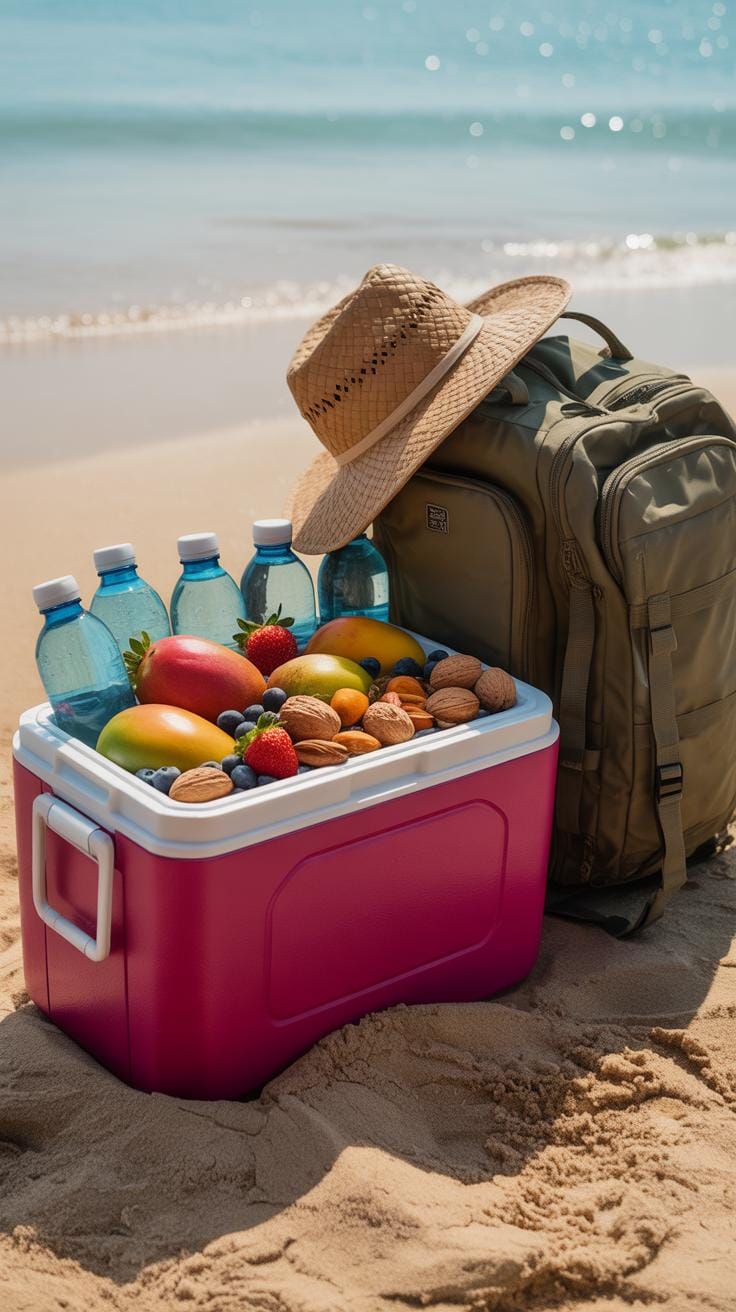
Keeping your summer holiday balanced doesn’t have to be complicated, though it might feel like it sometimes. Here’s a straightforward checklist that can help you keep on track with food, hydration, fitness, and rest without turning your break into a chore.
Daily Food and Hydration Goals
Try to include these in your day-to-day eating — or at least most days:
- Fresh fruits and veggies — at least five servings. A little more wouldn’t hurt.
- Protein with every meal — think grilled chicken, beans, or fish. It keeps you fuller longer.
- Whole grains over refined ones — like brown rice or whole wheat bread, when available.
- Limit added sugars and processed snacks, but don’t beat yourself up if you slip.
- Drink about 2 to 3 liters of water daily. If you’re outdoors in heat, you’ll need more. Thirst can sometimes be misleading, so sip water regularly.
Remember, exact amounts can vary. If you’re unsure, just aim to feel satisfied without overeating.
Fitness and Rest Schedule Overview
You might think exercise needs to be intense every day, but summer is a good time to listen to your body. Here’s a flexible, simple plan:
- Start with 30 minutes of moderate activity daily — a brisk walk, swimming, or even playing frisbee.
- Switch up activities to keep it interesting. Maybe yoga one day, light jogging the next.
- Include some strength exercises two or three times a week, like bodyweight squats or push-ups.
- Rest days are necessary. Don’t feel guilty about them. Those days help muscles recover and prevent burnout.
- Try to get 7-8 hours of sleep each night. If your schedule is off, a short afternoon nap can help recharge.
It’s okay if some days are less active or you shift your routine. Summer’s about enjoying, after all, not perfect discipline.
Conclusions
Maintaining good health and fitness on a summer holiday involves smart food choices and staying active. By following a clear checklist, you can avoid common pitfalls that disrupt your balance. Remember to pack nutritious snacks, hydrate well, and create a flexible workout plan suitable for your trip.
Your summer holiday can be both fun and healthy. Keeping track of your food and fitness needs allows for a more fulfilling experience. Use this guide as a helpful tool to support your well-being wherever your travels take you.