

The Naked Truth: Why Your “Cute Hiking Outfit” Is Failing You
Instagram Didn’t Invent The Trail
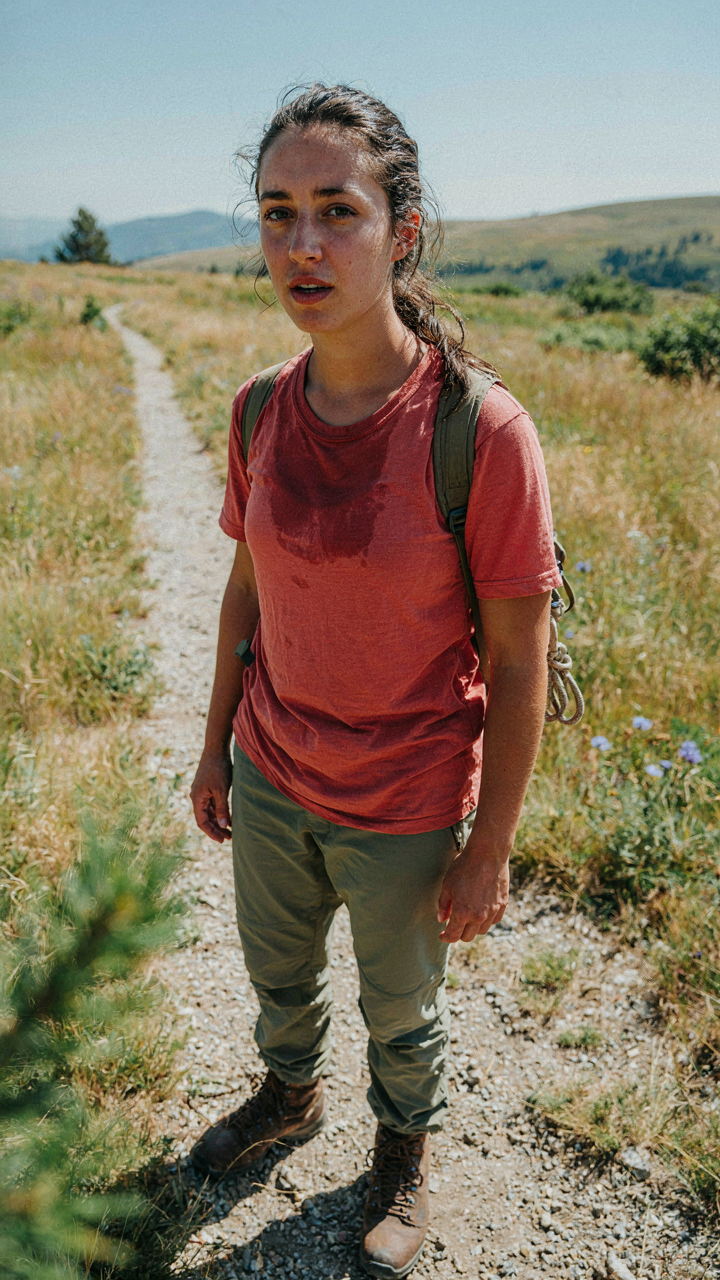
You want people to think you belong out there. That’s the real reason you’re researching this. Here’s the mechanism: social media gamified outdoor recreation, and now the outfit matters more to most people than the actual performance of the outfit. Hiking became a backdrop for identity signaling instead of a practical activity. The trail doesn’t care what your outfit communicates. Your body does.
The problem is obvious once you see it. Women’s hiking fashion exists in a separate ecosystem from women’s hiking function. Brands sell you coordinated colors and Instagram-ready silhouettes. Then you hike in July and realize your cute matching set traps heat, offers no ventilation, and creates chafing zones you didn’t know existed. You’re not failing at hiking. The outfit failed you first.
Materials Are The Actual Game

This isn’t fashion theory. This is applied thermodynamics. Your body generates heat during exertion. Cotton absorbs sweat and holds moisture against your skin, dropping your core temperature in ways that feel nice at first, then dangerous when you stop moving. Synthetic blends and merino wool move moisture away from skin. That’s the mechanism: moisture management determines comfort and safety on the trail, not aesthetic coordination.
Real summer hiking outfits prioritize breathability, UV protection, and quick-dry capability. Lightweight nylon or polyester blend tops shed sweat instead of soaking it up. Shorts with mesh lining reduce thigh chafing on long miles. A proper sports bra designed for impact reduces shoulder and back fatigue that compounds over eight hours on uneven terrain. Buy pieces that solve specific problems your body faces. Ignore the color story.

The Layering Protocol: Beyond Basic Summer Camping Clothes For Women
Start With Sweat, Not Skin
You care about this section because you’ve been told layering is optional in summer and you want permission to ignore it. That’s wrong. The real mechanism is vapor transport: sweat doesn’t dry on skin, it moves through fabric layers. Cotton holds moisture against your body and triggers heat loss when wind hits. Synthetic base layers move sweat outward, keeping you dry and regulating core temperature through the hike.
Merino wool and polyester accomplish this through fiber structure, not magic. Merino wicks moisture while maintaining warmth even when damp. Polyester moves sweat faster and dries quicker on trail. Neither one matters if you pick cotton. The base layer does one job: separate your skin from the wet. Nothing else. Pick a fitted tank or short-sleeve top in merino or poly, skip anything loose, and you’ve solved the foundational problem most women solve wrong.
Shells That Actually Repel Instead Of Just Existing
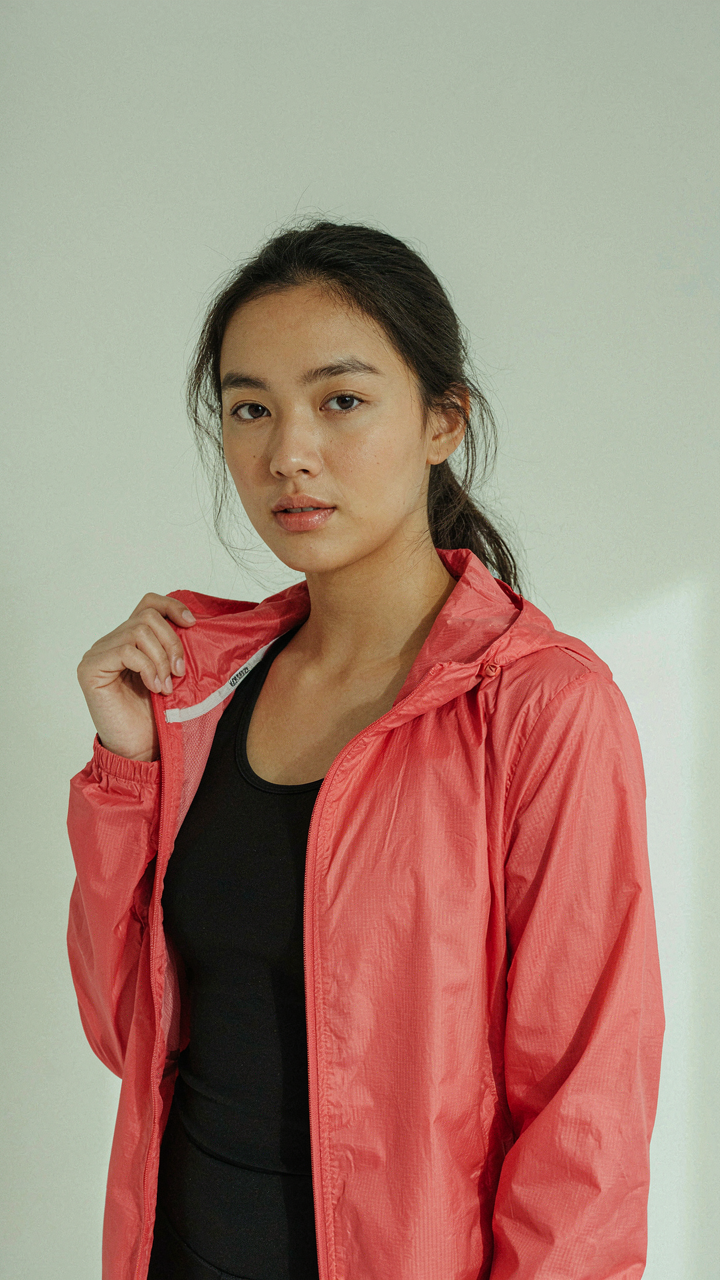
Most advice tells you to buy a rain jacket and call it protection. Rain jackets handle precipitation, but sun and wind do more damage on a summer hike. A shell layer needs to block UV, shed water, and block wind without trapping heat. This is physics applied to textile engineering: you need fabric that reflects or blocks short-wave radiation while allowing vapor from your base layer to escape.
A lightweight, packable shell in nylon or ripstop polyester handles all three threats. Seek UPF 50 rated fabric, not just “UV resistant.” The difference is measurable. Pair it with a wide-brimmed hat that covers your neck and ears, and you’ve eliminated the three variables that break down women’s skin and energy on longer trails. Your shell compresses to the size of a fist and weighs less than eight ounces. Pack it even on cloudless days. Wind changes fast, and dehydration accelerates when UV exposure spikes.
Footwear Fallacy: Your Mountain Outfit Starts From The Ground Up
Boots Versus Shoes: Pick Based On What You’re Actually Doing
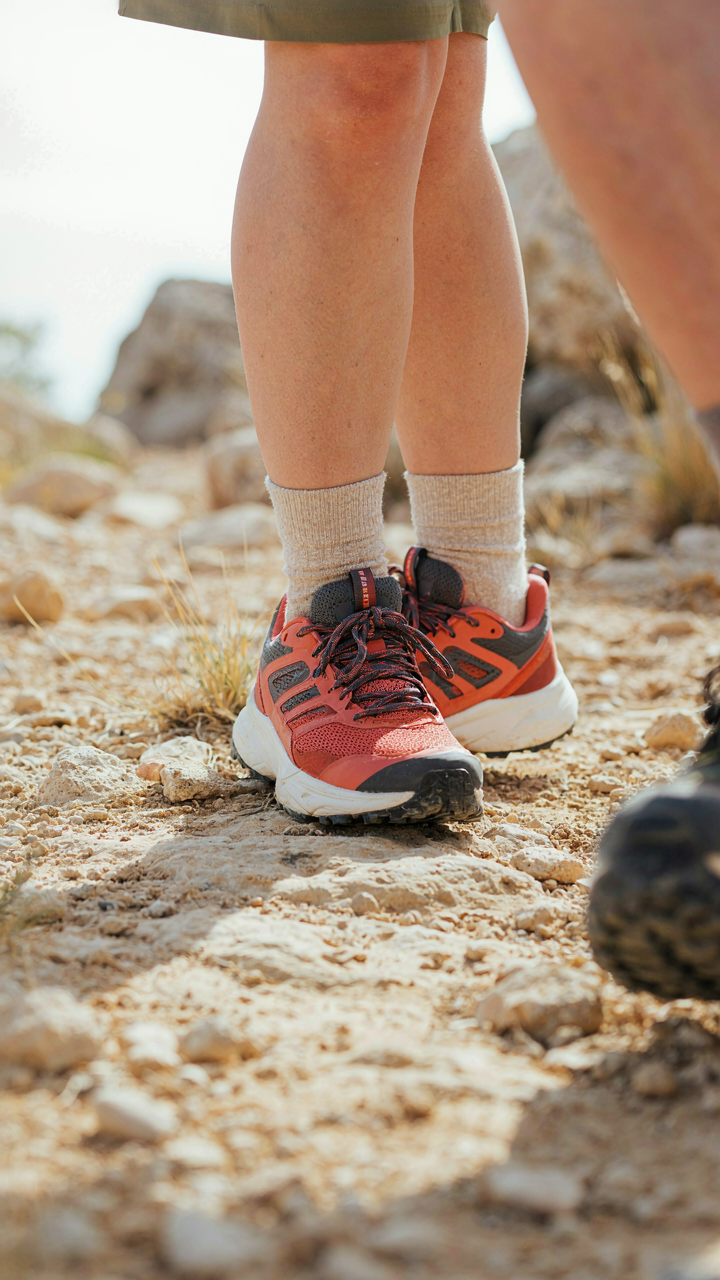
You want boots because they look serious and you’re afraid of rolling an ankle on a trail you’ve never seen. Here’s the mechanism: ankle support matters only if you’re carrying heavy load on technical terrain with loose rock. Boots restrict ankle mobility, slow descent, and fatigue your calves faster than shoes on flat or gentle grades. Trail shoes work on most summer hikes because the terrain isn’t steep enough to demand rigid support and your pack isn’t heavy enough to justify the trade off. Use boots only for multi day trips above treeline or terrain steeper than 25 degrees where you’re carrying 20+ pounds.
The distinction comes down to ground contact and energy cost. Boots disperse load through rigid soles, which protects your feet on sharp rock but requires more muscle effort to flex with each step. Trail shoes flex naturally with your gait, keeping leg fatigue lower on moderate terrain. Summer conditions mean dry trails, which removes the main advantage boots have in muddy or snow traverses. Choose shoes for day hikes under 8 miles or trails graded easy to moderate. Pick boots only when terrain grade and pack weight demand the protection.
Socks As A System: Moisture Routing, Not Just Material
Sock performance is a physics problem of capillary action and heat transfer, not a shopping problem at an outdoor retailer. Moisture moves through fabric layers in predictable ways: sweat wicks from skin to mid layer to outer layer, then evaporates or gets trapped. Cotton holds moisture against skin, creating friction and blister conditions. Merino wool or synthetic blends route moisture outward faster, keeping skin dry and reducing hot spots where blisters form.
The blister prevention protocol has one non negotiable step: test your sock and shoe combination on short walks before committing to a summit day. Your foot swells in heat and hiking rhythm differs from running rhythm. Blisters form from sustained friction over hours, not from one mile around the neighborhood. Wear mid weight merino or nylon blend socks on summer hikes, change them at lunch if they’re damp, and keep a dry pair for descent. The mechanism that stops blisters is simple: dry skin with minimal friction won’t break down under repeated pressure.
Fabric Intelligence: Decoding The Best Hiking Outfit Women Materials

Synthetics Versus Natural Fibers
You’re worried synthetic materials feel cheap compared to cotton, so you’re second-guessing the gear industry’s push toward performance fabrics. Here’s the mechanism: moisture management determines whether you overheat or stay regulated. Synthetics like polyester and nylon wick sweat away from skin faster than cotton absorbs it. Cotton holds moisture against your body, creating a cooling illusion that turns dangerous once you stop moving and temperature drops.
Natural fibers have a legitimacy problem in hiking because marketing makes them sound premium while performance data contradicts that premise. Merino wool performs better than both cotton and most synthetics in temperature regulation, but costs more and requires specific care. For summer hiking, synthetic blends dominate because they dry fast, resist UV damage, and don’t retain odor the way natural fibers do. Pick synthetics for base layers and outer shells, merino only if you’re willing to maintain it properly.
Sun Protection Built Into Fabric
UPF ratings function like armor ratings in physics: a number that quantifies how much UV radiation the material blocks before it reaches skin. A UPF 50 shirt blocks 98 percent of UVA and UVB rays, UPF 30 blocks 97 percent. The difference is marginal, but the mechanism matters: tighter weaves and denser fabrics achieve higher ratings, which correlates with weight and breathability trade-offs.
Most hiking brands slap UPF labels on regular polyester without disclosing weave density or construction details. You need a base of UPF 30 minimum on any exposed fabric during summer exposure. Check the tag for actual UPF number, not marketing language like “sun-smart” or “UV-resistant.” Then assess coverage: a short-sleeve shirt leaves arms exposed. Match UPF rating to your planned sun duration and altitude, since UV intensity increases at elevation.
The “Hike Outfit” Deception: Gear That Actually Matters
Stay Hydrated Without The Bottle Obsession
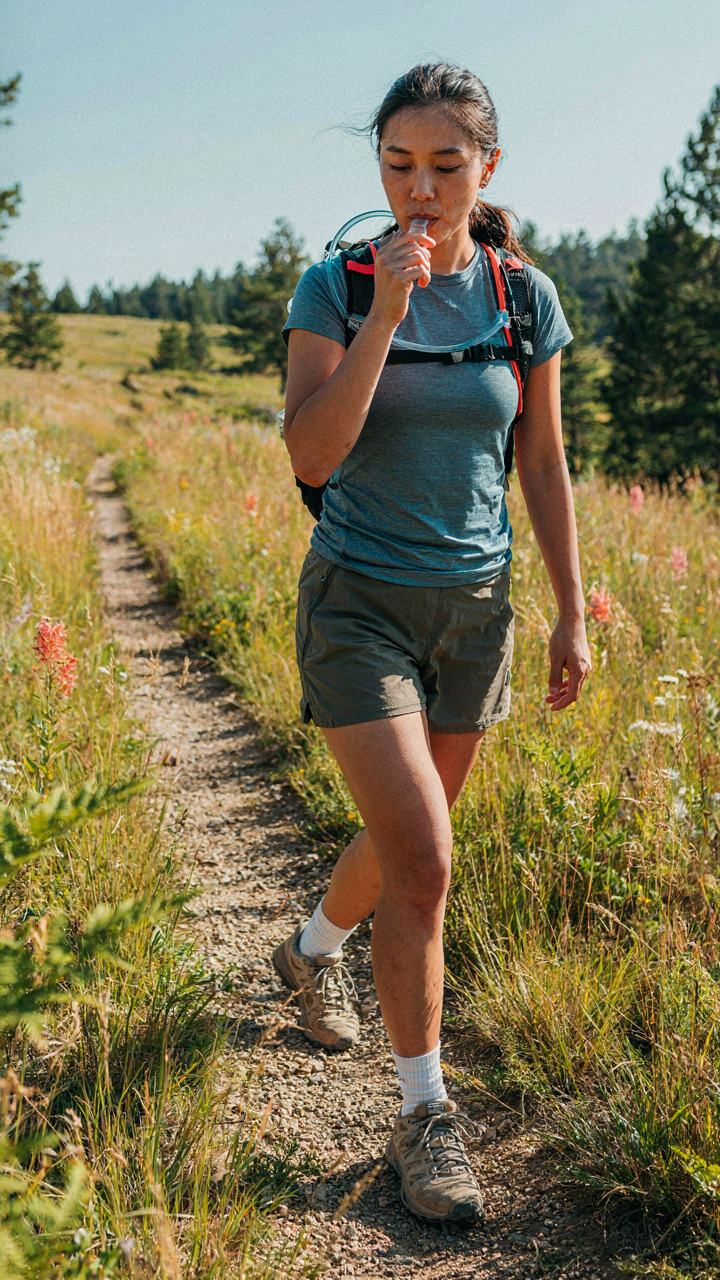
You want to look like you know what you’re doing on the trail. That’s the real reason you’re reading this. Here’s what actually matters: hydration capacity scales with distance and temperature, not with how many water bottles you strap to your pack. A 3-mile summer hike needs different carrying capacity than a 10-mile one. Most women default to a single water bottle because it’s visible and feels controllable. This is wrong. You need a system that matches your sweat rate, not your ego.
A hydration reservoir (bladder) inside a pack solves the mechanical problem that bottles create: you drink more consistently without stopping, without fumbling zippers, without breaking your stride. The valve stays at mouth height. You sip without thinking. For summer hiking, aim for 2 to 3 liters of total capacity if you’re out four to six hours. Fill halfway at the trailhead, top off at a water source midway if available. This beats rationing a single 16-ounce bottle. The outfit works because the system is invisible, not because the gear looks premium.
Navigate Without Getting Lost
Maps and compasses feel obsolete until your phone dies at mile five. Navigation in outdoor strategy means redundancy, not reliance on a single tool. Your outfit needs to accommodate three navigation layers: a GPS device or phone with offline maps, a physical map of the area, and a compass. Most women skip the map entirely because screens feel sufficient. This creates a single point of failure on every hike.
- GPS Watch or Device: Dedicated GPS units hold charge longer than phones in summer heat. Models like Garmin eTrex series show real-time position, elevation, and track your route for reference on return.
- Offline Map Files: Download your hiking area to your phone via apps like AllTrails, Gaia GPS, or Caltopo before leaving cell range. Marks trailheads, water sources, and hazards without relying on signal.
- Physical Topo Map: Carry a waterproof paper or plastic map. Folds to fit a cargo pocket. Works when batteries die. Know the scale and terrain contours before you start.
- Compass: A simple baseplate compass with declination adjustment. Weighs ounces. Confirm your position by triangulation if your route feels wrong. Skill matters more than brand.
- Route Planning Protocol: Before the hike, mark your turnaround time on your map and GPS. Set a waypoint. If you hit that time and haven’t reached your destination, turn back. Ego kills hikers.
Your outfit has pockets or attachment points for these tools. A small dry bag holds the map and compass. Your pack hip belt or chest strap clips a GPS device. This redundancy isn’t paranoia. It’s the difference between a fixed problem and an emergency. Know your route before you step on the trail.
Climate Adaptation: The Evolutionary Strategy For Outdoor Cute Outfits

Your Body’s Heat Management System
You want to look good on the trail without overheating, but most outfit advice ignores the actual biology at work. Thermoregulation, borrowed from physiology, is your body’s core temperature control mechanism. Your skin responds to heat by sweating, but sweat only cools you if it evaporates. Fabric choice determines evaporation speed. Cotton holds moisture against your skin. Synthetic blends and merino wool move sweat away from your body, dropping your core temperature faster.
The outfit that keeps you cool prioritizes vapor transfer over coverage. A fitted synthetic top or merino base layer pulls moisture outward. Loose shorts or lightweight pants prevent heat buildup in high-friction zones like thighs and waistband. Your legs generate less metabolic heat than your torso, so breathable fabric matters more on your upper body. Test this: wear cotton for one hike, then synthetic for the next at the same distance and elevation. The difference becomes obvious by mile two.
Gradual Exposure Builds Real Adaptation
Most hiking guides skip this: your body actually adapts to heat with repeated exposure over weeks, not days. This is acclimatization, a measurable physiological shift. Your body increases plasma volume, sweat production efficiency improves, and your heart rate stabilizes at the same workload. You don’t need to suffer through a brutal hike in full sun to trigger this response. Consistent moderate exposure works faster.
Start with shorter hikes in warmer conditions, then extend duration and intensity. After seven to fourteen days of regular exposure, your thermoregulation improves significantly. This means your outfit can be lighter and less aggressive in cooling because your body handles heat more efficiently. Pick a consistent time slot for early summer hikes, ideally in direct sun. Your nervous system learns the pattern. By mid-July, the same outfit that felt inadequate in June now feels appropriate because you’ve changed, not just the temperature.
Beyond The Trail Outfits: Backpack Essentials You Overlook

First Aid Kit: The Non Negotiable Layer
You want to believe minor injuries won’t happen to you. They do. A first aid kit isn’t insurance against the unlikely—it’s a buffer against the predictable. On a six-hour summer hike, blisters, cuts, and minor sprains are statistical certainties, not edge cases. Women often skip this because the kit seems bulky, but that’s a math error. Ten ounces of prevention beats a premature exit or infection.
Pack what actually gets used: blister treatment (moleskin or hydrocolloid bandages work faster than tape), antibiotic ointment, pain reliever, and tweezers for splinters. Elastic bandage wraps handle minor ankle support. Burn gel matters more in summer than winter—sun exposure and hot gear cause contact burns. Skip the massive trauma kit; you’re not performing field surgery. Stop at wound closure and pain management.
Emergency Shelter: Weight Versus Velocity
In military strategy, logistics dictate options—the same applies to summer hiking gear. Emergency shelter isn’t about comfort; it’s about stopping heat loss and sun exposure when plans fracture. A lightweight emergency bivy or space blanket weighs three ounces and occupies backpack space you won’t notice. Summer hiking accidents happen in descent or when delays stack.
Carry either a compact emergency bivy sack or emergency blanket, not both. The bivy sack (eight by three feet when packed) works for unexpected overnight situations. The emergency blanket (twenty by five feet, metallized plastic) reflects body heat and blocks wind faster. Test inflation or deployment at home—fumbling with it during crisis wastes the survival margin it creates. Store it in an external pocket, not buried under layers.
The Anti Aesthetic: Practical Accessories For Climbing Outfits

Your Head Needs A Job, Not A Look
You want headwear that signals you know what you’re doing. That’s not what this solves. Thermal regulation is pure biology: your head dissipates heat faster than any other body part, and sweat that pools on your scalp drains into your eyes and blinds you mid-scramble. A hat isn’t fashion. It’s infrastructure. Wide brims block UV and create air channels that evaporate sweat before it pools. Lightweight, breathable hats in light colors reflect heat rather than absorb it. Merino wool caps wick moisture without retaining it like cotton does.
The mechanism is straightforward: choose a hat with a brim that extends at least two inches front and back, made from synthetic material or merino that dries in under twenty minutes when wet. Test it on a two hour hike first. If sweat still runs into your eyes, the brim angle is wrong or the material isn’t wicking fast enough. Swap it out before you’re on a ridge. A hat that fails on a warm day becomes a liability on steep terrain where you need vision clarity.
Grip Wins Arguments With Physics
Gloves seem unnecessary in summer until your palms are slick and you’re gripping rock or a rope on exposed scrambles. Physics calls this friction, and your skin’s natural moisture reduces it. Thin climbing gloves provide two functions: they increase grip surface area through textured padding, and they reduce sweat accumulation that degrades hold quality. Summer hiking gloves aren’t insulation. They’re grip correction. Synthetic leather or silicone palm patches work better than bare hands on wet stone or metal chains.
Buy gloves that fit snug enough you can still feel texture through the material, loose enough to move fingers without binding. Fingerless options let you remove them fast if they get too warm, but full-finger gives you protection against cuts and scrapes that slow momentum on technical ground. Test them on a challenging section before committing to a full day hike. If your palms still slip after five minutes, the glove material isn’t dense enough or the fit is too loose. Replace them with higher grip rating gloves designed for scrambling, not general hiking.
Maintenance Manifesto: Extending The Life Of Your Camping Outfits For Women
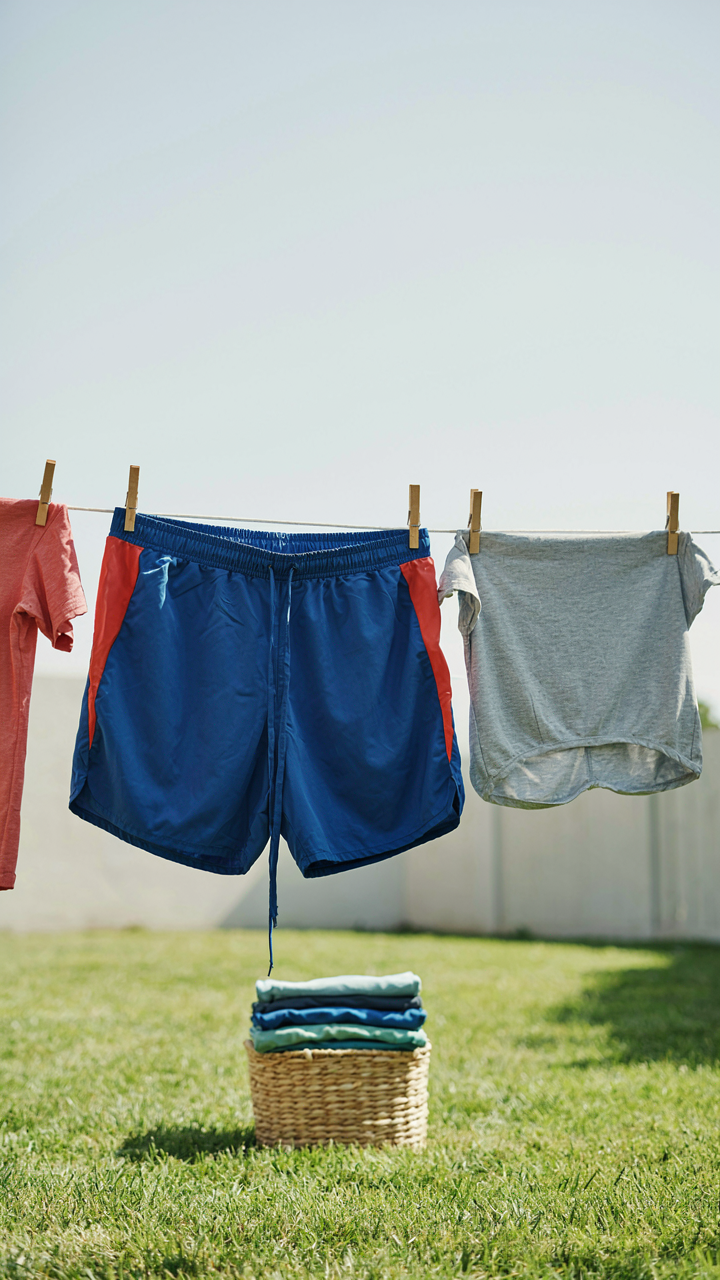
How To Wash Technical Fabrics Without Destroying Them
You want your gear to last because replacing it costs money and time you don’t have. Here’s the mechanism: synthetic fabrics degrade through heat, agitation, and chemical exposure. Most people wash hiking clothes like regular laundry and wonder why elasticity dies fast.
Cold water matters more than detergent choice. Hot water breaks down polyester and nylon fibers at the molecular level. Use a gentle cycle, skip fabric softener entirely (it coats fibers and reduces breathability), and wash inside out to minimize pilling. Hang dry always. Dryers generate heat that permanently alters synthetic material structure. Your gear survives the mountain. Keep it from dying in your laundry room.
Where To Store Gear So It Actually Stays Usable
- Cool, dark closet space: Direct sunlight degrades synthetic dyes and weakens elastic components over months of storage.
- Low humidity environment: Moisture promotes mold growth on nylon and polyester, especially in sealed bags or containers.
- Loose folding or hanging: Compression storage saves space but permanently creases technical fabrics; hang moisture-wicking layers instead.
- Separate from mothballs: Chemical treatments damage synthetic fibers and leave odors that won’t wash out completely.
- Away from direct heat sources: Radiators and vents accelerate degradation of elastic and synthetic material composition.
Store items flat in breathable mesh bags, not plastic containers. Plastic traps humidity and accelerates decomposition of technical fabrics. Check stored gear every three months for unexpected moisture or odor. Inspect elastic on shorts and sports bras before each season. Dead elastic doesn’t recover. Replace components before they fail on trail.
The Real ROI: Investing In Durability, Not Trends

Cost Per Wear Determines Everything
You’re worried you’ll waste money on gear you’ll outgrow or stop using. Here’s the mechanism: cost per wear is an accounting principle that exposes which purchases actually work for your life. Buy a fifty-dollar synthetic shirt that tears after five hikes. That’s ten dollars per wear. Buy a one-hundred-twenty-dollar merino wool shirt that functions for three years of weekly summer hikes. That’s less than one dollar per wear. The price tag lies. The math tells the truth.
Most women get this backwards by chasing sale prices instead of tracking durability. A cheap athletic tank top from a fast-fashion brand deteriorates after minimal sun exposure and washing. The elastic fails. The seams separate. Merino wool and quality synthetics like nylon hold shape, resist odor, and age gracefully across dozens of hikes. The initial spend stings. The math, over time, makes the decision obvious. Track what you actually wear. That number crushes sentiment every time.
Functional Design Beats Aesthetics On The Trail
Function outlasts fashion because bodies change, trends rotate, and trails remain constant. A hiking skirt designed with gussets and breathable mesh stays useful for five years. A trend-driven outfit built around this season’s colors works for one summer before the silhouettes feel dated. The real choice isn’t between looking good and performing well. It’s between gear that serves a tactical purpose and gear that serves your Instagram feed.
Women’s hiking apparel from established outdoor brands prioritizes sweat management, chafe prevention, and temperature regulation because those problems recur on every hike. Fashionable pieces prioritize fit and visual appeal because those drive immediate sales. Buy pieces with reinforced seams, tested fabrics, and proven cuts from brands like Patagonia, Arc’teryx, or The North Face. These cost more upfront. They work harder. They last longer. Evaluate each piece against one question: will this perform the same function in two years?
Your Fear Of Looking Unprepared Is A Greater Obstacle Than Any Trail
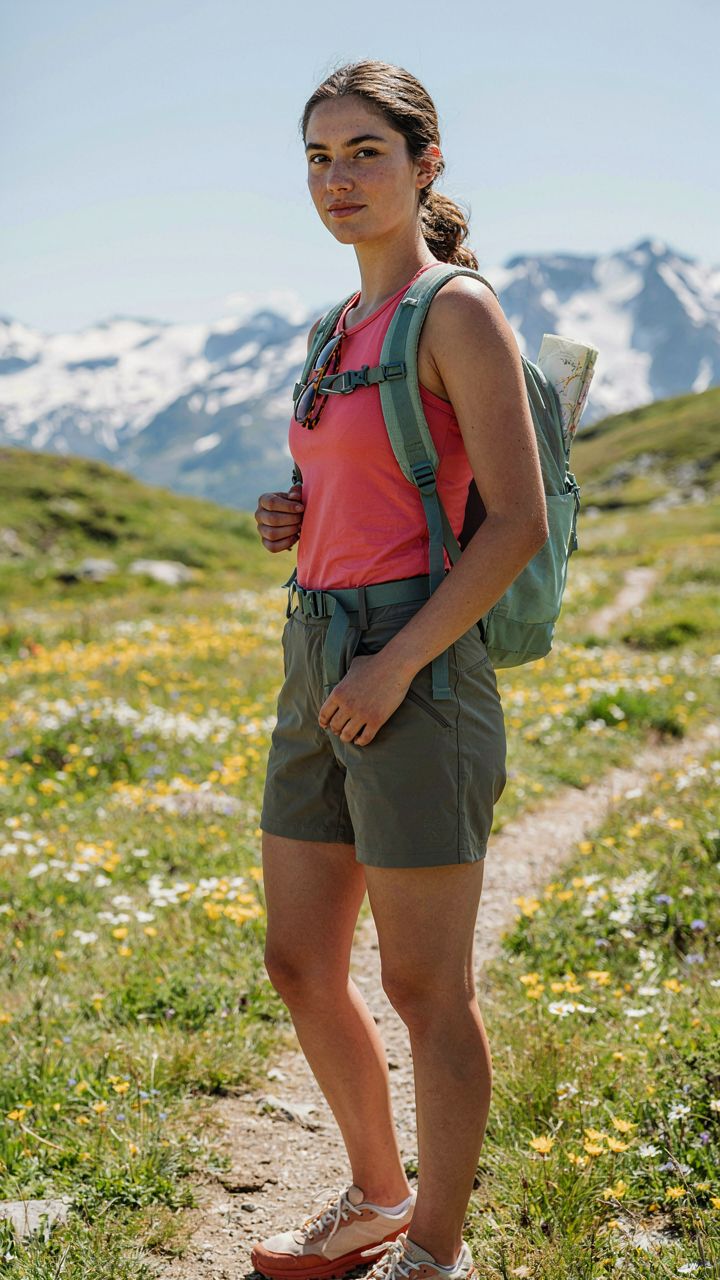
Most women skip the trail because they’re waiting to look the part first. You won’t. Today, grab one item you already own that works for heat and movement. A sports bra. Shorts that don’t ride up. Whatever. Wear it around your house for an hour. That’s your outfit test. The trail doesn’t care how you look. Your mind does, and that’s the only thing stopping you from going.