

The Myth Of “Cute” Apocalypse Outfits: Function Over Form
Instagram Aesthetics Betray Real Trail Needs
You want to look intentional on the trail because looking intentional signals you belong there. Here’s the mechanism: Instagram hiking aesthetics rely on contrast and color coordination, which directly conflicts with the primary function of summer hiking clothes—temperature regulation and visibility. Most teen hikers scroll coordinated outfits before heading out, then wonder why they overheat or get separated from their group on crowded trails. The algorithm rewards visual harmony, not biomechanical sense.
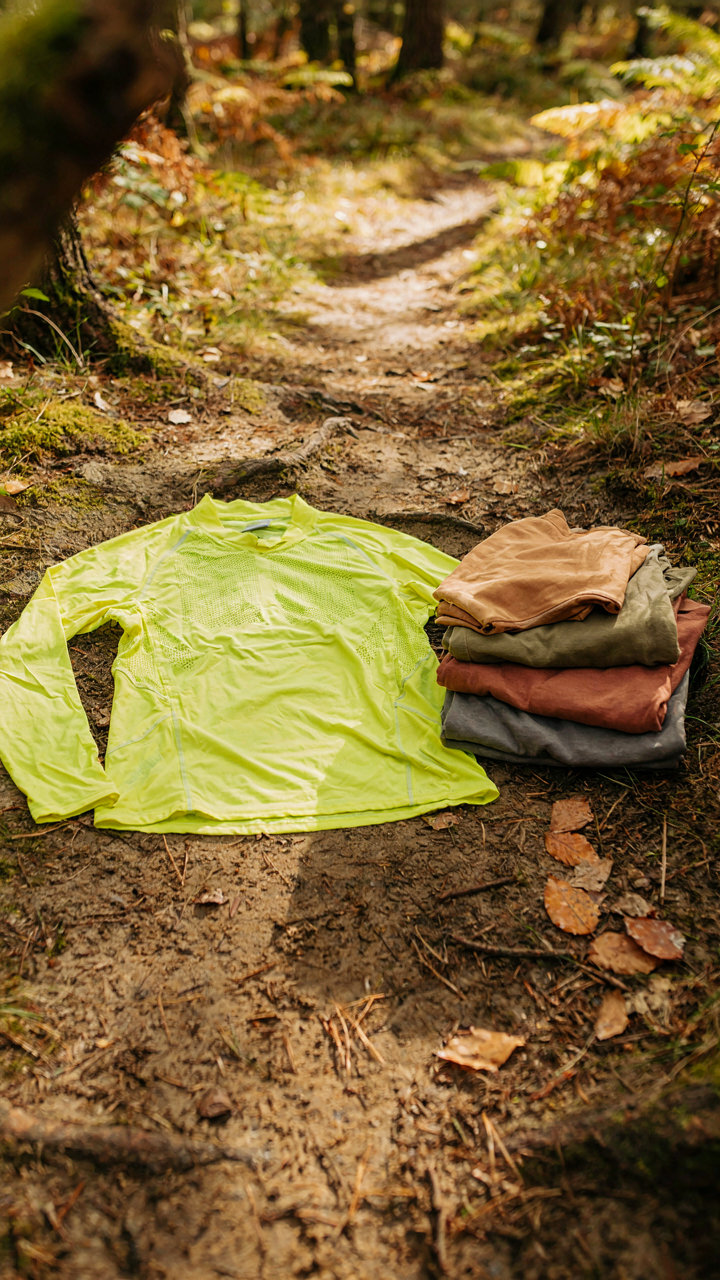
Visibility on trail comes from bright, solid colors and reflective surfaces. Muted earth tones photograph better but disappear in dense forest or crowded hiking areas. A neon yellow or bright orange base layer isn’t Instagrammable, but it keeps search and rescue from scanning for hours. High-contrast combinations—like a bright shirt with neutral pants—look “off” compared to the tonal gradient feeds reward. Choose your base layer for sight lines, not for feed engagement.
Prioritize Survival Before Social Media Snaps

Real trail gear prioritizes sweat management and heat dissipation before aesthetics. This is a heat transfer problem: your body generates energy, and your clothing system must move that heat away efficiently. Cotton holds moisture and traps heat; synthetic blends wick sweat and dry fast. A teen in a cute vintage band tee will hit hyperthermia on a steep climb faster than one in a cheap polyester hiking shirt. The difference is material science, not style opinion.
When you pick your outfit, lay it on the ground and ask one question: does this move sweat off my skin or hold it? If the answer involves “it looks cool” or “it matches,” you’ve already lost the trail. Pack lightweight synthetic tops and moisture-wicking bottoms. Skip the oversized thrift finds and the color-coordinated sets. Your fit on social media matters zero when you’re dehydrated at mile three.

The Layering Protocol: Your Skin Is A Sensor
Base Layers As Your Personal Climate Control System
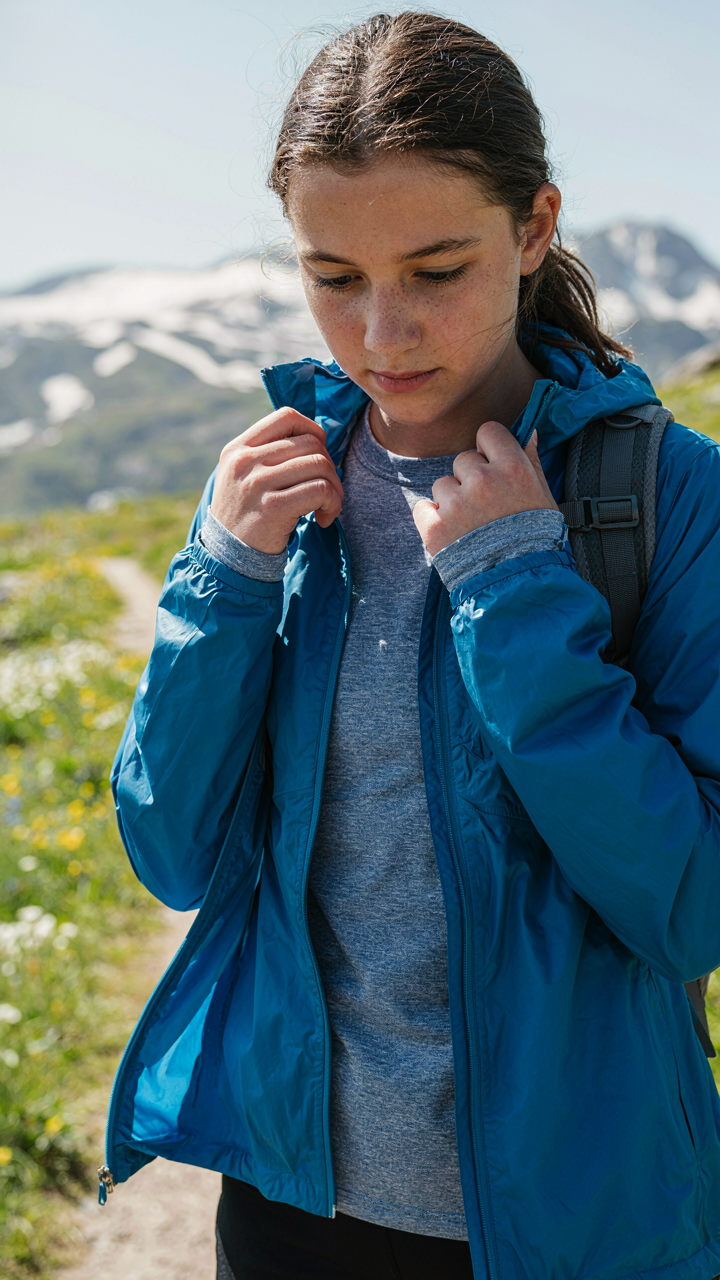
You want to look like you know what you’re doing on the trail. The truth is simpler: your skin sweats, and wet skin kills your core temperature faster than cold air does. Layering is thermodynamics. Think of your base layer as the first sensor in a feedback loop. Merino wool or synthetic base layers (polyester, nylon blends) wick moisture away from skin to the next layer instead of trapping it. Cotton does the opposite and stays wet, which is why every hiking guide tells you to avoid it, and most teens ignore that advice anyway.
The mechanism works because moisture vapor moves from warm to cool. Your base layer sits closest to heat, so it captures sweat before it pools. Merino wool naturally regulates temperature and resists odor through lanolin content, while synthetics dry faster and cost less. Either choice beats cotton’s capillary action, which holds water against skin. You pick one based on budget and how much you sweat. The swap from cotton to anything else is the single biggest temperature control upgrade you can make, and it costs under thirty dollars.
Mid And Outer Layers Adapting To Environmental Shifts
Most teens pack too many layers or the wrong ones, then abandon them at mile two because they’re uncomfortable or take up space. Your mid-layer traps dead air for insulation. Your outer layer blocks wind and precipitation. The mistake people make is treating these as permanent fixtures instead of tools you deploy and remove as conditions change. A lightweight fleece or grid layer works as mid-layer because it compresses small and adds warmth without bulk. Your outer shell (hardshell or softshell rain jacket) should be the only piece you keep accessible all hike.
Here’s the protocol: start with base layer on. Add mid-layer at trailhead if air is cool. Shed mid-layer once you warm up from hiking, not before. Put on outer shell if wind picks up or rain threatens, then remove it the moment conditions improve. This constant micro-adjustment keeps your core stable without sweat buildup. Check conditions every 30 minutes and adjust. Your layers stay in your pack until you need them, not tied around your waist like decoration. This discipline prevents overheating, hypothermia risk, and wasted energy.
Material Science Of Survival: Not All Fabrics Are Equal
Why Synthetics Win Against Cotton
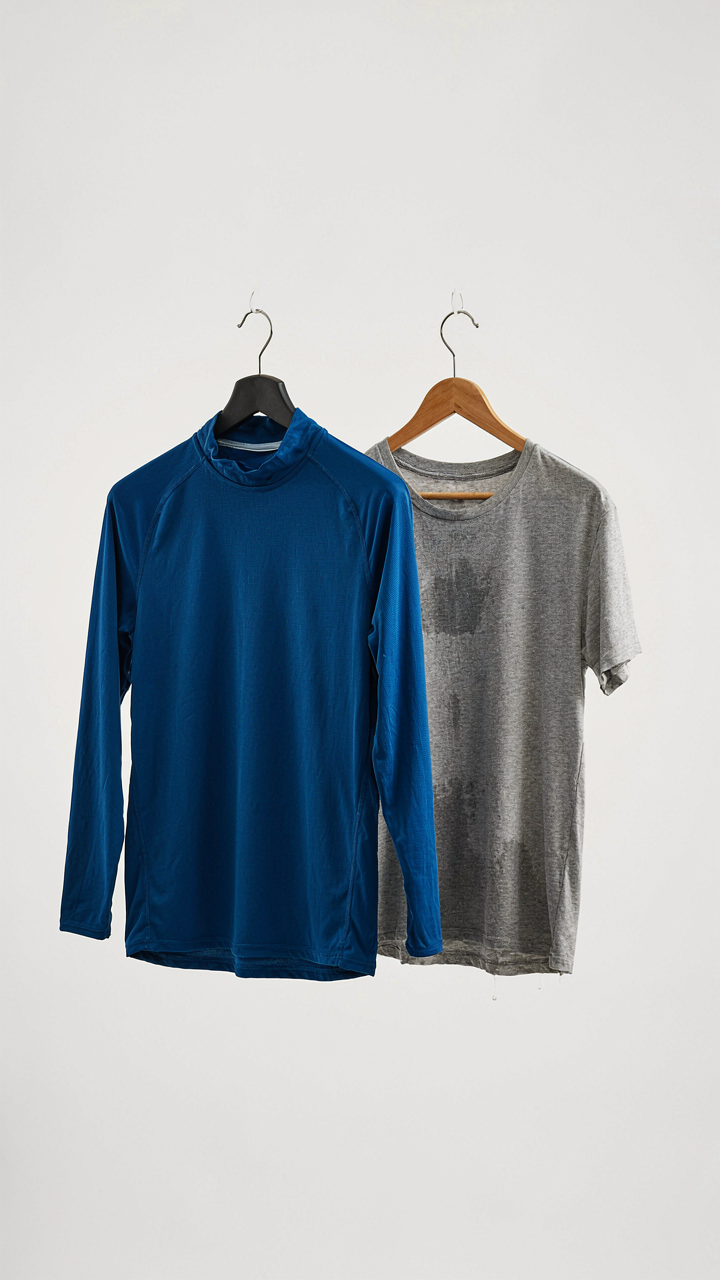
You want to believe natural fibers are better because they feel premium and sound healthier. They’re not. Cotton absorbs sweat like a sponge and keeps moisture against your skin, dropping your core temperature in wind and at elevation. Synthetics like polyester and nylon move sweat away from your body through capillary action, the same physics principle that lets water climb up a paper towel. This isn’t preference. This is thermodynamics.
Your teen will overheat, then chill rapidly when they stop moving. Cotton takes hours to dry. Polyester dries in minutes. On a six-hour hike where weather shifts or elevation gains stack fast, that difference isn’t comfort. It’s the margin between fine and hypothermic. Pick synthetics as your base layer and mid-layer. Cotton belongs nowhere on a hiking outfit except maybe as a small camp towel.
Sun Damage And The Quick Dry Standard
UV protection works through fabric density and fiber type, not through added chemicals or marketing. Tightly woven synthetics block more UV rays than loose weaves. Darker colors absorb more UV before it reaches skin, while lighter colors reflect it. Quick-drying fabrics accomplish two things at once: they reduce the time your teen sits in damp clothing where UV penetrates easier, and they prevent the sweat-salt layer that magnifies sun exposure.
Look for UPF ratings on tags, but understand what you’re buying. UPF 50+ blocks 98 percent of UV rays. Most hiking shirts marketed to teens carry UPF 50+. The mechanism: buy synthetic blends (polyester or nylon base) in darker colors with tight weaves. Test dryness by wearing a piece for twenty minutes, getting it sweaty, then timing how long it takes to feel dry to the touch. If it takes more than thirty minutes, it’s too slow for six-hour summer hikes. The fabric choice you make in the store determines what your teen’s skin looks like in five years.
The Footwear Fallacy: Your Foundation Dictates Everything
Boot Vs. Trail Runner: Mapping Terrain To Sole Requirements
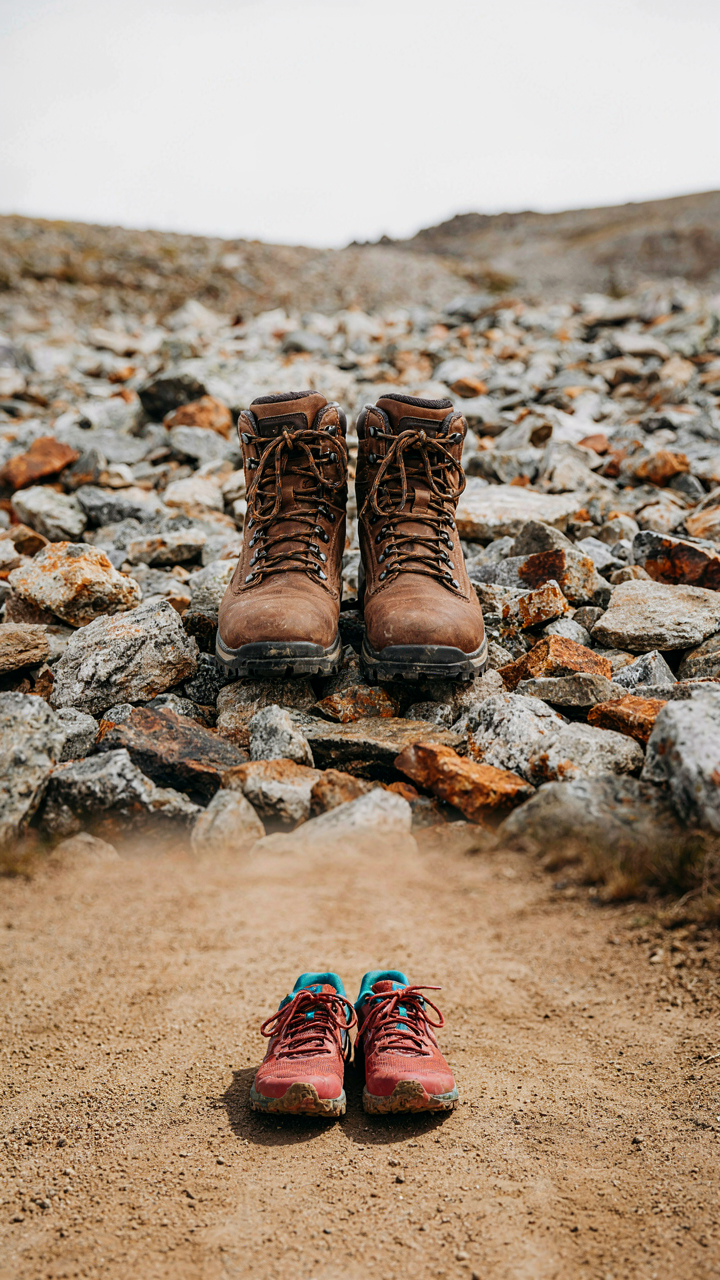
You want to look like you know what you’re doing on the trail. That’s the real driver here. The mechanism is simple: footwear choice isn’t about preference, it’s about matching load and terrain the way military planners match equipment to mission type. A boot concentrates support vertically. A trail runner distributes impact horizontally. On rocky, uneven terrain with a heavy pack, boots lock your ankle and reduce energy waste. On packed dirt or maintained trails with minimal load, trail runners let your foot respond naturally to ground variation, which actually conserves energy over distance.
Most teen hikers get this backward and default to what feels cushioned in a store. Boots excel when you’re carrying weight on technical ground. They’re overkill on smooth terrain and will exhaust your legs faster. Trail runners fail when your ankle needs stability on loose rock. The rule: if your hike involves scrambling, loose scree, or carrying more than fifteen pounds, boots are the answer. If the trail is groomed and your pack is light, trail runners outperform boots by reducing unnecessary muscle engagement. Test both on actual terrain before committing.
Sock Selection: Blister Prevention As A Logistics Problem
Blister prevention isn’t about comfort preference, it’s about friction management. The military understands this as a logistics problem: match material properties to operational demands. Cotton socks retain moisture and generate friction at scale. Merino wool or synthetic blends wick moisture and reduce friction simultaneously. A blister forms when skin experiences sustained rubbing against material. Moisture accelerates this process by softening skin and lowering friction threshold. One doubled-up cotton sock causes more blisters than six miles of hiking.
Your sock choice determines whether friction stays below the blister threshold or exceeds it. Merino wool works because it moves moisture away from skin while maintaining a low-friction surface. Synthetic blends (polyester, nylon) perform similarly. The protocol: buy socks labeled “hiking” or “trail” that contain zero cotton. Wear them on shorter hikes first to confirm fit and feel. Start with one pair to establish baseline performance, then match that exact sock to all future hikes. Consistency prevents variables from introducing blisters mid-trip.
Beyond The Basics: Essential Adventure Outfit Accessories
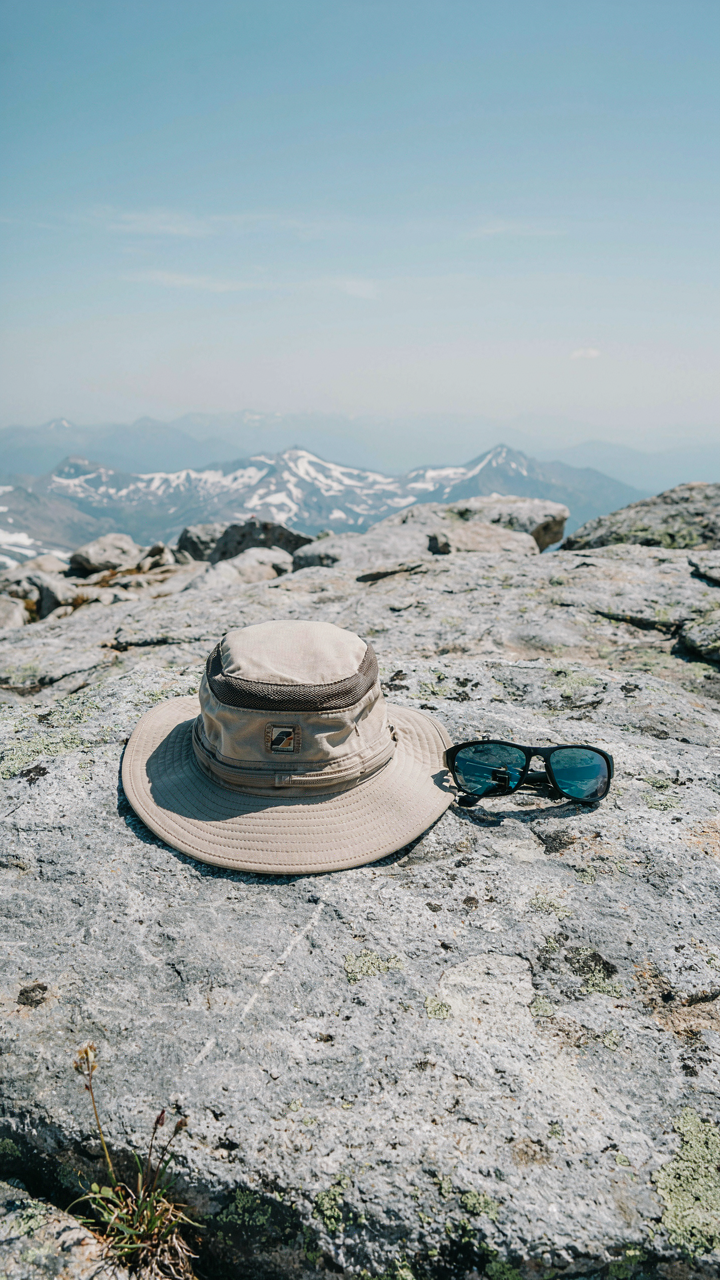
Head And Eye Protection Against Environmental Stress
You want the right gear because you’re afraid of looking unprepared. That fear is warranted. Your head and eyes take direct UV damage on exposed trails, and sunburn isn’t cosmetic—it’s cumulative cellular damage that compounds over years. A hat with a brim protects your face and neck. Sunglasses with UV400 lenses protect your eyes from both direct and reflected light bouncing off rock and water. These aren’t optional accessories.
Sunscreen matters, but coverage matters more. A wide-brimmed hat blocks more UV than any lotion you’ll reapply mid-hike. Polarized lenses reduce glare on water and reflective surfaces, which means your eyes stay focused on the terrain instead of fighting brightness. Wear a hat that breathes. Skip cotton. Synthetic materials dry faster when you sweat, which keeps your core temperature stable. The mechanism is simple: less heat retention plus better UV blocking equals sustained performance.
Load Distribution And Backpack Placement Strategy
This borrows from physics. In biomechanics, we call it the center of gravity principle—weight distributed closer to your spine and centered on your hips burns far fewer calories than weight hanging off your shoulders. Most teens pack wrong because they stuff items randomly. Your backpack should sit high on your shoulders, with straps snug but not cutting off circulation. The hip belt carries 60 to 70 percent of total weight.
Pack heavier items close to your spine and mid-back, not the bottom. This prevents your backpack from pulling backward, which forces your core to compensate and exhausts you faster. Lighter items go in outer pockets. Water bottles should sit on the sides where you can grab them without removing the pack. A properly loaded 20-pound pack feels like 12 pounds. Test your setup on a flat trail first before committing to elevation. Your body will tell you immediately if the weight sits wrong.
The Granola Girl Trap: Aesthetics Vs. Practicality In “Cute” Short Outfits
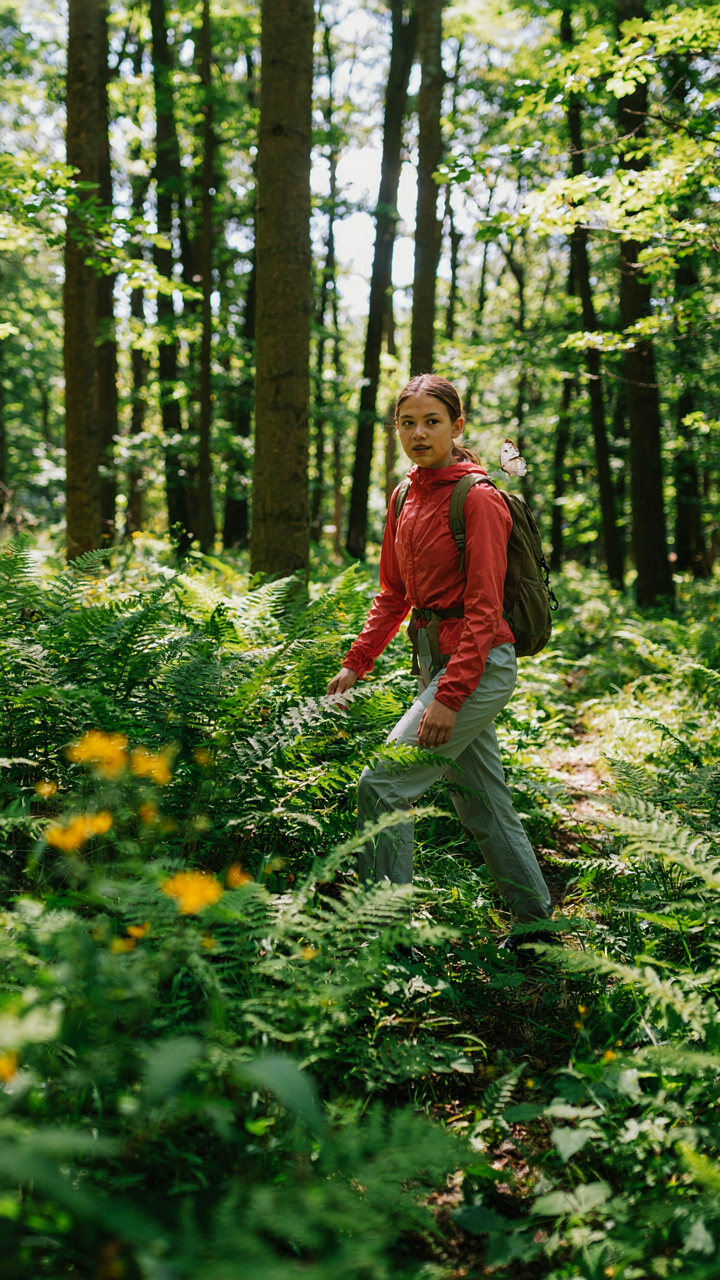
Exposed Skin Invites Trouble, Not Compliments
You want the outfit to work on Instagram before it works on the trail. That’s the real problem here, and it costs you in ways that matter. Exposed skin on a hike operates like surface area in thermodynamics: more of it means faster heat loss, faster sun damage, and faster insect access. Shorts that sit mid-thigh and tank tops leave your legs, shoulders, and forearms as open targets for UV rays, biting insects, and brush abrasion you won’t feel until the sting hits later.
The common advice says “wear what’s comfortable,” which is useless. Comfort is the feeling you chase, not the outcome you get. A teen in short shorts on a three-hour trail experiences cumulative sun exposure that registers as a burn 12 hours later. Mosquitoes, deer flies, and ticks don’t care about aesthetics. They care about accessible skin. Pair exposed legs with humidity and sweat, and you’re essentially advertising your presence to every bloodsucker within 50 yards.
Long Shorts And Pants: The Actual Defense System
Lightweight long pants and knee-length shorts aren’t fashion compromises, they’re engineering. Biology teaches us that layered or covered surfaces reduce transmission of heat and pathogens. In hiking terms, that means long coverage cuts UV penetration, blocks insect bites before they land, and protects against brush cuts and scrapes. Nylon and polyester blends dry fast and don’t trap heat the way cotton does, so the temperature trade-off most teens imagine doesn’t actually exist.
The real mechanism works in layers. Wear lightweight, breathable long shorts or tapered pants in neutral colors. Light colors reflect more solar radiation than dark ones, and synthetic fabrics wick moisture away from skin faster than natural fibers. Your legs stay protected, your core stays cool, and you avoid the delayed consequence of sunburn that shows up three days into your week. Bites don’t penetrate fabric that fits properly and covers from hip to ankle. This is non-negotiable on longer trails where sun exposure compounds over hours.
Smart Gear Investments: Avoiding The “Camping Outfits” Money Pit
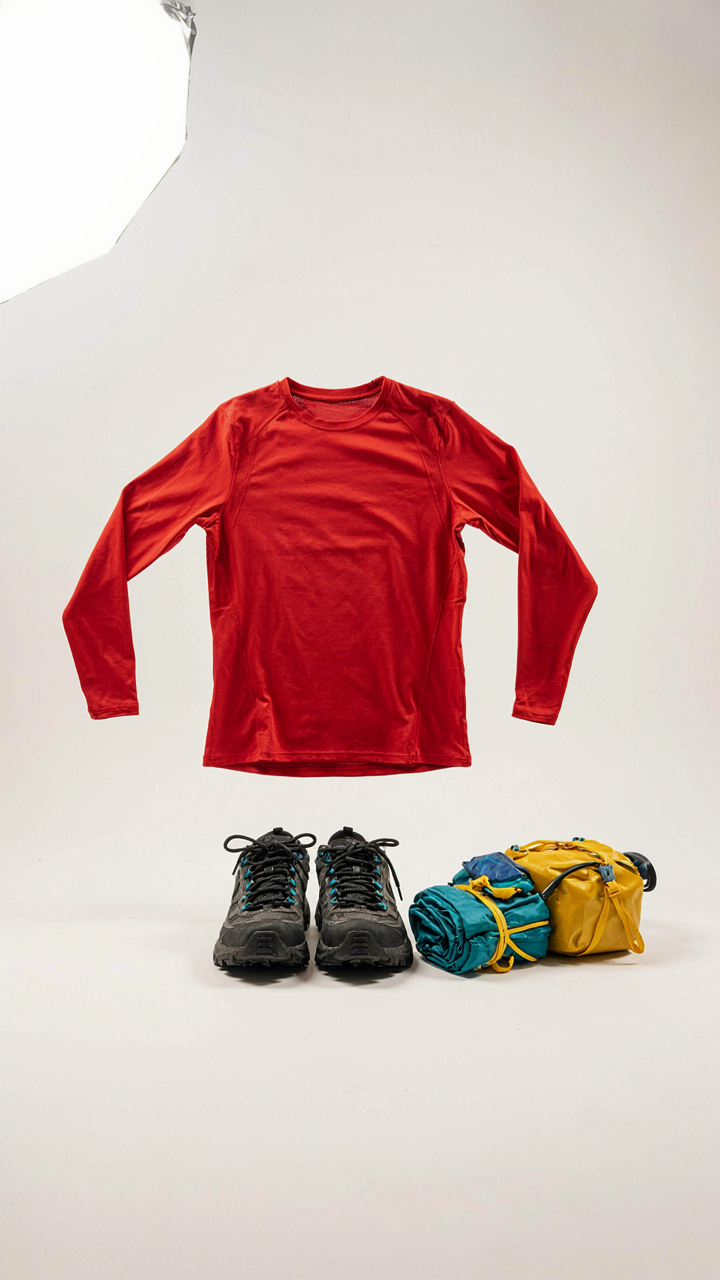
Where To Spend And Where To Save
You want permission to buy stuff without feeling broke. The real mechanism here is cost per wear: divide what you pay by how many times you’ll actually use it on trail. That number exposes every impulse purchase instantly.
Most teens and parents blow money on branded “hiking outfits”—matching sets designed to look the part, not perform. The money goes to logos and color coordination, not durability or function. Spend on items you’ll wear fifty times this summer and beyond. Save on trend pieces you’ll abandon after three hikes.
- Hiking boots or trail shoes: Foundation item worn on every hike. Invest $80-150 in proper fit and ankle support. Cheap options fail within weeks and cause blisters that end the season.
- Moisture-wicking base layer tops: Worn under everything in summer. Spend $30-50 on quality synthetic or merino wool. Cotton holds sweat and causes chafing; cheap synthetics pill and lose function fast.
- Lightweight backpack (20-30L): Used every outing. Invest $60-100 in proper weight distribution and padded straps. Cheap bags load pressure onto shoulders and cause neck pain on longer trails.
- Weather-resistant shorts or pants: Worn on almost every hike. Spend $50-80 on reinforced nylon with gusseted crotch. Budget versions tear at stress points within one season.
- Sun hat or cap: Worn every single day on trail. Spend $20-40 on wide brim with chin strap. Cheap hats blow off constantly or offer no actual UV protection despite marketing claims.
Save aggressively on accessories, layering pieces you’ll rarely need, and anything marketed as a complete “system.” A single quality item worn constantly outperforms five mediocre items bought together. Track what you actually grab before each hike for two weeks, then buy only those pieces.
Built To Outlast The Season And Beyond
Durable pieces compound in value over time because you wear them across multiple summers, not just one. This is compound interest applied to physical goods: the longer something lasts, the lower your actual cost per use drops.
Teen hikers often rotate outfits seasonally, thinking last year’s gear is “used up.” In reality, a well-made hiking shirt or pair of shorts functions identically in year two or three. Synthetic base layers don’t degrade much from use alone. Nylon doesn’t weaken from sweat or sun exposure the way cotton does. Invest in versatile neutral colors (gray, tan, black, navy) that work across multiple seasons and outfit combinations rather than seasonal trends.
The mechanism is simple: buy one excellent piece instead of three mediocre ones. Wear the excellent piece until it genuinely fails, then replace it. Compare the total cost over five years against someone who buys new “complete outfits” every summer. The difference is hundreds of dollars. At the end of season, catalog what actually wore out versus what you simply grew tired of looking at. Only then do you replace it.
Hiking Outfit Women: Gender Doesn’t Change Physics, Only Fit
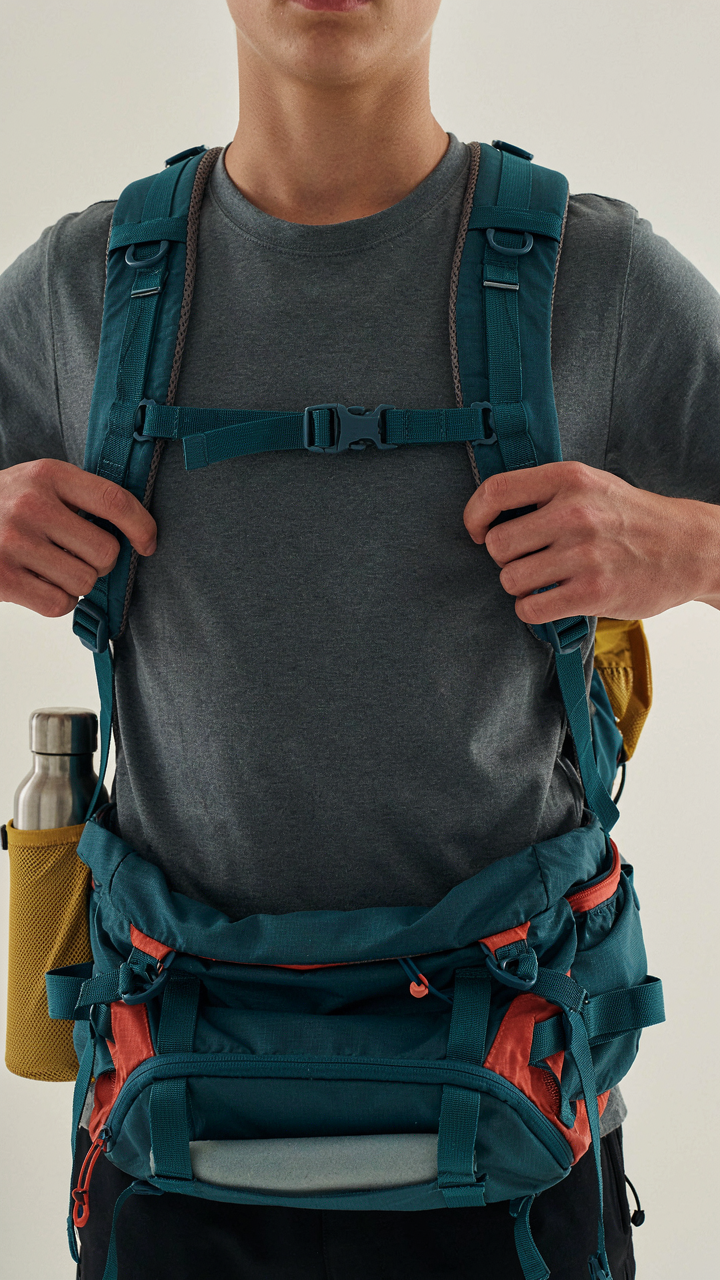
Torso Length And Arm Reach Matter More Than Labels
You’re reading this section because you want to know if girls need different gear, and the real answer feels risky to admit: fit matters, marketing categories don’t. Physics doesn’t care about gender. A teen with a shorter torso needs a pack that sits correctly on her frame, not because she’s female, but because load distribution is mechanical. The same principle applies to men with proportionally shorter torsos. Shoulder width, arm length, and torso depth determine where straps land and how weight transfers to hips. Measure these dimensions, not the store section.
Most hiking brands use gender as a proxy for fit when they should use actual anthropometric data. A girl with a 16-inch shoulder width and 28-inch torso needs a pack cut for those specs. A boy with similar measurements wears the same pack. The confusion exists because women’s gear lines often include narrower shoulders and shorter torso lengths on average, which is useful data, but it’s not a law of physics. The workaround is simple: try gear on, measure your teen, and buy what fits the body in front of you, not the category label.
Cut Through The Marketing, Find The Function
The hiking industry invented gendered gear partly for legitimate fit reasons and partly to sell more inventory. That’s not a conspiracy, it’s retail math. What matters is stripping away the color schemes and material blends designed to sell differently and focusing on what actually functions during six hours on a trail. Breathability, moisture management, and chafe prevention work the same regardless of who wears the fabric. Technical performance has no gender.
Look at seam placement, gusset design, and how the garment rides during movement, not whether it says “women’s” on the tag. A teen’s butt sweat problem isn’t solved by purple fabric or marketing language, it’s solved by flat-seam construction in the right spots and material that doesn’t hold moisture. Check the inseam, armpit gusset, and underarm design. Buy what passes the function test, and ignore the rest.
The Real Obstacle Isn’t The Outfit; It’s Your Addiction To Superficial Validation
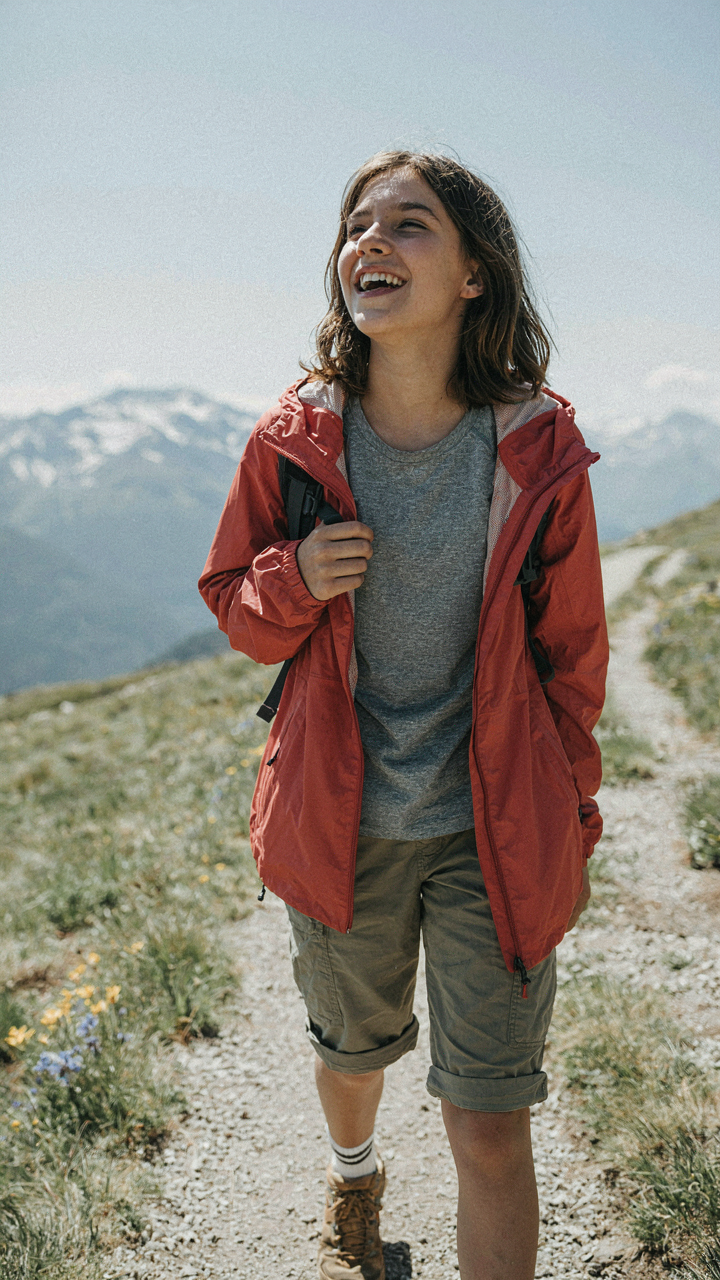
Your teen doesn’t need the perfect hiking outfit. They need permission to look ridiculous and enjoy it anyway. The real game is wearing what works, not what photographs well. Pick functional clothes, hit the trail, and stop waiting for Instagram approval that never comes. Move today: grab one uncomfortable piece of gear you’ve been avoiding and wear it this weekend. The outfit that wins is the one that gets worn.