

The Deceptive Simplicity Of Summer Hiking Outfit Women

Minimalism Demands Redundancy
You want to believe one outfit works everywhere because packing light feels efficient and smart. The mechanism undermining this: summer conditions shift faster than your body adapts, and a single layer system fails the moment conditions deviate from your forecast. Solo hikers have no one to share gear with or adjust pacing around. You need overlap built into your kit from the start, not flexibility that depends on perfect prediction.
Summer doesn’t mean static. A July trail at 7 AM runs 15 degrees colder than noon. Elevation gain adds 3-5 degrees of cooling per thousand feet. Rain systems move in unpredictably. Your outfit needs pieces that stack and separate without creating bulk. This means a base layer that wicks, a mid-layer that insulates when wet, and an outer shell. Each serves a specific failure point in single-layer thinking.
Microclimates Compound On Elevation

Microclimate is a meteorology term describing localized atmospheric conditions that differ from surrounding areas. On a summer trail, this translates to distinct thermal zones stacked vertically and horizontally. Dense forest runs cooler and wetter than open ridge. North-facing slopes hold cold and moisture longer than south-facing exposures. Shaded canyons trap cold air. Rock faces reflect and radiate heat. A solo hiker without group dynamics can’t rely on pushing through discomfort; you manage energy by dressing for the zone you’re entering, not the zone you left.
Most hikers dress for the parking lot or trailhead elevation. Mistake. By mile two, you’ve entered a different thermal environment. Wind exposure increases with altitude and open terrain. Sun intensity strengthens above treeline. Your first H3 insulation layer works in the forest but becomes insufficient at ridge elevation when wind hits. Add your outer shell as a wind barrier, not as rain protection alone. Adjust layers before you feel cold, not after.

Sweat Management: Beyond Wicking Fabrics For Hot Weather

How Your Body Actually Cools Itself
You care about this section because you’re worried you’ll overheat on trail and look incompetent or worse. Here’s what actually happens: your body cools through two mechanisms from thermodynamics—evaporation and convection. Evaporation pulls heat away as sweat turns to vapor on your skin. Convection moves heat off your body through air movement. Wicking fabric alone doesn’t solve cooling. It just moves sweat away from your skin faster, but if no air moves across that wet fabric, evaporation stalls and you stay hot.
The real lever is creating conditions where evaporation can work. This means exposing skin to moving air and choosing fabrics that dry fast rather than absorb. Merino wool and synthetic blends stay cooler than cotton because they shed moisture instead of holding it. On a hot climb, a looser fit that allows airflow beats a compression shirt every time, even if that shirt wicks technically better. Your outfit works only when air reaches the fabric and sweat actually evaporates off it.
Ventilation Design In Technical Apparel
Adventure wear companies borrowed from military heat-mitigation design, treating your outfit like a thermal management system. The principle is deliberate airflow channels, not random loose fabric. Quality summer hiking shirts use mesh panels in high-heat zones like underarms and back where sweat accumulates fastest. These aren’t decoration. They create turbulence that accelerates evaporation exactly where your body generates the most heat during sustained effort.
Strategic ventilation means choosing pieces that work together, not individually. Sleeveless or cap-sleeve designs expose more arm surface for cooling. Shorts with gusseted crotches and thigh vents let air cycle through instead of trapping heat in your core. When selecting gear, identify the vents first, then assess fabric. An outfit with poor ventilation placement loses most of its cooling advantage regardless of how advanced the material is. Before buying, check if vents actually face uphill or open when you move, not just sit flat on a hanger.
The Unseen Threats: Sun, Bugs, And Unexpected Cold On Summer Hike

Ultraviolet Protection That Actually Works
You want to avoid looking weathered at 40. Here’s the real mechanism: UPF fabric uses tight weaves and chemical absorbers to block ultraviolet radiation before it penetrates skin. Not all summer hiking shirts do this. Standard cotton stops roughly 20% of UV rays. UPF 50+ fabric stops 98%. The difference compounds across years and miles. A hiking-specific shirt with UPF 50+ rating printed on the tag means the manufacturer tested it to the ASTM D6603 standard. Cheap brands skip this. You’re paying for verified protection, not a guess.
Layering matters here because you’ll shed clothes as temperature rises, then need sun coverage on exposed skin. Long sleeves in summer feel counterintuitive until you hike eight hours above treeline and realize your arms are fine while hikers in t-shirts are fried. Merino wool and synthetic blends rated UPF 50+ dry faster than cotton and maintain their rating after repeated washing. Buy one solid piece instead of rotating three mediocre ones. Check the tag before checkout. If it doesn’t list a UPF number, it’s not engineered for this job.
Permethrin Treated Gear Is Not Optional
Insect-repellent clothing works through a simple delivery mechanism: permethrin bonds to fabric fibers and poisons insects on contact without entering your bloodstream. Most hikers skip this entirely and rely on skin applied repellent, which washes off with sweat and reapplication becomes annoying. Treated gear removes that friction. You buy permethrin-treated hiking pants, socks, or even hats once and they remain effective through 70 washes. The EPA classifies permethrin as safe for fabric treatment at these concentrations. Ticks, mosquitoes, and chiggers avoid treated material. Untreated material doesn’t.
Permethrin is not a substitute for DEET on exposed skin, but it’s a multiplier. Apply permethrin to your hiking pants, gaiters, and socks before the season starts. Leave DEET for your neck, ankles, and hands. This two-layer approach reduces the chemical load on your skin while maintaining coverage where ticks hunt. Reapply DEET every two hours in high-bug zones. Apply permethrin to treated gear only once yearly or per the product instructions. Most solo female hikers who do this report fewer tick encounters than those relying on skin repellent alone.
The Adaptive Layering Protocol For Solo Female Hikers
Your Skin Controls Your Performance
You want to believe gear matters more than it does. The truth: your base layer is a thermostat, not decoration. Thermal regulation—borrowed from engineering—is the system that maintains stable output under variable conditions. Your base layer does this by managing moisture and air proximity to skin. Cotton fails because it absorbs sweat and holds it. Merino wool and synthetic blends wick moisture away, keeping your core temperature stable during effort and recovery.
Solo hiking amplifies this. You can’t rely on group pace or shared body heat. Your base layer becomes your only consistent regulator. Choose merino wool or polyester blends designed for active use. Avoid cotton entirely. The base layer sits against skin and determines whether temperature swings destroy your energy or you stay functional for eight hours on trail. This is non-negotiable.
Mid Layer Strategy For Altitude Shock
Most hikers think mid-layers are insurance. They’re actually your damage control system. Temperature can drop fifteen degrees in minutes at elevation, or clouds roll in and kill direct sun. A fleece or lightweight insulated jacket compresses small, weighs almost nothing, and prevents the cascade where your core temperature drops enough to impair judgment.
Pack a mid-layer even on forecast days that promise warmth. The weight cost is negligible. The failure cost is hypothermia starting in your chest and ending in a bad decision. Use synthetic insulation or fleece rated for moisture—down fails when wet. Stuff it into a hip belt pocket or backpack side pocket where you can grab it in under a minute. Speed of deployment matters because you’ll deploy it when conditions shift, not when you’re organized.
Footwear: Your Foundation For Activewear Fashion Survival

Sole Design And Material Science
You want hiking boots that look intentional because you’re being watched on the trail, whether you admit it or not. The mechanism is traction: sole grip depends on rubber compound hardness and lug pattern geometry. Vibram and competing manufacturers engineer sole designs around friction coefficients on specific surfaces. Summer conditions demand rubber compounds that maintain grip when wet but don’t overheat, which happens with softer compounds in direct sun.
Lug depth and spacing matter more than brand name. Deeper lugs bite into loose scree and mud. Wider spacing prevents mud from packing between lugs, which kills traction. Most summer hiking boots use lugs between 4 to 6 millimeters deep. Thinner rubber outsoles transmit ground feedback better but wear faster. Thicker outsoles last longer but dull sensitivity to terrain changes.
The Blister Prevention Protocol
Blister prevention is mechanics, not magic. Friction causes blisters when your foot moves inside the boot. Wet skin accelerates this. Cotton socks trap moisture. That’s the real problem with generic outdoor advice that ignores sock systems entirely.
- Merino Wool Blend Socks: Merino regulates moisture and temperature simultaneously. It wicks sweat faster than synthetic alone and resists odor naturally. Aim for 60% merino, 30% nylon, 10% elastane for durability.
- Double Layer System: Wear a thin synthetic liner sock underneath a thicker wool sock. The layers slide against each other instead of your skin sliding against the boot, reducing friction to the blister point.
- Sock Fit And Height: Socks should be snug but not compressive. Hiking-specific socks have reinforced heel and toe areas where pressure concentrates. Crew length socks prevent boot collar chafing on the Achilles tendon.
- Moisture Management During The Hike: Bring a second pair of dry socks and change them at lunch if your feet feel damp. Wet skin loses friction resistance and blisters form faster. Drying your feet for fifteen minutes prevents most mid-hike blister development.
- Taping High Friction Zones: Apply athletic tape or blister prevention tape to your heel and ball of foot before the hike starts. This creates a barrier between skin and sock. Preemptive taping beats treating blisters after they form.
Follow this sequence: dry feet completely, apply tape to high friction zones, pull on the liner sock, then the outer sock, then lace your boots with medium tension at the midfoot and looser tension at the ankle. Change socks if moisture builds during the hike. This protocol eliminates most blister problems.
The Weight To Utility Ratio For Outdoor Fashion

Opportunity Cost Of Every Item You Carry
You want to look intentional on the trail because you’re solo, and looking competent matters when nobody else is there to vouch for you. That’s the real trade. Now here’s the mechanism: economics calls this opportunity cost. Every ounce you pack for aesthetics is an ounce you can’t use for water, first aid, or sun protection. A solo female hiker on a six-hour summer trail trades visibility for load. Pick one.
Most hikers ignore this entirely. They layer cute outfits without calculating what they’re actually carrying. On a solo hike, the math changes. You’re not splitting a water bladder across a group. You’re not borrowing someone else’s extra layers. Every clothing choice competes directly against survival gear. The outfit that photographs well at mile two becomes dead weight at mile five.
Function Before Form Every Single Time
Military logistics teaches that every round of ammunition serves one purpose. Apply this to summer hiking: every garment earns its spot or gets cut. A lightweight, moisture-wicking tank top serves thermoregulation and sun protection. A decorative bandana does neither. The gear that moves with you must justify its existence through function alone.
Builders of hiking apparel understand this constraint better than fashion brands. Technical fabrics exist because they solve problems: quick-dry materials prevent chilling, light colors reflect heat, fitted cuts prevent chafing. When you dress as a solo hiker, you’re not dressing for others. You’re dressing for the mechanics of sustained effort in heat. Pick brands that engineer for durability and performance, not brands that engineer for Instagram. Your outfit works or it doesn’t, and on a trail alone, doesn’t is costly.
Accessorizing For Self Sufficiency Not Style For Women Lifestyle
Hats And Buffs Versatile Sun And Sweat Defense
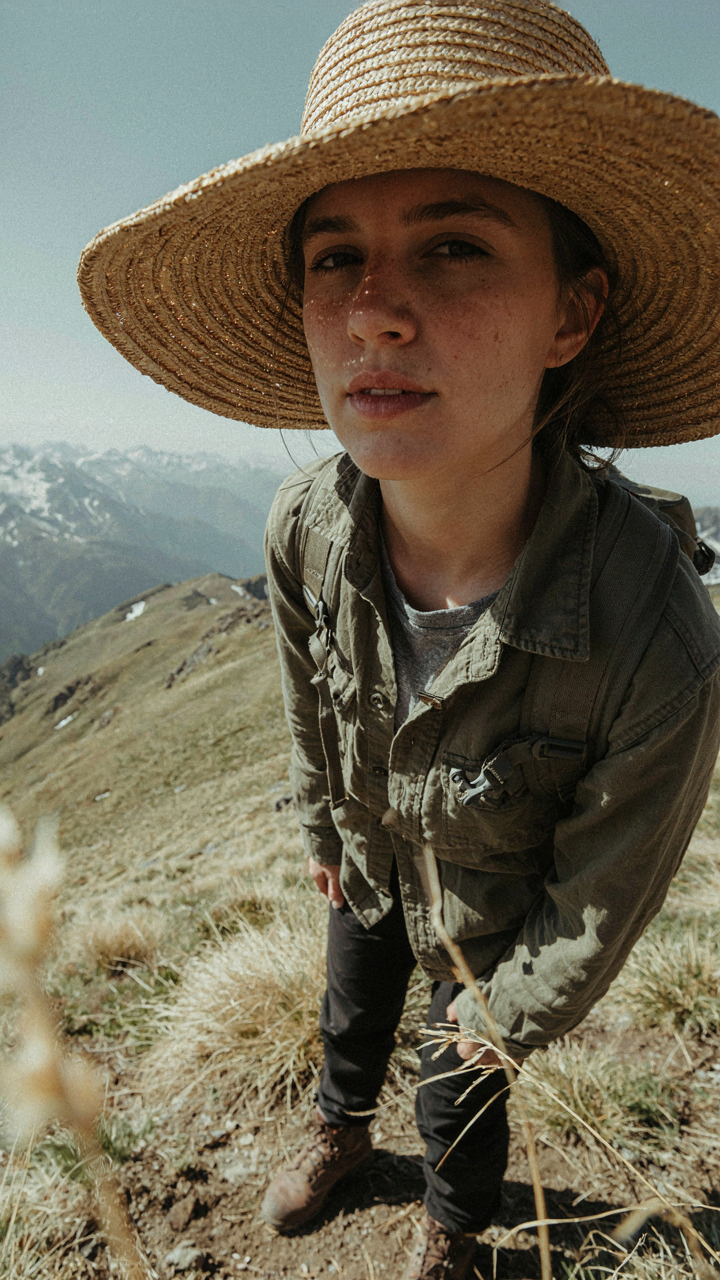
You want accessories that look intentional because you think it signals competence. The real mechanism is thermal regulation and visibility. A hat isn’t fashion—it’s a thermostat. Your head dumps heat fast. In summer, direct sun raises scalp temperature and accelerates dehydration. A wide-brimmed hat or cap cuts that load. A buff (or neck gaiter) does dual work: it wicks sweat before it runs into your eyes, and it protects the often-forgotten back of your neck where UV damage stacks up over years.
Ignore the advice that says “wear whatever feels comfortable.” That’s incomplete. A baseball cap protects your face but leaves your ears and neck exposed. A wide brim helps but can catch wind on exposed ridges. The buff solves the sweating-into-eyes problem that actually breaks your focus on terrain. Pair a lightweight cap with a merino wool buff. Wear the buff around your neck when cool, pull it up when you’re working hard. Test this rig on a 3-mile climb before committing to a long day. Your eyes stay clear. Your core stays regulated.
Gloves Grip Sun Protection And Minor Abrasion
The grip problem is real, but most women hike without gloves and adapt. That’s not a solution—that’s accepting friction loss. Climbing or scrambling terrain requires you to use your hands for balance. Sweat reduces your palm grip coefficient by 30 percent. Gloves restore it. Summer gloves are thin. Leather palms with breathable backs work. Nitrile coatings do the same job cheaper. They also prevent blisters if you’re using trekking poles for sustained climbs where palm pressure builds.
Most hiking guides skip gloves in summer, which creates a false choice between heat comfort and grip security. You don’t sacrifice one for the other. A 2-ounce climbing glove adds almost nothing to pack weight and protects your palms from cactus, sharp rocks, and repeated pole friction. Your hands have thin skin. Sun damage accumulates fast. Wear gloves on high-altitude hikes or terrain with scrambling sections. Pack them even if you don’t use them. Remove them during flat sections. This is the protocol: gloves on during technical movement, off during easy walking.
Trail Outfits Durability: Investment In Resilience
Fabric Strength: Rip Stop And Abrasion Resistance
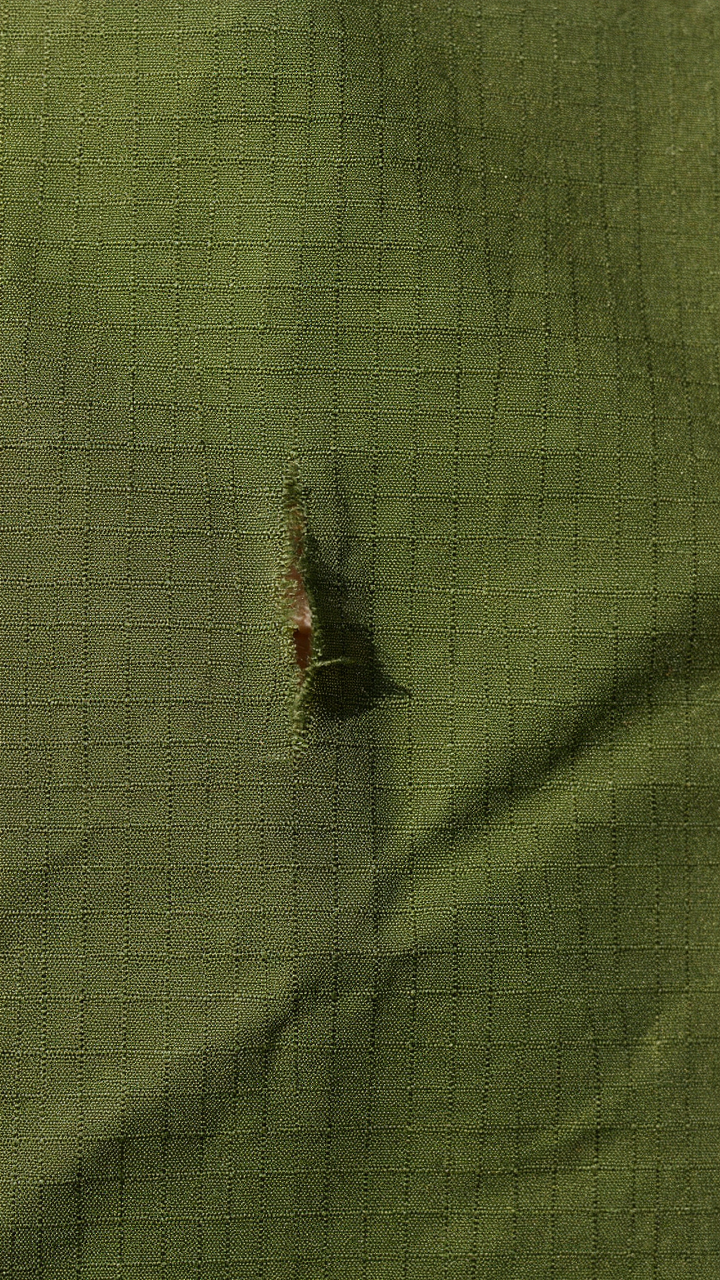
You want durability so you don’t feel like you wasted money on gear that falls apart. Here’s the mechanism: fabric fails under two forces—puncture and shear. Rip-stop weaving interrupts tear propagation by locking threads into a grid pattern. When a branch catches your shorts or a rock snags your sleeve, the weave holds instead of unraveling from that single point of contact.
Abrasion resistance matters on the thighs, shoulders, and anywhere fabric rubs against your pack or rock faces. Nylon and polyester dominate summer hiking wear because they shed moisture and resist ground-level wear. Cotton absorbs water and degrades faster under UV exposure. When comparing fabrics, check the denier rating—higher denier (200D plus) means thicker fibers that withstand friction longer. The trade-off is weight, but on a day hike, this matters less than longevity.
Where Seams Betray You
The common advice says just buy quality brands and trust the construction. That’s incomplete. Seams fail before fabric does because they concentrate stress into a single line. Look at how your hiking pants or jacket is stitched at stress points: inside thighs, armpit gussets, pack attachment zones.
Double-stitched or bar-tacked seams distribute load across multiple thread passes instead of one. Flat-felled seams (where one side is sewn then folded and stitched again) add durability but cost more, so only premium brands use them consistently. Inspect the actual pants or shirt before buying. Run your finger along seams at the hip, crotch, and shoulders. If the thread looks thin or sits loose, it will pop on mile eight of a ten-mile hike. Check seams under natural light to see thread quality clearly.
Beyond The Gear: The Mindset Of The Prepared Hiker Style Women

Know Your Actual Limits Before The Trail
You want this section to calm your anxiety about solo hiking, but that’s not what prepares you. The real mechanism comes from military risk assessment: you map your operating envelope before pressure forces a bad decision. For hiking, your envelope includes distance you can cover in daylight, elevation gain your body handles without overheating, and weather conditions where your outfit still functions. Most female hikers skip this step because it feels like admitting weakness. It’s the opposite. Knowing your limits is the single decision that prevents you from wearing the wrong gear to the wrong trail.
Build your envelope through deliberate testing on lower-stakes hikes first. Track how your legs respond to 1,500 feet of gain. Notice when your moisture-wicking layers actually work versus when cotton underwear starts chafing at mile four. Document temperature drops at different elevations in your region during summer. This data becomes your filter. When you’re eyeing a trail, you already know if your outfit and body can handle it. You stop hiking beyond your capacity because you’ve measured it. That confidence isn’t false. It’s earned.
Self Reliance Training Starts Before Crisis
Most hiking advice treats emergency protocols as checklists you memorize. That’s incomplete. The mechanism is motor memory under stress: your body only performs actions you’ve drilled repeatedly when adrenaline floods your system. Carrying a first aid kit means nothing if you’ve never applied a compression wrap or cleaned a wound on yourself. Bringing a satellite communicator helps only if you’ve practiced texting for help, not talked yourself through it once. Solo female hikers need specific drills because you won’t have someone else to rely on when something goes wrong.
Start with skills, not gear. Practice taping your own ankle on a flat surface, not when it’s swollen. Learn how to navigate using map and compass without GPS working, then do it again on a real trail. Change a water filter three times in your backyard before trusting it in the backcountry. Film yourself describing your exact location and condition out loud so you hear how you sound under pressure. When crisis hits, your outfit protects your body. Your training protects your decision-making.
The Real Obstacle Isn’t The Heat; It’s Your Reliance On External Validation For Preparedness
You already know what works. You’ve scrolled enough outfit posts and read enough gear reviews to recognize the difference between actual function and Instagram theater. Stop waiting for permission from some influencer’s curated feed. Pick your shorts, your top, your shoes based on what your body tells you, not what feeds your doubt. Test one outfit this week on a real trail. Your skin will give you better feedback than any article ever could. The hiker who moves is always better equipped than the planner who stalls.