

The Myth Of Flattering Hiking Apparel
Why Sizing Breaks Down On The Trail
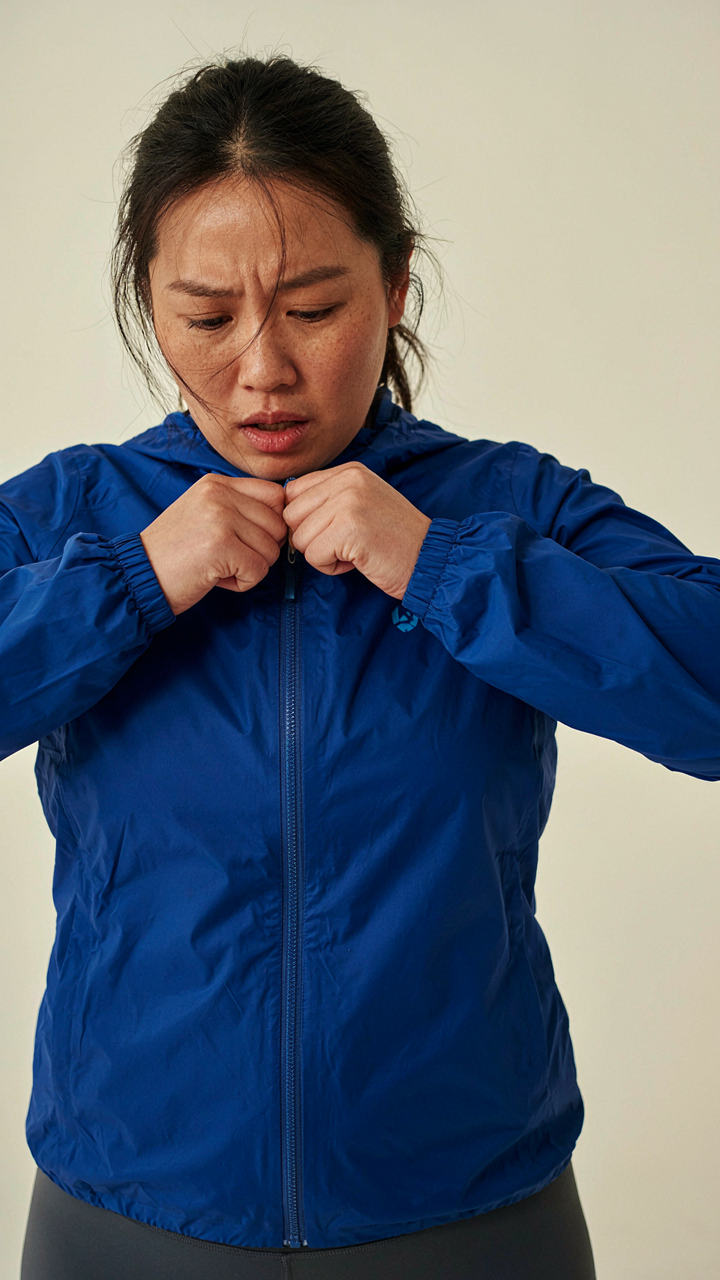
You’re worried people will judge how you look while hiking. Here’s what actually happens: conventional sizing ignores load distribution. Brands design for average body shapes, then pretend one size fits all. A plus-size woman carrying a 20-pound pack needs different fabric placement than the model in the size chart. Seams pull. Armholes choke. Fabric bunches where it shouldn’t. The garment fails because it was never engineered for your actual mechanics.
Standard hiking apparel assumes torso proportions that don’t match most plus-size bodies. Sleeve length, shoulder width, and rise measurements compound the problem. Manufacturers use one scaling formula across all sizes, stretching patterns instead of redesigning them. This creates gaps at closures, excess fabric in wrong zones, and pressure points that cause chafing. The fit isn’t unflattering. It’s broken. Flattering is irrelevant when the basic architecture is wrong.
Utility Dictates Every Design Choice

Function and appearance are not competing priorities on a trail. Apply the engineering principle of constraint optimization here: given a fixed problem space, the tightest solution wins. Your body is the constraint. The trail conditions are the problem. Fabric choice, seam placement, and pocket architecture must solve for heat management, moisture movement, and pack compatibility first. Aesthetics follow. They never lead.
Conventional outdoor advice prioritizes coverage over performance. That’s marketing. A hiking outfit works when it moves sweat away, prevents chafing under load, and stays secure in weather. Loose fabric catches wind and creates drag. Tight fabric restricts breathing and movement. The garment needs to fit your actual proportions so it can do one job: keep you functional. When utility is the design driver, the outfit stops fighting your body and starts working for it.

Beyond The Label: Prioritizing Performance Fabrics
Moisture Wicking Synthetics: The Unsung Hero Of Comfort
You’re buying hiking gear because you want permission to believe your body won’t betray you on the trail. The real mechanism is this: sweat cools your skin through evaporation, but only if moisture leaves your fabric instead of sitting against your body. Cotton absorbs sweat and holds it. Synthetic fibers like polyester and nylon push moisture outward, away from skin, where air can evaporate it faster. This is basic thermodynamics applied to your layers.
Merino wool occupies a middle ground, wicking moisture while regulating temperature better than pure synthetics. For plus size women on summer trails, the fabric choice directly determines whether you stay comfortable or spend six hours damp and frustrated. Moisture-wicking isn’t marketing noise. It’s the difference between managing your core temperature and overheating under body mass and direct sun exposure.
Breathability And Quick Drying Properties Explained
Most advice says “choose breathable fabrics” and stops there, which is useless because every material claims breathability now. The actual mechanism matters: breathability measures how fast air moves through fabric structure, while quick-drying measures how fast water evaporates from it. These are not the same thing. A fabric can breathe but hold water. You need both properties working together.
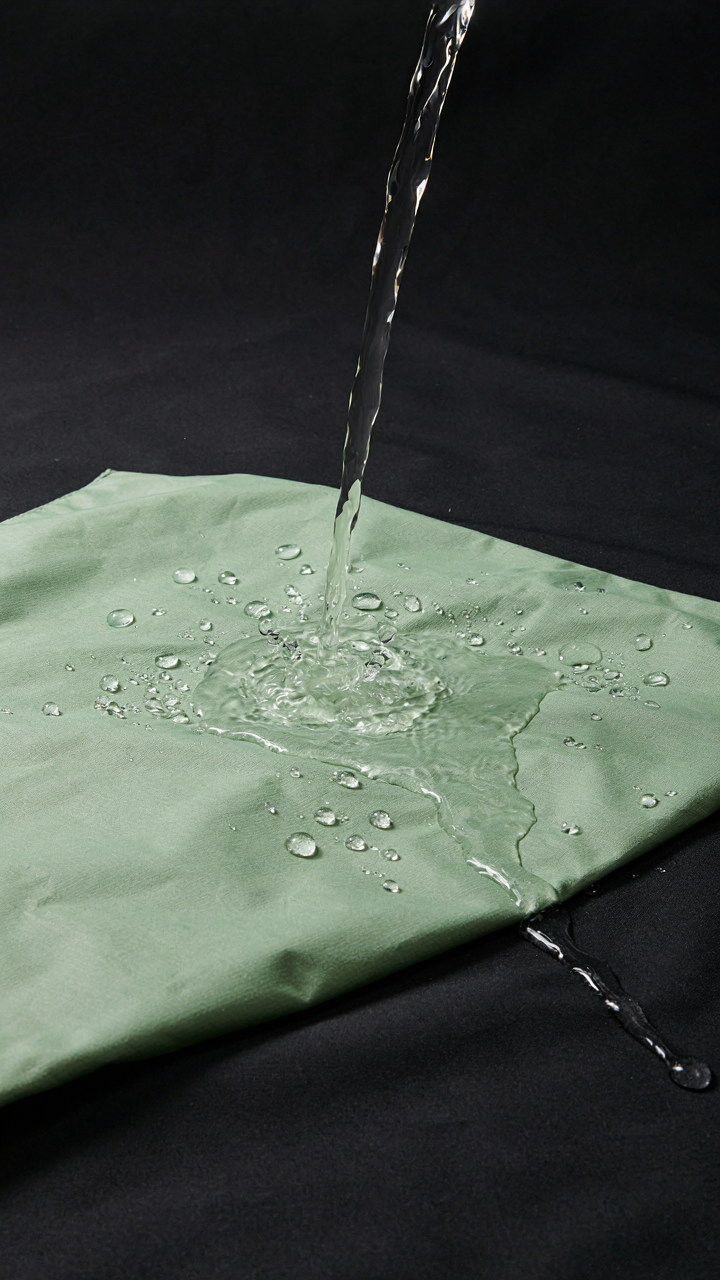
Look at fabric weight and weave pattern, not marketing language. Lightweight synthetic blends with open weaves dry fastest. Test by pouring water on a swatch and timing evaporation. On a four to six hour hike in summer heat, fabric that dries in thirty minutes versus two hours changes whether you’re chafed at the summit or comfortable. Choose synthetics with flat seams to reduce friction points where moisture accumulates on plus size bodies carrying extra surface area.
The “Adaptive Layering” Protocol For Plus Size Hiking
Start With Moisture Management, Not Fashion
You’re worried base layers won’t fit right or worse, that they’ll draw attention to your body. That fear is backwards. The real mechanism is thermodynamic: your body generates heat through exertion, sweat evaporates from skin, and if moisture stays trapped against you, hypothermia starts even on warm days. Base layers work by moving sweat away from skin to the next layer, not by looking a certain way.
Merino wool and synthetic blends beat cotton because they don’t absorb water and hold it. Cotton absorbs sweat, stays wet, and drops your core temperature. For plus size bodies generating more surface area under exertion, this mechanic matters more, not less. Buy base layers one size up from your normal fit. Tight layers restrict blood flow and trap heat instead of wicking it. Fit matters before brand.
Protection From Weather Beats Everything Else
The common advice treats outer layers as style choices. Wrong. Your outer layer is a barrier against wind chill, UV damage, and rain. Physics doesn’t care about your size. A 200-pound woman loses heat to wind the same way a 150-pound woman does, except her body generates more absolute heat to begin with, which changes how fast you actually need ventilation.
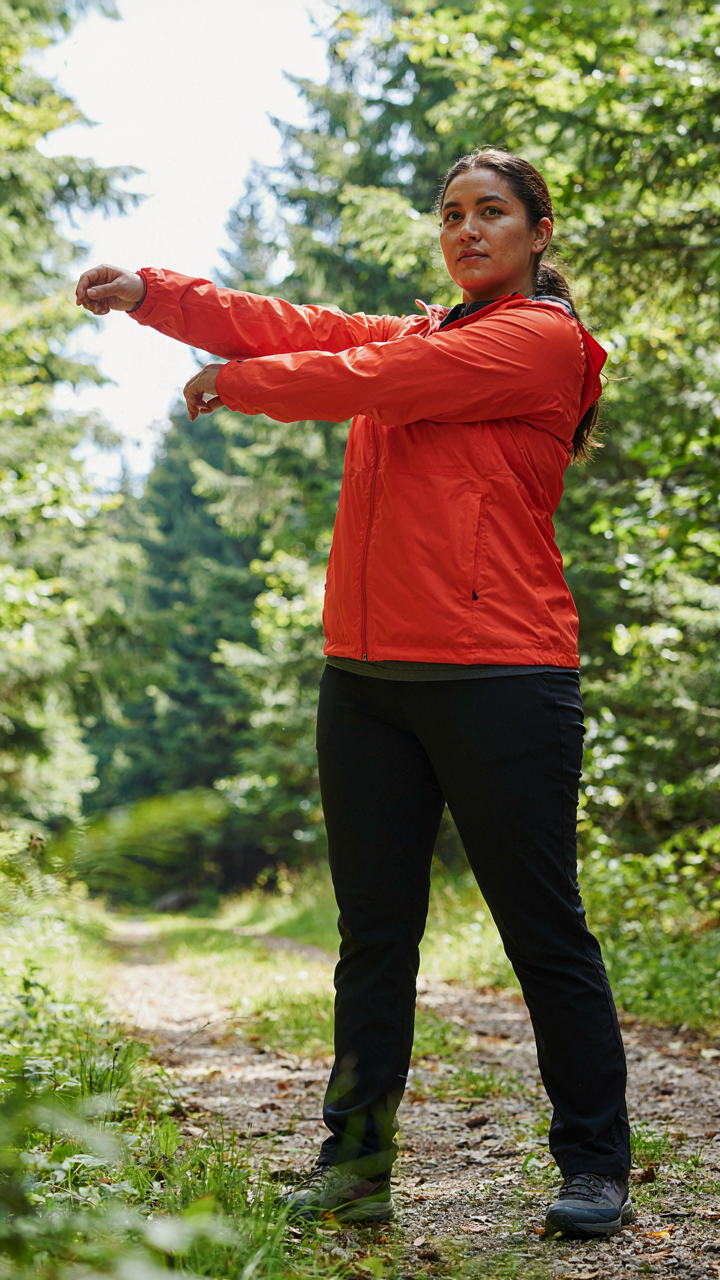
Pick a rain jacket sized to your actual torso measurements, not your regular clothing size. Brands now make extended sizing in technical fabrics. The jacket needs to move when your arms move forward and back while hiking. Test it by doing a hiking motion in the store. Your outer layer should never restrict your shoulders or pull tight across your back. A jacket that binds will make you shed it early, defeating its purpose entirely.
Footwear: Your Foundation For The Outdoorsy Girl
Weight Distribution Across Unstable Terrain
You want your feet to hurt less and look less clunky doing it. The real issue is biomechanics: your body weight needs stable distribution across an uneven surface, and a plus-size frame demands this more aggressively than lighter hikers. Think of it like load-bearing architecture. A foundation built for 130 pounds fails when you add 50 more. Your ankle, arch, and heel need engineered support, not just cushioning. Summer heat makes this worse because swelling increases pressure on poorly fitted boots.
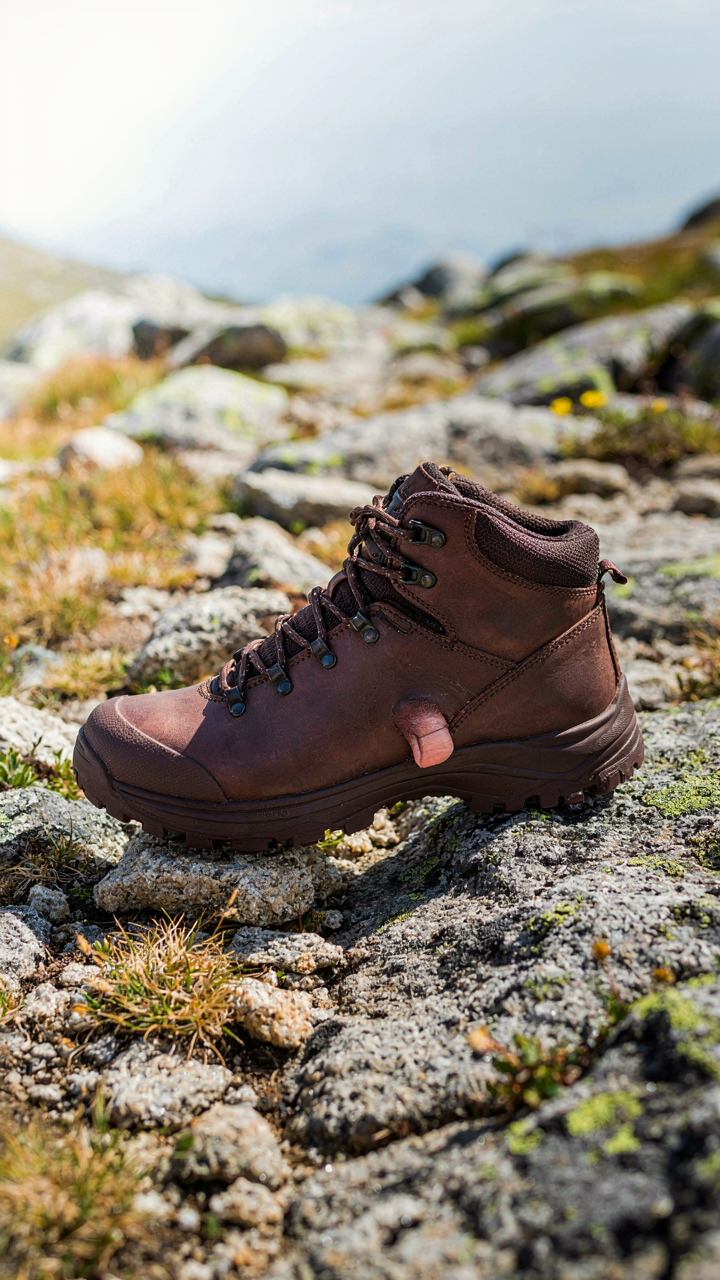
Most hiking boot advice ignores this entirely. Standard recommendations work for average body weights on maintained trails. For plus-size women on variable terrain, boot selection becomes load engineering. You need midsole stiffness that resists foot fatigue midway through day two. Ankle collar height matters less than how the boot’s overall structure handles lateral forces when your full weight shifts on a rock. Start fitting boots in the afternoon when your feet have swelled slightly, mimicking mile eight of an actual hike.
The Parts That Actually Control Your Experience
A hiking boot is five components doing one job: transfer your weight safely to the ground. Forget the marketing around “cushioning” and “breathability” as primary features. The midsole thickness and material determine whether your arch collapses by hour four. Lugs on the sole need depth that bites into soft ground and rocks, not shallow treads designed for mall walking. The heel cup either locks your foot in place or lets it slip with every downhill step, and slipping burns energy and causes blisters.
The upper material matters less than the stiffness underneath it. Leather breathes poorly in summer. Mesh lets air through but offers no protection against debris and stone bruises. Hybrid uppers split the difference. What actually protects your feet is a rigid shank under the arch and a heel counter that prevents side-to-side motion. When testing boots, press your thumb into the arch area. If it compresses easily, the boot will fold under load. Stiffness you feel in the store translates directly to stability on mile six of a mountain trail.
Accessories: The Unseen Force Multipliers For Plus Size Hiking Outfit Summer
Every Item Serves One Mission
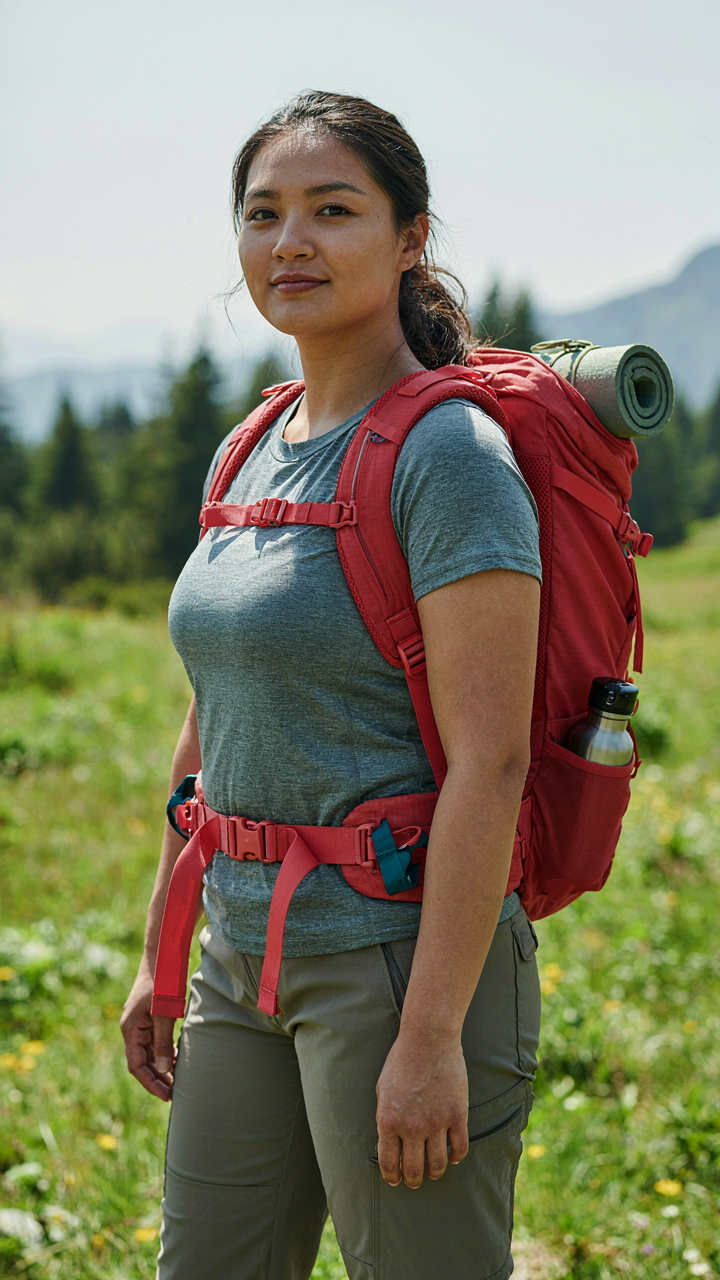
You want accessories to make you look intentional on the trail. But that’s not why they matter. Accessories exist to solve friction points your body encounters in heat and movement. Borrow from military logistics: soldiers strip packs down to load-bearing essentials because every ounce creates fatigue. Your accessories work the same way. Each one removes a specific problem or prevents a failure point. A hat doesn’t just shield your face. It regulates core temperature and prevents sweat from dripping into your eyes during sustained effort. A pack hip belt transfers weight from your shoulders to your pelvis, where larger frames distribute load more efficiently. Without intentional accessory selection, you’re hiking with unnecessary drag built into your system.
The common advice treats accessories as decoration or afterthoughts. Wrong. They’re infrastructure. Start by identifying where your body experiences friction during summer hiking: neck and shoulders from sun exposure, wrists and forearms from sweat pooling, waistband area from pack movement, feet from moisture and heat. Then select accessories that address those exact points. A merino wool neck gaiter wicks sweat and dries fast. A structured pack with proper straps prevents chafing at your waistline. Lightweight gloves with silicone grip keep your hands from sliding on trekking poles when wet. Each choice removes one failure mode.
Strategic Packing Burns Fewer Calories
Energy conservation during summer hiking means reducing the weight your muscles move vertically and horizontally. This is biomechanics. Accessories that clip to your pack or belt instead of dangling from your hands lower your center of gravity and improve balance on uneven terrain. A trekking pole holder keeps poles from swinging. A small crossbody bag for essentials prevents you from reaching back into your main pack repeatedly, which burns extra calories and disrupts your stride rhythm. Hydration systems that integrate into your pack structure stay stable during movement.
Pack your accessories into zones within your main pack: sunscreen and lip balm in a front pocket for quick access, first aid in a side pocket, rain layer in the top. This reduces rummaging time and keeps your core temperature stable by preventing constant backpack opening. Attach heavier items like extra water to the pack’s hip belt, not the shoulder straps. Secure smaller items like bug spray and a headlamp with carabiners so they stay accessible without adding weight to your hands or wrists. The goal is zero wasted motion from start to finish.
Debunking The Instagram Plus Size Hiking Aesthetic
Function Over Filter
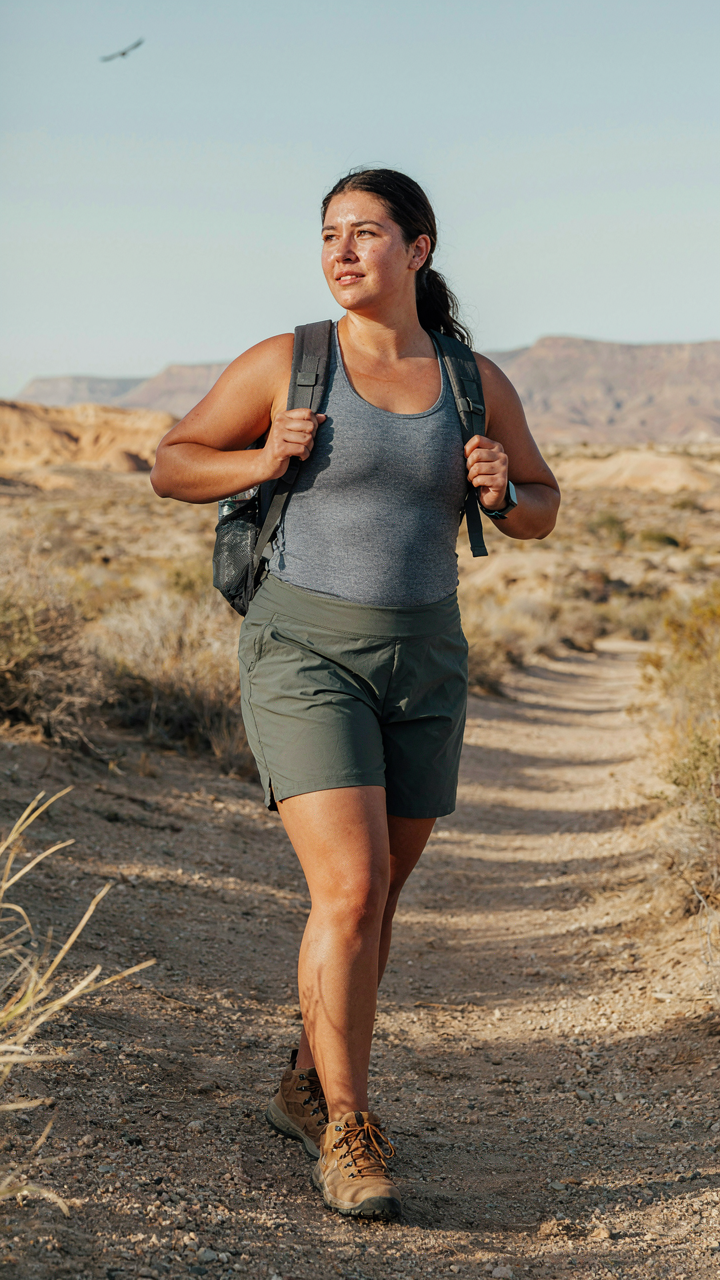
You care about this because you want proof that you belong on the trail without looking like you’re trying too hard. The mechanism is simple: Instagram aesthetics reward polish, but hiking rewards durability. Most plus size hiking content you see online prioritizes how an outfit photographs in golden hour over how it performs at mile three in ninety degree heat. That’s the gap. Real hiking outfits solve problems. Posed ones solve insecurity.
The disconnect starts with fabric choice. Instagram-optimized hiking fits use lightweight, colorful technical fabrics that photograph crisp and clean. Actual summer hiking in a plus size body demands moisture-wicking that stays effective when you’re sweating through a climb. You need seams that won’t chafe after four hours, not seams that look good in a static shot. The gear that performs never gets the engagement because sweat stains and wrinkles don’t trend.
Built For Movement, Not Moments
The real issue with staged hiking content isn’t vanity, it’s opportunity cost. Every minute spent positioning for a photo is a minute you’re not moving, cooling down, or managing your actual comfort. Authenticity on trail means your outfit choice reflects your real terrain, duration, and fitness level, not what hashtags perform well. When you build an outfit for function, the aesthetic follows naturally because problem solving produces coherence.
Pick gear based on your specific hike: distance, elevation gain, water access, sun exposure. A six mile forest trail with shade needs different layering than an exposed ridge climb. Your body’s cooling demands matter more than color coordination. The plus size hiking outfits that actually work look utilitarian because they are utilitarian. That’s the only aesthetic that matters on the trail.
Beyond The Summer Hiking Outfit Women: Chafing Prevention Strategies
The Products That Actually Work
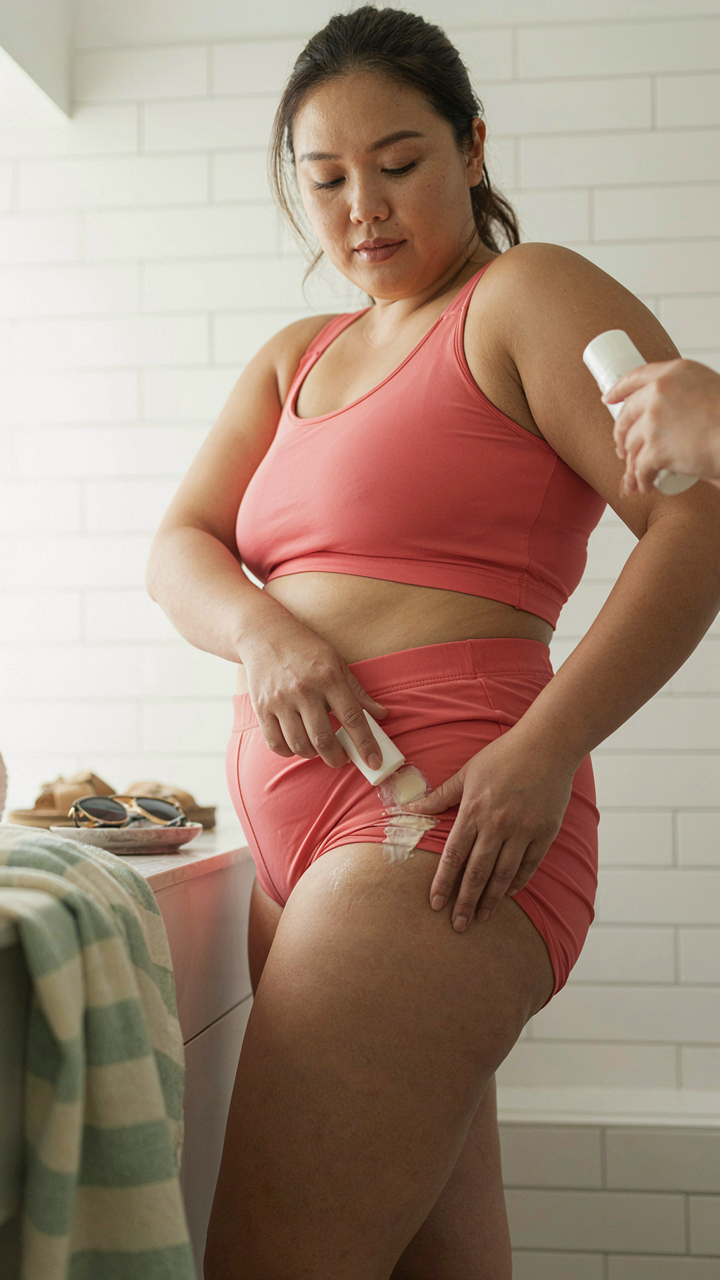
You’re reading this because you’re tired of abandoning hikes early or spending the next week in pain. The real mechanism: chafing happens when moisture combines with friction over repeated miles. Skin breaks down fastest where sweat pools and fabric bunches. Anti-chafing products interrupt this cycle by creating a moisture barrier or reducing friction directly. You need them because the outfit alone won’t solve this problem.
- Body Glide or similar petroleum-based balms: Apply to high-friction zones before departure. Creates a slick barrier that resists sweat breakdown. Reapply after water crossings or heavy perspiration.
- Chamois cream (cycling-grade): Designed for repetitive motion over hours. Contains ingredients that reduce friction better than general moisturizers. Works especially well on thighs and under sports bras.
- Powder-based options like Gold Bond: Absorbs moisture rather than creating a barrier. Choose this when you prefer dry-feel products or hike in extremely humid conditions. Some people layer it with balm for dual action.
- Compression shorts with built-in gussets: Technical shorts prevent fabric from shifting and bunching. The gusset design eliminates seam placement in problem areas. Wear these under your hiking shorts for stability.
- Moisture-wicking underwear (merino or synthetic): Cotton holds sweat and accelerates skin breakdown. Technical fabrics dry faster and create less friction. Replace cotton entirely for hikes over 5 miles.
Apply your chosen product 15 minutes before you start moving. The timing matters because you need the barrier set before sweat production spikes. Reapply every 4-5 miles or immediately after water crossings. Most people skip the reapplication and wonder why they chafed at mile 8.
Fabric Selection Cuts Friction At The Source
Physics calls it coefficient of friction: the resistance between two surfaces in motion. In hiking, that’s your skin rubbing against fabric with every stride. Most women’s plus-size hiking clothes use heavier cotton blends that hold moisture and increase this coefficient. Synthetic blends and merino wool actively reduce it by drying faster and creating smoother surfaces against skin.
Polyester and nylon dominate technical hiking wear because they shed moisture quickly and resist pilling from friction. Merino wool outperforms synthetics in odor control and temperature regulation but costs more. The common advice to just “pick breathable fabric” misses the point: you need fabrics that actively dry, not just breathe. Blend composition matters more than any single feature. Look at the tag. If it says 85% polyester or higher, friction stays low. Below 70% synthetic content in your main layers, you’re fighting moisture retention during the hike.
Investing In Durability: A Long Term Outdoors Strategy
The Real Cost Of Replacement
You want cheap gear because you’re afraid buying expensive stuff means you’ll quit hiking and waste money. That’s the actual reason. Here’s what happens instead: budget gear fails faster, forces replacement cycles, and tanks your total spend over three years. Economics calls this the cost of ownership. For plus-size hiking wear, it’s the difference between replacing shorts annually versus once every five years.
Cheap fabrics lose elasticity after 20 to 30 washes. Seams split because manufacturers cut corners on thread quality and stitch density to hit price points. A $40 pair of hiking shorts becomes unwearable before summer ends. A $120 pair stays functional through repeated seasons if you maintain it. The math is simple: one replacement costs less than three cheap replacements.
Construction Details That Actually Matter
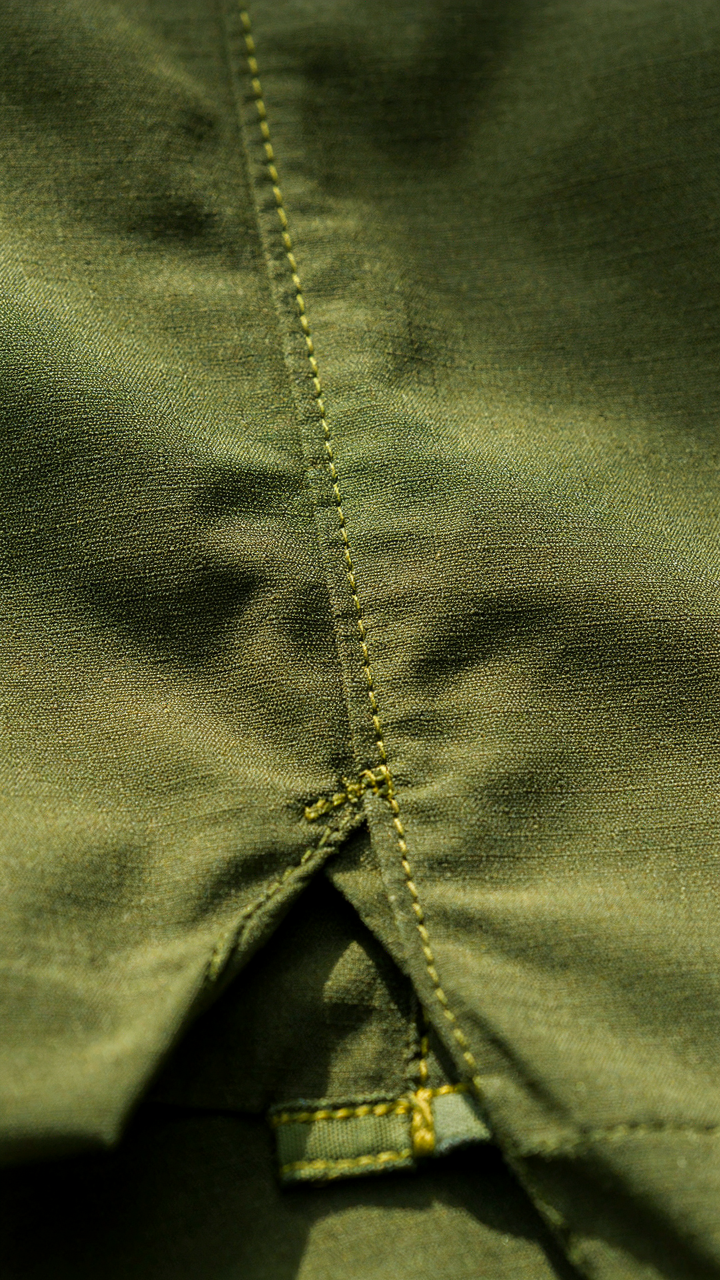
Ignore marketing language about “premium quality.” Look at specific construction markers instead. Double stitched seams on high stress points (crotch, armholes, waistbands) hold under load. Flat-felled seams distribute tension better than simple overlocked edges. For plus-size fits, this matters more because weight distribution creates extra stress on seam lines.
Check fabric weight in ounces per square yard, not brand claims. Nylon and polyester blends between 5 to 7 ounces work for summer hiking without overheating. Reinforced gussets in shorts add durability where thighs meet fabric. Examine zipper construction: YKK zippers outlast budget alternatives significantly. Before buying, pull seams gently, flex the fabric at stress points, and inspect where color gets applied. This 90-second audit reveals whether gear will survive a full season.
The Unspoken Rules Of Confidence On The Trail
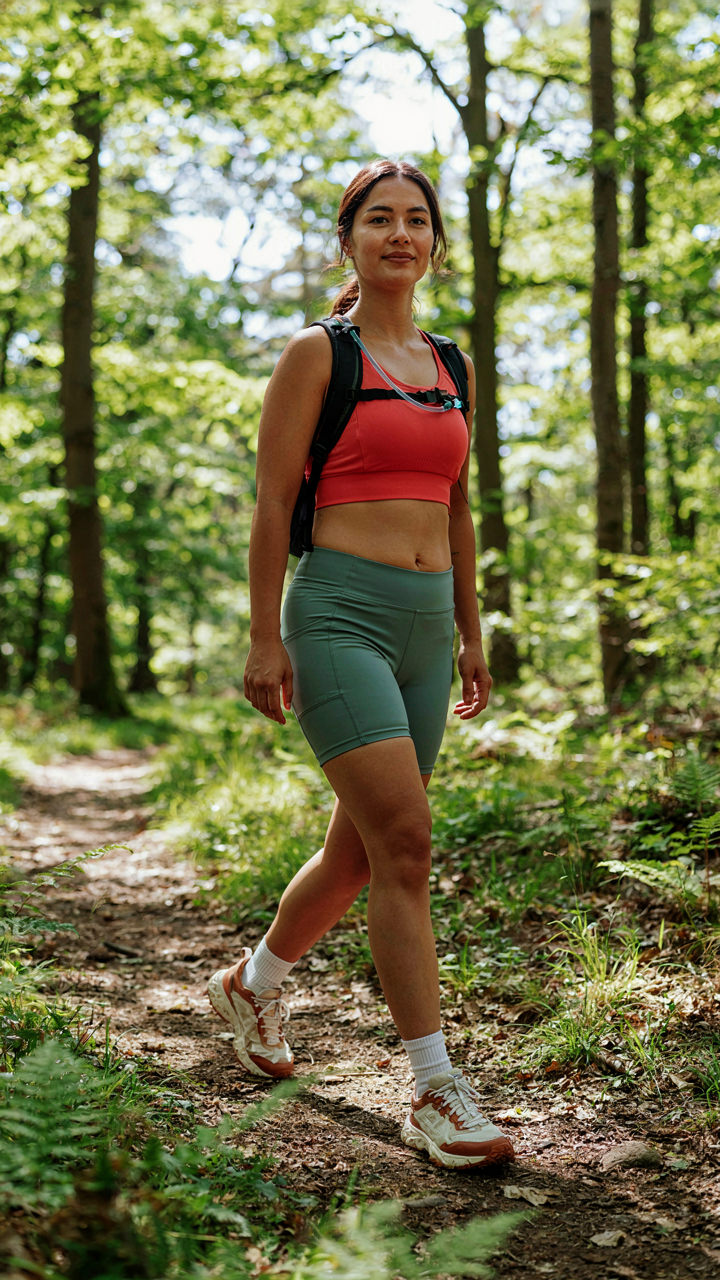
The Trail Doesn’t Care What You Look Like
You’re reading this section because you’re afraid the wrong outfit signals something about your body to strangers on a hiking trail. Here’s the mechanism: that fear isn’t about the clothes. It’s about whether you believe you belong there. The trail has no opinion on your size. Other hikers barely register you exist. What registers is whether you move like someone who knows what they’re doing. A well-fitted moisture-wicking shirt in the right size, proper support bra, and shorts that don’t ride up accomplishes one thing: it removes the distraction that keeps you focused on your body instead of the hike.
Confidence stems from elimination of friction, not positive thinking. When your shorts fit your actual waist and thighs, you stop adjusting them every ten minutes. When your bra provides real support for your frame, you stop thinking about support. When your shirt doesn’t cling or bunch, you move without self-consciousness. This isn’t psychology. It’s physics. Reduce the variables pulling your attention inward, and attention flows outward to the trail, the climb, the view. That’s where confidence lives on a hike.
Discomfort Has A Ceiling You Control
The common advice says “embrace discomfort” as if all discomfort teaches the same lesson. It doesn’t. Blisters from shoes that don’t fit your foot teach you nothing except that your shoes don’t fit. Heat rash from fabric that traps moisture teaches you nothing except that fabric choice matters. These aren’t growth moments. They’re preventable failures. Real growth on the trail happens when you’re uncomfortable in ways that have nothing to do with gear: steep elevation gain, mental fatigue, or pushing past a distance you’ve never hiked before.
The protocol is simple: eliminate all discomfort caused by poor fit or material choice before the hike. Wear moisture-wicking fabrics that pull sweat away from skin. Choose shorts and pants with adequate rise and thigh room so seams don’t create pressure points. Use a bra engineered for high-impact activity with actual support, not just aesthetic coverage. Once gear friction disappears, the remaining discomfort has purpose. It strengthens your legs, builds endurance, and proves to yourself what your body can do.
The Real Obstacle Isn’t Finding The Right Outfit, It’s Shedding The Mental Baggage Of Societal Expectations
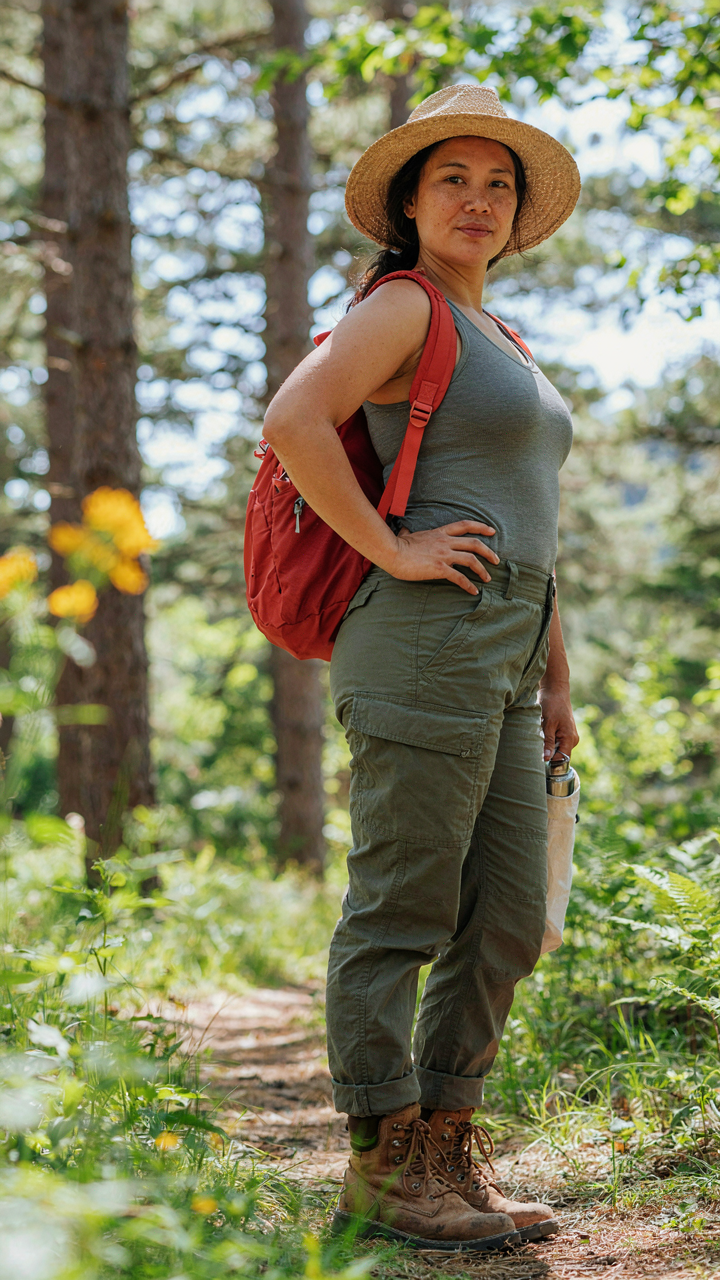
You don’t need permission to take up space on a trail. The outfit matters less than the decision to stop waiting for your body to earn the right to move. Pick one hike this week, buy or borrow one piece of gear that fits you now, and go. Stop negotiating with yourself about whether you deserve this. The trail doesn’t care what you weigh, and neither should you.