
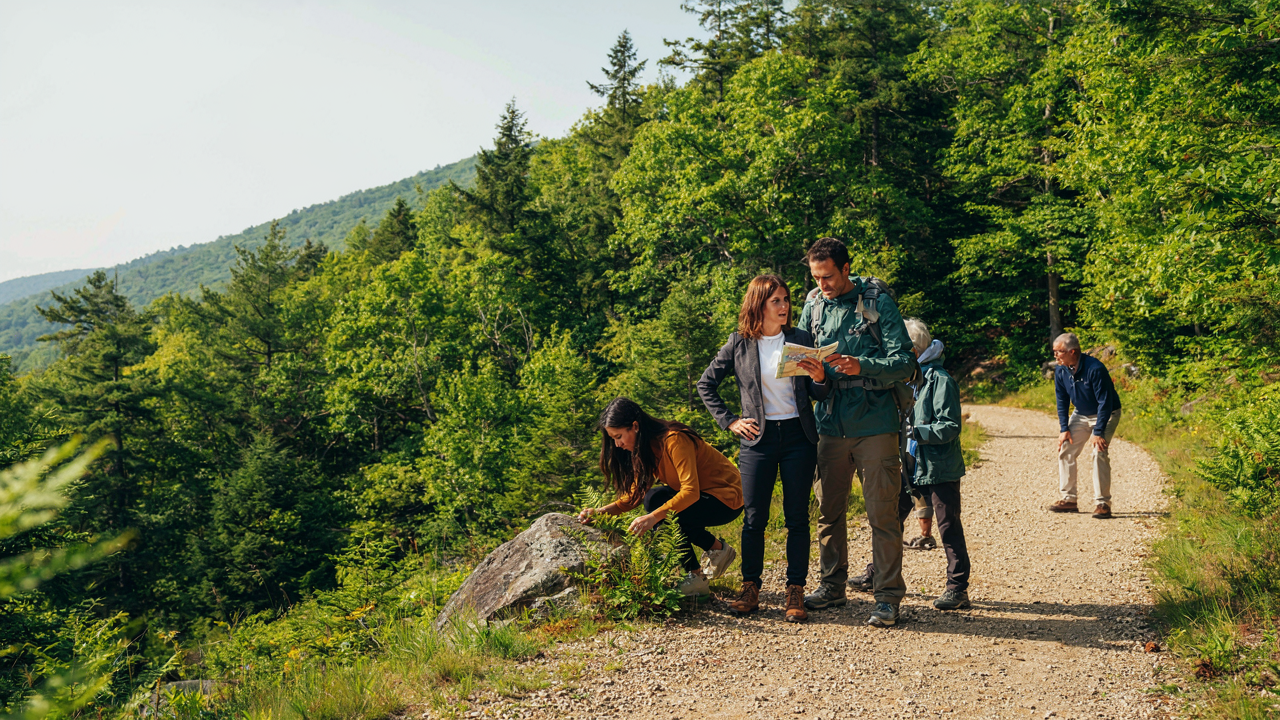
The Layering Fallacy: Why More Isn’t Better For Hot Weather
Minimalist Layering: Heat Dissipation, Not Accumulation
You think layering protects you. It doesn’t on a hot trail, it just delays failure. Thermodynamics works against bulk: your body generates heat, layers trap it, and sweat pools instead of evaporating. For petite women on summer hikes, this matters more because smaller body mass heats faster and cools slower relative to surface area. Two thin, breathable pieces beat four “versatile” ones every time.
Strip down to a single moisture-wicking base and stop there unless shade disappears. Cotton holds sweat against skin. Synthetic or merino moves moisture outward so it evaporates and cools you. A lightweight overshirt lives in your pack, not on your body. Deploy it only at elevation or when the sun drops. Most hikers carry dead weight uphill to feel prepared instead of staying cool to actually perform.
Strategic Ventilation In Hot Weather

Ventilation isn’t a feature, it’s the system that keeps core temperature stable. Every seam, sleeve, and hem placement either accelerates air flow or blocks it. Petite women need tighter fits than standard sizing provides, but tight doesn’t mean sealed. Racerback tanks and fitted sleeves prevent flapping that traps warm air in pockets. Pit zips aren’t luxury—they’re dump valves for the heat your body can’t shed otherwise.
Fabric weave matters as much as fiber type. Loose weaves breathe, tight weaves suffocate. Check the garment tag for construction details standard retailers ignore. Buy from brands that specify breathability metrics or test in humid conditions before committing. Once on trail, unzip everything possible within the first ten minutes. Your comfort threshold drops fast at elevation, but by then overheating already slowed your pace.

Fabric: Your Unseen Shield Against The Elements (And Bad Advice)
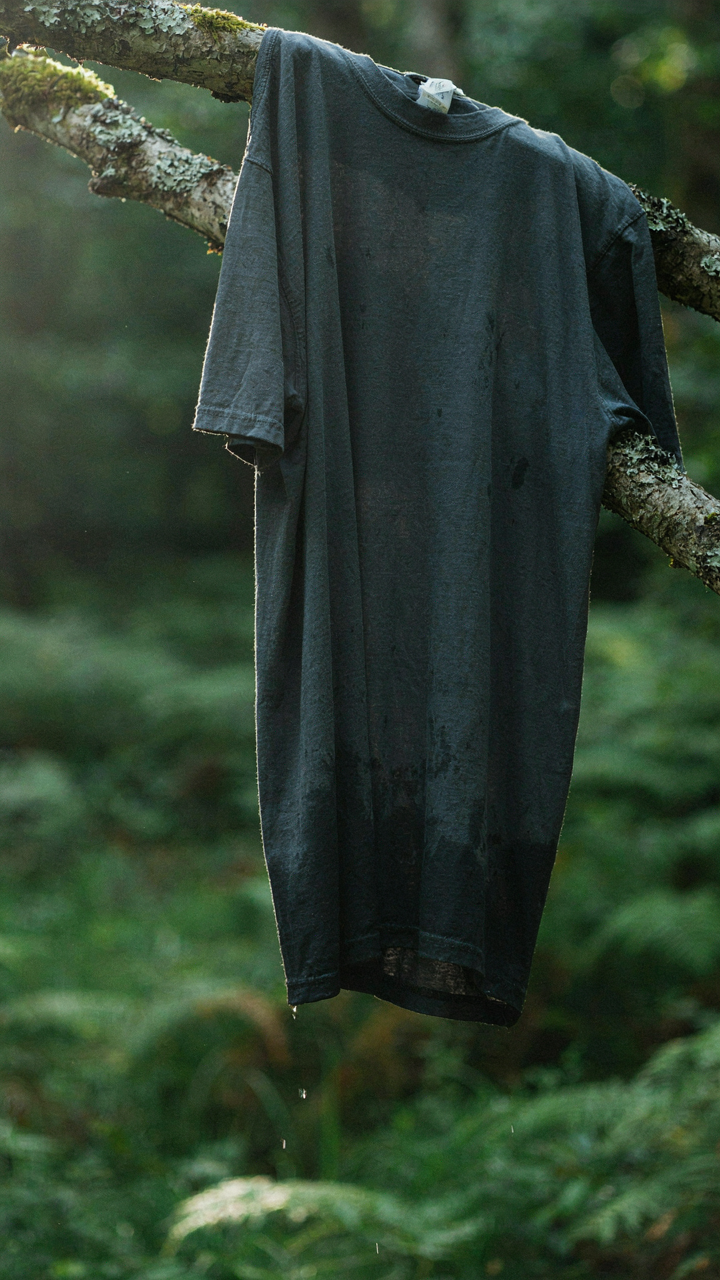
Why Cotton Fails On The Trail
You want to believe cotton is safe because it’s natural and comfortable at home. It isn’t. Cotton absorbs sweat, holds it against your skin, and dries slowly—a thermodynamic liability when temperature swings matter. On petite frames, this problem compounds: less body mass means faster core temperature drop, and cotton amplifies that risk by trapping moisture instead of moving it away.
Synthetic fabrics like polyester and nylon function as moisture-wicking materials because they repel water rather than absorb it. Your sweat moves through the fabric to the outer surface where it evaporates, keeping skin dry and regulating temperature. For petite women hiking in summer heat, this isn’t a luxury—it’s the mechanism that prevents both heat exhaustion and the chills that follow when you stop moving. Choose synthetics or merino wool blends. Cotton has no place in your pack.
Sun Protection Is Woven Into Fiber, Not Applied After
Fabric density and fiber type determine UPF rating, not marketing claims. Tightly woven synthetics naturally block UV better than loose weaves because less light passes through the gaps. A lightweight polyester shirt with a tight weave will outperform a heavier cotton garment rated for “sun protection” because the protection lives in the construction itself, not a chemical finish.
For petite women, this matters twice: fitted garments in high-UPF fabrics eliminate excess material that adds bulk without function, and tight weaves don’t require re-application or washing to maintain effectiveness. Seek fabrics with UPF 50+ ratings on labels—this indicates the weave blocks at least 98 percent of UV rays. Long sleeves in synthetic blends outperform tank tops plus sunscreen in terms of reliability and cooling efficiency during sustained hiking.
The Proportionality Principle: Dressing For Performance, Not Scale

Fit Over Size Avoiding Bagginess And Snagging
You want to look intentional, not like you’re wearing hand-me-downs. That’s the real fear driving this question. Here’s the mechanism: fabric volume creates two problems on the trail. Excess material catches on branches and gear. Loose fabric also pulls moisture away from your skin instead of against it, breaking the thermal regulation chain that keeps you stable on long climbs. Petite frames need fitted cuts, not downsized versions of standard designs.
Most outdoor brands cut their petite lines with the same proportion ratios as their regular sizes, just smaller. That’s lazy engineering. You need gear where sleeve length doesn’t extend past your wrist when your arm bends, where the torso hits at actual waist placement, and where hem breaks at mid-calf, not ankle. Fitted doesn’t mean tight. It means the garment’s dimensions match your actual dimensions, so nothing moves independently from your body during movement.
Hemming And Tailoring A Non Negotiable Step
The common advice says buy petite-specific brands and move on. That’s incomplete. Even petite lines miss because inseams and sleeve lengths follow averages within the petite range. You’re not an average. Tailoring is the difference between gear that works and gear that tolerates you. A tailor charges fifteen to thirty dollars to hem hiking pants. That’s insurance against twisted ankles from excess fabric bunching in your boot and against material snagging on rock edges.
Start with inseams. Hiking pants should land at the top of your boot, not cover it. Have excess length removed before your first wear. Sleeves on technical shirts should end at your wrist bone, not your knuckles. This isn’t cosmetic. Proper length means nothing catches, nothing tangles, and you maintain full range of motion without fighting fabric. Get two or three pieces tailored each season. It compounds into a functional kit that actually matches your biomechanics.
Footwear Foundation: The Unsexy Truth About Trail Stability
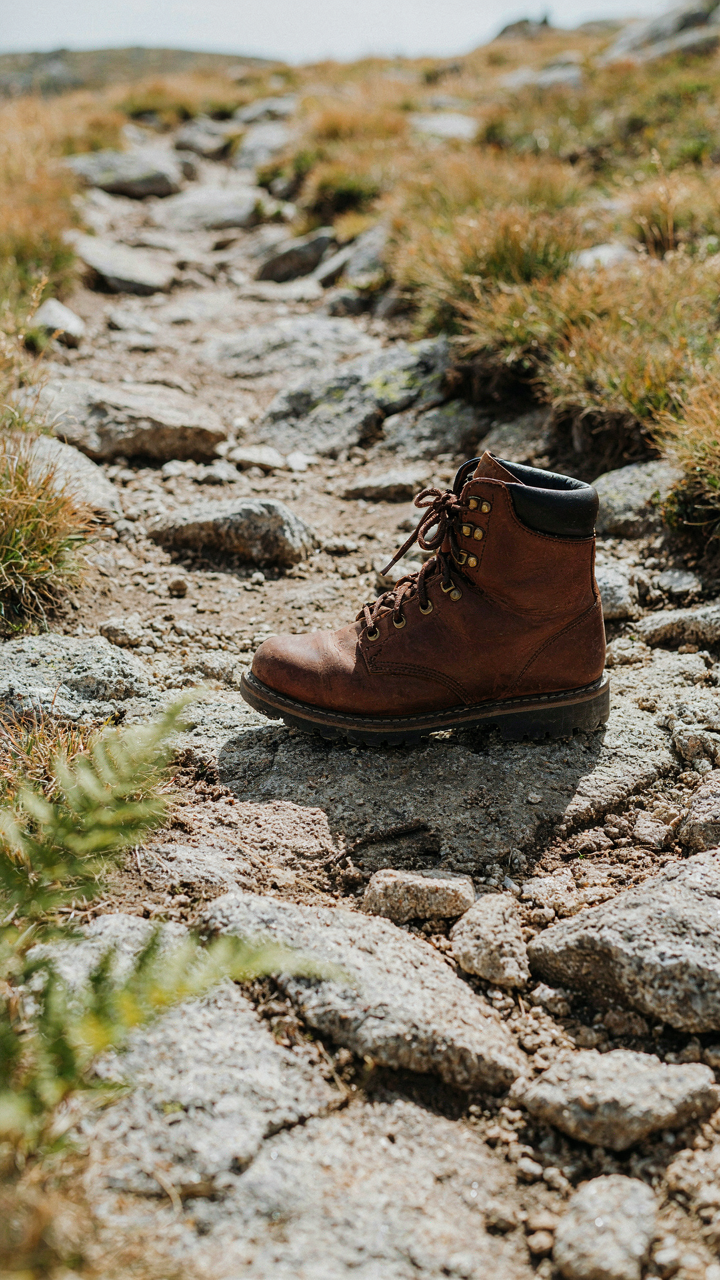
Ankle Support Versus Lightweight Agility
You want to believe a lightweight shoe will make you faster and smarter on the trail. It won’t. Biomechanics tells us that ankle stability is a load distribution problem: petite women carry the same body weight through a smaller surface area and shorter lever arm, which means your ankle absorbs proportionally more torque per step. A weak ankle shoe doesn’t make you nimble. It makes you vulnerable.
The real choice isn’t between heavy boots and light shoes. It’s between shoes engineered for your specific load profile and shoes that pretend physics doesn’t exist. Low-cut trail runners work for petite hikers on smooth, well-maintained terrain. On technical ground with rocks and roots, a mid-cut shoe with a reinforced heel counter and lateral shank support prevents the ankle collapse that causes sprains. Your shoe choice depends entirely on trail difficulty, not on aspirational speed.
Sock Choice: Blister Prevention Is Non Negotiable
Blister formation is a friction and moisture problem, not a mystery. Merino wool or synthetic blend socks reduce blister risk by 40 to 60 percent compared to cotton because they manage sweat without absorbing it into the fabric, which keeps your skin dry and reduces movement inside the boot. Cotton absorbs moisture, swells, and creates the exact conditions that cause blisters.
The sock weight matters more than the material brand. Midweight hiking socks create cushioning that distributes pressure evenly across your foot and fills the gaps between skin and shoe wall. Lightweight socks compress too much; your foot moves inside the shoe. Wear midweight merino or polyester blend socks on every hike longer than two hours, and change them immediately if they feel damp. Wet socks inside your shoe guarantee blisters within six miles.
The “Wander Outfit” Deception: Function Over Instagram
Pockets And Gear Placement Matter More Than You Think
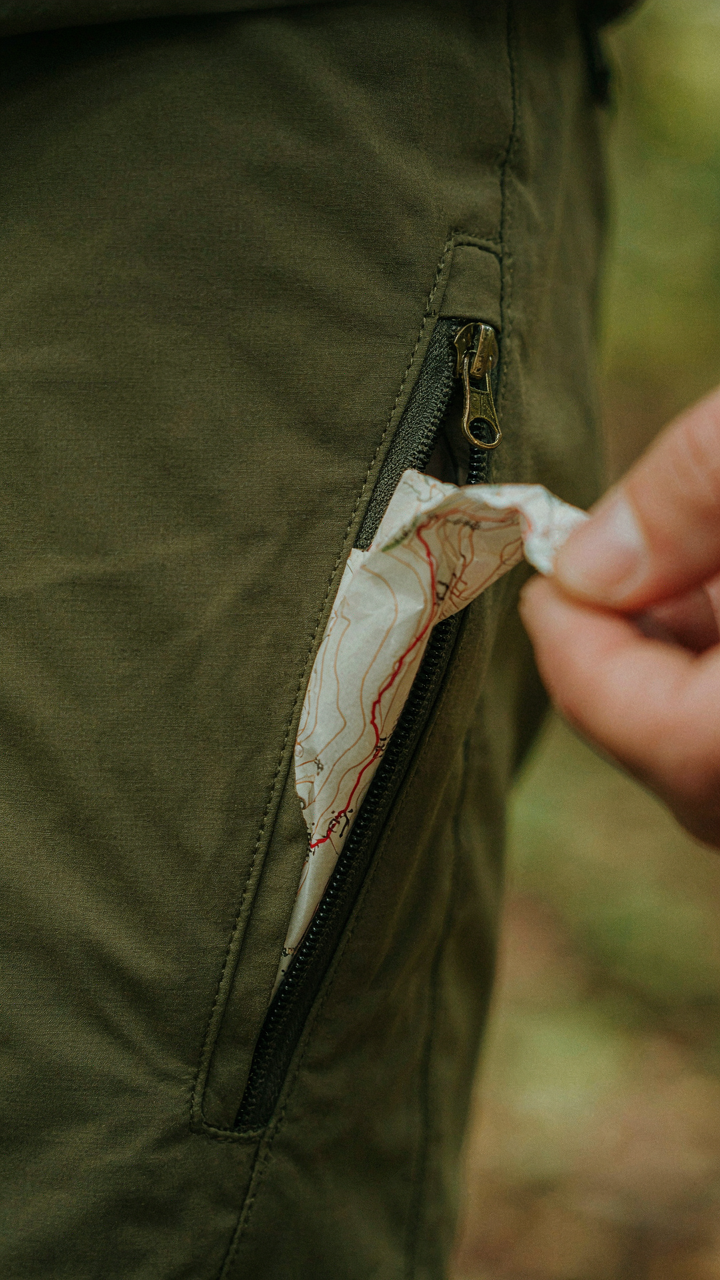
You want your outfit to look intentional and put-together on the trail because you’re worried people will judge your competence based on appearance. That’s the real motive. Here’s the mechanism: pocket placement on petite frames works like load-bearing architecture. A standard hiking shorts pocket sits too low on a shorter torso, forcing your center of gravity down and creating dead space. Shorts and pants designed for petite women position pockets higher, closer to your actual waist, which keeps weight distributed at your center and reduces arm fatigue when reaching for sunscreen or a map.
Secure storage isn’t about having more pockets. It’s about having pockets where your body naturally reaches without breaking stride. Petite-specific cuts place side pockets at hip level rather than mid-thigh, eliminating the reach-down problem that makes you fumble. Zip closures matter more than depth because smaller frames mean smaller carrying capacity. You’re not storing extra gear. You’re storing essentials within arm’s reach and keeping your hands free. Test pocket placement before buying by simulating your actual reach while standing and walking, not just standing still in a dressing room.
Cut Counts More Than Layers
The common advice says layer up for temperature swings. That’s incomplete. The real issue is that standard hiking wear piles volume on your frame, which drowns petite proportions and creates inefficient layering. Fitted cuts trim excess fabric and let you stack layers without looking like you’re wearing a tent. Cropped or petite-length shirts sit at your actual waist instead of hanging past your hips, which prevents the bunching that happens when you bend or reach uphill.
Unnecessary embellishments on smaller frames create visual clutter that reads as chaotic rather than intentional. Extra seams, oversized logos, contrast paneling, and decorative stitching add visual weight without adding function. Solid colors with minimal hardware keep the eye focused on fit and movement. Choose shirts with a single-stitch construction and shorts with flat-front designs. This keeps your outfit reading clean on the trail and ensures you can move without fabric catching on branches or snagging on gear.
Accessory Augmentation: The Force Multipliers For Hot Weather
Headwear: Sun Protection And Sweat Management
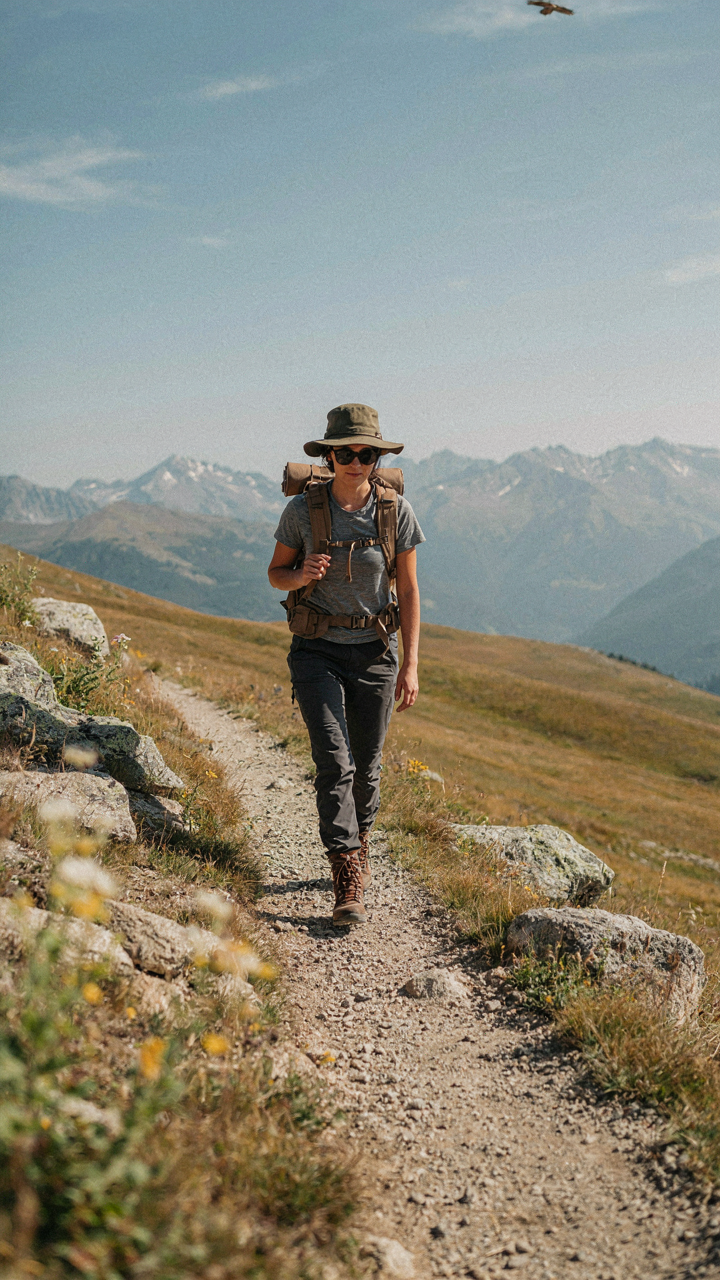
You want the hat to do the work so you don’t have to think about it. That’s the real reason you’re reading this. The mechanism is simple: a petite woman’s smaller head circumference means standard hats slip, shift, and fail under exertion. You need gear scaled to your actual anatomy, not downsized from men’s or unisex inventory.
- Wide-brim hiking hat with adjustable back strap: Keeps sun off face and neck without blocking peripheral vision. The back strap prevents slippage during steep climbs. Look for synthetic materials that dry quickly after sweat exposure.
- Lightweight cap with moisture-wicking sweatband: Lower profile than full brims. Works well for petite frames. The sweatband channels perspiration away from eyes, reducing the need to adjust the hat mid-hike.
- Neck gaiter or buff: Serves double duty as headwear extension and neck coverage. Blocks UV while allowing air circulation. Pack one that compresses small; it adds almost no weight.
- Ventilated trucker or trail cap: Mesh panels on sides and back let heat escape. Reduces the trapped-heat sensation petite hikers experience with oversized standard caps. Fits smaller head shapes naturally.
- Bandana or headscarf: Ties secure without slipping. Provides forehead and scalp coverage. Can be wetted and wrapped for evaporative cooling in extreme heat. Weighs nothing.
Sweat management beats sun protection when you’re moving. A hat that traps moisture becomes a liability on long climbs. Choose materials that shed water fast and dry within minutes, not materials that absorb and hold. The strap matters more than the style. If the hat shifts when you’re breathing hard, you’ll abandon it within two miles.
Hydration Packs Versus Bottles: Strategic Water Carry
The real question isn’t which one is better. It’s which one lets you move the way your body is built. Hydration packs sit higher on a petite frame than on standard-sized hikers. They change your center of gravity more. A backpack that works for someone five foot ten creates a different biomechanical load at five foot two.
Bottles go in external pockets where they stay accessible and don’t shift your load distribution. You reach for them without removing the pack. The downside: they’re harder to sip from while moving, and you have to consciously remember to drink. Hydration packs keep water at mouth level. You sip constantly without thinking. The tradeoff is weight closer to your spine and a higher center of gravity. For petite hikers on rocky terrain, that matters. Test both systems on a two-mile climb before committing to either one for a full day hike.
Color Theory: Blending With Nature (or Standing Out For Safety)
Camouflage Versus Visibility On The Trail
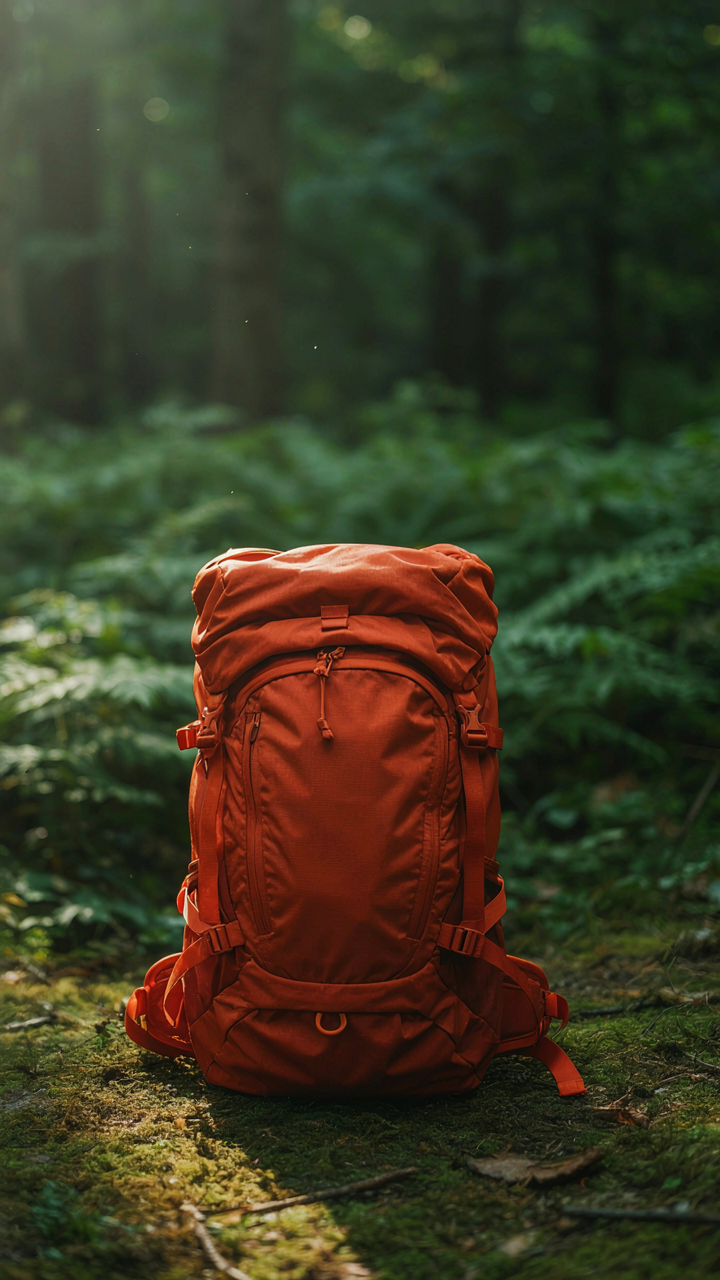
You want to look intentional out there, like you know what you’re doing, instead of like some lost person in neon. But here’s the mechanism: camouflage and visibility serve opposite functions, and the choice isn’t aesthetic—it’s about risk management. Blending with your environment means wildlife won’t track your movement. Standing out means rescuers find you fast if something goes wrong. For petite women on solo or small-group hikes, visibility wins most of the time because your smaller profile already makes you harder to spot from a distance.
Earth tones—olive, tan, rust, muted greens—work for afternoon hikes in established areas where you’ll encounter other people regularly. Bright colors like safety orange, electric pink, or high-visibility yellow belong on trails where you’re alone for long stretches or hiking near hunting season. The real trade-off isn’t between looking “natural” and looking “out of place.” It’s between being invisible to animals and being visible to humans who need to find you. Choose visibility unless you’re on a crowded weekend trail where the crowd itself is your safety layer.
How Color Absorbs And Reflects Heat
Physics governs this more than preference: darker colors absorb infrared radiation while lighter colors reflect it. Dark fabrics pull heat into the material and onto your skin. Light fabrics bounce that energy away. For summer hiking as a petite woman, this matters because your smaller body mass heats up faster and cools slower than larger frames, making thermal efficiency non-negotiable. A dark blue or black shirt on a 90-degree afternoon will add five to eight degrees of perceived temperature compared to white or cream.
This doesn’t mean wear all white and call it solved. White shows dirt, sweat stains, and dust immediately, which creates psychological discomfort that affects your pace and focus. The practical move: choose light neutrals like khaki, stone gray, or pale olive for your core layers. Reserve dark colors for socks and lower legs where the visual impact of sweat and dirt matters less. Pair light-colored breathable synthetic tops with a wide-brimmed hat that shades your face and neck—that single intervention cuts heat absorption more than fabric color alone.
The Kinetic Energy Protocol: Move Like A Predator, Not Prey
Biomechanics: How Clothing Enables Natural Gait
You want to look competent on the trail. But what actually matters is that your clothes don’t fight your body’s mechanics. Biomechanics teaches us about force transfer through joints and muscles, and for petite women on uneven terrain, the principle is simple: restrictive fabric forces compensation patterns that exhaust you faster and increase injury risk.
Most hiking gear brands cut for average frames, which means petite women inherit excess fabric that bunches at joints. This creates micro-friction against your natural stride. Fitted base layers and shorts that taper toward the knee allow your quads and glutes to fire without obstruction. The fabric should move with your body, not lag behind it. Proportional sizing matters more than overall size.
Airflow And Drag Reduction
Here’s what people get wrong about summer hiking: they load up on fabric thinking coverage beats heat. It doesn’t. Fluid dynamics shows us that drag increases with surface area and material density, which means thick, loose clothing actually traps more heat than streamlined fits. For petite frames, this principle is even more pronounced because you have less mass to regulate temperature in the first place.
Lightweight, moisture-wicking fabrics with tight weaves reduce the air pocket layer that slows movement and holds sweat. Choose materials like nylon blends or merino wool that manage moisture without ballooning around your frame. The fit should be snug enough that wind passes over the fabric rather than creating dead zones. This direct contact with moving air becomes your cooling mechanism on exposed ridges.
Beyond The Trail: Adapting Your Mountain Outfit For Post Hike
Fabrics That Actually Transition
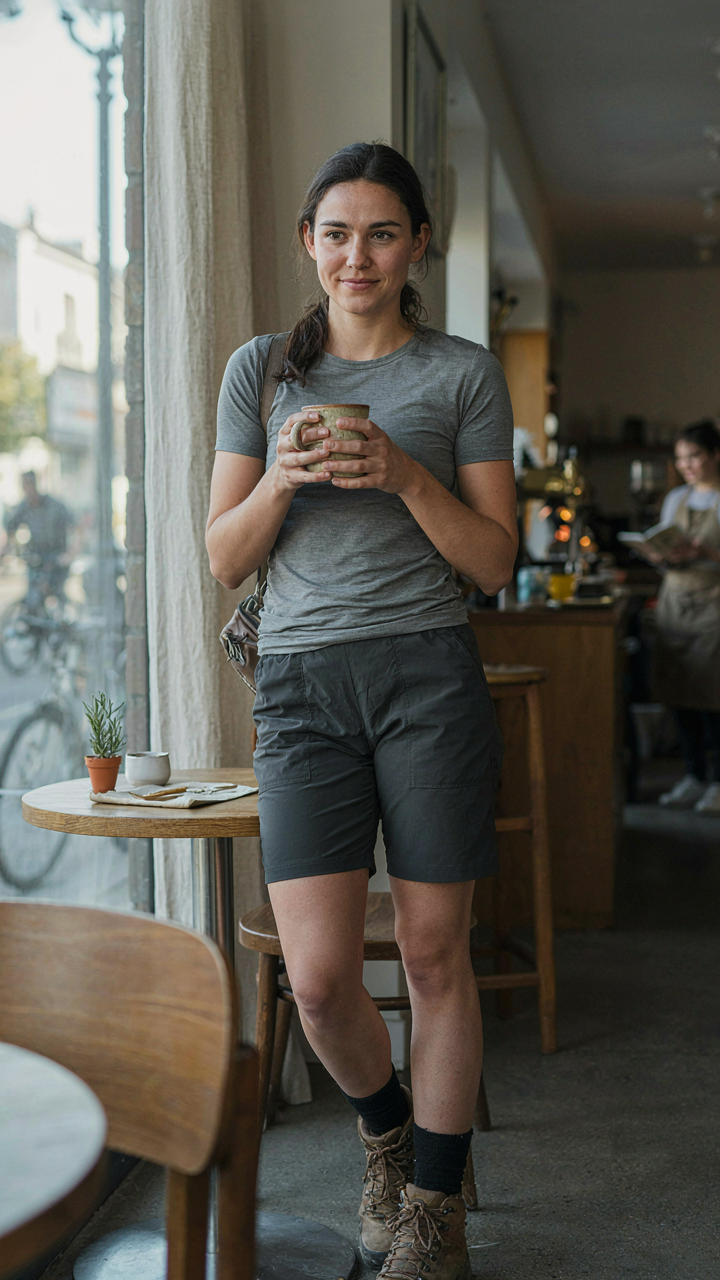
You want to look put-together after a hike because admitting you’re sweaty and disheveled feels like failure. The real mechanism is fabric evaporation rate. Polyester and nylon dry three to four times faster than cotton because their fibers don’t absorb moisture—they let it pass through. A petite woman wearing synthetic blend hiking pants moves directly into coffee or town without that clammy, clingy feeling that screams “I just got off a trail.”
Standard cotton hiking gear keeps sweat against your skin for hours. You’ll sit damp through lunch, which means discomfort compounds into self-consciousness. Choose merino wool blends or polyester-dominant fabrics for your base layer and pants. These materials dry while you’re still moving, which means you transition from hiker to regular person without a wardrobe change.
Strategic Layering For Temperature Swings
Thermal dynamics matter here. When you descend 1,000 feet in elevation, temperature rises roughly 3.5 degrees Fahrenheit, but wind chill and shade exposure create pockets where it drops just as fast. A petite frame has less thermal mass to regulate temperature, so you feel these swings harder than larger hikers do. You need layers you can actually peel off and stuff into a small pack without bulk.
Bring a lightweight synthetic jacket or fleece that compresses smaller than a water bottle. Merino wool mid-layer shirts work because they regulate temperature without adding volume. Avoid cotton long sleeves entirely—they hold moisture and won’t dry before evening temperature drops. When you descend, add the jacket. When you reach the trailhead parking lot, remove it. The mechanism is simple: control temperature in real time by adding or subtracting insulation that doesn’t take up space.
Hot Weather Hacks: The Unconventional Edge For Comfort

Pre Chilled Accessories Stop Heat Before It Starts
You want to feel less hot without looking like you’re trying too hard. The mechanism is simple: thermoregulation works at specific points on your body where blood vessels sit close to skin. Target those zones and you drop core temperature faster than cooling your entire surface area. For petite women, this matters because smaller body mass means heat accumulates quicker but also responds faster to localized cooling.
Wet your wrists, neck, and behind your ears before you leave the trailhead. These areas have minimal subcutaneous fat and high blood flow. A damp bandana around the wrist or neck works better than you’d expect. Freeze a small gel pack the night before and clip it to your pack strap. Touch it to your inner elbow or collarbone every 20 minutes of climbing. This isn’t comfort theater. It’s physiology.
The Ice Bandana Maximizes Your Cooling Surface
Most hiking advice skips this because it sounds basic, but execution determines everything. A regular bandana has maybe 144 square inches of surface area. Soak it in cold water and wrap it so it contacts your neck, shoulders, and upper chest simultaneously. For petite frames, this coverage matters more because less overall body mass means each square inch of cooling does proportionally more work.
Freeze your bandana overnight in a plastic bag. Wear it over your shoulders like a shawl for the first hour of the hike while temperatures spike. As it warms, retie it around your neck. By mid-hike, dunking it in a stream becomes your primary cooling tool. Pack a second one in a waterproof bag. One stays wet from the stream, one dries in your pack for the descent.
Your Real Obstacle Isn’t Your Height; It’s Believing Marketing Over The Immutable Laws Of Physics And Comfort

Stop waiting for brands to make clothes “designed for you.” They won’t. Go to your closet right now and try on every shirt you own while sitting down, then standing, then reaching overhead. The one that doesn’t ride up or bind is your template. Copy that fit in every purchase you make. Comfort isn’t a luxury petite hikers earn later; it’s the only variable that matters on the trail.