

The “Invisible Hiker” Fallacy: Why Blending In Is A Mistake

Stop Wearing Beige Into The Wilderness
You want to look like you belong on the trail so nobody questions your competence. Here’s what actually matters: beige and gray technical wear creates a visibility problem that compounds with age. On a crowded trail, muted colors make you harder to spot if you slip, stop suddenly, or need help. The mechanism is simple. Other hikers, bikers, and trail runners move faster than your pace. They need to see you coming from distance to adjust their speed, not discover you’re there by nearly colliding.
Ill-fitting gear amplifies this. Loose synthetic shirts create bulk that obscures your actual frame, making your balance and stability harder for others to read. Tight gear restricts your movement and signals injury risk to anyone watching. The goal isn’t fashion. It’s making your presence and capability legible from thirty feet away.
Visibility Is Your Operating System

Take visibility as a design principle borrowed from aviation: signal-to-noise ratio determines whether something gets noticed. Your outfit is a signal. Beige noise means you become background. Bright technical colors—coral, lime, cobalt—cut through the visual clutter of forest and stone. This isn’t trend-chasing. It’s biomechanics meeting safety.
Choose high-contrast pieces in your top layer. A bright hat matters more than people admit. Your head moves independently from your body, so a visible crown signals direction and alertness before the rest of you does. Reflective trim on sleeves and leg gear costs nothing and works in low light or shadow. The protocol: one bright base color, one contrasting accent, one reflective element per outfit.

Beyond Breathable: The “Layered Defense” Protocol For Summer

Temperature Shifts Demand Stacked Options
You want to feel prepared, not caught off guard. That’s the real reason layering matters for older adults on summer trails. The mechanism is simple: mountain temperature drops three to five degrees per thousand feet of elevation. A trail starting at sixty-five degrees at trailhead hits fifty-five at higher elevations. Your body can’t generate heat fast enough in that shift without a layer system ready to deploy.
Most advice says “just bring a light jacket.” That misses the point entirely. You need a base layer, an insulation layer, and a wind barrier layer. Each serves a different function in different conditions. Base layer moves sweat away from skin. Insulation traps what little heat your body produces. Wind barrier stops convection from stealing that heat. Summer doesn’t mean you skip this. It means you compress it into lightweight pieces that pack small and don’t add bulk.
Material Selection Determines Moisture Behavior
Moisture management uses the same principle as industrial water filtration: capillary action moves liquid through materials with different densities. Polyester and merino wool exploit this property to pull sweat off your skin and into the fabric’s outer layer where it evaporates. Cotton does the opposite. It absorbs moisture, holds it against your skin, and cools you through evaporation you don’t control. The difference between staying warm and getting hypothermia isn’t dramatic until conditions turn.
Merino wool regulates temperature better than synthetic blends in summer conditions because it absorbs up to thirty percent of its weight in moisture before feeling wet. Polyester dries faster when you need a quick turnaround between effort and rest. Nylon resists wind and abrasion. Pick materials based on expected conditions, not brand names or marketing claims. On a summer hike, wear a polyester or merino base layer, a lightweight synthetic insulation layer, and a thin nylon shell that compresses into a fist-sized bundle.
The “Foot Fortress” Strategy: Comfy Shoes Are Not A Crutch

What Your Feet Actually Need
You’re afraid that admitting you need supportive shoes means you’re old. You’re not. You’re just working with the mechanics of load distribution. Think of your foot like a load-bearing wall in construction: the arch is the keystone. Without proper support, weight disperses unevenly and damage compounds fast. A hiking shoe designed for older adults isn’t comfort theater—it’s structural engineering applied to bone and tendon.
Supportive hiking footwear spreads impact across your entire foot rather than concentrating force on the heel and ball. Look for shoes with a firm midsole that doesn’t collapse under pressure, a heel cup that locks your foot in place, and toe protection that prevents rolling on uneven ground. The shoe’s job is to make your foot work less, not to make you feel pampered. This distinction matters because it changes how your joints perform over eight to ten miles of trail.
Socks First, Then Shoes
Most people get this backward. They buy expensive hiking shoes then pair them with cotton socks and wonder why their feet blister. The shoe is secondary to the sock system. Merino wool and synthetic blends wick moisture away from skin, preventing the friction that causes blisters. Cotton holds moisture against your skin like a sponge and accelerates breakdown at pressure points. Your sock choice directly determines whether you finish the hike or limp back to the trailhead after mile three.
Wear two-layer sock systems designed for hiking, not cushioned athletic socks. The thin inner layer moves friction away from skin. The outer layer absorbs sweat and provides cushioning without bulk. Blister prevention isn’t about padding—it’s about eliminating the moisture and friction equation. Pack a second pair in your pack. Swap them at the halfway point if your feet feel damp. This single protocol stops most foot problems before they start.
The “Sun Shield” Doctrine: UV Protection As Performance Gear

What UPF Actually Does
You want UV protection because sun damage compounds over decades, and you’re running out of time to reverse it. That’s the mechanism: UPF ratings measure how effectively fabric blocks ultraviolet radiation before it penetrates skin. Think in terms of physics—specifically, optical density. A UPF 50 fabric lets through 1/50th of the sun’s UV energy. A regular cotton t-shirt offers UPF 5 at best. The difference isn’t cosmetic. It’s measurable protection density, the same principle that governs bulletproof vests, just applied to light wavelengths instead of projectiles.
Most hiking brands claim UPF protection without specifying the weave density or material composition that creates it. Tight weaves, synthetic fibers like nylon and polyester, and chemical dyes all contribute to UPF ratings. Wet fabric loses protection—your shirt’s UPF drops significantly when soaked with sweat or stream water. Choose garments rated UPF 50, verify they use tight synthetic knits, and reapply sunscreen to exposed skin during breaks. The rating becomes worthless if you treat it as a permission to ignore sun exposure.
Coverage That Actually Stays Put
A wide-brimmed hat protects the scalp, ears, and neck—zones older adults neglect because they don’t feel heat there until damage shows. Sunglasses aren’t optional accessories. UV exposure to the eyes causes cataracts and macular degeneration. You need 100 percent UVA and UVB blocking. Cheap sunglasses with no UV protection actually dilate your pupils in darkness, letting more unfiltered UV penetrate deeper than bare eyes would.
Pick a hat with a brim of at least three inches all around. Sunglasses should wrap slightly, covering the outer eye area. Both should stay secure on a trail—wind and movement dislodge loose gear. Test fit before buying. Bring a backup pair of glasses. A brim that blocks sun during the morning climb will also shield your eyes from glare reflecting off rock and water. This isn’t vanity protection. It’s preventive maintenance for structures that don’t regenerate.
The “Utility Vestment” Principle: Pockets And Practicality (Woman Hiking)
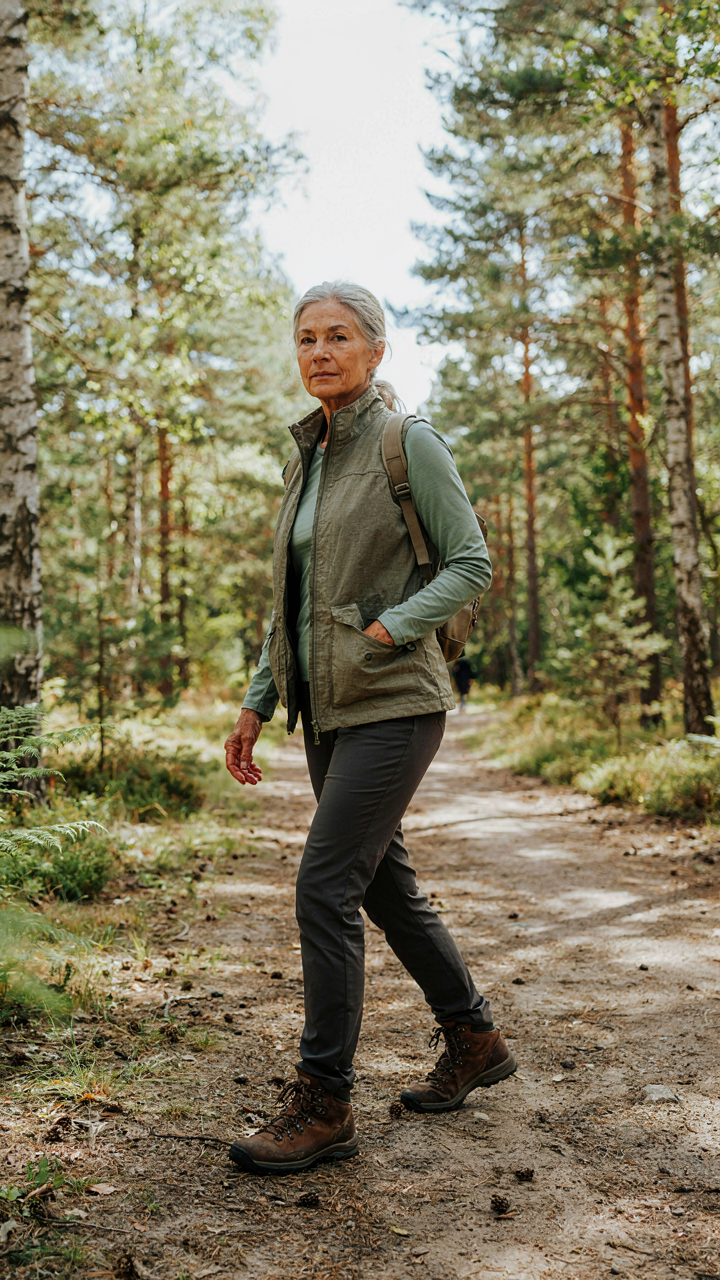
Where Your Gear Actually Goes
You’re worried you’ll look frumpy or unfashionable on the trail, and you’re right to notice that matters to you. That’s not vanity. It’s the reason you’ll actually wear the outfit instead of staying home. The real mechanism is this: pockets determine whether you carry gear in your hands or on your body. A woman carrying a phone, sunscreen, and a map in her hands hikes differently than one with both hands free. She walks slower, adjusts her balance constantly, and stops more often to rest.
Pocket placement on hiking pants and shirts follows ergonomic logic, not fashion. Front thigh pockets should sit high enough that you can reach them while wearing a hip belt. Rear pockets work for lightweight items you don’t need mid-hike. Chest pockets on shirts keep frequently accessed items at eye level without bending. The placement strategy matters more than the number of pockets. One well-positioned pocket beats five scattered ones.
Fabric That Trades Looks For Function
Most advice about women’s hiking wear ignores a hard fact: convertible pants with zip-off legs aren’t a compromise, they’re a different garment than traditional shorts. They weigh more. They’re stiffer in the legs. But they solve the real problem older women face in summer hiking, which is unpredictable sun exposure and sudden shade changes that make temperature control difficult without carrying a jacket. The mechanism is simple. You start with long legs. If you overheat or the sun gets too intense, you remove the lower half. If clouds roll in or you enter dense forest, you’ve already got coverage.
Look for convertible designs with reinforced seams at the zip points and inseams that hit at the knee. Brands that make technical hiking gear build these stronger than fashion brands do. The fabric itself should be nylon or a nylon blend that dries within two hours after exposure to moisture. Test the conversion by doing the motion three times before buying. If the seams feel brittle or the zip catches, move on.
The Adaptability Matrix: Gear As An Extension Of Will

One Piece Does Multiple Jobs
You want gear that makes you feel prepared without carrying a pack that turns a hike into a punishment. That’s the real fear underneath this question. Military strategists call this “cross-domain applicability” – one tool solving problems across different contexts. Your hiking outfit works the same way. A lightweight, moisture-wicking layer isn’t just for sweat management. It’s a sun shield, a wind break, and an emergency insulation layer if weather turns. This isn’t redundancy. It’s efficiency.
The gear you choose determines what trails remain accessible to you. A shirt that pulls moisture away from skin prevents chafing, which prevents the limp that ruins the next two hikes. A pocket positioned for balance changes how stable you feel on uneven ground. A collar design that doesn’t bunch under a pack strap means you finish the day without shoulder pain. These aren’t minor details. They’re the difference between a sustainable hiking habit and abandoning it after one bad outing.
Layers That Anticipate, Not React
Most advice tells you to bring layers for temperature swings. That’s incomplete. Real anticipatory design means your layers solve the specific problems older adults face on trails: overheating during climbs, rapid cooling during rest stops, vulnerability to afternoon thunderstorms. Your base layer should dry in under two hours, not cling to skin for six. Your mid-layer should compress into a pocket the size of a fist, not take up half your pack. Your outer shell should shed water without trapping humidity underneath.
Choose fabrics and fits that account for how your body thermoregulates differently than it did decades ago. Merino wool regulates temperature better than synthetics in mixed conditions because it absorbs sweat vapor without feeling wet. A slightly looser fit through the shoulders prevents overheating during climbs while still allowing movement. Sleeves that roll past the elbow let you adjust coverage instantly without undressing completely. The goal isn’t looking prepared. It’s staying comfortable enough to choose the harder trail next time.
Beyond “Lightweight”: The “Durability Dividend” For Longevity
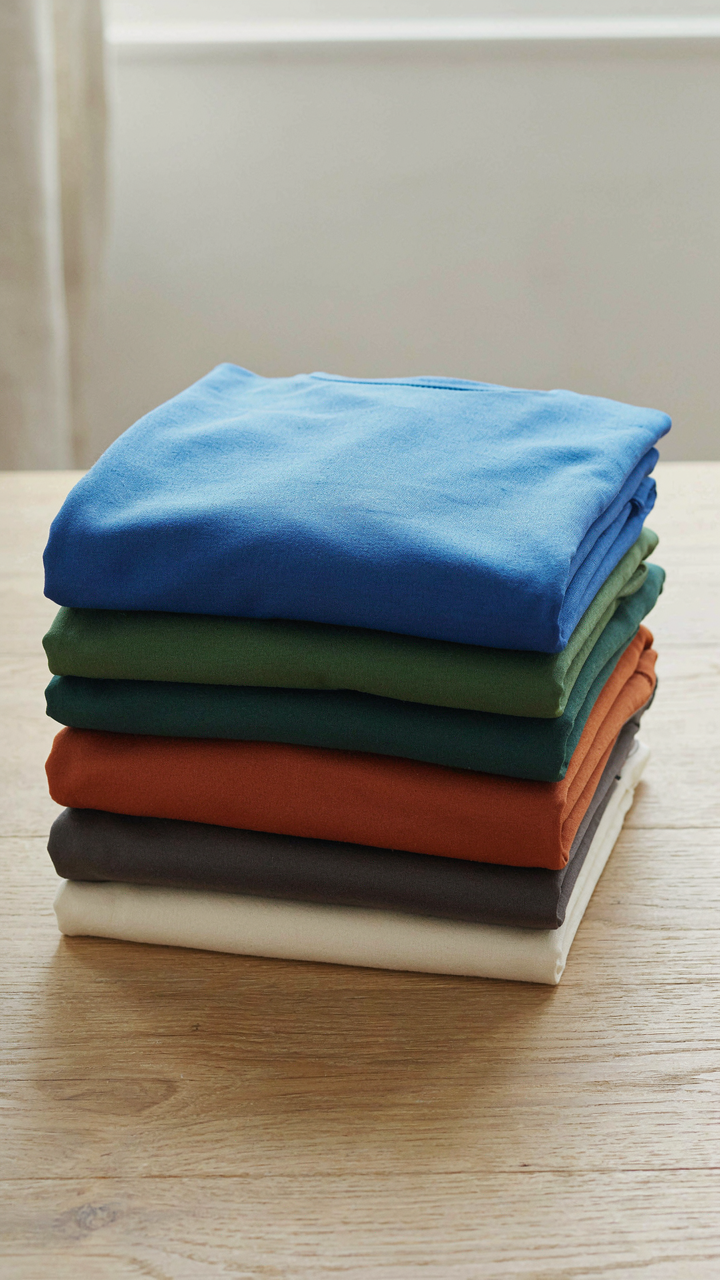
Materials That Actually Survive Repeated Use
You want to believe that expensive gear automatically lasts longer, so you don’t feel guilty about the price tag. The real mechanism comes from materials science: fabric density and fiber type determine how many wash cycles and UV exposures a garment survives before failing. Cotton breaks down faster than synthetics under sun exposure. Merino wool resists odor and maintains integrity through extended use. Nylon blends engineered for outdoor conditions outperform bargain polyester in abrasion resistance and seam durability.
Your outfit choice becomes an economics problem. Buy mid-tier hiking pants in ripstop nylon or cotton-synthetic blends rated for outdoor use, not fashion cotton. A single durable pair worn across ten summers costs less per use than replacing cheap pants every two seasons. Seams matter as much as fabric. Double-stitched or taped seams on older adult hikes prevent blowouts at stress points like hip pockets and inseams where movement creates repetitive friction.
Maintenance Protocols That Extend Gear Life
The common advice to “just wash your stuff” misses the actual problem: washing method determines whether your outfit becomes disposable or durable. Hot water, high heat drying, and harsh detergents accelerate fiber degradation. Cold water, gentle cycles, and air drying preserve fabric integrity across decades. UPF-rated hiking shirts lose sun protection if you machine dry them on high heat after every use.
Establish a basic protocol: wash hiking clothes in cold water on delicate cycles, line dry them, and inspect seams quarterly for separation. Store gear in cool, dry conditions away from direct sunlight to prevent UV damage during off-season storage. This isn’t complicated maintenance. It’s the difference between gear lasting five years or fifteen.
The Hydration Imperative: Carrying Water, Not Excuses

Pack Or Bottle: The Real Trade Off
You’re hoping hydration strategy is about looking competent on the trail. It’s not. It’s about managing cognitive load when your body is already working hard in heat. Hydration from biomechanics is load distribution: a pack spreads weight across your torso and hips; a bottle concentrates force in one hand or shoulder strap. Older adults lose proprioceptive sharpness, so asymmetrical load creates balance risk on uneven terrain. A hydration pack keeps both hands free and your center of gravity stable.
Bottles work only if you’re hiking under two hours on flat ground with stops every thirty minutes. A 2-liter hydration pack with a chest strap and hip belt lets you drink without stopping, maintains posture, and eliminates the arm fatigue that compounds over distance. The mechanism is simple: distribute the load evenly or pay for it in your shoulders, lower back, and ankles by mile three.
Electrolytes, Not Just Water
The common advice is wrong. Drinking plain water on a four-hour summer hike doesn’t keep you hydrated, especially for older adults. Sweat depletes sodium, and without replacement, your kidneys retain water while your blood sodium drops, creating hyponatremia. Your body signals thirst long after dehydration starts, so relying on thirst is a delayed response system. Add electrolyte tablets or powder to your hydration pack. One packet per liter maintains sodium balance and supports muscle function in heat.
Start drinking before you feel thirsty, not after. Consume 400 to 600 milliliters every thirty minutes on sustained climbs or in temps above 75 degrees Fahrenheit. Signs of dehydration include dark urine, dizziness when standing, reduced sweating, and mental fog. If you experience any of these, stop, sit in shade, and drink with electrolytes for fifteen minutes before resuming.
The “Accessory Advantage”: Tools, Not Trinkets (Clothes For Women)
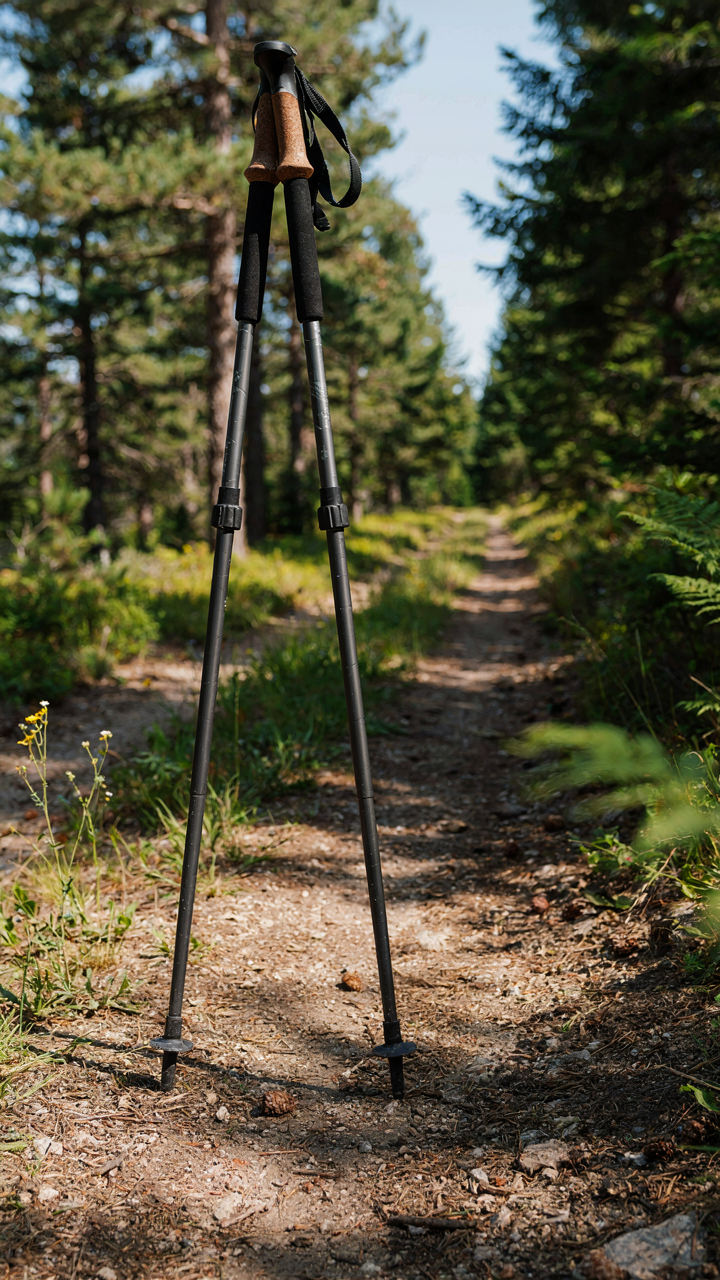
Trekking Poles End The Myth That You’re Slowing Down
You want trekking poles because you’re afraid of looking old on the trail, but that’s not why they matter. Apply leverage from physics: you’re distributing your body weight across four contact points instead of two. Your knees and hips absorb 25 percent less impact per step. Women over 60 lose muscle mass faster than men, which means your quads fatigue earlier on descent. Poles don’t compensate for that loss, but they extend your endurance window by shifting load to your upper body and core.
- Adjustable aluminum poles with cork grips: Lightweight construction reduces arm fatigue on long sections. Cork absorbs sweat and provides grip security on wet terrain. Adjustable length lets you shorten poles on steep climbs and lengthen them for descents.
- Shock-absorbing tips and baskets: Spring-loaded shock absorbers reduce vibration traveling up your arms and shoulders. Baskets prevent poles from sinking into soft ground or snow, maintaining consistent stride rhythm.
- Wrist straps sized for smaller hands: Generic straps don’t fit women’s wrists properly, forcing you to grip tighter. Proper sizing keeps your hands relaxed and reduces tendon strain in your forearms and wrists.
- Carbon fiber construction for ultralight models: Carbon weighs 30 percent less than aluminum. Weight compounds fatigue over 8-10 hours on trail, making carbon a practical investment if you hike regularly.
- Black or muted color poles: Visibility isn’t the goal on established trails. Dark poles reduce glare reflection and match most outfits, keeping visual focus on terrain rather than your gear.
The mechanics are simple: poles work because they reduce the work your legs do. Start using them on any trail with elevation change, not just steep ones. Your knees will tell you the difference by day two.
Navigation And Emergency Gear Belong In Your System, Not Your Pockets
Most women over 55 still treat navigation like an afterthought, assuming their phone will handle it. Your phone dies in direct sun, loses signal in canyons, and gets heavier as the day stretches. Carry physical redundancy: a paper map and compass that work without batteries, live longer than your phone, and work in places your phone refuses. Add a basic first aid kit sized for your pack, not your pocket. Include blister treatment, pain relief, and bandaging. Most injuries on longer hikes come from blisters or minor cuts that turn into problems because you ignored them for three more miles.
Attach a small emergency whistle to your pack strap, not buried inside. A whistle carries farther than your voice across terrain and requires no battery. Carry a lightweight emergency blanket or bivy sack. Weight adds maybe 2 ounces, and it keeps you functional if you get stuck waiting for help. Check your navigation tools before you leave the trailhead every single time, the same way you check your pack straps.
The “Post Hike Rejuvenation” Blueprint: Smart Recovery

What You Wear After Matters More Than During
You care about this section because you’re afraid of losing mobility in the days after a hike. The mechanism is simple: compression and moisture management during recovery actively reduce delayed-onset muscle soreness and joint swelling in older adults. This isn’t mystical. Your muscles accumulate metabolic waste and fluid during exertion. Tight, breathable fabrics keep that fluid from pooling in your joints while you cool down. Most people ignore recovery clothing entirely, treating the hike as the finish line instead of the start of adaptation.
Merino wool or synthetic blends designed for post-exercise wear compress without cutting circulation. Skip cotton entirely after hiking. It absorbs sweat, stays wet, and allows muscles to tighten up as body temperature drops. Wear compression shorts or tights for two to four hours after finishing the trail. Add a lightweight long-sleeve shirt if you’re in air conditioning. The compression accelerates blood flow return to your extremities and reduces the inflammatory response that peaks eighteen to thirty-six hours after exertion.
Feet First, Everything Else Follows
Biomechanics governs foot recovery the same way physics governs load distribution. Your feet absorb three to four times your body weight with every step downhill. That impact compounds over six or eight miles. Most people stretch their calves and call it done. Wrong. Foot recovery demands immediate action before your legs stiffen. Remove your hiking boots within thirty minutes of finishing. Soak your feet in cool water for ten minutes to reduce inflammatory response in the plantar fascia and Achilles tendon.
After soaking, dry thoroughly and wear compression socks for the rest of your evening. Perform calf stretches against a wall, holding each for ninety seconds. Then stretch your plantar fascia by rolling a tennis ball under the arch of your foot with moderate pressure for two minutes per foot. Sleep in compression socks if pain appears by bedtime. This protocol prevents the walking difficulty that develops when plantar fascia tightens overnight and you step down the next morning.
The Real Obstacle Isn’t Your Age; It’s Your Willingness To Accept Outdated Limitations

You’ve spent decades letting someone else’s idea of “appropriate” dictate your choices. Stop. The gear exists. The trails exist. Your body still works. What you’re actually afraid of is looking ridiculous, and that fear costs you more than any blister ever could. Pull up REI’s website right now. Add one piece of real hiking gear to your cart. Not tomorrow. Today. Because the only thing between you and the trail is the decision to stop waiting for permission.