
The Unseen Threats: Why Basic “Comfort” Fails Kids Hiking Outfit

Sweat Management Through Evaporative Cooling
You want your kid to stay comfortable so you don’t hear complaints on the trail. Here’s what actually matters: sweat only cools skin when it evaporates, and that process fails completely in humid conditions or when fabric traps moisture against the body. This is basic thermodynamics. A cotton t-shirt absorbs sweat but doesn’t release it efficiently. The fabric stays wet, body heat transfers into the damp material instead of into the air, and core temperature rises despite your kid feeling “cool” from the initial wet sensation.
Synthetic base layers or merino wool move moisture away from skin through capillary action, letting sweat evaporate from the fabric surface instead of pooling against the body. Loose fit matters more than most parents realize because it creates air channels. Your kid generates significant metabolic heat during a climb. A tight shirt that wicks moisture still fails if air can’t circulate. Layer a thin synthetic long-sleeve shirt under a loose, breathable outer layer and swap out any cotton entirely. That’s the protocol.
Abrasion Resistance Against Trail Hazards

The standard advice tells you to buy “durable” kids’ hiking pants and call it done. That’s incomplete. Kids fall more frequently than adults, and when they do, they often slide instead of stopping. Tree branches, sharp rock edges, and rough bark create cuts fast. Fabric weight and fiber type determine whether an impact causes a scratch or a blood-staining laceration. Lightweight ripstop nylon with a tight weave resists tears and holds up against friction better than canvas or cotton denim.
Seam placement matters tactically because kids use their hands to catch falls, and their knees take the most contact with terrain. Reinforced panels on knees and seat areas extend durability and reduce injury severity when falls happen. Check for flat-lock seams on the inner thigh and under the arm where friction runs highest during movement. Buy pants rated for climbing or scrambling, not casual walking. One fall on exposed bedrock on a standard pair of jeans teaches you the difference.

The Adaptive Layering Protocol For Outdoor Kids

Start With Synthetic Or Merino Base Layers
You want your kid to stay comfortable on the trail without micromanaging them every ten minutes. That’s the real reason this matters. The mechanism is simple: cotton absorbs sweat and holds it against skin, dropping core temperature fast. Synthetic fabrics like polyester or polypropylene wick moisture away. Merino wool does the same while regulating temperature across a wider range. Both work. Cotton does not. Pick one and move on.
Base layers sit directly on skin, so they do the heavy lifting in a layering system. A synthetic base layer keeps sweat moving outward instead of pooling. Merino wool handles sweat plus temperature swings without the clammy feel. Kids overheat easily on climbs and cool down just as fast in shade. The base layer prevents the shock of either transition. Swap cotton socks and underwear for synthetic or merino equivalents before any hike.
Wind And Water Stop Temperature Loss Fast
Most parents dress kids too heavy on the outside because they’re afraid of cold, not because cold is actually coming. The real risk isn’t temperature—it’s wind stripping away heat after the kid stops moving. Physics calls this convective heat loss. On a trail, wind speed compounds every ten degrees of elevation gain. A lightweight jacket that blocks wind stops this mechanism dead.
Water resistance matters differently than waterproofing. A light rain shell with a DWR coating turns light rain away without trapping sweat vapor inside. True waterproof jackets seal moisture in. Kids generate heat climbing. That heat needs to escape or they overheat, then chill fast when they stop. A breathable, wind-resistant layer gives you both directions: it keeps external wind and rain out while letting internal heat and moisture move through. Carry one at all times on summer hikes, even if the forecast says clear skies.
Fabric Intelligence: Beyond Cotton For Kids Camping Outfit

Synthetics: Why Polyester And Nylon Win
You want your kid to look prepared on the trail because it signals you’re a competent parent. Here’s the actual mechanism: synthetics dry fast and stay functional when wet, which cotton doesn’t. Polyester and nylon shed moisture instead of absorbing it. They also resist UV damage and don’t degrade from sweat salts the way natural fibers do over repeated washings.
The common advice says synthetics are “less breathable,” which is incomplete. Modern polyester blends and nylon weaves move moisture vapor away from skin through capillary action. Your kid stays dry from sweat evaporation, not from breathability alone. This matters on a six-mile day when temperature and activity level fluctuate constantly.
Merino Wool: The Temperature Regulation Play
Merino operates on a thermodynamic principle: it regulates vapor pressure at the skin level, not just absorbing or repelling moisture. This is physics applied directly to kids’ hiking layers. Merino traps air pockets that expand and contract based on body heat and humidity. It stays warm when wet and naturally resists odor because the fiber creates an inhospitable environment for bacteria growth.
The catch: merino costs more upfront and requires gentler care than synthetics. For kids, this tradeoff makes sense only if you’re running multi-day trips or high-altitude hikes where temperature swings matter. For day hikes under five hours, a polyester base layer does the job at half the price. Pick merino when the environment demands temperature stability over the full day.
Footwear As Foundation: The Kinetic Chain For Camping Outfits For Kids
Traction: Lug Patterns And Sole Materials
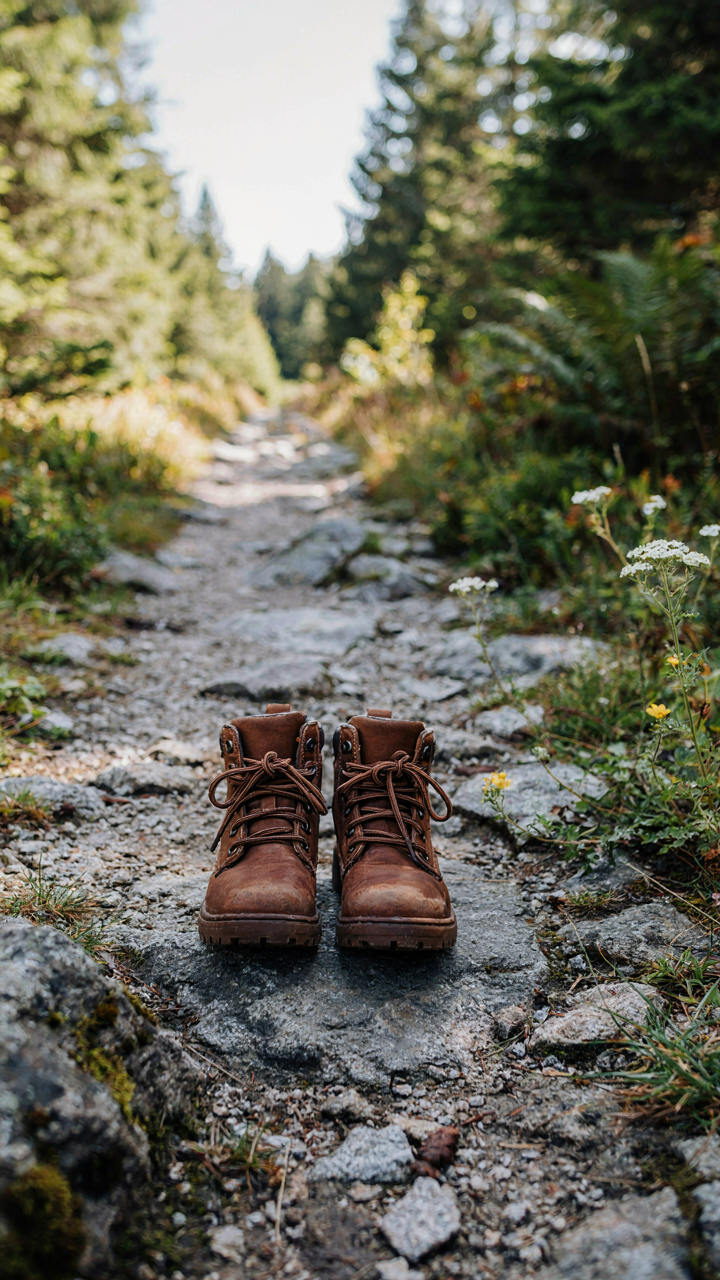
You’re worried your kid will slip and embarrass themselves, or worse, get hurt on a wet rock. That fear is real, but it’s not the actual problem to solve. Biomechanics teaches us about load paths, and a hiking boot’s tread pattern is the load path between ground and body. The lug pattern determines whether energy dissipates safely or converts into a fall.
Vibram and similar rubber compounds grip through micro-friction and geometric interruption. Deeper lugs grip wet terrain. Shallower lugs work on dry, hardpacked trails. Summer trails get wet from streams, morning dew, and afternoon storms. Kids’ feet are lighter, so they need aggressive tread patterns to compensate for lower pressure distribution. A 5mm lug depth works better than 3mm for kids on variable terrain.
Ankle Support: Preventing Common Injuries
Ankle injuries on trail happen because kids land outside their base of support, not because their ankles are weak. The common advice says high-tops prevent sprains. That’s incomplete. A rigid midsole matters more than collar height. The midsole absorbs the lateral force before the ankle joint ever flexes.
Look for boots with reinforced heel counters and torsional stiffness in the midfoot. Kids’ growth plates ossify later, making them more susceptible to inversion injuries than adults. A mid-cut boot with a stiff shank handles uneven ground better than a high-top shoe with a flexible arch. Fit matters more than height: a loose high-top transfers energy to the joint instead of the frame. Measure your kid’s foot, then add a half-inch buffer, then check that the heel doesn’t slip when they walk downhill.
The “Solar Shield Strategy” For Boys Hiking Outfit

UPF Ratings Decode The Real Sun Threat
You want your kid protected without looking paranoid about it. The mechanism is simple: UPF ratings measure how much ultraviolet radiation fabric blocks before it reaches skin. UPF 50 blocks 98% of UVA and UVB rays. UPF 15 blocks 93%. The difference is real, not marketing noise. Cotton t-shirts offer almost zero protection. A basic white cotton shirt has an effective UPF of around 5, meaning 80% of UV radiation passes through to skin.
Boys get burned faster than we admit because we underestimate how much sun hits during a five-hour hike. The cumulative damage compounds yearly. Polyester blends and nylon fabrics with UPF ratings aren’t fashion statements—they’re dose reduction. Look for explicit UPF labeling on tags. If a shirt doesn’t state it, assume the protection is negligible. The fabric weight matters too: tighter weaves block more radiation than loose cotton.
Wide Brim Hats Cover The Forgotten Zones
Most parents buy baseball caps and call it done. They miss the entire threat surface. A baseball cap protects the face and forehead but leaves ears, the back of the neck, and the part line completely exposed. Those zones get hammered during hours on trail. A wide-brim hat (at least three inches all around) creates actual coverage geometry that a cap cannot match.
The hat should sit low enough that the brim casts shadow on the cheekbones and upper lip. Bucket hats and wide-brim hiking hats do this by design. Nylon or polyester materials dry faster than cotton after sweat or stream crossings. Ventilation holes prevent heat buildup without compromising coverage. A chin strap keeps the hat in place on windy ridges or during scrambles. Test the fit before the hike—a hat that slides back defeats its purpose.
Accessory Augmentation: Marginal Gains In Hiking Clothes For Kids
The Sock Problem Nobody Mentions
You want to skip this section because socks feel trivial. They’re not. Blisters end hikes, and most parents buy whatever’s on sale. The mechanism is friction and moisture management working together—not one or the other. Merino wool or synthetic blends outperform cotton because they wick sweat while maintaining structure. Cotton collapses when wet, creating hot spots against skin. Your kid’s feet sweat on climbs. That sweat needs somewhere to go.
Thickness matters more than material alone. Midweight hiking socks (around 80 percent synthetic or merino, 20 percent nylon for durability) handle summer temperatures without overheating. Thin socks bunch; thick socks trap heat. The fit must be snug but not constrictive—loose socks slide during descent, breeding blisters faster than ascent. Replace socks every 1,000 miles of hiking or when you see compression loss in the arch. Most parents never do this and wonder why their kids complain halfway up.
Extended Daylight Through Better Light
Headlamps shift when your child can hike, not just where. An hour of extra visibility means you can start later or finish later without rushing. Kids move slower than adults, so buffer time converts directly into safety and reduced panic. Most parents treat headlamps as emergency gear. They’re actually schedule architecture.
- LED brightness over 200 lumens: Adequate for spotting terrain and obstacles on trail. Lower output forces slower pace and strain.
- Red light modes: Preserve night vision for the hiker ahead and reduce alertness disruption. Critical if you’re rotating who leads.
- Headband comfort and weight: Kids abandon uncomfortable headlamps mid-hike. Test fit before purchase. Weight under 3 ounces prevents neck fatigue on long days.
- Battery life rated for actual conditions: Manufacturer specs assume optimal temperatures. Summer heat drains batteries faster. Buy models with 8+ hour runtime in hot weather.
- Waterproofing rated IP67 or higher: Summer storms hit fast. Your headlamp must survive submersion, not just splash resistance.
Bring a backup headlamp clipped to your pack, not just one per child. A failed light creates a forced early exit. Start using headlamps on shorter evening hikes before committing to long trails that might require them. Your kid adjusts faster to the weight and sensation on a two-mile walk than a six-mile climb.
The Redundancy Principle: Military Strategy For Girls Hiking Outfit
Pack Extra Layers Despite The Forecast
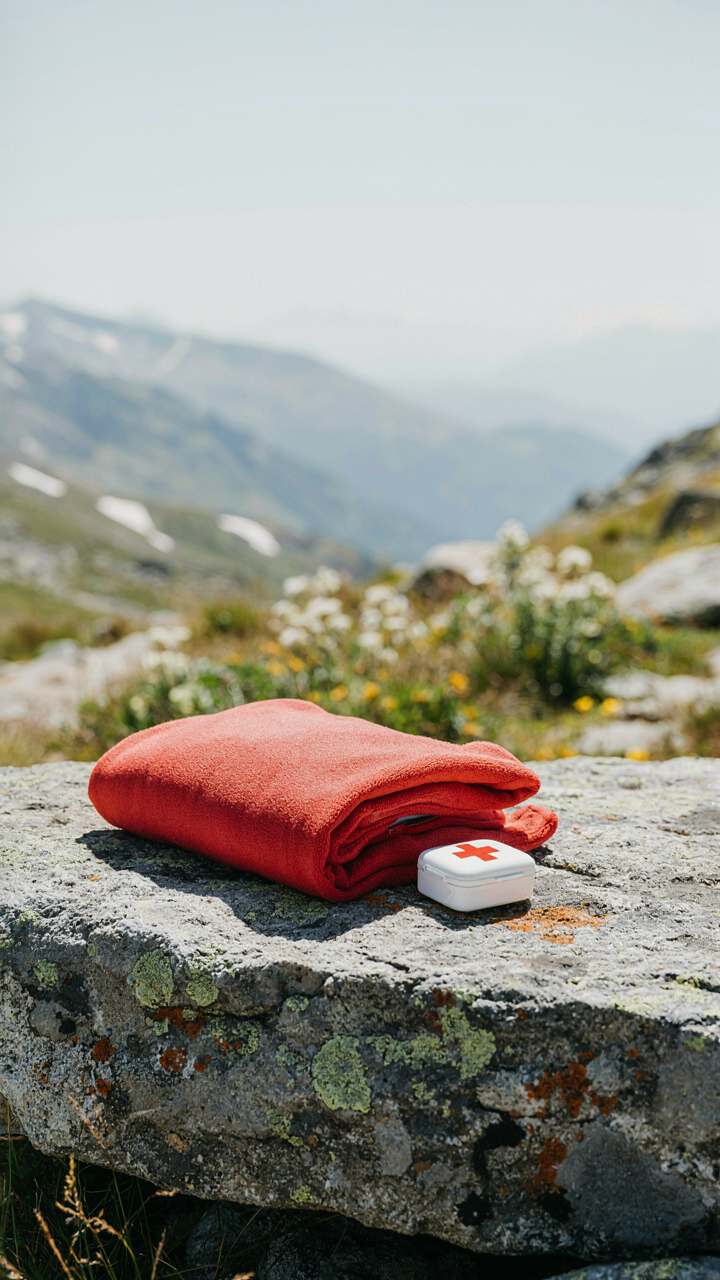
You want to avoid looking like the parent who didn’t prepare, which is really about control. Here’s the mechanism: military logistics borrowed the concept of “redundancy” because single-point failures kill operations. In hiking, your redundancy layer is the backup garment. Mountain weather shifts 20 degrees in two hours. A forecast saying 75 degrees means nothing when elevation, cloud cover, or afternoon storms arrive. Pack a lightweight long-sleeve shirt or fleece even on clear mornings. This isn’t paranoia. It’s the difference between a mild discomfort and hypothermia.
Cotton fails fast when wet. Merino wool or synthetic materials hold function when damp. A compact layer weighs under eight ounces and takes the size of a fist in a backpack. The redundancy principle works because you’re not betting the hike on one outcome. You prepare for the outcome you didn’t predict. Bring the extra layer.
Keep A Real First Aid Kit In The Pack
Everyone says bring a first aid kit, then they pack Band-Aids and call it done. That’s not a first aid kit. It’s theater. An actual first aid kit addresses what kills or ruins hikes: blisters, minor cuts, and sprains. Blister management decides whether a kid finishes the trail or turns back crying at mile two. Include second-skin blister patches, athletic tape, and moleskin. Add antibiotic ointment, tweezers for splinters, and a two-inch elastic bandage for ankle support. A small pain reliever and antihistamine handle the rest. This fits in a ziplock bag the size of a deck of cards.
The protocol: inspect your child’s feet at the first sign of discomfort. Don’t wait. Blisters form in minutes once friction starts. Apply blister treatment before the skin breaks. Carry the kit on your body, not in the backpack where you’ll ignore it during an incident. The difference between a managed problem and a failed hike is fifteen seconds of early action.
Post Hike Decompression: Gear Longevity And Readiness
Washing Technical Fabrics Without Destroying Them
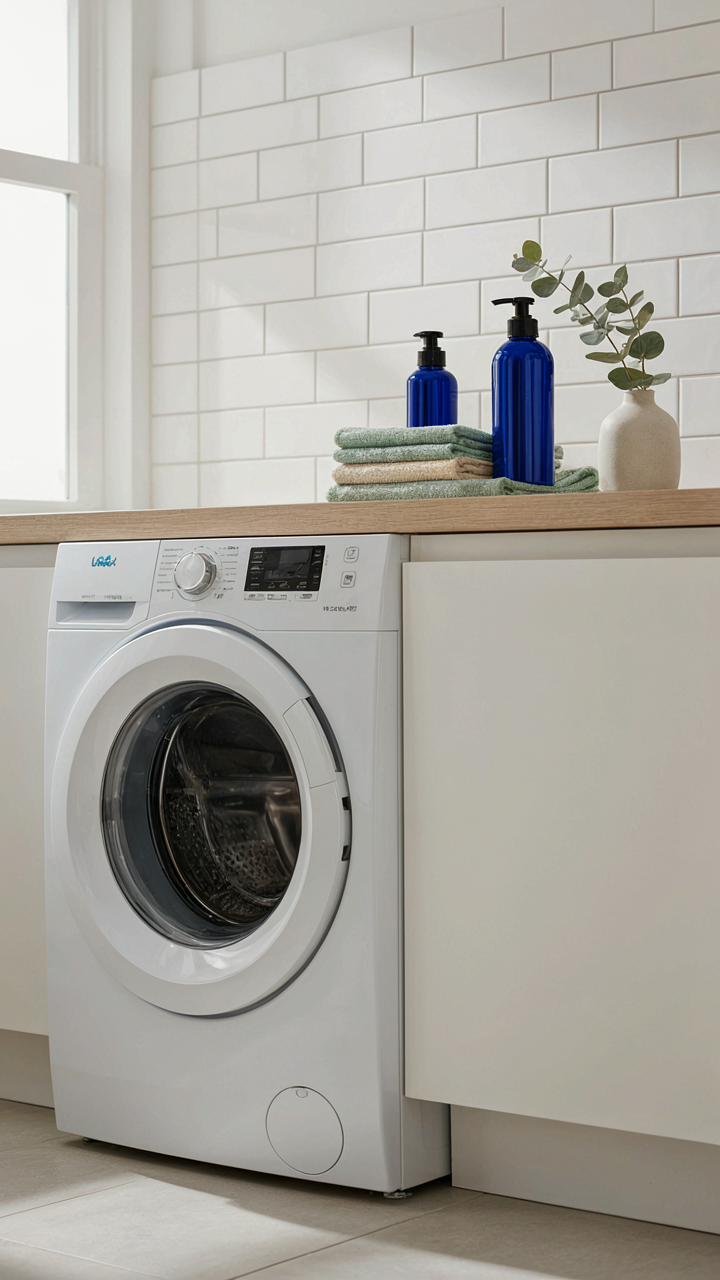
You want your expensive gear to last because replacing it signals failure. Here’s the mechanism: synthetic fabrics degrade when exposed to heat, harsh detergents, and mechanical agitation. Treat cleaning like materials science, not laundry day. Cold water, no heat cycle. Use a gentle detergent or specialized technical fabric wash. Hand rinse thoroughly to remove all soap residue, which traps moisture and accelerates breakdown. Machine drying kills synthetic materials. Air dry flat or hanging.
Most parents use regular laundry detergent and the dryer because it’s fast. Stop. Surfactants in standard detergent strip the water-repellent coatings on nylon and polyester. The dryer’s heat melts elastic fibers and degrades elastic recovery in stretchy panels. Moisture-wicking loses effectiveness after one aggressive wash cycle. Spend three extra minutes on proper protocol now instead of replacing gear mid-summer.
Storing Gear To Prevent Moisture Damage
Storage location determines whether gear survives the off-season or rots. Moisture and heat are the enemies. Store in a cool, dry place away from direct sunlight. Use breathable storage bags, not plastic containers that trap condensation. Ensure gear is completely dry before packing. Any lingering dampness accelerates mold and mildew growth on fabrics and inside backpack seams where air doesn’t circulate.
Check stored gear monthly during humid months. Open packs fully to let air move through them. Hang jackets and pants on hangers rather than folding them compressed in boxes. Compressed fabric holds moisture longer and creases degrade waterproof membranes over time. Cedar blocks or silica gel packets absorb residual moisture in enclosed spaces. When you’re ready for the next hike, your gear functions at full capacity instead of compromised by a season of storage neglect.
Insect Interdiction Systems: Mitigating Biological Threats
Permethrin Treated Clothing: Active Repellency
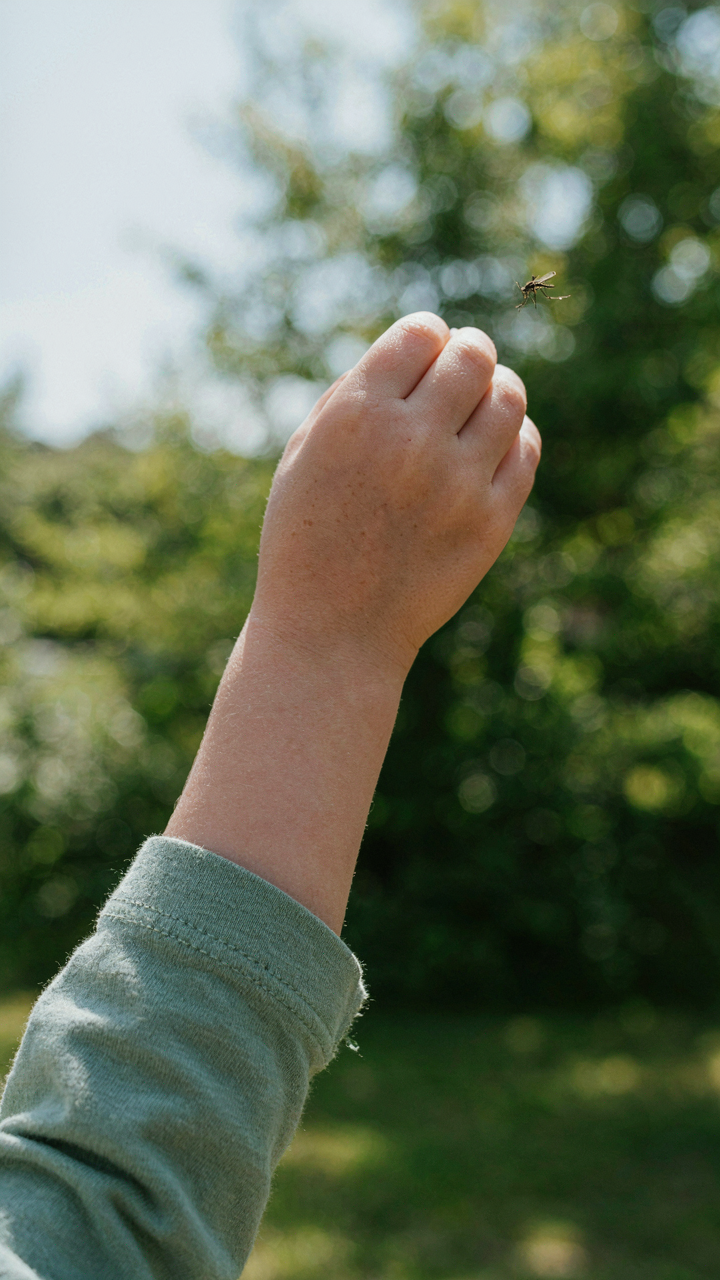
You’re here because you’re terrified of Lyme disease and want to feel like you did something about it. That fear is rational, but most parents spray bug repellent on skin and call it done—which leaves the actual vector of transmission untouched. The mechanism borrowed from military entomology is simple: treat the fabric itself, not the body. Permethrin bonds to clothing fibers and kills ticks and mosquitoes on contact before they reach skin. Your kid wears the defense system instead of relying on it.
Permethrin-treated gear lasts through multiple wash cycles because the chemical binds to synthetic and natural fibers at the molecular level. You can buy pre-treated hiking shirts and pants, or treat regular clothing yourself with permethrin spray designed for fabric. The standard protocol: spray the garment evenly in a well-ventilated space, let it dry completely before wearing, and reapply after five to six washes. Never apply permethrin directly to skin—it works only on fabric.
Protective Barriers And Physical Defense
Nets and barriers function as exclusion zones, a term from epidemiology that describes physical space where exposure cannot occur. A head net stops insects from reaching face and neck entirely. Bug jackets with integrated mesh create a sealed perimeter. These aren’t backup plans—they’re the primary defense when you’re hiking through high-density insect zones like dawn or dusk or near water.
- Head nets: Lightweight mesh hoods that drape over the face and shoulders, allowing airflow while blocking all flying insects from reaching exposed skin.
- Bug jackets: Long-sleeved shirts with built-in mesh panels and sealed cuffs, designed to prevent insects from crawling under sleeves or collars.
- Gaiters or ankle guards: Elastic mesh or fabric that seals the gap between hiking socks and pant legs where ticks commonly enter.
- Mosquito hat brims: Wide-brimmed hats with netting attached around the perimeter, protecting the head and upper body without full head coverage.
- Tent mosquito netting: If you’re hiking with an overnight camp component, verify tent screens are intact and consider a mosquito net for sleeping areas.
Physical barriers work because insects cannot penetrate mesh or sealed fabric edges—they require direct skin contact or a gap to exploit. When you layer permethrin-treated clothing under barrier systems, you eliminate both pathways simultaneously. The kid wears treated base layers, then adds a head net during the bug-dense hours. That’s your complete protocol.
The Real Obstacle Isn’t The Trail; It’s Your Lack Of Strategic Preparation

Most parents blame their kids’ discomfort on bad luck or tough terrain. Wrong. Your kid quit because you dressed them like you were guessing. The mechanism is simple: proper gear removes friction, and friction kills motivation. Stop buying random outdoor clothes and start thinking like a strategist. Today, go through your kid’s closet and actually test one outfit on a short walk. You’ll see what doesn’t work before the real trail does. A child dressed right doesn’t complain; they explore.