
The Function First Fallacy: Why Aesthetics Are A Trap
Matching Outfits Beat Coordinated Photos
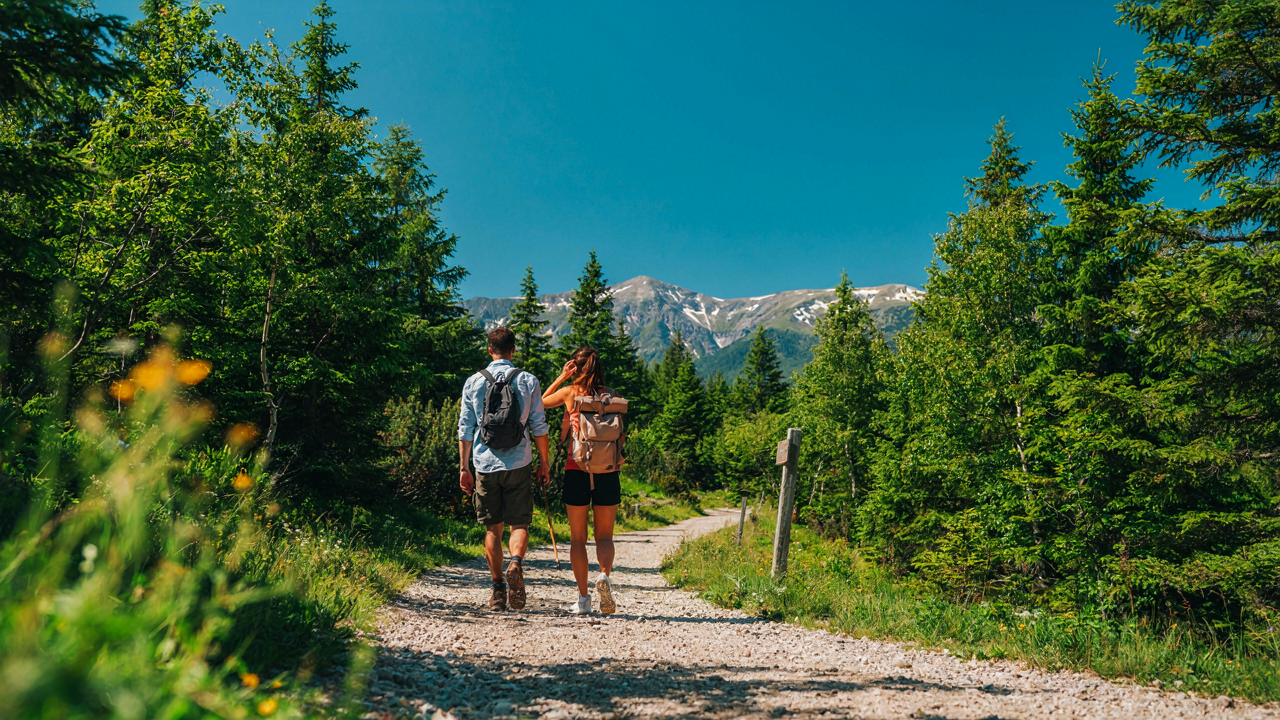
You want to look good together because you think it proves something. Here’s the mechanism: aesthetics feel controllable when actual hiking performance isn’t. You pick outfits that photograph well, then discover mid-hike that your partner’s shorts chafe or your shirt absorbs sweat like a sponge. The couple that matches visually often splits attention between the trail and their image. Function first means choosing fabrics, fit, and footwear based on terrain and duration, not Instagram optics. Your outfit works when it disappears.
Weather and terrain make or break a hike faster than poor aesthetics ever do. A five mile summer hike in the wrong boot choice creates blisters that ruin the next week. Elevation gain demands breathable layers even when forecasts say sunny. Rocky terrain punishes thin socks. The common advice says “just wear what feels comfortable,” which is incomplete. Comfort emerges from specific design choices: moisture wicking synthetic blends over cotton, gusseted crotches in shorts for movement, reinforced toe caps on boots. Before you pick color or style, solve the environment first.
Terrain Exposure Demands Specific Gear

Terrain operates like load bearing in structural engineering: each element must support the total system or everything fails. A hiking outfit’s “load” includes distance, elevation, sun exposure, and ground contact. Summer trails with exposed ridges demand sun protection and hat brim depth. Rocky scree requires ankle support and durable uppers. Muddy sections need grip on soles and water resistant materials. Generic athletic wear handles none of these. Your outfit isn’t an outfit until it matches the specific hike’s demands, not the season label.
Most couples approach summer hiking outfits by copying what others wore on Instagram. This skips the critical step: reading the actual trail conditions and weather pattern for that week. A seven mile trail at sea level differs completely from five miles at 8,000 feet elevation. Humidity, UV index, and temperature swing dramatically. Check the specific trail report, elevation profile, and recent weather data before selecting fabrics and coverage. Your outfit succeeds when it solves the actual conditions you’ll face, not when it matches your partner’s color scheme.

The Layering Protocol: Mastering Thermoregulation
Sweat Management Starts With Material Selection
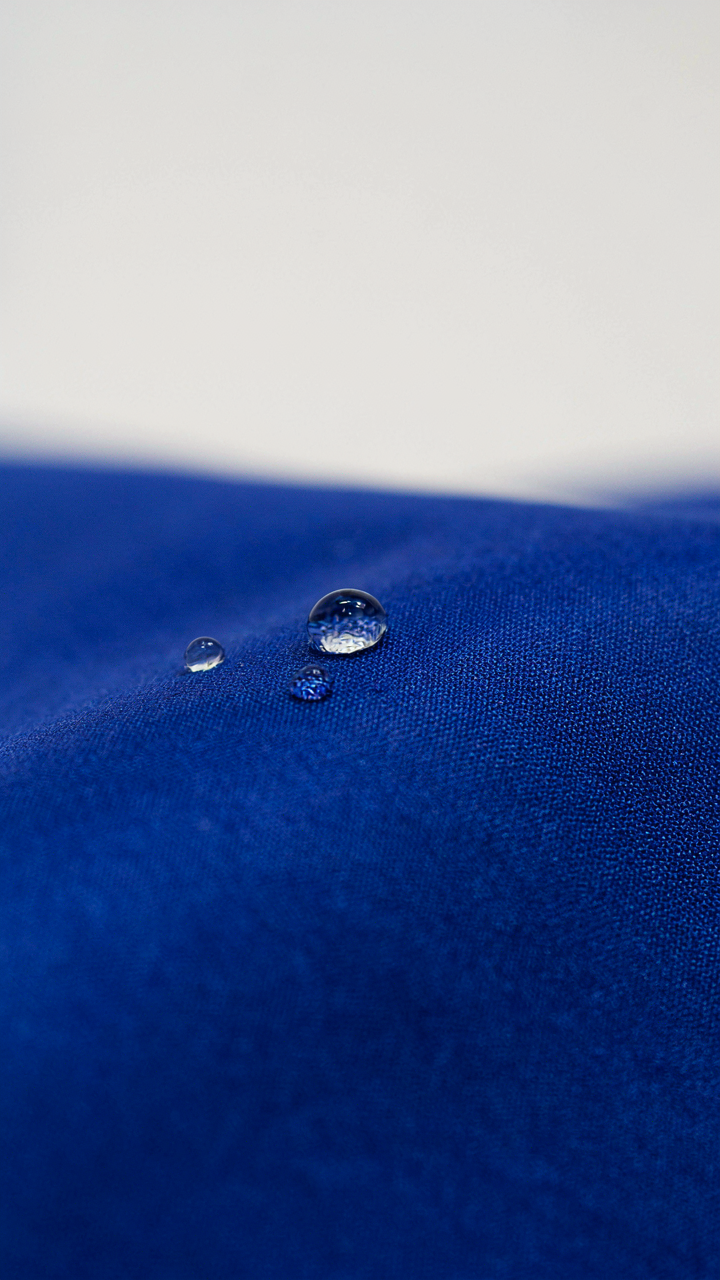
You want to look like you have your life together on the trail, and layering is where that actually happens. Here’s the mechanism: your skin produces sweat, and cotton absorbs it instead of releasing it, turning you into a cold, damp problem. Synthetics and merino wool wick moisture away from your body and let it evaporate faster than the fabric can trap it. This is basic physics applied to fabric. The base layer does one job: move sweat outward.
Merino wool and polyester both work because they’re hydrophobic. Cotton fails because it’s hydrophilic. For couples, this means both partners need base layers that don’t pretend to be insulation. Wear a fitted synthetic shirt or merino wool long sleeve in summer. Skip cotton entirely. Your second layer goes on top of this system, not to replace it. The base layer stays thin and fitted so the outer layer doesn’t bunch or create dead air pockets that trap moisture instead of releasing it.
Outer Layers For Rapid Weather Swings
Mountain conditions shift in thirty minutes, and lightweight shells are not optional. A shell jacket stops wind and rain without adding bulk, which means you can stash it or wear it without overheating. This is energy economics: you want to expend minimal calories regulating your temperature so you can hike longer. Couples wearing matched systems can stay synchronized instead of one person overheating while the other shivers.
Choose a packable shell under five ounces per jacket. Wind cuts your effective temperature by fifteen to twenty degrees, and rain accelerates heat loss. A shell stops both. Wear it over your base layer when conditions demand, then remove it the moment temperature or sun exposure rises. The mechanism is simple: respond to conditions immediately, not after you’ve already chilled down or overheated. Build the habit of checking the sky every forty minutes and adjusting your outer layer before discomfort forces the decision.
Footwear As Foundation: The Unseen Performance Metric
Instagram Shoes Destroy Feet First
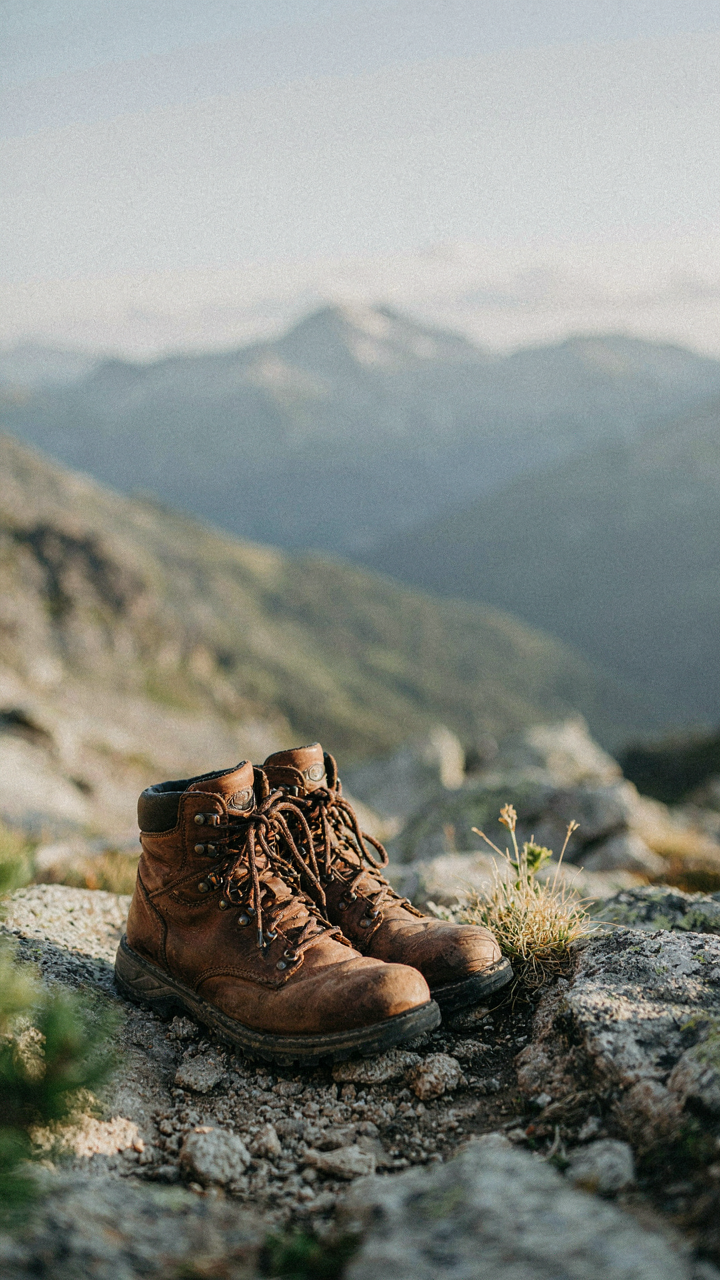
You want to look like you hike together. That’s the real reason you’re reading this. Here’s what actually happens: trendy trail shoes prioritize aesthetics over arch support and ground feel, which means blisters, hot spots, and joint pain on mile four. The shoe industry knows this. They design for the photo, not the blister.
Hiking footwear performs like load-bearing columns in architecture. The shoe must distribute force evenly across the foot’s contact points or failure cascades upward into ankles, knees, then hips. Most Instagram-friendly hiking shoes use cushioning that feels plush initially but flattens under sustained weight, removing the feedback your foot needs to adjust posture on uneven terrain. By mile six, your feet are working twice as hard to compensate.
Boot Type Matches Trail, Not Closet
The common advice is wrong here. Most couples pick boots based on what looks good as a set, not what the terrain demands. A technical scramble up loose scree needs ankle support and aggressive tread. A flat valley walk in established trail needs only good cushioning and breathability. You need two different shoes. Matching them defeats the purpose.
Trail difficulty determines footwear requirements through ground contact and ankle leverage. Easy trails on packed dirt tolerate lightweight hiking shoes with minimal ankle collar. Moderate trails with rocks and elevation require mid-cut boots with stiffer midsoles for stability. Difficult terrain with loose scree, stream crossings, or steep descent needs high-cut boots with reinforced toe boxes and aggressive lugs. Pick the shoe first. Make it work as a couple second.
Couple Fits: The Active Couple Aesthetic Deconstructed
Match Performance, Not Aesthetics
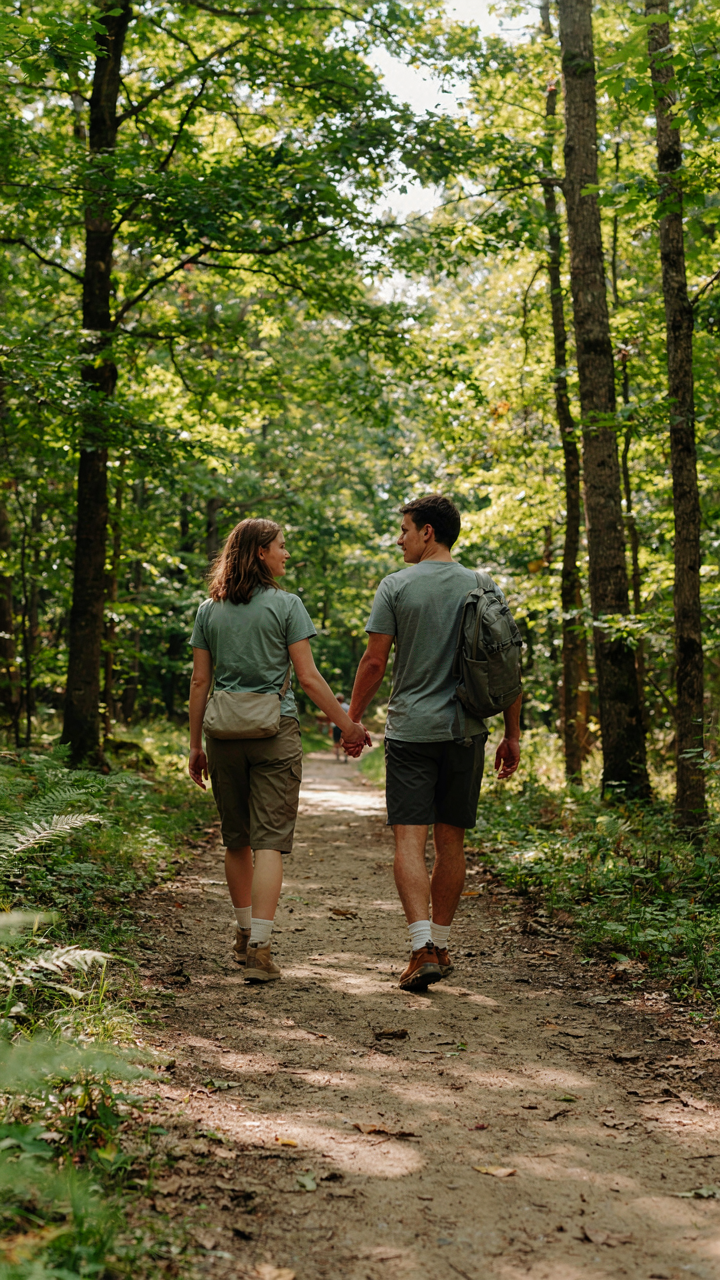
You want to look like you belong together on the trail. That’s the real driver here, and it’s honest. The mechanism is simple: coordinated outfits work when both people solve the same problem independently, not when they copy each other. Each body generates different heat, sheds sweat at different rates, and handles sun exposure differently. Start with function. Pick the same color palette—neutral earth tones, grays, blacks—then let individual body mechanics dictate fit and layering. This creates visual cohesion without forcing identical gear onto different physiology.
Coordination happens through constraint, not conformity. Both partners wear moisture-wicking base layers in the same hue. One person might need a sleeveless top for heat regulation while the other wears short sleeves. The shorts, pack, and footwear can match in color while diverging in cut and material based on leg length, stride, and sweat profile. The couple reads as a unit because the color story is consistent. The performance stays high because each person wears what their body actually needs.
Build Around Distinct Body Architectures
Most couple hiking advice says “wear matching outfits” and stops there. That’s incomplete and lazy. Matching doesn’t mean identical. A man’s shoulder width, torso length, and leg-to-torso ratio differ from a woman’s, and vice versa. Generic unisex gear fits neither well. Pick a shared color system—say, charcoal base layer, stone-gray shorts, cream accents—then source tops and bottoms cut for each body type. Women’s hiking shirts account for narrower shoulders and a higher waistline. Men’s gear typically cuts for broader shoulders and longer inseams. Same aesthetic, different construction.
The real protocol: select your color anchor first, then build individual kits around that constraint. One partner orders a women’s cut hiking shirt; the other orders a men’s cut in the matching color. Shorts come from different brands if needed—fit matters more than brand consistency. Hats, socks, and pack colors align. This approach takes fifteen minutes of coordination but produces outfits that look intentional as a couple while actually functioning on two different bodies. The visual unity comes from color discipline, not forced uniformity.
The Backpacks & Gear Principle: Carrying Only Essentials
Weight Distribution Strategy
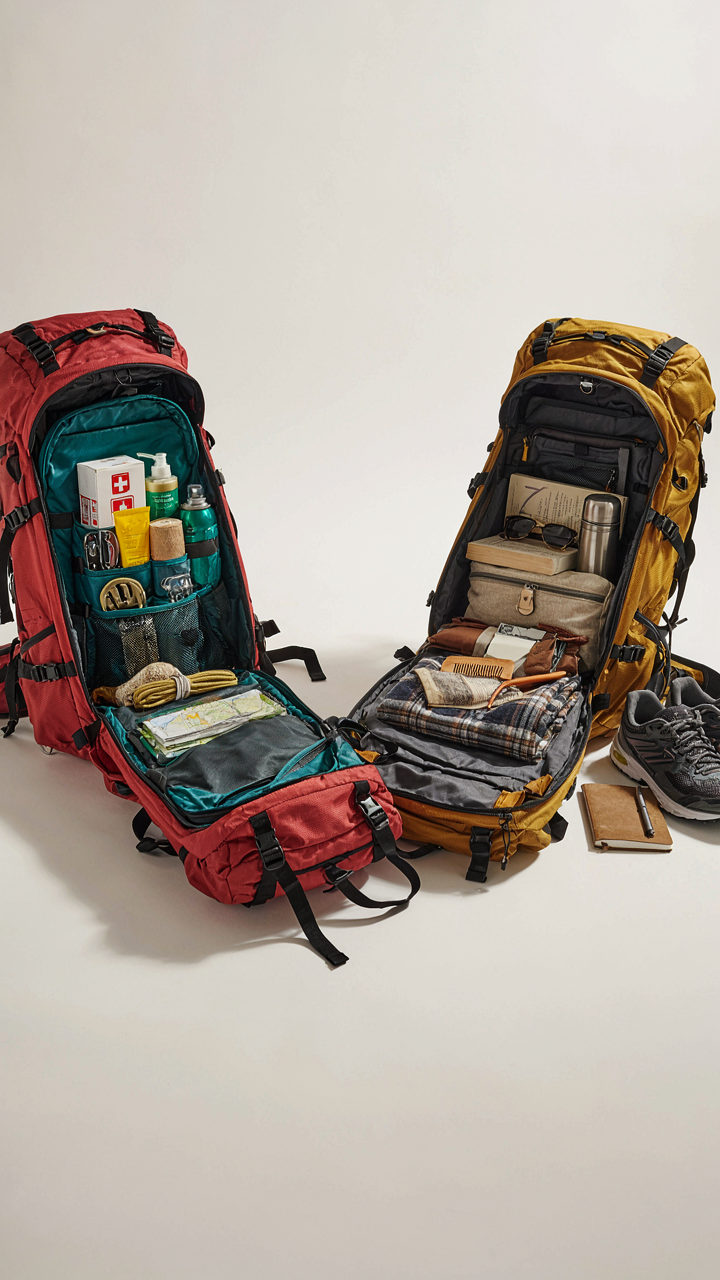
You want to look like you know what you’re doing on the trail. The real mechanism is weight distribution, borrowed straight from military logistics where the 3Rs govern efficient load management: reduce total mass, redistribute it evenly, and rotate who carries what. Most couples fail here because they pack individually first, then hike together, doubling redundancy. One person carries the tent, the other carries a second shelter layer nobody needs.
The math is simple. A couple’s combined pack weight should cluster around 35 to 45 pounds total, not 50 to 60. Split that intelligently: lighter partner carries water and food. Heavier partner carries the tent and sleeping bags. This isn’t fairness. It’s mechanics. Unbalanced loads cause one person to hit fatigue while the other has surplus capacity, which means slower pace and higher injury risk for both.
Shared Items Hit First
The conventional advice says each hiker needs their own gear. That’s incomplete and wastes money. One water filter works for two people. One map, one compass, one first aid kit, one repair kit. One cooking pot. One lighter. You don’t each need these. Couples who treat shared gear as a feature, not a compromise, cut pack weight without sacrificing safety or function.
Before you buy anything doubled, ask whether one unit serves both people. Sunscreen, bug spray, painkillers, toilet paper, hand sanitizer: consolidate these into shared containers. One person manages the shared kit. The other manages only personal items: clothing, toiletries specific to them, medications. This creates a clear ownership structure that prevents the chaos of “whose stuff is this?” halfway up a mountain. Test the system on a short hike before committing to a full day.
Trekking Poses And Hiking Poses: The Reality Of Movement
Clothes That Move With Your Body, Not Against It
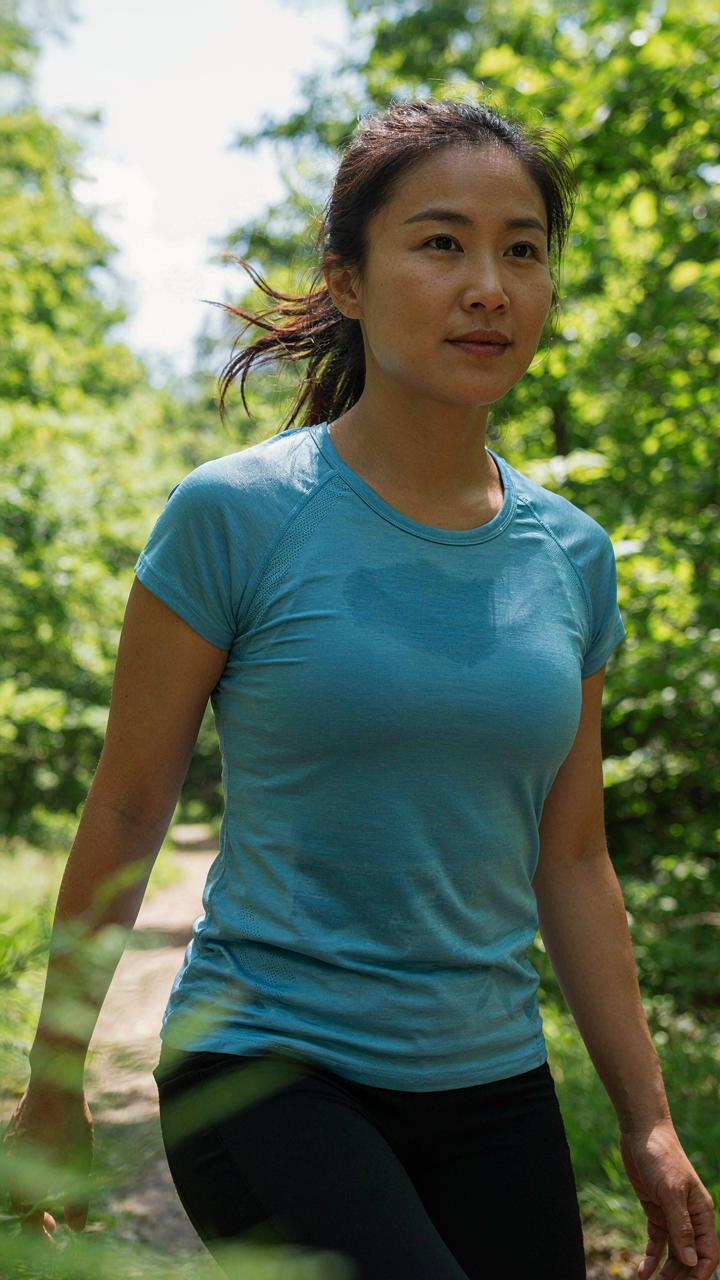
You care about this because you want to look good in photos without admitting the real constraint: movement itself. The mechanism is simple. Hiking isn’t a static pose. Your legs extend past ninety degrees on climbs, your arms swing laterally for balance, your torso rotates to navigate terrain. Fabric that works for standing still fails the moment you load it with actual biomechanics. Most advice stops at “choose stretchy fabrics” and calls it done. That’s incomplete. You need fabrics that stretch in multiple directions simultaneously and recover their shape without binding.
Cotton fails here first. It absorbs sweat, holds moisture, and loses elasticity when wet. Synthetic blends work because they stretch vertically and horizontally without memory loss. Couple-specific problem: one partner may hike uphill aggressively while the other moves at a different cadence. Mismatched pacing means different joint angles and load patterns on the same outfits. Your shorts need to accommodate both a high-knee stride and a measured step without riding up or creating friction points at the inner thigh. This is where most hiking wear marketed to couples actually fails. Test movement in a store. Squat deep. Lunge. Don’t just stand there.
Avoiding Fabrics That Fight Your Natural Gait
Denim is dead weight on trail. Canvas binds. Linen crinkles and restricts. These fabrics have low stretch recovery and high friction coefficients against your skin. Your gait naturally widens on steep terrain and tightens on flat sections. Rigid fabrics don’t adapt to that shift. They force your legs into a pattern the material allows rather than the terrain demands. Polyester blends with nylon or spandex in the 85/15 or 90/10 ratio preserve range of motion without baggy excess.
The second mistake couples make is buying matching outfits in identical cuts. Men and women have different hip geometry, leg length ratios, and center of gravity. A shirt cut for a man’s shoulder width won’t sit right on a woman’s frame, even if both are labeled the same size. Fabric that moves correctly on one partner creates dead spots on the other. Buy independently. Fit the individual body, not the aesthetic of matching. Once you’re both moving without restriction, the outfit works. When one person is constantly adjusting, repositioning, or fighting their clothes, the hike deteriorates and the couple’s pace becomes a negotiation instead of a rhythm.
The Hiking Date Algorithm: Beyond The Photoshoot
Dress For The Conversation, Not The Camera
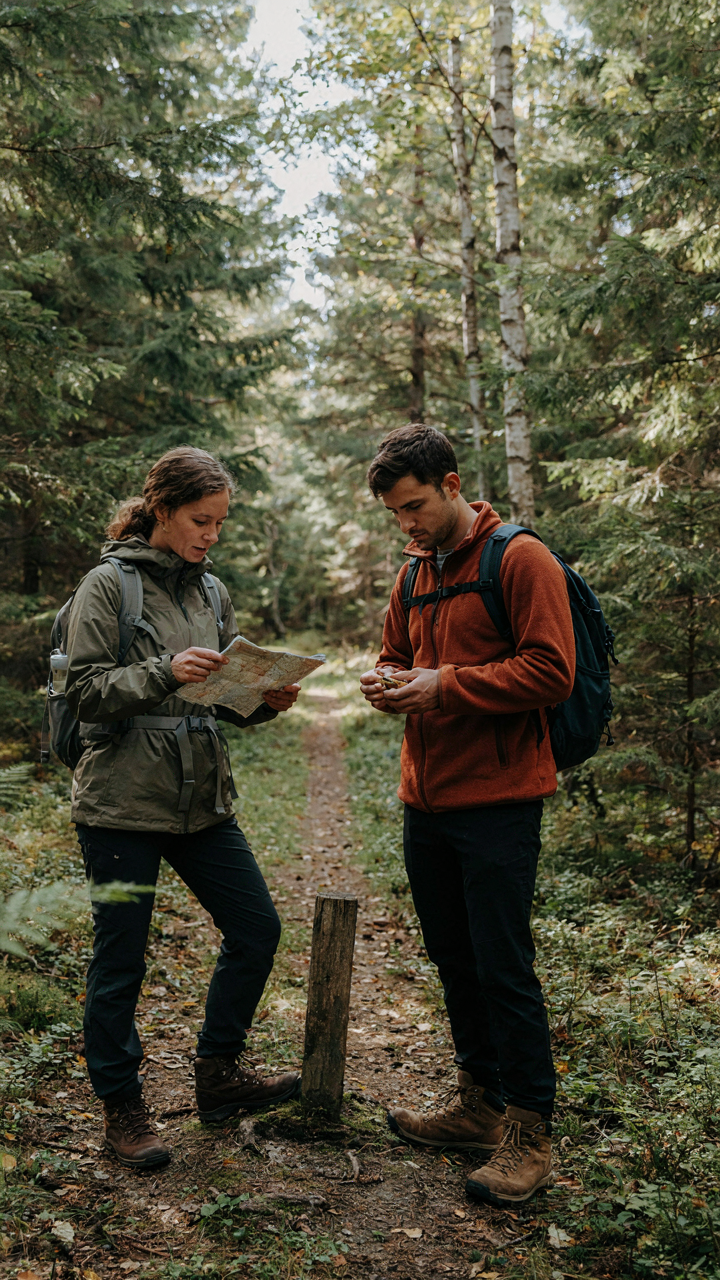
You’re reading this section because you want your couple photos to look intentional, not accidental. Here’s the mechanism: outfits built for Instagram are built for stillness, and stillness kills the actual experience you’re paying attention to capture. The real algorithm is thermodynamics applied to social dynamics. When both people are comfortable, they stop performing for the lens and start performing for each other. The conversation deepens. The chemistry reads.
Forget the advice about “coordinating colors” or “matching energy.” That’s surface-level noise. Build outfits around function first, then aesthetics follow naturally. When you choose breathable fabrics, proper layers, and shoes that let you actually walk without thinking about your feet, you eliminate the constant micro-adjustments that break presence. Both of you stop being aware of your bodies and start being aware of each other.
- Moisture-wicking base layers: Technical fabrics like polyester or merino wool pull sweat away from skin, keeping you cool and preventing the visible dampness that makes people self-conscious in photos.
- Neutral, muted tops: Earth tones, grays, and soft greens photograph well without screaming for attention. This lets facial expressions and interaction become the focal point instead.
- Matching silhouette strategy: Both partners in similar fit types (fitted, relaxed, layered) creates visual cohesion without looking like you tried too hard at coordinating.
- Shorts or capris with real pockets: Functional pockets eliminate the fidgeting that shows up in photos and let you move without clutching bags or worrying about where to put your hands.
- Trail-specific footwear over aesthetics: Shoes designed for uneven terrain keep you stable and confident, which reads as natural ease in any photo or video.
The couples who look relaxed in hiking photos aren’t relaxed because they’re naturally photogenic. They’re relaxed because they chose clothes that didn’t require constant attention. This is the difference between looking like you’re on a hike and looking like you’re performing being on a hike.
When The Trail Extends And Weather Shifts
Prolonged exposure changes the game. Most advice about summer hiking outfits ignores that trails get longer than planned, clouds roll in, and temperature swings six degrees between shade and sun. You need coverage that doesn’t announce itself. A lightweight, packable layer beats an oversized hoodie every time because it compresses into a small pocket and doesn’t make you look bundled up if weather stays stable. Merino wool shirts in particular regulate temperature across a wider range than cotton, which means less constant adjustment and less distraction during the experience itself.
The practical mechanic is this: choose one reversible decision rather than multiple backup pieces. A long-sleeved technical shirt with rolled sleeves works in heat, extends to full coverage in a cold snap, and provides UV protection without looking like you’re preparing for a blizzard. Lightweight pants that convert to capris through zip-off legs beat carrying shorts and long pants separately. Build your outfit around the scenario where things don’t go exactly as planned, then you’re never caught managing gear instead of managing the moment.
Hiking With Boyfriend: Mutual Preparedness For Any Scenario
Know Your Gear Before You Need It
You want to look like you have your life together on the trail. Here’s what actually matters: you both need to know what each piece of gear does and why it’s there, because if one person goes down, the other executes. This isn’t paranoia. This is systems thinking from military logistics applied to two people in the woods. Redundancy only works if both operators understand the equipment.
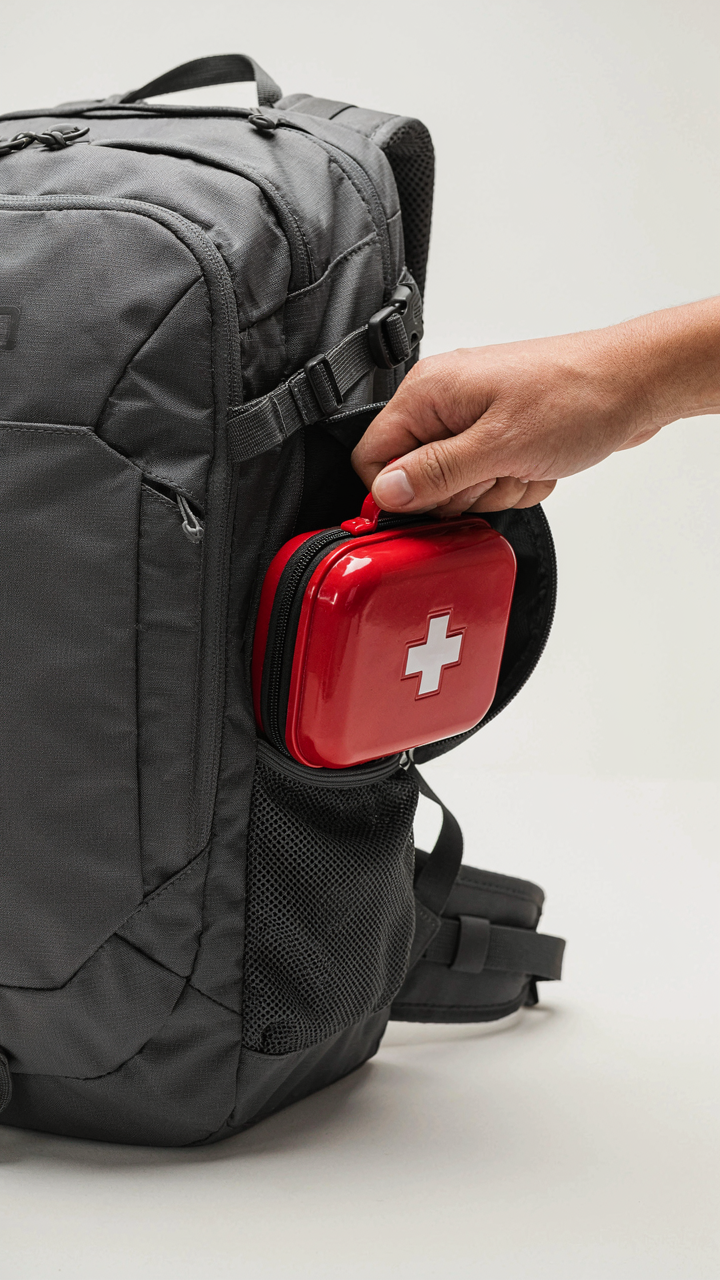
Walk through your pack together before the hike. Your boyfriend should know where the first aid kit lives and what’s in it. You should know how to deploy the emergency whistle, how the water filtration system works, and where he keeps the backup batteries. The common advice is “just communicate,” but that’s vague. The mechanism is this: each person verbally explains one piece of safety gear to the other, then explains when it gets used. No assumptions.
Personal Comfort Stops The Hike Before Injury Does
Your individual comfort needs aren’t luxuries that slow things down. They’re the early warning system that prevents a blister from becoming a twisted ankle or heat exhaustion from becoming a real problem. If you ignore your foot discomfort or he powers through dehydration, the hike ends anyway, just worse. You each own your own experience on the trail.
Wear socks that fit your feet, not his recommendations. Bring the hydration system that works for your body’s sweat rate, not what some internet list says you should carry. He does the same. Before departure, each person states their specific vulnerabilities: maybe you overheat in direct sun, maybe he gets knee pain on descents. Then you both pack accordingly and check in at mile markers without waiting for the other person to fail first.
The Illusion Of The Perfect Hiking Photo Op Is Your Only Real Obstacle

Most couples sabotage their hikes chasing an Instagram moment that doesn’t exist. You pick outfits based on how they look together in filtered light, not how they function on the trail. Stop optimizing for the photo. Buy one good moisture-wicking shirt, wear it, and go hike. The couples who remember their trips aren’t the ones who nailed the aesthetic. They’re the ones who actually finished the climb.