
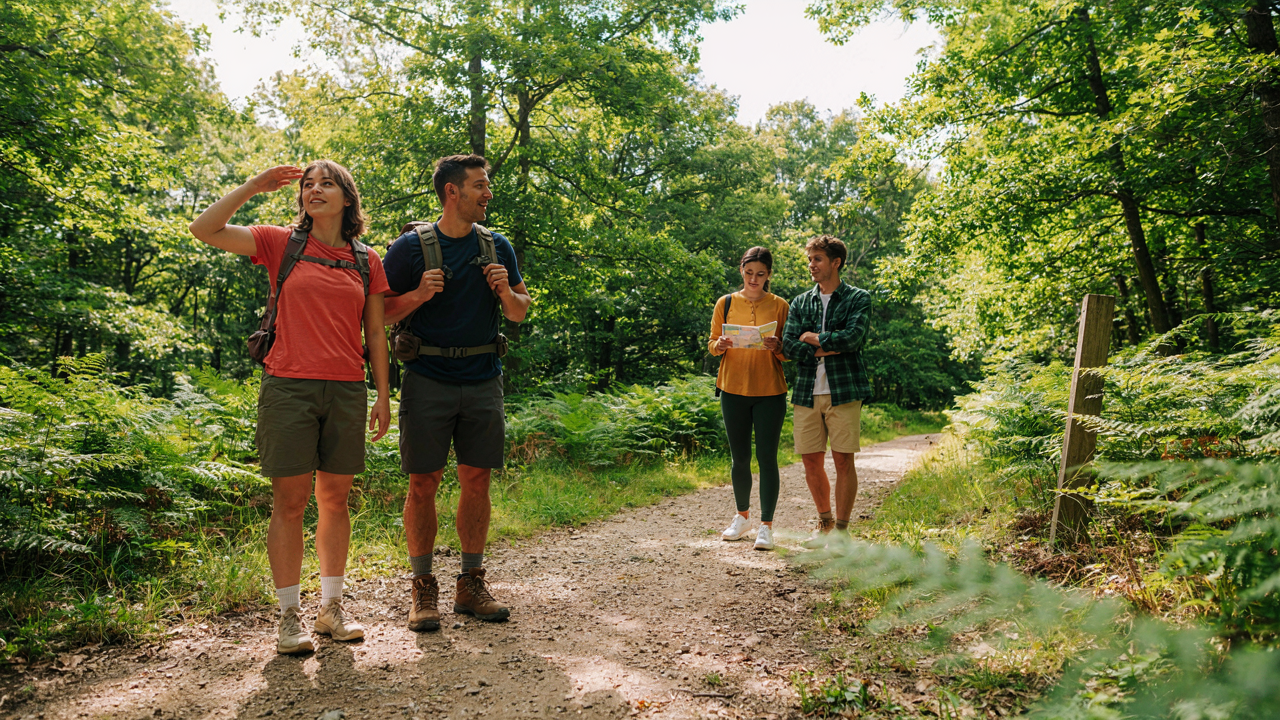
Beyond Instagram: The Reality Of Hot Weather Hiking Outfit Women

Sweat Management: Function Over Aesthetics
You want to look good on the trail because you think the outfit matters to other people. It doesn’t. What matters is thermoregulation, which biology calls “heat dissipation”—your body’s ability to shed metabolic heat faster than it builds up. Cotton traps moisture against your skin and kills your cooling mechanism. Synthetic fabrics and merino wool move sweat away from your body so evaporation can actually work. The outfit that looks worse is the one keeping you alive on a six-mile climb.
Your base layer does the real work. A lightweight synthetic or merino shirt pulls sweat off your skin immediately. Shorts should be minimal coverage, high rise to avoid chafing at the thighs, with a built-in brief so you’re not buying separate underwear. Skip the matching set aesthetic. Pick the shirt that dries fastest and the shorts that stay put when you’re moving uphill for two hours straight.
Common Beginner Mistakes That Cost You

The industry tells beginners to buy “layering systems” as if you’re outfitting an expedition. You’re hiking in summer. You don’t need layers. You need one breathable top, shorts, and maybe a lightweight windbreaker if storms roll in fast. Most beginners own too much gear, wear too much gear, and overheat before mile two. Overheating kills your pace, your mood, and your willingness to come back.
The second mistake is underestimating sun exposure. A cotton t-shirt blocks almost no UV. UPF-rated synthetic tops aren’t optional—they’re the difference between a normal hike and dealing with sun poisoning for three days after. Beginners also skip proper socks, which causes blisters that cascade into foot problems on longer trails. Merino blend hiking socks wick moisture and prevent friction. They’re not luxury items. They’re prevention. Buy them before your first hike, not after your feet blister.

The Thermoregulation Protocol For Summer Hike Survival

Why Your Body Fails On Trail
You want to avoid looking unprepared. The real problem is simpler: your body dumps heat through sweat, and if your outfit blocks that process, core temperature rises fast enough to wreck your hike before you notice it happening. Biology calls this thermoregulation, the body’s closed-loop system for maintaining safe internal temperature. On a summer hike, your clothing is the feedback mechanism that either works or fails. Most beginners treat fabric choice like fashion. It’s physiology.
Your skin radiates heat, but only into air cooler than your body. Ninety percent of heat loss in summer hiking comes through evaporation of sweat on exposed skin or through fabric. Trapping sweat against your body doesn’t cool you. It overheats you. The gap between understanding this and acting on it is where people bonk on trail, make poor decisions, and turn a three-hour hike into a miserable forced march.
Fabric Architecture That Actually Works
The “moisture-wicking” label is marketing noise. What matters is fiber structure. Synthetics like polyester and nylon move sweat away from skin by capillary action, then shed it into air. Cotton absorbs water and holds it, raising skin temperature instead of lowering it. Merino wool wicks moisture and regulates temperature across a wider range than synthetics, but costs more and dries slower. Choose based on the mechanism, not the brand name.
Your base layer sits against skin. It must transfer sweat outward faster than skin produces it. Mid-layer adds zero value on summer hikes unless you’re climbing high elevation at dawn. Your outer layer should be minimal: a thin, breathable shell for sun protection and wind, nothing more. The protocol is skin-to-air, with no trapped moisture between stages. Skip the layering advice built for winter. Summer demands the opposite approach.
Why Your Cute Hiking Outfit Is A Liability, Not An Asset

Performance Beats Instagram Every Time
You want to look good on the trail because looking good signals competence. But the mechanism is simple: the outfit that photographs well usually fails under load. Social proof doesn’t cool your core temperature. A fitted tank top and coordinated leggings look intentional in the trailhead parking lot. After two miles uphill in direct sun, that outfit becomes a heat trap and a blister factory. The gap between aesthetic choice and physiological demand is where beginners suffer.
The trail doesn’t care about your aesthetic. It cares about thermoregulation, moisture management, and chafe prevention. Every piece of gear you wear either works with your body’s cooling system or against it. Loose, lightweight, light colored fabrics move air. Tight, dark, or heavy fabrics trap heat and sweat. Your outfit choice determines whether you finish strong or limp back to the car with regret. Pick function first, always.
Synthetic Beats Cotton Every Single Time
Cotton seems like the logical choice because it feels soft in a store. But thermodynamics is brutal here: cotton absorbs and holds moisture instead of shedding it. When you sweat, wet cotton against your skin stays wet. It cools through evaporation, but sweat-soaked cotton blocks airflow and holds heat closer to your body. This is why hikers in cotton get cold even when overheating on the climb. The fabric traps your own sweat against you.
Synthetic fabrics like polyester and nylon shed moisture through the weave. They dry faster, wick sweat away from skin, and let air circulate. Merino wool is the premium alternative, naturally antimicrobial and temperature regulating, though it costs more. Your base layer and shirt must be synthetic or wool, not cotton. Check fabric tags before you buy. This single choice determines how comfortable or miserable your hike becomes.
The Minimalist Trail Outfits: Less Is More (Protection)

Strategic Layering For Sun And Abrasion
You want to look like you’ve got it figured out without hauling a closet up the mountain. Here’s the actual mechanism: layering in summer isn’t about warmth—it’s about managing two separate threats. Sun exposure compounds across hours. Abrasion compounds across miles. Each threat requires different fabric behavior, not just more stuff. Cotton holds moisture and accelerates sun damage. Synthetics dry fast and reflect UV. Merino wool manages both but adds weight most beginners won’t justify.
The real play is this: start with one technical base layer that handles moisture and UPV protection, then add one loose outer layer for brush protection. Nothing else. A loose synthetic shirt over a fitted base layer creates air gap—the same principle military desert uniforms use to reduce heat load while blocking abrasion and sun simultaneously. Skip the middle layers entirely. Most beginners pack a fleece or second shirt they never use because summer heat makes it dead weight. Test your base layer and outer layer combination on a two-hour hike first. You’ll know within that window if you need adjustment.
Pack Weight: Comfort Versus Burden Balance
The lie everyone tells: lighter is always better. The truth: carrying less matters less than carrying the right things. Ounces matter on day five of a backpacking trip. On a four-hour summer day hike, they don’t—comfort matters. A beginner carrying five pounds of gear they actually need feels better than a minimalist carrying three pounds of gear that fails them halfway through.
Start by weighing what you actually bring on your first hike. Most beginners overpack by two to three pounds through redundancy: two water bottles, multiple snacks, backup layers, extra socks. Cut ruthlessly. Bring one two-liter hydration system instead of bottles. Bring one energy source, not five options. Bring one outer layer, not two. Then weigh the result. If it’s under eight pounds of gear on your body, you’ve hit the threshold where comfort becomes the limiting factor, not burden. At that point, invest in fit and fabric quality, not reduction.
Unlocking “Adventure Style”: The Functional Fashion Paradigm

Utility Over Brand Names
You want people to recognize you made the right choice. Here’s the mechanism: brands sell identity, not performance. Most beginners fixate on logos because logos are shortcuts to credibility. They’re not. Real utility comes from material properties and design trade-offs, not who stitched the label.
Cotton absorbs sweat and dries slowly. Synthetic blends wick moisture and dry fast. Merino wool regulates temperature without smell accumulation. These aren’t brand traits. They’re material facts. Test a shirt’s weight, seam placement, and sleeve length against your actual arm span and torso. Buy based on fiber content and fit, not marketing language. The expensive brand and the budget alternative often use identical fabric from the same supplier.
Style Within Constraints
Constraints breed better decisions than freedom. The outdoor industry learned this from military equipment design, where form follows function. You have constraints: terrain type, temperature range, weight limits, and weather exposure. These aren’t restrictions on style. They’re the foundation for it.
Your outfit communicates through choices within these limits. Neutral colors hide dirt and work with multiple items. Fitted cuts let you layer without bulk. Visible zippers and pockets telegraph competence. Pick two or three earth tones, add one accent color, and build combinations. This isn’t bland. This is editing. The best-dressed beginners on any trail aren’t trying hardest. They’re thinking about what actually matters.
The True Cost Of Neglecting Summer Hiking Outfit Women Details

Your Body Burns Energy Fighting The Wrong Clothes
You care about this section because you don’t want to look stupid on the trail. Here’s what actually happens: thermodynamics governs heat transfer, and your outfit either accelerates or resists it. Wear cotton or heavy synthetics in summer sun, and your body hemorrhages energy maintaining core temperature. You’re not tired from the hike. You’re tired from working against your own gear.
Most beginner advice skips this entirely. They say “wear layers” without explaining why layers fail in high humidity or direct sun. Cotton retains sweat and loses insulation when wet. Tight fabric traps heat. Dark colors absorb radiation. Each choice forces your cardiovascular system to compensate with more effort, faster heart rate, and early fatigue. The mechanism is simple: poor fabric selection creates thermal stress that depletes glycogen stores faster than the actual terrain would.
Sun Damage Compounds Faster Than You Think
UV exposure in summer creates cumulative cellular damage that doesn’t announce itself with immediate pain. The damage compounds across repeated hikes. Fair skin burns in fifteen minutes of midday sun without protection. Darker skin tones take longer but still sustain DNA damage in the epidermis. UV-A penetrates deep enough to degrade collagen and elastin over time, accelerating visible aging by years.
The standard sunscreen advice misses the structural problem: sunscreen alone won’t protect your eyes, scalp, and ears if you’re uncovered. A wide-brimmed hat blocks direct rays before they hit skin. Long sleeves in breathable fabric reflect heat while preventing burn. UPF-rated materials actually block radiation in their fiber structure rather than just coating your skin. Stack these interventions together, and you reduce cumulative damage by seventy to eighty percent over a season of regular hiking. Don’t hike uncovered and rely on topical protection alone.
Your Skin Is Your Armor: Sun Protection Beyond Fabric

The Three Layers Of UV Defense
You want to ignore this section because sun damage feels invisible and you’re betting you won’t be the one burned. That bet loses. UV radiation works like compound interest on skin damage—the mechanism is cumulative DNA harm in your cells, not a surface problem. Think of sun protection through the lens of layered defense systems used in materials science: each layer stops different wavelengths, and gaps in coverage create failure points.
- Wide-brimmed hat (3-inch minimum): Blocks direct UV rays from hitting your face, ears, and neck. Darker fabric absorbs more radiation than light colors. Prioritize coverage over ventilation on summit climbs.
- UV-blocking sunglasses: Protects your eyes and the thin skin around them. Real UV-blocking lenses filter 99-100% of UVA and UVB rays. Wraparound styles block side exposure that standard frames miss.
- Broad-spectrum sunscreen (SPF 30 minimum): Covers skin gaps that fabric doesn’t reach. Reapply every two hours or after sweating. SPF measures UVB protection primarily, but broad-spectrum formulas include UVA defense.
- Long-sleeve hiking shirt: Lightweight UPF-rated fabric stops UV penetration better than bare skin. Merino wool and synthetic blends both work. Looser fit still provides protection while managing heat.
- Neck gaiter or bandana: Protects the neck and lower face in high-altitude situations. Doubles as sweat management. Tie it around your head under your hat brim for consistent coverage.
Most beginners apply sunscreen once and think the problem is solved. It breaks down through sweat, water contact, and time. Your actual protocol is application at the trailhead, reapplication at the midpoint, and once more before descent. This isn’t preference—it’s the window where protection fails.
Timing And Terrain Geometry
Peak UV intensity hits between 10 a.m. and 4 p.m. This isn’t just stronger sun—it’s steeper incident angles that magnify skin exposure. Early starts matter because they shift your peak effort into lower-radiation hours. Late afternoon summits mean your most intense exertion happens when UV damage accelerates fastest.
Terrain geometry creates hidden exposure zones that most hikers miss. South-facing slopes amplify direct radiation. Alpine terrain above treeline removes the one natural barrier that matters. Water, snow, and light-colored rock reflect UV back at your skin, essentially doubling the dose. If you’re hiking in mountains with high reflective surfaces, your protection plan needs to account for radiation coming from below and the sides, not just above.
Footwear Fallacies: The Foundation Of Your Hiking Outfit

Where Blisters Actually Come From
You care about this section because blisters feel like random bad luck, and admitting your feet failed you feels like weakness. They’re not random. Friction is the mechanism. Physics applies here: two surfaces moving against each other generate heat. Your skin and sock create one friction pair. Your sock and shoe create another. Moisture amplifies both. Sweat doesn’t just make your foot wet—it reduces the friction coefficient between skin and fabric, forcing your foot to slide more inside the shoe to find grip, which generates more heat and more damage.
Most advice says “wear good socks” and stops. That’s incomplete. The real work happens before friction starts. A blister forms because your foot moves inside your shoe during the hike. This happens when your shoe is too loose, your foot swells from heat and exertion, or your sock bunches. Moisture accelerates the timeline. A dry foot can tolerate minor sliding for hours. A wet foot breaks down in minutes. Your job is to eliminate movement and manage moisture simultaneously—not pick a better brand.
Sock Choice Determines The Outcome
The common take on hiking socks is that merino wool prevents blisters because it’s “breathable” and “wicks moisture.” That’s marketing language masking the real mechanism. Merino wool has a crimp structure that traps air and resists compression. This matters less than you think. What matters is thickness and fiber behavior when wet. Synthetic blends stay rigid when damp. Merino stays elastic. Elasticity keeps the sock snug against your skin even as sweat accumulates, reducing movement and friction.
Choose a sock with merino content above 50 percent, aim for medium weight, and make sure the heel and toe have reinforcement. Reinforcement means extra plies of yarn in high-friction zones—not a marketing term but an actual construction technique. Wear your hiking socks during a short walk before committing to a full hike. Your feet swell during activity. A sock that fits perfectly at rest will bunch after two miles. Buy two pairs, wear one on a test day, and adjust before the real hike.
Hydration Is Not An Outfit Accessory: It’s The Engine Of Outdoor Fashion
Electrolyte Balance: Avoiding System Collapse
You care about this section because you’re afraid of looking unprepared or, worse, getting hurt on a trail and having no one to blame but yourself. Here’s the mechanism: hydration operates like a hydraulic system. Your body isn’t a bucket that just needs filling. Sweat depletes sodium and potassium faster than water alone replaces them. On a summer hike, this imbalance tanks your cognitive function before your thirst even registers. You start making bad decisions on the trail because your electrolytes crashed, not because you ran out of water.
Most beginners pack water and nothing else, then wonder why they bonk at mile four despite drinking constantly. That’s incomplete. Your outfit choice determines how much you sweat, which determines your electrolyte burn rate. Cotton holds sweat against your skin and accelerates dehydration. Synthetic or merino base layers wick moisture away and slow the rate at which you lose electrolytes through evaporation. Bring electrolyte tablets, powder, or sports drink mix that contains sodium and potassium, not just carbs. Consume them on schedule, not when you feel weak.
Water Access: Planning For Scarcity
Trail difficulty isn’t determined by elevation gain. It’s determined by water availability. A ten-mile hike with three reliable water sources plays completely different than a ten-mile hike with one. Beginners treat water like an infinite resource because they’ve never run out. They plan their outfit, their pack weight, their pace, everything except water logistics. This creates a ceiling on how far or how hot a hike you can actually complete.
Scout your trailhead before you go. Know where water sources sit. Know if they’re seasonal. Cross-reference your route with recent trip reports and park maps. Carry a water filter or purification tablets so you can drink from any source you find. Structure your hike around water availability, not around what sounds good. Start near a water source, place your turnaround point at a reliable refill station, and never hike past a water source assuming you’ll find another one downstream.
The Unspoken Rules Of Women Lifestyle & Adventure Style

Competence Builds The Outfit, Not Instagram
You want permission to buy the right gear without looking like you’re trying too hard. Here’s the mechanism: confidence comes from demonstrating competence to yourself first, which means your outfit choices stop being about signaling and start being about function. When you’ve actually hiked in cotton and felt it hold sweat for six hours, you don’t debate buying merino wool. The decision makes itself.
Most advice tells you to find your style and express yourself through hiking clothes. That’s backwards. Your style emerges after you’ve done the work. A beginner’s outfit should solve specific problems: moisture management, temperature regulation, and durability on uneven terrain. Make those choices correctly, repeat them across three hikes, and your personal aesthetic crystallizes as a side effect. You’re not building an identity yet. You’re building a feedback loop.
Your Actual Outdoor Identity Starts With Constraints
Ignore the pressure to curate a cohesive aesthetic before you know what you need. Your outdoor identity isn’t something you download from a lifestyle brand. It’s the set of consistent choices you make because they work, not because they photograph well together. Buy a reliable base layer because it dries fast and doesn’t stink. Buy hiking pants with real pockets because you carry things. Wear the same boots twice before you judge them.
After five to ten hikes, patterns emerge. You’ll notice you prefer certain colors because they don’t show dirt. You’ll gravitate toward specific fits because they don’t restrict movement on steep climbs. You’ll develop opinions about zippers versus buttons, long sleeves versus short, because you’ve tested the trade-offs yourself. That’s when your style becomes real. Stop trying to define it. Let your behavior define it instead.
The Real Obstacle Isn’t The Sun; It’s Your Unexamined Assumptions About Comfort And Control

Most beginners buy too much gear because they confuse preparedness with safety. You don’t need the perfect outfit. You need to stop overthinking and hike. Pick moisture-wicking clothes, wear sunscreen, bring water. Then get outside this weekend and actually move. The only real mistake you can make is staying home waiting for ideal conditions that never arrive. Stop planning the hike and start taking the hike.