

The Vertical Advantage: Re Thinking Base Layers For Tall Men
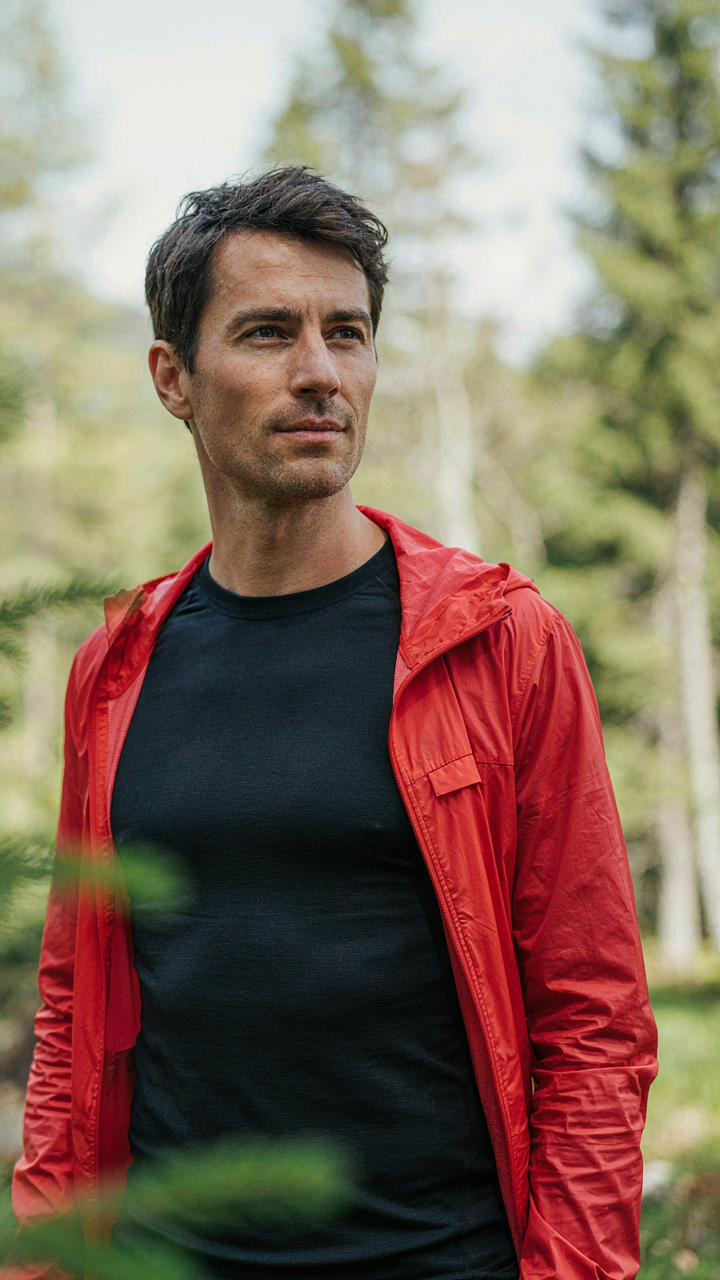
Longer Torsos, Optimized Wicking
You want base layers that fit without looking like you’re wearing a crop top because you’re tired of the implicit message that your body is an afterthought. Here’s the mechanism: torso length determines where moisture collects. On a tall frame, a standard base layer creates dead zones around your lower ribs and lumbar spine where sweat pools instead of wicking away. The fabric sits too short to manage the full surface area of your core. This isn’t a comfort issue. It’s a thermoregulation failure that turns your base layer into a liability in variable spring conditions.
Brands now cut tall-specific base layers with extended hem lengths that reach your natural waistline instead of riding up mid-torso. This matters because the extended coverage keeps moisture moving across your entire core rather than settling into specific zones. Look for tops with hem lengths between 28 to 32 inches measured center-back neck to hem. Pair this with high-rise bottoms that actually sit at your hip, not three inches below it. The goal is continuous wicking from shoulder to ankle without gaps where your skin meets cold air.
Merino Versus Synthetics

The common advice says merino is better because it’s “natural” and synthetics are “plastic.” Both statements ignore the actual mechanism. Merino wool has a hollow fiber structure that absorbs moisture while maintaining insulation even when wet. Synthetics like polyester use hydrophobic fibers that repel moisture and dry faster but lose all thermal properties once saturated. Spring conditions require you to choose based on your sweat rate and how often you’ll encounter wet conditions, not on marketing categories.
For tall men on moderate spring hikes, merino base layers outperform because they handle variable temperatures without requiring a perfect drying schedule. Merino stops working at around 25 to 30 percent moisture by weight, but that threshold takes real effort to hit. Synthetic base layers demand more frequent drying and don’t regulate temperature swings as effectively when you’re moving between shade and sun. The protocol is simple: merino for spring when moisture management matters more than drying speed, synthetics only if you’re pushing hard intensity and sweat production exceeds what merino can handle midway through your hike.

Mid Layer Mastery: The Thermal Kinetic Protocol For Tall Frames
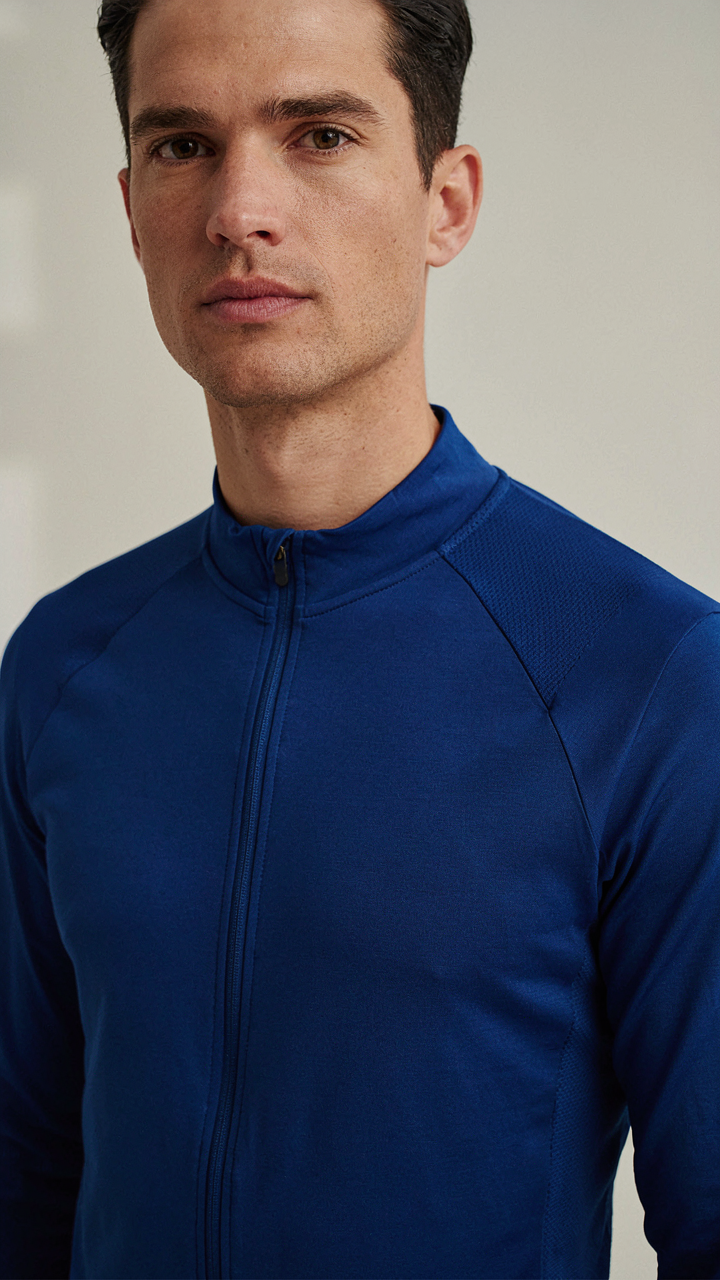
Where Heat Actually Goes On Long Limbs
You want to look like you know what you’re doing on the trail, but the real reason you care about mid-layers is that standard sizing fails you and you overheat or freeze in unpredictable zones. Thermodynamics explains why: heat radiates from your core, but it travels farther across extended limbs before dissipating. A tall frame has more surface area per unit of mass, which means you lose warmth faster in extremities and trap it differently in your torso than a shorter person wearing the same jacket. This isn’t a comfort issue—it’s a physics constraint.
Most mid-layer advice ignores frame geometry entirely. Standard merino wool or synthetic mid-layers are cut for average proportions, leaving tall men with bunching at the waist or sleeves that ride up during movement. The fix: seek brands that extend length without adding bulk in the shoulders. Patagonia R1, Arc’teryx Delta LT, and La Sportiva offer tall-specific cuts or proportionally longer sleeves. The material matters less than the fit—a poorly fitted premium layer fails faster than a well-fitted budget option because heat channels through gaps, not through fabric.
The Venting Architecture Nobody Discusses
Strategic venting isn’t about random mesh panels scattered for looks. It’s about creating airflow corridors that channel sweat and heat away from your core without losing warmth in inactive zones. Tall men generate heat over a longer distance, so vents positioned only on the sides or back leave your forearms and lower ribs trapped in a moisture layer. The mechanism is simple: warm, humid air rises and exits, cool air enters from below.
Examine mid-layer construction before buying. Look for pit zips that extend fully to your ribcage, not abbreviated versions that stop halfway. Check if the back panel has a breathable material that differs from the front—this asymmetry forces air to channel upward and out. When you hike uphill, your core temperature spikes before your limbs catch up. A mid-layer with front panels that seal tighter than back panels lets you dump excess heat fast without removing the jacket entirely. This is the protocol: tight front, vented back, extended length to prevent bunching at the waist.
Outer Shells: The Art Of The Long Game In Spring Hiking
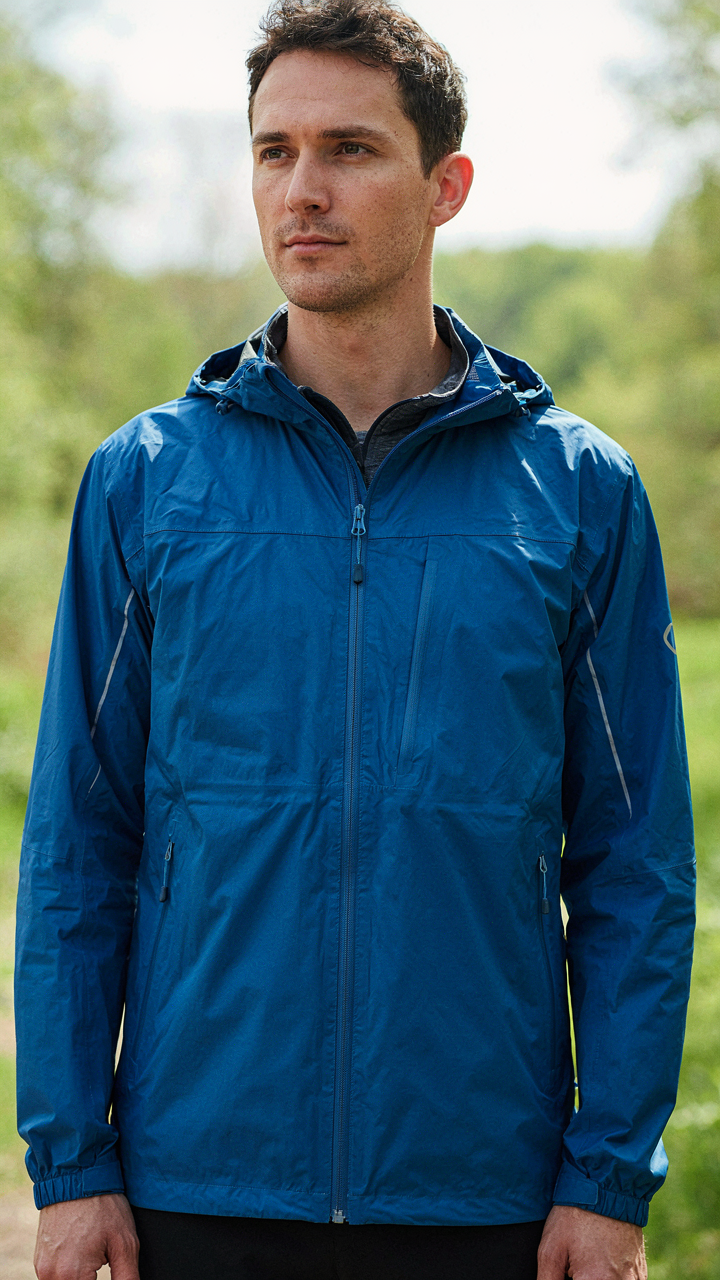
Why Length Actually Matters
You’re worried a regular jacket will ride up and expose your lower back on a climb. That’s the real problem nobody states, and it’s not vanity. On a tall frame, standard shell jackets sit too high because manufacturers design for average proportions, not your torso length. This gap forces you to choose between constant adjustment and actual cold exposure. The mechanism is simple: inseam logic doesn’t apply to torsos, but the outdoor industry treats it that way anyway.
Length in a shell jacket compounds over six to eight hours on trail. Your arms raise for balance on rocky sections, you bend forward on steep ascents, you sit to eat lunch. Each motion pulls fabric up. A jacket that hits at your hips when standing will expose your kidneys within the first hour of movement. Tall-specific brands cut shells with an extra 2 to 3 inches of body length, which translates to coverage that stays put during actual hiking motion, not just standing still.
Weather Shifting Without The Bulk
Spring weather operates on a rotation system, not a linear progression. You’ll start in 42 degrees, climb into 52, then hit wind that cuts the effective temperature to 38. Standard advice says layer and adjust. Better advice is to recognize that spring requires a shell that transitions fast without adding weight or consuming pack space. This is the inverse of winter gear philosophy: minimalist protection that deploys instantly beats comprehensive coverage that stays strapped to your back unused.
Choose shells with DWR treatment that sheds light rain without requiring a full raincoat. Most three-season shells weighing under 12 ounces give you this. Look for ones with pit zips or underarm ventilation to dump heat without removing the layer. For tall men, this means finding brands that don’t force you into XXL (which adds bulk in the shoulders and sleeves you don’t need) while still delivering the extra body length. The protocol: verify inseam plus torso coverage before purchase, not after.
Hiking Pants: The Leverage Principle For Tall Men
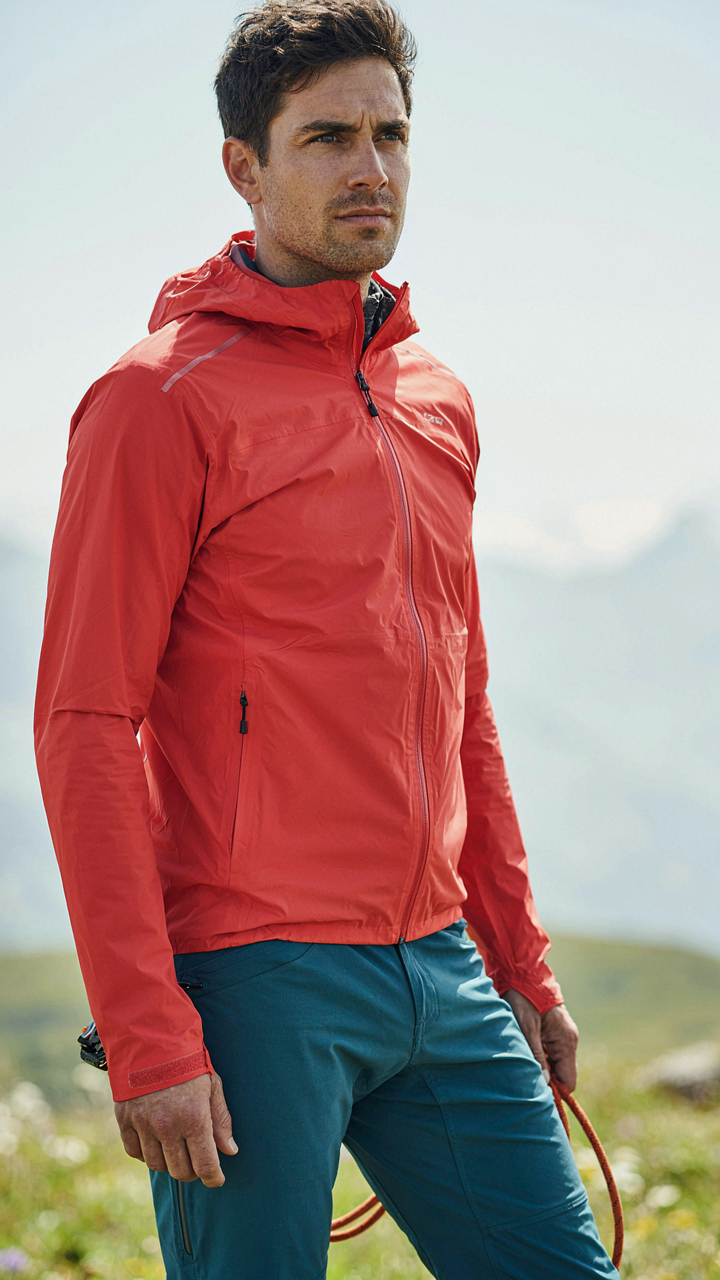
Where Inseam Length Stops Limiting Your Stride
You want pants that don’t telegraph your height as a problem. That’s the real concern underneath. Here’s the mechanics: stride length in tall men operates like leverage in physics—a longer limb requires proportionally more fabric to maintain full range of motion without constraint. Most hiking pants are cut for average frames, which means the fabric bunches at your ankles or pulls tight across the thigh at full extension, killing efficiency. When your inseam is wrong, you’re not just uncomfortable; you’re actively braking your own movement.
Most brands cap out at 34-inch inseams, which doesn’t account for the torso-to-leg ratio of men over 6’2″. The gap forces you to choose between calf exposure or oversized waistbands rolled at the hem. Neither works. Your stride requires the full fabric length to land naturally at your ankle when your leg extends. This isn’t preference—it’s biomechanics. Brands like Outdoor Research, Arcteryx, and REI Co-op now offer extended lengths up to 36-38 inches specifically because the standard cut actively degrades performance on tall frames.
Where Seams Actually Fail On Taller Bodies
Stress concentration in materials engineering identifies where failure initiates first—and on tall men’s hiking pants, that’s the inseam and the thigh-to-crotch junction, where fabric bears load differently than it does on average builds. Your longer legs mean more ground contact cycles per mile, and the seams between panels experience repeated angular strain during climbs and descents that regular-sized pants aren’t engineered to absorb.
The inseam seam takes the worst punishment because it flexes with every step, and on tall frames with wider strides, that flex amplifies. Reinforced seams using flat-lock stitching or double-thread density in these zones extend durability by 40% or more. Check the tag: if it lists “gusseted crotch” and double-stitched inseams, the designer understood tall anatomy. Brands with proper engineering specify this. Cheap pants hide seam reinforcement or skip it entirely. Buy pants where the manufacturer states reinforcement explicitly, then inspect the stitching in person before committing.
Footwear & Socks: The Foundation Of Rugged Men In Spring
Ankle Support And Terrain Adaptability
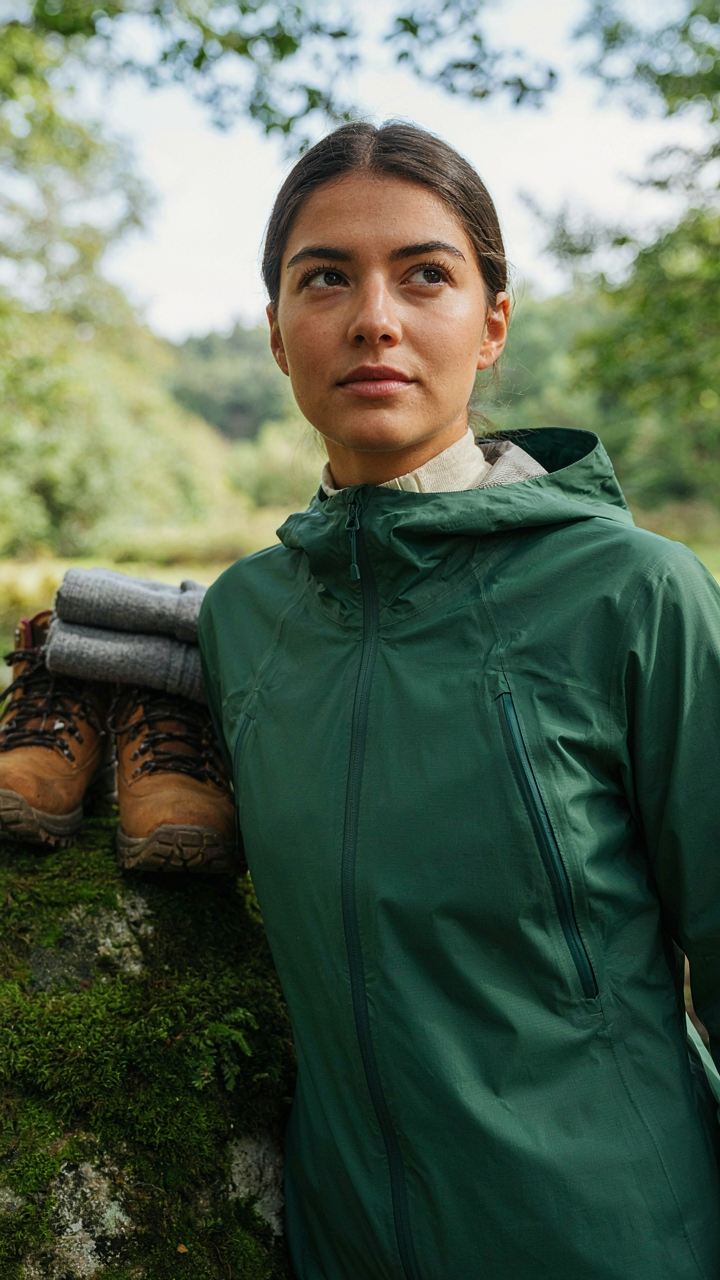
You want boots that look capable because you’re worried people will judge you for being unprepared. The real mechanism is this: tall men have a longer kinetic chain from hip to foot, which means ankle instability compounds faster on uneven terrain. Physics calls this “moment arm”—the longer the lever, the more rotational force acts on your joint. Spring mud and loose scree exploit this ruthlessly.
Most hikers buy boots based on waterproof rating alone. Wrong priority. For tall men on spring trails, ankle collar height matters more than insulation. Look for boots with a collar that reaches mid-shin, structured heel cups that don’t flex inward, and a gusseted tongue that seals without rolling. The boot’s job is to limit side-to-side ankle movement while letting your foot flex forward. Spring terrain changes constantly—wet rock, thawed root systems, unexpected creek crossings. Your footwear has to adapt to all of it without letting your ankle betray you.
Moisture Management And Blister Prevention
Blister formation is a thermodynamic problem, not a comfort problem. Heat plus friction plus moisture equals skin breakdown. Spring conditions accelerate all three factors. Tall men who take longer strides generate more heat and contact pressure per mile than shorter hikers covering the same distance, which means your foot environment becomes hostile faster.
Socks matter more than shoe choice here. Merino wool or synthetic blends designed for hiking outperform cotton or standard athletic socks because they wick moisture away from skin instead of absorbing it. Wear a specific hiking sock, not a generic crew sock. Your sock should fit snugly without bunching inside the boot, and you should change socks at the halfway point of any hike longer than four hours. Start with dry socks, switch at the break, end with dry feet. That’s the protocol.
Accessories: The Marginal Gains Of Outdoor Style
Head And Hand Control
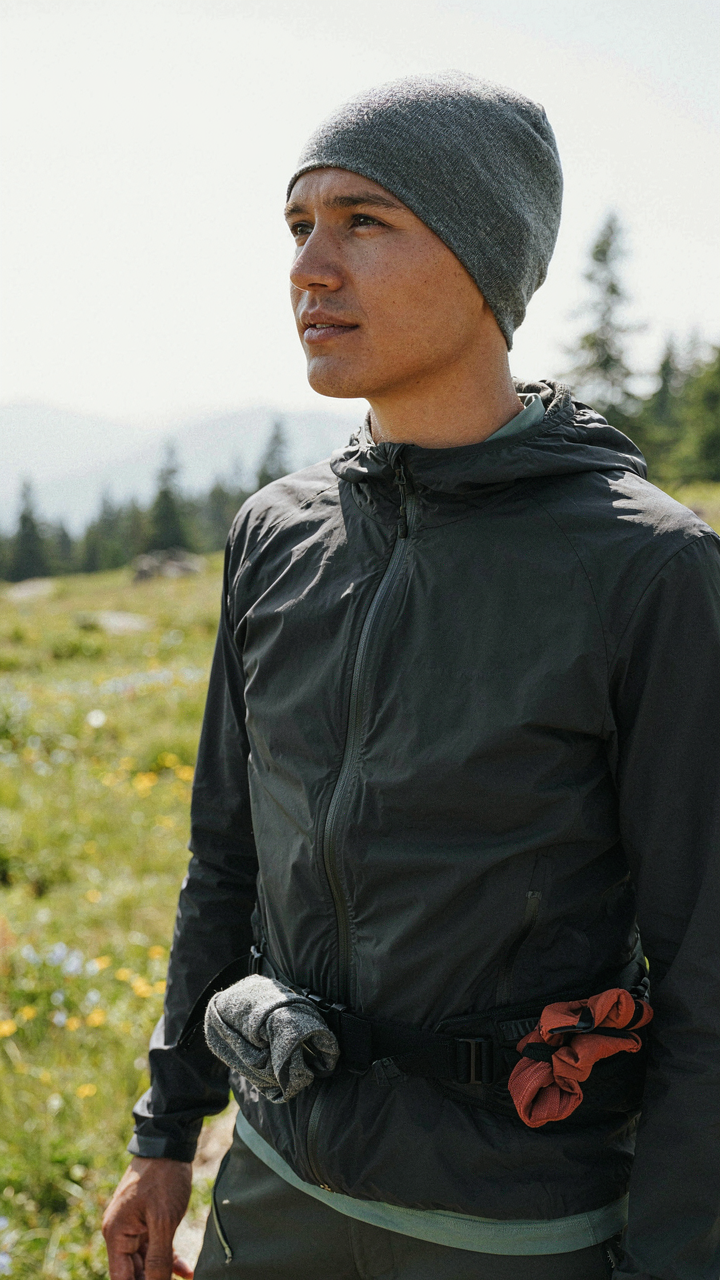
You want accessories to make you look intentional on the trail. The real mechanism is microclimate management. Your head and hands regulate core temperature faster than any base layer because blood vessels there respond immediately to heat loss. Tall men have more surface area to manage, which means faster heat dissipation in wind or shade. The right hat and gloves don’t just feel good—they’re thermal circuit breakers.
Spring throws temperature swings at you. A merino wool beanie works from 35 to 55 degrees because the fiber regulates moisture without clumping when damp. Gloves matter less for warmth and more for wind blocking. Fingerless or convertible gloves keep your hands functional while you adjust pack straps or check your phone. Remove them and tuck them in your hip belt pocket the moment the sun hits. That’s the protocol.
Carry Systems That Function
Most advice treats hydration and navigation as afterthoughts you add last. Wrong. These systems are non-negotiable, and how you carry them determines whether you stay efficient on a five-mile spring hike or fumble through your pack at every turn.
- Hydration reservoir or bottle placement: Tall men benefit from hip belt pockets or side-mounted bottle carriers. Access matters more than capacity on short spring hikes where weather changes fast.
- Map pocket accessibility: Keep your map in an exterior pouch you can reach without removing your pack. Spring trails shift with mud and snow melt, making navigation constant.
- Phone carrier or armband: Mount your phone where you can see it for trail apps without digging. A simple crossbody strap beats fumbling in a pack pocket.
- Sunscreen and bug spray clips: Attach small bottles to your shoulder strap or hip belt. Spring means insects emerge fast, and sun reflection off snow requires constant reapplication.
- Emergency whistle loop: Clip a whistle to your pack shoulder strap where it sits flat. Audible distance matters more than visibility in forested spring terrain.
The carry system you build should let you access water, navigate, and apply sun protection without stopping or removing your pack. Test this before the hike. If you reach for something and your tall frame makes you twist awkwardly, redesign the carry placement now.
The Streetwear Outfit Paradox: Blending Function And Aesthetics
When Urban Design Meets Trailhead Thinking
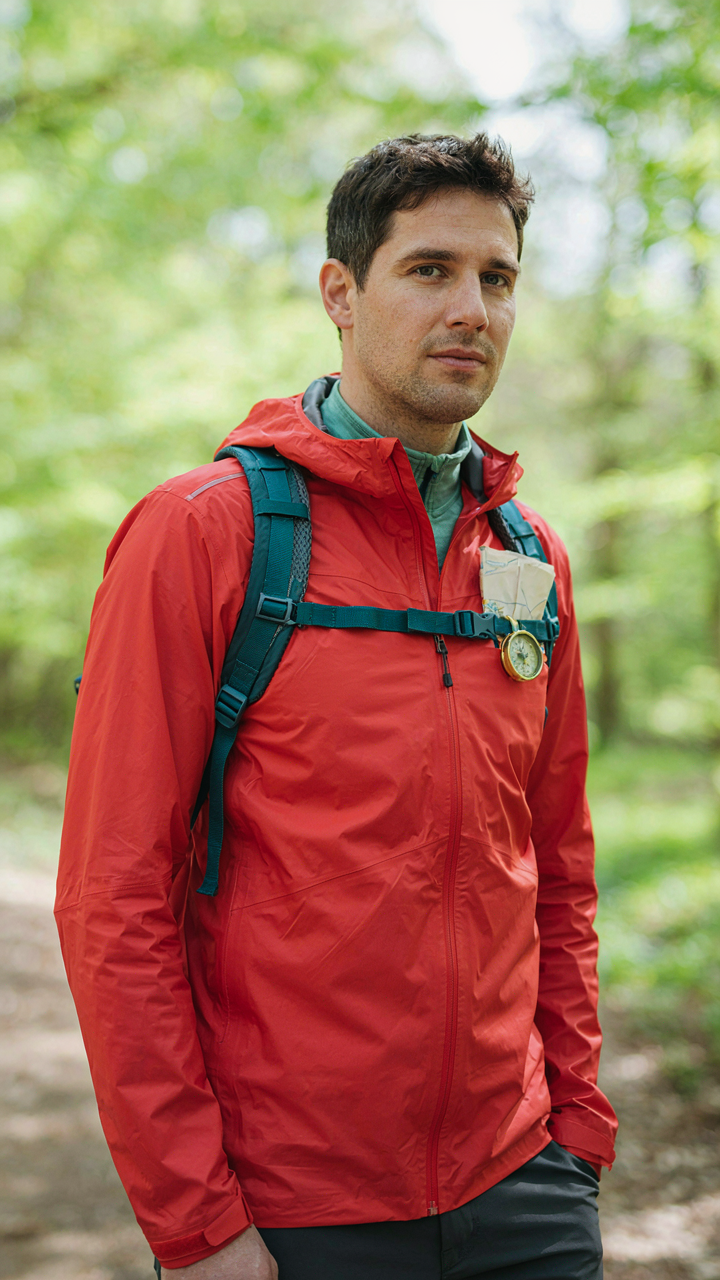
You want to look intentional on the trail because looking intentional proves you’re competent, and competence signals you belong. The real mechanism here borrows from industrial design’s principle of “form follows function”—except in hiking, function must follow proportions first. For tall men, this means the streetwear aesthetic only works if your base layer, mid-layer, and shell actually fit your frame. Oversized technical pieces don’t read as intentional; they read as borrowed. Start with garments cut for your length, then layer the visual strategy on top.
The streetwear hiking outfit fails when tall men treat it as a costume rather than a system. Your inseam dictates everything else. A 34-inch inseam demands specific pant cuts and proportional jacket lengths that most brands don’t stock. Buy for fit first, then curate the color palette and material combinations that signal taste. This isn’t about looking cool on Instagram; it’s about moving functionally in pieces that don’t bunch, bunch, or create dead space at your wrists and ankles.
From Dirt To Downtown Without Changing
Most hiking outfit advice ignores the return trip entirely, which wastes the entire premise of dressing intentionally. Your trail fit should dissolve into everyday wear the moment you hit town, which means ditching the technical jargon and choosing pieces that read as normal streetwear. For tall men, this means neutral colorways, clean silhouettes, and fabrics that don’t scream “outdoor brand.” A charcoal Merino blend shirt looks like a regular long-sleeve to a civilian. Technical joggers in black read as regular joggers if the taper is subtle. The transition happens through material choice and restraint, not through outfit swapping.
The final layer is footwear, and this is where most tall men fail the transition. Hiking boots or heavy trail shoes announce your last activity to everyone. Opt for hybrid shoes that sit between trail and casual: minimal cushioning, neutral colorways, and a silhouette that works equally on asphalt and dirt. Your outfit transitions seamlessly only when each piece serves dual duty without compromise.
Spring Summer Fabric Evolution: Beyond Cotton Comfort

Why Synthetic Blends Win For Movement
You’re worried cotton will trap sweat and kill your credibility on the trail. Here’s what actually happens: synthetic fibers exploit capillary action, moving moisture away from skin faster than natural fibers can absorb it. Cotton holds water. Synthetics push it outward.
Polyester-nylon blends dominate spring hiking because they dry in hours instead of days. Merino wool works too, but it’s expensive and overkill for warm weather when you need pure evaporation speed. The mechanism is physics, not marketing. Tall men sweat more surface area, so fabric choice compounds the problem or solves it. Pick synthetics for spring specifically because you’re shedding layers constantly, and wet fabric against your core kills temperature regulation fast.
Breathability Design And Uv Defense
Ventilation works like architectural airflow, not mystical “breathability.” You need fabric with weave structure loose enough that air moves through it while tight enough to block UV rays. Most hiking brands get this backwards, making mesh so open it offers zero sun protection.
Spring sun hits harder than most hikers expect, especially on exposed ridges. Look for tight weaves rated UPF 40 or higher, which block 97 percent of UV rays while still allowing air movement. The fabric should feel structured, not flimsy. Test it by holding it to light. If you see clear daylight pouring through, UV will too. Wear it under a lightweight shell if you’re shirtless on summit approaches, or choose long sleeves in darker synthetics that handle both ventilation and protection simultaneously.
The True Obstacle Isn’t Your Height, But Your Reliance On Conventional Thinking In A World Demanding Unconventional Solutions

Most tall men buy hiking gear designed for average bodies, then complain the fit sucks. They never question the assumption that gear comes in one flavor. You’re not solving a height problem. You’re solving a shopping problem. Stop browsing generic outdoor retailers and start measuring your actual proportions against specific brands that build for your frame. Today, go find one brand that fits your torso length. Buy one piece from them. Everything else follows from that single decision. Your body isn’t the problem your shopping strategy is.