
The Myth Of The Perfect Spring Hiking Outfit

Instagram Hiking Looks Don’t Translate To Trail Performance
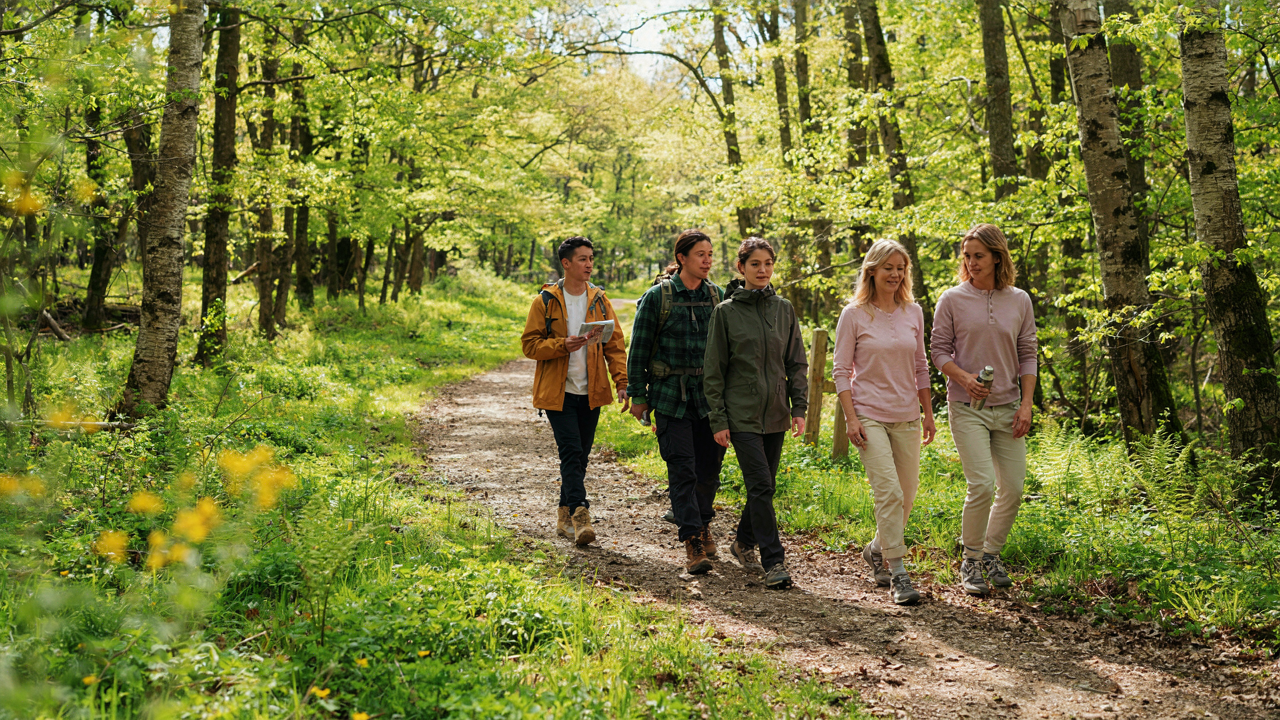
You want to look like you belong out there. That’s the real reason you’re reading this. The mechanism is simple: Instagram shows you curated moments where lighting, angles, and styling dominate. The hiker in the photo spent two hours on that shot. You’ll spend eight hours moving through mud, sun, and weather. The outfits that photograph well often fail under actual conditions because they prioritize visual cohesion over protection and function.
Spring conditions punish aesthetic choices. Cotton retains moisture. Matchy color schemes distract from fit and mobility. Influencers wear gear that looks unified but lacks the layering depth you need when temperature swings thirty degrees between morning and afternoon. The real tell: professional outdoor photographers shoot in controlled windows, not during the unpredictable micro-climates that define spring hiking. What looks polished online becomes a liability on the trail.
Function Over Fleeting Fashion

This advice is incomplete. Everyone says “choose function,” then defaults to boring. The actual mechanism comes from design thinking: constraints breed better solutions, not worse ones. When you strip away the need to perform for an audience, you gain the freedom to optimize for what matters. You move faster. You stay regulated. You solve problems before they become dangerous.
Pick pieces that serve multiple purposes across temperature ranges. A merino wool layer works in cool morning air and wicks if you generate heat climbing. A lightweight shell handles both rain and wind without bulk. Neutral colors aren’t boring—they’re invisible. They let you focus on the trail, not your outfit. The outfit that works is the one you stop thinking about by mile two.

Layering: The Unspoken Protocol For Spring Hiking

Why Your Base Layer Actually Fails You
You want to look competent and feel secure, so you buy expensive merino wool because everyone says so. Here’s what nobody states plainly: the base layer’s job isn’t warmth. It’s moisture transport. The physics term is “wicking,” and in spring hiking outfit decisions, wicking becomes your actual survival variable, not insulation. Cotton holds sweat against your skin. Synthetics and merino move it away. Spring means temperature swings and exertion, so your base layer must push moisture outward faster than your body generates it.
The mistake most solo female hikers make is choosing thickness over function. A thin synthetic or merino base layer outperforms a thick cotton shirt every time because the material, not the mass, determines how fast moisture leaves your skin. Test this: wear your base layer on a 45-degree climb for thirty minutes. If sweat pools under your arms or on your lower back, you chose wrong. Switch to a lighter synthetic or merino base and climb the same route. The difference is immediate and measurable.
Insulation That Responds To Temperature Flux
Spring demands insulation that works in two opposing conditions: stationary cold and active heat. Thermal dynamics says layers trap dead air, but the trick most guides skip is choosing insulation that compresses without losing R-value. Your mid-layer needs to respond to stops and starts without turning you into a sweat factory.
A lightweight fleece or synthetic puffy as your mid-layer solves this. When you’re moving uphill at 8 a.m. in 38 degrees, it packs down. When you stop for water at 10 a.m. and the wind hits, it expands and protects. Merino wool baselayer plus lightweight fleece plus a wind shell covers 90% of spring conditions. Remove the fleece when you’re working hard. Add it back when you stop. This is the protocol: layer for the inactive state, shed for the active state, add back before resting.
The Kinetic Energy Principle Of Footwear

Where Your Foot Meets The Ground
You want boots that won’t fail you because the thought of a twisted ankle alone on a trail is unbearable. That’s the real reason you’re reading this. Here’s what matters: physics calls it grip coefficient, the ratio of friction force to normal force. On spring trails, your footwear must manage two opposing demands simultaneously. Wet terrain demands grip. Uneven terrain demands impact absorption. Most hikers treat these as separate problems. They’re the same problem.
Spring conditions create a specific friction environment. Mud, wet rock, and loose soil all reduce grip compared to dry conditions. A boot’s sole pattern matters less than material composition and edge geometry. Vibram soles dominate hiking footwear because their rubber compound maintains grip across temperature ranges and moisture levels that soften or harden cheaper alternatives. The tread pattern channels water away, yes, but the rubber’s grip rating determines whether your foot slips when that channel fails.
Ankle Support As Joint Longevity
Ankle stability isn’t about preventing a single twisted ankle. It’s about cumulative stress on the talocrural and subtalar joints across hundreds of steps over months and years. Biomechanists call it joint load distribution. Apply that principle to solo female hiking: your ankles absorb impact without a partner to redistribute weight or catch you mid-stumble. Support becomes structural necessity, not optional comfort.
A rigid midsole paired with mid-height collar containment works mechanically. The midsole prevents excessive inversion of your foot on uneven ground. The collar prevents your ankle from rolling past its neutral range. Spring terrain specifically tests this because thawing ground creates sinkholes and hidden depressions where your foot lands unprepared. Test your boot’s rigidity by twisting it at the midfoot with both hands. Minimal flex means the support system works as designed.
Beyond Water Bottles: Hydration As Tactical Logistics

Carry What You Actually Need
You want to believe hydration strategy is complicated because that makes your preparation feel rigorous. It isn’t. Military logistics operates on one principle: eliminate redundancy, carry only what mission success requires. Apply that to spring hiking. You need water access, not water storage. The mechanism is simple: distance to water sources determines how much you physically carry, nothing else.
Spring in most regions means reliable water. Streams run full. Snowmelt feeds creeks. Your outfit doesn’t need to accommodate a three-liter bladder because you’re hiking near active water systems, not desert plateaus. Solo female hikers who plan routes around water sources cut pack weight by pounds. A lightweight bottle becomes a refill tool, not a survival container. This changes what you wear and how your pack sits on your frame.
Weight Distribution Over Distance
The real problem nobody states: people solve for worst-case scenario instead of actual conditions. Carrying extra water adds pounds that shift your center of gravity and fatigue your shoulders and hips faster. Spring routes near permanent water don’t justify this trade-off. A single 16-ounce bottle in your front pack pocket beats a full hydration bladder pressing into your back for six hours.
Access matters more than volume. A bottle with a bite valve fits in your vest pocket. You refill at streams without stopping the hike. This keeps your outfit lightweight, your posture upright, and your energy reserve intact. Before you pack, map water crossings on your route. If you’re never more than 30 minutes from a source, your hydration load is one bottle. That’s the protocol that changes everything.
Fabric Selection: Your Second Skin For Outdoors Adventure
Synthetics Versus Natural Fibers
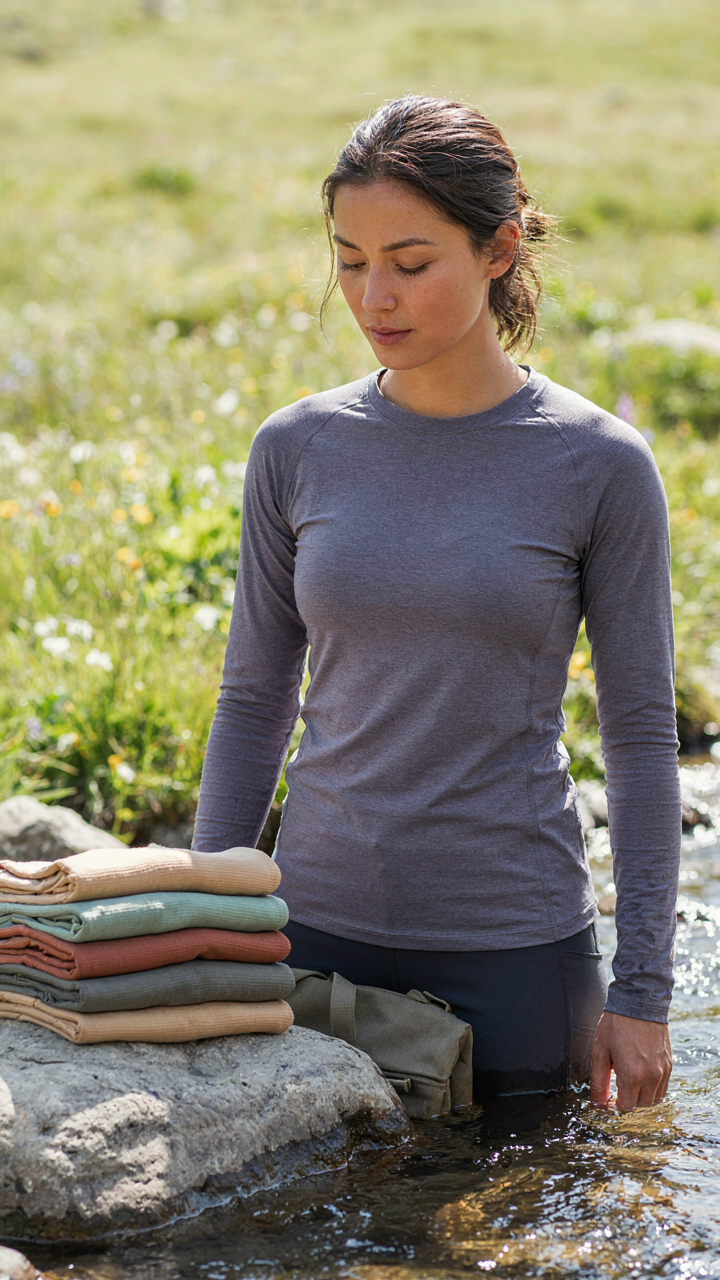
You care about this because you want to look like you know what you’re doing. The real mechanism is thermal regulation under load. Synthetics trap air in their fiber structure, creating dead space that holds warmth even when wet. Natural fibers absorb moisture into the fiber itself, which conducts heat away from your skin. For spring hiking, synthetics dominate base layers and mid-layers because temperature swings demand fast moisture management without the cooling penalty of cotton or wool retaining water.
Merino wool deserves mention because it’s the exception to natural fiber weakness. It regulates temperature better than most synthetics and resists odor, making it viable for multi-day trips. But synthetics like polyester and nylon win for solo female hikers on single-day spring outings because they dry faster, pack smaller, and cost less. Your outer layer should be synthetic or a synthetic-dominant blend. Cotton has no place on your body during spring hiking, period.
Wicking Properties And Quick Dry
This isn’t about comfort, it’s about physics. Capillary action moves moisture from your skin through fabric fibers to the surface where it evaporates. Hydrophobic synthetics move sweat outward faster than hydrophilic materials that want to hold moisture. Spring conditions demand this because temperature and exertion fluctuate. You climb hard, generate sweat, then hit exposed ridges where wind cools you down. Slow-drying fabric extends that cooling phase, dropping your core temperature faster than you can recover.
Test wicking by pouring water on fabric and timing how long it takes to spread horizontally and evaporate. Buy base layers and mid-layers that absorb and release moisture in under thirty seconds. Check manufacturer specs for “moisture vapor transmission rate” or MVTR, measured in grams per square meter per 24 hours. Higher numbers mean faster evaporation. Pair quick-dry fabrics in all contact layers, then wear them wet on short test hikes before committing to a full spring trip. This step prevents hypothermia from becoming your day’s defining feature.
The Unseen Essentials: Safety And Preparedness
Navigation Beyond Your Phone
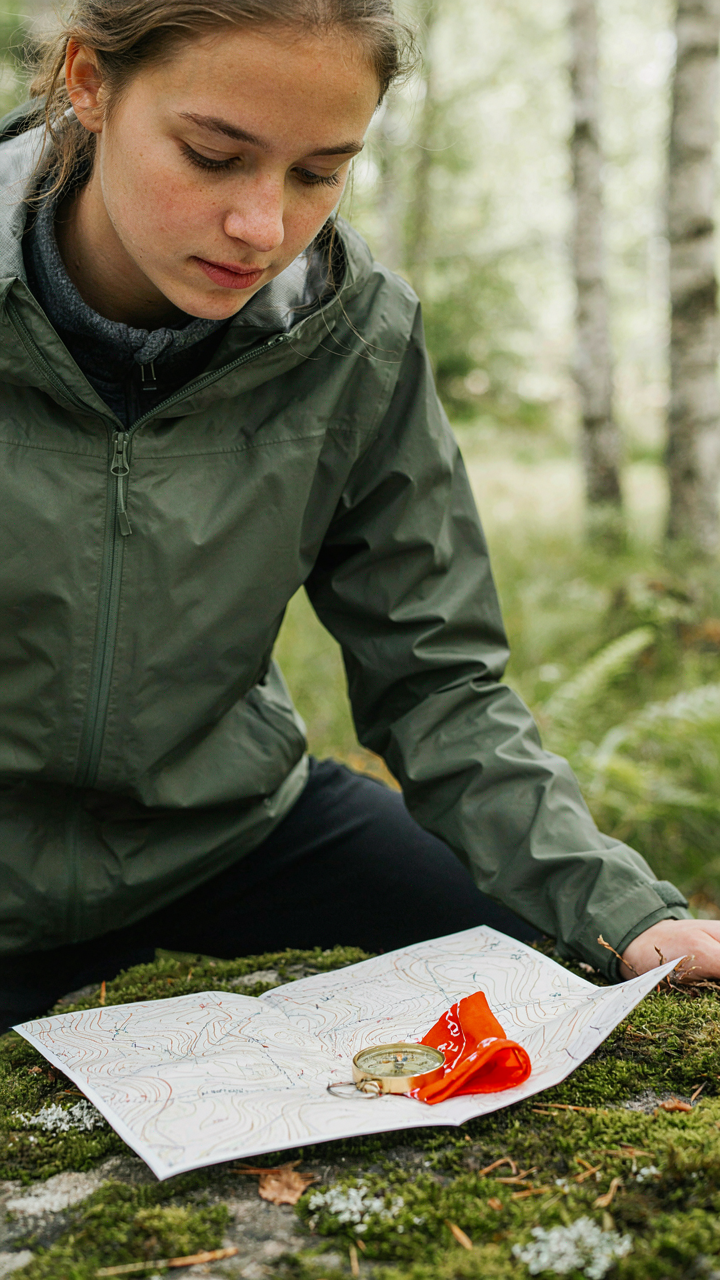
You want to believe your phone is enough because it’s one less thing to carry. That’s denial, and it kills people. Navigation relies on military grid theory: redundancy. Your phone dies, loses signal, or breaks. A physical map and compass don’t fail because they have no battery.
- Topographic map of your trail area: Purchase from USGS or download before departure. Store in a waterproof case. Mark your route and bailout points in advance so you’re not decoding it under pressure.
- Compass with baseplate: Learn declination adjustment for your region before the hike. A quality baseplate compass costs under 20 dollars and works in any weather indefinitely.
- GPS device or smartwatch with offline maps: Load your specific trail region before leaving cell service. Use this as backup to map and compass, not replacement. Garmin and similar devices hold charge longer than phones.
- Written waypoints and exit routes: Photograph or write down coordinates of trailhead, water sources, and alternate descent routes. Store in your pack separately from your phone so you have it if your phone fails.
- Headlamp with extra batteries: Spring daylight is deceptive. You misjudge how fast it fades. A headlamp forces you to navigate decisively instead of rushing in failing light.
The mechanism is simple: you navigate by eliminating decision paralysis. When you have map, compass, and GPS, you move forward with data instead of guessing. You stop, locate yourself, confirm direction, then proceed. Hesitation disappears because you know exactly where you are.
Emergency Kit That Actually Works
Most emergency kits are theater. People assemble items that sound like they matter, then never touch them. Build yours around injury and weather. Spring brings hypothermia and twisted ankles. Everything in your kit addresses one of those two problems or keeps you visible until help arrives.
Your kit should be small enough to fit in a fanny pack or hydration pack pocket. Include a tourniquet if you know how to use it, gauze and wrap for ankle support, pain reliever, blister treatment, and waterproof emergency shelter like a lightweight bivy or space blanket. Add a whistle and a bright orange bandana. The whistle carries farther than your voice. The bandana makes you visible from distance. Pack a lighter or waterproof matches. Keep a basic first aid manual or laminated card with steps for common spring injuries. Test everything before you need it. A tourniquet unused is useless. Learn the tourniquet before your hike so your hands work under panic. Check your kit every three months and replace anything damp or compromised.
Cool Hiking Outfits Women Actually Need: Practicality Over Pretense

Long Sleeves Stop More Than Sunburn
You want to look put-together on the trail without gear that screams “beginner.” That’s the real motive here, and it’s honest. But the actual mechanism is physics: fabric creates a barrier. Long sleeves on spring hikes protect skin from UV exposure and brush contact simultaneously, solving two problems one layer solves.
Merino wool and synthetic blends (polyester, nylon) both work because they dry fast and regulate temperature without bulk. Cotton absorbs moisture and clings when damp, which defeats the purpose of a protective layer. Pick a fitted long sleeve in a neutral color that doesn’t show dust, and you’ve eliminated the need for constant reapplication of sunscreen mid-hike while keeping range of motion intact.
Movement Requires Actual Space
The generic advice says “wear what feels comfortable,” which tells you nothing. Real guidance: relaxed fit means your joints move through their full range without fabric resistance. Tight pants restrict hip flexion on uphill sections and ankle mobility on technical descents, both of which increase fatigue and misstep risk.
Look for a 2 to 4 inch gusset at the inseam on hiking pants, or simply choose a straight-leg cut instead of tapered. Women’s hiking pants that taper at the ankle often compensate by cutting tight at the hip and thigh. A relaxed fit also accommodates a base layer underneath without bunching, which matters in spring when temperature swings between morning cold and afternoon heat. Test the fit by doing a full squat in the changing room before buying.
The Real Cost Of Cheap Hiking Gear
When Budget Gear Fails On The Trail
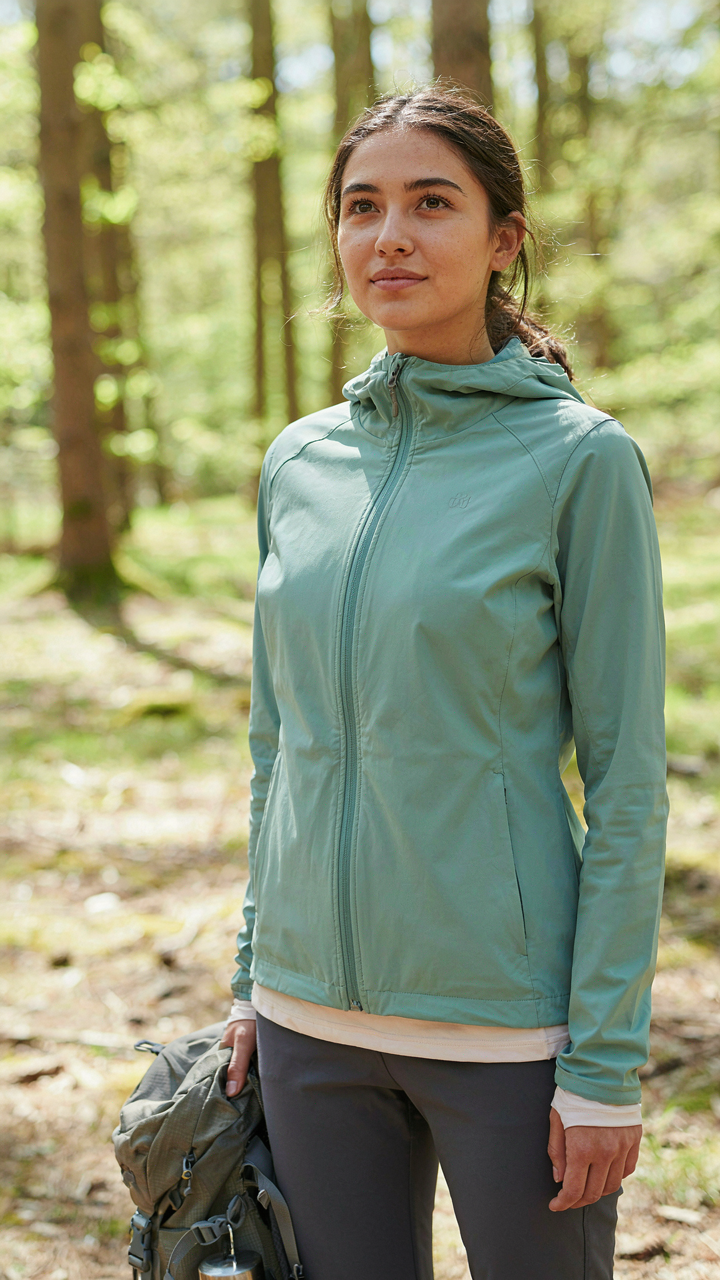
You want to believe cheap gear works because admitting it doesn’t means you wasted money or made a bad decision. Here’s the mechanism: budget hiking pieces fail under the specific stress conditions of spring hiking—temperature swings, wet conditions, technical terrain. A five-dollar rain jacket stops working the moment condensation builds inside. A flimsy ankle support gives way on muddy descents. The economics of scale work against the solo hiker: manufacturers cut costs on stitching, seam sealing, and fabric weight because they’re building for volume, not durability. You discover this failure at mile seven of a ten-mile loop, alone, with no recovery option except to push through compromised gear.
Spring hiking amplifies this problem because conditions shift unpredictably. Rain turns to sleet. Warm midday sun forces layers off, then you’re exposed when clouds roll in. Cheap gear wasn’t engineered for this cycle. The zipper jams when wet. The insulation compresses and loses loft. The material tears on brush. You’re managing equipment failure instead of managing terrain. This isn’t about being precious with your gear—it’s about not creating a safety liability when you’re solo and miles from help.
Durability As A System, Not A Purchase
Buying durable hiking gear operates on the same principle as compound interest in finance: small advantages accumulate into significant returns. A quality spring hiking jacket costs twice as much upfront but functions for eight seasons instead of two. The per-use cost drops to a fraction of the budget option. More important: it performs predictably across seasons and conditions, which removes a variable from your decision-making on trail.
Durable pieces anchor your outfit because they reduce the total number of replacements you’ll need. You buy one solid base layer, one reliable mid-layer, one jacket that seals properly. These pieces stack and combine across seasons. Spring hiking changes your layering needs, but your core gear adapts instead of failing. The mechanism is simple: reliability means you can focus on navigation, weather shifts, and your own physical state—not on whether your equipment will hold. When you hike alone, that’s not a luxury. That’s operational necessity.
The Lone Wolf’s Guide To Spring Hiking: Self Reliance

Discomfort Is Data, Not A Problem
You want permission to feel okay being uncomfortable out there. Here’s the mechanism: discomfort is feedback about what your body needs, not a sign you chose wrong. In systems thinking, we call this signal detection. Your spring outfit isn’t static. Cold hands at mile three tell you something. Wet socks mean a gear choice failed. Neither means you failed. The solo hiker who treats discomfort as noise instead of information keeps making the same mistakes because she never decodes what the trail actually showed her.
The real work happens after the hike, not during it. You sit down with what hurt, what worked, what surprised you. A blister on your pinky toe means your sock choice had a mechanical flaw. Chafing under your pack strap means your layer width or fabric density needs adjustment. This isn’t intuition. It’s data collection. Every solo trip builds a personal dataset that no generic outfit guide can match because your body, your stride, your sweat rate, and your trail choices are yours alone.
Your Calls, Your Consequences
Nobody else lives with the results of your outfit decisions. Not a hiking group that ignores your comfort. Not a boyfriend who packed your bag. Not social media validators. You choose your base layer weight, your insulation strategy, your rain shell, your pack volume. You feel the consequences immediately and directly. This removes the most dangerous decision maker: consensus opinion that doesn’t account for your specific body, climate zone, or trail difficulty.
The consequence clarity accelerates learning. You overpack insulation, you carry dead weight uphill. You underpack it, you shiver at the summit. You choose a merino blend instead of synthetics, you experience the actual performance difference. Within three or four solo trips in spring conditions, you know more about what works for you than someone who read fifty gear reviews. Decision ownership removes the excuse barrier. You can’t blame the group for a bad call because there is no group. This forces competence.
The Real Obstacle Isn’t Finding The Right Gear; It’s Admitting Your Fear Of Being Unprepared

Most solo female hikers don’t fail on the trail. They fail in their living rooms, paralyzed by worst-case scenarios they invented. You’ve read enough articles. You know layering works. You know the gear list. What you don’t know is that confidence comes from one thing only: putting on the outfit and walking out the door. Today, grab three items from your closet, pack them, and hike one local trail. The gear doesn’t matter. Proving to yourself that you won’t die does.