
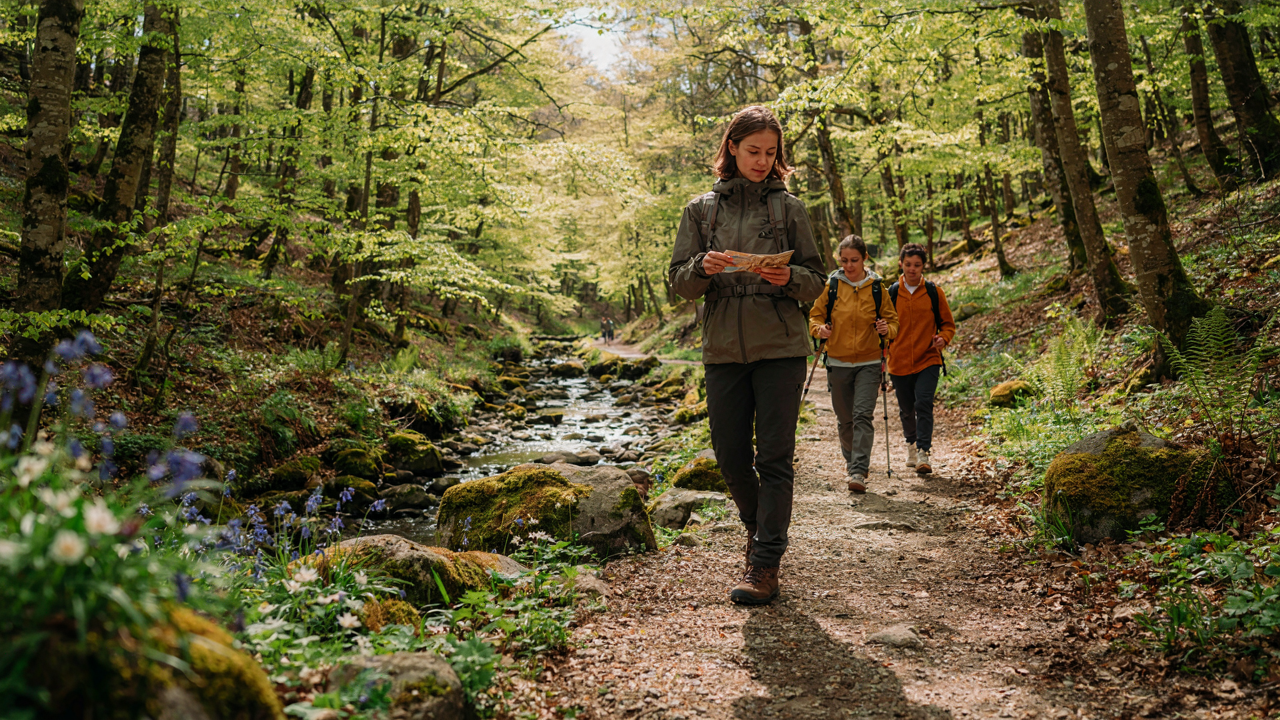
The Layering Imperative: Not What You Think
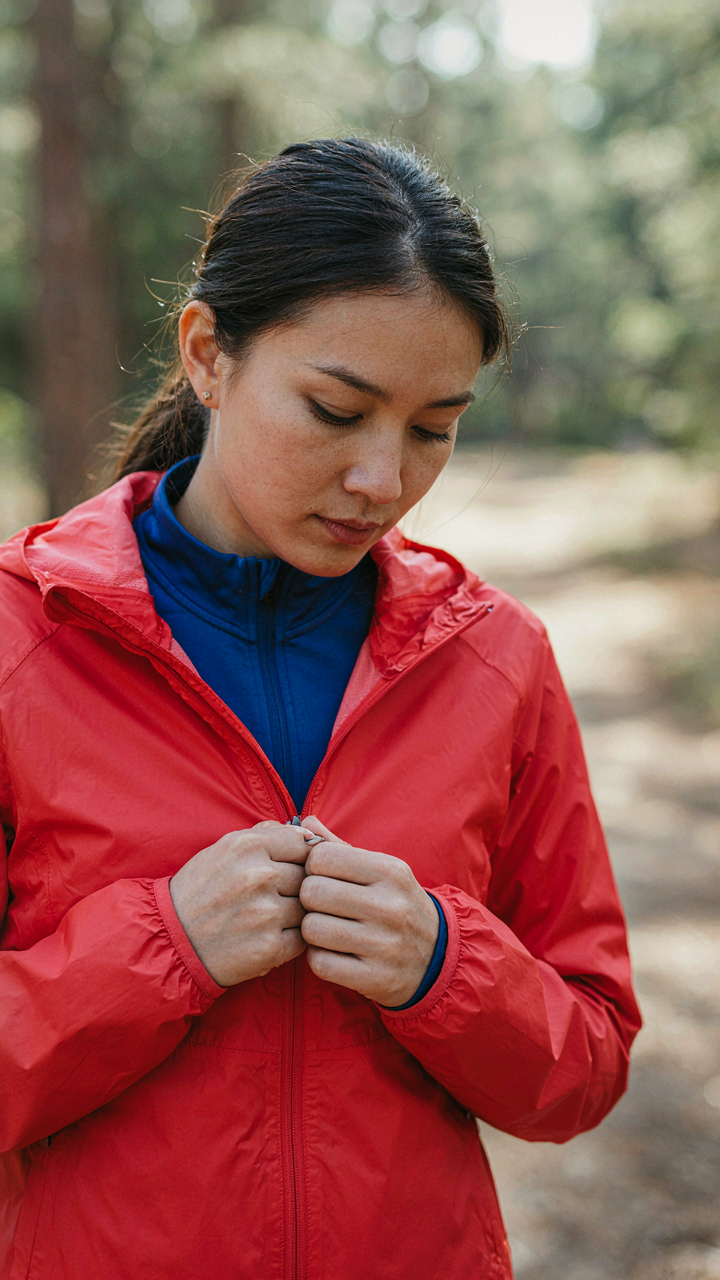
Start With What Actually Moves Moisture
You want to look like you know what you’re doing on the trail without buying expensive gear nobody needs. The real mechanism is vapor transport, borrowed from thermodynamics: moisture moves from high concentration to low concentration across a gradient. Your base layer’s job isn’t to absorb sweat—it’s to move it away from your skin faster than it can accumulate and cool you down.
Synthetic fabrics like polyester and nylon move moisture faster than merino wool, but merino handles temperature regulation better over long days. Petite frames generate less metabolic heat, which means you hit the cooling threshold faster. Choose synthetics for high-intensity spring hikes where you’ll sweat aggressively. Pick merino for moderate pace hikes where you need passive temperature management without constant sweating. Test both before committing to a full kit.
The Midlayer Does One Thing Only

Insulation without bulk is a physics problem, not a fashion choice. Petite women need midlayers that trap air without adding volume that shifts your center of gravity or restricts arm movement on steep terrain. Most advice tells you fleece works fine—it doesn’t. Fleece compresses under a pack and loses insulation value within two hours.
A thin synthetic insulated jacket (100 to 200 weight) or a lightweight merino sweater preserves loft while staying packable. Spring conditions swing 30 degrees between morning and noon, so your midlayer must work under a shell jacket and compress into your pack without bunching. Wear it loose enough to fit your base layer underneath but snug enough that it doesn’t shift when you move uphill.

Outerwear As Armor: The Shell System Protocol
Hard Shell Versus Soft Shell
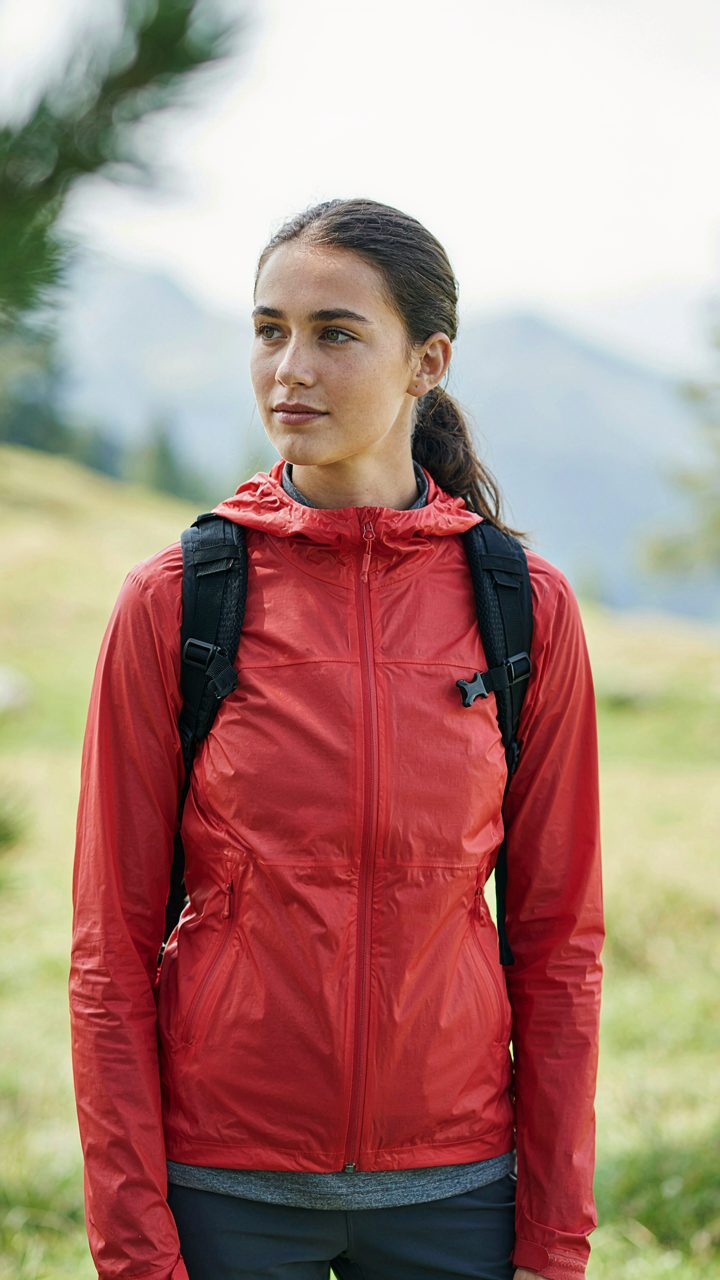
You want the right jacket so people see you as serious and prepared, not because you’ve actually thought through what stops water at different intensities. The physics of weather protection operates on a spectrum, not a binary. Hard shells use bonded membranes (Gore-Tex, eVent) that block water droplets while releasing vapor, creating a sealed barrier. Soft shells trade some waterproofing for stretch and breathability, using densely woven fabrics that repel light rain but fail in downpour. For petite women on variable spring trails, this matters because your smaller frame means less body mass generating heat, so vapor buildup from over-sealing becomes a real problem.
Hard shells keep you dry in heavy rain but trap moisture in cool conditions when you’re moving at moderate pace. Soft shells let you breathe easier on climbing sections and shed light precipitation adequately for most spring days below tree line. The common advice that hard shells are “better” ignores the context: a hard shell on a petite frame doing moderate elevation gain in 40-50 degree weather produces condensation that defeats the purpose. Test your actual conditions first. Pick soft shell for spring unless you’re routinely hiking through sustained downpour.
Fit For Movement
Ill-fitting outerwear steals range of motion you don’t have margin to lose. Standard sizing assumes average proportions. Petite women need jackets scaled down at the sleeve, torso, and shoulder seam placement, not just shortened hems. Arm holes sit too low on standard gear, forcing your shoulders into internal rotation during scrambling. This changes how your chest engages uphill and limits your reach on rock steps. Buy jackets made for petite frames or try brands that cut narrower across the back and shoulders.
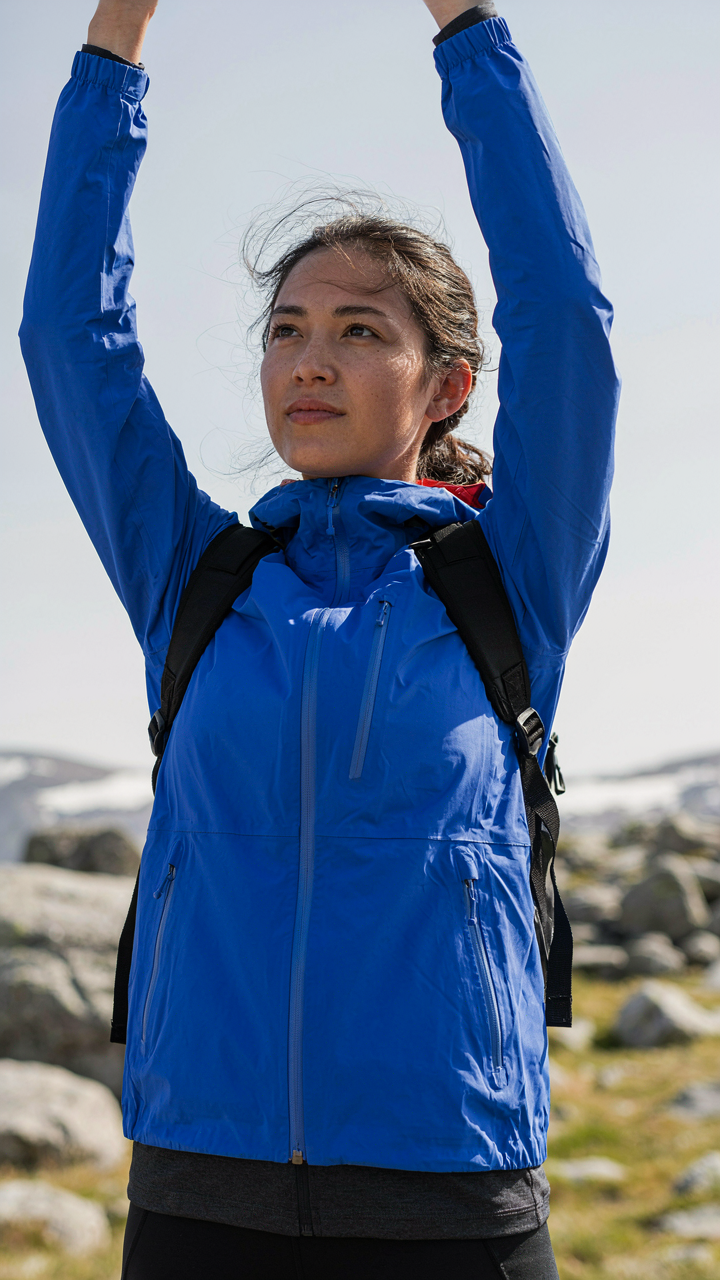
Test movement before committing to any shell layer. Raise your arms overhead as if reaching for a handholds. Swing each arm across your body and behind your back. Squat and lunge hard. The fabric should move with you without puckering at seams or riding up at the waist. A jacket that binds during fitting room movement will shred your efficiency on the trail. Fit dictates whether your shell works as armor or becomes a liability that exhausts you.
Lower Half Logic: Ditching The “Cute” For Capable
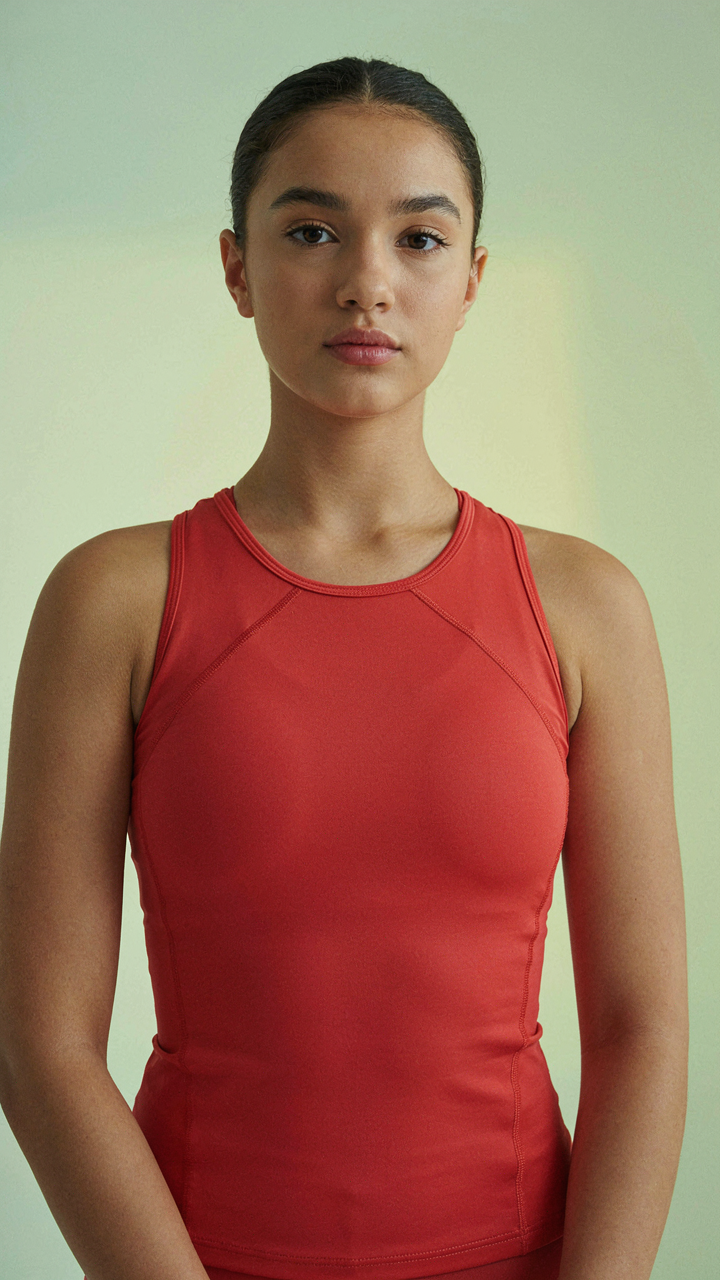
Hiking Pants With Actual Design
You want pants that look good in photos because you’re worried people will judge your hiking credibility if your outfit doesn’t photograph well. Here’s what actually matters: articulated knees and quick-dry fabric are load-bearing features, not marketing language. Articulation means the fabric panels follow your leg’s natural bend angle, reducing friction and bunching at the joint during repeated elevation changes. This is mechanical engineering applied to textiles, not fashion.
Quick-dry fabrics move moisture away from skin faster than cotton because synthetic fibers don’t absorb water. Petite frames benefit disproportionately here because less fabric volume means less total moisture to move, but only if the material has actual performance. Look for nylon blends or polyester bases listed on the tag. Brands like Arc’teryx, Outdoor Research, and Patagonia engineer these into shorter inseams specifically because petite hikers aren’t a niche afterthought. Verify the inseam length before buying: a 28-inch or 30-inch inseam beats rolling a 32-inch pant that bunches at your ankles.
Shorts Versus Convertible Panels
Convertible pants solve a problem that doesn’t apply to spring hiking most of the time, which is why the industry pushes them hard. Spring temperatures in most hiking zones stay cool enough that bare legs create unnecessary sun exposure and scrape risk on rocky terrain. Shorts work best when you’re above treeline in high sun or hiking in consistent 65-degree-plus heat, neither common in spring conditions.
Convertibles make sense only if you’re doing a 3000-foot elevation gain where morning temperature and afternoon temperature differ by 20 degrees. The mechanism works: you shed panels as you warm up without carrying extra fabric. For petite women, the leg length on convertible shorts matters more than average hikers because standard conversions often leave too much fabric bunching at the calf. Start with full-length spring pants, then add shorts to your kit after you’ve hiked the same trail in different seasons.
Footwear Foundation: Ankle Support Over Aesthetics
Boot Height Stability For Varied Terrain
You want boots that look sleek on Instagram, but that’s not why you’re reading this. You’re reading because a rolled ankle on a rocky descent ends the hike, ends the season, and costs money. Ankle support is biomechanics applied to your lower leg. A higher boot collar restricts excessive inversion and eversion movement the same way a brace does. Petite frames actually benefit here because lower terrain forces hit your joints at sharper angles relative to body weight distribution.
Spring terrain shifts constantly—mud, loose stone, uneven root systems. An 8-inch to 10-inch boot collar keeps your ankle from twisting sideways on unexpected slopes. Most petite women default to low-cut trail runners because they feel lighter. That’s the trap. You don’t need heavy boots, but you need shaft height. Look for boots under 2 pounds that reach above the ankle bone. This prevents the micro-movements that accumulate into injury across 6 to 8 miles of variable ground.
Sock Material For Moisture And Blister Prevention
Blister science is straightforward: friction plus moisture equals skin damage. Merino wool or synthetic blends like polyester actively wick sweat away from skin, unlike cotton which absorbs and holds moisture against your foot. Petite shoe sizes often have tighter toe boxes, which increases friction pressure points. The sock material becomes your first defense against this mechanical failure.
Aim for crew-length socks that sit mid-calf to prevent dirt entry and friction against boot collar edges. Merino wool handles temperature swing better than synthetics if spring brings variable weather. Avoid thick cushioning in the arch on short hikes under 5 miles; excess padding creates pressure hotspots in cramped spaces. Buy two pairs, wear one pair per hike, and rotate them so they fully dry between outings. Moisture trapped in your pack overnight breeds fungal conditions and weakens fiber elasticity.
The Microclimate Management Method: Applied Thermodynamics

Core Temperature Maintenance With Layers
You’re reading this because you’re tired of either freezing or overheating halfway through a hike, and you suspect the problem isn’t the gear but how you’re using it. Thermodynamics—the study of heat transfer—applies directly to your body on the trail. Your core needs to stay between 97 and 99 degrees Fahrenheit. For petite women, surface area to mass ratio works against you: you lose heat faster than larger hikers, which means precision layering isn’t optional.
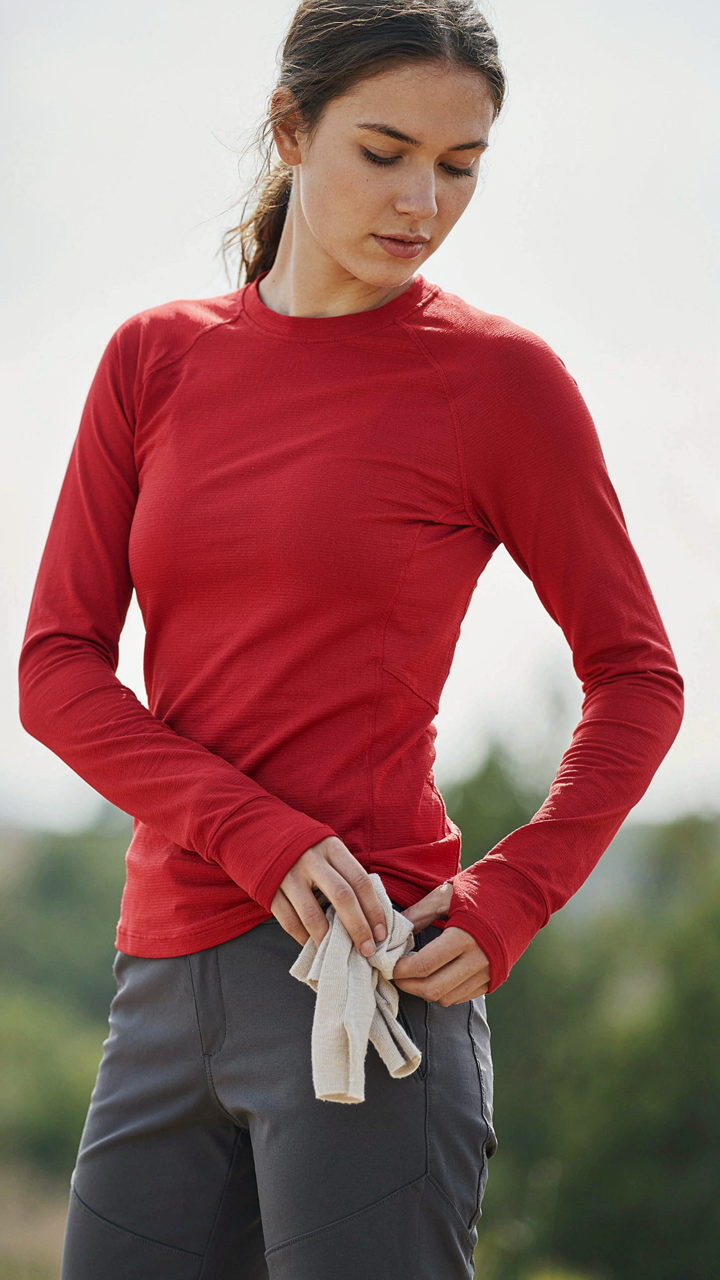
The standard advice says “wear three layers.” That’s incomplete. The real mechanism is this: base layers move moisture away from skin, mid layers trap dead air, and outer layers block wind. For petite frames, fit compounds everything. An oversized base layer creates air gaps that defeat the entire system. A tight mid-layer restricts movement and defeats insulation. Choose merino wool or synthetic base layers in XS sizing—not because they’re trendy, but because they manage moisture without needing bulk to function. Mid-layers should fit your actual shoulders and chest, not hang past your hips.
Strategic Ventilation And Material Selection
Evaporative cooling is your opponent in spring, not your friend. Most hikers think venting equals performance; instead, venting at the wrong time wastes your body’s stored heat and dries you out. The mechanism: when you sweat on the climb, that moisture cools you through evaporation. But uncontrolled ventilation accelerates that process past the point of regulation. You overshoot into chilling.
For petite women on spring trails, material choice determines ventilation control more than zipper placement. Stretch fabrics with wind resistance (like Polartec Power Shield) regulate air exchange without requiring constant adjustment. Cotton absorbs moisture and holds it against skin—don’t use it. Nylon shells designed for women’s fits provide actual weather protection without the dead weight of oversized men’s gear. The action: test your outfit on a short, steep climb during similar weather before committing to a full-day hike. If you’re not slightly damp at the core but dry on your extremities after thirty minutes, your ventilation strategy is wrong.
Accessories Of Utility: Not Distraction
Head Coverage That Earns Its Weight
You want accessories that signal you’re serious about the outdoors. Here’s what actually matters: your head loses heat fast, and spring sun reflects off snow and water with intensity most people underestimate. The mechanism is thermodynamic—your body prioritizes core temperature, so head coverage directly impacts how long you stay warm without overheating. For petite frames, a lightweight hat keeps proportions balanced while blocking UV exposure that intensifies at elevation.
Merino wool beanies and baseball caps with back neck coverage dominate spring hiking for good reason. Merino regulates moisture without the weight that throws off a smaller frame’s balance. Choose a hat sized to your actual head, not one that slides down. The bill or brim should shade your eyes without creating bulk at your crown. A hat that fits prevents constant adjustment, which wastes energy and breaks focus on the trail.
Gloves For Grip And Temperature Control
Consensus says wear gloves for warmth. That’s incomplete. Gloves prevent blisters and calluses on your palms from trekking pole friction, which matters more than most hikers realize until their hands are shredded. Biomechanics here: your hands stabilize your body on steep terrain, so grip matters. Petite women often compensate for shorter reach by gripping poles harder, multiplying abrasion risk.
Spring demands gloves that shed quickly once you warm up. Thin merino or synthetic liners let you remove them without stuffing bulky material into your pack. They dry fast if you sweat into them during climbs. Keep a pair tucked in an easily accessible pocket, not buried at pack bottom. The protocol is simple: gloves on during exposed ridges and early morning, off during sustained climbs, back on during descents when grip fatigue hits hardest.
The “Day Hike Outfit” Deception: Real Needs Vs. Instagram
What Actually Goes In Your Pack
You’re scrolling through hiking content hoping someone tells you what to wear, but what you really want is permission to skip preparation. Here’s the mechanism: most hikers—petite or not—underpack because carrying weight feels like failure. Physics doesn’t care about your frame. A day hike still demands the same survival baseline, scaled to your actual load capacity.
- Water container (1-2 liters minimum): Dehydration accelerates faster on smaller bodies. Calculate intake based on temperature and exertion, not aesthetics. A hydration bladder distributes weight closer to your spine than bottles.
- Navigation tools (map and compass, or GPS device): Trails aren’t marked consistently. A petite woman who gets lost still needs 4-6 hours for rescue response. These weigh under 200 grams total.
- Emergency shelter and insulation (lightweight emergency bivy or fleece): Spring weather turns in minutes at elevation. Your body temperature drops faster with less mass. A 100-gram fleece is non-negotiable.
- First aid kit (blister treatment, pain relief, bandages, antibiotic): Blisters disable small feet disproportionately. Carry blister prevention tape and moleskin. Include pain medication for acute issues on remote trails.
- Sun protection and visibility (sunscreen, hat, headlamp): Spring sun reflects off snow and water. A headlamp adds 40 grams and prevents night navigation disasters. Sunscreen prevents dehydration through heat loss.
The difference between a petite hiker’s pack and anyone else’s isn’t what goes in—it’s the weight-to-capacity ratio. A 5-pound pack on a 110-pound frame is proportionally heavier than a 5-pound pack on a 180-pound frame. This ratio determines how efficiently you move and how soon fatigue degrades decision-making. Pack these items first, then optimize around your actual carrying capacity.
Pack Weight Distribution For Smaller Frames
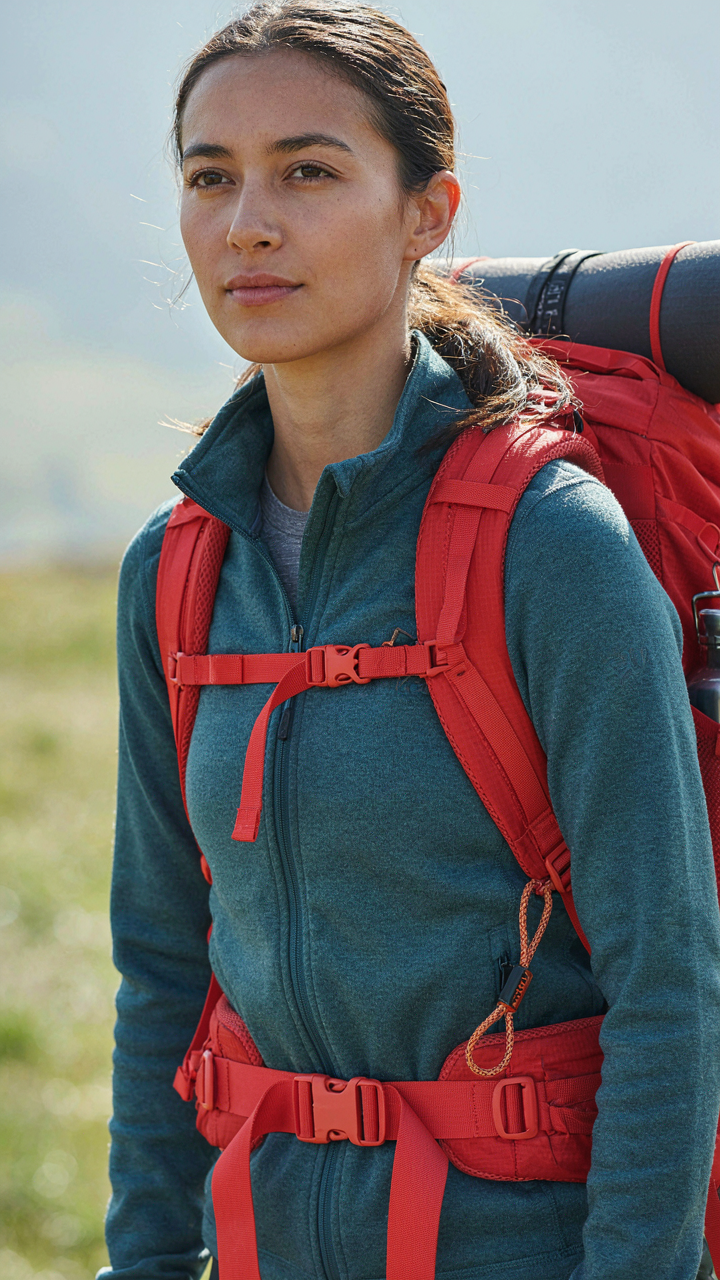
Forget the generic “carry 20 percent of bodyweight” rule. That math breaks down for petite women because it ignores leverage and joint stress. Biomechanics matters here: your torso length, shoulder width, and hip structure determine how a pack sits and transfers load. A pack that fits an average frame will ride too high on you, pulling weight away from your hips and into your shoulders and neck.
The real protocol: get a pack with an adjustable torso length between 12-16 inches, not the standard 16-18. Measure your actual measurements or try packs on before buying. Set your hip belt first, then adjust shoulder straps until the pack rides level and the hip belt transfers 60-70 percent of weight to your pelvis. Test this on flat ground before hiking. A properly fitted pack at 10-12 pounds feels manageable; a poorly fitted one at 8 pounds causes injury. Fit precedes weight every time.
Camping Outfits For Women: Overlap, Not Overhaul
Durability Meets Packability In Motion
You’re worried a camping outfit requires buying new gear, which it doesn’t. Here’s the mechanism: backpacking demands fabrics that survive repeated compression and moisture without degrading, then dry fast enough to rewear before your next move. This is textile physics applied to petite frames. Cotton fails here. Synthetic blends and merino wool compress smaller, dry faster, and handle the abuse of being stuffed into a pack twenty times without pilling or stretching out.
For petite women, this constraint actually works in your favor. Smaller gear compresses tighter. A fitted synthetic base layer designed for your frame packs to the size of an apple. Choose pieces that do double duty: a moisture-wicking shirt that works as a sleep layer eliminates redundancy. Spring temperatures mean you can skip heavy insulation and rely on layering basics that pack flat. Your trail outfit becomes your camp outfit with one strategic swap.
Strategic Warmth During Stationary Time
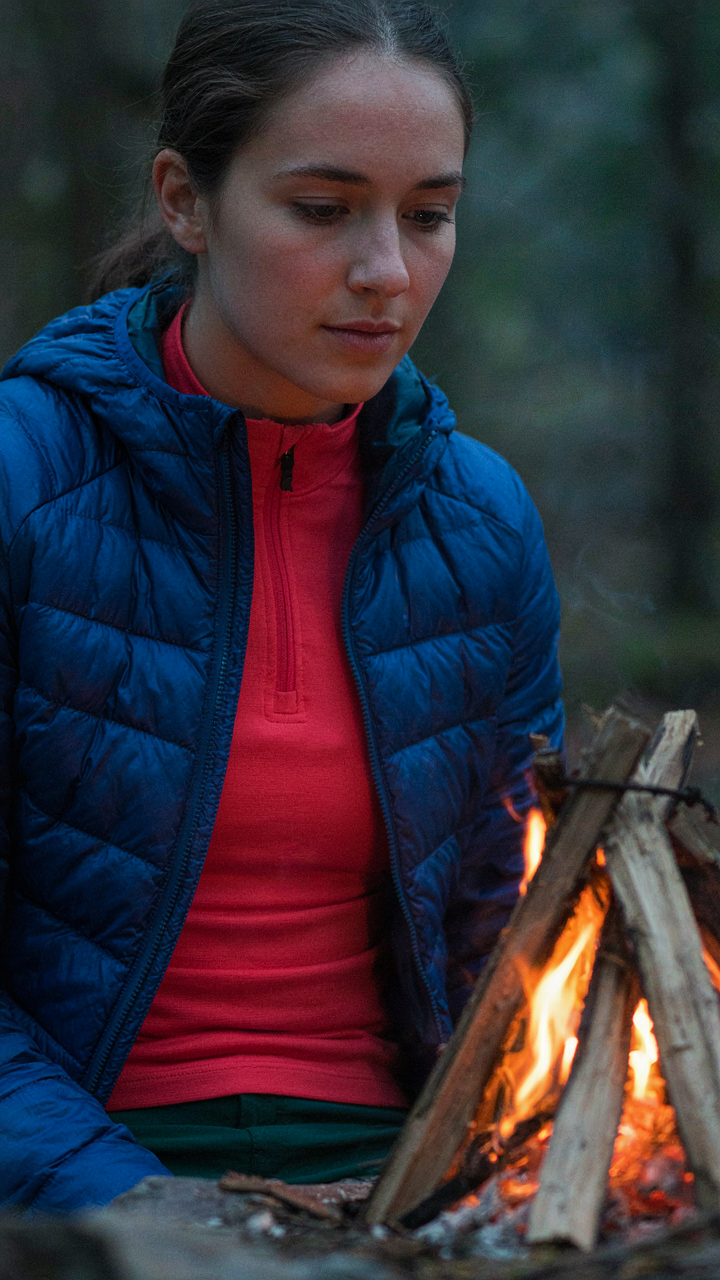
Static periods demand insulation that your moving body doesn’t need. Thermodynamics explains this: your metabolism generates heat during exertion but plummets when you stop. A lightweight down or synthetic insulating layer stays compressed in your pack until you reach camp, then deploys for the hours you’re stationary. This is why the common advice to “just wear your hiking layers” fails. You’ll either overheat on trail or freeze at camp.
For petite women, a cropped or fitted insulating layer prevents bunching and maintains the thermal barrier without excess fabric. Spring hiking means you need less total insulation, so one compact piece suffices. A fitted synthetic puffer or merino fleece stops heat loss without the bulk of oversized gear. Layer it over your base when you settle, remove it for movement. This protocol prevents the cycle where you dress for static time and arrive sweating, or dress for movement and shiver when you stop.
The “Stylish Hiking Outfit Summer” Myth: Function As Form
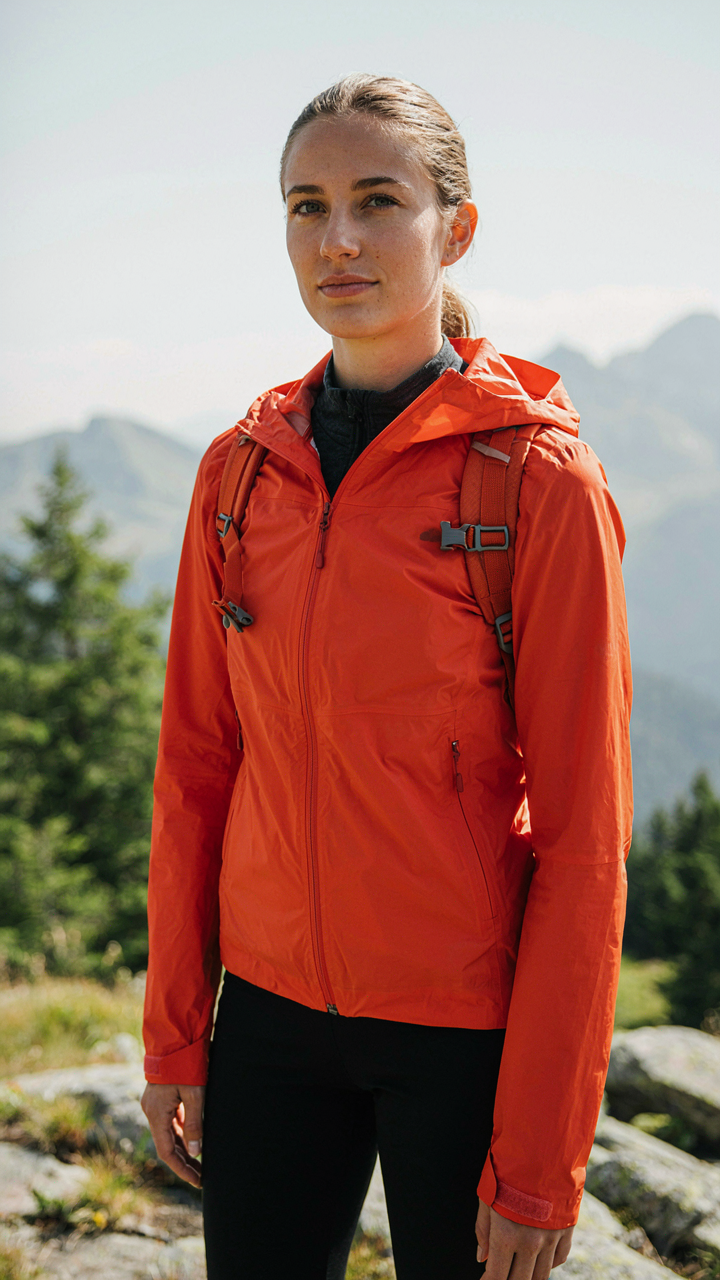
Color Choice Works On You, Not For You
You want your outfit to say something about your taste. That’s the real reason this matters. Here’s what actually happens: color serves visibility first, everything else second. On a trail, you’re not curating an aesthetic for an audience. You’re making yourself findable. Bright colors like orange, yellow, and red reflect light and contrast against green vegetation. This is physics, not preference. Petite frames disappear faster in muted tones because you already occupy less visual space. A smaller body in gray blends into rock and shadow more readily than a taller person in the same outfit.
Your personal preference matters after you’ve solved the visibility problem. Choose bright base layers or a jacket in your preferred color, then build around that. Spring weather shifts fast, so your most visible piece should be your outer layer since you’ll wear it most of the day. Skip the “neutral is sophisticated” mindset on trails. Neutral gets you lost or harder to spot in an emergency. Wear what you’d choose off-trail, but make it loud enough to work.
Minimal Layers Beat Bulk Every Time
The common advice says layer up and you’ll be fine. That’s incomplete. For petite women, bulk becomes a tactical problem, not just an aesthetic one. Extra layers compress your torso and create dead space where clothing slides instead of insulating. Your proportions mean standard medium sizes already carry excess fabric. A bulky spring jacket swallows you and traps cold air in pockets that don’t fit your frame. The real move is purposeful layering: each piece does one job, nothing redundant.
Start with a fitted base layer that actually contacts your skin. Add a midweight insulating layer only if temperatures demand it. Finish with a windproof outer shell. For spring hiking, you often need just base and shell. Avoid the impulse to add “just in case” layers. Test your outfit on a short hike before committing to a full day. If you’re adjusting straps constantly or rolling up sleeves, your sizing is wrong. The outfit should move with you, not require management.
The Post Hike Protocol: Cleaning And Longevity

Wash Your Gear The Right Way
You want your outfit to last because replacing petite-sized hiking gear repeatedly costs money you’d rather spend elsewhere. The mechanism is simple: sweat and dirt break down synthetic fabrics through oxidation and friction. Most people wash hiking clothes wrong by treating them like regular laundry. Turn garments inside out before washing to protect the outer shell from agitation. Use cold water and a gentle cycle. Skip fabric softener entirely, as it clogs the material’s breathability. Rinse twice to remove all detergent residue, which traps moisture and accelerates breakdown.
Drying determines half the garment’s lifespan. Air dry everything flat or on a hanger away from direct heat and sunlight. The UV radiation damages synthetic fibers faster than almost any other factor. Never use a dryer on your base layers, jackets, or pants. If moisture still sits after 24 hours, move the garment to a different location with better air circulation. A damp piece of hiking gear stored in your closet will mildew before it dries.
Learn To Fix Things Yourself
The standard advice says replace worn pieces. That’s wrong. The economics of gear maintenance favor repair: a torn seam takes 20 minutes to restitch and extends garment life by seasons. Start with the tools that matter: needle and thread in matching colors, a seam ripper for taking out bad stitches, and fabric patches for holes larger than a quarter inch. These three items cost less than fifteen dollars total and solve 80 percent of damage on petite hiking outfits.
Learn stitching by repairing your own gear instead of paying a tailor to guess at your priorities. Hand-stitched seams outlast machine work on flexible materials because they distribute tension better. For base layers and jackets, a simple running stitch in doubled thread prevents separation. Reinforce high-stress areas like shoulder seams and armpit panels before they fail. You’ll develop the skill to spot weak points before they tear, which shifts you from reactive replacement to predictive maintenance.
The Real Obstacle Isn’t Your Height; It’s Your Internal Monologue Clinging To Irrelevant Aesthetic Norms
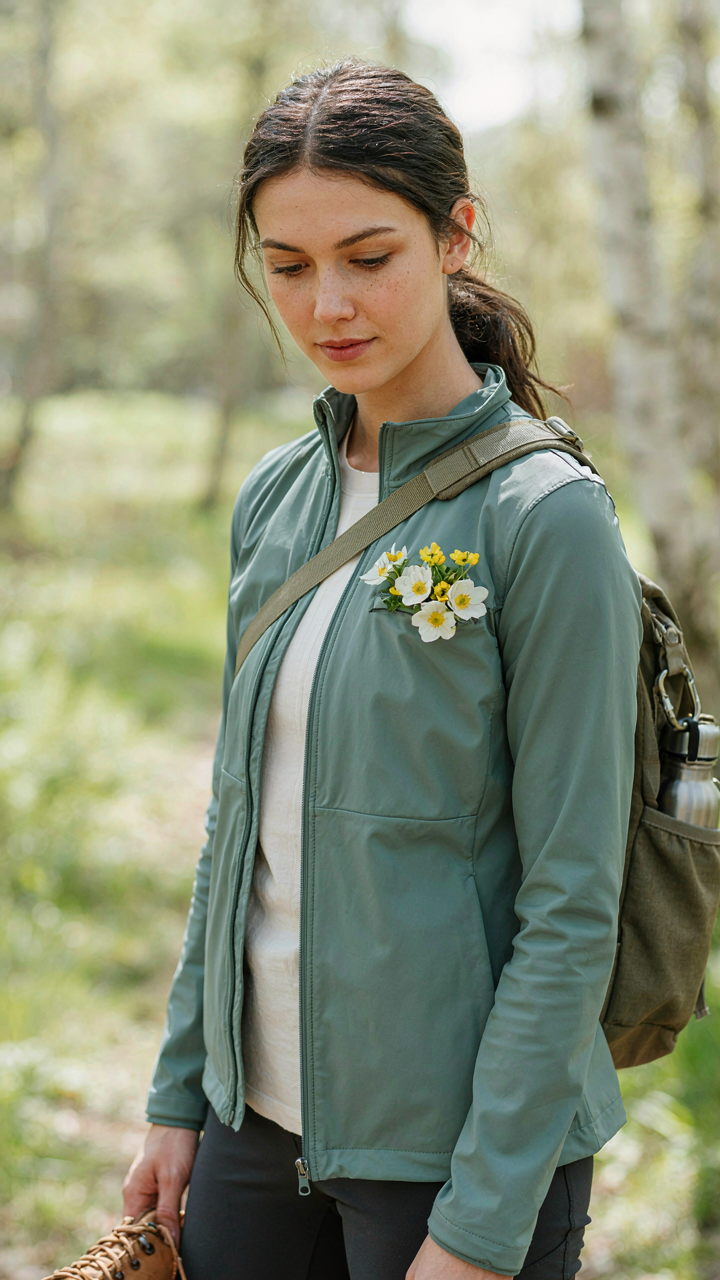
You don’t need hiking gear designed for petite women. You need gear that fits your frame and stops apologizing for it. Most hikers sabotage themselves by shopping for an identity instead of function. Go buy one item today that actually fits your body without compromise. Ignore the influencer who wore it first. Your legs aren’t too short for the trail. Your confidence just got tired of waiting.