

The Deception Of “Layering Up”: Why More Isn’t Better
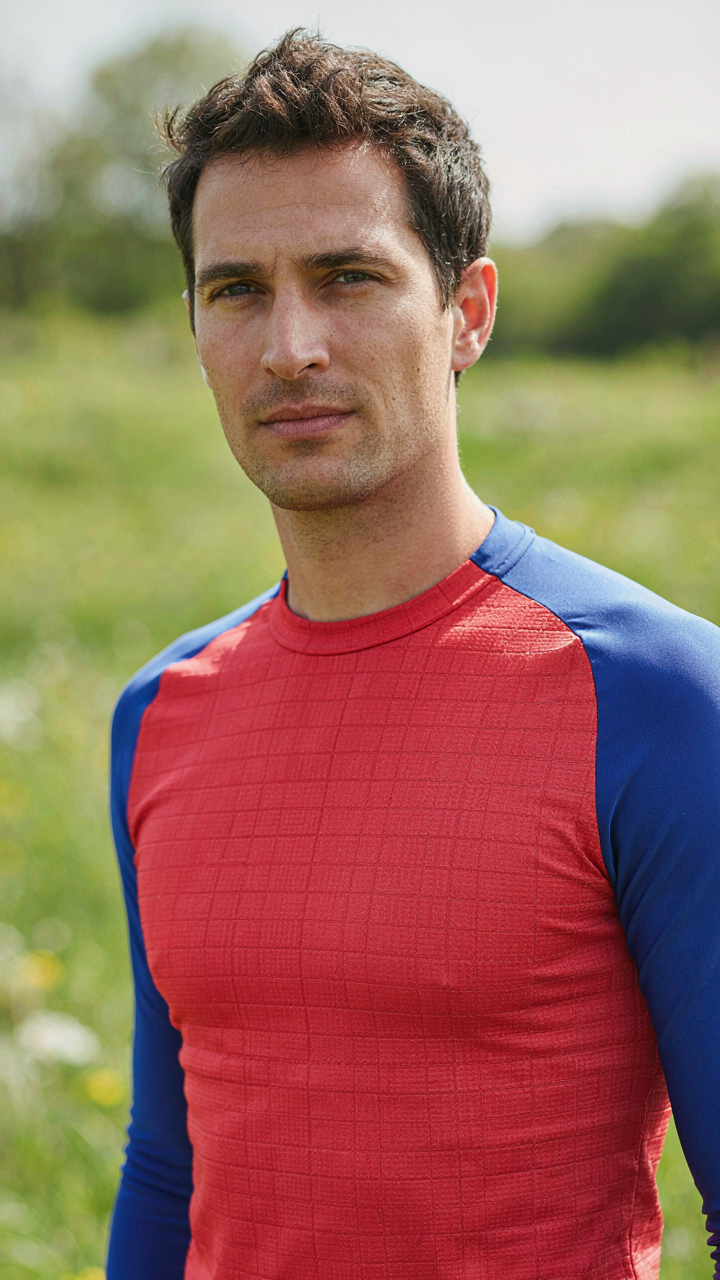
When More Clothes Actually Trap You
You want to look prepared and comfortable, so you stack on layers like armor. The real mechanism at work here is one borrowed from physics: thermal resistance. Each layer adds insulation value, but it also adds bulk and friction points where fabric bunches against your skin and joints. Three layers of decent fabric perform worse than two strategic ones because restriction kills your hike before cold does. A man in five pieces moves like he’s wrapped in duct tape.
The common advice says layer everything. It’s incomplete. Spring temperatures swing 20 to 30 degrees between morning and afternoon, so you need pieces you can strip without losing function. Overheating mid-hike is worse than underdressing at the start because sweat cools faster than air temperature rises. You spend energy managing discomfort instead of moving efficiently.
The Three Piece Protocol

Strategic means exactly three pieces, each earning its place. Your base layer wicks moisture off skin. Your mid layer traps warmth without trapping air. Your shell stops wind and light rain. That’s the system. You don’t need more because adding a fourth piece doesn’t solve a fourth problem in spring.
The base layer should fit snug but not constricting. Synthetic or merino wool works. The mid layer is a lightweight fleece or grid fleece, not a heavy insulator. The shell is a thin hardshell or soft shell that packs down. This setup lets you add or remove without changing your mobility equation. Start with all three, then strip the mid layer as temperature rises.

The “Adaptation Protocol”: Dressing For Dynamic Spring Conditions
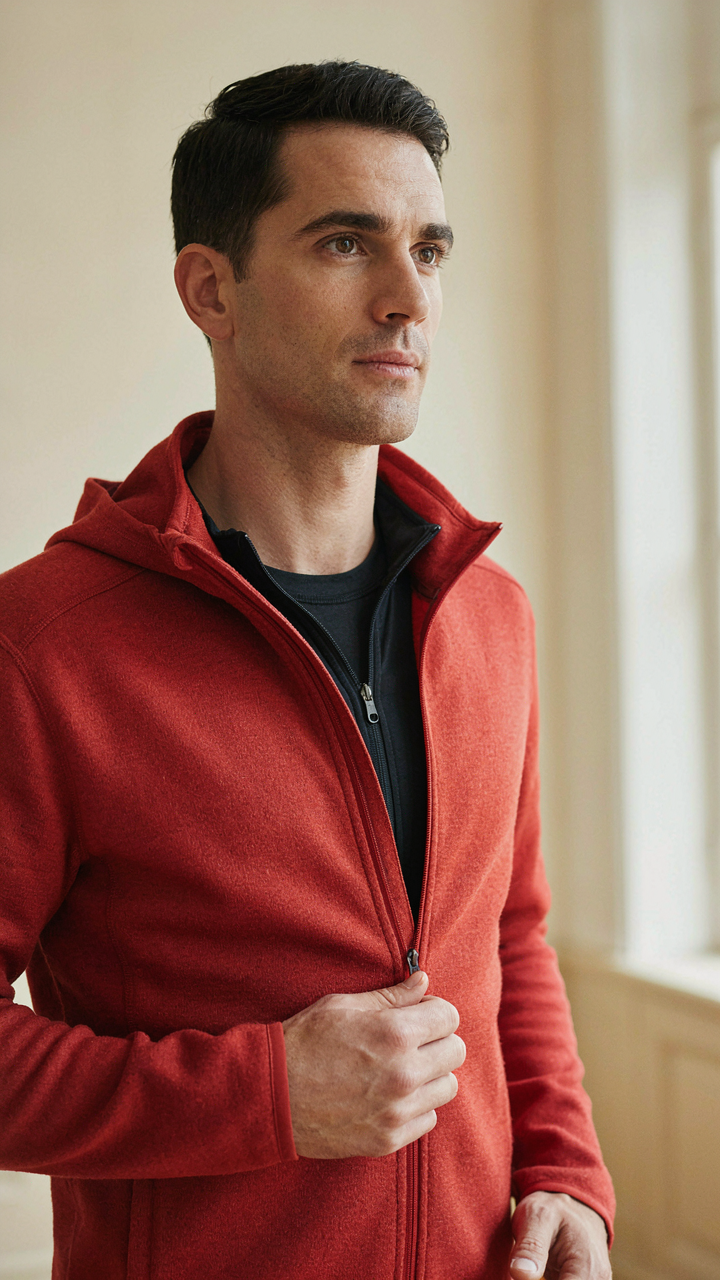
When Temperature Shifts Faster Than You Can Plan
You want to feel like you’ve thought through every scenario before it happens. That’s not preparation—that’s anxiety disguised as planning. The real mechanism here is thermal layering borrowed from physics: energy transfer. Spring doesn’t care about your comfort; it transfers heat away from your body through conduction, convection, and evaporation. Your outfit must manage those transfers, not predict the weather.
Spring creates microclimates because elevation, exposure, and water features all shift temperature within minutes. A ridge can be fifteen degrees colder than a valley. Shade near water drops temperature another ten. You cannot outfit yourself for one condition. You outfit yourself to move between three or four conditions in a single hike, sometimes within the same hour.
Layering That Actually Moves
The advice to “wear layers” is incomplete garbage. Everyone says it. Nobody explains the actual constraint: you need to shed and add without stopping, without taking off your backpack, without breaking your hiking rhythm. This determines fabric choice, fit, and pocket placement more than anything else.
A base layer stays on. A mid layer you can strip or add in seconds without removing your pack. The best spring mid-layers are quarter-zip merino wool or synthetic fleece—both shed sweat without bunching. Your shell sits accessible in a pack pocket, not compressed into your main bag where it takes three minutes to retrieve when rain hits. The protocol: expose your arms first when you warm up, then shed the mid-layer entirely. Reverse the order when you cool down. Never wait until you’re cold to start layering.
Fabric Intelligence: Escaping The Cotton Trap For Trek Outfits Men
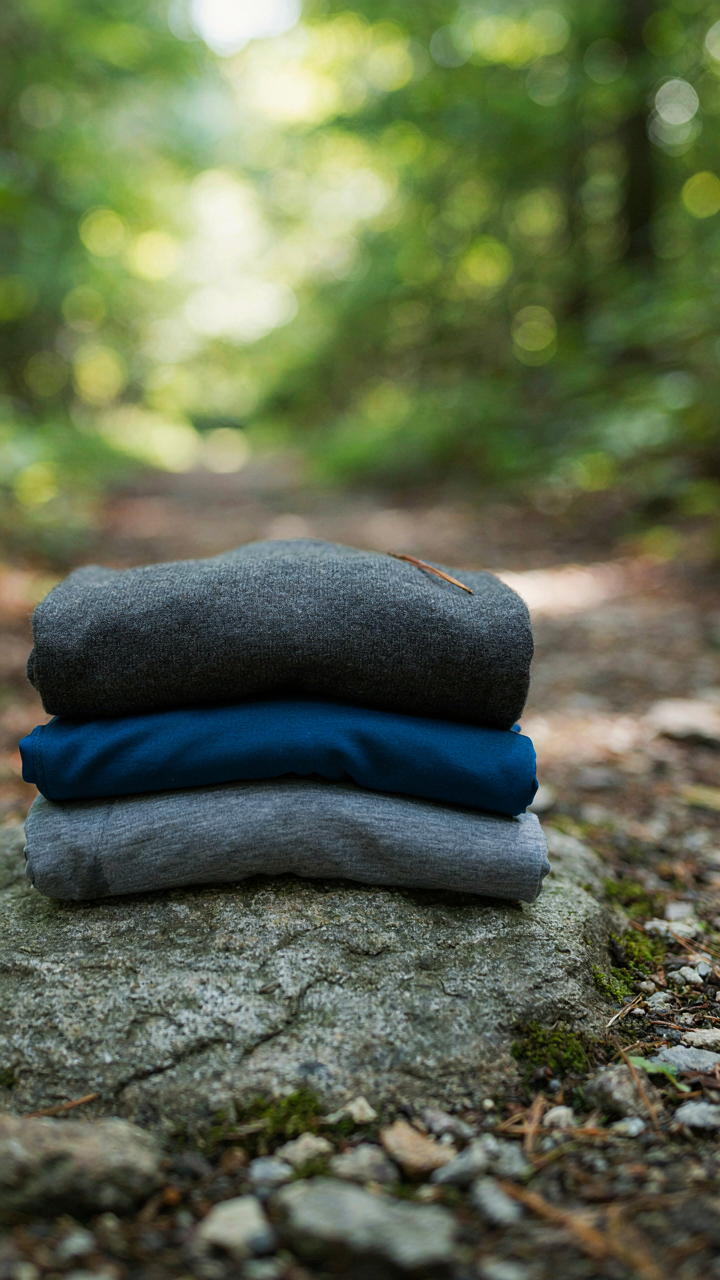
Why Your Base Layer Fails You
You think cotton feels good because it’s cheap and familiar. That’s not comfort—that’s brand loyalty disguised as preference. The mechanism is simple: cotton absorbs moisture and holds it against your skin. Spring hiking means temperature swings and sustained exertion. Synthetics and merino wool don’t absorb water; they wick it away or manage it on the surface. This is vapor transport physics applied to your torso. Cotton traps sweat. Everything else moves it. Pick the right one or spend your hike cold and wet.
Merino wool regulates temperature across a wider range than synthetics because it can absorb up to 30 percent of its weight in moisture without feeling damp. Synthetic polyester and nylon move sweat faster but struggle when humidity spikes. For spring conditions—variable temps, unpredictable rain, sustained climbing—merino outperforms synthetic on comfort. Synthetics win on durability and cost. The trade-off matters. Choose synthetics if you prioritize longevity and budget. Choose merino if you prioritize feel and temperature range. Don’t choose cotton unless you enjoy chafing.
Drying Time Changes Everything
The real metric isn’t how fast water leaves the fabric. It’s how long you stay in a state of active heat loss. A shirt that dries in two hours versus four hours sounds minor until you’re on a ridge at 6,000 feet in 45-degree air with a wet layer against your chest. Thermodynamics doesn’t care about your schedule. Your body will dump heat through evaporative cooling whether you want it to or not. Faster drying means less exposure time. Less exposure time means you stay functional.
Merino wool dries slower than most synthetics but maintains warmth while damp. Synthetics dry faster but offer no thermal protection during the drying window. Spring hiking routinely includes rest breaks, weather stalls, or unexpected exposure. A synthetic base layer wet from climbing will drop your core temp during a summit stop. Merino wool does the same slower. The solution: change base layers when wet, not when you feel cold. Pack a second base layer in your pack. Swap it when the first gets soaked. This protocol prevents hypothermia before your body signals distress.
The Physics Of Footwear: Ground Contact And Energy Transfer
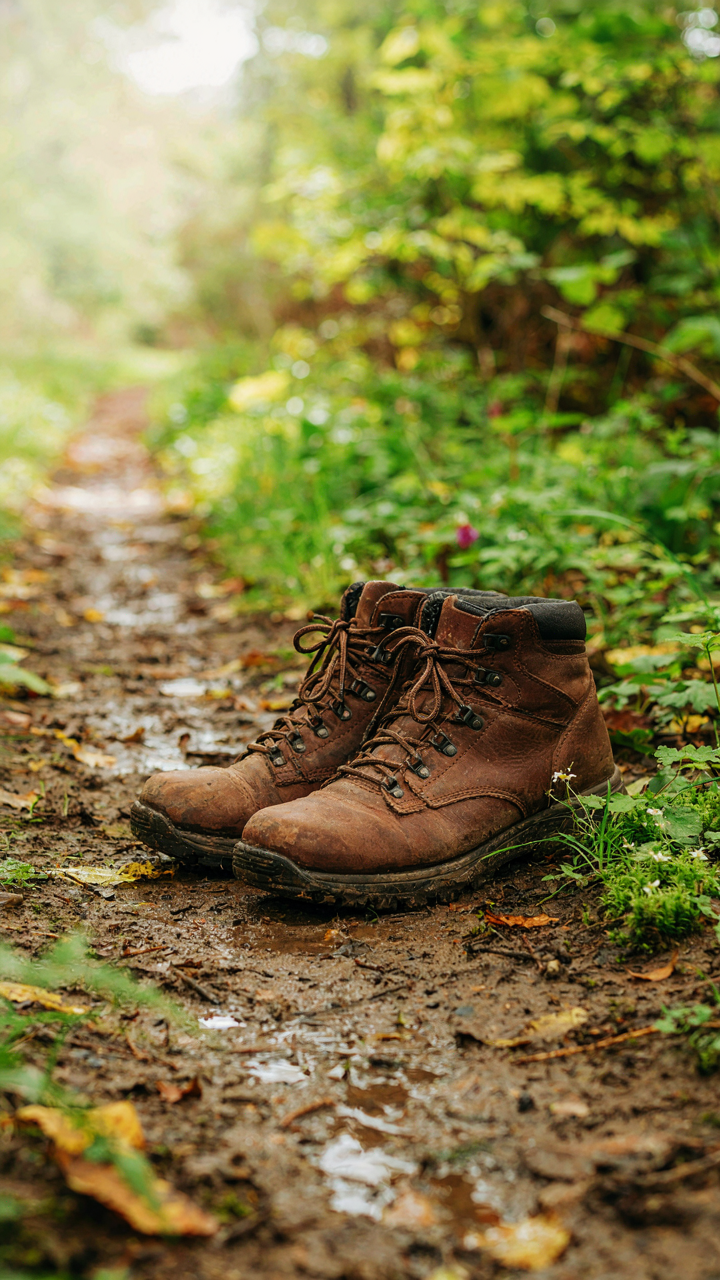
Sole Rigidity Versus Flexibility
You care about this because you want to hike longer without admitting your feet are weak. The physics term is “load distribution”—how force spreads across your sole when it contacts terrain. A rigid sole concentrates pressure at your arch and heel. A flexible sole spreads it across your forefoot. Spring terrain demands flexibility over rigidity because mud, loose rock, and root systems force your foot to conform to uneven ground rather than imposing a fixed platform.
Stiff soles dominate hiking advice because they sound protective. They’re not. A rigid sole on wet spring terrain forces your ankle to compensate by rolling, which increases fatigue and injury risk after eight miles. Flexible soles let your foot read the ground and activate stabilizer muscles naturally. This is why ultralight hikers wear minimal cushioning in spring—your body adapts faster to variable ground when your foot feels it directly. Choose a sole with mild flex in the midfoot, firm heel cup for downhill control.
Grip Patterns And Terrain Response
Tread design isn’t about looking aggressive. It’s about channel geometry—how fast water and mud shed from your sole before you lose grip. Large, deep lugs seem logical but often clog with wet spring soil, creating a skating surface. Effective spring patterns use medium-depth lugs with angular edges to cut through mud rather than compress and release it. The pattern matters less than the rubber compound; softer compounds grip wet rock better but wear faster on dry ground.
Different terrains demand different strategies. Loose scree requires deep lugs spaced wide to catch debris. Wet rock needs a more compact pattern with sharper edges. Mud prefers medium lugs that self-clean. Most spring hikers pick one compromise shoe and wonder why they slip on everything. Run a 30-minute test hike in actual spring conditions on each terrain type you’ll encounter. Your feet will tell you which sole pattern actually grips or slides. Then commit to that shoe for your season.
Beyond The “Waterproof”: Strategic Rain Defense For Men Hiking Outfits
DWR Coatings Versus True Membrane Technology
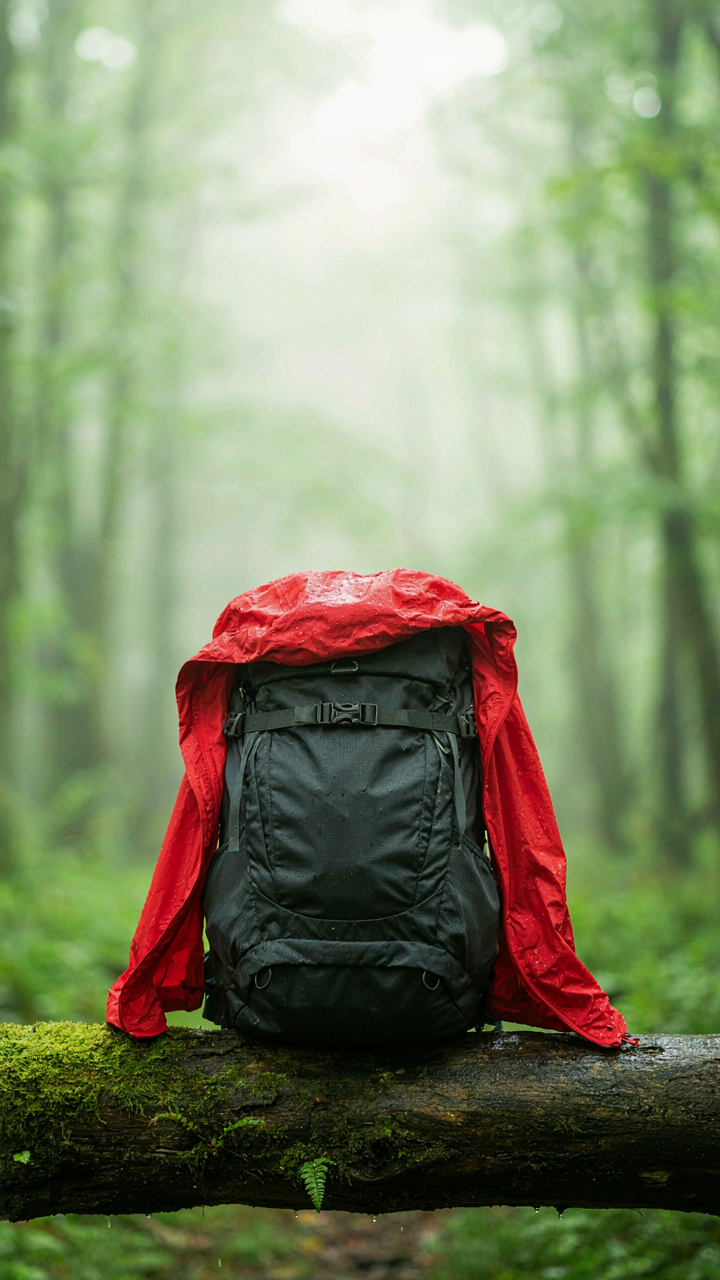
You want to believe one jacket solves rain. It doesn’t, and that gap between what you bought and what actually works will cost you comfort miles into a hike. The mechanism is simple: DWR (durable water repellent) and membrane waterproofing operate on different physics. DWR is a surface treatment that beads water away. Membranes block water from passing through the fabric itself. DWR fails first because it degrades with washing and abrasion. It’s the cheaper, temporary solution.
Membrane fabrics like Gore-Tex work by allowing water vapor (sweat) to escape while blocking liquid water droplets. Spring hiking demands this distinction because you’ll generate internal moisture from exertion. A DWR-only jacket traps sweat inside and becomes a sauna. The trade-off: membrane jackets cost more and reduce packability. For spring conditions with variable rain, the membrane option prevents the failure mode that kills your hike—not rain getting in, but sweat getting trapped.
Breathability Design: Managing The Moisture You Create
Physics recognizes a principle called vapor pressure differential: moisture moves from high concentration to low. Your body generates humidity under the jacket. That vapor needs an escape route or it pools inside, condensing on the inner surface and soaking your layers. This is why “waterproof” alone is insufficient—the mechanism requires breathability as a paired system, not an afterthought.
Spring conditions demand active moisture management because temperatures fluctuate enough that you’ll start sweating during climbs. Stop briefly and that sweat becomes a problem if the jacket can’t breathe. Pit zips or underarm vents accelerate vapor escape during sustained effort. Sealed seams prevent water from wicking through stitching, but they also demand the membrane work harder, so ventilation becomes non-negotiable. Layer your jacket over a base that wicks rather than absorbs, and you extend the jacket’s moisture tolerance by hours.
The Unseen Advantages: Accessories For Trekking Outfits Men
Headwear Options: Sun, Rain, Warmth Regulation
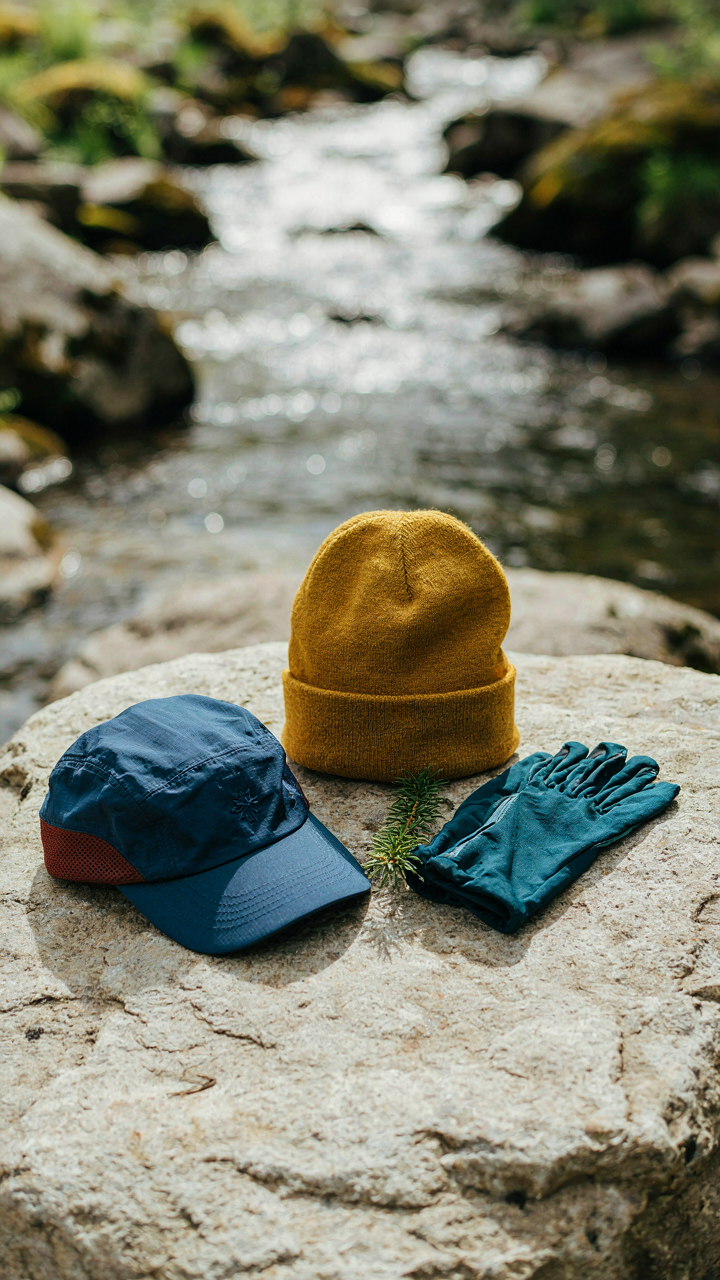
You want to look intentional on the trail, not like you grabbed whatever was closest to the door. Here’s the mechanism: your head controls thermoregulation. Lose heat through your scalp, and your body triggers shivering across your entire frame. Add a hat, and you preserve core temperature without layering your torso. Spring conditions demand a hat that handles three jobs at once: blocking UV before it damages skin, shedding water without soaking through, and venting heat when you’re moving hard uphill.
- Baseball cap or trail cap: Brim protects face and eyes from sun exposure. Ventilation panels keep sweat from pooling. Most offer minimal rain protection but dry fast.
- Wide-brimmed hat: Covers ears and neck where sun damage accelerates. Trade-off is reduced peripheral vision and more weight in a pack. Works best on moderate-pace hikes with consistent sun.
- Beanie or wool cap: Spring mornings demand this. Merino wool retains warmth when wet and resists odor. Pack it for elevation gain where temperatures drop 3 to 5 degrees per thousand feet.
- Rain hat with back extension: Nylon construction sheds water. Extended tail protects the back of neck and shoulders. Heavier than a cap but justifies weight on routes with unpredictable weather.
- Visor or headband: Minimal coverage keeps forehead dry without trapping heat. Best for warm spring days when you’re overheating but need sun protection on face.
Pick one hat based on morning temperature and forecast. If it’s below 50 degrees or rain is probable, bring the beanie or rain hat. If it’s 55 to 65 degrees with sun, the baseball cap wins. Don’t pack multiple options thinking you’ll switch—you’ll wear the wrong one out of habit and leave the right one in your car.
Gloves And Buffs: Small Items, Big Impact
The advice that gloves are optional in spring is incomplete. Your hands lose sensitivity below 60 degrees. Thick gloves ruin your grip on poles and rock. The answer is not choosing between two bad options—it’s understanding layering applies to hands too. Lightweight gloves or a merino buff give you dexterity while preventing the numbing that kills your ability to adjust straps or use your phone for navigation.
A neck buff handles multiple roles: pull it over your nose to warm incoming air on cold starts, wear it as a headband when you overheat, use it as a makeshift sun shield. Merino wool versions regulate temperature and don’t smell after sweat soaks them. Glove strategy shifts mid-hike as your body warms. Start with liners or thin gloves, remove them at mile two when climbing raises your core temperature, keep them in a jacket pocket—not your pack—so you can grab them without stopping. This prevents the cycle where cold hands force you to stuff them in pockets, cutting circulation and making everything worse.
The Weight Equation: Minimizing Load For Optimal Performance
The Pack Paradox That Kills Your Hike
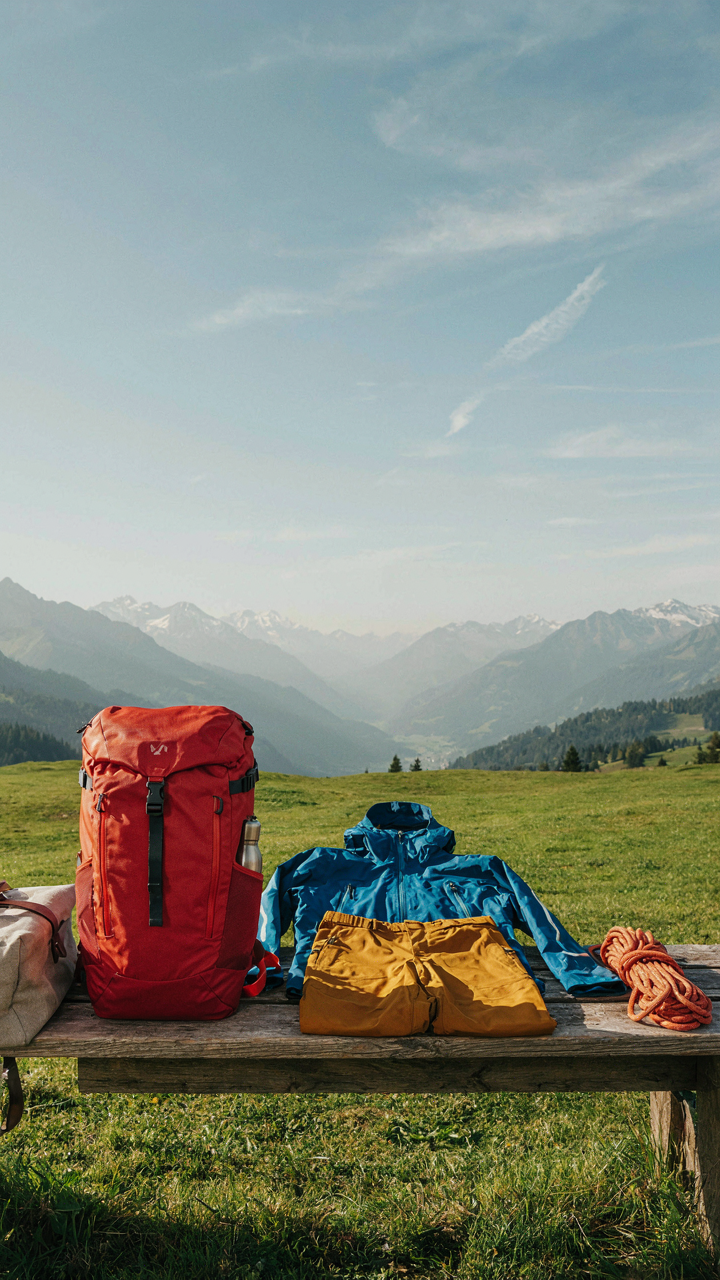
You want to feel prepared. That’s the real reason you’re reading this. But the mechanism is simple: every pound above your body weight costs energy exponentially, not linearly. Physics calls this the load-carrying economy. In hiking, this means a 30-pound pack burns 40% more calories than a 20-pound pack over the same distance. Most men pack redundancy without naming it, then blame the trail for being harder than expected.
The problem starts before the trailhead. You pack “just in case” items that solve hypothetical problems, not real ones. Spring weather shifts fast, so you grab an extra layer you won’t wear. You pack a full first aid kit when a blister patch and pain reliever handle 95% of issues. You duplicate functionality across gear categories. The solution isn’t buying lighter gear first. It’s eliminating items that duplicate what your other gear already does.
Combining Functions Into Single Pieces
Military logistics use a term called “payload optimization.” In spring hiking outfits for men, this means each piece of clothing or gear earns its weight by serving multiple purposes simultaneously. A merino wool base layer handles sweat management, temperature regulation, and odor control in one garment. Most guys buy separate pieces for each function, then wonder why their pack feels heavy before they leave the parking lot.
Identify your actual needs on a spring hike: moisture management, temperature adjustment, wind protection, and visibility. Then map one piece of gear to each need instead of three. A lightweight rain jacket with pit zips replaces a separate rain shell and emergency ventilation layer. A convertible hiking pant with zip-off legs eliminates the need for both shorts and full-length pants. Build your outfit so nothing sits in your pack unused.
The “Survivalist’s Axiom”: Prioritizing Core Comfort Over “What Ifs”
Your Core Temperature Is A Thermostat You Control
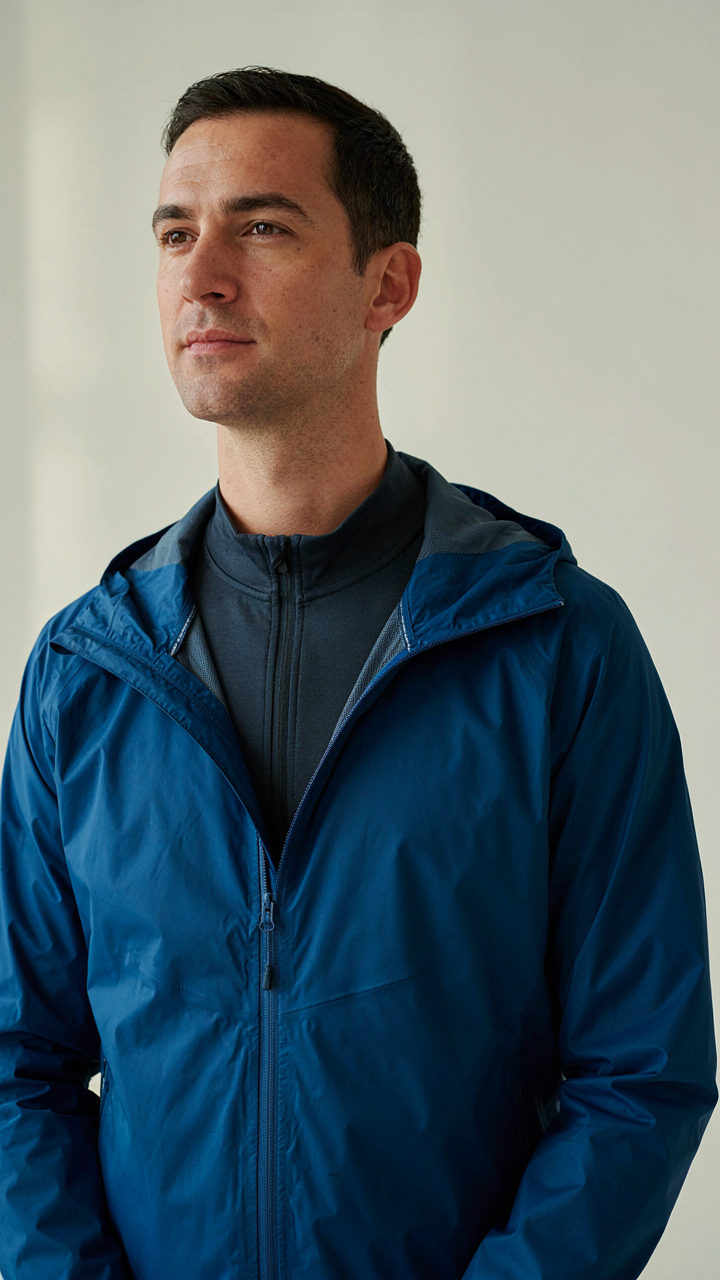
You want to feel capable in the outdoors without obsessing over gear. That fear lives in the gap between confidence and control. Here’s the mechanism: your body operates like a heat engine. Thermoregulation isn’t mystical—it’s physics. Your core maintains 98.6 degrees Fahrenheit. Everything else follows from that. Spring hiking demands you protect that core first, everything else second. Most advice fixates on layers. Wrong priority. The real win is understanding that your torso generates heat, your extremities lose it. Cotton holds moisture. Wool and synthetic materials wick it. Spring conditions flip between sun and wind faster than you adjust. The outfit that works isn’t the one with the most pieces—it’s the one that lets your core stay stable while you move.
Wear a synthetic or merino base layer touching your skin, a mid-weight insulating layer over it, and a wind-resistant outer shell. That’s the stack. Nothing fancy. A cotton t-shirt will chill you the moment you stop moving and sweat cools. Spring hiking happens at temperatures where this distinction matters—usually between 45 and 60 degrees Fahrenheit. Your legs get less attention because they generate heat through movement, but your torso powers everything. Pack the shell even if the morning is clear. Wind drops perceived temperature 15 to 20 degrees. That’s not theory—that’s measurable. The axiom: protect the core, and everything else handles itself.
Recognizing The Edge Before It Becomes Crisis
Hypothermia doesn’t announce itself dramatically. It whispers, then it steals your judgment. Your body loses heat faster than it produces it, and spring’s mild temperatures make people reckless. Most hikers think hypothermia only happens in winter. False. Wet conditions plus wind plus fatigue in 50-degree weather creates the exact scenario. Early signs are clear: uncontrollable shivering, slurred speech, loss of coordination, irrational behavior. These aren’t minor complaints—they’re your nervous system misfiring. Shivering is your body’s last defense mechanism. When it stops, things have progressed. Your job is to move before that line appears.
The protocol is simple and non-negotiable: stop if shivering won’t quit, get out of wind immediately, remove wet layers, and put on dry insulation. No debate. No finishing the hike. Spring conditions mean layering that peels off as you warm. Carry a spare synthetic layer in your pack even on short trails. Hypothermia victims often undress because their body signals confusion—the paradoxical undressing response. Recognize this in yourself or others as a hard signal to descend. Don’t wait for ideal conditions to move. Movement generates heat. If you’re shivering and stationary, you’re already behind. The mechanism is simple: wet plus cold plus wind equals descent. Execute it before your rational mind goes offline.
Dissecting The “Outfit Hiking Hombre” Myth: Real World Aesthetics
Function Before Appearance
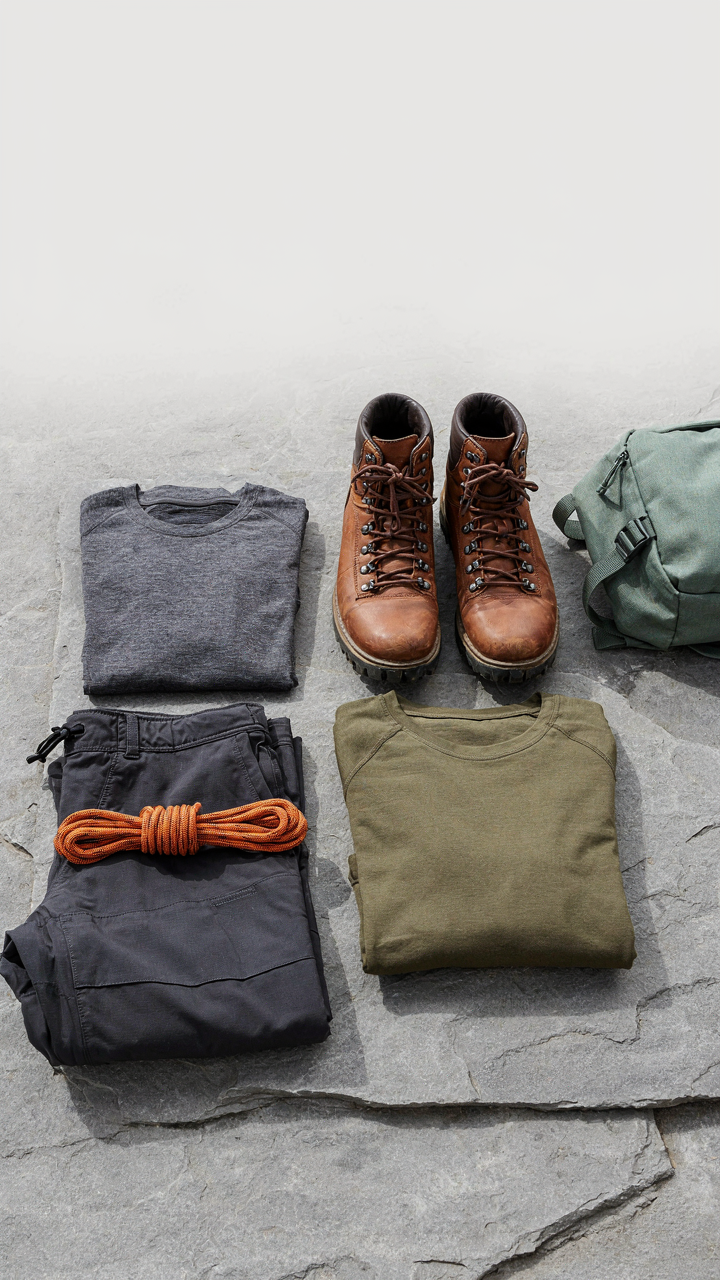
You want to look competent on the trail without thinking about it. The mechanism is simple: gear solves problems before you feel them. Most spring hiking outfit advice starts with color or brand, which is backwards. Function in variable spring conditions means layering that sheds moisture, pants that don’t restrict movement on steep terrain, and footwear that grips wet rock. These aren’t aesthetic choices disguised as practical ones. They’re non negotiable first, photogenic second.
The common mistake is treating spring hiking outfits like casual fashion. A merino wool base layer isn’t popular because it looks good. It regulates temperature across a 40 to 70 degree swing without absorbing sweat. Synthetic or cotton alternatives fail at this job. Once you accept that every piece must earn its place through performance, the outfit assembles itself. Appearance becomes a byproduct of solving real problems, not the goal.
Gear That Compounds Over Time
Durability in hiking apparel works like compound interest in finance: initial investment pays dividends across hundreds of miles. Buy cheap synthetic pants and replace them every season. Buy quality canvas or nylon blends and they outlast three rotations of cheaper alternatives. The cost per wear drops. Spring conditions accelerate wear because temperatures swing and wet terrain is constant, so material integrity matters more than in stable seasons.
Real investment pieces for spring are minimal: one quality base layer, one mid weight fleece or shell, one pair of durable hiking pants, one pair of boots with proven traction. These five items form the core. Rotate them across five springs and track the actual dollars spent per day of use. The math silences doubts about price. The mechanism is straightforward: materials that resist abrasion, seams that hold tension, and construction that accounts for the stress of repeated folding and movement extend the functional lifespan beyond cheaper alternatives.
The Real Obstacle Isn’t The Weather; It’s Your Attachment To Unnecessary Weight And Outdated Assumptions
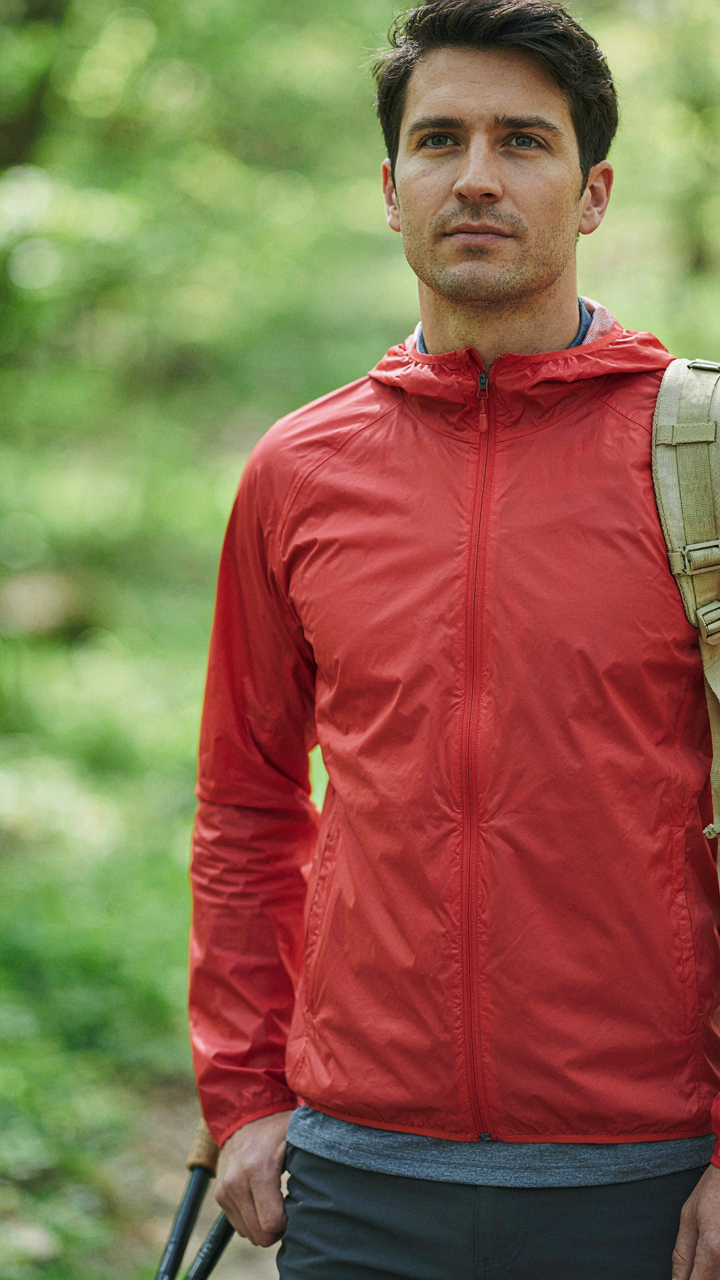
Most men pack like they’re moving, not hiking. They treat gear as security blankets instead of tools. Stop buying more stuff. Instead, pull three pieces you already own and actually wear them on a trail this weekend. Your body will teach you what works faster than any article ever could. The outfit that works is the one you actually use, not the one that looks right on paper.