
The Layering Lie: Why More Clothes Fail Kids Hiking Outfit

More Layers Doesn’t Mean Better Insulation
You think adding layers protects your kid from cold. It doesn’t. The real problem is that most parents confuse quantity with strategy. Thermodynamics teaches us about insulation value, but hikers misapply it by stacking dead weight instead of trapping dead air. Your child overheats on the climb, sweats into their base layer, then chills on the descent. The system collapses because the layers work against each other, not with each other. One quality base layer plus one insulating mid-layer plus one wind shell beats four random pieces of cotton.
Kids generate heat differently than adults during hiking. They move faster relative to their body mass, which means they warm up quicker on ascending grades. Add a backpack and they’re running hot for extended periods. The standard advice to “layer up” ignores this metabolic reality. Most kids end up stripping off half their clothes ten minutes in, leaving them exposed when they stop. The mechanism isn’t about having options. It’s about picking the right three pieces and trusting them.
Moisture Wicking Materials Do The Real Work

Forget cotton entirely. Cotton absorbs sweat and holds it against skin, which kills insulation and triggers the chill cycle. Synthetic materials like polyester and polypropylene repel moisture and dry fast. Merino wool works too, but costs more and requires care. The material choice determines whether your kid stays dry or becomes a heat sink on the trail. Most parents grab whatever fits and ignore the tag, which is why kids get cold despite wearing adequate insulation. Check the fiber content before buying anything. If it says 100% cotton, walk past it.
Base layers sit closest to skin and carry the workload. They must move sweat away from the body to either evaporate or transfer to the next layer. A proper synthetic base layer costs fifteen to thirty dollars and lasts through multiple seasons. Mid-layers like fleece provide warmth by trapping air while still allowing moisture to escape upward. The outer shell blocks wind and precipitation but stays breathable. This three-part system works because each layer has a specific job. Buy the base layer first. Everything else depends on it performing correctly.

Fabric Fallacy: What To Actually Look For In Kids Hiking Outfit

Synthetic Vs Natural Fibers For Outdoor Kids
You’re worried synthetics will make your kid sweat through their shirt and ruin the hike before mile one. Here’s the mechanism: natural fibers like cotton absorb moisture and hold it against skin, dropping core temperature fast in spring wind. Synthetics wick that same moisture away from the body, moving it to the fabric surface where it evaporates. This isn’t preference. It’s physics. Cotton has no place under a hiking layer on a child.
Merino wool splits the difference. It regulates temperature, resists odor, and handles moisture without feeling clammy. Polyester and nylon blends move sweat fastest and dry quickest, which matters when you’re three miles from the car and the weather turns. Wool costs more upfront but outlasts cheap synthetics by years. The real choice: merino or performance poly. Skip cotton entirely, even if it feels softer in the store.
Abrasion Resistance And Tear Strength Define Longevity
Material scientists measure durability through abrasion testing and tear propagation. A child’s hiking outfit faces both: brush against rocks and tree branches, plus sudden impacts when kids fall or catch fabric on sharp edges. Most spring hiking brands quote fabric weight in grams per square meter, but that alone means nothing. A heavy cotton tears easier than light nylon. Construction method matters more than weight alone.
Check the denier count on synthetic fabrics. Higher denier means thicker individual fibers that resist puncture and tearing. Look for reinforced seams, especially at stress points like the crotch and under arms where kids move hardest. Test the fabric yourself by pinching and pulling. If it puckers or tears under moderate tension, it won’t survive a spring season of actual use. Buy outfits rated for repeated washing and outdoor wear, not fashion durability.
The Comfort Calculus: Movement And Fit For Toddler Hiking Outfit

Why Stretch Matters More Than You Think
You want your kid to hike without complaint. That means they need to move like themselves, not like a sausage in compression gear. Think of biomechanics: the study of how bodies move through space. A toddler’s articulation depends on fabric that gives at the joints without sagging elsewhere. Cotton and poly blends sit static. Four-way stretch materials move with the hip, knee, and shoulder in real time, which means your kid stays comfortable instead of fighting their clothes for three miles.
The mechanism is simple. Toddlers hike in short bursts with constant position changes: climbing over rocks, crouching to inspect insects, arms swinging off-balance for stability. Restrictive fabrics create friction against skin and joints, draining energy on outfit management instead of trail movement. Garments with spandex content (typically 10 to 20 percent in performance kids’ wear) allow the fabric to return to shape after each movement. Compression shorts and fitted base layers distribute sweat evenly instead of pooling, which prevents chafing on longer spring hikes when moisture builds.
Sizing Is An Equation, Not A Guess
Most parents buy kids’ hiking clothes one size up to account for growth. That’s the lazy move, and it costs you. A shirt that fits is one where the armhole sits at the actual shoulder joint, not two inches down the arm. Pants should hit the natural waist, not the hip, so they stay put during climbing and crouching.
Too-large clothes bunch at the joints and create pressure points where fabric folds against skin. Wet fabric bunching accelerates chafing. The real rule: your child should be able to raise their arms overhead and do a deep squat without the garment restricting movement or riding up. Check this before you buy. If the fit forces you to choose between comfort now and room to grow in three months, buy the correct size now and replace it next season.
Weather Wisdom: Adapting For Unpredictable Spring Hikes
Rain Protection: Know The Difference That Matters
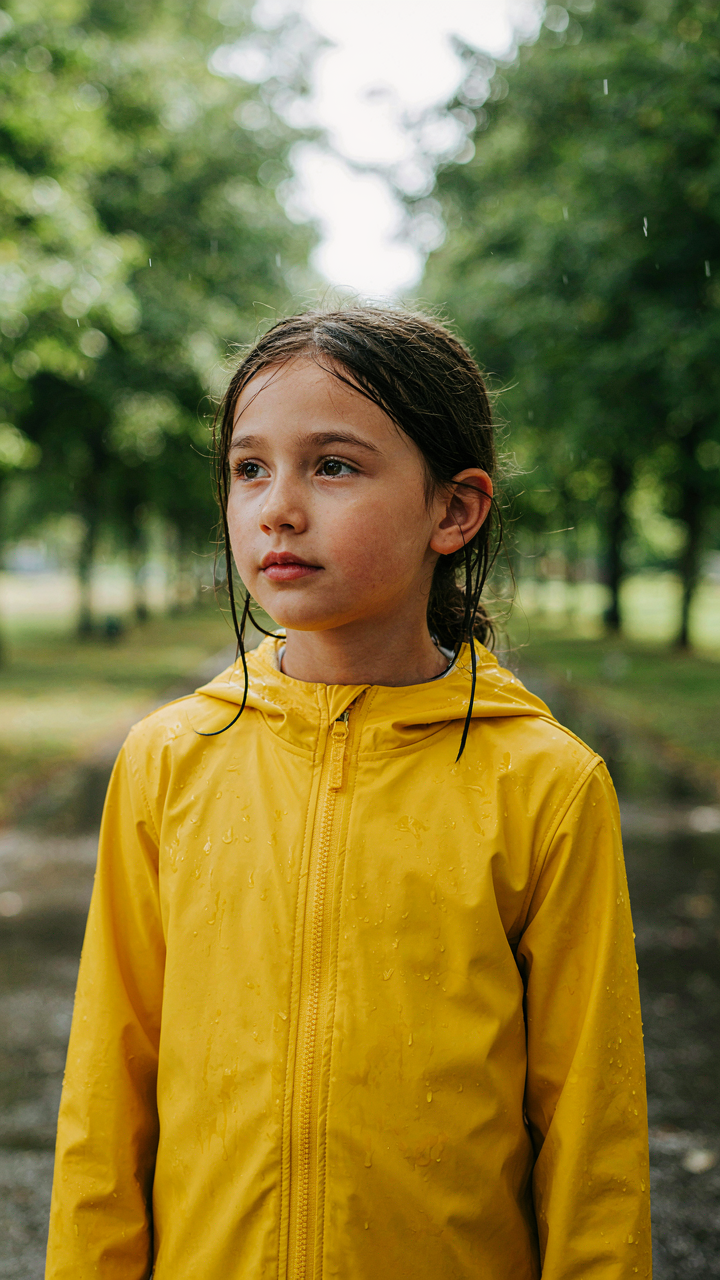
You want your kid dry so you don’t spend the hike managing a meltdown. Here’s what most parents miss: water-resistant and waterproof are not interchangeable, and choosing wrong means wet clothes and a ruined afternoon. Water-resistant fabrics repel light rain through a coating, but water eventually penetrates under pressure or sustained moisture. Waterproof fabrics use sealed seams and barrier layers that block water entirely, but trap body heat and sweat inside.
Spring rain hits hard and lingers unpredictably. A water-resistant shell works for drizzle and passing showers because kids move constantly and generate heat. Pick waterproof only for sustained downpour hikes or when your child sits still frequently. Most spring hikes need water-resistant outerwear paired with quick-dry underlayers, not expensive full waterproof gear that overheats small bodies and causes them to strip layers mid-trail.
Temperature Swings: Layer For Active Kids, Not Static Adults
Thermodynamics dictates this: active bodies generate heat through movement, then lose it rapidly when they stop. Apply this principle backwards from how you’d dress yourself. Kids hiking generate significant internal heat through constant motion, so they need less insulation than you think, but more ventilation options than one jacket provides. The real mistake parents make is dressing kids for standing-around weather, not hiking weather.
Spring temperatures swing 20 to 30 degrees between sun and shade, morning and midday. Build a system: moisture-wicking base layer that pulls sweat away, a thin fleece or wool mid-layer for insulation without bulk, and a water-resistant outer shell. Remove or add layers as your child’s pace changes, not based on the thermometer. Start the hike slightly cool so your kid warms into comfort within the first mile, then adjust downward as the sun angle shifts and activity level peaks.
The Essentialist’s Pack: Beyond The Gear Hype
What Kids Actually Need On The Trail
You want permission to buy less because you’re tired of gear creep making parenting expensive. The mechanism is simple: kids overheat faster than adults, lose body temperature quickly when wet, and complain before they suffer real problems. Everything else is noise. Start with the five non-negotiable systems, ignore the rest, and your child stays safe without dragging a REI store up the mountain.
- Base layer (merino or synthetic): Wicks moisture away from skin when kids sweat or get damp. Cotton holds water and causes temperature drops fast. A single fitted long sleeve handles spring’s variable conditions.
- Mid layer (fleece or light insulation): Traps warm air. Spring weather shifts between sun and shade, so one packable fleece works as both active layer and emergency warmth. Weight under four ounces matters when a kid refuses to carry their pack.
- Rain shell (hardshell or hybrid): Stops wind and rain simultaneously. Kids get cold wet faster than adults. One lightweight shell handles both seasons and fits in a fist-sized stuff sack.
- Socks (merino or wool blend): Prevents blisters and regulates temperature at the extremities. Bring one extra pair. Cotton socks cause hot spots and blisters within the first mile.
- Hat and gloves (spring weight): Kids lose heat through their heads. Spring sun is deceptive. Lightweight gloves and a sun hat cost ounces and prevent both overheating and unexpected cold.
Pack only these five items for spring. Everything else is insurance against scenarios your kid probably won’t face. A snack, water, and a map in your pack covers the real emergencies. Stop buying “complete outfits” that force you to choose between fifteen combinations. One shirt, one layer, one shell, one hat. Done.
The Physics Of How Weight Actually Distributes
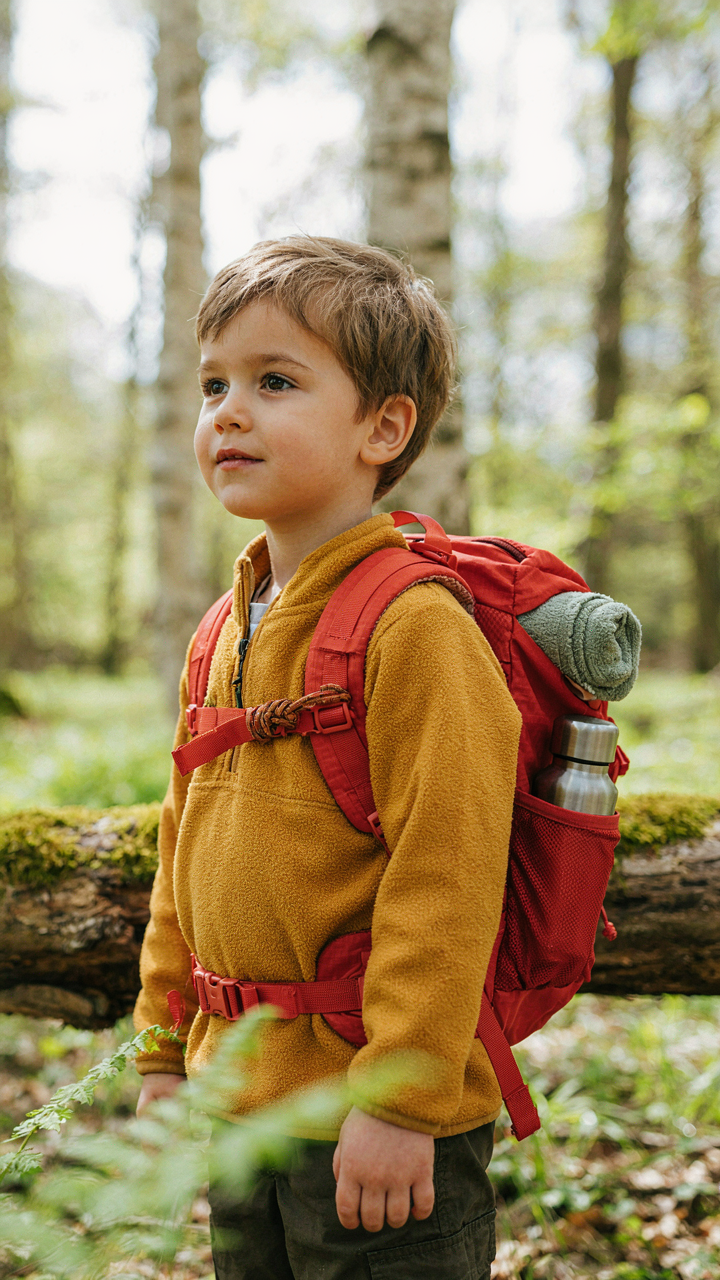
Physics calls this load moment: the distance from a child’s spine to the weight center multiplied by how heavy the load is. A poorly packed backpack doesn’t distribute weight to the hips where a kid’s legs can handle it. Instead, the pack pulls backward, shifts weight to the shoulders, and kills endurance in thirty minutes. A child’s spine hasn’t finished developing, so bad pack geometry matters more than it does for adults.
The real fix isn’t expensive padding or fancy suspensions. It’s putting the heaviest items closest to the child’s back and keeping them low, between their hips and shoulders. Water bottles go on the sides, not the top. Snacks and tools stay in the main compartment against the pack back. This one protocol change removes most complaints about “heavy packs” before they start. Test it on a short flat walk first. If the child still complains about shoulder pressure after weight sits correctly on the hips, the pack is too big, not the load too heavy.
Footwear Fundamentals: Protecting Kids Hiking Gear
Traction And Support Matter Most
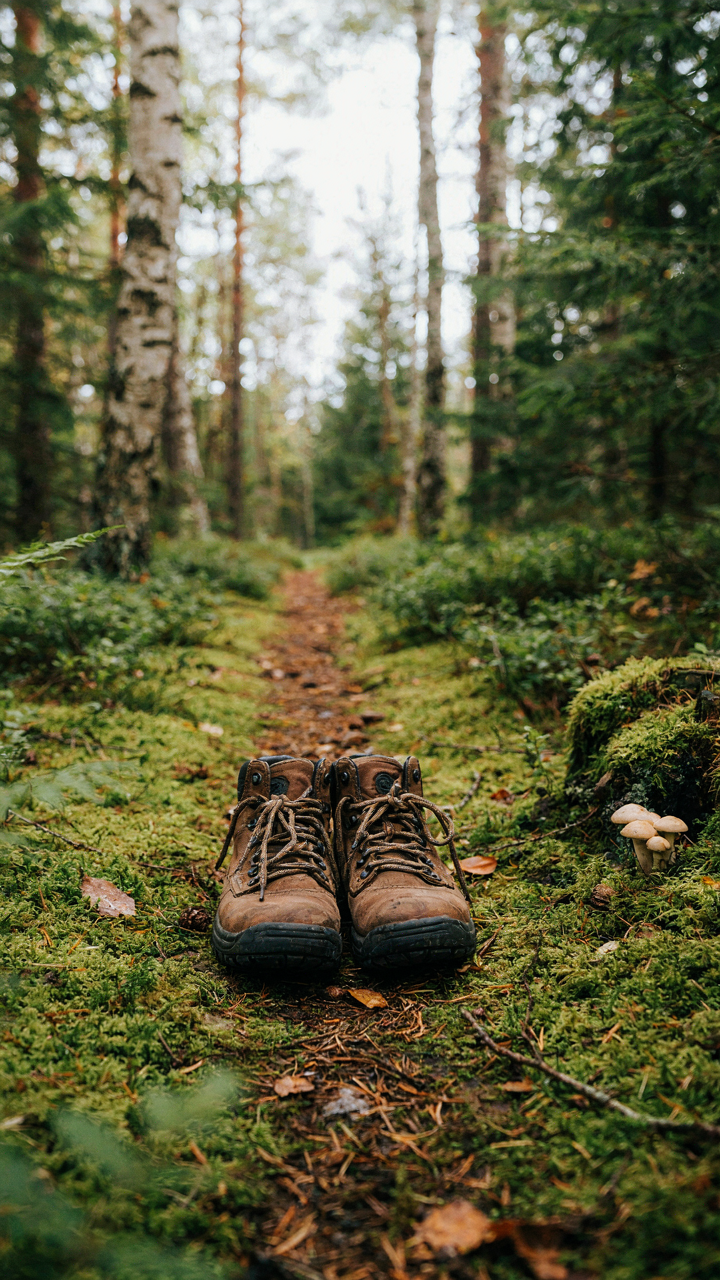
You’re worried your kid will slip on wet rock and you’ll be the parent who didn’t plan ahead. That fear is valid, but it’s masking the real mechanism: grip is physics. The sole contacts terrain at maybe 60 percent actual surface area due to air pockets and texture variation. A rigid midsole distributes impact force across the foot instead of concentrating it in the heel, which is why kids tire faster in flat shoes on uneven ground.
Spring conditions mean unpredictable moisture. Lugged soles with deep treads grab wet surfaces better than shallow patterns, but only if the rubber compound stays pliable in cool temperatures. Most budget hiking shoes use harder rubber that stiffens below 50 degrees, killing grip when you need it most. Ankle collars don’t prevent sprains as much as marketing claims, but they do prevent the foot from rolling inward excessively on off-camber terrain. The real win comes from a snug heel cup that locks the foot in place during descent so the kid isn’t sliding forward into the toe box on every downhill step.
Socks Bridge The Gap Between Skin And Failure
Generic sock advice treats all moisture the same. It doesn’t. Merino wool and synthetic blends manage perspiration differently than cotton, which absorbs sweat and stays wet against skin for hours. The mechanism is capillary action: wool wicks moisture away from the foot while maintaining insulation. Cotton holds onto water and creates friction zones where blisters form.
Spring hiking involves temperature swings that demand sock thickness flexibility. Thin merino works when kids move constantly and generate heat. Midweight merino becomes necessary in morning chill before activity ramps up. The blister prevention layer isn’t the sock material alone, but the fit inside the shoe. If the sock bunches at the heel or toes, it creates pressure points that turn into hot spots within the first mile. Before any spring hike, put the sock on the foot, then the shoe, then have the kid walk indoors for ten minutes to identify comfort gaps before hitting the trail.
The “Adaptability Protocol”: Your Kids Camping Outfit Strategy
When Spring Weather Breaks Its Promises
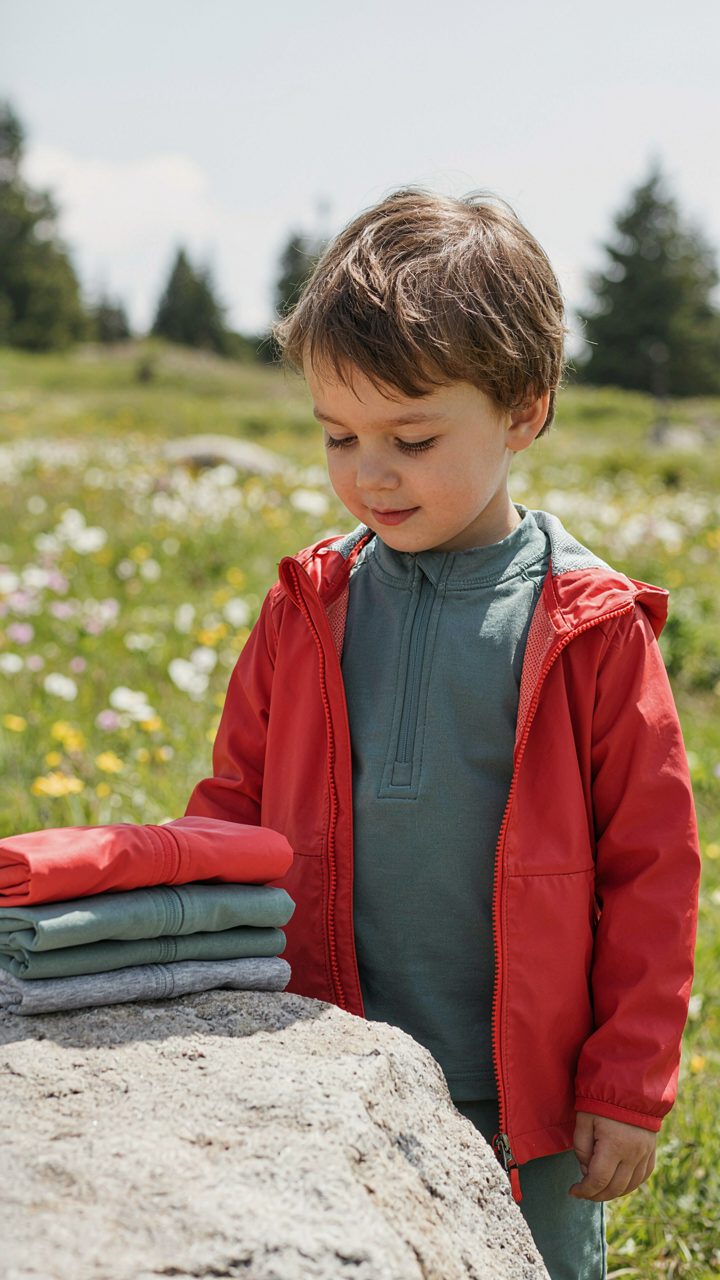
You want to pack light but look prepared, so your kid doesn’t suffer while you dodge the guilt of bad planning. Here’s the mechanism: spring conditions don’t shift gradually, they snap. A 40-degree morning becomes 65 degrees by noon because solar radiation intensity changes faster than air mass replacement. You’re not fighting randomness. You’re fighting thermodynamic lag between ground heat and atmospheric temperature. Pack for this reality, not for the forecast.
Layering works because it gives you granular control without bulk. A base layer pulls moisture off skin. A mid layer traps dead air space. An outer shell blocks wind. Your kid moves between states without changing outfits. Each layer serves one job. Remove or add based on what actually happens, not what you predicted would happen. This is why “just wear a jacket” fails. A single piece locks you into a binary choice: too hot or too cold.
Fabric That Doubles As Function
The standard advice says “bring extra clothes.” That’s lazy. You need pieces that work across temperature ranges and serve multiple purposes simultaneously. Merino wool base layers do this by design. They regulate temperature across a 30-degree band, manage moisture without feeling wet, and resist odor. Your kid wears the same layer in 45 degrees and 65 degrees. Cotton does none of this.
Fleece jackets work as insulation and as a wind barrier. A lightweight synthetic fleece layer under a water-resistant shell gives you three distinct outfit states without carrying three jackets. Mid-weight joggers or technical pants handle mud, brush, and temperature swings better than standard hiking pants because the fabric breathes and dries faster. Avoid single-purpose items. Every piece your kid wears should solve two problems at once, or it wastes pack space.
Beyond Aesthetics: Functional Kids’ Fashion For The Trail
Visibility Versus Dirt Concealment
You want your kid visible on the trail so nothing bad happens, but you also don’t want to do laundry that looks like a crime scene. That tension is real, and color choice is where you resolve it.
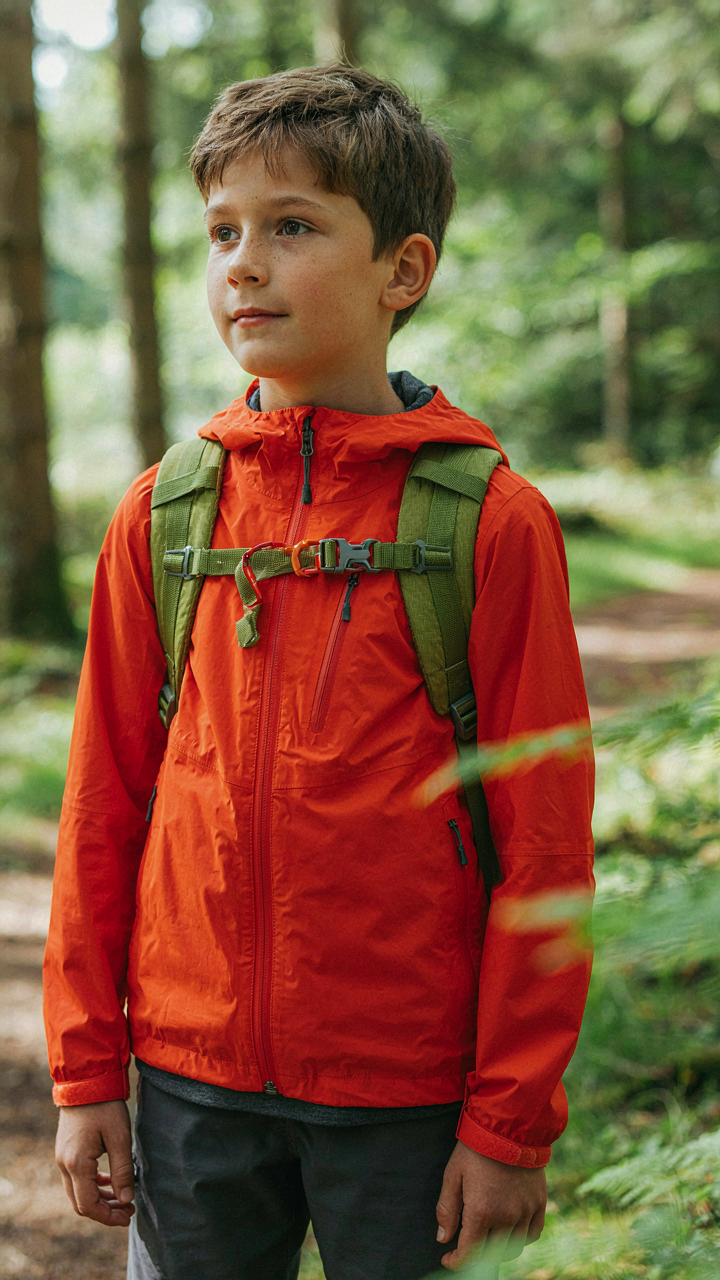
Bright colors work in physics the same way they work in safety: high contrast against natural backgrounds makes objects register faster to the human eye. Neon yellow, bright orange, and hot pink all reflect more light wavelengths than earth tones. Use these for the outer layer—jacket, vest, or pack—so your kid stays visible in low light or dense tree cover. That’s the mechanism.
But here’s what everyone gets wrong: you don’t need the entire outfit to be screaming neon. A bright jacket with neutral pants and boots handles both problems. The brightness protects you on the trail. The darker base layers hide the mud, sweat, and trail debris that kids accumulate. Spring mud doesn’t show on charcoal or navy the way it shows on cream or light gray. Pick one high-visibility piece and build neutral around it.
Hats, Gloves, And Buffs That Actually Work
Spring weather pivots fast, and most parents pack the wrong accessories because they plan for one condition instead of three. A functional spring hiking outfit needs layers you can deploy and stow without adding bulk.
- Wide-brimmed hats: Protect eyes and face from both sun and spring rain. Mesh panels prevent sweat buildup. Chin straps keep them from getting lost in brush.
- Merino wool gloves: Thin enough to keep in a pack without guilt. They stay functional when damp and regulate temperature better than cotton or synthetic blends.
- Neck buffs: One piece handles sun protection, wind blocking, and doubles as a makeshift face cover if weather turns. Lightweight and compressible.
- Sun gloves: Arm sleeves or fingerless options protect from UV without overheating. Kids forget sunscreen; this removes the variable.
- Packable hats: Crushable designs fit in cargo pockets. Keep one backup in the pack for sudden conditions changes.
The real move is matching accessories to spring’s actual range: 40 to 65 degrees, variable cloud cover, and unpredictable wind shifts. Pack one primary hat, one pair of gloves in your backpack (not on the kid), and one neck buff clipped to the outside of their pack. When conditions change, you swap in under two minutes. Stow the replaced item. That’s your protocol.
The Durability Directive: Investing Smart In Girls Hiking Outfit
Cost Vs Longevity Materials That Last
You’re buying hiking clothes for kids because you’re terrified of wasting money on things they’ll destroy in two seasons. Here’s the mechanism: synthetic materials break down faster under UV exposure and repeated washing than natural fibers, but they dry quicker and resist mildew. Nylon and polyester are industry standards for this reason. Merino wool resists odor and temperature swings but costs more upfront and demands gentle care. The real trade-off isn’t between cheap and expensive—it’s between replacing gear annually versus maintaining it through thoughtful fabric selection.
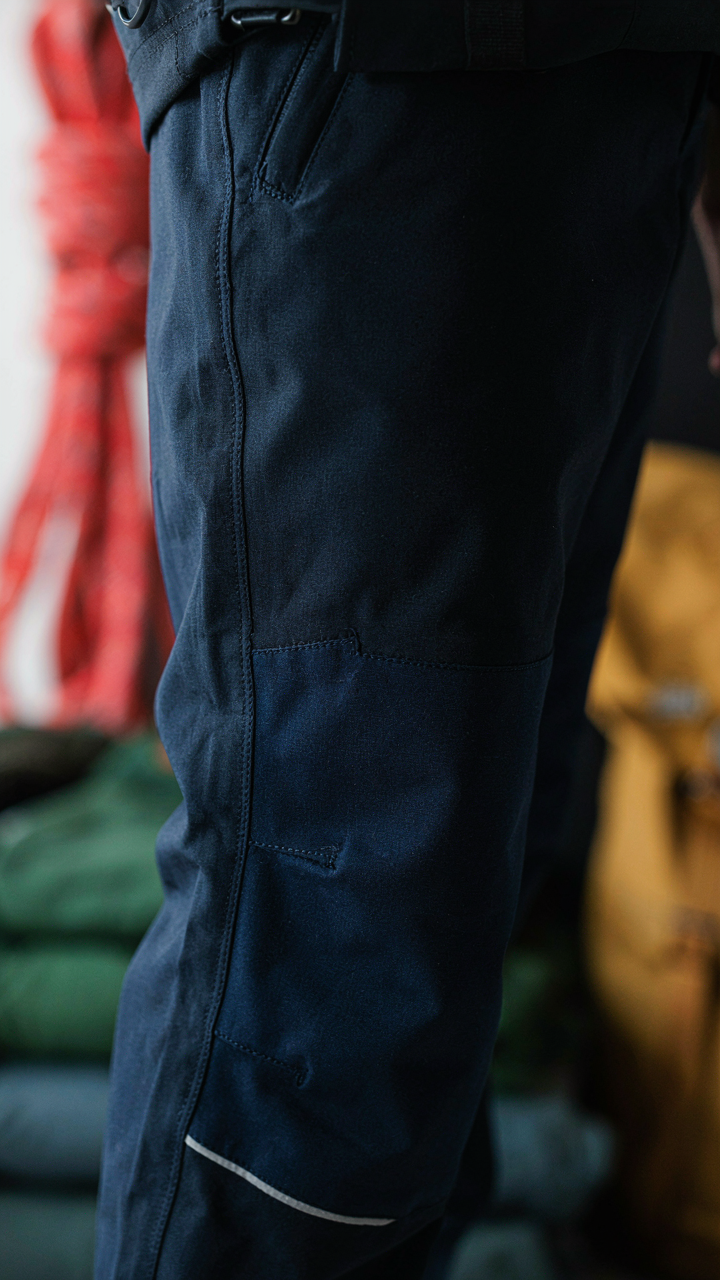
Cotton fails on hikes because it absorbs moisture and doesn’t dry fast enough to regulate body temperature. Blended fabrics work better: nylon mixed with spandex gives stretch and durability. Polypropylene base layers wick sweat without absorbing it. Check the tag before buying. If the garment is 100% cotton or lacks reinforced seams at stress points, it will shred during heavy use. Most kids’ hiking brands cut corners on seam quality to hit price points.
Repair And Maintenance Extending Garment Life
The standard advice on kids’ gear is to buy cheap and replace it. That’s lazy and wrong. A torn seam costs five minutes to reinforce with thread and needle, and a split crotch panel takes fifteen minutes to patch. Most parents never attempt repairs because they assume manufacturers warrant durability. They don’t. You own the failure point once the tag comes off.
Washing routine matters more than fabric type. Machine wash on cold water with mild detergent, then air dry. Heat from dryers accelerates synthetic breakdown and melts elastic. Inspect seams and zippers after every five hikes. Reinforce weak points before they tear fully. Keep a repair kit: needles, thread, patches, and fabric glue. When a zipper sticks, rub a graphite pencil along the teeth instead of forcing it. These steps stretch a season into three.
Your Real Obstacle Isn’t The Outfit; It’s The Need For External Validation Disguised As Preparedness
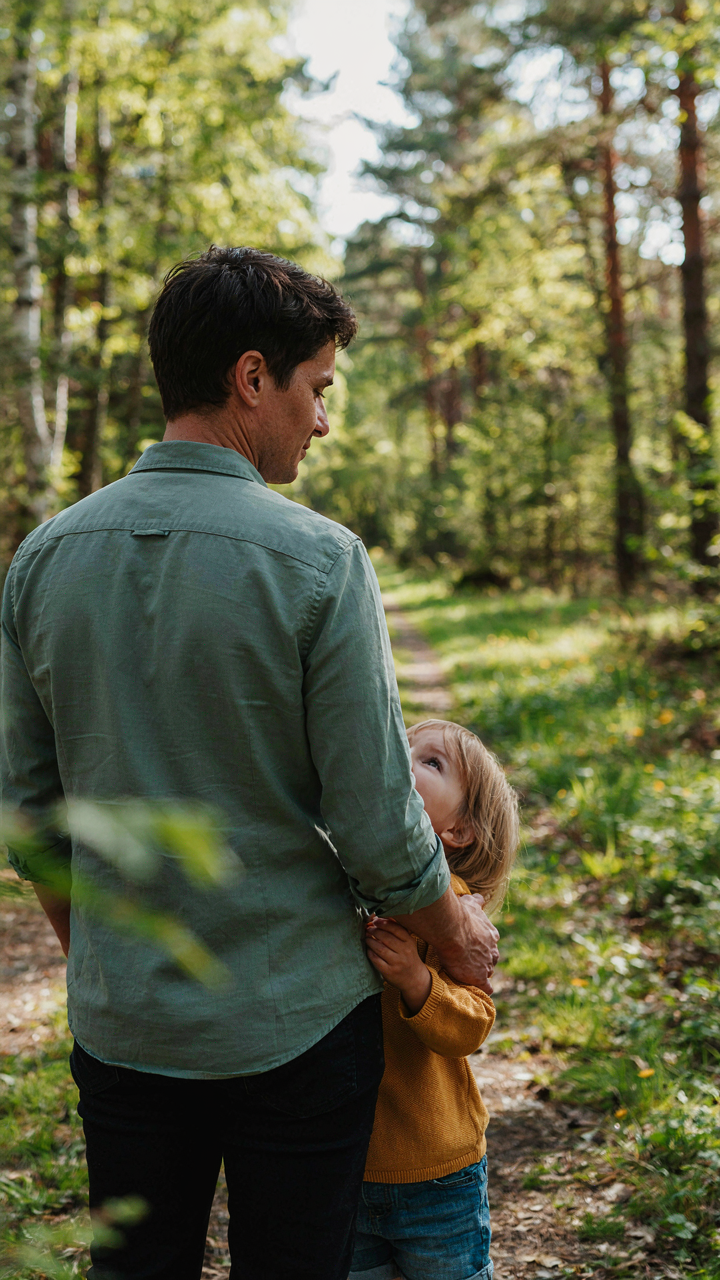
You don’t need perfect gear to hike with your kids. You need to stop waiting for permission. Most parents obsess over outfit details because it feels productive while avoiding the actual decision: taking them outside this weekend. Pick what you have. Grab your kid. Go. The outfit doesn’t matter. The memory does. Your kid won’t remember your layering strategy. They’ll remember you showed up.