
The Layering Fallacy: Why Your “Comfortable” Outfit Fails

Single Layer Thinking Never Works
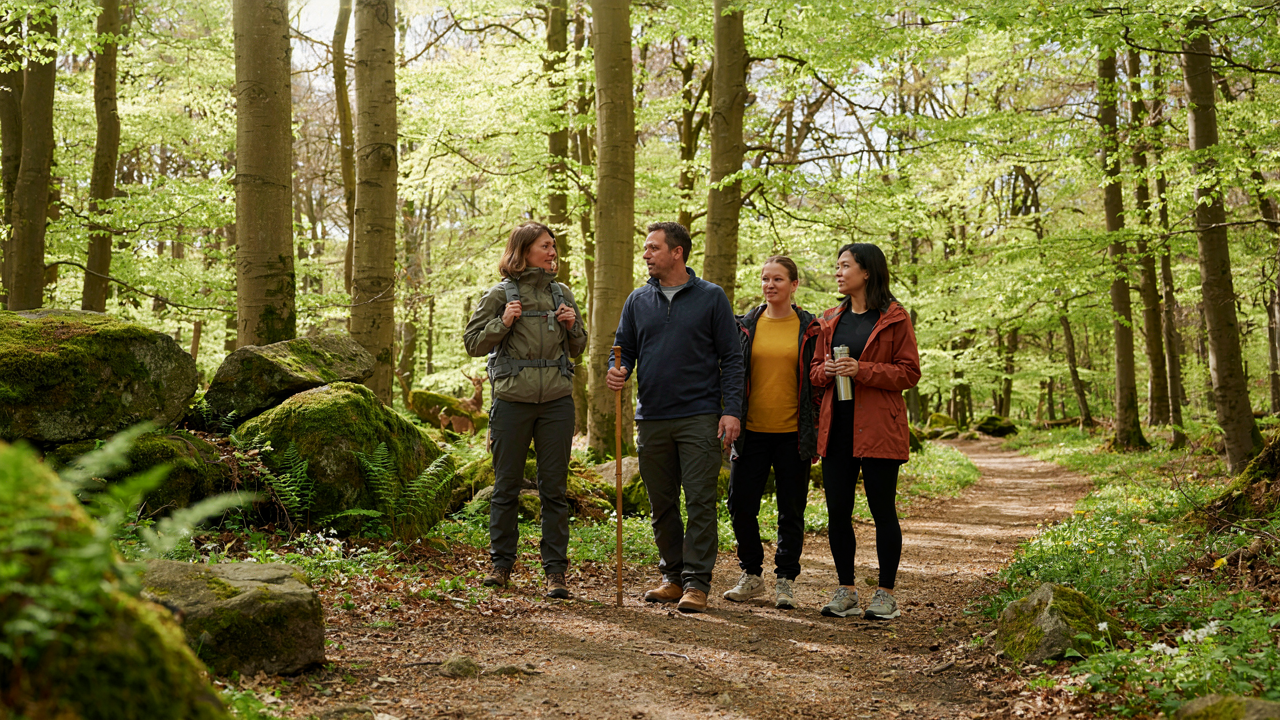
You want to look effortless as a couple, so you skip the work of actually understanding layering. Here’s the mechanism: your body generates heat through movement, but that heat doesn’t distribute evenly. Your core stays warm while extremities cool fast. One base layer can’t handle both states simultaneously. Cotton holds sweat against skin. Synthetics wick it away but trap heat if you overheat. Neither solves the problem alone. Spring conditions shift hourly, and couples move at different metabolic rates. Your partner might feel cold while you’re already sweating.
The common advice says “just wear layers and remove as needed.” That’s incomplete. The real issue is fabric sequencing. Your base layer determines whether sweat cools you down or traps you in damp discomfort. Your insulation layer dictates whether you shed heat fast enough during climbs. Your shell layer controls whether moisture vapor escapes or condenses back onto skin. Stack them wrong and you’ve built a humidity trap that leaves one of you miserable by mile three.
Kinetic Energy Demands Fabric Choice

Physics calls it energy transfer, and your outfit either facilitates it or blocks it. A merino wool base layer moves moisture away from skin while maintaining insulation when damp. Synthetic fibers like polyester or nylon dry faster but don’t insulate when wet. Fleece traps heat effectively but suffocates you on steep sections. Your shell needs breathability that matches the exertion level, not just water resistance. Most couples pick shells rated for conditions they won’t actually encounter, then abandon them halfway through because they overheat.
The mechanism works like this: as you climb, your metabolic rate spikes. Your base layer must shed that moisture before it accumulates. Your insulation layer sits between base and shell, capturing warmth without blocking vapor escape. Your shell protects from external moisture while letting internal vapor through. Polartec, Primaloft, and merino wool each have different vapor transmission rates. Choose fabric based on the specific effort you’ll sustain, not on what looks good together as a couple.

Beyond Instagram: Real Gear For Real Trails
Shoes That Won’t Betray You On Wet Stone
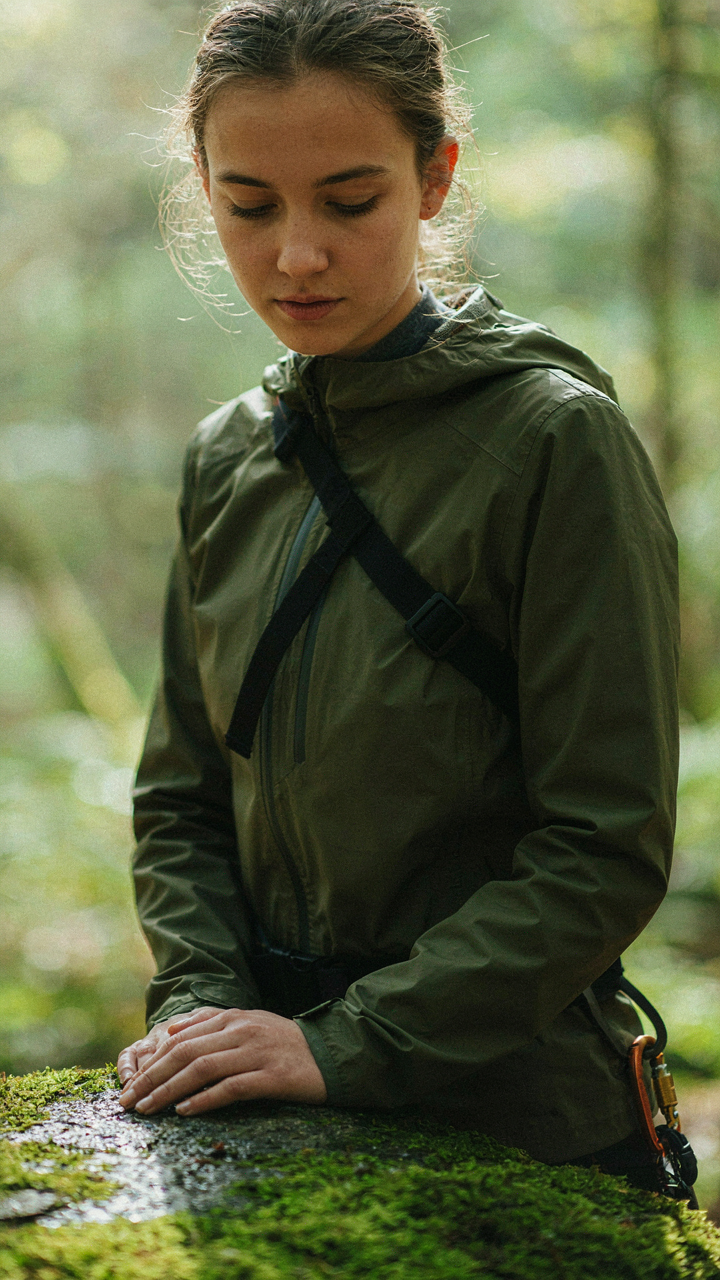
You want your gear to photograph well. Stop. Shoe choice determines whether one of you limps off the trail or finishes strong, and that outcome lives in the sole’s geometry, not its color. Traction comes from rubber compound hardness and tread pattern depth—factors that have nothing to do with aesthetics. Spring trails are wet. Wet stone demands edges that grip, not smooth rubber that slides.
- Vibram or equivalent outsole: Proven grip on wet rock through aggressive lugs and rubber formulation. Most reliable option for variable spring conditions.
- Mid-cut or higher ankle support: Prevents lateral roll on uneven, muddy terrain. Spring soil shifts under weight more than summer hardpack.
- Drainage design: Shoes that shed water fast prevent blisters from sustained moisture. Look for mesh that doesn’t trap, not sealed uppers.
- Break-in period before the hike: Worn-in shoes mold to foot shape, reducing hot spots. New shoes on a spring trail guarantee regret by mile three.
- Weight distribution in forefoot: Lighter shoe construction in the toe allows natural flex on rocky descents. Stiff boots force ankle strain on technical sections.
Both hikers need the same grip standard. One person slipping on descent terrain forces the other into rescue position, which wastes energy and kills the hike’s pace. Test footwear on wet pavement before committing to a trail day.
What Goes In The Pack And Why It Actually Matters
Most couples stuff packs with “just in case” items they never use, then wonder why their shoulders ache by mile five. The real mechanism is payload efficiency: every item either prevents a failure state or enables continuation if a failure occurs. Spring weather creates specific failure states. Your pack contents must map to those states, nothing else.
Layers prevent hypothermia when temperature drops or you get wet—this is biology, not opinion. A base layer, insulation piece, and wind shell handle 95 percent of spring conditions. Carry water based on trail distance and source availability, not arbitrary ounce targets. Navigation tools matter only if one person doesn’t know the route cold. A basic first aid kit stops bleeding and prevents infection from minor cuts—the two injuries that end hikes fastest. Bring food that requires zero preparation and tastes like something you’d actually eat when tired and cold. Everything else gets left behind. Couples who hike together need parallel packs with similar load distribution, not one person carrying the bulk and resenting it by descent.
The “Active Couple Aesthetic” Deception
Coordinated Vs. Matching: Optimizing Individual Performance
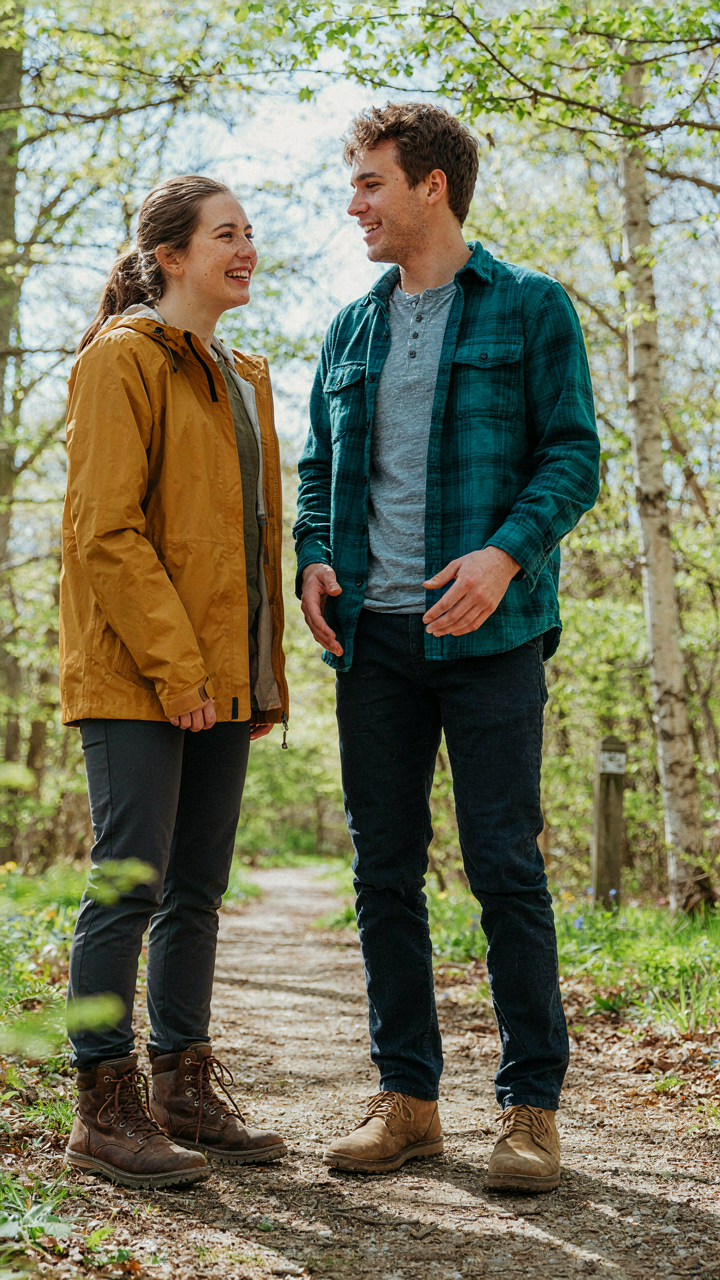
You want to look like a unit because you’re afraid mismatched outfits signal relationship friction or poor planning. That’s the real driver here. The mechanism is simple: matching outfits create visual harmony that reads as competence, but they destroy individual performance on the trail. Borrow a term from systems design—redundancy. In couples hiking, redundancy means both partners wear identical gear, which creates a single point of failure.
Coordination beats matching every time because it respects the actual body and performance differences between two people. Your partner’s sweat rate differs from yours. Their sun sensitivity differs. Their core temperature regulation differs. Coordinated outfits share a color palette and fabric logic without forcing identical pieces onto different physiology. One person wears a lightweight merino base layer. The other wears a synthetic blend. Both wear the same spring jacket color. They look intentional together without sacrificing thermal regulation or moisture management for either person.
Authenticity In Motion: What Truly Defines A Hiking Couple
The common advice says a hiking couple should project polish and planning through their outfits. That’s incomplete. What actually defines a hiking couple is whether both people can move freely and maintain core body temperature without compromise. Authenticity in motion means each person’s outfit solves their specific physiological needs first, then coordinates visually second.
A real hiking couple prioritizes function over the photograph. One partner leads faster on flat sections and needs breathable uppers. The other prefers layering flexibility and needs a torso pocket setup that works. The coordination happens through shared design principles, not cloned outfits. Check your partner’s actual movement range in their spring layers before the hike. If either person restricts their stride or hikes with tension in their shoulders, the outfit failed regardless of how matched it looks.
The Environmental Contingency Protocol
When Elevation Changes The Rules
You’re worried you’ll look unprepared in front of your partner. The real mechanism at work is thermodynamics: elevation gain creates temperature gradients that standard weather forecasts miss entirely. Spring hiking exposes this gap fast. A trailhead at 2,000 feet reads 55 degrees. Half a mile up at 3,500 feet, you’re in 38-degree air. That’s not a guess. That’s altitude lapse rate. Most couples dress for the parking lot, not the summit.
Microclimates amplify this problem. North-facing slopes hold cold pockets. Exposed ridges accelerate wind chill. Tree coverage blocks sun and traps moisture. A trail that climbs from valley forest to open ridge isn’t one weather event, it’s three or four stacked on top of each other. Spring transitions make this worse because temperature swings are violent and unpredictable. One week it’s 70 degrees. The next week a cold front drops it 20 degrees overnight. Your outfit plan survives only if you account for the conditions you’ll actually encounter at elevation, not the ones the weather app promised at ground level.
Layering Is Not The Solution Here
The common advice is to layer. That’s incomplete. Layering addresses temperature variance, but spring hiking demands you manage transitions between distinct climate zones in real time. Your base layer works fine in the cool shade. The moment you exit into direct sun on an exposed slope, that same layer becomes a heat trap. Layering solves nothing if you can’t activate and deactivate each piece without stopping every hundred yards.
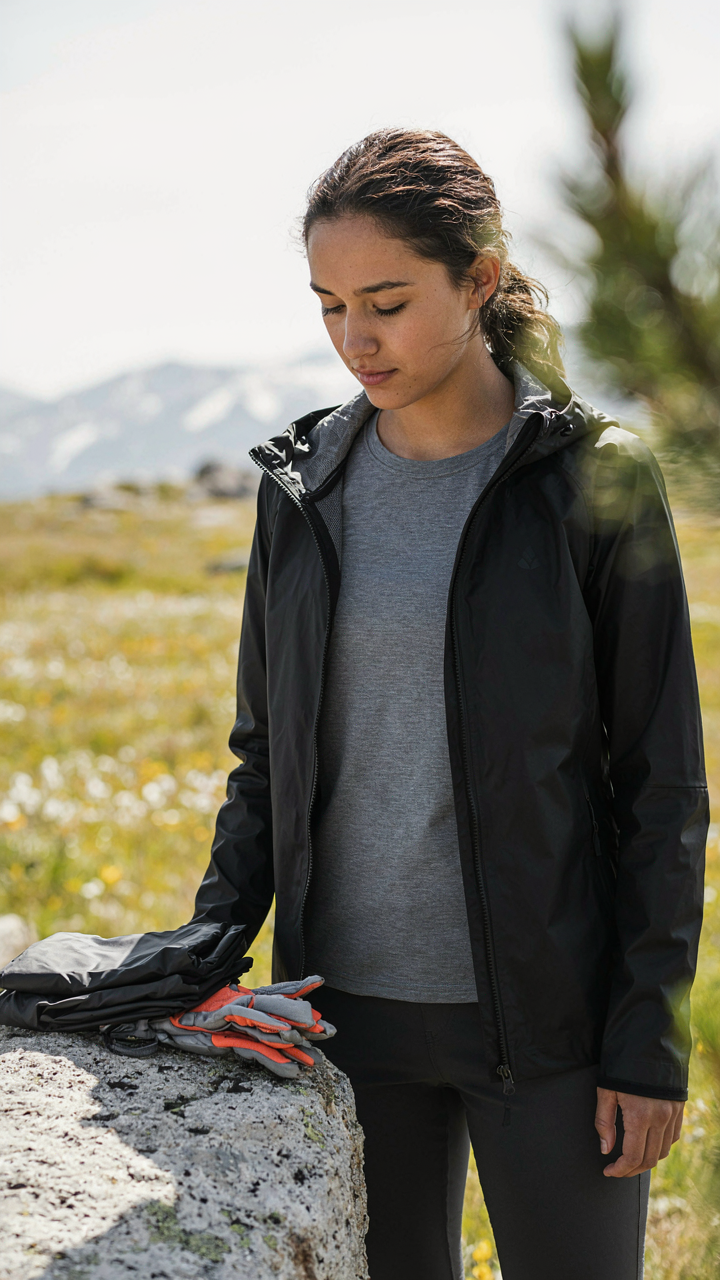
Accessories do the real work because they’re binary on and off. A hat shields you from sun or traps heat depending on whether you wear it forward or backward. Gloves stay in a jacket pocket until needed. A rain shell compresses to the size of a water bottle but transforms your thermal profile in seconds. Hats, gloves, and rain shells aren’t supplementary. They’re your control system. You adjust them as elevation, wind, and sun exposure shift, which they will multiple times on any spring hike over 1,500 vertical feet. Pack them all, and use them as tactical switches.
Fabric Intelligence: Synthetics Vs. Naturals
Why Synthetics Actually Win For Spring
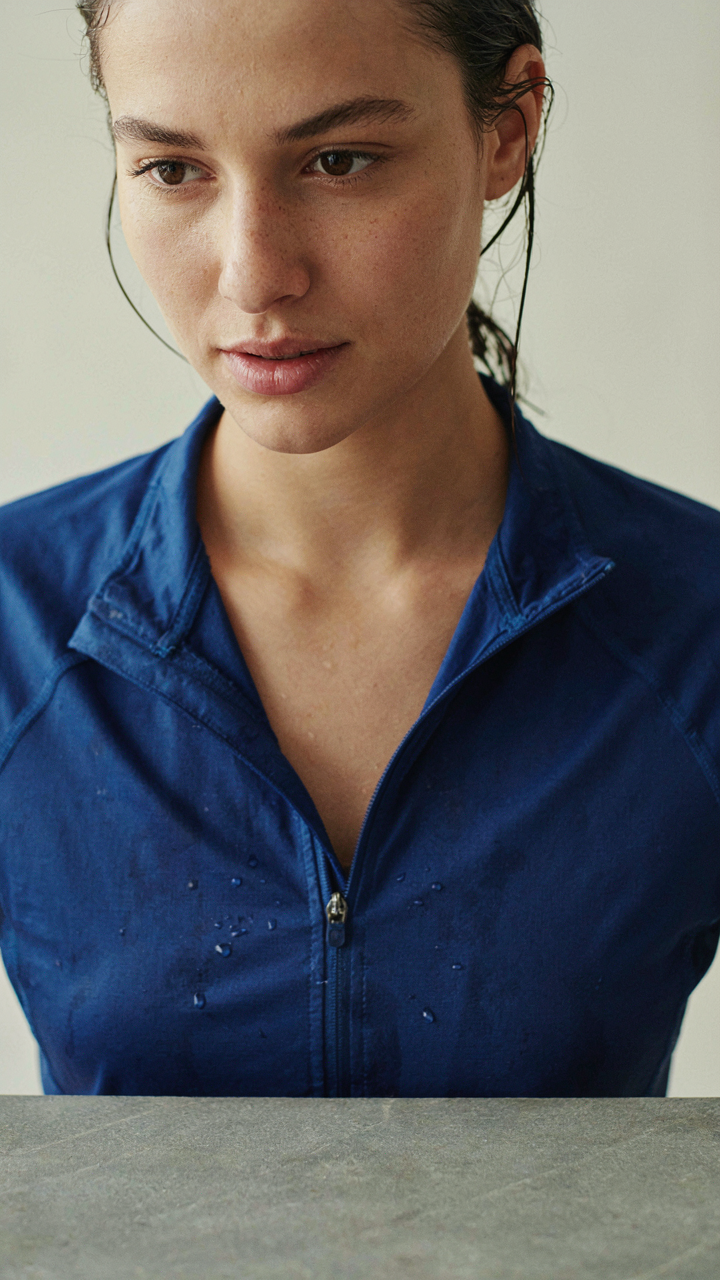
You’re worried that natural fabrics look better on Instagram. That’s the real anxiety driving this choice, and it’s costing you comfort on the trail. Moisture-wicking operates on a biology principle called evaporative cooling: sweat only cools your skin when it transitions from liquid to vapor. Synthetics like polyester and nylon move that liquid away from your body fast. Natural fabrics like cotton absorb moisture and hold it against your skin, creating a wet insulator that works backward. Spring’s temperature swings demand speed, not heritage.
Polyester moves sweat laterally across its surface before it evaporates, maintaining core temperature regulation during the unpredictable warm-to-cold shifts couples face on spring trails. Cotton traps moisture in its fibers and releases it slowly, which is why cotton hikers feel cold at elevation changes or in wind. The mechanism is straightforward: synthetic fiber structure has lower absorbency by design, while cellulose (cotton, wool) naturally attracts water molecules. For couples hiking in variable spring conditions, this difference is the difference between staying comfortable and spending two hours wet.
Durability That Actually Lasts A Season
Abrasion resistance and tear strength are not the same thing, and most gear guides conflate them to sound knowledgeable. Synthetic fabrics like nylon have higher tear strength because their fibers don’t break under direct stress. Natural fabrics have lower tear strength but sometimes higher abrasion resistance on specific surfaces. Spring hiking means brush contact, backpack straps, and movement against terrain. A nylon jacket resists tears from branch contact; a wool sweater might survive longer against repetitive friction from a pack strap.
Test abrasion resistance by running your hand quickly over fabric ten times in one direction, then check for pilling or fuzz. Synthetics show damage instantly and visibly, but that visible damage often doesn’t compromise function. Cotton and wool hide damage longer, then fail suddenly when fibers separate. For couples sharing gear or wearing pieces repeatedly across spring months, nylon and polyester require honest inspection but deliver predictable failure patterns. Inspect your synthetic base layers and shells after each muddy hike: visible fuzzing means the protective layer is thinning and won’t regulate temperature as designed.
The “Hiking Date” Outfit: More Than Just Appearance
Skin Contact Without The Damage
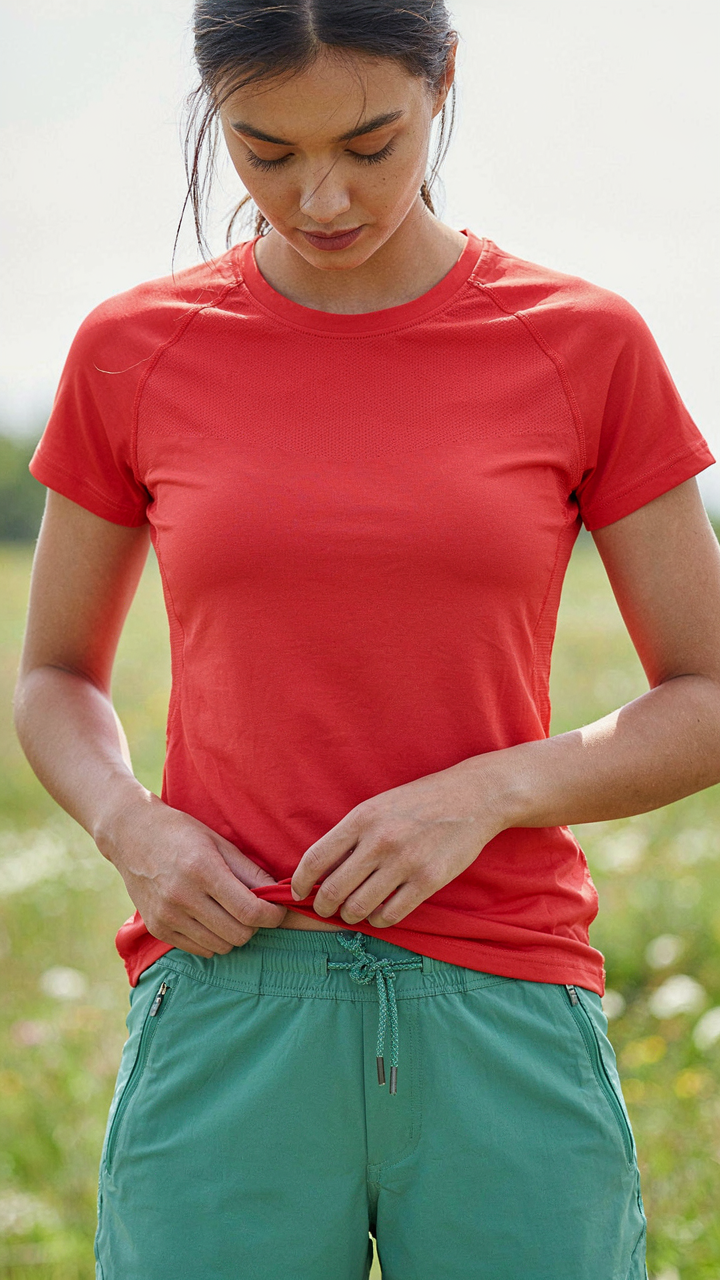
You care about this because looking put together signals you respect the outing—and the person next to you. The real mechanism is friction. Textiles rubbing against skin under load and moisture create heat and abrasion. Spring hiking amplifies this: temperatures fluctuate, you layer and remove pieces, and sweat activates faster than people expect. Cotton holds moisture against skin. Synthetic blends and merino wool move it away. The difference between a comfortable four-hour hike and internal thigh pain is material choice and fit precision. Seams matter. Flat-lock construction reduces pressure points. Gussets under arms prevent chafing where pack straps sit. Chamois or anti-chafe panels in high-friction zones—groin, underarms, inside thighs—aren’t luxury features. They’re load-bearing design.
When couples hike together, one person’s discomfort cascades to the other. You slow down, stop more, cut the outing short. Test all gear for two to three hours before a full day trip. Wear the exact socks and shirt combination you’ll hike in. Walk on flat terrain first. Note hot spots—any sensation of rubbing or heat—and swap pieces before they become blisters. The protocol is simple: fit first, then aesthetics.
Freedom To Move Without Hesitation
Movement quality determines whether you explore side trails or stick to the main path. Restriction forces compromise. Tight sleeves limit reaching across obstacles. Pants that bind at the hip kill your stride efficiency and tax your knees over uneven ground. Spring outfits often fail here because people transition from winter layers and overestimate how much room they need. The answer isn’t loose clothing. It’s articulated design. Stretch panels at the underarm and crotch, raglan sleeves, tapered—not baggy—fits, and high waistbands that don’t dig into your hips when you bend. Your legs handle 90 percent of hiking work. Pants must allow full hip flexion and knee extension without resistance.
Couples move at different paces and have different mobility ranges. One person’s “perfect fit” is another person’s straitjacket. Buy outfits with enough spandex or elastane blend that both of you can move without thinking about your clothes. Test movement on stairs and squats before you buy. When you reach a technical section—loose rock, steep descent, a stream crossing—clothing shouldn’t be the limiting factor. Your outfit either lets you commit to the movement or it doesn’t.
Beyond The Photo Op: Practical Hiking Fashion
Function Over Form Wins Every Time
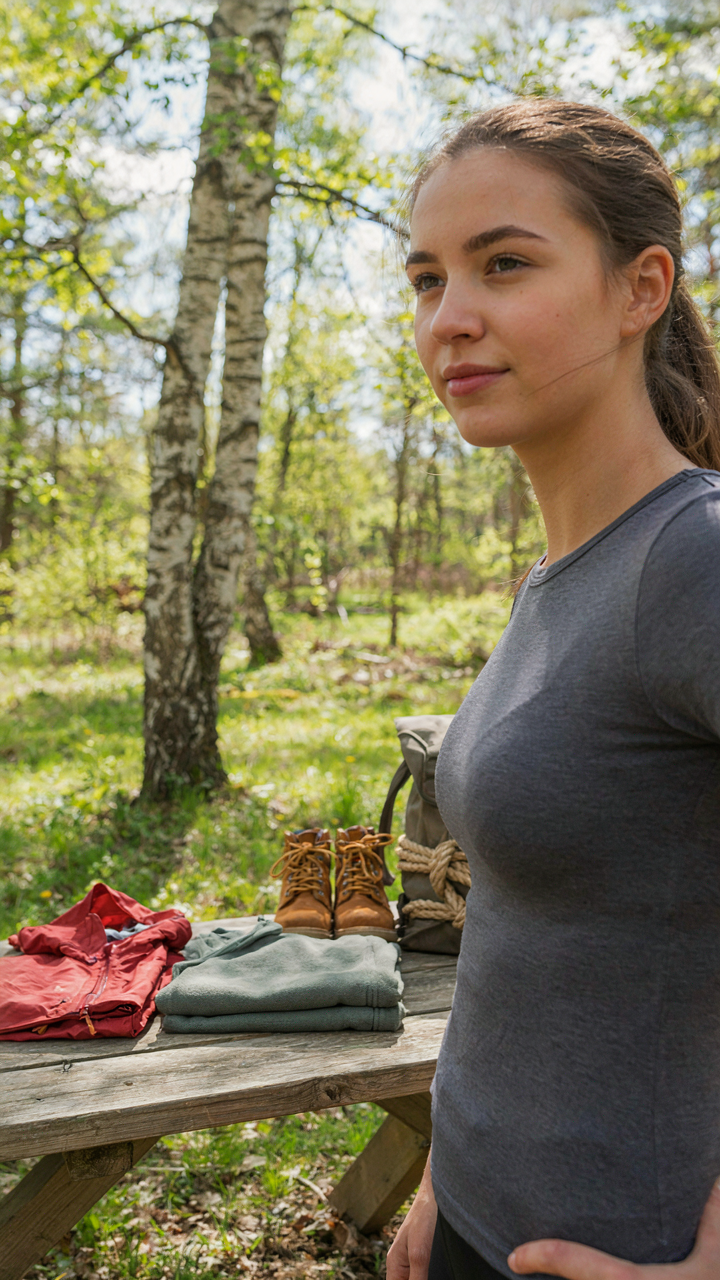
You want to look good on the trail because you think it matters to other people. It doesn’t. What matters is that your outfit stops working against your body when you’re climbing elevation gain. This is biomechanics applied to fabric: reduce friction points, eliminate heat traps, and let your skin breathe without exposing it to UV damage. Most hiking outfit advice treats clothes as decoration. Real function means your partner doesn’t overheat in the first mile, your thighs don’t chafe by mile three, and neither of you fights moisture buildup on the descent.
Merino wool and synthetic blends outperform cotton because they manage sweat instead of absorbing it. Spring temperatures swing hard, so layering matters more than single heavy pieces. Your base layer does actual work: it wicks or it doesn’t. Your midlayer traps air or it doesn’t. Your outer shell blocks wind and sheds light rain or it doesn’t. Pick pieces that solve mechanical problems, not pieces that photograph well. When both partners wear gear that functions, you both hike faster, talk more, and arrive less exhausted.
Gear That Doesn’t Disintegrate
The consensus says buy cheap and replace often. Wrong. Cheap fabrics pill within a season, seams separate under load, and zippers fail when you need them. Better gear costs more upfront because it uses thread counts and materials engineered to withstand friction, UV exposure, and repeated compression. A quality spring hiking jacket from a brand like Patagonia or Arc’teryx costs triple a mall brand option, but you’ll own it for a decade across dozens of trips. Your partner notices when gear fails midway through a hike.
Investing in longevity means selecting pieces tested for spring conditions: moderate temperature swings, variable moisture, and sustained movement. Look for reinforced seams at stress points like armpit gussets and pocket corners. Check that fabric weight suits spring, not winter. Heavier insulation traps heat you don’t need; lighter insulation leaves you cold in shaded sections. When you buy together as a couple, you’re building a shared gear library that compounds value over time. Rotate pieces seasonally, retire them only when they genuinely fail, not when they fade.
The “Adventure Couple” Blueprint: Unspoken Synergy
When One Person Carries The System
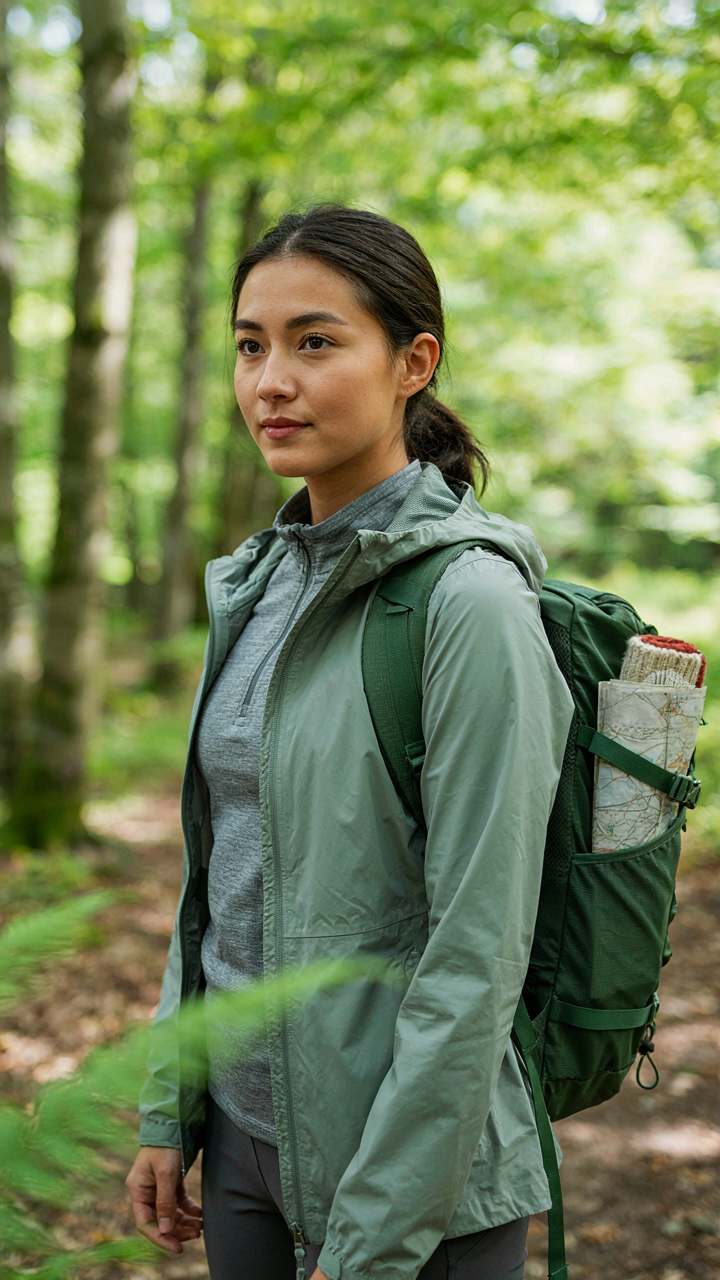
You want to look like you have it figured out together. But the real mechanism is logistics: one person becomes the primary decision-maker for shared gear, and that person needs redundancy built into their pack. This isn’t romantic. It’s survival math.
Spring conditions shift fast. Temperature swings from 45 to 65 degrees force you to manage layers for two people, not one. The person carrying the backup rain shell, extra socks, and navigation tools absorbs the friction. They’re not doing more work than their partner. They’re doing different work, and pretending this doesn’t matter is how couples end up hiking back in wet clothes. The non-primary person focuses on pace, morale, and real-time obstacle response. Split the load by function, not just by weight.
Filling The Gaps Without Redundancy
Build complementary gear loadouts based on what each person actually handles well, not what looks balanced. One partner might navigate better. The other manages hydration and breaks. One carries the first aid kit. The other manages the emergency communication device. This isn’t about splitting everything in half. It’s about eliminating waste.
Common advice says “just pack two of everything.” That’s bloat. If one person wears merino wool base layers that dry fast, the other can wear synthetic. One brings a heavier down jacket. The other brings a lighter fleece they can move in faster. One carries the map and compass or GPS. The other handles food and fuel management. The mechanism: each person becomes expert in their domain, and the couple moves faster because there’s no duplication, no confusion, and no standing around waiting for the other person to make a decision in their area.
Your Real Obstacle Isn’t Aesthetics; It’s Failing To Plan For Dynamic Environments

Most couples obsess over matching colors and Instagram angles instead of solving the actual problem: spring weather changes every hour. Stop treating your outfit as a finished look. Pull out your phone right now and photograph what you’re wearing today, then ask yourself one question: could I hike in this with one added layer? If the answer is no, you’ve already lost. The couple that moves wins. The couple that looks good standing still loses.