
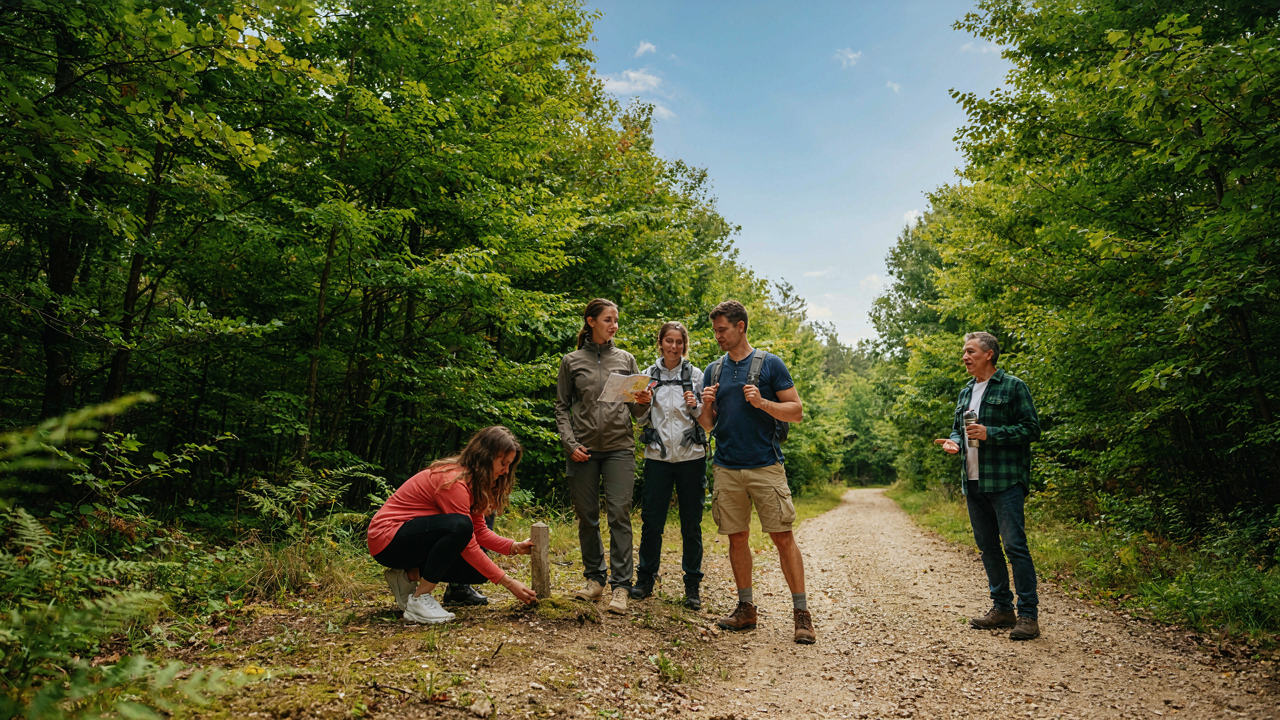
The Unromantic Truth About How To Plan Solo Camping Trip
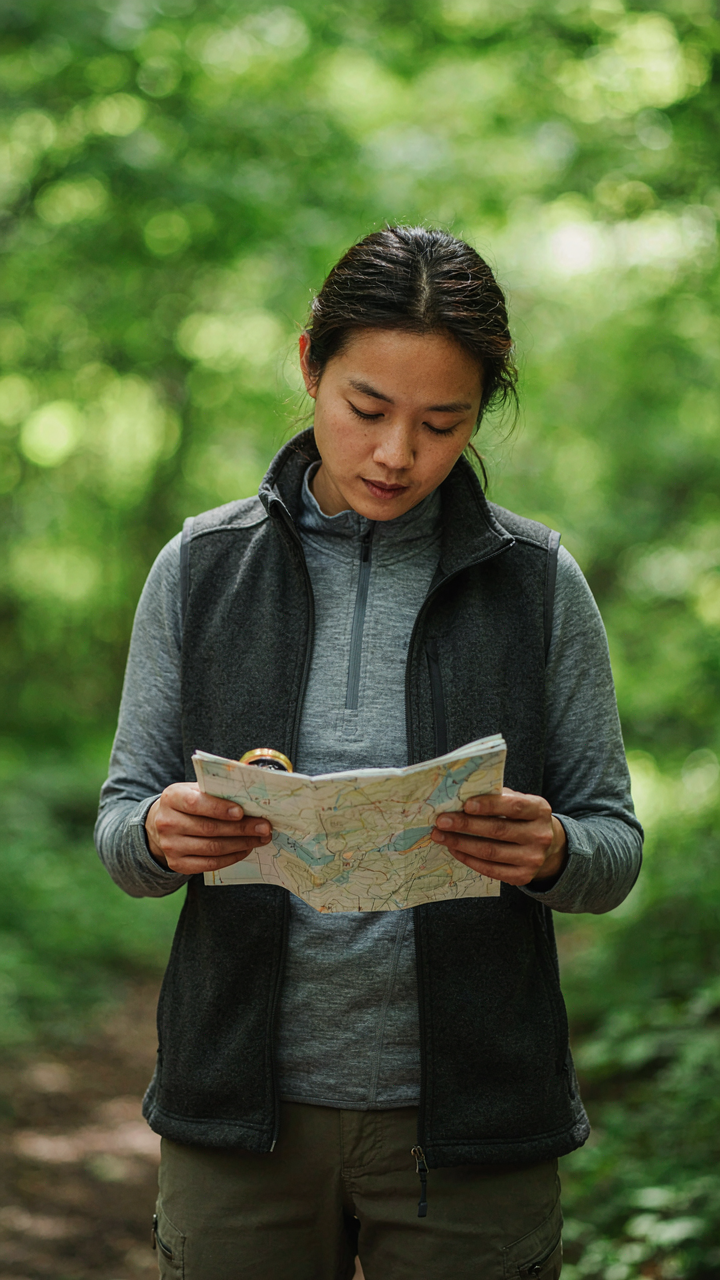
Threats You Actually Face
You want to feel prepared so you don’t look foolish or get hurt. That’s the real driver here. Most people skip this step because naming threats feels pessimistic, but threat assessment is a military term for identifying what can actually kill your mission. In solo camping, your threats aren’t bears or storms. They’re dehydration, disorientation, a twisted ankle with no one to help, and poor decisions made when you’re tired and cold.
Start with a location audit. Research water sources, cell coverage, weather patterns for your specific dates, and exit routes. Write down what goes wrong in that terrain, then ask which of those failures you can survive alone. A twisted ankle on a day hike near town is recoverable. A twisted ankle three miles from your car on a cold night is a different scenario. This distinction changes every gear choice you’ll make.
Gear That Serves You, Not Your Ego
The minimalism cult is real, and it’s wrong when applied blindly. Stripping everything down to “prove you’re tough” is deprivation disguised as philosophy. Real minimalism means carrying nothing that doesn’t solve a specific threat you identified. That’s the opposite of arbitrary sacrifice.
If dehydration is your primary threat, you carry water capacity and purification. If disorientation is the threat, you carry navigation tools. If hypothermia is the threat, you carry insulation rated for the actual low temperature, not a lighter bag that makes you shiver through the night. Test your gear in controlled conditions before the trip. A sleeping bag rated for 20 degrees that you’ve never used is dead weight if the low is 35 degrees and you sleep warm. Your setup only works if you know it works.
The Solo Camper’s Asymmetric Warfare Protocol
Positioning Resources Before You Leave
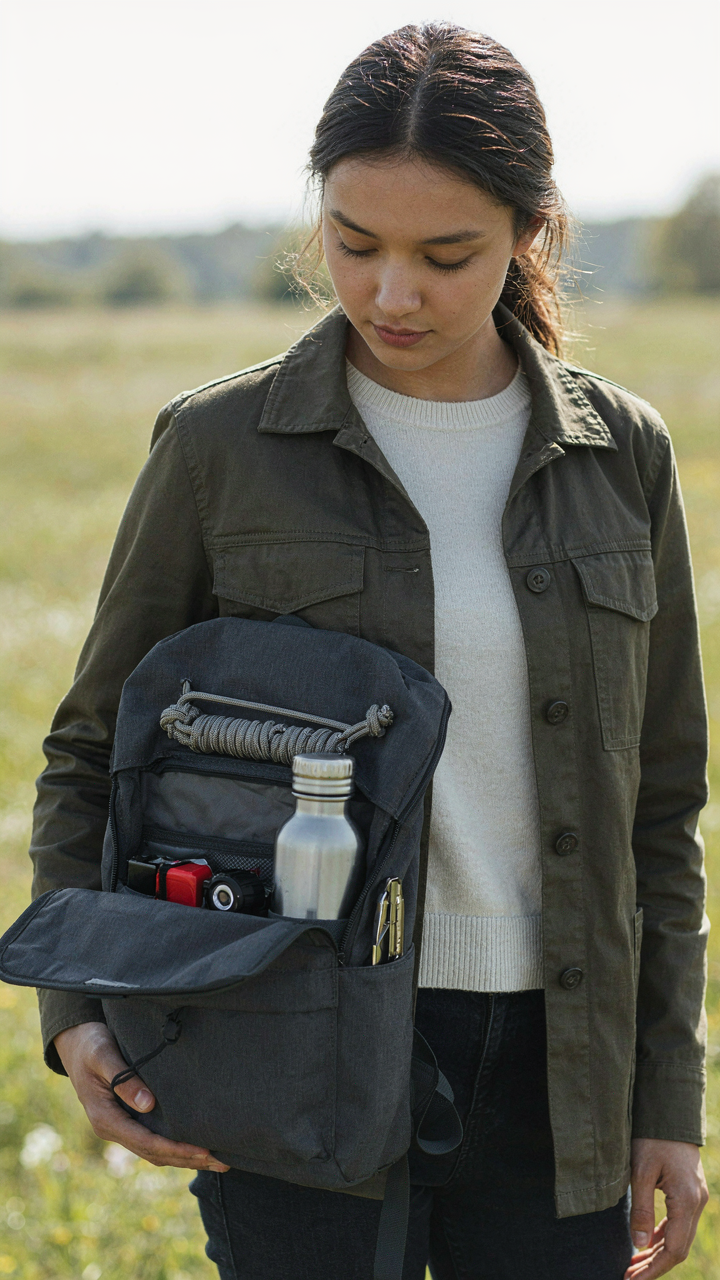
You want to feel prepared without admitting you’re afraid of being stranded alone. The real mechanism is this: pre-positioning eliminates decision-making under stress. You don’t choose what to do in an emergency. You execute what you already placed. Store extra water at your campsite the night before, cache a fire starter in your pack lining, pre-stage a second headlamp in your tent vestibule. The goal is redundancy without visible clutter.
This isn’t about paranoia. It’s about compounding small advantages. A solo camper has zero backup. You can’t send someone to grab supplies from the car. Every resource you position in advance becomes a decision you’ve already made when your mind is sharp, not when adrenaline is running. Position your most critical gear within arm’s reach of your sleeping area. Position water where you can access it without leaving the tent at night. Position fire-starting materials in a waterproof container near your cooking area. These aren’t nice-to-haves. They’re the difference between managing a problem and panicking.
Reading Terrain And Weather Like An Advantage
Meteorology teaches asymmetric information: the side with superior data executes better. Solo camping demands you weaponize local knowledge before you arrive. Call the ranger station three days before departure. Ask specific questions: where does water collect after rain, which ridges get wind, where does fog settle. Check the NOAA forecast not the day before, but five days out. Pattern recognition works only if you have time to adjust your plan.
Terrain reading happens on a map before boots hit the ground. Identify escape routes from your campsite if weather turns severe. Locate natural windbreaks and water sources. Mark ridgelines where lightning concentrates during storms. Solo means you navigate alone, make decisions alone, execute alone. Superior information compresses the reaction window and eliminates panic. Download offline maps, screenshot the weather radar, write down the ranger’s phone number. The camper with better data before departure survives better than the camper with more gear.
Solo Camping Safety: Beyond The Buddy System Myth
Survival Priorities When You’re Alone
You want the buddy system because it transfers risk to someone else. That’s not evil, it’s just human. But survival doesn’t work on consensus. It works on hierarchy. Military doctrine calls this triage. In solo camping, triage means knowing what kills you first and addressing it in order. Shelter before water. Water before food. This sequence doesn’t change because you’re alone. What changes is your margin for error shrinks to zero.
The real mechanism comes from thermoregulation. Your body loses heat through convection, radiation, and evaporation. Shelter controls all three. If the temperature drops and you lack insulation, hypothermia kills you in hours, not days. Solo camping forces this reality into focus because you can’t rely on another person’s body heat or decision-making. You establish shelter within the first hour of arrival, before dark, before fatigue clouds judgment. This isn’t optional complexity. It’s the difference between a story and an accident.
Communication Failure Points And Contingencies
The buddy system fails because people assume redundancy exists when it doesn’t. You tell someone where you’re going. They forget. They misunderstand the date. They assume you’ll check in and don’t notice when you don’t. Communication only works if the protocol has no human interpretation in it. Solo camping requires a written itinerary: exact location, exact return date, exact check-in time. Not vague. Not flexible. A document, not a conversation.
The contingency protocol triggers automatically. If you don’t contact your emergency contact by the specified time, they initiate search and rescue without waiting for clarification. This means you build in buffer time. If your trip is three days, your check-in is on day four at a specific hour. You carry a communication device, even if it’s just a personal locator beacon. The device doesn’t care about your excuses. It works when you activate it. This removes the step where you debate whether the situation is “bad enough” to call for help.
Camping For One Person: Psychological Fortitude, Not Solitude
The Stories You Tell Yourself In The Dark
You want this section because you’re afraid being alone will expose something about yourself you’ve been avoiding. Here’s the mechanism: your brain doesn’t process solitude as neutral. It interprets absence of external input as a threat. In camp, silence triggers your internal narrative to run unchecked. That voice isn’t objective truth. It’s your nervous system looking for patterns, often finding problems that don’t exist.
Most camping advice skips this entirely, treating solo camping as a logistics problem. The real bottleneck is recognizing which thoughts are situational anxiety versus legitimate signals. You’ll sit in your tent at night and spiral about safety, competence, or loneliness. The move is to name the narrative before it runs you. Write it down if you have to. Externalize it. The moment you observe the story instead of believing it, its power collapses.
Voluntary Hardship Rewires Your Threshold
Military and performance psychology call this “stress inoculation.” You’re essentially vaccinating yourself against discomfort by choosing small doses of it. Solo camping forces you into situations where you handle problems alone: a delayed fire start, poor sleep, unexpected weather, boredom. None of these kill you. Your survival instinct processes this data and recalibrates your actual risk tolerance downward.
The mistake people make is camping in ideal conditions first, then panicking when reality gets rough. Reverse it. Camp in marginal weather on purpose. Sleep poorly intentionally. Miss a meal. Skip the comfort gear once. Your nervous system learns that discomfort is survivable and temporary. This rewiring transfers everywhere: work stress, social pressure, uncertainty all feel less destabilizing because your baseline for “I can handle this” has moved. After three solo trips where things went slightly wrong and you managed anyway, your internal sense of competence hardens into something unshakeable.
Solo Car Camping Women: Debunking Unique Vulnerabilities
Your Vehicle Is A Perimeter
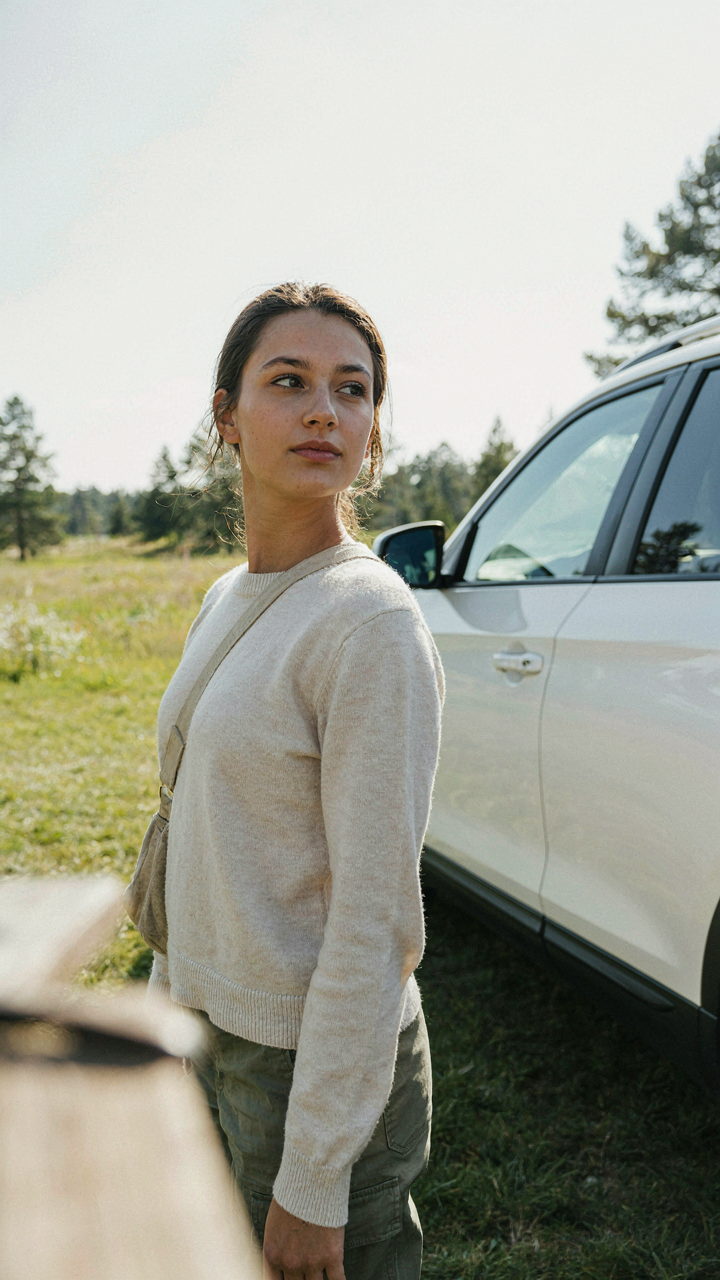
You’re reading this because you want permission to camp alone without the social cost of admitting fear. Here’s the mechanism: your car is not transportation. It’s a controlled environment with defined entry points, lockable doors, and sightlines you control. Treat it like a military defensive position, not a parking spot.
The common advice here is useless. “Trust your gut” and “stay aware” don’t stop anything. What stops threats is eliminating opportunity through design. Position your vehicle to face out, not in. Park on high ground when possible. Never park directly adjacent to tree lines or structures that obscure approach angles. Your mirrors and windows become your perimeter. Know what’s behind you before you sleep.
Pattern Recognition Over Paranoia
Psychology borrowed the term “signal detection” from engineering. In camping security, you’re filtering noise from actual threat indicators. Paranoia sees everything as dangerous. Pattern recognition sees what’s normal, then notices what breaks the pattern.
Most women overcorrect here in two directions: either they ignore everything or they weaponize every sound. The real skill is baseline establishment. What do normal campgrounds sound like at night? What do normal daytime patterns look like? When you arrive, spend thirty minutes just observing. Vehicle traffic. Foot traffic. Wildlife sounds. Lighting changes. This becomes your filter. When something deviates from that baseline, you notice it cleanly, not through anxiety. Document the location of other occupied sites and their lighting. This reduces unknown variables, which is what breeds actual fear.
Things To Do While Camping Alone: Engineered Flow States

Deep Work In Nature
You want proof that solo camping makes you productive. The real mechanism is friction removal. Away from your phone’s notification layer and the social performance tax of an office, your brain stops context switching. Neuroscience calls this “sustained attention.” The moment you remove environmental distractions, cognition doesn’t improve—it redirects. You were never lacking focus. You were leaking it.
Bring one intellectual project that requires sustained output: writing, strategic planning, code work, design iteration. Not reading, not journaling prompts, not self-help processing. Work that demands you solve something, not consume content about solving things. Set a time boundary—three hours, no more—and work until the problem either breaks or you do. The constraint forces real thinking instead of the illusion of productivity that comes from rearranging the same ideas.
Sensory Stillness As Cognitive Reset
The sensory poverty of camping is not a feature you tolerate. It’s the mechanism. Your brain evolved in environments with consistent sensory input: wind patterns, animal sounds, fire flicker, temperature shifts. Modern life floods you with artificial, variable stimuli designed to hijack attention. Camping inverts this. Predictable sensory input lets your default mode network activate—the neural state where problems solve themselves in the background.
Spend one full hour sitting without input or output. No phone, no book, no task. Not meditation in the conventional sense. You’re not pursuing a mental state. You’re starving the stimulation addiction so thoroughly that your brain stops hunting for novelty and processes what it’s already holding. Most solo campers waste this by filling the silence. The silence is the point. After this reset, approach your project again. The cognitive gain compounds immediately.
Camping By Yourself: Mastering The Minimalist Setup
One Tool, Many Purposes
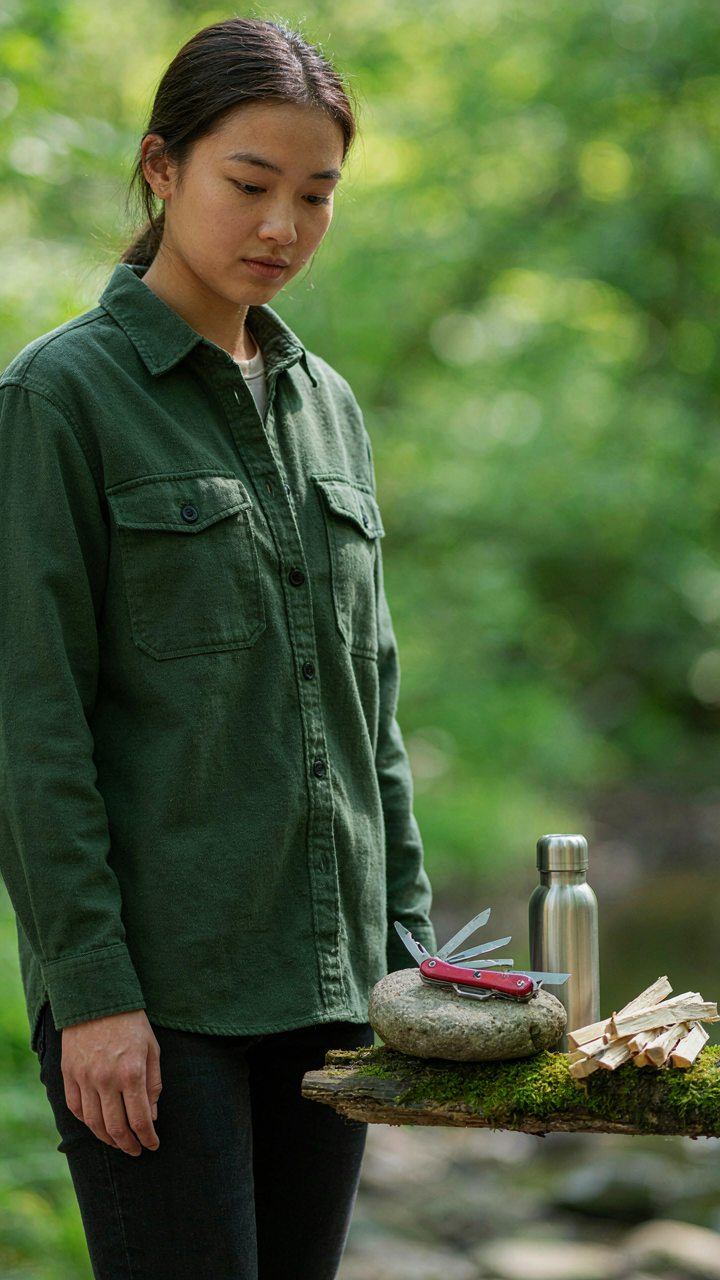
You want to feel prepared without hauling a truck bed into the woods. That’s not about virtue—it’s about control. Economics calls this the principle of elasticity: one input generating multiple outputs. A single tool that solves three problems replaces three tools, which means less weight, less setup time, less mental load.
A knife becomes your food prep, fire starter (batoning wood), shelter repair, and emergency tool. A carabiner clips your bear bag, secures your tarp, anchors your tent stake if needed. A stuff sack holds gear, doubles as a pillow, insulates your water bottle. The pattern is mechanical: before you pack anything, ask what else it does. If it does one thing only, leave it behind unless that one thing prevents failure.
Camp Layout And Strategic Placement
Where you arrange your sleeping area, cooking zone, and water source determines how much energy you waste per day. This isn’t decoration—it’s spatial efficiency. Position your tent on high ground away from water to avoid moisture and flooding. Cook and store food downwind and at least 100 feet from your sleep zone to minimize wildlife attention while you sleep.
Your water source should be accessible but not so close that runoff or animals compromise it. Keep your day pack near your tent entrance for quick access during emergencies. Stack firewood upwind so smoke drifts away from your sleeping area. This layout removes friction from routine tasks and separates zones so one problem doesn’t cascade into others. When you place everything with intention, you move through camp on a predictable path that becomes automatic.
The Unseen Architect: Applying Systems Thinking To Camping Alone
Navigation Feedback Loops And Course Correction
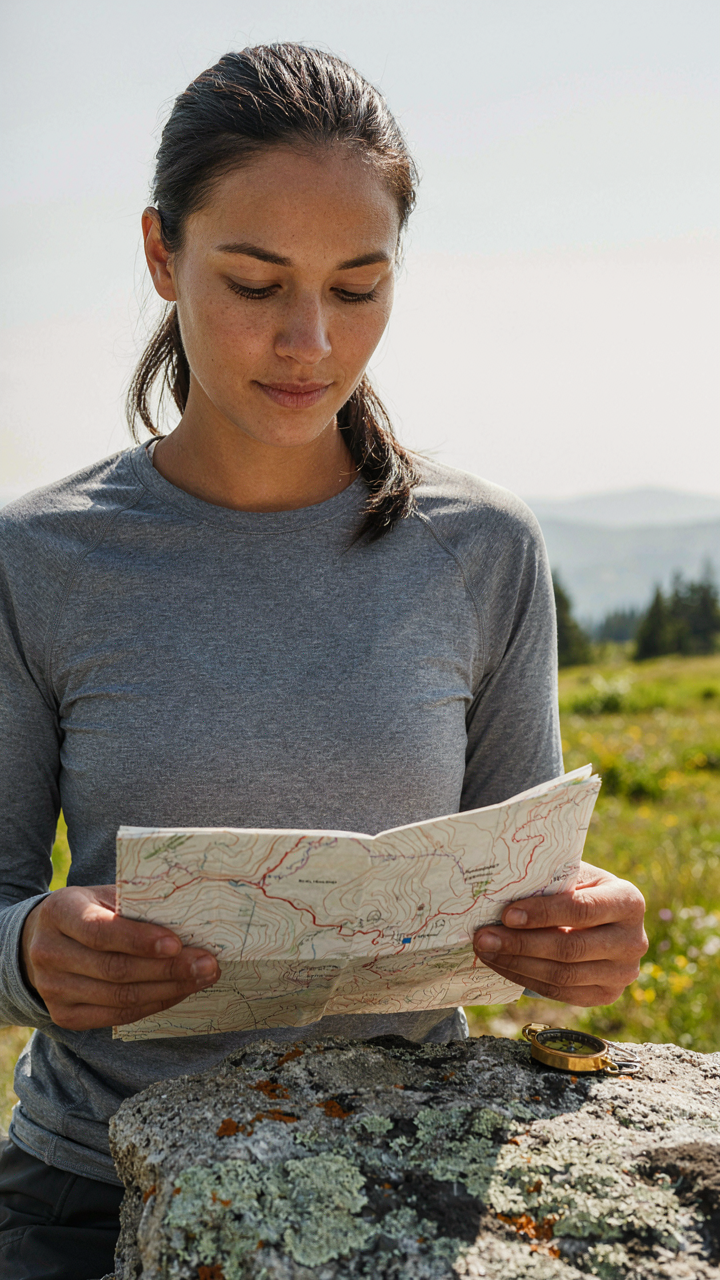
You want to believe navigation is solved by owning good gear. It isn’t. The real problem is that solo campers rarely build feedback mechanisms into their route planning, so small navigation errors compound into genuine danger. Borrow from control systems engineering: a feedback loop means you measure your position against your intended route, then adjust in real time. Without it, you drift.
Most solo campers navigate by waypoint alone, checking their map or GPS only at predetermined stops. This creates blind spots between checkpoints. Instead, establish micro-corrections every 10 to 15 minutes. Compare your actual surroundings to your map predictions before you need them. When terrain or vegetation differs from what the map suggests, stop immediately and triangulate your position. This active sensing catches drift before it becomes displacement.
Redundancy And Fragility In Solo Systems
The conventional wisdom says carry backup navigation tools. That’s true but incomplete. What actually matters is understanding that a solo camping system without redundancy isn’t robust, it’s fragile. Systems thinking from engineering shows us that fragility means a single point of failure crashes the entire operation. In solo camping, your navigation, shelter, water access, and fire capability each need a second path.
Build redundancy by design, not by luck. Carry a physical map and compass even if you have GPS. Bring a backup shelter option like a bivy sack in addition to your tent. Know at least two water sources at each campsite location. Pack waterproof matches and a lighter alongside your primary fire starter. The mechanism is simple: when one system fails, you execute the backup protocol immediately without reassessing or improvising.
Beyond The Instagram Shot: The Real ROI Of Camping For One

When You Strip Away The Audience
You’re hoping solo camping proves something about you to people who aren’t watching. That’s the real problem with framing this as self-discovery. The mechanism is simple: remove the audience, and most people panic. They realize they’ve been running on external validation so long they don’t know what they actually want. Solo camping forces a confrontation with your own preferences without the buffer of group consensus or the chance to perform.
This is where the real work starts. You learn what you genuinely like versus what you think you should like. You discover whether you’re comfortable with silence or if you use noise as a crutch. You find out if your interests are actual interests or borrowed status symbols. The discomfort isn’t weakness. It’s data. Write down what emerges in those first nights when boredom or anxiety hits hardest.
- Preference versus Performance: Notice which activities you choose when no one knows. If you hate fishing but brought a rod, that’s performance. Ditch it next trip.
- Tolerance for Stillness: How long until you reach for your phone or make unnecessary tasks? This gap is your baseline for self-sufficiency without distraction.
- Actual Physical Limits: Pain, exhaustion, hunger reveal themselves faster when you can’t complain to someone else. You learn what your body actually needs, not what you assumed.
- Decision-Making Speed: Alone, you don’t negotiate. You choose fire or no fire, early wake or late sleep, move camp or stay. Your preferences surface in hours instead of years.
- Boredom Threshold: Extended boredom separates people who’ve developed internal interests from people dependent on external stimulation. Solo camping measures this accurately.
The payoff isn’t philosophical. It’s operational. You return to normal life knowing which parts of yourself are load-bearing and which are decoration. You stop wasting energy on social requirements that don’t serve you.
The Competence Loop Never Stops
Psychology calls it self-efficacy: the belief that you can execute tasks successfully. Solo camping is self-efficacy in compressed time. Every problem becomes your responsibility immediately. You can’t delegate a broken tent stake or defer a water source decision. The feedback is instant and physical.
This creates a compounding effect. You learn fire-building, so you gain confidence. That confidence lets you camp in colder months. Colder months demand better shelter knowledge. Better shelter knowledge opens seasons and locations. Each skill removed a category of fear. Fear elimination equals freedom expansion. Track this progression deliberately: document what you learned to do in trip one, trip two, trip three. Your competence stack becomes visible and transferable to non-camping domains.
- Navigation and Route Finding: Learning to read terrain and navigate without GPS removes dependency on technology. You build spatial reasoning that translates to planning and risk assessment.
- Water Sourcing and Treatment: Identifying safe water and treating it correctly becomes automatic. This skill compounds because you can camp anywhere water exists, not just marked sites.
- Weather Prediction: Observing cloud patterns, wind shifts, and pressure changes teaches you to read environmental signals. This skill works for planning in daily life too.
- Shelter Adaptation: Building emergency shelter or modifying your tent for conditions teaches problem-solving under constraint. You learn to work with what you have, not wait for ideal tools.
- Emergency Response: Handling a minor injury or equipment failure alone means you’ve rehearsed staying calm under pressure. This translates directly to workplace and personal crisis management.
The real ROI is not feeling capable. It’s being capable. Build a skills checklist for your next three trips, complete one major skill per trip, and measure the difference in how you handle uncertainty in non-camping situations.
Solo Camping: The Uncomfortable Path To Self Reliance
Friction Is Where Growth Lives
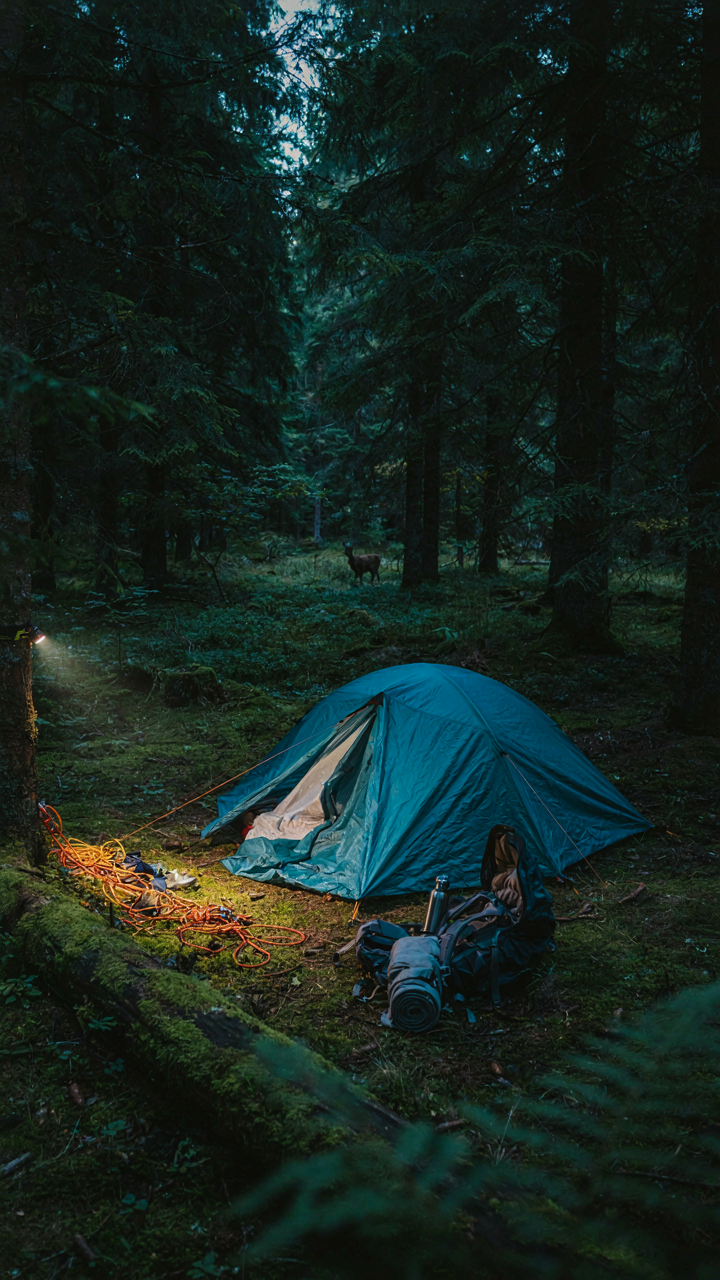
You want solo camping to feel good. That’s the trap. Growth doesn’t happen in comfort zones, and solo camping is only valuable if it breaks something in you first. Borrow a concept from physiology: adaptation. Your body adapts to stress by building capacity. Solo camping works the same way. You face real problems with no backup plan, and that pressure forces you to solve them.
The discomfort is not a side effect. It’s the mechanism. When you’re alone in darkness and something breaks, you can’t call anyone. You can’t blame circumstances. You fix it or you don’t. That clarity strips away the noise of daily life and builds actual competence. Most people camp with friends to feel good. You camp alone to become different. The friction is the point.
Taking The Lessons Back
Wilderness lessons only matter if they transfer to your actual life. The mechanism here comes from behavioral psychology: context-dependent learning. You learn something in one environment, then fail to apply it elsewhere because the setting changed. Prevent this by writing down what you learn while you’re still in camp, before you return to normal life.
Specific patterns emerge: how you handle boredom alone, how you problem-solve under uncertainty, how you conserve resources, how you manage fear. Document these patterns with their exact triggers and responses. When you get home, you notice the same patterns in work, relationships, and decision-making. The solo camping trip becomes a mirror for your actual limitations. Then you act on what you see, not what you felt.
Your Real Obstacle Isn’t The Wilderness; It’s The Unexamined Belief That You’re Not Capable Of Handling It
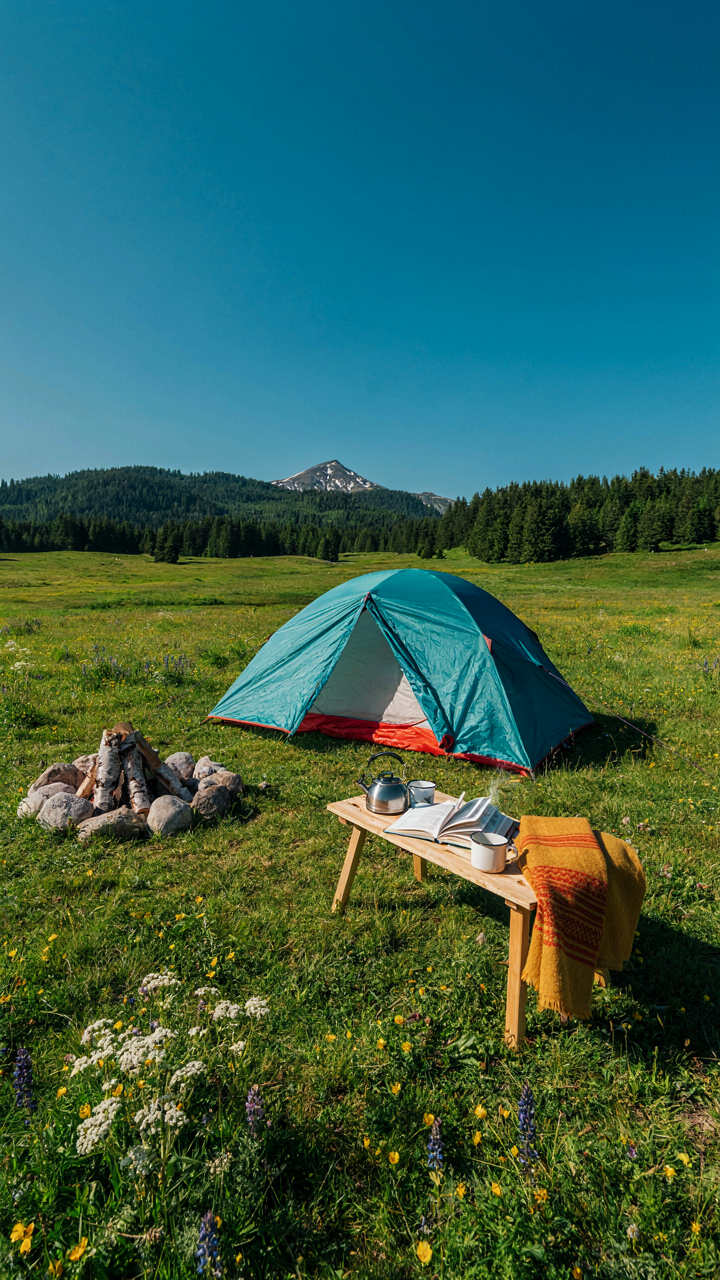
Every solo camping tip means nothing if you don’t move. Your mind invented reasons why you can’t go alone. Fear sounds like logistics. Doubt disguises itself as preparation. The wilderness doesn’t care about your excuses. Pick a campsite within two hours of home. Book it today. You’ll discover the only skill that matters isn’t about gear or navigation. It’s about showing up when nobody’s watching. The person you become alone in the woods is the person you become everywhere else.