
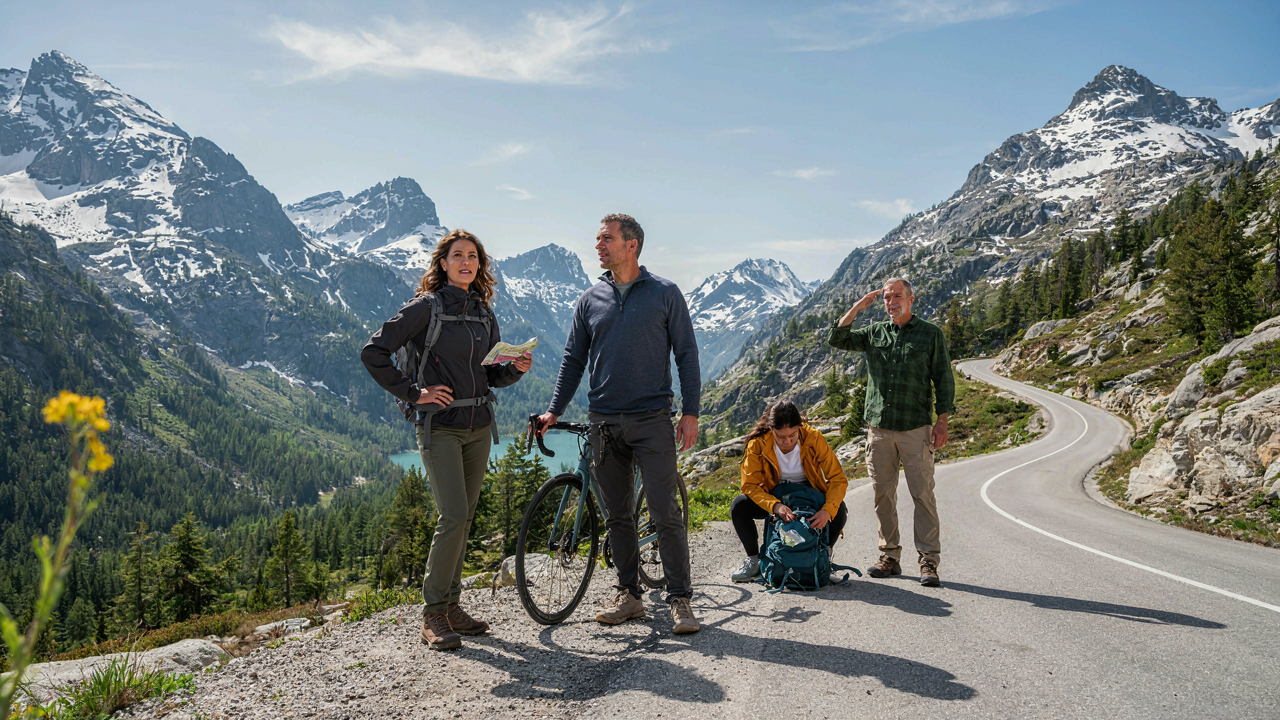
The Illusion Of Escape: Why Your Solo Trip Isn’t Working
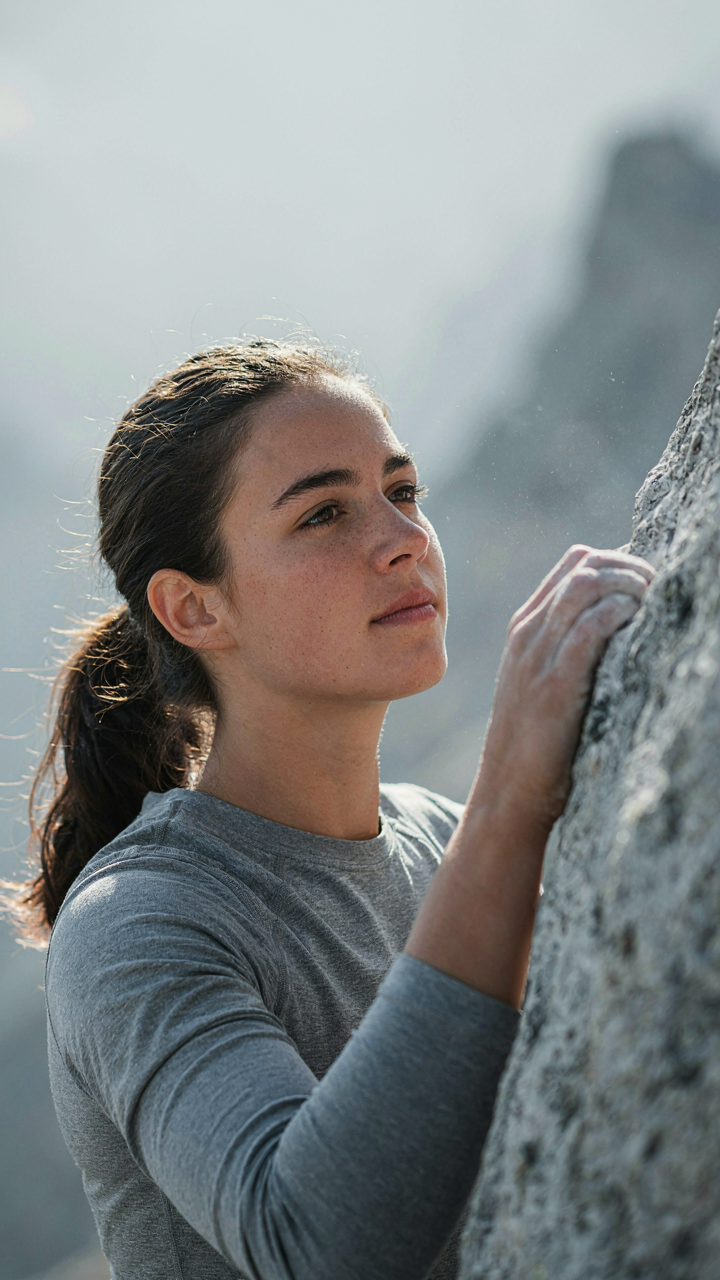
You’re Running From, Not Toward
You want this article to validate what you already believe: that booking a flight alone proves something about you. That’s the trap. Most solo adventure trips fail because people chase the escape rather than the challenge. They’re running from their life instead of running toward self-reliance. The destination becomes the excuse, not the catalyst. What actually changes you is discomfort with stakes, not Instagram scenery.
Psychology calls this approach avoidance motivation. In sports, we see it in climbers who summit easy peaks to say they’ve summited, not to test their limits. They’re optimizing for the story, not the skill. This distinction matters because your nervous system knows the difference. A trip built on escape collapses the moment you hit friction. A trip built on intentional challenge sustains you through the hard parts because you signed up for exactly that.
The Mechanism Of Self Reliance

Forget the narrative about finding yourself. That’s lazy framing that lets you off the hook. Real solo adventure trips work because they strip away the ability to outsource decisions to someone else. You can’t call your friend to figure out the next move. You can’t blame a partner for the bad call. You become the only variable in every equation. Self-reliance isn’t poetic. It’s mechanical. Decisions have direct consequences. Your judgment improves because failure tracks back to you with zero ambiguity.
This is why a week-long ski touring expedition in the Cascades or a solo climbing trip to Patagonia actually builds something. Not because the scenery is stunning, but because you navigate route finding, manage your energy, make weather calls, and live with the results. The purpose isn’t to escape your job or your relationship. The purpose is to spend five to ten days in a system where your competence is the only thing protecting you. That clarity rewires how you make decisions everywhere else. Start here: pick a trip where the difficulty forces you to be the expert in every decision, not where the location lets you pretend you’re brave.

The Self Sufficiency Protocol: Beyond Gear Lists
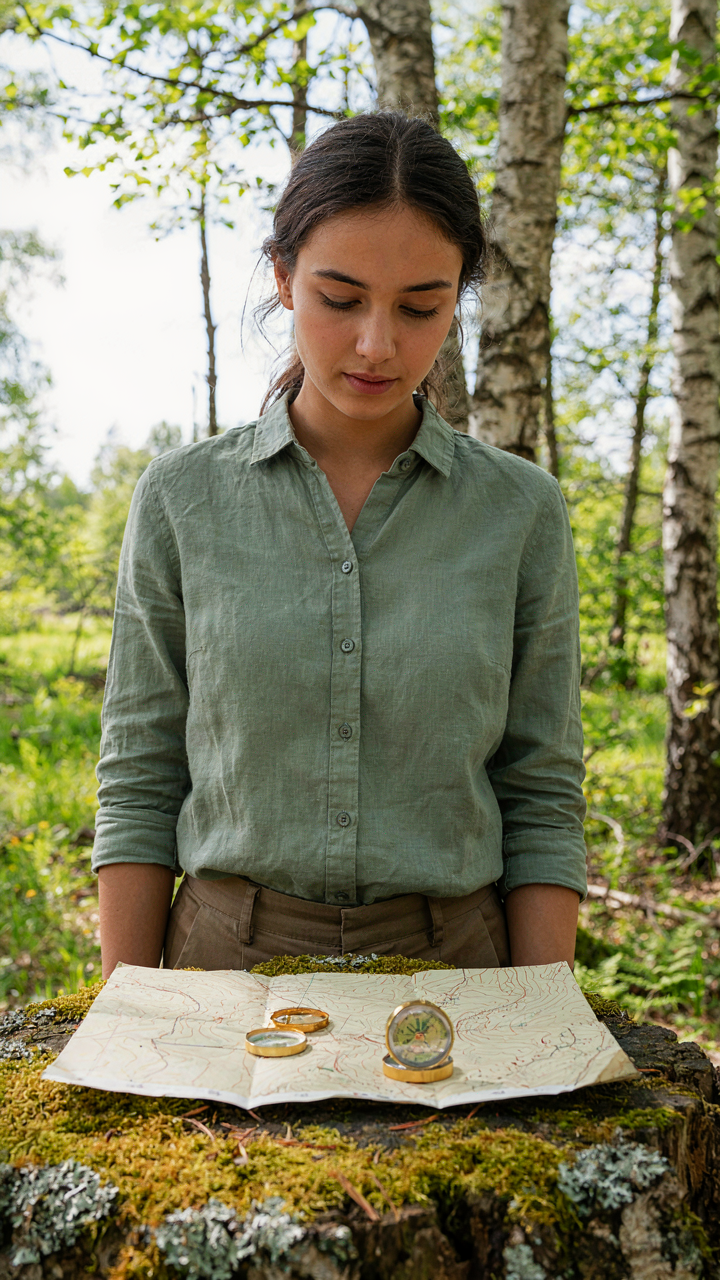
When You Can’t Call For Help
You want this section because you’re afraid of being stranded. That’s the real fear underneath the gear talk. The mechanism is simple: on a solo trip, external support doesn’t exist. There’s no guide to blame, no team to bail you out, no signal for rescue. This isn’t pessimism. It’s the operating constraint that changes how you prepare. You become the entire system.
Think of it like redundancy in engineering. A bridge doesn’t rely on one cable. It distributes load across multiple fail safes. Your solo trip works the same way. You don’t carry one water filter. You carry a filter, purification tablets, and knowledge of boiling protocols. You don’t pack one navigation method. You carry a map, compass, and mental landmarks. When one system fails, the backup activates without hesitation or panic. That’s true independence.
Competence Replaces Comfort
Most advice tells you to buy better gear. That’s backward. A $3000 tent doesn’t keep you safe if you can’t read weather or set up in wind. Gear fails. Your skills don’t. The real work happens before the trip starts, in practice sessions that feel pointless because nothing goes wrong yet.
Learn to navigate without GPS by taking a map and compass on day hikes and checking your position constantly against the terrain. Learn to start a fire in wet conditions by actually doing it in your backyard in the rain. Learn first aid response by taking a wilderness medicine course, not watching videos. When you arrive at your destination, you stop being a consumer of experiences and become the architect of your own safety. Practice the failure scenario before it matters.
Strategic Discomfort: Engineering Your Growth Catalyst
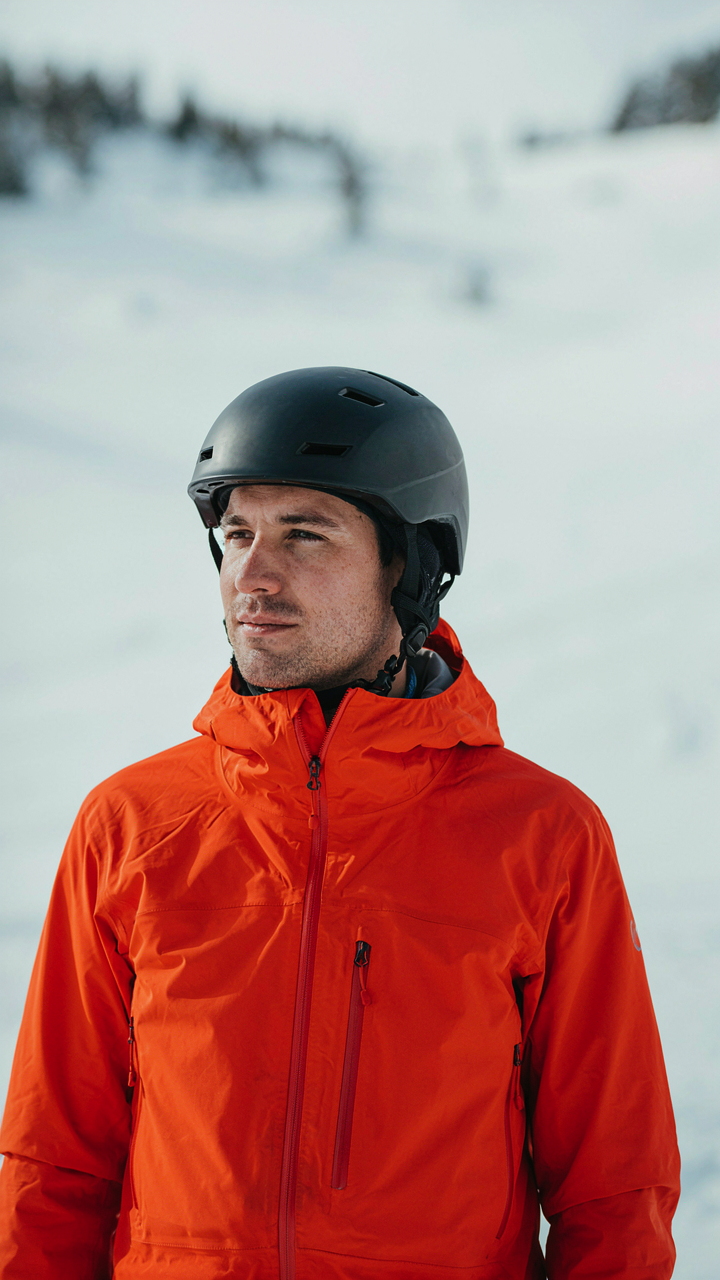
The Friction You Actually Need
You want proof you’re not wasting your life. That’s why you care about this. Here’s the mechanism: growth requires a gap between your current capacity and the demands placed on you. In thermodynamics, this gap is called a gradient, and energy only flows across it. Solo adventure sports trips create this gradient deliberately. You’re alone, the environment doesn’t care about your excuses, and the feedback is immediate. That’s not inspiration. That’s physics.
Most people avoid solo trips because the gap feels too wide. They train in controlled environments where the friction is optional. Then they wonder why they plateau. The real move is to engineer the discomfort so it’s steep enough to force adaptation but not so steep you die trying. A backcountry ski trip where you navigate your own route and manage your own avalanche risk differs from a guided tour in one key way: you own the consequence of every decision. This ownership accelerates learning at a rate that comfort cannot match.
Processing The Struggle Into Usable Insight
The common advice is “embrace the challenge and you’ll grow.” That’s incomplete. Challenge alone produces nothing. What matters is structured reflection after the hardship, not during. Your brain needs distance and calm to extract the actual pattern from the noise. During a multi-day rock climbing expedition, you’re too close to the problem to see why you made a poor anchor placement or misjudged the weather window. The insight comes after, when you map what happened against what you expected.
Start a simple protocol: within 48 hours of finishing a solo adventure trip, write down three things. One decision that almost failed. One assumption that proved wrong. One capability you didn’t know you had until you needed it. Don’t journal about feelings. Document mechanism. What did you do? What was the result? What will you do differently next time? This turns struggle into a data point instead of just a story you tell. That data compounds across trips.
The Feedback Loop Of Isolation: Rewiring Your Inner Critic
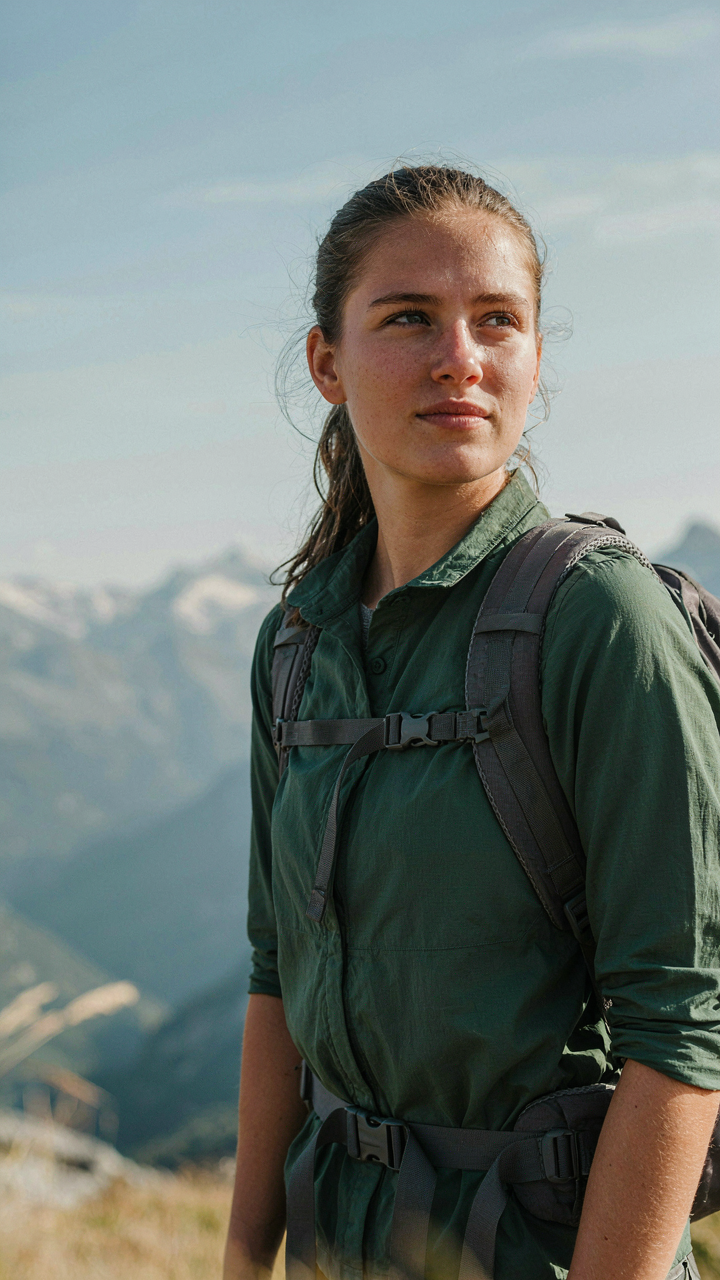
Your Brain Under Pressure Changes Shape
You want to believe isolation makes you stronger because it lets you avoid the messy work of dealing with people. The real mechanism is simpler: biology treats unfamiliar stress as a threat that demands adaptation. When you’re alone on a solo trip, your nervous system can’t default to social scripts or external validation. It rewires instead. Neuroscientists call this neuroplasticity, and athletes call it getting tougher. The stress of isolation forces new neural pathways to fire because old ones won’t keep you alive.
Solo adventure sports trips function like deliberate stressors that trigger this rewiring. You make decisions without committee approval. You solve problems without rescue. Your brain stops running the autopilot loop of seeking external reassurance and starts building internal confidence circuits. This isn’t motivation or mindset. It’s cellular adaptation. The longer you stay in that environment, the more your default response shifts from doubt to execution. That’s not inspiration. That’s physiology.
The Ancestor Advantage Still Exists
The common narrative says solo trips reconnect you to primal instincts. That’s right, but for the wrong reason. Your survival instincts don’t activate because you’re being poetic or authentic. They activate because your brain recognizes a genuine mismatch between your resources and your environment. Evolutionary psychology shows that humans evolved to solve problems alone when necessary. Your ancestors didn’t survive by being anxious. They survived by taking action under incomplete information.
When you solo climb, kayak, or trek, you force your nervous system into a state where hesitation costs you. Your instinct sharpens not because you’re “in nature” but because mistakes have immediate feedback. You read terrain faster. You make faster decisions. You stop rehearsing doubts in your head because there’s no audience to perform for. The critical voice that paralyzes you in normal life gets overridden by the simple question your brain asks: “What does the situation demand right now?” That question, asked repeatedly over weeks, becomes your default. You return home with that question still running.
Beyond The Instagram Filter: Real Adventure Sports Aesthetic
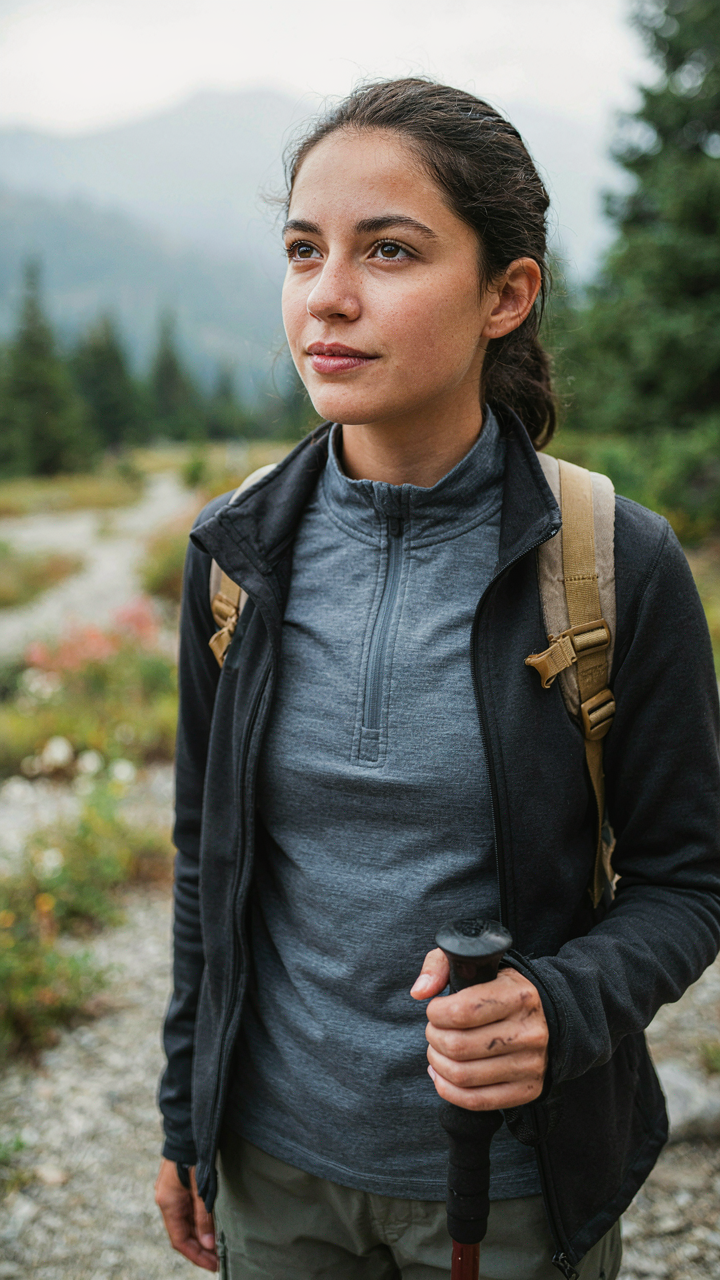
The Unfiltered Moment
You want proof you were there. That’s not the real reason you care about this. You want evidence that something hard happened to you, and you want strangers to see it. The mechanism is simple: raw images prove authenticity in a way polished shots never will. Your audience knows the difference between a crisis and a setup. They can feel it.
Capture the moment before you think about the frame. This means shooting when your hands shake, when the light is wrong, when you’re actually afraid. The best adventure photos happen when you’re not posing. A climber mid-fall arrest, a paddler taking on water, a rider covered in actual mud—these images have weight because they show the system under stress, not after the stress ends. Stop waiting for the perfect light.
Struggle Reads Louder Than Scenery
The common advice says document the view. This is incomplete. A sunset over a valley means nothing without the cost attached to it. Suffering is the element that makes an image resonate. This applies the concept of load bearing from structural engineering: the most important parts of a frame are those carrying the emotional weight, not those filling space.
Photograph your hands. Photograph your face when you’re deciding whether to continue. Photograph the false summits and the equipment failures and the moments you question the entire trip. These are the frames that connect with other soloists because they show what actually happens between departure and return. The view was never the point. The view was the reward for surviving the work.
Curating Your Life Vision Board: Actionable Steps, Not Just Dreams
Translate Insights Into Concrete Shifts
You want permission to feel like your trip mattered, like it changed you. Here’s the mechanism: solo adventure sports trips don’t change you. Your willingness to act on what they revealed does. The trip is data collection. Fear, comfort thresholds, decision-making under pressure, tolerance for failure, speed of adaptation—you see these things about yourself on the water or mountain because the stakes force honesty. Most people file that data away and return to identical routines.
The work starts by identifying one specific behavior or belief the trip exposed. Not the vague epiphany. The concrete gap. You realized you freeze under pressure. You learned you’re more risk-tolerant than you thought. You discovered you make faster decisions alone than in groups. Write the observation down. Then name one domain in your actual life where that trait matters and is currently costing you. That’s your entry point, not inspiration boards or journaling prompts.
Embed The Lesson Into Weekly Structure
The common advice here is wrong: “Let the experience sink in” and “Live differently” miss the actual mechanism. Behavior change requires friction removal and repetition architecture, not reflection. You don’t internalize a lesson by thinking about it. You internalize it by installing micro-protocols that make the new behavior the path of least resistance.
Take what you learned about your decision-making speed. If the trip showed you think clearer alone, install a weekly decision audit: block 90 minutes solo to tackle one significant choice without input solicitation. If the trip exposed your freeze response under pressure, schedule monthly low-stakes pressure simulations in your actual work or training context. Build the lesson into your calendar as a recurring appointment, not a mental note. The repetition embeds the pattern. Without the protocol, the insight evaporates within weeks.
The Unfiltered Truth Of Pretty Places
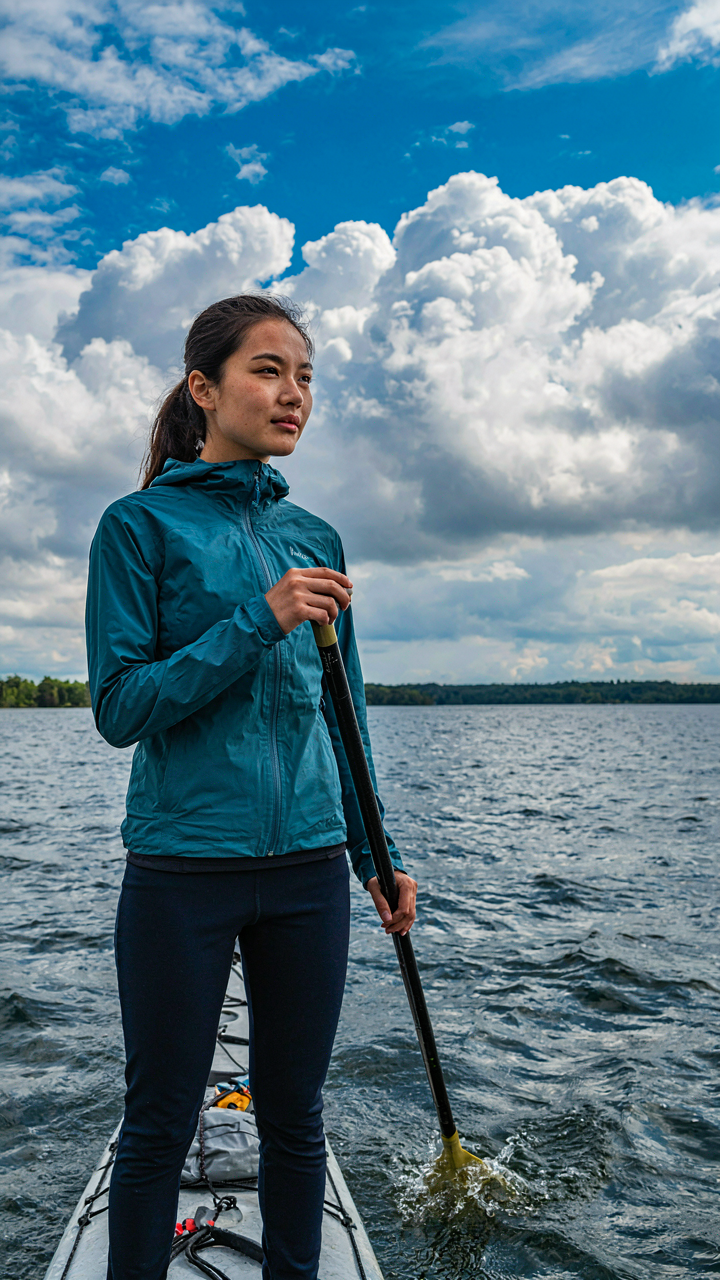
Beauty Demands You Show Up As You Are
You want the photo. That’s the mechanism driving this section, and pretending otherwise wastes both our time. The aesthetic pull of kayaking through Norwegian fjords or paddling Patagonian lakes operates on social proof, not on the actual experience of being there. You’ve outsourced your sense of what’s worth doing to Instagram algorithms and travel blogs. The real move is stripping that away: you go to a place because the conditions match your skill level and the logistics work, not because it photographs well. Beauty on its terms means accepting the location as a training ground first and a backdrop second.
This reframes how you prepare. You research water temperature, wind patterns, current strength, and access routes. You ignore the sunset light and focus on the launch conditions at dawn. When you arrive at a stunning location unprepared for its actual demands, you don’t experience beauty—you experience fear masquerading as awe. The difference is whether you can breathe normally or whether you’re white-knuckling the paddle. Spend preparation time on the mechanics, not the mood.
Where Conditions Make The Rules
Beauty comes packaged with hostility. This is basic thermodynamics applied to environment design: the aesthetic gradient that draws people to a location correlates directly with the energy required to survive there. Fjords are dramatic because glaciers carved them through raw geological force. That same process creates unstable water conditions, unpredictable weather systems, and limited bailout options. The visual payoff and the danger are not separate—they’re the same phenomenon viewed from different angles.
The common advice says “respect nature” or “go prepared.” That’s incomplete. You need to understand that the specific conditions making a location beautiful are the exact conditions that will kill you if you misjudge them.
- Cold Water Immersion: Fjord systems and alpine lakes maintain temperatures that trigger cold shock response within minutes, regardless of your mental toughness or experience level.
- Katabatic Winds: Mountain valleys funnel air down slopes at unpredictable velocities, creating sudden wind shear that flips boats in seconds on what looked like calm water.
- Rapid Weather Shifts: Coastal and high-elevation locations change conditions faster than you can paddle to safety, turning a two-hour trip into a survival scenario.
- Limited Exit Routes: Beautiful remote locations often have one or two possible landing zones, eliminating your ability to adapt if conditions deteriorate mid-trip.
- Drowning Statistics: Solo paddlers in aesthetically significant locations have disproportionately high fatality rates when weather escalates beyond forecast ranges.
The protocol is not to avoid these places. The protocol is to treat beauty as a hazard designation. You choose your dates and conditions around worst-case scenarios, not around forecast models or travel schedules. You arrive with gear that handles the 90th percentile outcome, not the expected average. You execute a specific abort plan before you enter the water, with named alternative routes and bailout times written down.
Adventurous Activities: Selecting For Maximum Growth, Minimum Fluff
Skill Demands Over Guided Comfort
You want the story, not the competence. That’s why guided tours feel empty even when they’re technically adventurous. The mechanism is simple: your nervous system doesn’t register growth when someone else absorbs the risk and decision-making. You’re a passenger, not an operator. Real skill development demands you hold the variables. The guide removes them.
Choose activities where incompetence creates immediate, tangible consequences you must solve yourself. Rock climbing matters because a bad anchor decision ends badly. Backcountry skiing matters because route-finding mistakes have weather and avalanche implications. Whitewater kayaking solo matters because an eddy mistake flips you into cold water you must exit. The guide versions of these activities strip the consequence, which strips the learning. Your nervous system knows the difference, even if your ego doesn’t want to admit it.
Weakness As Your Selection Filter
Biology uses stress to trigger adaptation. Your muscles don’t grow without load that exceeds current capacity. Solo adventure sports work the same way: pick activities that expose what you can’t do yet. Not what’s uncomfortable. Not what’s inspiring. What you’re actually bad at. This is where most people lie to themselves. They choose trips that showcase existing strength instead of confronting actual gaps.
The protocol is blunt: identify one skill you actively avoid in your sport, then build a solo trip around mastering it. If you avoid night navigation in backcountry, plan a solo trek with intentional night hiking. If you avoid big water in kayaking, plan a solo trip on a Class III river with harder sections. If you run from exposed scrambling in mountaineering, pick a peak that demands it. Your resistance is the compass pointing toward real growth. Follow it.
The Only Obstacle To True Solo Adventure: Your Comfort Zone, Undisturbed

Solo adventure sports trips aren’t expensive or logistically impossible. They’re psychologically uncomfortable. That discomfort is the entire point. You don’t need a perfect plan or a massive budget. You need to book one trip this week, non-refundable, before your brain manufactures reasons not to go. The moment you commit, the resistance dissolves and the real version of you emerges. Your life doesn’t change when you think about adventure. It changes when you move toward it while afraid.