
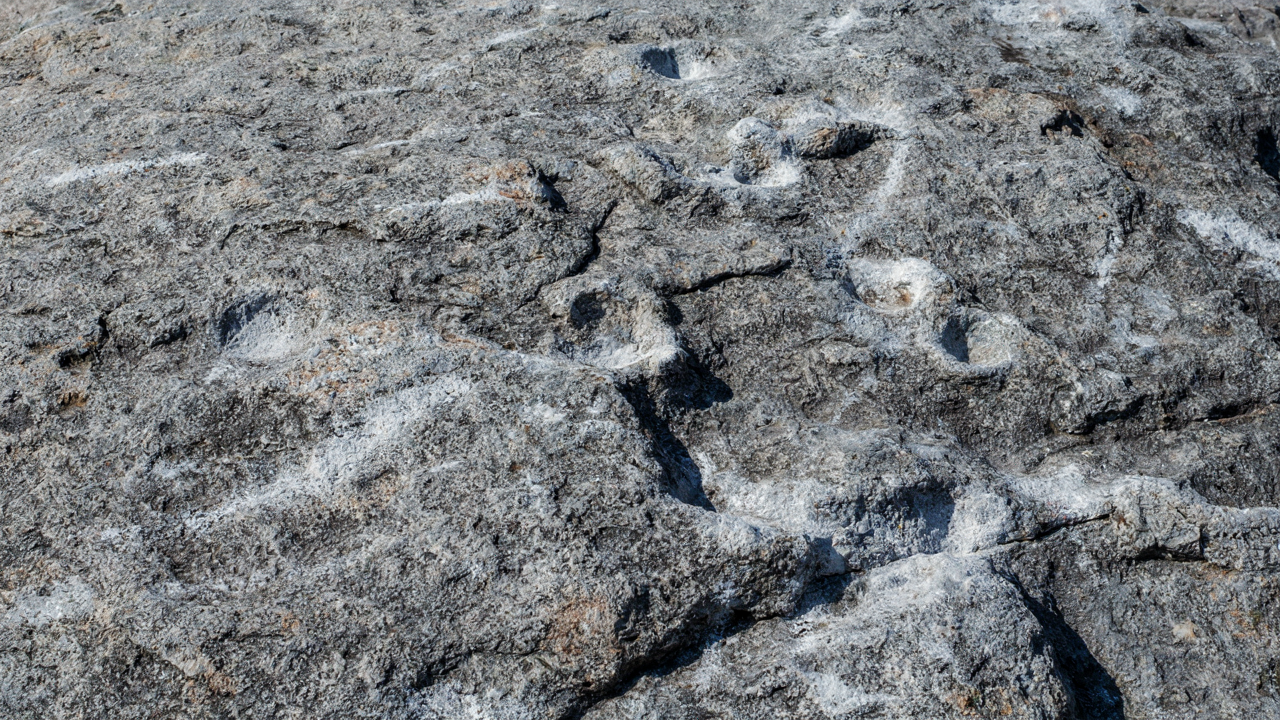
The Adrenaline Delusion: Why Most Beginners Chase The Wrong Rush
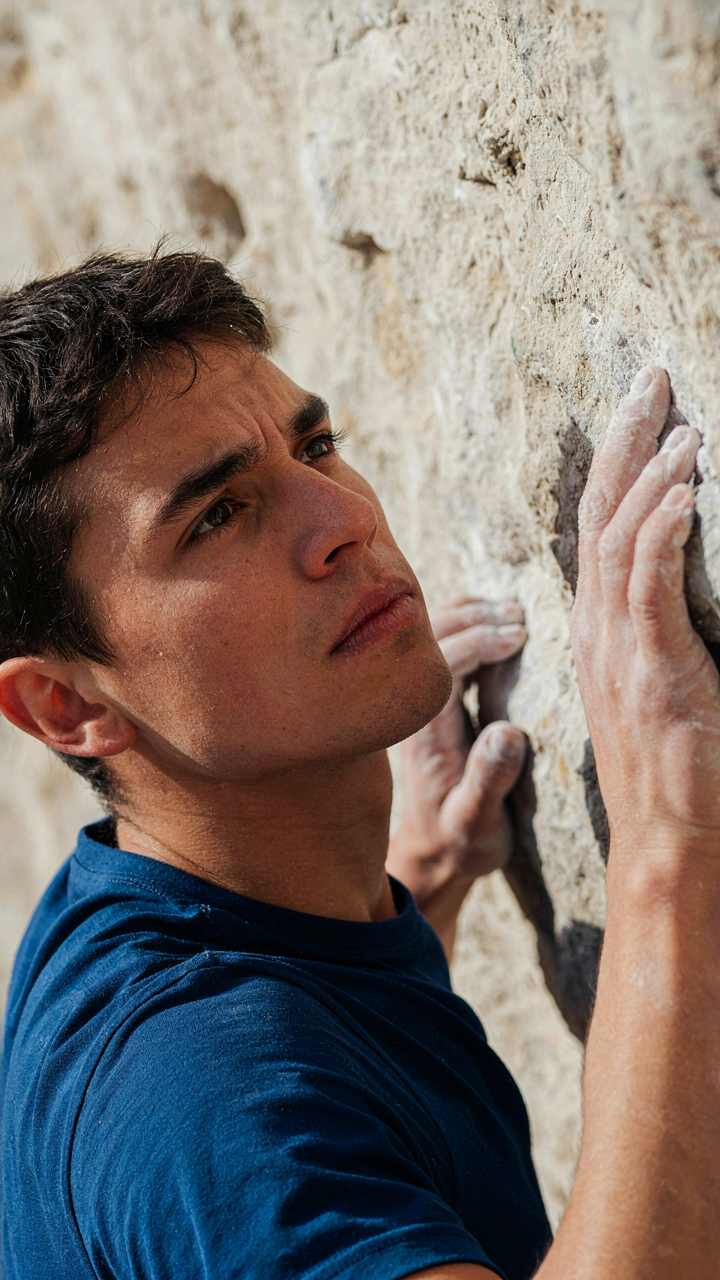
Instant Gratification Versus Earned Exhilaration
You’re here because you want to feel alive without the years of work. The mechanism is simple: your nervous system doesn’t distinguish between real danger and perceived danger. A beginner on a top-rope in a gym feels the same spike as someone soloing a cliff because the body triggers adrenaline based on what your mind believes is at stake, not what actually is. You’re paying for a simulation of risk. The problem is your tolerance builds fast. The gym wall that terrified you in week two bores you in week eight. You chase steeper angles and higher walls chasing that initial hit. This is addiction wrapped in the language of progression.
Real climbers don’t chase adrenaline. They chase mastery. The rush comes after months of learning technique so precise that the climb feels easy, not terrifying. A climber who’s spent time understanding footwork, body positioning, and rope mechanics experiences genuine exhilaration because the difficulty is real and hard-won, not manufactured by height alone. The nervous system calms because the threat assessment shifts from imaginary to manageable. You stop needing the adrenaline spike. You get something deeper: confidence built on actual competence.
The Subtle Dangers Of Adrenaline First Mentality

Chasing the rush creates blind spots in safety judgment. Climbers high on adrenaline skip redundant checks, rush rope setup, and ignore fundamental technique because they’re focused on the feeling, not the mechanics. This isn’t just poor form. It’s how accidents start. A beginner might pressure a guide to let them try a harder route because they’re chasing the hit, not respecting the skill gap. Gyms enable this. They’re designed to feel safe, which means beginners never learn to calculate actual risk because the risk is neutralized by design.
The adrenaline-first approach also destroys technique development. Your nervous system can’t learn when it’s flooded with cortisol and adrenaline. You’re operating in fight-or-flight mode, not learning mode. Climbers who prioritize the rush plateau faster because they never build the micro-adjustments that make climbing efficient. They burn out faster too, both physically and mentally. The sustainable path is boring to start: drill footwork on easy angles, practice fall techniques on small heights, understand rope dynamics before attempting anything remotely difficult. The exhilaration comes when you realize you’ve climbed something hard not because you were brave, but because you were prepared.

The Unspoken Cost: Why Speed Kills Your Climbing Future

Skills Build Slower Than Ego Grows
You want the rush without the grunt work. That’s the real reason you’re reading this. Here’s the mechanism: climbing gyms and outdoor crags reward speed and boldness in the moment, but your nervous system remembers failure at a cellular level. Climbers who chase hard routes before mastering fundamental movement patterns create neural pathways built on compensation. Your body learns the wrong sequence. Correcting that later takes three times the effort it would have taken to learn right the first time.
Foundational skills—footwork precision, hip positioning, weight distribution—operate like foundational code. Miss them, and every advanced technique you build sits on a corrupted base. Beginners who spend their first six months chasing adrenaline on problems above their actual skill level plateau hard around month eight. The climbers who spend those same six months drilling footwork drills on easier terrain don’t feel the rush. They also don’t get stuck. By month twelve, they move past the plateau while the rushchasers are still fighting the same bad habits.
Natural Talent Is A Story People Tell After They Train
This is where advice gets lazy. Everyone says “some people are naturally gifted at climbing.” Nobody says what that actually means. In deliberate practice literature—the field studying how expertise forms—researchers call this the talent illusion. Natural talent in climbing isn’t genetic wiring. It’s accumulated exposure to movement patterns earlier in life, usually through gymnastics, parkour, or sports requiring body awareness. The “natural” climber simply logged practice hours before you did.
The mechanism is ruthless and fair: three years of consistent, focused practice on fundamentals beats one year of chaotic, hard-project obsession every single time. Deliberate practice means training what fails, not what feels good. A beginner with average genetics who drills footwork for fifty sessions climbs harder than a beginner with “natural talent” who only does routes that feel exciting. Start drilling specific movements now, or spend the next two years wondering why you’re not progressing while others are. Pick your timeline and train accordingly.
The Ascent Protocol: Building An Unbreakable Foundation
Your Feet Do The Work Your Arms Get Credit For
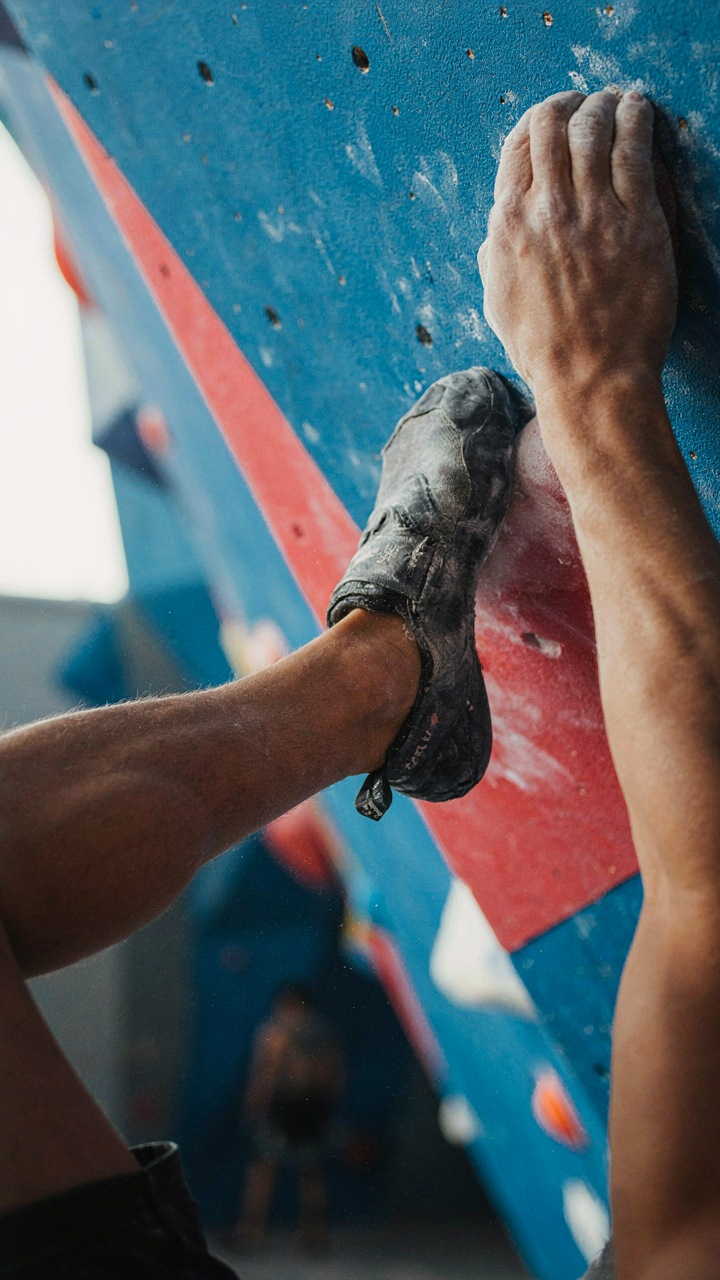
You want to feel strong on the wall. That’s the real reason you care about this section. Here’s the mechanism: beginners waste arm strength because they stand on their feet like they’re standing on flat ground. In physics, leverage is the ratio of force applied to distance from a fulcrum. On a wall, your feet are the fulcrum. Climbers who nail footwork use half the grip strength and climb twice as long. Your feet determine whether you’re pulling yourself up or just hanging from your hands.
Footwork beats arm strength because your legs have larger muscle groups built for sustained effort. Your forearms fatigue in minutes. Your legs can work for hours. Place your foot deliberately on a hold, commit your weight to it, and let your legs push your body upward. This isn’t subtle preference. It’s the difference between climbing five routes and climbing twenty. Most beginners never learn this because gyms don’t enforce it and YouTube tutorials skip the boring part.
Leverage Over Force, Every Single Time
Your body position determines how much force the wall demands from you. Lean away from the wall slightly. Keep your hips close. Let your arms stay relatively straight. This positioning shifts the load from your forearms to your core and legs, which have exponentially more endurance. Bad position means hanging from bent arms, which exhausts you within minutes and creates unnecessary injury risk in your shoulders and elbows.
The specific positions change by hold type and wall angle, but the principle stays constant: maximize distance from your fulcrum, minimize joint bend, and stack bone instead of tension. Practice this on easy walls first. You’ll notice yourself climbing longer immediately. This builds the habit before you hit harder routes where bad positioning becomes impossible to overcome with effort alone.
Gear Ignorance: Your Life Hangs On More Than Price Tags
The Stuff You Actually Need
You want the adrenaline rush, so you’re hoping expensive gear compensates for bad technique. It doesn’t. The gear doesn’t save you, consistency does. But gear failures do kill people, so you need to know what matters and what doesn’t. Most beginners buy wrong because they confuse marketing with safety. Stop that now.
Start with these non-negotiable items:
- Climbing Shoes: Tight-fitting footwear with rubber soles designed for edge contact and friction. Buy from a climbing gym or shop that lets you try them on. Rental shoes work initially but wear out fast and fit poorly.
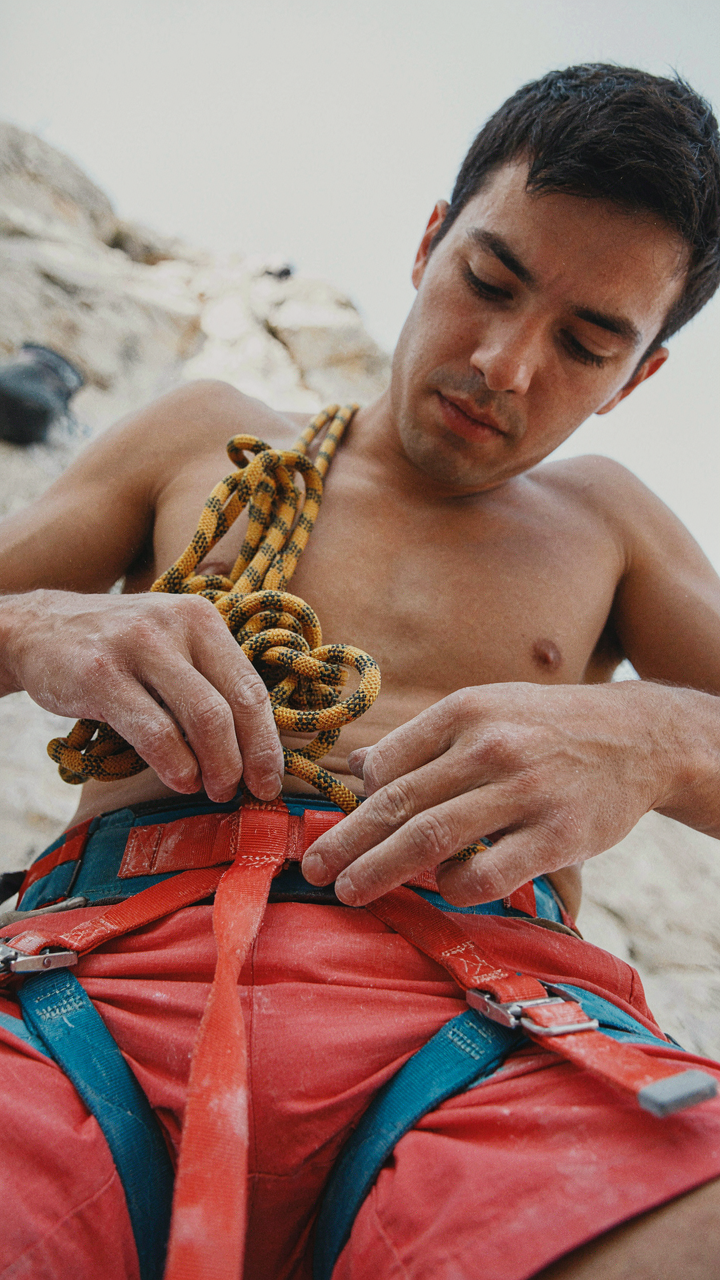
- Harness: A waist and leg loop system that attaches you to the rope. Indoor gym harnesses are cheap. Make sure it fits snug but not restricting. You’ll wear this every session.
- Chalk and Chalk Bag: Magnesium carbonate powder that dries your hands for grip. Essential for friction. A small bag clips to your harness and costs under ten dollars.
- Belay Device: Metal friction brake (like an ATC or GriGri) that controls the rope during belaying. Non-negotiable for partner climbing. Learn the specific device your gym uses before you touch it.
- Locking Carabiner: Aluminum alloy clip that connects your harness to the rope system. The gate must lock to prevent accidental opening. Two or three rated carabiners cost around thirty dollars total.
Everything else depends on where you climb. Gym climbing requires less gear because the facility manages anchors and rope systems. Outdoor climbing adds layers: quickdraws, rope, protection devices, anchors. Don’t buy outdoor gear until you’ve logged at least three months indoors and trained with experienced climbers on real rock. Buying early wastes money and teaches bad habits.
When Gear Fails And Who Fails First
Equipment failure is rare. Human failure is constant. This borrows from reliability engineering: the most critical failure point isn’t the component with the lowest strength rating—it’s the one nobody checks before use. In climbing, that’s your belay device, carabiner gate, and rope connection, because you touch them every session and get careless. The mechanism works like this: you use something daily, it becomes invisible, then one day the gate on your carabiner stayed unclocked, or you clipped the rope wrong, or you didn’t feel the device lock. Dead.
Certifications matter because they force you to learn procedures instead of shortcuts. Most gyms require a belay certification before you partner climb. Take it seriously. The instructor watches your checklist: harness buckle direction, carabiner gate orientation, rope through the device in the exact sequence. Learn why each step exists, not just the step itself. Then, every single session for the next year, run that exact sequence without variation. Don’t optimize. Don’t skip. Once you’ve logged two hundred partner climbs, your hands know the pattern. Before that, you’re fighting entropy. Maintenance is the other half: inspect your rope for cuts or fraying before every session, check your harness for stitching damage, replace worn climbing shoes when the rubber stops gripping. Most gym shoes last four to six months of regular use. When rubber wears flat, it fails silently.
Beyond The Gym: The Transition To Real Rock Climbing Tips For Beginners
When Walls Stop Being Walls
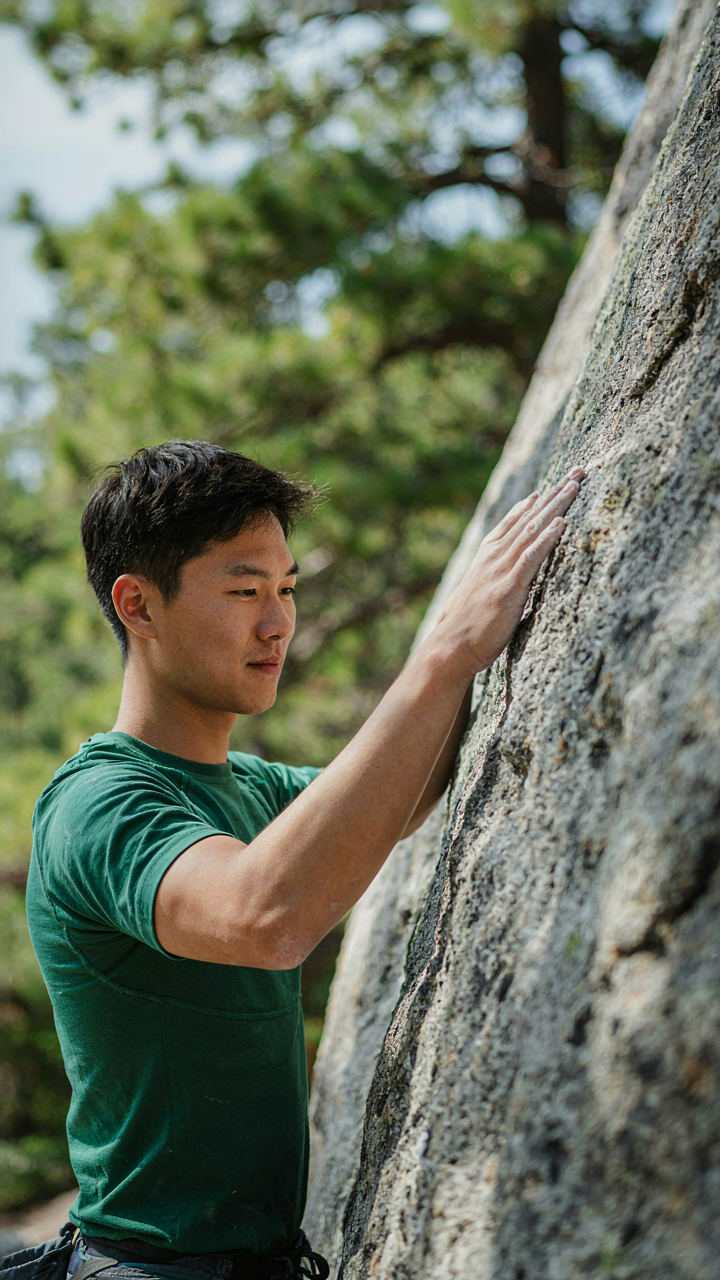
You want the adrenaline rush, which means you’re really asking whether you can handle real rock without embarrassing yourself. The mechanism is simple: gyms remove variables. Outdoor climbing adds them back in layers. Temperature changes rock texture. Weather changes grip. Angle changes without warning. Your nervous system can’t predict, so it fires harder. That’s the rush you’re after, but it requires a specific adaptation sequence most climbers skip.
Indoor climbing teaches muscle memory for movement. Outdoor climbing teaches you to read what the rock is actually telling you before you commit your body to it. The gym has uniform holds bolted to uniform walls at predictable angles. Real rock has fractures, loose sections, water seepage, and geometry that shifts based on where you’re standing. Your brain has to process more information faster. Start with sport climbing on bolted routes outdoors, not top-rope belay stations in a gym, because sport routes force you to manage rope placement and terrain awareness simultaneously without the safety net of a gym’s standardized design.
Reading The Rock Before Your Hands Do
Think like a geologist reading a cross-section of stone. Rock has visible features: cracks, pockets, slopers, edges, and friction zones. You’re scanning for the path of least resistance based on your body size and grip strength, not the path the gym setter painted for you. A crack might be perfect for your hand size but might widen where your feet need to push. A pocket might be jug-tight but positioned too far left to use without throwing you off balance. You’re learning to predict failure before it happens.
Most advice says “climb a lot of outdoor routes and you’ll get it.” That’s incomplete. You need to climb the same outdoor route multiple times over weeks because rock changes with temperature, moisture, and seasonal weathering. The first ascent feels different on day one than day thirty. Build a habit of touching the rock with your hands before committing your weight, feeling for texture shift and structural integrity. Do this for every new route: place your first three pieces of protection, climb five feet, step down, and repeat. This forces pattern recognition over speed.
The Mental Game: Mastering Fear And Focus On The Wall

Separating Real Danger From The Feeling
You want this section to prove you’re not the type who gets paralyzed on the wall. That’s the real reason you’re reading it. Here’s what nobody says plainly: fear is a signal detection system, not a truth detector. Your nervous system can’t tell the difference between a 40-foot fall and a 10-foot fall, so it screams the same warning for both. Climbing uses the same mechanism as poker players call “hand equity”—you’re assessing actual probability against perceived risk, except climbers have ropes and bolts doing the actual protection.
Most beginner advice says “just trust your gear” or “think positive.” Wrong. Your body doesn’t respond to cheerleading. It responds to evidence. When you’re on a route and fear spikes, your job is to name what specifically you’re afraid of, then check whether your protection contradicts that fear. Are you scared of falling? The anchor is bomber. Are you scared of the move? You’ve done harder. Are you scared because you’re tired? That’s valid—it means climb down and rest. The distinction collapses the anxiety because anxiety thrives on vagueness.
Breath Before Behavior
Holding your breath on the wall is how beginners telegraph their nervous system into a spiral. But breathing isn’t just calming yourself—it’s a mechanical prerequisite for finger strength. When you exhale, your core pressure drops, which pulls tension away from your forearms. When you hold your breath, you’re literally weakening your own grip while flooding your body with cortisol. Boxers and free divers know this: breath controls chemistry.
Set a protocol before you climb: breathe deliberately on easy sections and difficult sections. On rest holds, three slow exhales. On crux moves, exhale as you commit, then breathe normally once you’re committed. Visualization works because it runs your central nervous system through a dry run of success, priming your motor patterns, but only if you practice the visualization during the route, not just before. Do this five times on five different climbs and your nervous system stops treating the wall like a threat.
Rock Climbing Tips: The Art Of The Calculated Risk
Know When To Walk Away
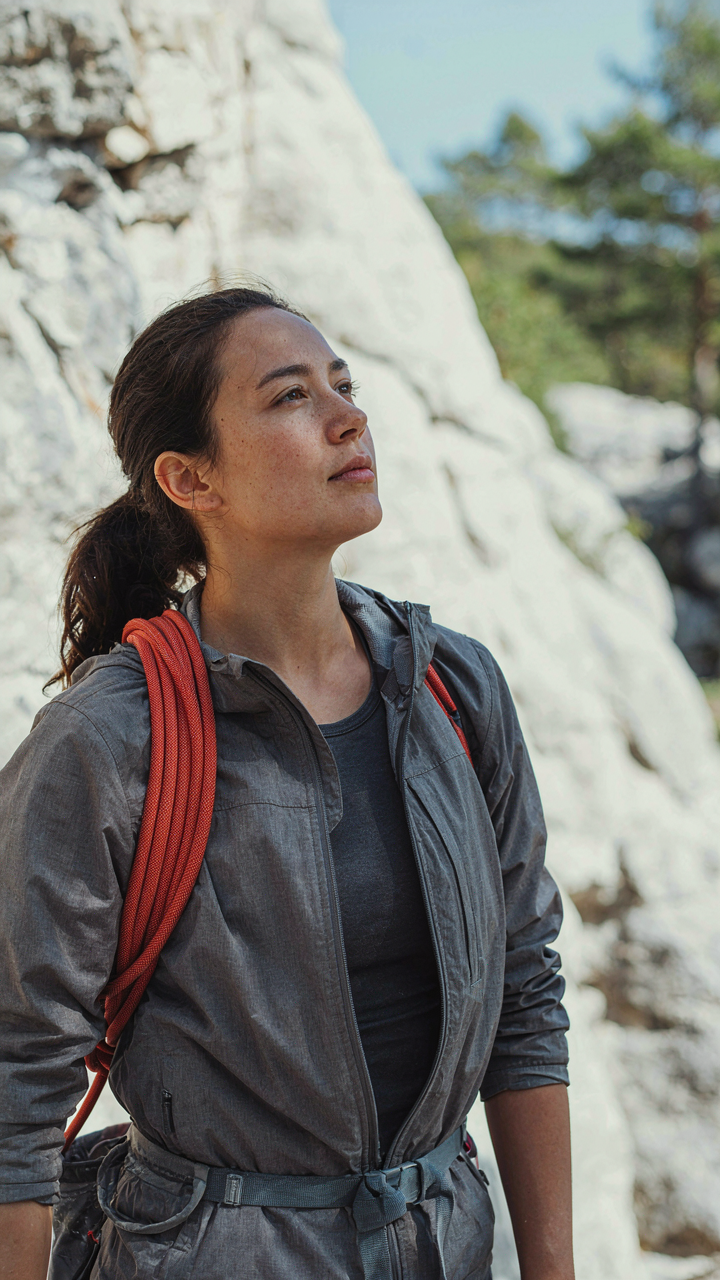
You want the rush without looking scared. That’s the real tension here. The mechanism is this: adrenaline feels like progress, so climbers mistake fear for readiness. Your nervous system doesn’t distinguish between “I’m not ready” and “I’m about to do something hard.” You have to build the skill to hear the difference.
Retreat isn’t failure. It’s data. When your forearms pump before the crux, when your foot slips on terrain you’ve already climbed, when your partner seems tight—these aren’t excuses. They’re signals your body and environment are misaligned with your current ability. Push past them once and you get lucky. Push past them twice and you normalize ignoring feedback. The third time, you fall.
Read The Wall Before The Climb
Military strategy calls this “terrain analysis.” In climbing, it means assessing rock quality, weather, and your partner’s state before you rope up. Loose rock kills more beginners than difficulty does. Wet holds and sudden weather shifts turn a manageable route into a trap.
Your exit strategy must exist before you climb, not during. That means knowing which anchors you’ll use to descend, whether you can rappel or lower, and what happens if someone gets hurt halfway through. Most gyms handle this for you. Outdoor climbing doesn’t. Brief your partner on the plan, confirm they heard it, then execute it exactly as stated. The redundancy feels boring until it saves your life.
The “Beginner Climbing Advice” You Didn’t Ask For (But Need)

Who Actually Knows What They’re Talking About
You want someone to validate that you’re doing this right, and you’re hoping a mentor will fast-track you past looking stupid. That’s the real reason you care about filtering guides from posers. The mechanism is simple: ego-climbers teach what makes them look good. True guides teach what makes you progress.
Ego-climbers talk about their sends, their grades, their style. True guides ask what you can’t do yet and why. They’ve already gotten their status hit elsewhere, so they don’t need your admiration to function. Before you follow anyone’s advice, check whether they’re still climbing at a level that demands they stay sharp. A climber who peaked five years ago and now lives off story capital will give you outdated information wrapped in nostalgia. Someone climbing at their actual limit now has skin in the game and filters advice through current reality, not memory.
Showing Up When It’s Not Exciting
Common beginner advice says “climb three times a week” without explaining why frequency beats intensity. Borrow a term from neuroscience: consolidation. Your nervous system needs repeated exposure to a movement pattern to encode it as automatic. One session burns calories. Six sessions over two weeks builds actual motor memory.
The gap between climbers who plateau and climbers who progress isn’t talent. It’s the difference between climbing once every ten days and climbing twice a week. Sporadic effort resets your nervous system to baseline. Consistent effort compounds. Pick two climbing days minimum per week and hold them like they’re non-negotiable. Miss sessions and you’re not just losing one workout, you’re erasing weeks of consolidation. Block time on your calendar before life claims it, then show up even when the session feels pointless.
The True Adrenaline: Found In Mastery, Not The Fall
Compounding Returns Of Disciplined Practice
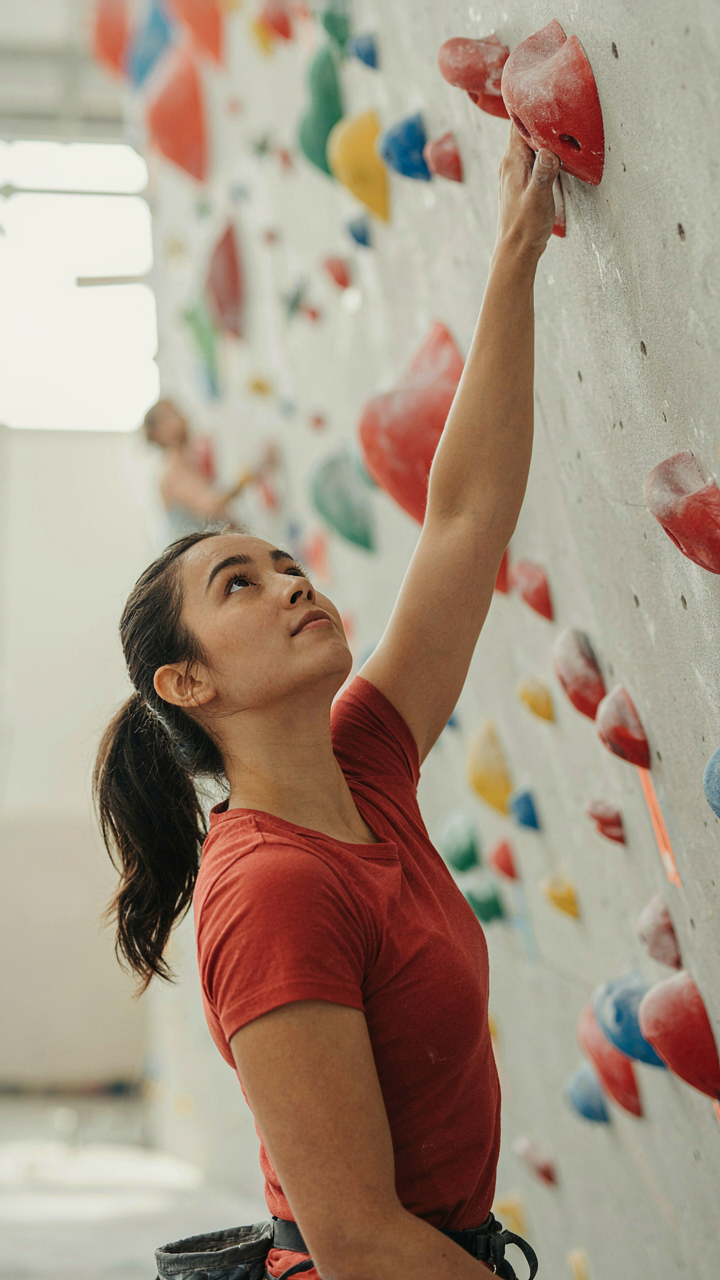
You want the rush without admitting you’re chasing status. Here’s what actually produces it: economics calls this “compounding returns.” In climbing, this means each session builds on the last one through neural adaptation and tendon strengthening. Your nervous system learns the movement pattern. Your tendons adapt to load. By week eight, a climb that terrified you becomes automatic. That shift from terror to control is the real adrenaline.
Most beginners chase the feeling of fear itself. They boulder without progression, repeat the same V-grade, expect novelty. They get bored instead. The compounding model works differently. You climb consistently at your threshold. You add volume or intensity incrementally. Six months in, you’re climbing problems you couldn’t visualize a year ago. The adrenaline response now triggers at a genuinely higher skill level, not manufactured danger.
Skill Unlocks New Challenges
This is where adrenaline becomes sustainable. Once you can climb a 5.8 indoors with control, a 5.9 outdoor route produces real physiological arousal because you’re genuinely at your edge. Your body recognizes the actual increase in difficulty. The common advice says “just have fun and don’t worry about grades.” That’s incomplete. Grades exist because they measure objective progression. Without progression, adrenaline flatlines into routine.
The mechanism is simple: establish a baseline skill level, then spend weeks building it. When you move to the next problem or route, your body reads it as a legitimate threat. Adrenaline fires. Your grip strength has increased. Your footwork has refined. Your fear response recalibrates to match your actual capacity. This cycle repeats for months. You climb a 5.10 that previously seemed impossible. The adrenaline you feel is earned, not borrowed from imagined danger. Track your sends weekly and increase difficulty by one grade every four to six weeks.
Your True Obstacle Isn’t The Rock; It’s Your Impatience For Mastery

Every beginner wants the adrenaline rush before they earn the competence. You won’t get it. The rush comes from trusting your body on the wall, and trust only builds through repetition. Stop hunting for the hardest route. Book a single session at your local gym this week and climb the same beginner wall five times. Feel the difference between your first and fifth attempt. That gap is where the real addiction starts. Mastery doesn’t give you the rush—mastery gives you permission to chase it.