
Introduction
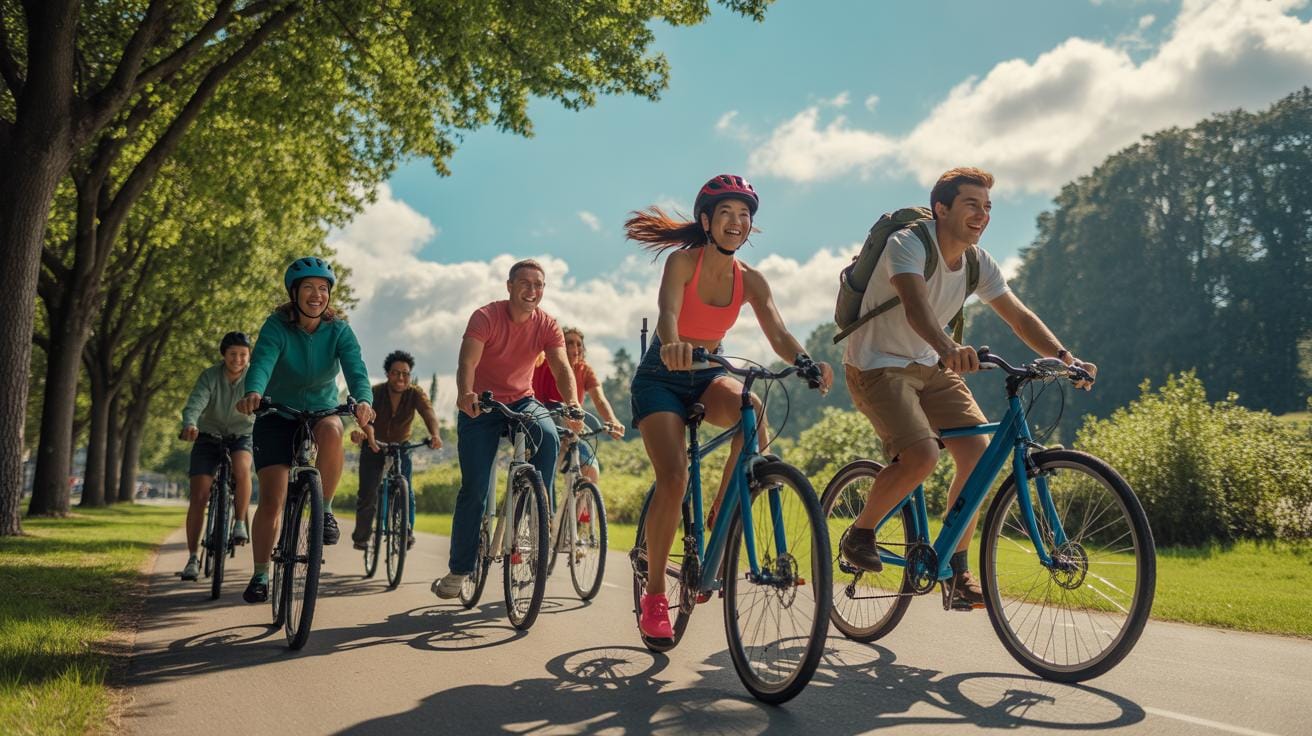
Riding a bike offers a wealth of benefits for both health and travel enthusiasts. It is a simple activity that improves physical fitness, helps in weight management, and strengthens various muscle groups. Alongside physical gains, cycling can enhance mental well-being by reducing stress and boosting mood.
Additionally, biking is an eco-friendly mode of travel that reduces pollution and traffic congestion. This article outlines the key health benefits of cycling, provides practical safety tips for riders, explores how to start biking for travel, and highlights essential equipment to improve your riding experience.
Health Benefits Of Bicycle Riding
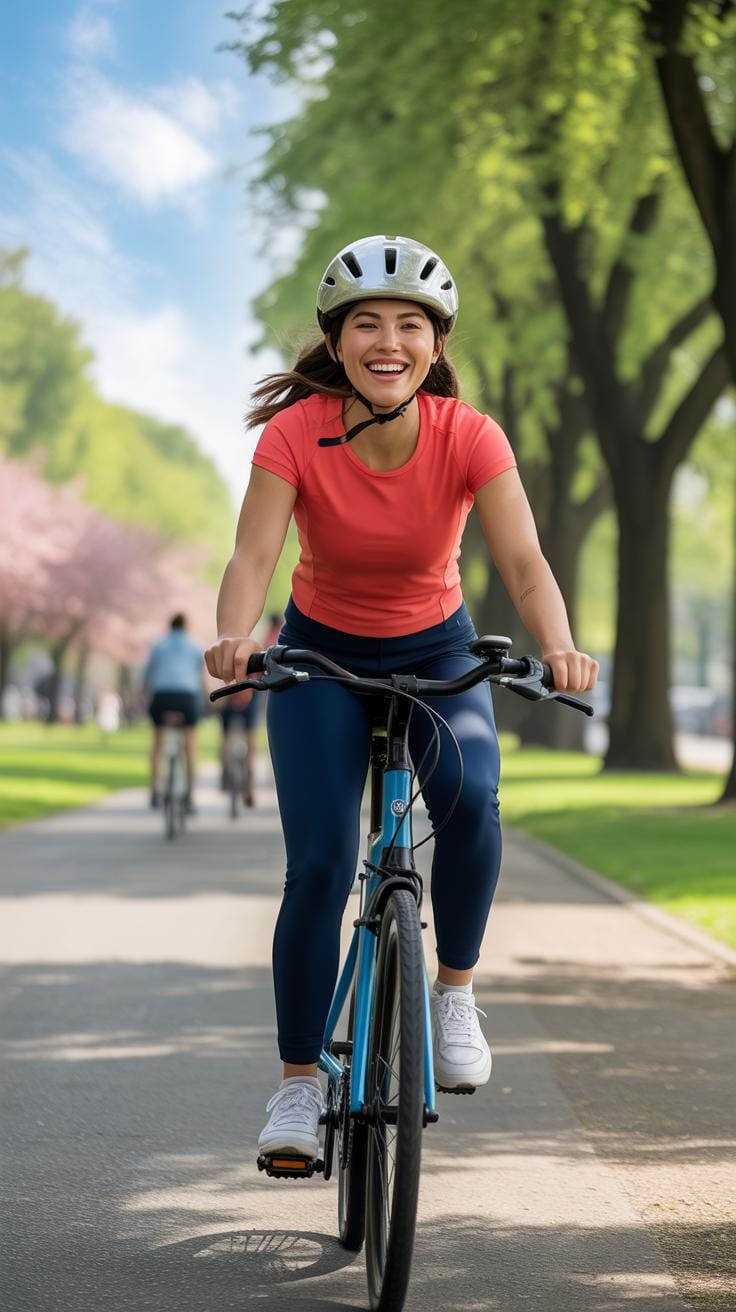
Riding a bike offers more than just a way to get from point A to B. It can really change how your body and mind function. For one thing, cycling improves your cardiovascular fitness. Your heart gets stronger as it pumps blood more efficiently, which means you might find daily activities easier after some regular rides. Plus, it tones muscles, especially in your legs and lower body, which makes you stronger overall.

Weight control is another plus. A simple 30-minute bike ride a few times a week can burn calories and help keep your weight in check. And then there’s this unexpected benefit—riding helps relieve stress. When you’re cycling outside, the rhythm of pedaling combined with fresh air can calm your mind, reducing anxiety and lifting your mood.
Have you ever noticed you feel a bit sharper or more focused after a ride? There’s some truth to that. Biking can improve your mental clarity. Some studies suggest it boosts brain function by increasing blood flow to the brain. So, even on days when you just want to zone out, a bike ride might be just the thing to clear your head and improve how you feel.
How To Start Riding Safely
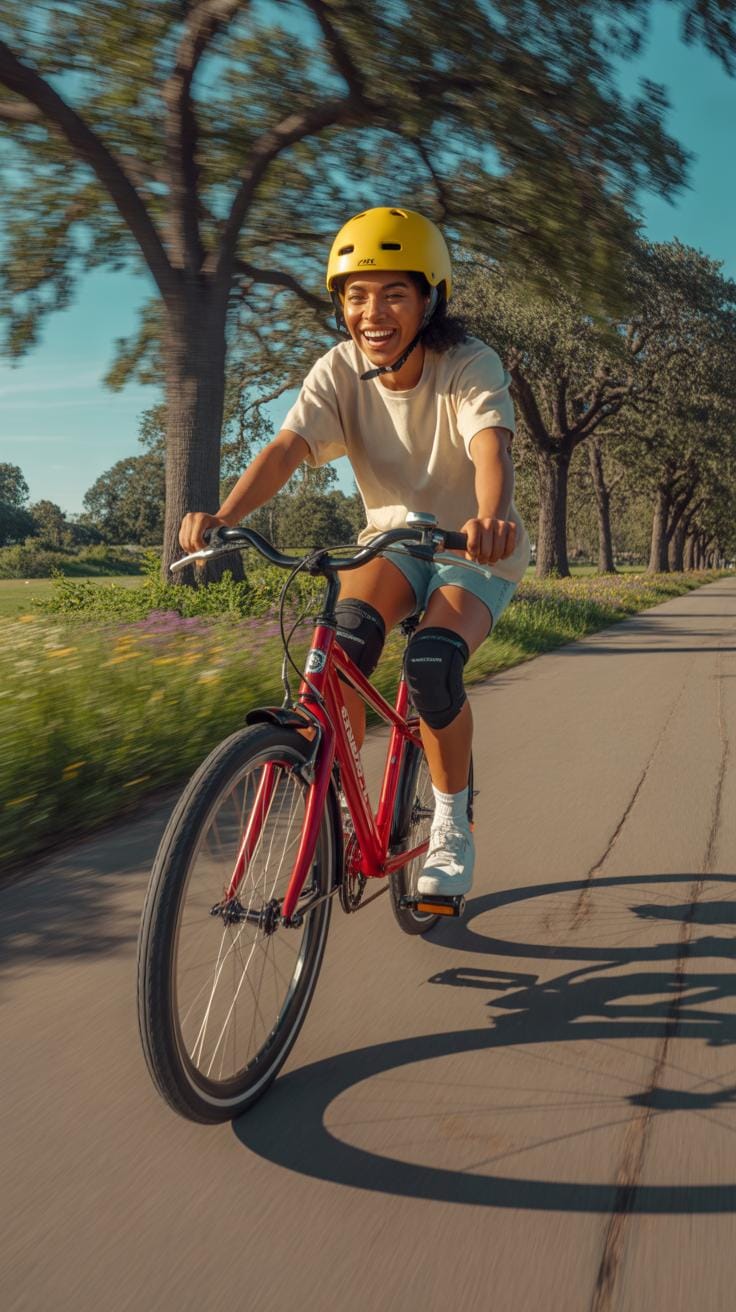
Starting to ride a bike can feel a bit daunting. You might wonder what to wear or how to be sure you’re safe on the road. Let’s break it down into manageable steps that can help you build confidence while protecting yourself.
Essential Safety Gear For Cyclists
Before you even hop on your bike, make sure you have the right gear:
- Helmet: This is a must-have. It protects your head in case you fall or collide. Even if you’re just riding around the block, wearing one lowers the risk of serious injury.
- Reflective Clothing: Wearing clothes with reflective strips or bright colors makes you more visible, especially early in the morning or near dusk.
- Bike Lights: Front white lights and red rear lights are critical if you’re riding in low-light conditions. They help drivers see you, and they also allow you to see obstacles on the road.
Basic Road Rules To Follow
Riding safely isn’t just about gear. You need to know how to behave on the road:
- Stay alert—keep an eye on the traffic around you and avoid distractions like headphones.
- Obey traffic signals and signs just like any other vehicle on the road.
- Use hand signals when you plan to turn so drivers and pedestrians know your intentions.
- Ride predictably in a straight line and avoid sudden movements.
- Make eye contact with drivers when possible to ensure they see you.
When learning to ride, start in a quiet area free from traffic. Practice balancing and braking until you feel comfortable. Don’t rush; gaining confidence takes time. Remember, it’s normal to feel a bit unsure at first. Over time, the safety habits will become second nature. After all, knowing and practicing these basics lets you enjoy cycling more and stress less about what might go wrong.
Planning Bicycle Trips For Travel
Choosing Safe And Scenic Routes
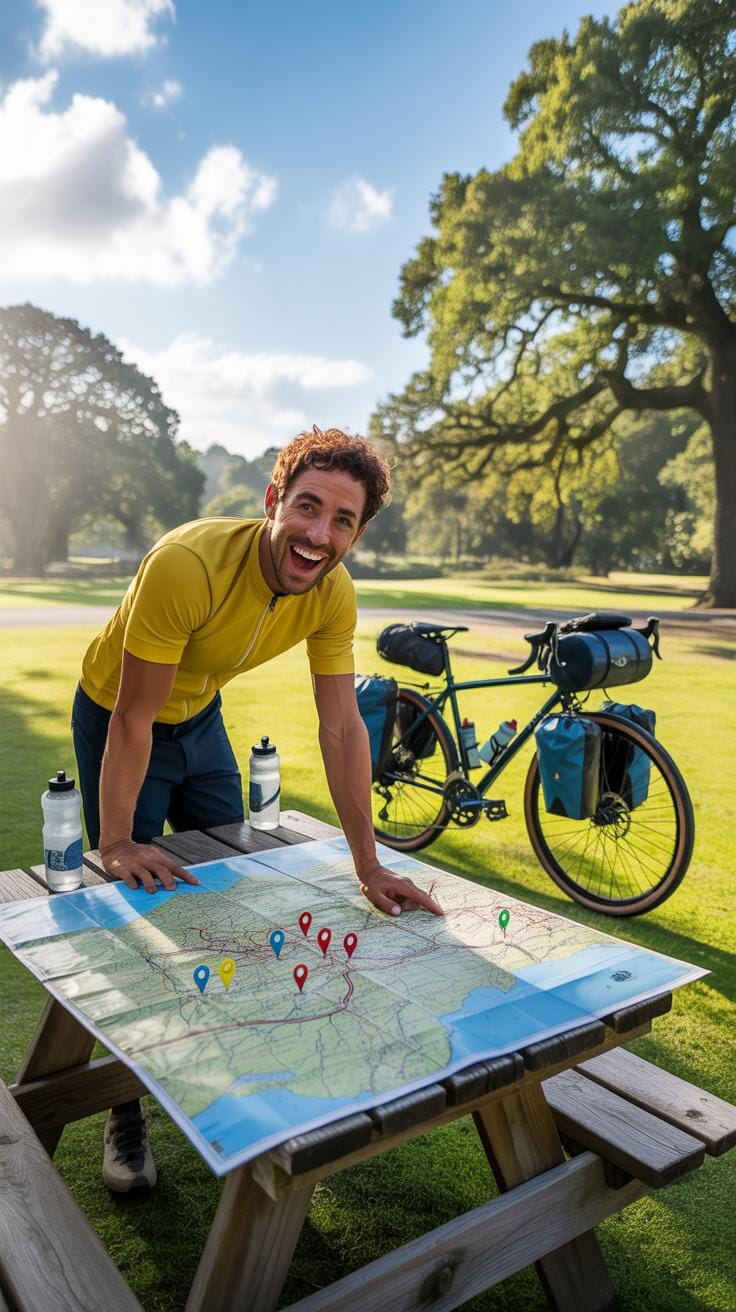
When planning a bike trip, picking the right route matters a lot. You want paths that feel safe but also bring some joy to the ride. Apps like Komoot and Strava can help you find popular cycling routes or even tucked-away trails. Local cycling maps or forums often reveal less busy, bike-friendly streets. Remember, what’s safe for one might feel risky for another — traffic, surface conditions, and lighting play a role. Sometimes, a scenic but slightly longer route is better for your peace of mind.
Packing Checklist For Bike Travel
Packing smart means fewer surprises on the road. Basic repair kits should include a spare tube, tire levers, and a mini-pump. Weather can change fast, so bring layered clothing—think breathable fabrics and a rain jacket. And don’t forget hydration: a water bottle or pack is a must. Snack-wise, energy bars or fruit can keep you going. Sunglasses and sunscreen often get overlooked but are game-changers on sunny rides. It’s a bit of a balancing act between packing light and being prepared.
Estimating Distances and Time
Figuring out how far you can comfortably ride in a day isn’t always straightforward. Beginners might find 20 to 30 kilometers a good start, while experienced cyclists often tackle 50 or more. Terrain matters too—hills slow you down more than you’d expect. Plan for breaks; even short rests add up. It’s better to underestimate how much you can do than to push too hard and get exhausted early. On that note, having a loose schedule rather than a rigid plan lets you adapt if needed.
Bike Maintenance Essentials
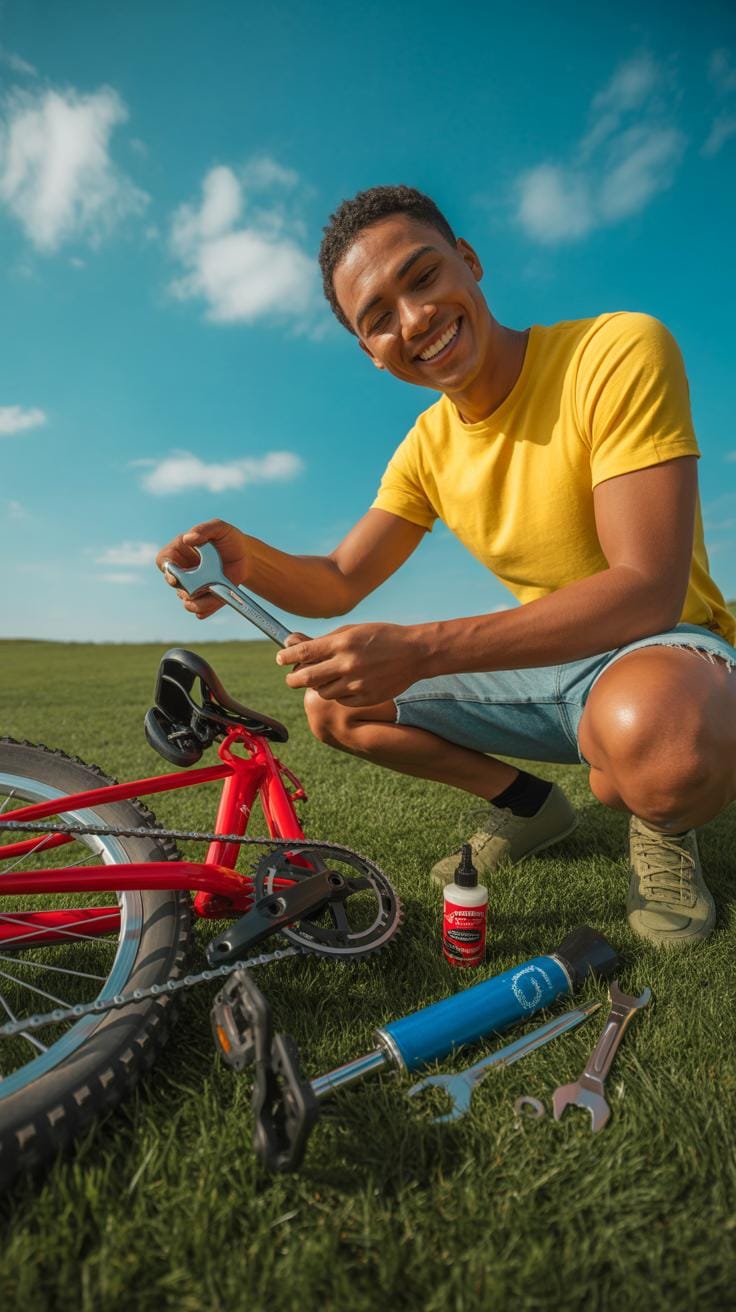
Taking care of your bike is key to keeping it running smoothly and safely. Every day before riding, you should check a few simple things. First, look at your tires. Are they properly inflated? Tire pressure affects your ride comfort and safety, so a quick squeeze or gauge check helps. Next, test your brakes by squeezing the levers to make sure they engage well—if they feel loose or weak, it’s time to adjust or inspect them more closely.
Cleaning is something that might seem basic, but it really helps prevent wear. You don’t have to be fussy, but wiping down the frame and removing dirt from your chain can extend your bike’s life. Use a suitable bike cleaner or mild soap and water. After cleaning, always dry important metal parts to stop rust from settling in.
Lubrication is another vital step. Applying lubricant to the chain reduces friction and noise while making pedaling easier. Be careful not to overdo it—too much oil attracts dirt and causes buildup. A drop every few rides usually works. Remember, different parts need different care; the chain and derailleurs need oil, but your brakes and rims should stay clean and dry.
Doing these simple checks and care routines regularly can save you from unexpected breakdowns and costly repairs. Have you ever had a ride spoiled because of a neglected chain or flat tire? A little maintenance might have saved the day.
Choosing The Right Bicycle For You
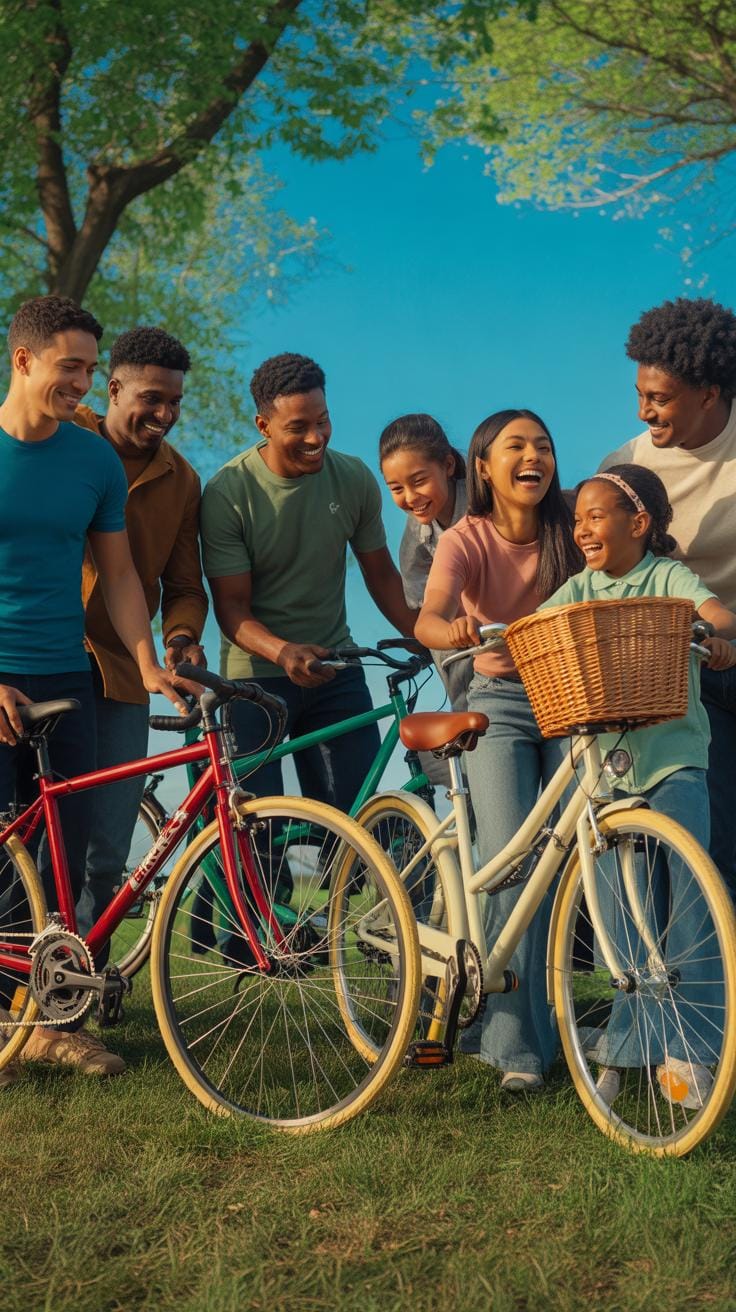
Selecting a bike really depends on what you want to do with it. For city commuting, you might want a bike that’s sturdy and comfortable—something that can handle the occasional pothole or sudden stop. On the other hand, if fitness is your goal, a lighter road bike is often the better pick. For mountain biking, obviously a mountain bike built to tackle rough trails is essential.
So, what are the main bike types? Road bikes are made for speed on pavement. Mountain bikes handle rough terrain with wider tires and suspension. Hybrids, as you might guess, mix features from both: they’re versatile and great for city and light off-road use. Each type fits different needs, so it’s good to think about your priorities.
Now, sizing matters. A bike that’s too big or too small can be uncomfortable and tricky to control. Generally, frame size is based on your height and leg length. Sitting on the bike, you want to reach the ground with your toes and have a slight bend in your knees when the pedal is at the lowest point. Features like adjustable seats and handlebars help make the ride more comfortable, especially if you’ll be spending a lot of time on the bike.
Have you tried a few bikes yet? It might feel a bit awkward at first, but testing different kinds can quickly show you what fits your style and body. Sometimes, the best bike is the one you enjoy riding most—even if it’s not the “typical” choice for your purpose.
Weight Management With Cycling
How Bike Riding Supports Weight Control
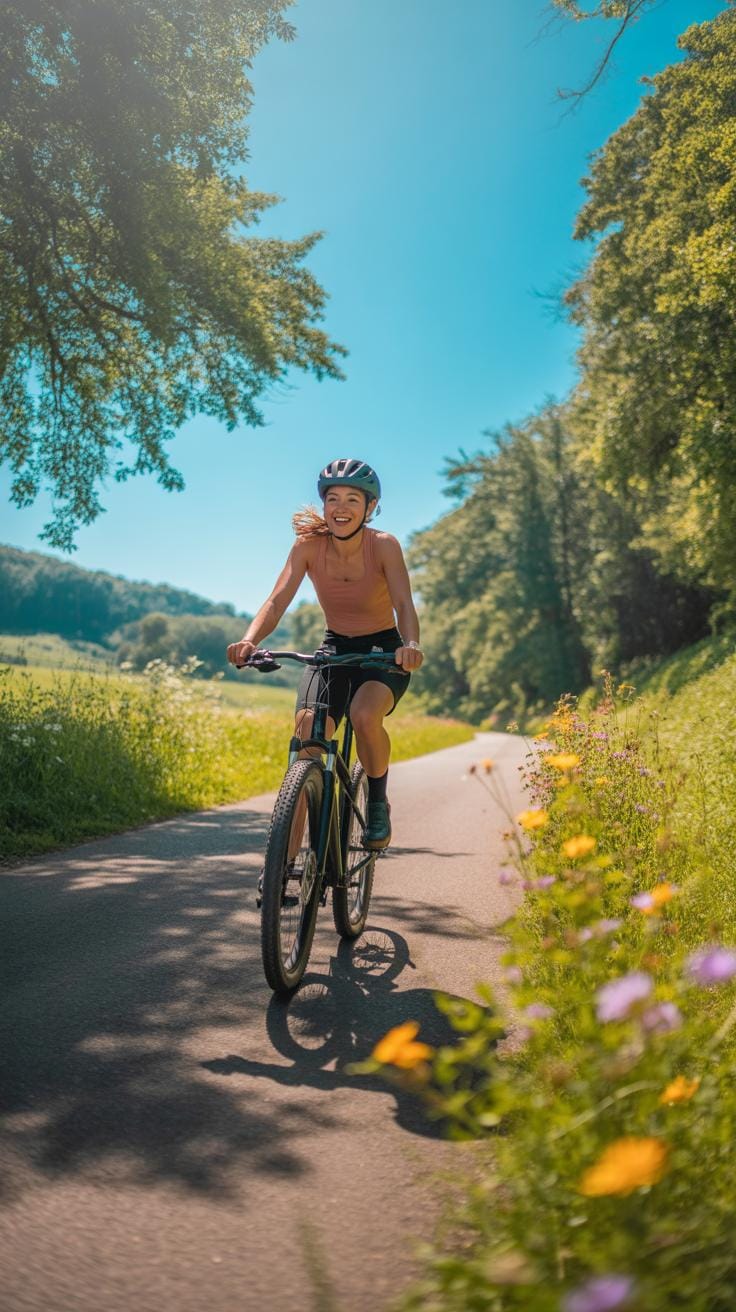
Riding a bike regularly can help you shed pounds or keep them off if you’re consistent. Think of it—your body burns calories every time you pedal, but how much depends on your speed and how long you ride. Cycling activates large muscle groups, boosting your metabolism, which means more calories burned even after you stop riding.
So, how often should you cycle? Most experts suggest aiming for at least 150 minutes per week of moderate cycling, like a pace you could hold a conversation at but still feel your heart working. If you want faster weight loss, increase the intensity or duration slightly, but remember, too much can lead to burnout or injury.
Calories Burned at Different Speeds and Durations
Here’s a rough idea of calories you might burn:
- At a gentle pace (around 10 mph), 30 minutes might burn 200-250 calories.
- Upping the speed to a moderate 12-14 mph could burn 350-450 calories in the same half-hour.
- Going faster than 15 mph, you might burn 500 or more calories in 30 minutes.
Duration matters too. A short, intense ride can burn lots of calories quickly, but longer, steady rides add up. It’s not always about pushing super hard.
Tips for Making Cycling a Habit
Building a cycling habit that sticks can be tricky. Start small and pick routes you enjoy. Mix in rides with friends or family to keep things interesting.
Try these to stay consistent:
- Set a specific time each day or week for cycling.
- Keep your bike somewhere visible; it makes it easier to remember.
- Join local cycling groups or classes for motivation.
- Track your rides with apps to see progress and stay motivated.
Of course, life’s busy, and you might skip days. Don’t sweat it—just get back at it when you can. It’s the overall pattern that counts.
Cycling For Environmental Benefits
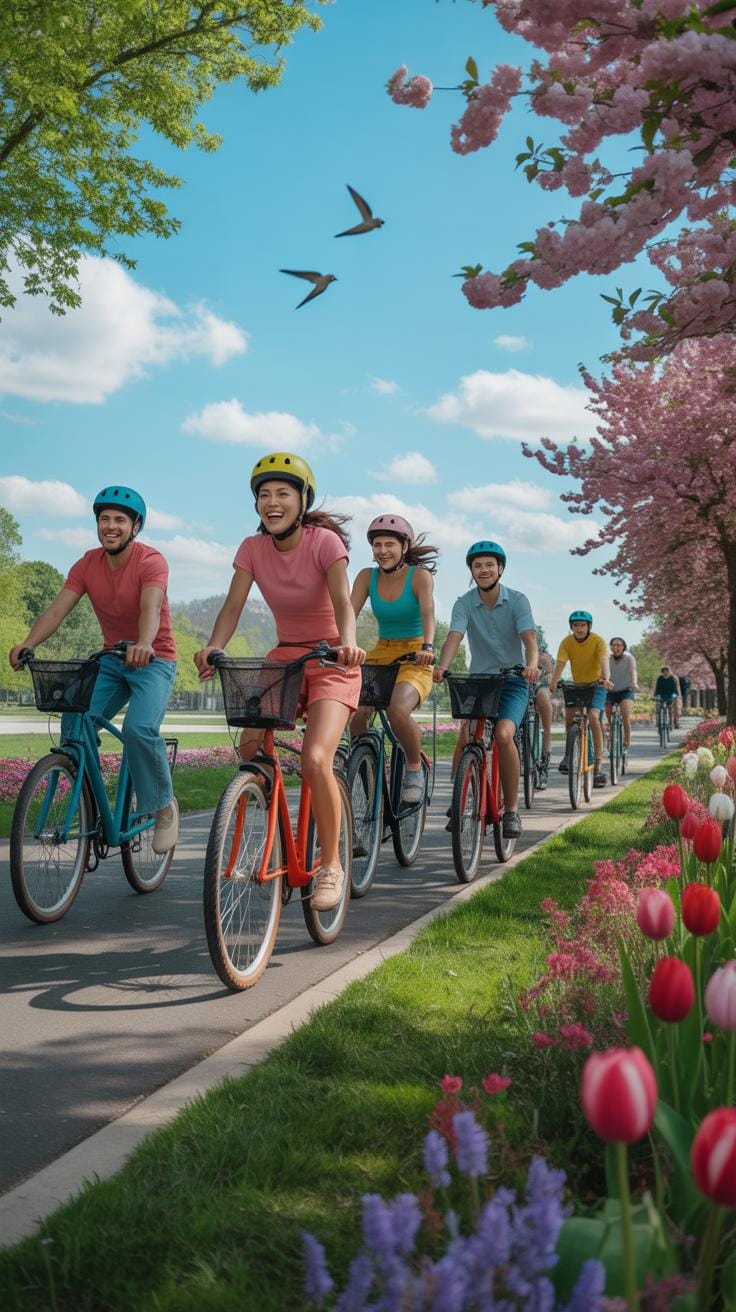
Riding a bike is more than a way to get from point A to point B. It can actually play a significant role in lessening air pollution and reducing traffic congestion. When you choose your bike over a car, you’re not emitting those harmful exhaust fumes that clog the air. It’s quite straightforward: bicycles don’t burn fuel, so they don’t release carbon monoxide, nitrogen oxides, or other pollutants that come from car engines.
Think about rush hour—with more bikes, fewer cars crowd the roads. The resulting traffic flow can become smoother and somewhat less frustrating. Sure, it’s not a fix for every traffic jam, but in many urban areas, an increase in cyclists often correlates with improved overall traffic conditions.
Reducing Carbon Footprint With Bikes
You’ve probably heard about carbon footprints. Bikes help shrink yours, simply because they don’t rely on fossil fuels. Transport is a major source of greenhouse gases globally; by riding a bicycle, you cut down on your personal emissions dramatically. This might sound like a small step, but if more people swapped one short car trip for a bike ride daily, the combined effect could be noticeable.
Community Impact Of More Cyclists
There’s something about seeing more cyclists around that encourages a sense of community. It nudges people to be a bit healthier, more active, and even more patient on the road. Increased bike use can mean fewer accidents by creating an environment where drivers become more aware of cyclists, promoting safer streets overall.
Your neighborhood can benefit from less road noise and lower maintenance costs because bikes cause less wear and tear than cars. Plus, it’s not just about environmental health but community well-being—less congested roads, friendlier neighborhoods, and maybe even more people out enjoying the fresh air on their daily commute or errands. Does that make you rethink your travel choices?
How To Track Your Cycling Progress
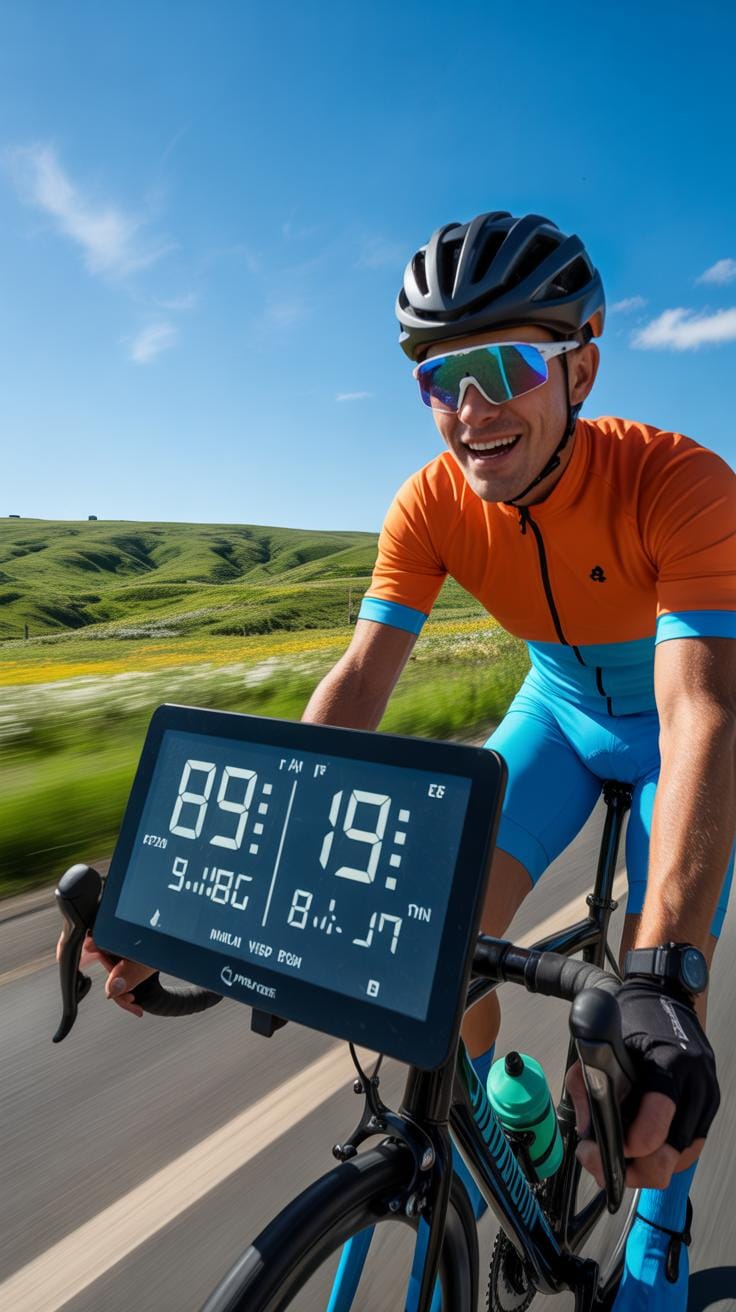
Tracking your cycling progress can seem a bit tricky at first, but it doesn’t have to be complicated. Whether you’re a beginner or someone who’s been riding for a while, knowing how to monitor your rides can help keep you motivated and highlight your improvements over time.
One of the easiest ways to start is by using technology. There are plenty of apps like Strava, Garmin Connect, or MapMyRide that record essential stats—distance, speed, elevation gained, and calories burned. If you prefer something right on your bike, bike computers offer real-time data and can be pretty straightforward to use. I’ve tried a few, and while some are pricier, a simple model often covers the basics well enough.
But technology isn’t the only path. Setting realistic, personal goals plays a big part. You might aim to increase your weekly miles by a small percentage or improve your average speed gradually. Keep these goals visible, maybe jot them down or use a calendar. Just something simple that keeps you on track. Goals help, especially on days when enthusiasm dips.
Tracking your progress isn’t only about cold numbers, either. Think about how you feel physically and mentally. Sometimes, the best sign of progress is feeling less tired tackling a familiar route. That balance of tech tools and straightforward goal-setting can give you a clearer picture of your cycling journey.
Common Cycling Challenges And Solutions
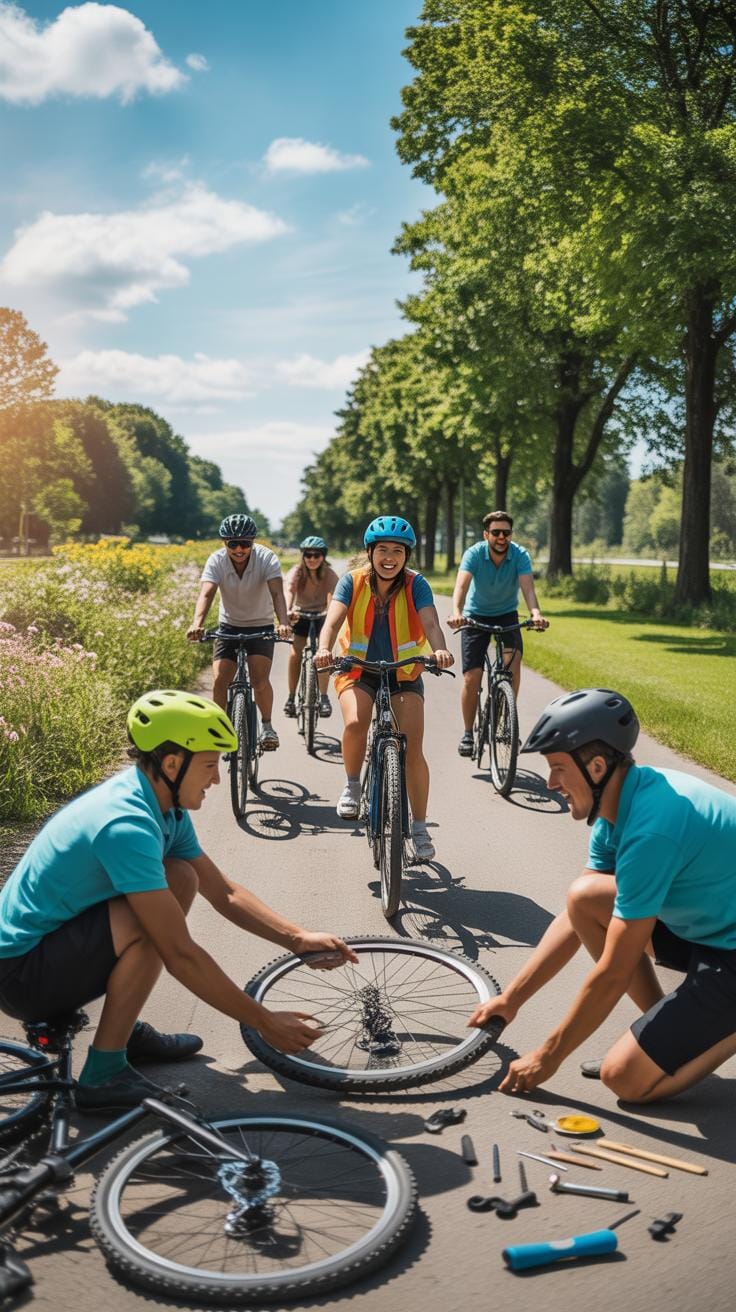
Cycling is enjoyable but comes with its own set of challenges riders often face. You might feel fatigue during long rides, tire punctures out of nowhere, or suddenly find yourself caught in bad weather. These issues can disrupt your journey, but a few practical tips can help you overcome them.
Fatigue is common, especially for beginners. Taking regular breaks, staying hydrated, and pacing yourself prevents burnout. Also, mix easy and challenging routes to build stamina gradually. Prepping your bike is key—check tire pressure and brakes before heading out to avoid surprises.
Flat tires can ruin a ride, but carrying a basic repair kit like tire levers, a pump, and spare inner tubes can save you. Learning to fix flats yourself is worth the effort; it’s simpler than you might think and keeps you on the road.
Bad weather is tricky. Dress in layers and wear waterproof gear to stay dry and warm. Adjust your speed on wet surfaces to maintain control. If the wind picks up, lean into it and alter your route if possible. Planning helps you face conditions without stress.
Over time, you’ll notice what works best for you. Dealing with these common problems becomes easier and even less bothersome, allowing you to enjoy cycling more freely.
Handling Mechanical Problems On The Go
Mechanical glitches during rides are frustrating but manageable. Flats and chain troubles top the list. Carrying a multi-tool and knowing how to use it matters—a loose chain or a stuck wheel is less scary when you can fix it on site.
For flats, first remove the wheel, then the tire using levers, check for sharp objects, patch or replace the tube, and reassemble. Chain fixes usually mean cleaning off dirt and rethreading the chain correctly.
A bit of practice beforehand makes a huge difference. You feel less stranded, and that confidence can transform your entire experience.
Riding Safely In Different Weather Conditions
Weather affects cycling safety and comfort. Rain demands extra caution; wet brakes don’t stop as fast, so slow down and maintain a safe distance. Bright, reflective clothing and lights improve visibility in gloom.
Wind can throw you off balance. When gusting sideways, lean into the wind to keep steady, and anticipate sudden gusts near open areas or bridges. Tailwinds help, but be ready if they shift suddenly.
Heat calls for light clothing and frequent hydration. Early mornings or evenings can be cooler and safer times to ride in summer heat. Pace yourself—overexertion in high temperatures can lead to heat exhaustion.
Adapting to weather is part of becoming a smarter cyclist. It pushes you toward better planning and gear choices — habits that pay off every ride.
Bicycle Riding For Different Age Groups
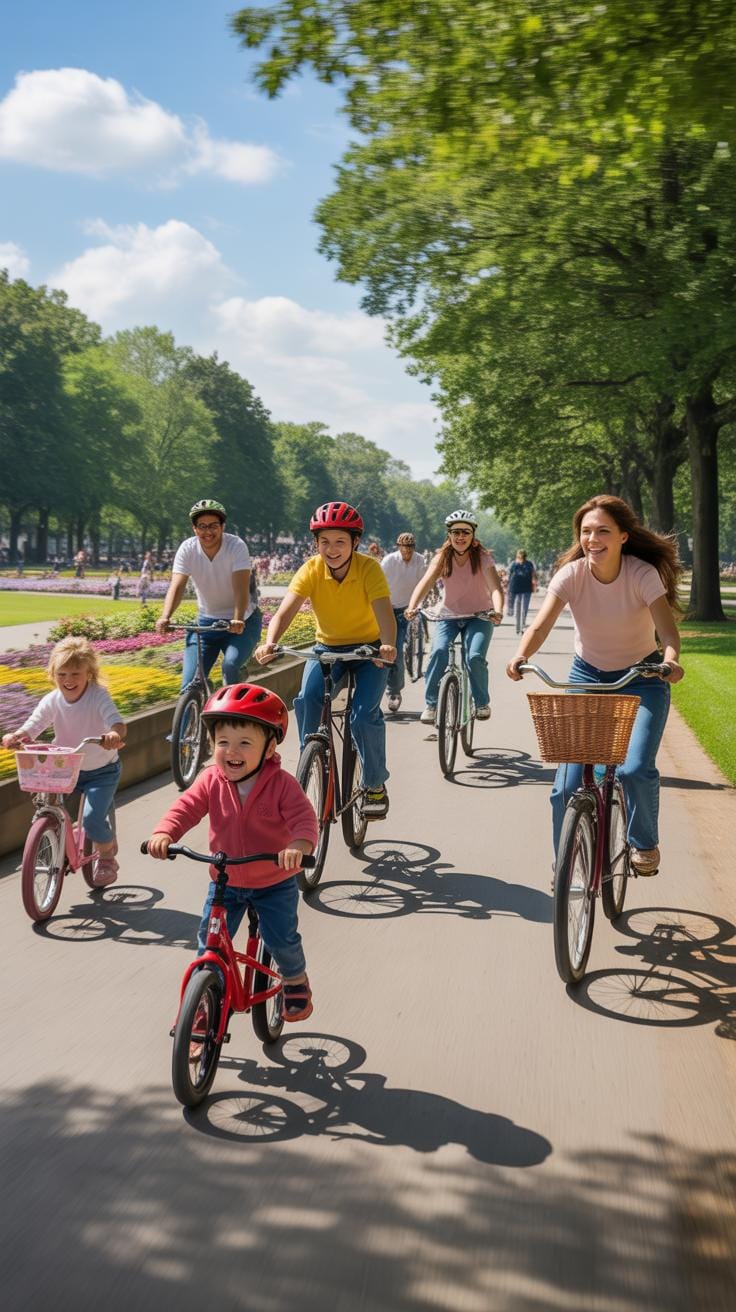
Cycling is one of those rare activities that suits almost everyone, from tiny kids wobbling on their first bike to seniors savoring a gentle ride through the park. Yet, the way each group approaches biking can differ quite a bit, with a mix of benefits and precautions unique to the age and ability of the rider.
For kids, biking builds not just physical fitness but coordination and confidence. Helicopter parents might worry about safety, which is valid, but introducing cycling early with proper helmets and safe, smooth paths can make a world of difference. It can be a joyous, almost magical learning curve for them.
Adults often find biking a reliable way to fit exercise into busy schedules. It’s also a refreshing break from sedentary habits and a practical mode of travel. The challenge, though, lies in balancing intensity with rest to avoid overuse injuries or burnout.
Older adults benefit from cycling as a low-impact way to maintain joint mobility and cardiovascular health. Still, the pace and duration often need adjustment, prioritizing comfort and avoiding risky terrains. It can help delay mobility decline but requires careful listening to the body’s signals.
Starting Kids With Bike Riding
Getting kids started on bikes isn’t about rushing them onto a two-wheeler immediately. Many start on balance bikes that focus on balance before pedaling, building confidence steadily without the falls that come with training wheels. You can encourage exploration and play without pressure, letting kids pick up skills at their own pace.
Of course, protective gear is non-negotiable. Helmets that fit right, knee and elbow pads, and supervision in traffic-free zones ease parents’ minds. Short, frequent rides rather than long sessions keep the activity fun, not tiring. I’ve seen kids light up when biking is framed as a game rather than a lesson.
Cycling Benefits For Older Adults
Seniors riding bikes can sustain independence longer. Regular cycling supports muscle strength and bone density, while also enhancing balance and coordination, key factors in fall prevention. It’s not uncommon to hear older riders say they feel “younger” after a ride.
Cycling routes for seniors often need to be flatter and smoother. Pacing matters more than distance, and the social aspect can be crucial—group rides offer motivation and companionship. All this contributes not just to physical health but also helps combat loneliness and mental decline. It’s a simple way to keep life moving forward—perhaps literally.
Conclusions
Bicycling stands out as a beneficial activity that positively impacts your physical and mental health. It strengthens your body, lifts your mood, and contributes to a greener environment. Whether cycling for fitness or commuting, regular riding enhances your lifestyle.
To gain and sustain the benefits of biking, it is important to ride safely, maintain your equipment, and plan your routes carefully. Incorporating bike riding into your routine can lead to healthier habits and enjoyable travel experiences.