
Introduction
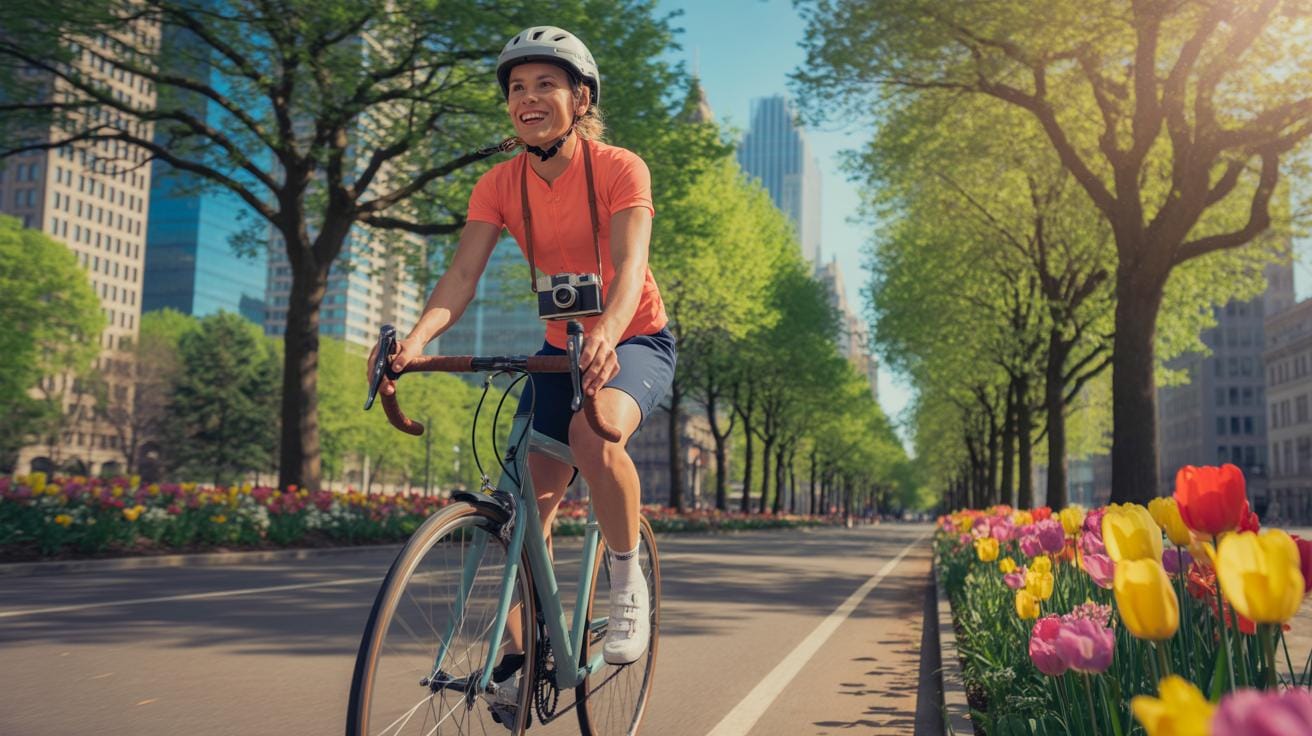
Riding a bike offers a simple way to improve your health and enjoy the outdoors. It combines physical exercise with fresh air, which can lead to better fitness and mental well-being. In this article, we will look at the health benefits of cycling and how you can use your bike to explore the city and capture great photos.
Beyond health, cycling in the city opens up opportunities for photography. You can discover unique views and moments that are hard to reach by car or on foot. We will share tips on how to take photos while you ride safely and effectively.
Health Benefits Of Bike Riding
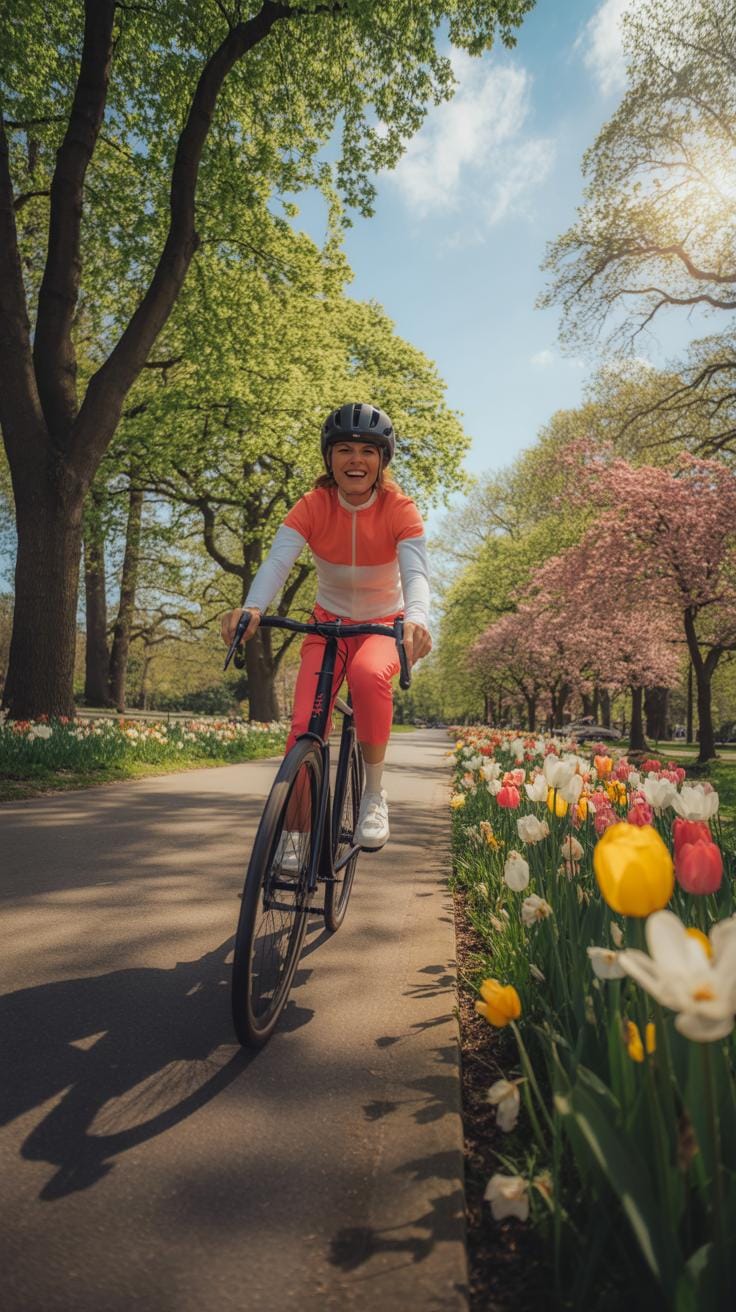
Riding a bike can have a notable impact on your physical and mental wellness. For one, it’s a natural way to boost heart health. Regular pedaling helps improve circulation and lowers blood pressure. Maybe you’ve noticed your stamina goes up over time, even if it’s just cycling errands or a short commute.

Then, there’s the strengthening of muscles. Cycling works several major groups—not just your legs, but also core and back muscles. It’s a low-impact exercise, so it usually won’t aggravate issues with your joints as running or other high-impact sports might. I’ve found that consistent riding like a few times a week makes my legs feel firmer without the usual aches you get from weightlifting or other intense workouts.
Besides the physical benefits, cycling does something to your headspace as well. The rhythmic motion and focus needed while riding can help reduce stress. After a tough day, hopping on my bike almost feels like switching gears mentally—weird, but that breeze and movement do lift anxiety. There’s a bit of calm that comes from just being outdoors and moving, even if you’re just wheeling through city streets.
- Boosts cardiovascular health and endurance
- Strengthens muscles with low strain on joints
- Offers relief from stress and anxiety
- Helps improve mood and mental focus
Have you noticed how your mind tends to clear a bit when you ride, even during short trips? Perhaps it’s the combination of exercise and fresh air that makes cycling unique among workouts. So riding a bike isn’t just about fitness; it’s a straightforward way to feel better, both physically and mentally.
How To Start Riding A Bike Safely

If you’re just starting out, the idea of hopping on a bike can feel a bit overwhelming. But with a few basics covered, you’ll soon find your rhythm. First, picking the right bike is crucial—many beginners don’t realize how much size matters. Your feet should touch the ground comfortably when you sit on the seat. Whether it’s a road bike or a mountain bike depends on where you plan to ride, but comfort should never be sacrificed. A bike that feels awkward or heavy will quickly discourage you.
Safety gear can’t be overlooked. A helmet is non-negotiable. You might also want lights for visibility if you ride in low-light conditions, and reflective clothing helps drivers spot you, especially when city streets get busy. You want to be seen as much as possible.
And while you don’t need to be a traffic expert, knowing basic road rules is essential—stop signs, hand signals, riding in the correct lane. These rules exist to keep you safe and predictable to drivers.
Think of these steps as your checklist:
- Choose a bike that fits you well and suits your riding environment.
- Invest in a helmet, lights, and reflective wear.
- Learn and apply basic road safety rules.
Starting cautiously will help you enjoy cycling more than stressing about every little detail.
Why Ride A Bike In The City
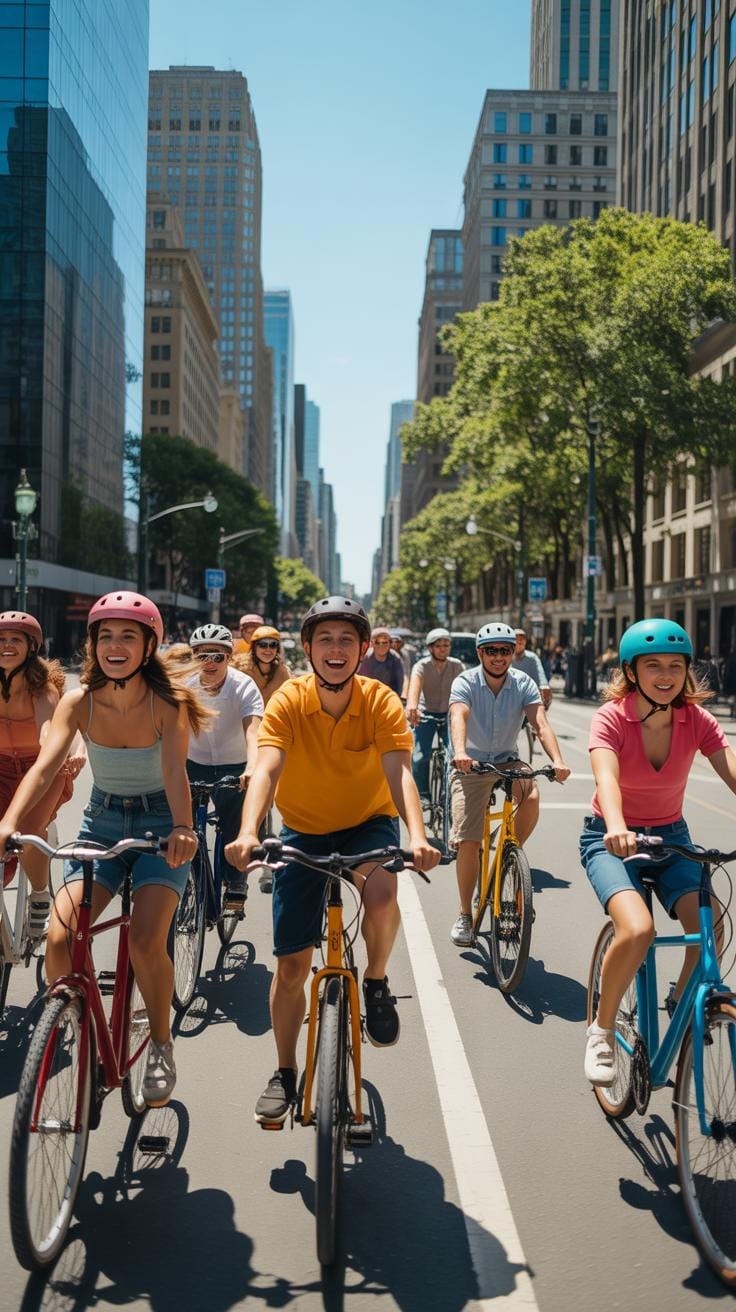
People choose to ride bikes in urban areas for many reasons, often blending convenience, environmental concerns, and health benefits. For instance, a bike ride can sometimes be faster than driving, especially during peak traffic hours when cars get stuck in jams. You might find that hopping on a bike fits more easily into your daily routine compared to searching for parking or waiting for public transit. It’s also a quieter, cleaner way to get around, so your choice helps reduce pollution and improve air quality.
On the health side, riding a bike keeps you active without demanding extra time for the gym. It’s a kind of exercise you naturally weave into your everyday life. And yes, there could be moments when the roads feel overwhelming, or the weather might not cooperate, but these challenges often encourage riders to develop better habits and resilience.
In short, urban cycling is more than just moving from one place to another. It’s practical, kind to the environment, and good for your well-being—even if it takes a bit of extra effort sometimes.
Benefits Of Urban Cycling
Urban cycling offers time-saving advantages. You can bypass traffic congestion and avoid delays caused by public transport schedules. Instead of sitting in stop-and-go traffic, you’re actively moving, which means getting to your destination often quicker than expected.
Besides saving time, cycling dramatically cuts down on pollution. Cities get choked with vehicle emissions, and every bike ride removes another car from the streets, contributing to cleaner air. For people juggling busy lives, cycling also slots neatly into daily commitments. You’re not adding separate workout hours; that commute doubles as exercise.
Common Challenges Of City Riding
City cycling isn’t always smooth. There’s traffic to worry about—cars, buses, pedestrians, sometimes all at once. Sharing the road demands attention and tact, which can be stressful. Weather is another factor; rain or wind can turn a pleasant ride into a tougher experience.
Yet, these difficulties aren’t insurmountable. Wearing appropriate gear, choosing safer routes, and staying alert are simple ways to manage risks. Many cyclists develop a sense of timing, like avoiding rush hours or scouting sheltered paths, to make city riding more comfortable.
Best Practices For City Cycling Photography
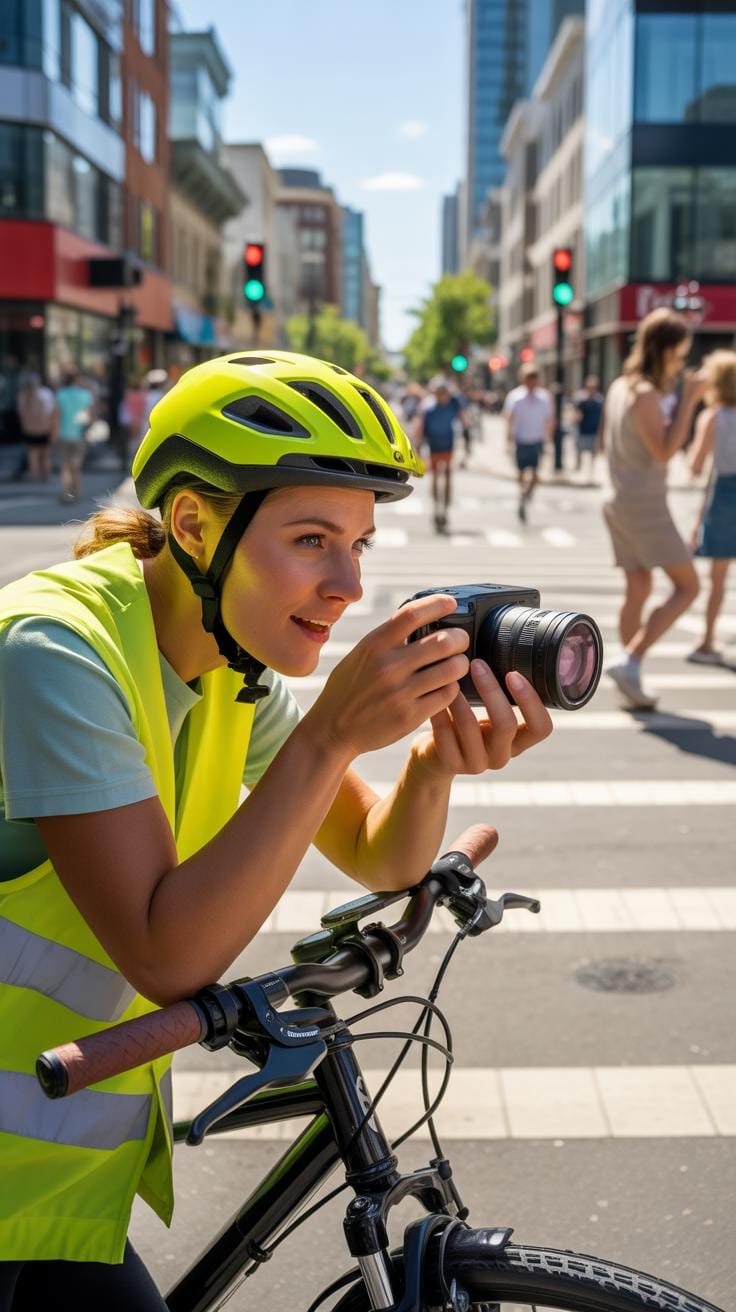
Riding a bike through the city offers a unique perspective, but capturing those moments while cycling demands care and attention. You must stay aware of the traffic, pedestrians, and road conditions—you can’t just stop wherever you want. Finding safe spots to pause for photos is key, like at traffic lights or quieter side streets. Sometimes, I find myself hesitating—should I risk a quick snapshot on the move, or wait until I’m safely parked? Usually, waiting is wiser.
Regarding equipment, lightweight and durable cameras or smartphones that can be quickly accessed are essential. Bulky gear slows you down and increases risk. Personally, I prefer a compact setup—my phone on a secure mount or a small action camera. Constantly stopping and starting can disrupt your ride flow, so timing your photo stops to fit naturally within your route makes the trip smoother.
Composition-wise, cityscapes offer dynamic backgrounds and interesting frames. Try to capture reflections on wet streets or the geometry of bike lanes. But be ready to adapt—urban environments change quickly. Waiting too long at one spot might cause you to miss capturing spontaneous moments. It’s a balance between preparation and spontaneity, safety and creativity.
Have you noticed how the best cycling photos often come from brief stops rather than shots taken while riding? It makes sense. You’re safer and your images often turn out clearer. Still, there’s something tempting about capturing motion; just remember, no photo is worth risking an accident.
Ride A Bike
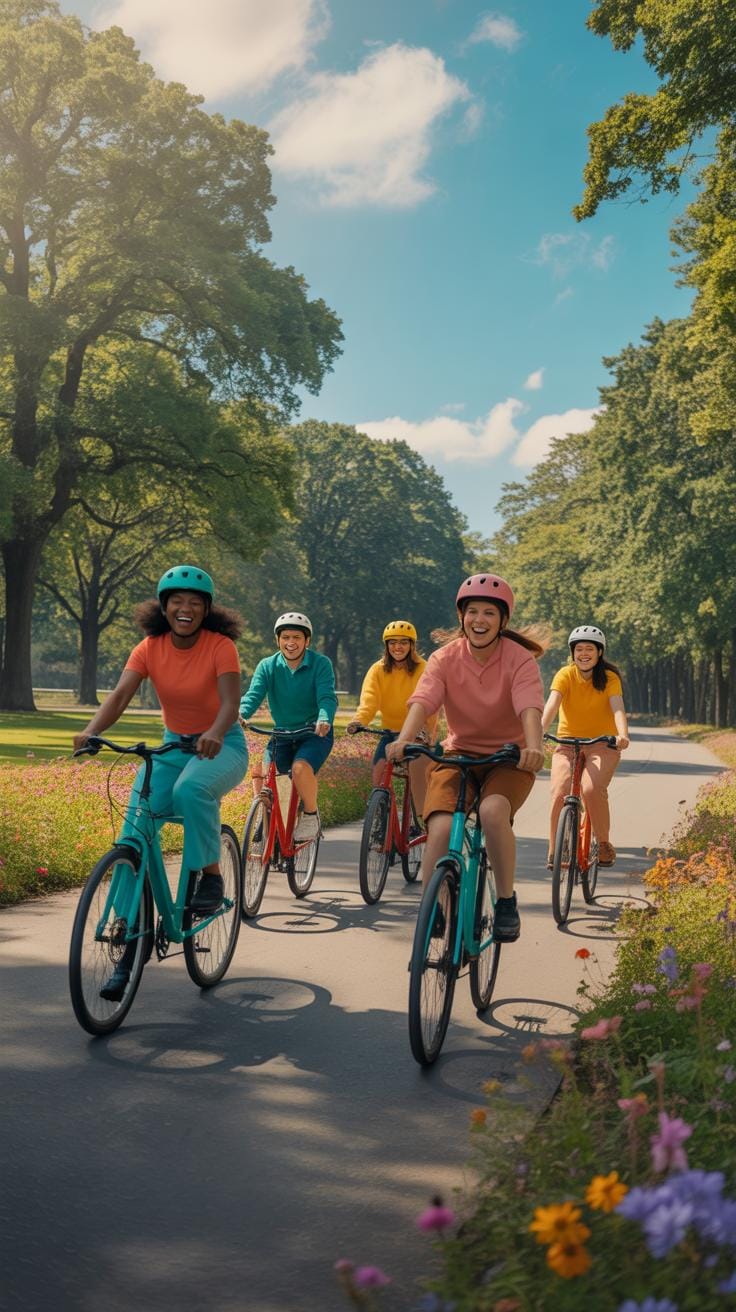
Riding a bike offers you more than just transportation; it’s a way to engage with your city and yourself. Whether you choose a road bike or a utility bike, the experience of cycling can shift your perspective on daily travel. You feel the rhythm of your own pace, the wind brushing past, that subtle but steady workout building up.
On some days, quick sprints on a road bike can feel almost like an escape, a way to challenge your speed and stamina on smooth pavements. Suddenly, your commute doubles as exercise. That’s a perk many overlook. But not every ride needs to be about fitness. Utility bikes turn the ride into a practical matter — carrying groceries, bags, or a few errands done without the hassle of traffic and parking. You trade speed for comfort and convenience.
So, which bike fits your city life? Fast, fitness-driven rides that let you breeze through? Or slower, steadier rides where stability and load-carrying trump speed? Sometimes, you might find yourself needing both, depending on your mood and tasks. And that’s okay.
Remember, riding is also about your personal rhythm — how you like to move, what feels right, and how your bike complements that rhythm. You may start out seeking speed but end up appreciating a slow, relaxed ride through town. Or vice versa. The bike you choose can shape how you see your city, and how city life feels to you.
Important Maintenance Tips For Your Bike
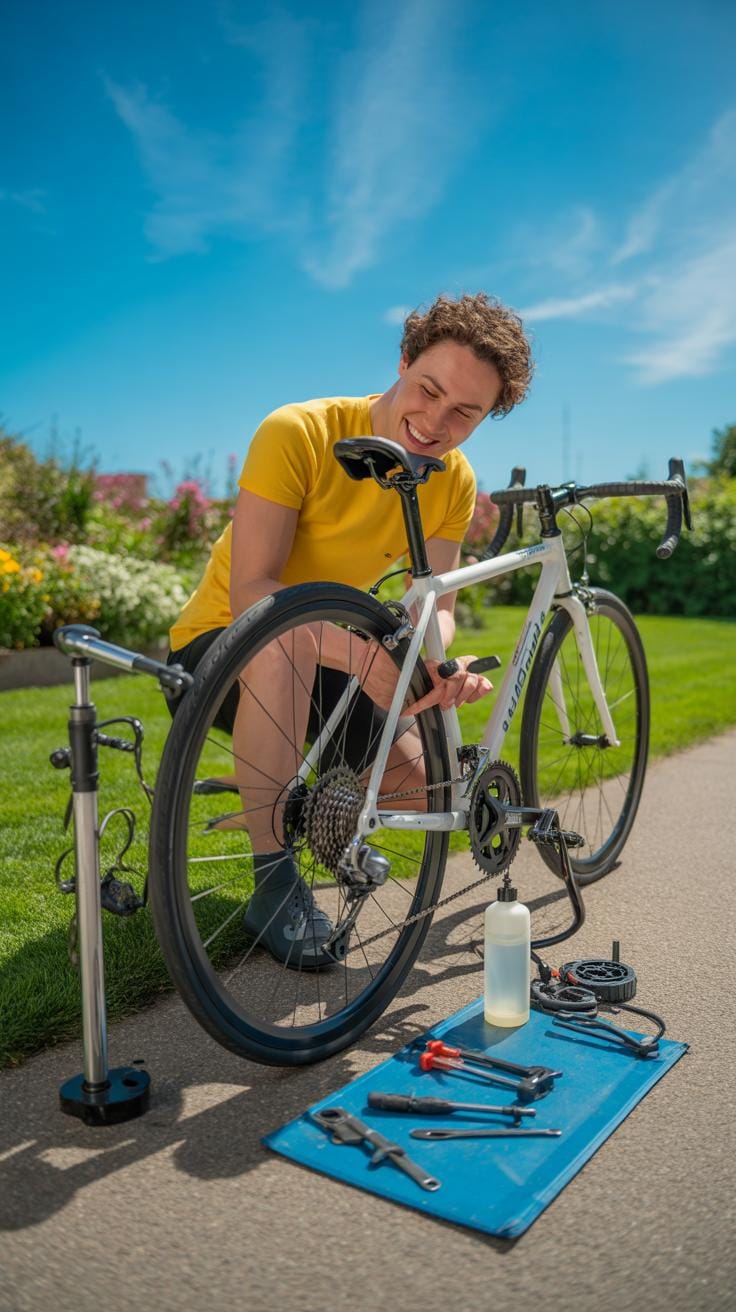
Keeping your bike in good shape isn’t just about safety; it makes every ride smoother and more enjoyable. You might not need a mechanic for every little issue. Some basic maintenance anyone can handle with a bit of patience and the right tools.
First, check your tires before heading out. Look for wear, cracks, or low air pressure. A quick squeeze can tell you if they feel too soft. Next, examine your brakes – the pads should press firmly against the rims without rubbing constantly. If they seem spongy or slow to respond, adjustments are needed. Your chain should be clean and move smoothly. Stiff or rusty links slow you down and can cause damage if ignored.
Some fixes you can try at home: patching a flat tire is surprisingly doable. Just remove the wheel, find the hole, patch it, and pump it back up. Loose chains are easily tightened by adjusting the rear wheel position or using a chain tool if needed. Brake adjustments often involve turning the tension screws or repositioning cables — it’s fiddly but manageable.
Don’t wait for a breakdown to act. Regular, simple care will save you frustration, and chances are you’ll learn more about your bike than you expected. Also, you’ll spot small problems before they turn into big repairs. So, aren’t you curious to see how small efforts can extend your bike’s life? Give it a go next time you prepare for a ride.
Using Cycling Apps For Navigation And Tracking
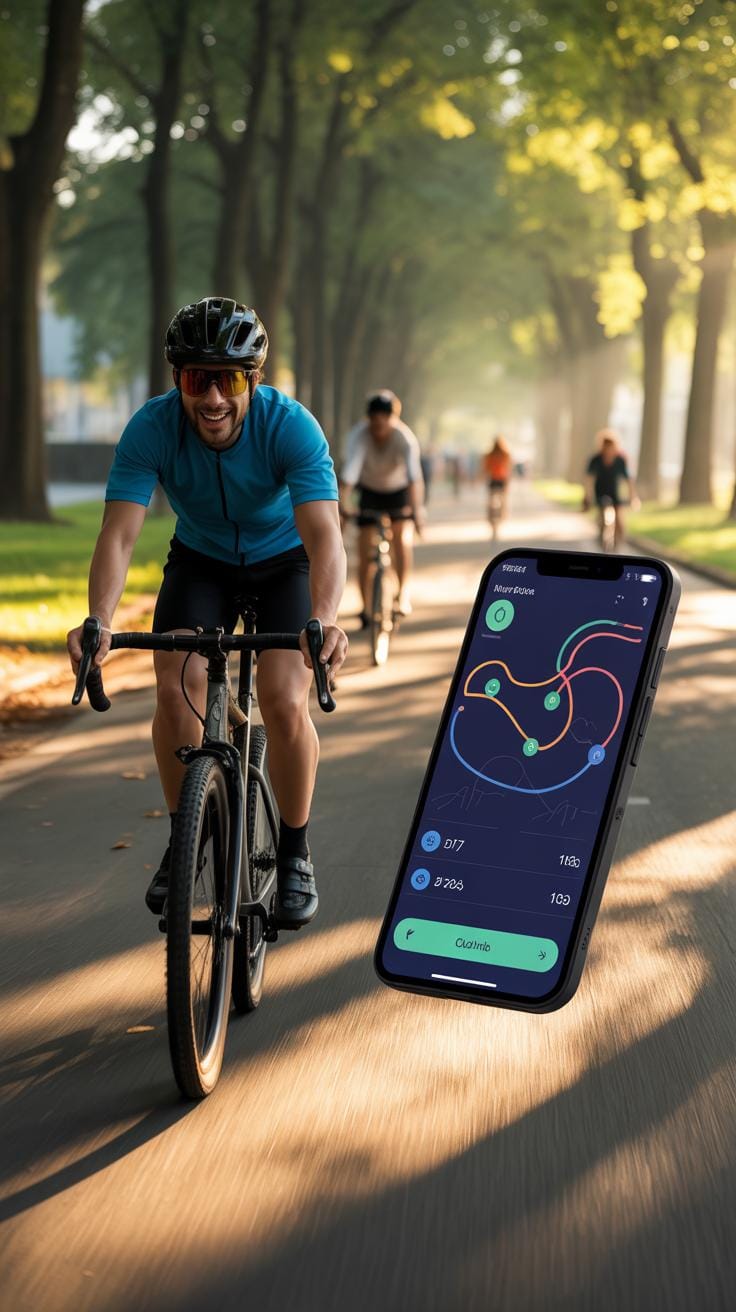
Smartphone apps have changed the way many of us get around on bikes. It’s more than just maps on the screen; these apps act as little assistants. They help you plan your route, keeping you away from busy roads or suggesting bike-friendly paths. I’ve found that some apps even alert you to unexpected road closures or hazards, which is quite handy when you’re exploring a new part of the city.
Safety gets an extra boost, too. Apps can share your real-time location with a trusted contact, so someone knows where you are if anything feels off. And then there’s the fitness tracking side—if you’re trying to improve your stamina or lose weight, the data these apps collect (like speed, distance, and calories burned) gives you a clearer picture of your progress. The app becomes a coach of sorts, setting goals and nudging you along.
Best Apps For City Cycling
Choosing applications depends on what you want, yet a few stand out:
- Komoot: Great for planning and finding bike-friendly routes, including off-road trails.
- Strava: Loved by many for tracking fitness with detailed stats and challenges.
- Google Maps: It’s widely available and surprisingly good at suggesting bike lanes and paths.
- Cyclemeter: Useful for recording routes and monitoring health stats over time.
Each one brings something slightly different. For example, Strava feels a bit like a social club, if you enjoy sharing your rides. Meanwhile, Google Maps is straightforward and reliable just about everywhere.
How To Use Apps Safely While Riding
Using these apps while cycling can be a bit tricky. It’s tempting to stare at your phone, but that’s risky. Try setting your route before you start. Let your phone read turn-by-turn directions out loud if it offers that feature—that way you don’t have to take your eyes off the road.
Some riders mount their phones on handlebars. This can help, but keep the display simple—too much information is a distraction. Also, consider pausing the ride if you need to check something complicated. Safety has to come before all else.
Are you the kind who can quickly glance and ride or do you find distractions creep in? It’s a personal balance and maybe a lesson in staying present while still making the tech work for you.
How To Combine Cycling With Photography
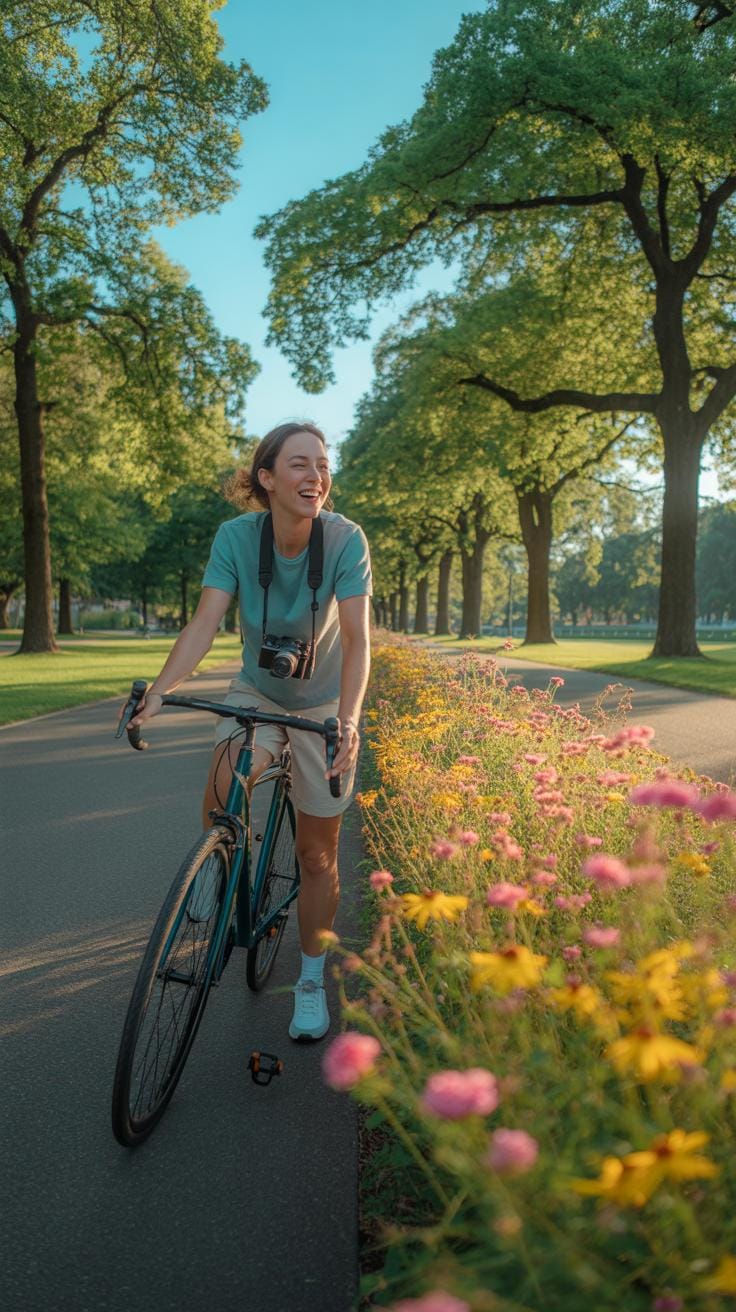
Riding a bike through the city is a fantastic way to explore and capture moments, but balancing the ride with photography can be tricky. You want to enjoy snapping photos without messing up your rhythm or, worse, risking safety. One approach is to keep your camera easily accessible, like in a hip bag or handlebar mount, so you can quickly catch a shot. Pausing briefly at safe spots is your best bet to focus and frame your photo well rather than trying to shoot while moving.
Think about your routes before heading out. Pick paths known for scenic views or photogenic street scenes, ideally with convenient places to stop—like parks, plazas, or quiet corners. It helps to sketch out a plan or check apps that suggest bike-friendly photo spots. That way, you avoid unnecessary detours or unsafe pauses.
For shooting on the go, practice fast framing: keep an eye on lighting and backgrounds as you ride and be ready to freeze your bike briefly for a quick shot. You don’t have to be perfect—sometimes a slightly candid, imperfect image tells the story better. Remember, the goal is to enjoy both riding and photography, not to stress about capturing the perfect image every time.
City Cycling Safety Tips And Rules
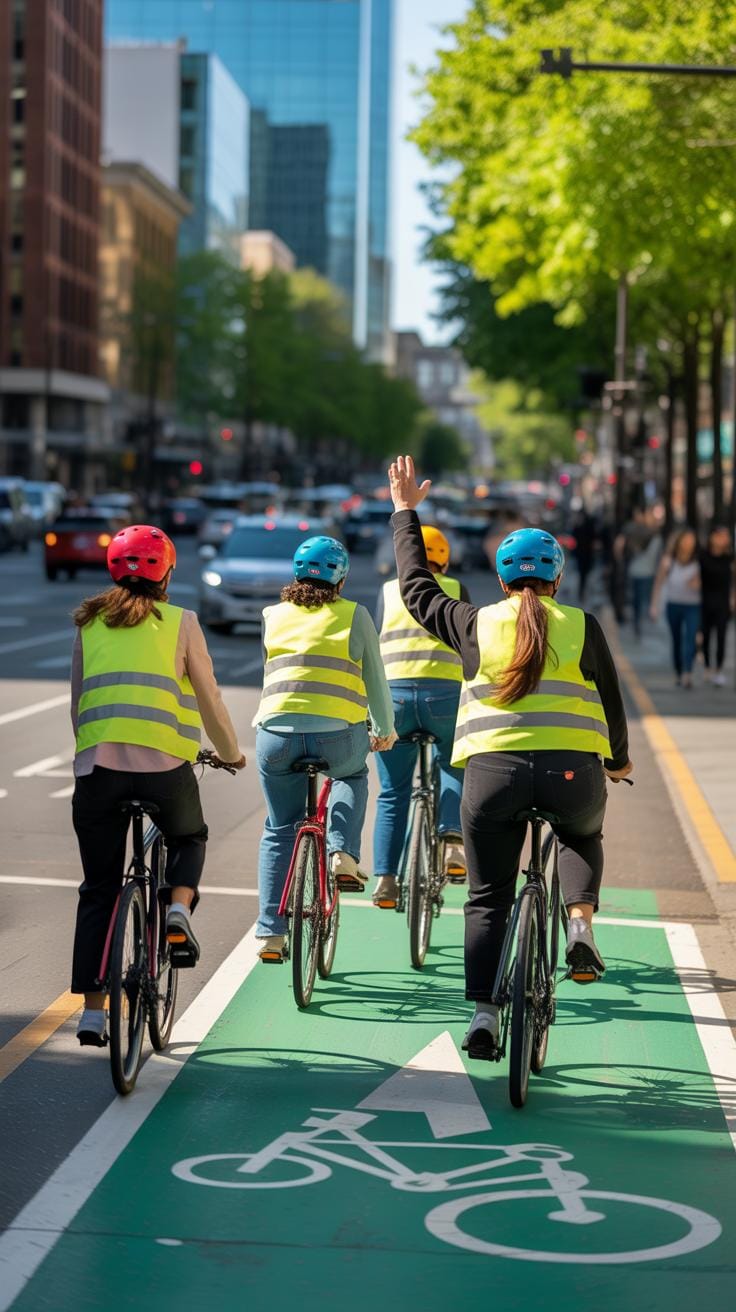
Riding a bike in the city demands more than just balance and pedaling. You need to constantly be aware of your surroundings, anticipate others’ moves, and respect the rules — some of which might catch you off guard.
For instance, in many European cities, specific zones restrict vehicle access at certain times. These limited traffic zones mean you have to be alert and know where you can actually ride your bike without fines. By the way, if you’re cycling in Italy, remember bicycles are considered vehicles, so you must follow the same rules cars obey, unless signs specify otherwise.
Sticking to major traffic laws isn’t just about avoiding penalties; it actually keeps you safer. Stop at red lights, yield to pedestrians, and always use bike lanes when they’re available. And here’s a subtle point: not all drivers expect cyclists to behave exactly like cars, so you might find yourself needing to double-check intersections even if you have the right of way.
Staying visible is critical. Wearing bright or reflective clothing can make a big difference, especially at dusk or in heavy traffic. Lights on the front and back aren’t just for nighttime — using them in the day can really catch a driver’s eye. Honestly, I’ve learned this the hard way when a driver nearly overlooked me on a cloudy afternoon.
Also, making eye contact with drivers before crossing intersections or changing lanes helps. It’s a simple way to confirm they see you. You might think this is obvious, but many cyclists skip it. Maybe it feels awkward, but it really helps prevent accidents.
Lastly, always wear a helmet. Some cities don’t mandate it, but it’s one of the few things that can protect you in a crash. Sure, it won’t prevent all injuries, but it might save your life – so it’s worth the slight inconvenience of wearing one.
Conclusions
Bike riding supports both your physical and mental health in many ways. It increases your fitness, helps control weight, and reduces stress. Plus, it is an eco-friendly way to move around the city. Finding time to ride regularly can change your lifestyle for the better.
City cycling also allows you to combine exercise with creativity through photography. Using the tips shared, you can enjoy capturing interesting scenes and moments safely. Riding a bike opens new paths for your health and enjoyment.