
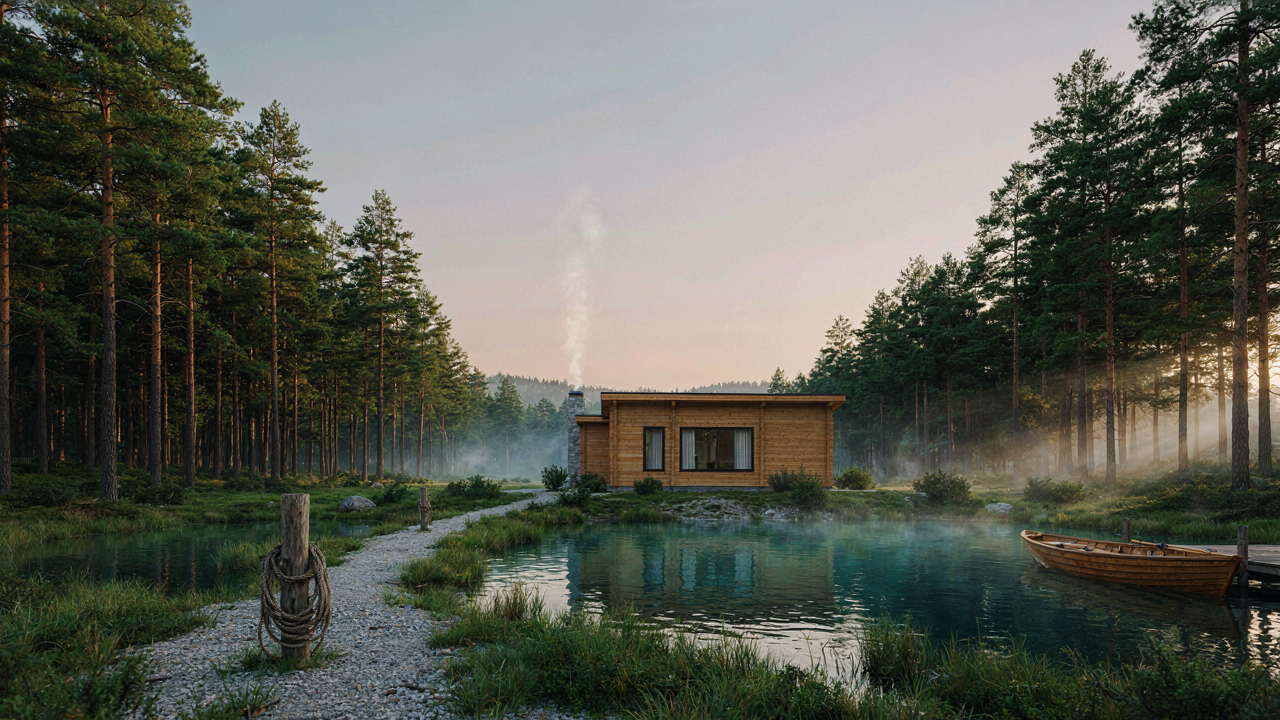
The Myth Of “Escape”: Why Your Quiet Getaway Cabins Are Actually A Test

You Can’t Outrun Your Own Mind
You want the cabin because you think silence will fix something. It won’t. The real mechanism at work here comes from neuroscience: your brain generates what’s called default mode network activity—internal chatter that fills every gap when external stimulation drops. A remote cabin doesn’t eliminate that noise. It amplifies it. You’re not escaping to peace. You’re walking directly into a confrontation with thoughts you’ve been outrunning in the city.
The cabin strips away the external distractions that mask your internal state. No meetings. No notifications. No people to perform for. What surfaces isn’t tranquility—it’s the anxiety, boredom, or restlessness you’ve been medicating with constant input. Most people book a cabin, hit day two, and realize they’re alone with themselves. That’s the actual value proposition, though nobody frames it that way. You go to test whether you can sit with what’s really going on.
Solitude Exposes What You’ve Been Denying
Isolation doesn’t create problems—it reveals the ones already present. Psychologically, a remote setting removes the social buffer that keeps anxiety contained. In a cabin, you can’t dismiss loneliness as temporary. You can’t reframe boredom as just “being tired.” The gap between who you present yourself as and who you actually are becomes impossible to hide from. This is friction. Real friction. And most people hate it enough to leave early.
The mechanism works like this: sustained quiet forces your nervous system into a state where suppressed material surfaces. Unprocessed frustration, unmet needs, questions about direction or meaning—they all emerge when there’s nothing to interrupt them. The cabin becomes a tool for diagnosis, not just a location for rest. If you can identify what comes up during those first 48 hours in isolation, you’ve got actionable data about what actually needs fixing in your life. That’s the only reason the cabin matters at all.
The Isolation Protocol: Engineering Deep Work In A Forest Cabin

Structure Your Days Around Energy, Not Time
You want permission to believe deep work happens automatically when you leave the city. It doesn’t. The mechanism comes from biology: circadian rhythm governs when your brain can actually focus, not your schedule. A cabin removes commute noise but creates a new problem—unlimited time collapses into no time. You need a constraint architecture.
Map your high-cognitive work to your peak hours. Most people peak between 6am and noon. Block those hours for the work that requires pattern recognition and original thought. Fill afternoon slots with administrative tasks, reading, or low-friction output. End by 5pm. The cabin’s darkness arrives early in most seasons, which naturally enforces a boundary. Respect it instead of fighting it with artificial light and stimulants.
Ruthlessly Eliminate Before You Arrive
Everyone claims they’ll “disconnect.” Few actually do. The real move is preemptive deletion, not willpower theater. Remove your ability to access the tools before you leave. Turn off notifications on your devices now. Delete the apps that trigger automatic scrolling. Log out of every platform and don’t save passwords on the cabin WiFi router.
Most remote cabins have weak or no internet. That’s your structural advantage. Don’t fight it with a mobile hotspot. Accept the friction. If your work truly requires internet, designate two one-hour windows daily to handle it from a single location, then disconnect. The goal isn’t to punish yourself—it’s to remove the decision-making loop entirely. Decisions drain energy faster than the work itself. Design the environment so distraction requires more effort than focus.
Beyond Cozy Cabin Aesthetics: The Functionalist’s Guide To Cabin Selection
Utility Over Visual Status
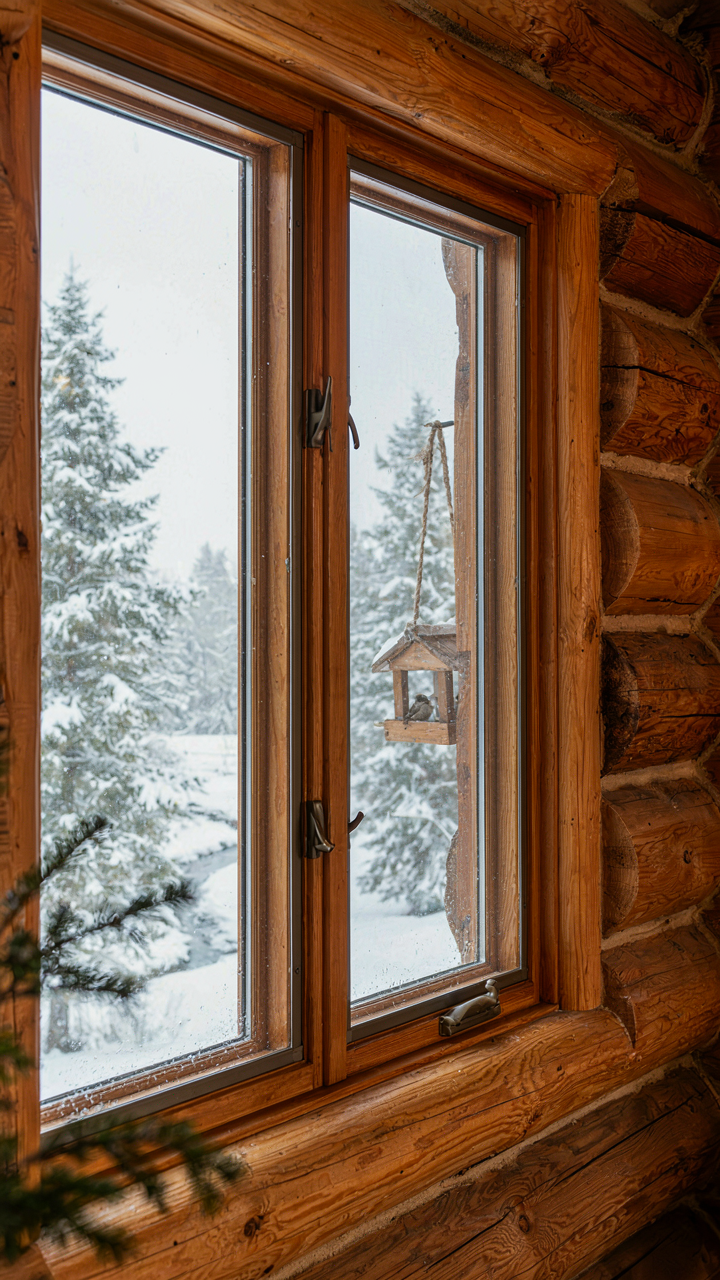
You want a cabin that photographs well because you’re afraid the escape won’t feel real unless you can prove it happened. The mechanism is simple: Instagram-ready design costs money and maintenance, neither of which improves functionality. A cabin with exposed beams and vintage oil lamps looks the part but delivers cold bedrooms and dim workspaces. Prioritize what actually works. Ask about insulation R-value, heating system age, water pressure, and cell coverage before asking about shiplap.
The best remote cabins commit to one purpose and execute it completely. A cabin built for winter uses triple-pane windows and propane backup heat. A summer retreat skips heavy insulation for cross-ventilation and screened porches. A work cabin has reliable power and internet infrastructure that supports your actual job. Stop treating the cabin as a decorative backdrop. It’s a tool. Select it the way you’d select a camera or a desk.
True Remoteness Has Infrastructure Requirements
Remoteness in economics is called friction, and friction always has a cost. A cabin 45 minutes from town with road access is not remote. A cabin requiring a boat, snowmobile, or helicopter access is genuinely remote and demands different infrastructure. Water sourcing matters: wells fail, springs run dry seasonally, and rainwater systems require maintenance expertise. Power systems determine whether you can actually stay through weather events. Solar requires battery backup. Generators need fuel delivery. Grid power means trees must be cleared for lines.
Self-sufficiency isn’t aspirational. It’s a specification you verify before booking. Call the owner and ask what happens when the power fails, the road closes, and the water system freezes. Ask how they test backup systems. If they can’t answer specifically, the infrastructure doesn’t exist and you’ll learn that at 2 AM in January. Inspect the septic system age and ask about pumping frequency. Check whether the cabin has been winterized and how often the owner actually uses it in cold months. These details separate function from fantasy.
The Psychological Leverage Of Tiny Cabins: Scarcity As A Catalyst
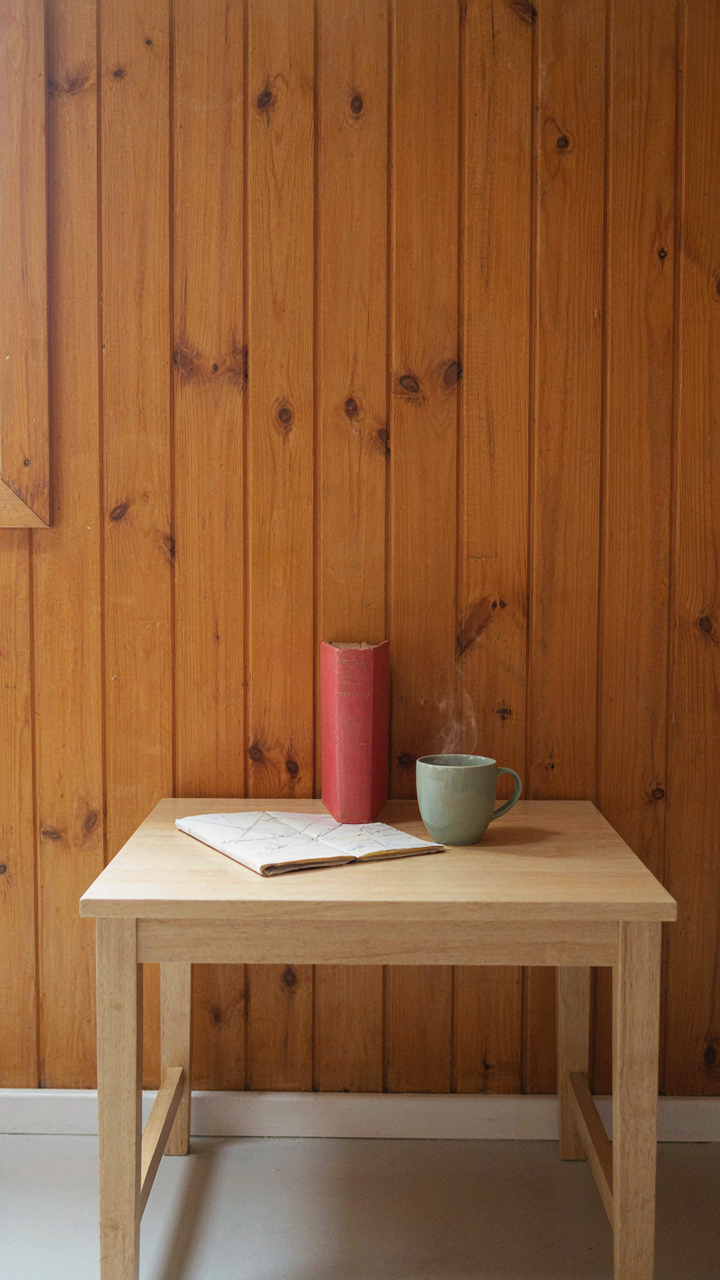
How Limited Space Forces Ruthless Prioritization
You want to feel productive without the guilt of leaving things undone. That’s why you’re drawn to the cabin pitch. The mechanism is simple: constraints force decisions. Economics calls this the scarcity principle. In cabin life, square footage operates like budget constraints in business. When you have 400 square feet instead of 3,000, you stop negotiating with yourself about what matters. You pack one book instead of five. You cook one meal instead of three.
The psychological shift is real but often misunderstood. People think small spaces force sacrifice. They don’t. Small spaces force honesty. You can’t pretend to want something when there’s nowhere to store the evidence of that lie. This clarifies fast. You bring a guitar because you actually play it, not because you might play it someday. You bring a notebook because you write, not because writers are supposed to write. Scarcity burns away the aspirational self and reveals the actual one.
The Eighty Twenty Split In Your Cabin Life
Pareto’s principle states that 80 percent of outcomes come from 20 percent of inputs. Apply this to cabin planning directly. Twenty percent of what you bring creates 80 percent of your satisfaction. Identify that 20 percent before you leave. For most people: one good coffee setup, one activity that engages you, one person to share silence with. Everything else is padding you’ll resent carrying.
Your activities follow the same ratio. You’ll spend 80 percent of your time in two or three patterns: a morning ritual, a midday walk, an evening routine. Plan those ruthlessly. Forget the ten activities you thought you’d try. Design the two you’ll actually do, then protect them from interruption. When you stop pretending cabin time is for self-improvement and start treating it as a container for your actual habits, the peace arrives fast and stays. Pack for the 20 percent that works. Ignore everything else.
Cabin Inspiration: Beyond The Brochure – The Spartan Comfort Thesis
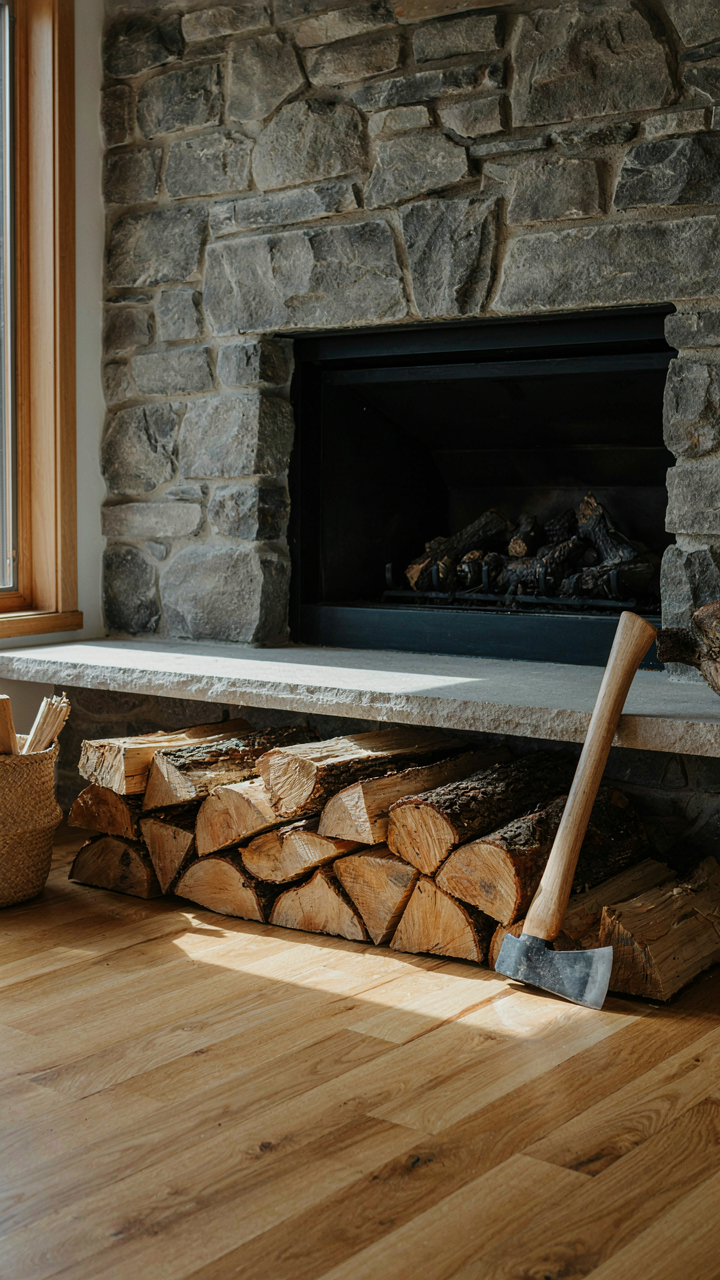
When Fewer Things Actually Work
You want the cabin to feel special because you’re paying for escape. That’s the real mechanic here. The problem: most remote cabin getaways pile on amenities thinking abundance equals experience. Wrong. Economics teaches us diminishing returns—each added item delivers less satisfaction than the last. A cabin operates the same way. Beyond a threshold, a hot shower and a bed, every extra fixture just becomes noise you have to manage. Silence costs money precisely because it requires restraint.
The spartan cabin works because it removes the decision tax. No streaming service to scroll. No temperature to fiddle with. No appliances demanding maintenance. You’re not there to consume options. You’re there to consume time in a way that actually interests you. Strip the amenities down to the functional core—heat, water, shelter, light—and suddenly the place has pressure. The environment forces presence instead of passive entertainment.
Scarcity As The Real Amenity
The luxury cabin market sells you the opposite of what actually works. It pitches heated floors, spa tubs, wine fridges, and premium Wi-Fi as premium experiences. None of that is premium in a remote setting. Premium means uncommon. When you can replicate your home in the woods, you’ve lost the entire point of going. True luxury in a cabin is the removal of choice itself.
Self-reliance becomes the actual amenity. You make fire or you don’t have heat. You ration water or you run out. You navigate without GPS or you stay close. These aren’t hardships—they’re constraints that create meaning. The moment you need something and have to solve it yourself, the cabin becomes real. That friction is where the reset happens. Choose a cabin that makes you participate in its operation, not one that performs for you.
Cabañas Rústicas: The Resilience Engineering Framework
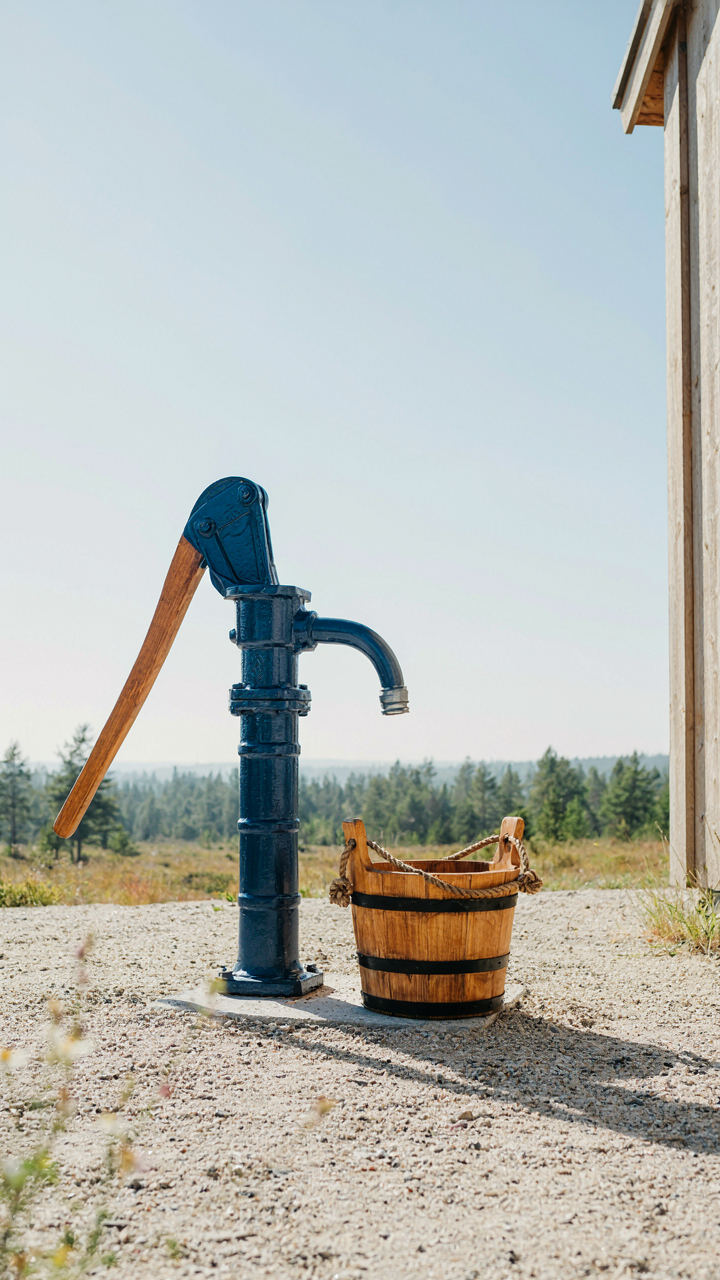
Feedback Loops Built Into Physical Space
You want to believe a remote cabin works because it’s quiet and far away. That’s the comfortable lie. What actually works is the feedback loop between your actions and their immediate consequences. Cybernetics, the study of self-regulating systems, names this feedback. A cabin’s isolation creates the tightest feedback loop available: you run out of firewood, the temperature drops, you feel it within hours. You leave a window open, water damage spreads in days. The mechanism is brutal clarity.
Most cabin advice ignores this. People talk about “disconnecting” as if passivity solves anything. Wrong. The cabin’s power comes from forcing you into active management of basic systems. Water, heat, waste, food spoilage. Each decision produces immediate, undeniable results. This trains you faster than months of desk work. You learn real accountability because the feedback cannot be delayed, delegated, or ignored.
Resupply Lines And Edge Case Planning
Military logistics calls this supply chain vulnerability, and every remote cabin operates on one. The distance between you and your next resupply point is not romantic. It’s a constraint that demands respect. A three-day cabin stay in winter means calculating fuel burn, food spoilage rates, and access roads during weather. Contingency planning is not paranoia. It’s the difference between an uncomfortable night and an actual problem.
Most cabin renters think this through too late. They arrive without understanding the cabin’s backup systems or the nearest services. Real preparation means mapping the resupply perimeter before arrival: fuel stations, grocery stores, repair services, hospital distance. Write it down. Know the weather window. Identify what fails first under stress and plan backward from that point. The contingency you don’t plan for is the one that ends your trip early.
The Data Of Disconnection: Measuring Your Return On Solitude

Work Output Tells The Real Story
You want proof that cabin time matters because you’re afraid it’s self-indulgent waste. Here’s the mechanism: isolation removes context switching, which neuroscience confirms destroys deep work capacity. Track what you actually produce in the week before and after your cabin stay, not how many hours you sat there feeling peaceful.
Most people measure cabin retreats by how they feel. That’s backwards. Measure the work artifact instead. Count finished pages, completed projects, solved problems, or decisions made. A cabin week that yields three client proposals or a finished chapter has a measurable return. A cabin week that yields nothing but good vibes is expensive therapy marketed as productivity.
Mental Clarity Has An Operating System
Decision quality operates like signal-to-noise ratio in engineering, where clarity is signal and daily life is noise. A cabin removes the noise machine temporarily. The catch: mental clarity decays fast. You have a 72-hour window where your thinking sharpens before your brain recalibrates to quiet and stops treating it as valuable.
Capture your best insights within three days of arrival. Write them down with specificity. Don’t record “felt clear about my career.” Record the exact decision, the reasoning behind it, the action it triggered. This becomes your measurement. Six months later, revisit those decisions and track their outcomes. That’s your ROI on solitude. If your cabin insights were noise, the data will show it.
Chalés Pequenos: The Inconvenient Truth About “Getting Away”
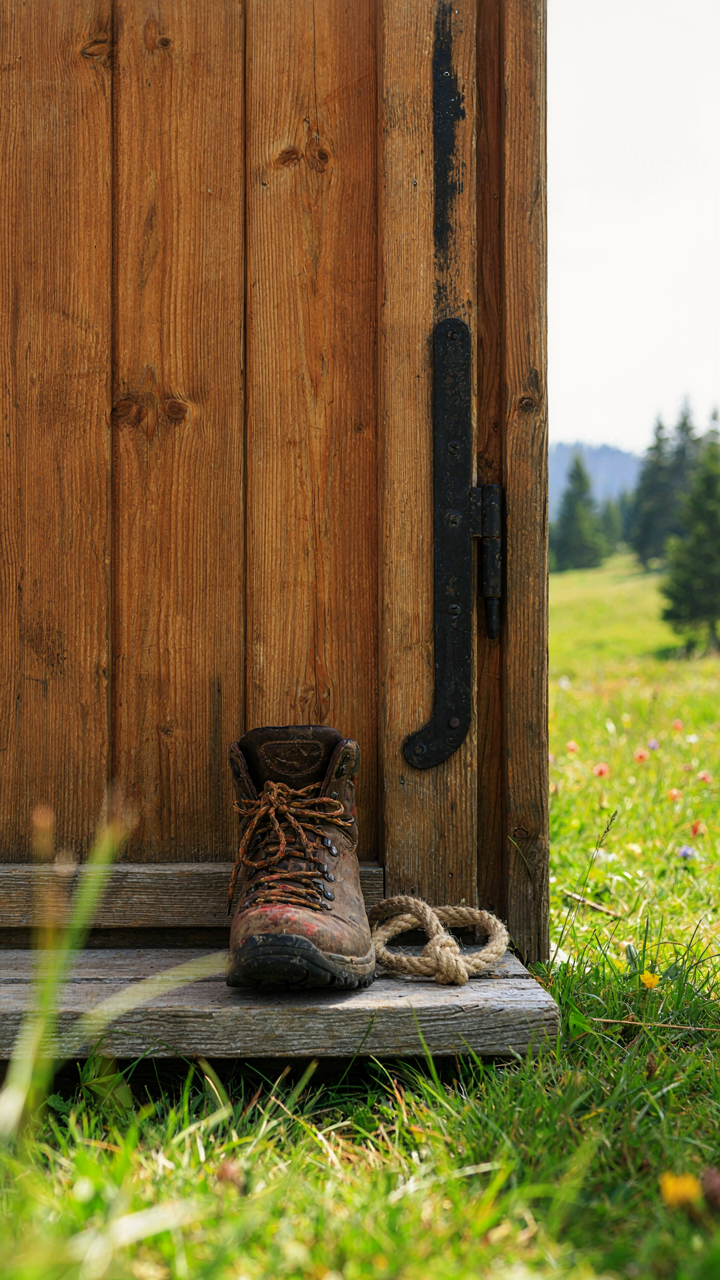
Discomfort Is The Price Of Clarity
You want a cabin getaway because you think silence will fix you. That’s the real motive. It won’t. But the mechanism that actually works requires understanding that escape isn’t about location—it’s about friction. In thermodynamics, entropy measures disorder. A remote cabin forces entropy inward: you can’t distract yourself with external stimuli, so your mind reorganizes or breaks. Most people break first, then quit. The ones who stay past day three actually change.
The common advice tells you to “unplug and relax.” That’s backwards. Genuine self-discovery happens when you remove the escape routes. A cabin three hours from cell service doesn’t let you numb with your phone at 2 AM. Your thoughts compound. Your habits surface. The boredom becomes unbearable enough that you either confront what you’ve been avoiding or you leave. Either outcome clarifies something real about yourself.
Real Escapes Require Real Constraints
Avoiding superficial escapes means rejecting the resort cabin fantasy—the one with heated floors, premium WiFi, and a chef. That’s not a getaway. That’s taking your life to a prettier location. Here’s what separates meaningful cabin time from expensive tourism:
- No Connectivity Options: A cabin without cell service or with intentionally disabled internet. Not “limited” service—none. This removes the psychological loop of checking messages.
- Manual Work Requirements: Chopping wood, hauling water, maintaining heat. Tasks that demand present-moment attention and produce visible results within hours.
- Minimal Comfort Design: Basic heating, no temperature control, shared bathrooms in multi-cabin setups. Discomfort keeps your nervous system engaged instead of numb.
- Isolation Duration: Minimum three days alone. Day one is adjustment. Day two is when habits surface. Day three is when actual thinking begins.
- No Entertainment Infrastructure: No streaming, no books, no planned activities. Boredom is the teacher. Restlessness is the signal that something needs to shift.
The profound challenges emerge when you stop treating the cabin as a destination and start treating it as a tool. You go there to metabolize something—a decision, a relationship, a career problem—not to acquire Instagram content. The constraints aren’t obstacles. They’re the operating system that forces your brain into a different mode. Remove them and you’ve just rented an expensive house in the woods.
The Post Cabin Reintegration: Carrying The Crucible Home

Turning Silence Into Operating Systems
You want this section because you’re afraid the cabin clarity evaporates the moment you hit cell service again. The real mechanism is this: a cabin works because it removes friction. No notifications. No meetings. No social obligation. Going home and recreating that state requires building explicit friction against distraction, not relying on willpower. The cabin was your environment doing the work. Now you architect that environment into your actual life.
Most people return and try harder. They meditate longer. They wake earlier. They white-knuckle the discipline. That fails because you’re fighting your environment instead of changing it. The cabin removed variables; home adds them back. Your task is systematic subtraction. Identify the three activities that created your mental state in the cabin, then build them into your schedule with the same non-negotiability you gave to work meetings. Not aspirationally. Not when you feel like it. On the calendar. Protected time. This is operationalization, not motivation.
Reclaiming Attention In Occupied Space
The gap between silence and noise isn’t a feelings problem. It’s a biology problem. The reticular activating system is the neural filter that decides what demands your attention. A cabin quiets it. City life overwhelms it. You can’t rewire your brain faster than your environment can hijack it, so don’t try. Instead, create micro-cabins in your day. A cabin wasn’t actually about isolation. It was about predictability. You knew what would interrupt you because almost nothing could. Recreate that predictability at home through batching and boundaries.
Block your calendar so deep work happens when your email is off, your phone is in another room, and only one task exists in your visual field. This isn’t productivity hacking. It’s restoring the conditions your nervous system learned to think clearly under. The cabin taught you what focus feels like. Your job now is making that state repeatable without geographic escape. The mechanism is environmental design, not behavioral change. Build the structure first. The focus follows.
The Real Distraction Is Always Within You, Not In Your Inbox
You don’t need a remote cabin getaway to find peace. You need to stop running from yourself first. The cabin just makes the silence louder so you finally hear what you’ve been avoiding. Book a weekend trip this month, but before you go, write down what you’re actually escaping from. That honest answer matters more than the location. Your mind will follow you anywhere until you stop.