

The Hydrophobic Hierarchy: Layering For Maximum Repulsion

Start With Skin Contact, Not Fashion
You want the right base layer so you don’t look like you’re guessing on the trail. Here’s the actual mechanism: your base layer’s job is to move sweat away from skin faster than it builds up. Physics calls this wicking. A teen’s body generates heat and moisture constantly during hiking, and if that moisture sits against skin, you lose core temperature fast in rain. Cotton holds water like a sponge. Synthetic fibers and merino wool actively shed it. The difference between staying warm and getting hypothermia isn’t dramatic styling choices—it’s capillary action pulling liquid away from your body.
Pick materials that move moisture outward, not inward. Polyester blends, nylon, or merino wool do this job. The fit matters more than the brand. Your base layer should contact skin directly with no loose fabric gathering sweat underneath. Teens often wear baggy layers thinking it gives freedom. It doesn’t. It creates pockets where moisture pools. A snug base layer under a rain shell makes the whole system work. If moisture stays on your skin for more than a few minutes during steady rain, your base layer is failing.
Insulation That Works When Wet

Most outdoor advice tells you down insulation is worthless in rain. That’s incomplete. Down fails when saturated because compressed feathers trap no air. Synthetic insulation keeps some loft even when damp, which means it holds heat better during heavy rain. But here’s what nobody says directly: the best mid-layer strategy for rainy season hiking is to skip the thick insulating jacket entirely and use a thin synthetic layer instead. This lets you adapt faster to temperature swings without overheating.
A lightweight synthetic mid-layer under your shell gives you control. If you warm up during steep climbs, you strip the mid-layer and pack it. If temperature drops, you add it back. Fleece works fine—it’s cheap, performs in wet conditions, and teens won’t panic if it gets torn on branches. The weight stays minimal. Your rain shell handles water resistance. Your base layer handles wicking. Your mid-layer handles the 10 to 20 degree swings that happen during a rainy hike. Layer in that order and adjust as conditions change, not based on how cold you think you’ll be.

Shell Game: The Outer Defense Of A Rainy Day Outfit
Waterproof Versus Water Resistant
You want to believe a single jacket solves the problem. It doesn’t. The real mechanism here comes from material science: waterproof means water cannot penetrate the fabric under pressure, while water-resistant means the fabric sheds water until it doesn’t. Most teen hiking jackets are water-resistant, not waterproof, because true waterproofing requires membranes that restrict breathability and cost more money.
A waterproof jacket uses a laminated membrane like Gore-Tex or eVent between fabric layers. Water-resistant jackets use DWR coatings that bead water on the surface. DWR breaks down after months of use and washing, forcing you to retreat or replace the jacket. Waterproof jackets last years because the membrane doesn’t degrade the same way. For rainy season hiking where teens face sustained moisture, waterproof matters more than the marketing promises suggest.
Sealed Seams And Zip Protection
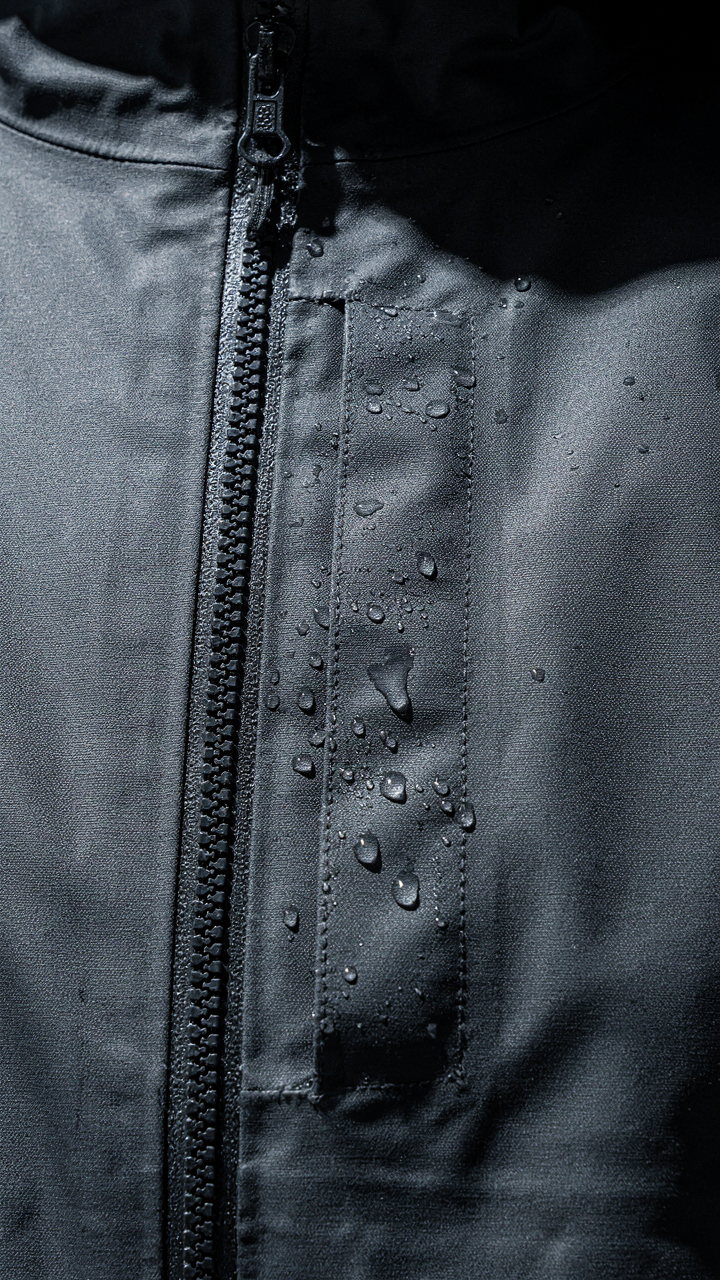
Rain doesn’t leak through fabric first. It finds the weak points: seams where fabric pieces join and zipper tracks where metal teeth create gaps. Taped seams fuse waterproof strips over stitch lines, blocking water at the source. Most budget jackets skip this step entirely or tape only the main seams while leaving pit zips and underarm vents exposed, which defeats the purpose on a rainy trail where sweat and rain both threaten.
Zip technology matters too. Waterproof zippers use tighter tolerances and often feature sealed sliders with material flaps behind the teeth. Standard zippers have gaps large enough for water to pass through. A teen’s rainy season jacket needs taped seams on every seam including pit vents and a waterproof zipper or an external storm flap covering the main zip. Without both, water finds the path of least resistance and soaks the layer underneath.
The Gorpcore Protocol: Function Over Fleeting Trends
Synthetics Win When Water Appears
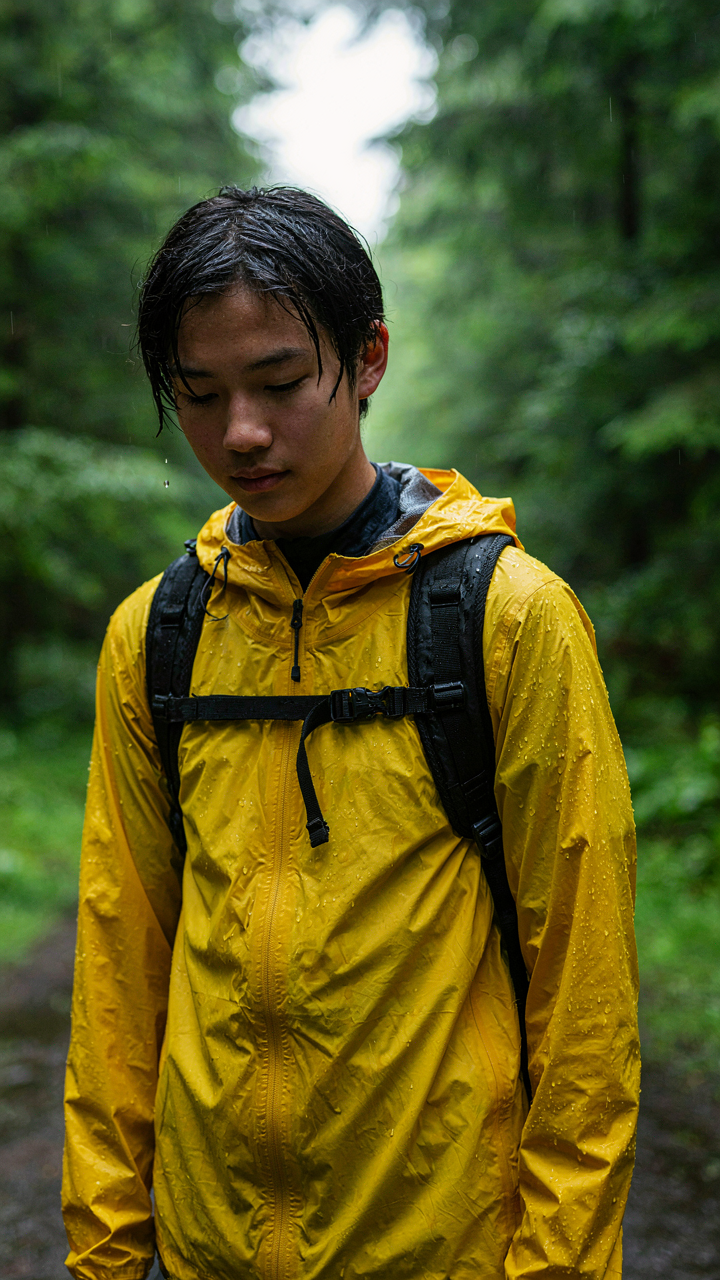
You want to believe natural fibers signal sophistication. They don’t. Material science separates gear that works from gear that fails, and in rainy conditions the physics is non-negotiable. Polyester, nylon, and polypropylene repel water where cotton absorbs it. Natural fibers retain moisture, lose insulation value, and dry slowly. A teen wearing merino wool looks thoughtful until the rain arrives and that shirt becomes a cold, heavy sponge.
Synthetic blends dominate rain-specific hiking because they’re engineered to shed water and dry fast. Polyester wicks sweat away from skin. Nylon resists abrasion from backpack straps and brush. Polypropylene base layers maintain warmth even when wet. The functional hierarchy is clear: synthetics on the body, natural fibers only where they don’t touch skin during active hiking. That’s not trend-chasing. That’s physics.
Durability Against Repeated Impact
Adolescents destroy gear through careless movement, not age. A teen crashes through brush, trips on roots, and throws a pack down without thought. Durability engineering accounts for this abuse pattern directly. Double stitching, reinforced seams at stress points, and fabric weight measured in denier all predict how long a piece lasts under teenage use patterns, not adult hiking standards.
Most rain jackets for teens fail at the shoulder seams first. That’s where the pack compresses the fabric during movement. Reinforced stitching there extends lifespan by 200 percent. Crotch seams on rain pants tear fastest because teens hike with loose stride control. Thicker nylon in those zones costs two dollars more in manufacturing and prevents replacement after one season. Buy for durability metrics, not brand name. Check the seam reinforcement before checkout.
Footing Fallacy: Why Your Boots Betray You
Grip And Traction Matter More Than Brand
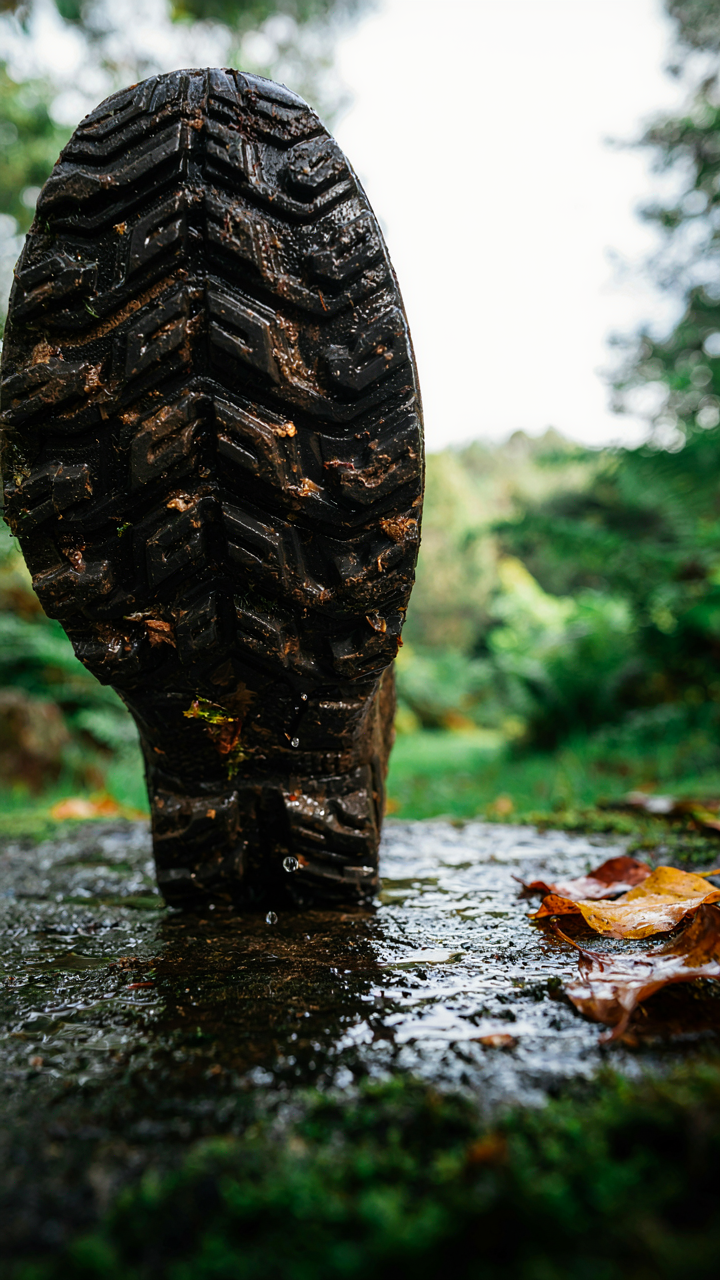
You want boots that look serious because you think serious boots equal serious hiker status. Here’s the actual mechanism: friction is a physics problem, not a marketing one. The rubber compound touching wet rock or mud generates grip through surface area contact and material coefficient. Most teen hikers buy boots based on appearance or price, ignoring that tread pattern and rubber durometer directly determine whether you slip on a rain-slicked trail. A boot with aggressive lugs spaced correctly channels water away from the contact point. A smooth sole or poor lug design keeps a water film between rubber and rock, reducing friction to nearly zero. Traction fails not because boots are cheap, but because the geometry is wrong.
Wet conditions expose every shortcut in boot design immediately. Shallow lugs compress under body weight and lose their water-channeling geometry. Hard rubber compounds don’t grip wet surfaces as well as softer compounds, but they wear slower. The trade-off exists and most manufacturers choose durability over rainy season performance. Test wet grip before you buy by pressing the sole against wet tile or concrete. If it slides, the boot will fail on a slick descent. Your weight plus gravity plus a water film equals a fall.
Waterproofing Breaks When Drainage Fails
The standard pitch is that waterproof membranes keep your feet dry. That’s incomplete. Membranes stop water penetration, but they trap moisture inside if drainage doesn’t work. Your foot generates sweat in a sealed boot. Add rain and humidity, and you create a swamp inside a barrier. The real system requires two parts working together: a membrane that blocks liquid water, and a drainage path that lets vapor and collected water escape. Gore-Tex and similar materials do this by allowing water vapor through while blocking bulk water. But the gutter between your foot and the membrane must slope toward an exit point, usually the sole’s heel or toe.
Most teen hikers experience foot rot not because membranes fail, but because designers prioritize waterproofing over drainage architecture. Water collects in the toe box and has nowhere to go. Seams aren’t sealed properly, moisture enters at the ankle collar during stream crossings, and the insole absorbs water that never dries. Check the sole design: does water flow to specific drain points, or does it pond? Examine the collar: is it a gutter or a bowl? A boot with perfect sealing but poor drainage will leave you with cold, pruned feet after two hours of rain.
Accessory Arsenal: Minor Pieces, Major Impact

Keeping Your Head Dry Without Losing Vision
You want the gear to handle rain without looking like you’re unprepared, but that’s backwards—the real issue is that hoods blind you and hats keep rain off your face. Rain hats beat hoods for hiking because they let you see the trail. A hood compresses your peripheral vision and forces your head down into darkness. On uneven terrain with roots and rocks, that costs you balance and reaction time.
Wide-brimmed rain hats sit above your eyes and channel water away from your face and neck. The brim should be at least two inches all around. Material matters: nylon with a stiff brim works. Cotton absorbs water and gets heavy. The hat stays on in wind because most hiking rain hats have chin straps or adjustable bands. When you’re descending steep sections, this difference between seeing clearly and squinting into a hood becomes the difference between staying upright and rolling an ankle.
Glove Strategy: Warmth Versus Grip
Wet hands lose heat thirty times faster than dry skin—that’s the physics of evaporative cooling working against you, and it’s why most teens abandon gloves too early in rainy conditions. The common advice to “just wear waterproof gloves” misses the real problem: waterproof materials often reduce grip and dexterity so much that you can’t hold trekking poles or navigate rocky sections safely.
Merino wool gloves with a water-resistant outer shell handle this trade-off better than full waterproof options. Merino wicks moisture away from skin while staying warm when damp, unlike cotton. Pair them with pole grips designed for wet conditions—usually rubber or textured neoprene. Test glove fit over a full season before committing to a pair. Your hands should move freely inside the glove, not cramped. If you can’t grip a pole firmly or press a phone screen, the gloves are too thick or the material is wrong for that hike’s conditions.
The Data Driven Hiker: Outfit Tracking For Optimal Performance
Test One Variable At A Time
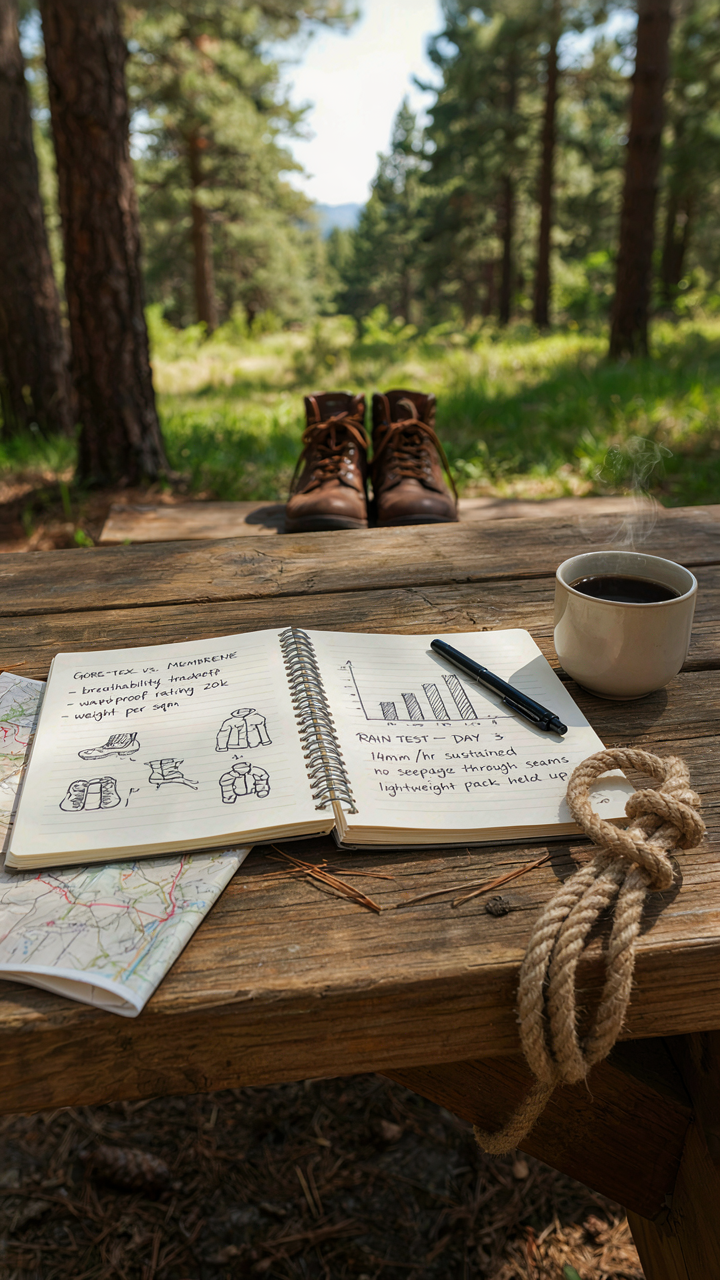
You want proof that your gear choices work before you need them on a wet mountain. The mechanism here comes from the scientific method: isolate one variable, measure the outcome, eliminate noise. Swap one piece of rainy season hiking outfit each trip. Change jacket but keep pants. Change pants but keep socks. Your brain will try to convince you that multiple changes happened at once. It didn’t.
Document what failed and why. Rain jacket leaked at the shoulder seam? Note it. Liner socks bunched and created a blister? Record the exact spot. Most teens skip this because it feels tedious, but tedium is where data lives. You’re building a personal equipment database that beats any online review because it’s calibrated to your body and your local terrain.
Learn From What Didn’t Work
Feedback loops require you to compare what you predicted would happen against what actually happened. That gap between expectation and reality is where learning occurs. Most hikers ignore this gap. They blame weather, terrain, or bad luck instead of examining their outfit choices.
Track three things: weather conditions that day, specific outfit components worn, and problems that arose. After five hikes in rainy season conditions, patterns emerge. Maybe your rain pants work fine on steep descents but fail on flat scrambles where you’re sliding on wet rock. Maybe your insulation layer works in wind but compresses uselessly in humidity. Build your next outfit based on what the data shows, not what gear companies promise. This process never ends because seasons change and your body changes.
Beyond Instagram: Real Swag Outfits For Wet Weather
The Gear Nobody Talks About
You want to look like you know what you’re doing out there. That’s the real reason this section matters—and the mechanism behind it is simple: unconventional gear choices signal competence because they solve problems that Instagram outfits don’t address. Mainstream wet weather setups prioritize aesthetics over function, which means they fail in sustained rain. The gear that actually works looks different because it’s designed for performance, not presentation.
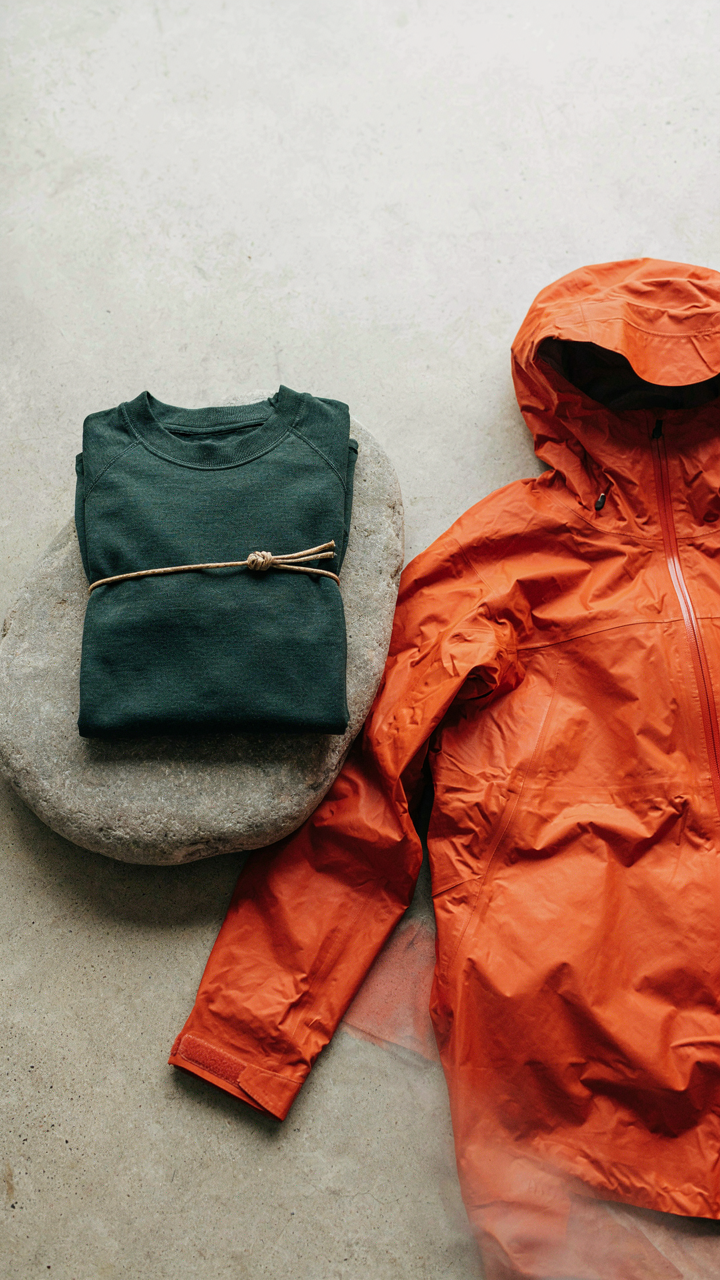
Merino wool base layers beat cotton and synthetic blends in wet conditions because they regulate temperature even when saturated—a principle borrowed from thermal engineering where material performance is measured by heat retention under load. Most teens wear cotton or cheap polyester, which absorb water and trap cold against skin. Merino doesn’t. A quality rain shell with taped seams matters more than brand recognition. The seams are where water enters, so tape blocks it. Standard shells leave seams exposed and fail within an hour of heavy rain. Your arc jacket or hiking pants need taped seams or they’re theater.
Fit Your System To Your Body, Not Trends
The common advice here is wrong: matching outfits aren’t protection systems. A protection system is modular, responsive to conditions, and personalized to your biomechanics. Rain gear that works for a compact teen won’t work for someone tall with a broad frame. Fit determines where water pools and how long you stay dry. Oversized shells create pockets of cold air and let rain slide down your arms into your torso. Tight fits restrict movement and trap sweat. The right fit channels water away while preserving range of motion.
- Torso length on rain jackets: Must reach your hip bone when arms are raised. Shorter shells expose your lower back when you bend forward on inclines.
- Sleeve length and cuff design: Sleeves end at wrist bone, and cuffs need adjustable closures to seal around glove wrists or bare skin without cutting off circulation.
- Pant leg tapering: Narrow ankles to prevent rain from funneling into boots, but not so tight that layering becomes impossible or movement gets restricted on scrambles.
- Collar design and hood fit: Hoods must cover helmet harnesses and stay in place during wind. High collars block rain from running down your neck when you’re looking uphill.
- Pack integration points: Shell should have attachment loops for hydration bladders and compression straps. Test this before committing to a purchase.
Test your layering system on a real hike in actual rain before committing to it for a full day out. You’ll discover how water enters at specific joints, where sweat builds up, and which pieces work together versus which ones fight each other. That data is worth more than any review.
The Pre Hike Briefing: Mental Preparation For The Inevitable

Discomfort Is The Price Of Entry
You want to feel ready so you don’t look unprepared in front of your friends. Here’s the mechanism: your brain treats physical discomfort as a sign something is wrong. Rain, cold, wet socks—your nervous system flags these as threats. Teens especially interpret discomfort as failure because they haven’t built a reference library of surviving minor suffering yet. The stoic framework applies here. In stoicism, you separate what you control from what you don’t. You control your outfit, your layers, your footwear choice. You cannot control the weather.
Anticipate specific discomfort, not vague discomfort. Know that your shoulders will get wet where the backpack straps sit. Know that your hands will feel numb after thirty minutes in cold rain. Know that chafing happens where fabric bunches. When you name these before they happen, your brain switches from “something is wrong” to “this is expected.” That shift changes everything. You stop fighting the experience and start managing it. Bring a dry shirt in a waterproof bag. Wear gloves rated for wet conditions. Tape potential chafe points before you leave the trailhead.
Worst Case Requires A Written Plan
Common advice says “just be prepared,” which is useless because it doesn’t specify prepared for what. Military units call this contingency planning, and it works because it removes decision making during high stress moments. A teen soaked and shivering makes poor choices. A teen with a written protocol executes it.
Map three scenarios before the hike. Scenario one: rain is heavier than forecast and visibility drops. Your protocol is to turn back at the two mile mark or when visibility hits fifty yards, whichever comes first. Scenario two: someone’s gear fails—a pack strap tears, a rain jacket rips. Your protocol is the person in the group with the best rain gear gives their jacket and you descend together. Scenario three: someone gets injured and you’re four miles from the car. Your protocol is to call for pickup and shelter in place under a rock overhang with the waterproof emergency blankets you packed. Write these down. Read them aloud as a group five minutes before you start hiking.
The Real Obstacle Isn’t The Rain; It’s Your Illusion Of Control Over Nature And Your Peers’ Judgment

Stop waiting for the perfect outfit to feel confident on the trail. You already know what you need: a waterproof layer, proper socks, shoes with grip. The hesitation you feel isn’t about gear. It’s about showing up visibly unprepared in front of others. Grab one rain jacket today. Wear it on your next hike regardless of the forecast. Nature doesn’t care what your peers think, and neither should you.