

The “Waterproof, Not Waterlogged” Protocol For Plus Size Hiking
Layering Dynamics For Moisture Management
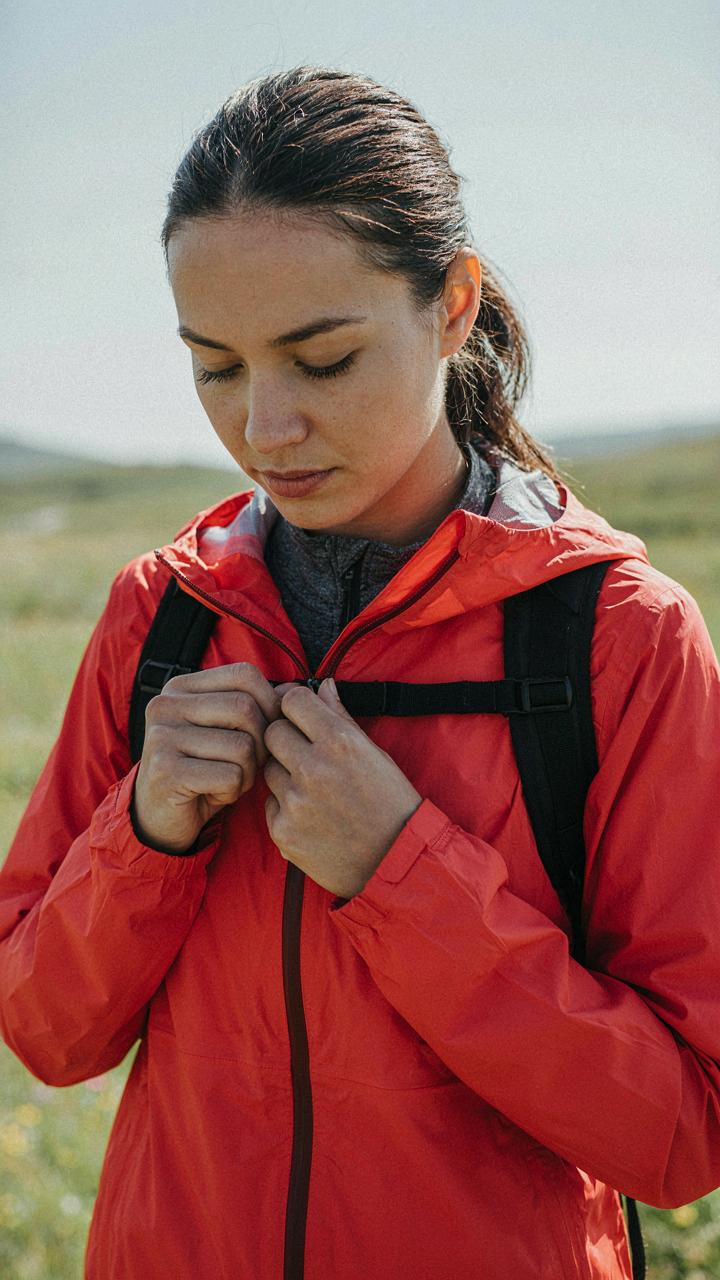
You want to believe one jacket solves the problem. It doesn’t, and that fantasy costs you comfort and safety on the trail. Layering for plus size bodies works like a vapor transport system in materials science: each layer has a specific job in moving sweat away from skin before it pools and chills you. Most advice skips the mechanics and just says “wear layers.” That’s incomplete.
The base layer pulls moisture from skin. The mid layer traps warmth and continues moisture movement. The outer shell stops rain while allowing vapor to escape, not trap it. For plus size frames, this matters more because surface area means longer distances for moisture to travel, and fit gaps that let water channel toward skin. Start with a synthetic or merino base, add an insulating mid layer with side panels that fit your proportions, then seal everything with a breathable outer shell. The protocol isn’t complicated once you stop thinking about fashion and start thinking about vapor pressure.
Fabric Tech Separating Marketing From True Performance

The outdoor industry markets “waterproof” like it’s magic. It’s not. True waterproof fabric uses a membrane with holes smaller than water droplets but larger than water vapor molecules. Gore-Tex pioneered this in the 1970s, and most performance fabrics still follow that principle. The catch: marketing conflates waterproof with water resistant, and most plus size hiking jackets get labeled “waterproof” when they’re actually just durable water repellent coatings that degrade after washing.
Check the fabric spec sheet, not the marketing copy. A real waterproof membrane will list a hydrostatic head rating of at least 10,000mm. Anything below 5,000mm fails in sustained rain. Plus size jackets often use thinner constructions to manage bulk, which means the membrane degrades faster and the DWR coating wears off quicker under friction from pack straps. Buy jackets with taped seams, not sealed ones. Taped seams stay waterproof through repeated stress and compression. When evaluating options, ignore “breathable” claims and verify the breathability rating in grams per square meter per 24 hours. That’s the number that tells you whether moisture actually escapes or just slowly accumulates inside the shell.

Plus Size Hiking Outfit: Debunking The “Breathable Myth”
Sweat Equity: Managing Internal Moisture
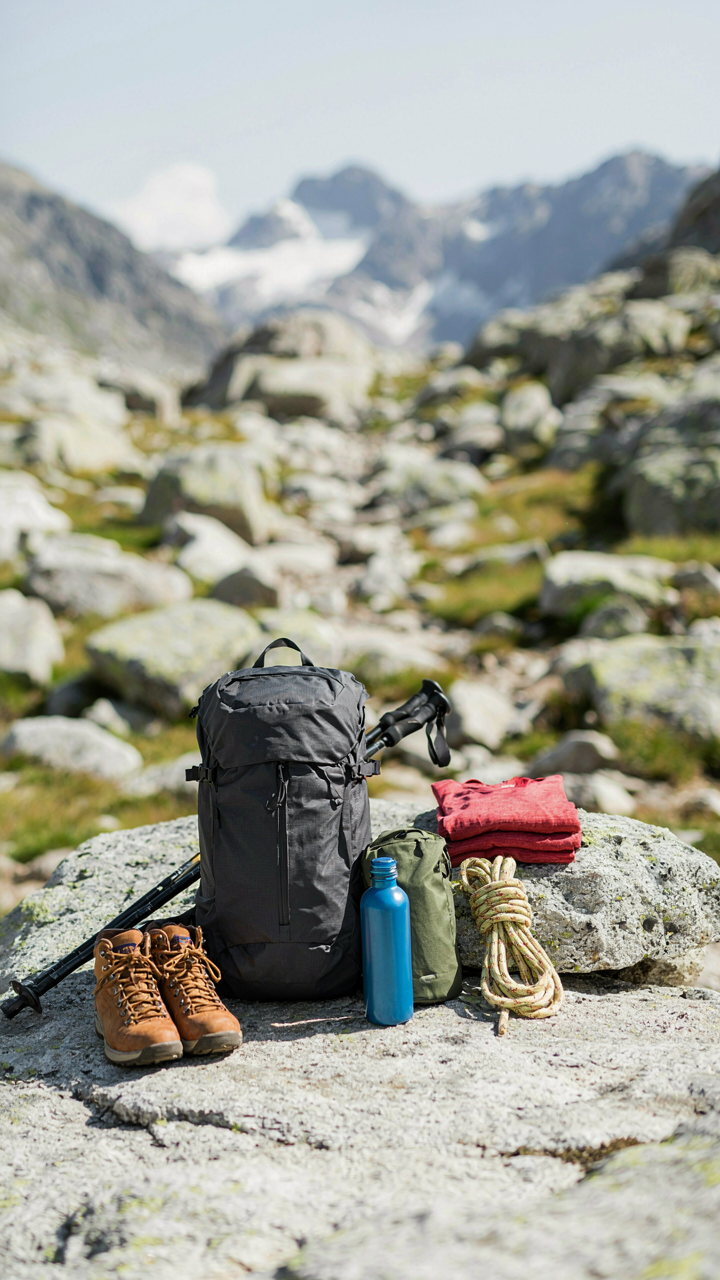
You want “breathable” fabric because you’ve been sold the idea that it solves the problem. It doesn’t. The real mechanism is vapor pressure differential, borrowed from thermodynamics. Your body generates heat and moisture. The fabric’s job isn’t to let sweat evaporate faster than it forms, but to move that vapor away from your skin before it condenses back into liquid. Most “breathable” marketing ignores this and focuses on marketing language instead of actual moisture transport.
Cotton holds moisture against your skin. Synthetic blends move it away. The difference isn’t subtle. Plus size bodies generate more surface area and more heat in a rainy environment, which means moisture accumulates faster and cools you harder. Polyester, nylon, and merino wool all work because they shed water and dry quickly. Choose a mid-layer that wicks perpendicular to your skin, not through some theoretical pore structure. Your rain jacket sits on top. The layer underneath handles the vapor your body produces continuously during exertion.
Ventilation Hacks For Sustained Comfort
Ventilation isn’t about holes in fabric. It’s about airflow paths you create through garment design and layering strategy. Sealed rain jackets trap everything inside. This kills comfort for plus size hikers fast because you generate steady heat during sustained climbing, and nowhere for that heat to escape except through the fabric itself, which moves slowly. The fix is intentional opening and closing, not passive breathability you can’t control.
Pit zips, drop armholes, and side vents work because they create active air exchange. Open them during climbs. Close them during rain. This gives you control over your internal temperature instead of gambling on fabric properties. Wear a fitted base layer under a looser mid-layer, then your rain shell on top. The gap between mid-layer and shell acts as an air channel. When you unzip side vents, you’re creating a chimney effect that pulls moisture away from your core. Adjust these openings every 15 minutes during sustained effort.
The Kinetic Fit: Movement Mechanics For Curvy Camping Outfits

Where Seams Live On Your Body
You care about this because chafing stops hikes before they start, and nobody wants to spend $200 on gear that turns into a pain engine by mile three. Biomechanics—the study of how bodies move through space—identifies friction points as the primary culprit. For plus-size bodies, those friction zones shift because mass distribution changes where fabric bunches and skin surfaces meet.
The standard advice tells you to buy moisture-wicking fabric and call it solved. That’s incomplete. Seam placement matters more than material alone. Rainy season gear traps moisture for hours, and wet fabric clings differently on larger frames. Place side seams closer to your back rather than wrapping around your armpit. Move underarm gussets forward so they sit in the hollow of your shoulder, not against ribs. Gusseted panels—triangular fabric inserts at stress points—should anchor at your natural waistline, not your smallest point. This keeps fabric from riding up during ascents when your torso flexes and expands.
Articulation Over Stretch Alone
Fabric stretch alone doesn’t guarantee freedom of movement during a rain hike. The real mechanism is articulation: how panels work together when you bend, reach, and climb. A shirt with 4-way stretch but poorly positioned panels will still restrict your shoulder on uphill sections. Conversely, a shirt with standard stretch and gussets engineered for plus-size ranges moves with you.
Test articulation by performing the movements you’ll actually do: reaching overhead for a branch, twisting to adjust your backpack strap, stepping up onto a boulder. Rainy season fabrics—heavier knits, reinforced rain shells—demand more thoughtful construction because they don’t move as freely as lightweight alternatives. Look for brands that cut sleeves with a slight forward angle rather than straight drops, and ensure the back panel extends lower than standard sizing. The protocol: fit the jacket over your base layer and backpack, then move through a full range of motion before purchasing. Restriction during this test signals a poor fit, not a problem with your body.
Footwear As Foundation: The “Traction + Shield” Method For Plus Size

Grip Geometry: Sole Patterns For Slick Terrain
You’re worried your weight will make you slip more than smaller hikers. That fear is based on a real mechanism from physics: increased load pressure on contact patches. But the solution isn’t different shoes, it’s understanding how sole design transfers force. Aggressive tread patterns work by breaking the water film between boot and ground. Deep lugs displace moisture laterally instead of letting it accumulate under your foot. On wet rock or clay, the lug spacing and depth matter more than body weight.
Most hiking boots use lugs between 4 to 7 millimeters deep. For rainy season plus-size hiking, prioritize boots with 6 to 8 millimeter lugs and wider spacing. This prevents mud and debris from packing between treads, which kills traction on the next step. Vibram or similar compound soles designed for wet environments stay grippy longer than basic rubber. Test traction on actual wet surfaces during a store visit, not on dry floors.
Waterproofing Techniques: Full Immersion Vs. Splash Protection
The generic advice says “get Gore-Tex and forget it.” That’s incomplete. Gore-Tex breathes but fails at the seams if construction is poor, and full immersion—like crossing streams—overloads any membrane. Full immersion waterproofing means treating boots as temporary water barriers during stream crossings, accepting that some wetness enters. Splash protection means stopping rain and wet brush from soaking the upper, relying on quick drainage.
For rainy season hiking at plus size, splash protection is the practical standard. Your weight increases foot fatigue, so reducing moisture entry matters more than staying completely dry during creek crossings. Sealed seams, treated leather or synthetic uppers, and a good rain gaiter over the ankle handle typical rain exposure. Accept that fords and deep puddles will wet your boots, then manage drainage and drying time between segments.
Accessory Arsenal: Elevating Your Plus Size Camping Outfits Resilience
Head To Hand Protection
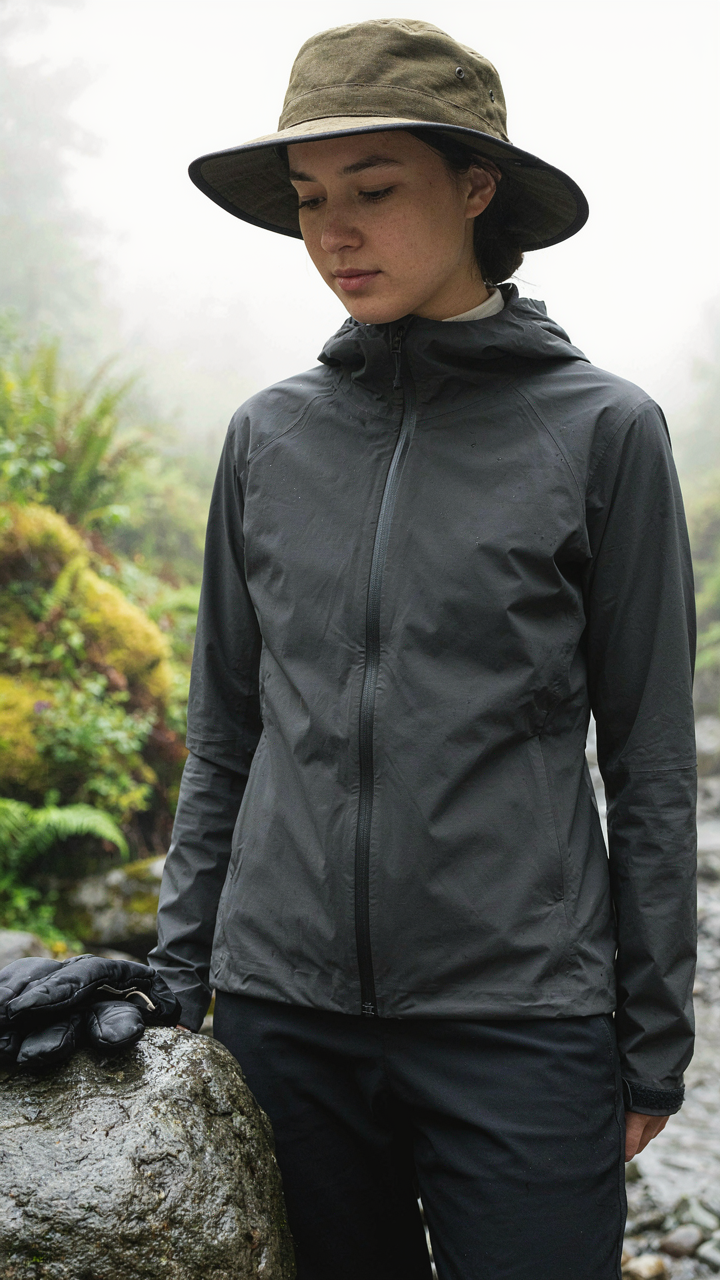
You want accessories that work because you’re tired of wet gear ruining trips, and you don’t want to admit how much the wrong gloves mess with your confidence on the trail. Think of exposure points the way a building architect thinks about structural weak points: rain doesn’t attack uniformly. It finds gaps. Your head, neck, and hands are where water enters your system fastest because they have the thinnest barriers between skin and elements. A hat with a brim wide enough to shed water from your face costs nothing extra but prevents water from streaming into your eyes and down your neck constantly.
Gloves for plus size hikers need genuine grip, not compression that cuts off circulation. Waterproof leather or synthetic mittens rated for wet conditions work better than knit gloves because they don’t absorb water like a sponge. Your hands control your footing on slick terrain, so they can’t go numb. Merino wool liners underneath synthetic shells let you peel off one layer without full exposure, and the layering works across different hand sizes without forcing you into children’s sizing. Wet hands cooling your core happens faster than most hikers realize, which is why this matters more than fashion.
Pack Cover And Dry Bags
The mechanism here comes from physics, not marketing: water seeks lowest points and applies force. Your pack isn’t sealed—rain gets inside through zippers, seams, and the opening itself. A pack cover sits on top as your first line of defense, but covers alone fail because they slip and water pools underneath. Dry bags inside compartments act as a second barrier, the way bulkheads section a ship so one breach doesn’t sink the whole structure.
Your system needs multiple tiers of protection:
- Pack rain cover: Fitted cover specific to your pack’s size range. Elastic straps anchor it and prevent pooling. Check that your pack’s weight capacity stays within limits after adding wet gear inside.
- Compression dry bags: Tapered bags that reduce volume as you pack tighter. Store electronics, first aid, and spare socks. Size them so they don’t shift inside the pack during movement.
- Waterproof stuff sacks: Smaller bags for individual items like matches, salt, or personal items. They nest inside larger bags and add almost no weight while preventing cross-contamination of wet and dry gear.
- Silicone coated ziplock bags: Heavyweight versions for extra layers and emergency items. Test them before the trip to confirm they actually seal—some designs fail under pressure.
- Waterproof pack liner: A full-size bag that fits inside your pack before anything else. It’s your last resort barrier and lets you dump wet items without ruining everything else.
Test this system at home first by running water over your packed setup for thirty seconds. Open the pack and check for drips inside. Most hikers skip this step and discover the problem on the trail when it’s too late. A working system means you open your bag at camp with dry insulation, dry food, and dry fire-starting materials—the three things that actually keep you functioning.
The Thermodynamic Equilibrium Principle For Plus Size Fall Fashion

How Your Body Loses Heat In Wet Conditions
You want to know this because staying warm matters more than looking put-together, and most guides pretend these two things don’t conflict. Heat transfer in physics works three ways: conduction (direct contact), convection (air movement), and evaporation (moisture). Rain attacks all three simultaneously. Your body radiates heat constantly. When fabric gets wet, water conducts heat away from skin twenty-five times faster than air does. Wet fabric against your body isn’t just uncomfortable; it’s a thermodynamic liability.
The common advice says layer and move on. That misses the real problem. Plus size bodies generate more surface area, which means more heat loss potential but also more fabric mass to manage. Your insulation fails the moment moisture penetrates the outer shell because wet insulation doesn’t insulate. You need a system that stops water from reaching the layer touching your skin, not just one that dries fast. This is why shell-first design matters more for you than for smaller frames wearing thinner jackets.
Density Versus Loft In Real Conditions
Loft measures the thickness of air pockets trapped in insulation material. Density measures how much actual material sits in a given space. Most guides treat these as the same thing. They’re not. High-loft synthetic insulation compresses easily under the pressure of rain-soaked pack straps and larger body mass, which destroys its insulating value. Dense materials resist compression but feel heavier and stiffer. The real trade-off isn’t comfort versus warmth. It’s compressibility versus consistent function under load.
For rainy season hiking, you need materials that maintain loft when compressed and wet. Merino wool holds structure better than down when damp because wool fibers trap air even when moisture enters the material. Synthetic insulation like polyester need higher density ratings to resist compression from pack weight and body pressure. Choose a mid-layer with loft density rated for sustained compression, not peak loft at rest. Test your mid-layer by compressing it with your hands for thirty seconds to see if it bounces back.
Beyond Aesthetics: Durability And Investment In Plus Size Fall Outfit
The Real Cost Per Wear
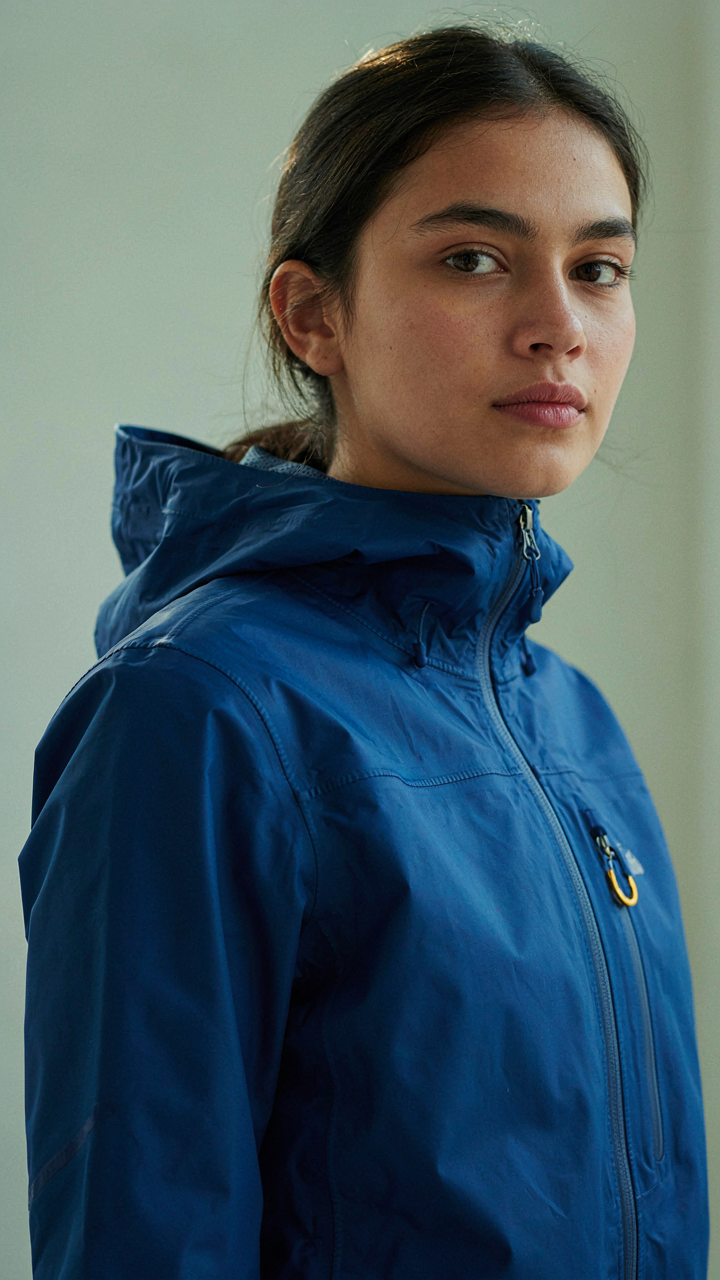
You’re afraid you’ll waste money on gear that doesn’t fit or falls apart. Here’s what matters: cost per wear isn’t about the price tag. It’s about economics borrowed from manufacturing efficiency. In rainy season hiking outfits for plus size women, durability per dollar spent is your actual unit of measurement, not the sticker price alone.
A 200-dollar rain jacket worn forty times costs five dollars per wear. A ninety-dollar jacket worn twice costs forty-five dollars per wear. Most plus size hikers skip durable pieces because they see the price first and assume they’re overspending. They’re not calculating the lifespan. The mechanism is simple: synthetic fabrics on quality rain gear hold seams intact through repeated compression, moisture exposure, and temperature shifts. Cheaper fabrics delaminate. You replace cheap jackets three times while one durable piece survives ten seasons.
Repair Over Replacement Strategy
The common advice says buy the best gear once and you’re done. That’s incomplete. Repair extends lifespan deliberately and costs a fraction of replacement. A torn seam on a quality rain shell takes one trip to a gear repair service and restores waterproofing. The same tear on a cheap jacket signals total failure because the base fabric won’t hold a new seam.
Most hikers don’t know that quality rain gear for plus sizes uses reinforced stitching patterns specifically because larger surface areas mean more stress on seams. Replacing worn zippers, resealing taped seams, and patching small rips on durable gear keeps a jacket functional for years. Establish a repair protocol: inspect your rain shell after every rainy season hike, address small issues immediately, and route major repairs to a specialist before failure compounds. This transforms a single investment into reliable equipment across multiple seasons.
The Backpack Burden: Ergonomics For The Plus Size Hiking Outfit
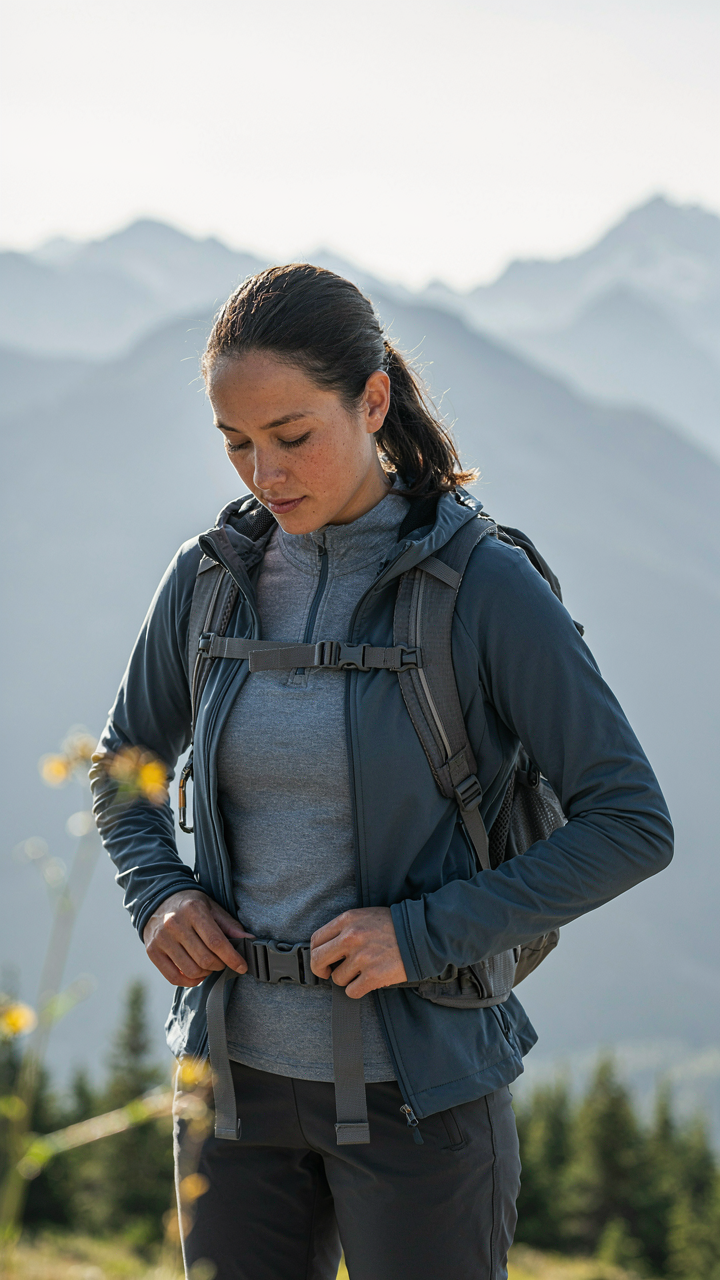
Weight Distribution Minimizes Strain Points
You want the pack to vanish. You don’t want to think about it hurting. That’s the real driver here, and it matters because a poorly distributed load doesn’t just feel bad—it changes how your body moves, which changes which muscles fail first on a rainy day when footing is unstable. Think of load distribution as a structural engineering problem: where you place mass determines which support points bear stress. For plus size bodies, the upper back and lumbar spine are already managing more mass, so the backpack becomes a leverage multiplier. A pack that sits too high or too far from your spine forces your torso to compensate, burning stabilizer muscles you need for balance on wet terrain.
The fix is counterintuitive. Most guides say “pack light.” That’s incomplete advice. What actually works is positioning the pack’s weight directly over your hips, not your shoulders. Your hip belt carries 60 to 80 percent of the load in a properly fitted pack, not your straps. For plus size women, this means the pack’s center of gravity must sit at your natural waist level, not higher. Test this before the trail: load the pack, wear it for ten minutes at home, then adjust the hip belt so it sits snug on your actual hip bones. If you feel weight pulling down on your shoulders first, the pack is too high or the hip belt is too loose.
Pack Fit Adjustments Personalize The Load
Generic pack sizing ignores torso variation, and that’s where most plus size hikers lose the game before leaving. Pack torso length doesn’t correlate to weight or height alone. Your torso measurement from the base of your neck to your hip bones determines the proper fit, and that measurement often differs from standard sizing charts. A pack that’s one inch too long forces the hip belt down past your actual hips, putting all weight on your shoulders. A pack too short sits high on your ribs, pressing into your chest and restricting breathing.
Measure your torso length accurately: stand straight, have someone measure from the first vertebra you feel at the base of your neck down to the top of your hip bone. Most quality pack brands offer women’s-specific cuts and multiple torso lengths. Brands like Osprey, Gregory, and Deuter make packs in extended sizes with adjusted hip belt geometry for plus size frames. Once you have the right torso length, adjust the load lifter straps and shoulder straps so the pack pulls back toward your spine, not out and down. Tighten the hip belt first, then adjust the rest. Do this adjustment standing with the pack loaded, not empty.
Rainy Season Realities: The “Survival First” Mindset
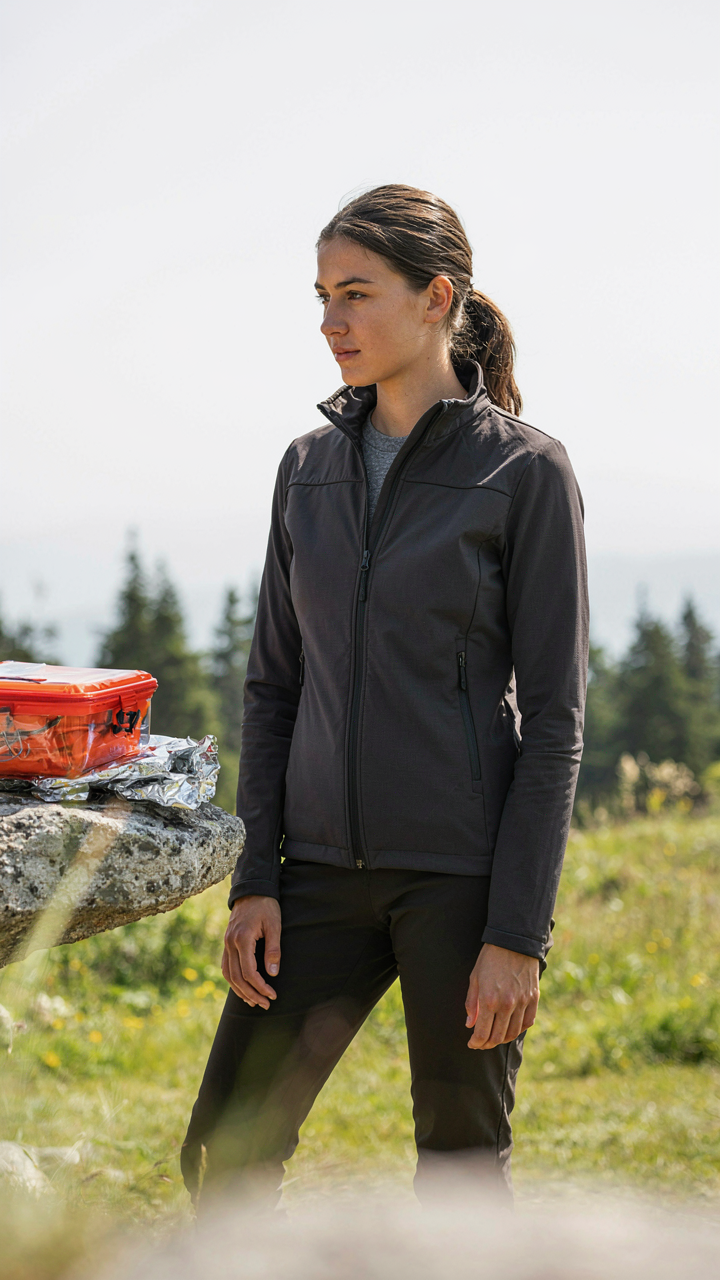
When Your Body Size Changes The Equation
You want to believe the standard hiking advice applies to you equally. It doesn’t. The mechanism is simple: plus size bodies have a larger surface area exposed to elements, which means heat loss accelerates faster in wet conditions, and gear fit directly impacts your ability to move without restriction or chafing that compounds hypothermia risk. Most hiking guides ignore this because they write for an assumed body type, not because the physics changed.
Your emergency kit needs to account for your specific thermal mass and sweat management. A standard rain shell sized down won’t seal properly at the armpits or shoulders, creating cold pockets where water pools. Bring a backup fleece layer rated for wet conditions, a high-visibility emergency poncho in your actual size, fire-starting materials in a waterproof container, and a thermal emergency blanket. The goal isn’t comfort. It’s maintaining core temperature when extraction takes longer because standard trail infrastructure wasn’t designed with your needs in mind.
Knowing When The Trail Becomes The Risk
Most hikers pivot too late or not at all. The decision framework comes from risk assessment in high-consequence environments: identify the constraint that’s about to fail, not the one that’s failing now. For rainy season hikes, your constraint is usually visibility and footing, not rain itself. Once you lose clear sight of the trail markers or your boots start sliding predictably on wet rock, continuing isn’t brave. It’s a calculation error.
Build a pre-hike decision gate: check the forecast for the specific elevation you’re hiking, not just the trailhead. Afternoon thunderstorms materialize without warning in mountainous terrain. If rain starts within the first hour and intensifies instead of clearing, turn back within the first two hours of your hike. Visibility dropping below 50 feet and sustained rain lasting more than 10 minutes means descend immediately. Your ego doesn’t matter. Your safe return does.
The Real Obstacle Isn’t Finding Clothes, It’s Your Mental Resistance To Prioritizing Function Over Fleeting Aesthetics

Most plus size women don’t skip rainy hikes because gear doesn’t exist. They skip them because they’ve been conditioned to see functional clothing as a compromise instead of a power move. You don’t need permission to wear what works. Go buy one waterproof jacket that fits your body today. Stop waiting for the trail to become convenient and start building the life where you show up anyway. Your size has never been the problem, your excuses have.