

The “Less Is More” Wet Weather Hiking Outfit Axiom

Stack Three Layers, Not Five
You want permission to buy less gear because you’re worried you’ll look unprepared. Stop. The mechanism is simple: every layer you add increases dead weight, traps moisture between fabrics, and slows your body’s temperature regulation when you’re moving uphill. Older adults especially feel this—joints work harder when carrying excess fabric mass.
Three layers solve wet weather hiking. Base layer pulls sweat away from skin. Mid layer traps warmth. Shell layer blocks wind and rain. That’s the stack. Adding insulation under the shell or cotton anything ruins the system. Movement matters more than coverage at your age, and movement dies under bulk.
Merino Over Everything Else

Think like a materials engineer: fabric selection determines moisture management, which determines comfort, which determines whether you finish the hike. Merino wool outperforms synthetic and cotton because it absorbs up to 30 percent of its weight in moisture while staying warm. Most hiking advice skips this and pushes generic “breathable” synthetics that hold sweat against your skin.
Your base layer must be merino wool or a merino-blend. Your mid layer can be merino fleece or a light synthetic. Cotton belongs nowhere on your body in rain. Merino regulates temperature better as you age because it reacts to your body’s actual needs instead of fighting them. Buy one quality merino base layer and one merino mid layer. Wash both after each hike. This alone fixes 80 percent of wet weather discomfort for older hikers.

Comfy Shoes: Your Foundation, Not An Afterthought
Waterproof Membranes That Actually Work
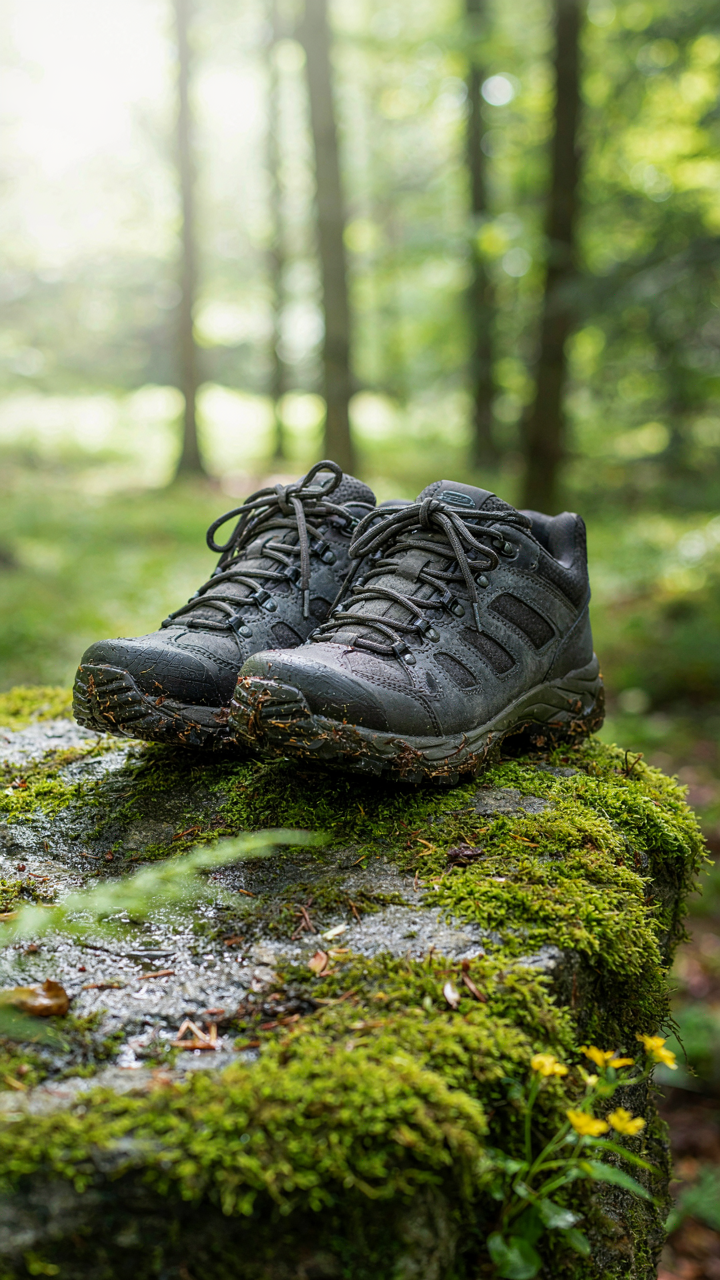
You’re worried your feet will get wet and ruin the hike. That’s not the real problem. The real problem is that once moisture enters your shoe, it stays there, cools your skin, and your body wastes energy trying to rewarm itself. That’s the mechanism. Most hikers buy shoes with Gore-Tex and assume the job is done. Gore-Tex stops water from entering but lets sweat escape. It works. But membrane performance depends on fit and maintenance, not marketing claims. A loose shoe lets water in at the collar. A clogged membrane traps sweat inside. Neither scenario matters if you don’t understand what the membrane actually does.
The membrane is a barrier layer, not magic. It sits between your outer shell and inner lining. Water molecules are larger than water vapor molecules. The membrane blocks liquid rain but allows perspiration to escape as gas. This is physics, not preference. In rainy season hiking for older adults, you need a membrane that handles the specific problem: prolonged exposure to wet conditions without the movement volume of younger hikers. Gore-Tex, eVent, and similar products all work. Pick one with a full bootie construction that covers the toe box and sides. Your shoe choice determines whether your feet stay functional or become a liability within two hours.
Grip Patterns That Don’t Fail On Wet Rock
Slippery terrain kills momentum and confidence, especially for older adults with slower reaction times. That’s where lug pattern design matters. Lugs are the raised rubber blocks on your sole. Deep lugs with sharp edges grip wet surfaces by cutting into slime and moss. Wide spacing between lugs prevents mud from clogging and reduces suction. Most hiking shoes use moderate lugs that work fine on dry dirt. On wet rock and clay, they fail. You need an aggressive pattern with at least 5mm lug depth and distinct edge geometry. The lugs must have defined corners, not rounded edges. Rounded lugs slide. Sharp lugs bite.
Test lug performance by pressing your shoe sole against wet tile at home. If your foot slides easily, the lug pattern is insufficient. Brands like Salomon, Merrell, and ASOLO make shoes with aggressive patterns specifically for technical wet terrain. Vibram soles are the standard in this space because they engineer lug geometry for specific conditions. When buying, ignore the shoe color and marketing tagline. Look at the sole under light. Count the lug depth. Run your thumb across the edges. If they feel sharp and the spacing is wide, the shoe will hold on slippery ground during rainy season hikes.
The Microclimate Control Protocol: Smart Layering
Base Layers: Wicking Fabrics And Temperature Regulation
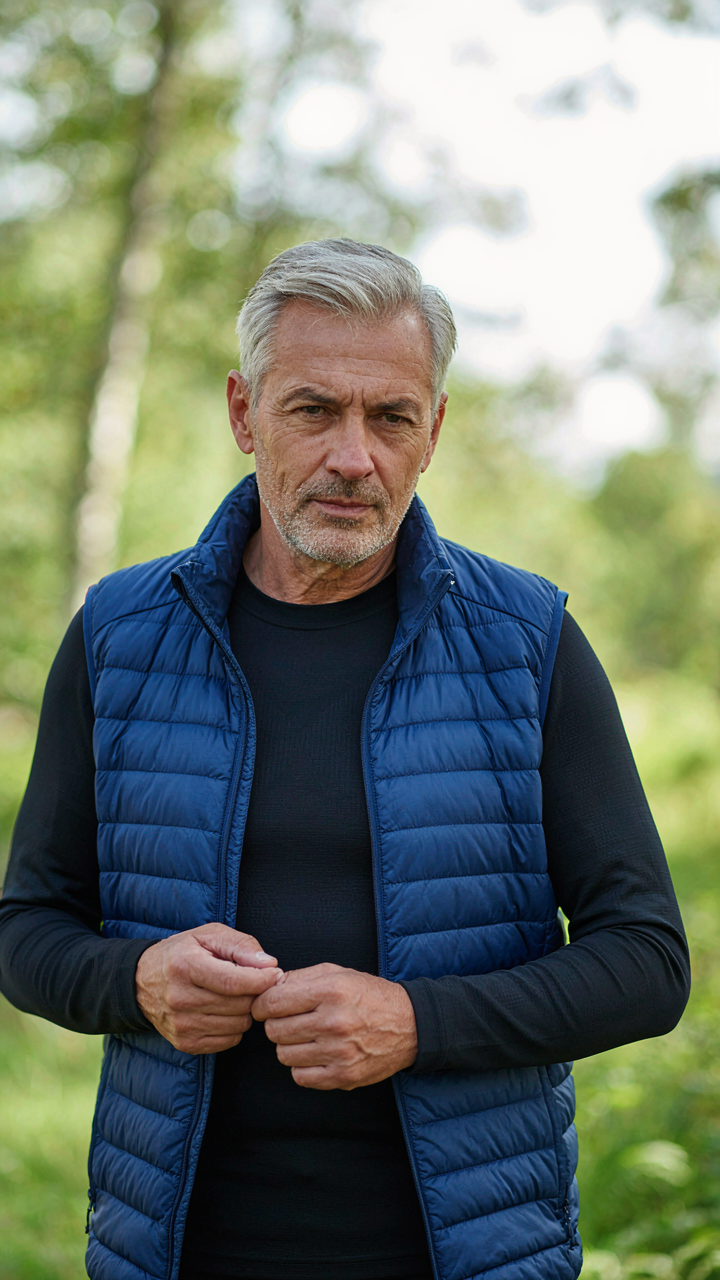
You want to believe that buying expensive gear fixes the problem. It doesn’t. The real issue is vapor transport—borrowed from materials science, it’s how moisture moves through fabric layers, and it’s the difference between staying warm and hypothermic on a wet trail. Your skin produces sweat during exertion. That moisture must leave your body or it becomes a heat sink that kills you faster than cold air alone.
Merino wool and synthetic fibers like polyester work because they move sweat away from skin while retaining minimal water themselves. Cotton absorbs moisture and holds it. Older adults generate less metabolic heat during sustained activity, so base layer performance matters more, not less. The base layer sits against skin and handles the primary job: continuous moisture evacuation, not insulation. Choose fabrics rated for moisture-wicking, not comfort marketing.
Mid Layers: Strategic Insulation Without Bulk
Insulation works by trapping air, which is physics, but the mechanism most hikers get wrong is compression. A mid-layer loses function when compressed by a tight outer shell or when you’re carrying a heavy pack. Older adults need mid-layers that maintain loft under pressure because diminished circulation means your body recovers slower from cold exposure.
Fleece or wool mid-layers perform better than down in wet conditions because they retain insulating value even when damp. Synthetic insulation adds weight without the compressibility advantage. Stack your mid-layer where it can breathe: not under your pack straps, not cinched at the waist. The rule is simple—keep air pockets intact, or you’re wearing decoration.
Outerwear: Your Personal Force Field, Not A Sack
Shell Jackets: DWR Vs. Waterproof Membranes
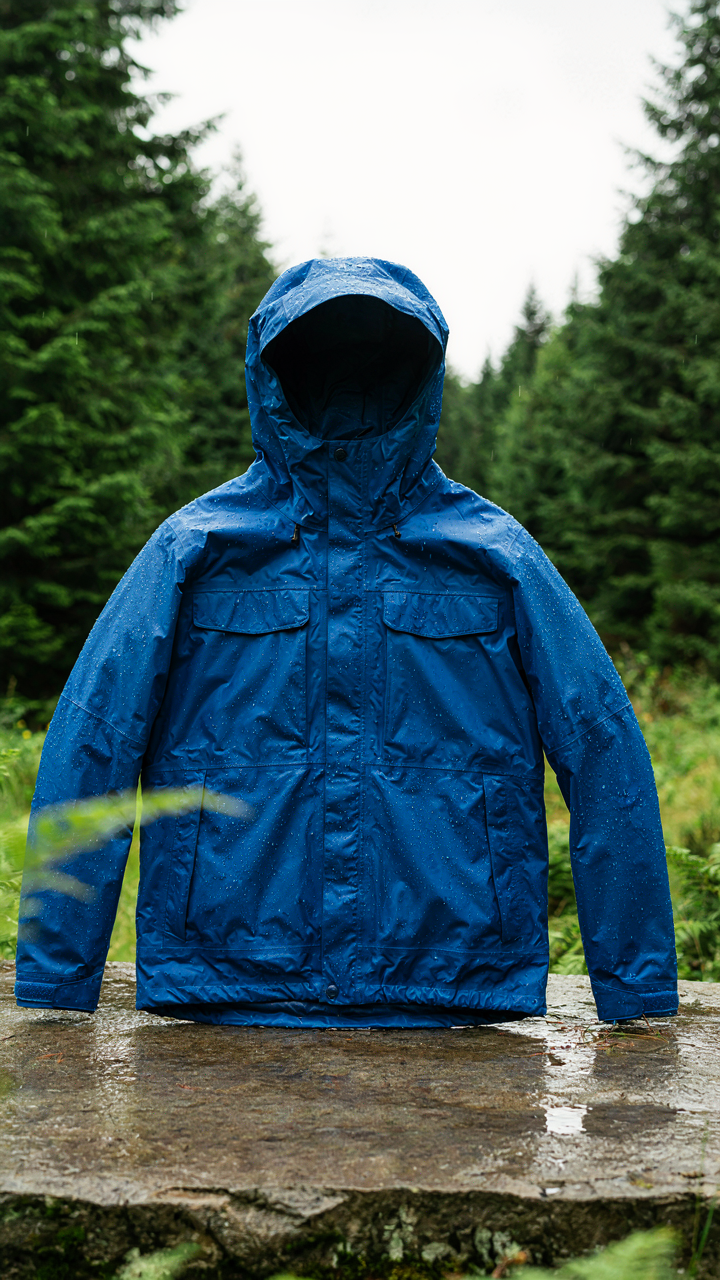
You want a jacket that won’t betray you halfway up the trail. Military strategy teaches us about defense in depth: layered protection where each layer handles a specific threat. DWR (durable water repellent) coatings shed water on contact but fail under sustained pressure. Waterproof membranes like Gore-Tex actually block water molecules while letting vapor escape, solving the problem DWR cannot solve alone.
The mistake everyone makes is treating these as interchangeable. They’re not. DWR alone gets overwhelmed on steep, wet terrain where rain hits hard and stays. A membrane-based shell costs more upfront but keeps you functional for six hours straight without soaking through. For older adults on longer hikes, this distinction separates a manageable day from a dangerous one where cold and wet combine into hypothermia risk.
Rain Pants: Mobility And Protection From Elements
Rain pants matter because wet legs steal heat faster than any other single point of failure on your body. Most hikers skip them, then spend four hours miserable. The real mechanism is simple: water conducts heat away from skin 25 times faster than air does. Your legs generate movement and muscle heat during hiking, but rain negates that advantage unless you block the water.
Fit determines everything here. Oversized rain pants restrict hip and knee movement, forcing your joints to work harder on uneven terrain. Older adults need pants that move with you, not against you. Look for tapered cuts with side zippers so you can slip them on without removing boots. Seal the cuffs against your socks or gaiters so water cannot channel downward during steep descents.
Beyond The Basics: Hiking Outfit Women Specifics

Fit And Function: The Real Friction Problem
You want to look capable on the trail without admitting your body moves differently than it did ten years ago. That’s not weakness—it’s physics. A looser fit reduces shear force between fabric and skin, which is the actual mechanism behind chafing. Tight gear amplifies it. Most women’s hiking apparel still assumes a single body type, which means you’re either buying oversized gear that pools water or snug gear that creates friction at every joint.
The solution is counterintuitive: slightly loose layers that stay in place. Look for high-rise waistbands that don’t slip when wet, reinforced seams along the thigh and armpit, and fabric with texture that grips rather than slides. Rainy conditions amplify friction, so moisture becomes your enemy twice over. Women’s-cut hiking pants should sit at your natural waist, not your hips, with gusseted crotches that move with you, not against you. Test the fit while walking downhill—that’s when chafing surfaces become obvious.
Undergarments: Damp Comfort Without The Collapse
Moisture-wicking base layers are standard advice, but the real mechanic is vapor pressure differential. Your body sheds moisture that needs to move away from skin, not pool against it. Cotton holds moisture like a sponge. Merino wool or synthetic blends push it outward. In rainy conditions, most women wear sports bras that get waterlogged and lose support, which creates discomfort during descent when your body needs stabilization most.
The protocol: wear a moisture-wicking sports bra one size up from your usual fit to allow for swelling in humid conditions, paired with seamless synthetic briefs designed for hiking, not everyday wear. Look for flat seams at the groin and thigh. Change out of wet undergarments at camp or your vehicle immediately after hiking—staying damp causes skin breakdown that worsens over multiple wet-season trips. This single step prevents the cumulative injury that stops older women from hiking altogether.
Accessorize With Intent: The Winter Mode Mindset
Keep Your Head Dry And Warm
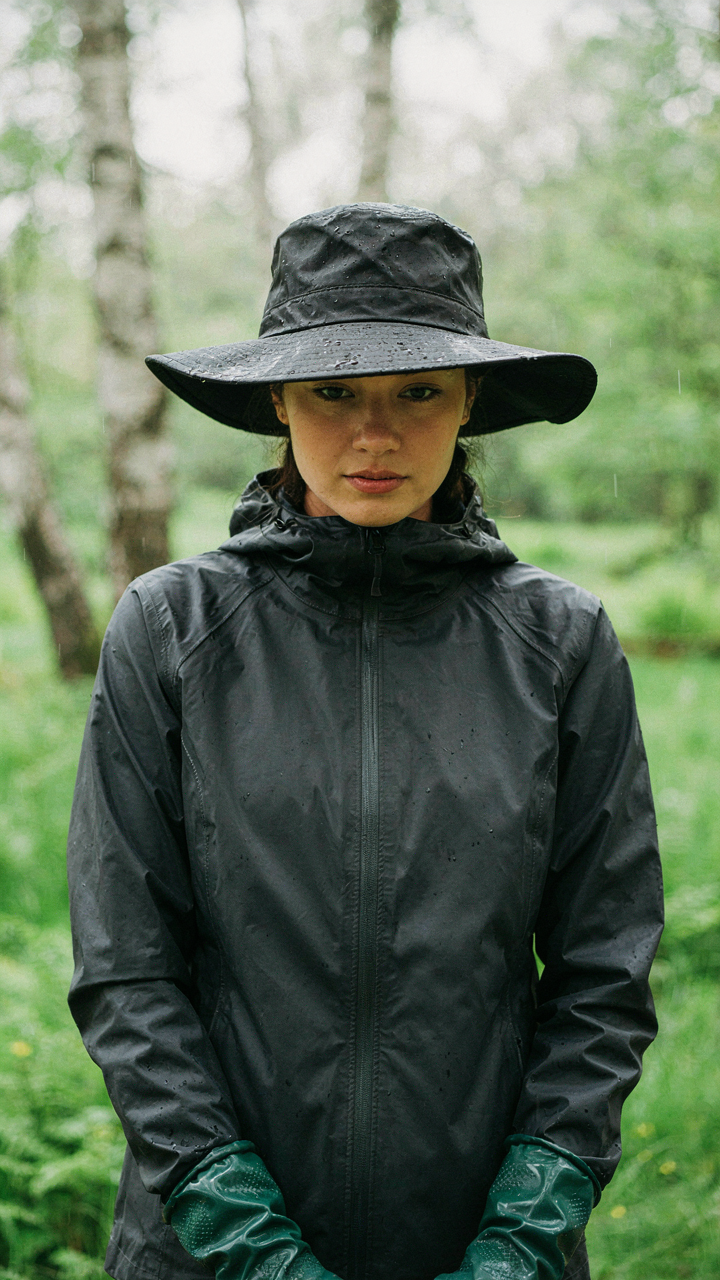
You want to look competent on the trail, not like you’re unprepared. That’s the real reason this matters. Headwear on rainy hikes solves two mechanical problems: it stops rain from hitting your face and neck, which preserves core body temperature, and it keeps water off your glasses or eyes so you maintain sight lines on uneven terrain. A baseball cap alone fails here because rain runs off the brim directly onto your shoulders and neck. You need a hat with a back panel or a hood that extends past your shoulders. Merino wool or synthetic blend hats dry faster than cotton and retain heat even when damp, which cotton cannot do.
The goal isn’t fashion. The goal is keeping your head and neck zone between 32 and 40 degrees Fahrenheit to maintain balance and reaction time. Rain hitting exposed skin on older adults cools the head faster because skin circulation decreases with age. A wide-brimmed rain hat or a hood integrated into a rain jacket keeps precipitation off your face so you can see obstacles clearly and breathe without inhaling mist. Test your headwear on a short wet walk before committing to a full rainy season hike.
Hands Need Function Over Fashion
Dexterity and insulation work against each other, which is the core trade-off nobody explains plainly. Gloves that are too thick prevent you from adjusting straps, opening a water bottle, or gripping trekking poles with precision. Gloves that are too thin fail to keep your hands warm enough to maintain grip strength. For older adults on rainy trails, grip strength directly controls your ability to stabilize yourself on wet roots and rocky sections. You need a hybrid system, not one pair of magic gloves.
- Merino wool liner gloves: Thin base layer that wicks moisture and provides baseline warmth without bulk. Allows full finger dexterity for technical tasks like adjusting gear.
- Waterproof mitten shells: Oversized shell that fits over the liner gloves. Easy to remove when you need to handle equipment, then slip back on when hiking.
- Neoprene or synthetic blend: Water-resistant material that maintains flexibility when wet, unlike leather which stiffens. Keeps hands mobile even during rainy sections.
- Convertible finger flaps: Gloves with fold-back fingertips so you expose thumb and index finger for fine motor tasks, then cover them again for warmth during rest breaks.
- Grip-textured palms: Silicone or rubber dots on the palm side prevent slipping on wet poles and rocks. Essential for maintaining stability on technical terrain.
Carry an extra pair in a waterproof pocket. Wet gloves lose 80 percent of their insulating capacity, so swapping to dry gloves mid-hike maintains hand temperature and grip stability. Check your glove fit before rain starts by gripping your trekking pole for 30 seconds. Your fingers should have zero numb spots and full range of motion.
The Cabin Weekend Outfit Crossover: Versatility On The Trail

Garments That Work Both Places
You want to feel competent on the trail without looking like you’re cosplaying as an outdoorsperson. That’s the real reason this section matters. The mechanism is simple: older adults benefit from clothing that transitions because it reduces total pack weight, eliminates decision fatigue, and keeps you from buying duplicates of similar pieces. A merino wool henley works at the trailhead, on the ridge, and in front of the fireplace. Same shirt, three contexts. This isn’t laziness. It’s physics applied to your closet. Load bearing capacity decreases with age, so every ounce counts.
Most hiking advice treats trail wear and lodge wear as separate universes. That’s wrong. A water-resistant softshell jacket rated for rain stays functional whether you’re ascending a ridgeline or walking to dinner. Merino base layers regulate temperature in both wet conditions and heated cabins because the fiber itself manages moisture, not because of marketing language. Choose pieces with neutral colors, minimal branding, and genuine technical function rather than styling. This eliminates the need to pack redundant gear and forces you to own clothing that performs rather than merely looks the part.
Travel Wardrobe Efficiency Principles
Capsule wardrobe logic comes from fashion, but the principle transfers directly: maximum combinations from minimum pieces. For rainy season hiking, this means selecting clothing in coordinating colors with multiple functional layers rather than single-purpose items. Pack one rain shell instead of a rain jacket and a waterproof poncho. Choose one pair of hiking pants that dry quickly and work on uneven terrain rather than cotton alternatives. The constraint isn’t creativity. The constraint is carrying what actually keeps you functional.
The math works like this: four base pieces multiplied by three coordinating shells or layers produces twelve outfit combinations without repetition. Older hikers moving through variable weather need this flexibility without the weight penalty of a stuffed pack. Focus on technical fabrics that serve dual purposes: water resistance plus breathability, insulation plus moisture management. Test everything before committing to a multiday trip. Wear each piece around your home first, then on a short hike, then on your rainy season outing. This protocol prevents discovering mid-hike that your “versatile” layers don’t actually function the way you need them to.
Ponte Pants And Comfy Chic: Unconventional Trail Gear

Why Stretch Fabrics Win On Wet Terrain
You want to hike without feeling restricted, but you’re afraid cheap stretch materials will fail when wet and cold. Here’s the mechanism: stretch fabrics work through elastane fibers woven into the base yarn, not added on top like a gimmick. When you move uphill or crouch to navigate rocks, the fabric expands and returns to shape. Rain doesn’t degrade quality elastane, and the stretch actually improves mobility on slick surfaces because you’re not fighting the fabric.
Ponte specifically—a knit blend with cotton, polyester, and elastane—resists moisture better than pure cotton while maintaining that stretch. The fabric dries faster than you’d expect because the blend prevents water from being absorbed like a sponge. On a rainy trail, this means your legs stay functional, not clammy and stuck inside rigid pants. Buy ponte with at least fifteen percent elastane, and test the fit while doing a full squat in the store. That’s your proof the fabric actually moves with you.
Aesthetics That Don’t Sacrifice Traction
Looking acceptable on a trail at sixty-five isn’t vanity, it’s a signal that you prepared properly. Function and appearance aren’t opposing forces here, they’re the same thing. Older adults who invest in real hiking gear instead of activewear marked down at a mall actually stay safer because they take the outing seriously. You wear what you believe you should wear.
Ponte pants in solid charcoal or navy pair with moisture-wicking base layers and a rain shell that doesn’t look like a garbage bag. The combination gives you legitimate coverage without the “costume” feel of technical gear from 2003. Your knees stay dry, your movement stays unrestricted, and you look like someone who knows what they’re doing. Pack a microfiber towel to wipe down your pants during breaks so they don’t stay wet against your skin for hours.
The Anti Travel Capsule: What NOT To Pack For Wet Hikes

Cotton Is The Slow Killer
You think cotton breathes. That’s your real problem—you’ve accepted a marketing narrative that feels intuitive but kills performance on wet trails. Cotton absorbs water like a sponge and holds it against your skin, dropping core temperature faster than any other common fabric. The mechanism is simple thermodynamics: wet cotton loses heat transfer efficiency by a factor of five compared to dry material. Your body can’t regulate temperature when the fabric traps moisture and cold air cycles through it.
Older adults lose thermoregulatory capacity with age. Your body’s ability to sense and respond to temperature shifts diminishes, meaning cotton doesn’t just feel uncomfortable—it becomes a genuine risk. Cotton socks are the specific kill shot. One wet cotton sock creates a pressure point and friction zone that turns into a blister within two miles. Replace every cotton item with synthetic or merino wool before you step onto a muddy trail, no exceptions.
Unnecessary Weight Breaks The Hike Before It Starts
Most people pack backup clothes they won’t wear, “just in case” scenarios that never happen, and duplicate gear because they doubt what they already own. This isn’t caution. It’s decision fatigue masquerading as preparedness. Every extra pound forces your joints to absorb additional impact on descents, compounding wear on knees and hips that already handle terrain poorly.
The protocol: weigh your pack before you leave. Anything over 15 percent of your body weight adds measurable joint strain. If you weigh 160 pounds, your pack should not exceed 24 pounds. Remove one item per category—one rain layer instead of two, one pair of socks instead of three. If you don’t actively need it within the first hour of the hike, it stays home.
Gear Maintenance: Extending The Life Of Your Investment
Reproofing Your Shell Layer
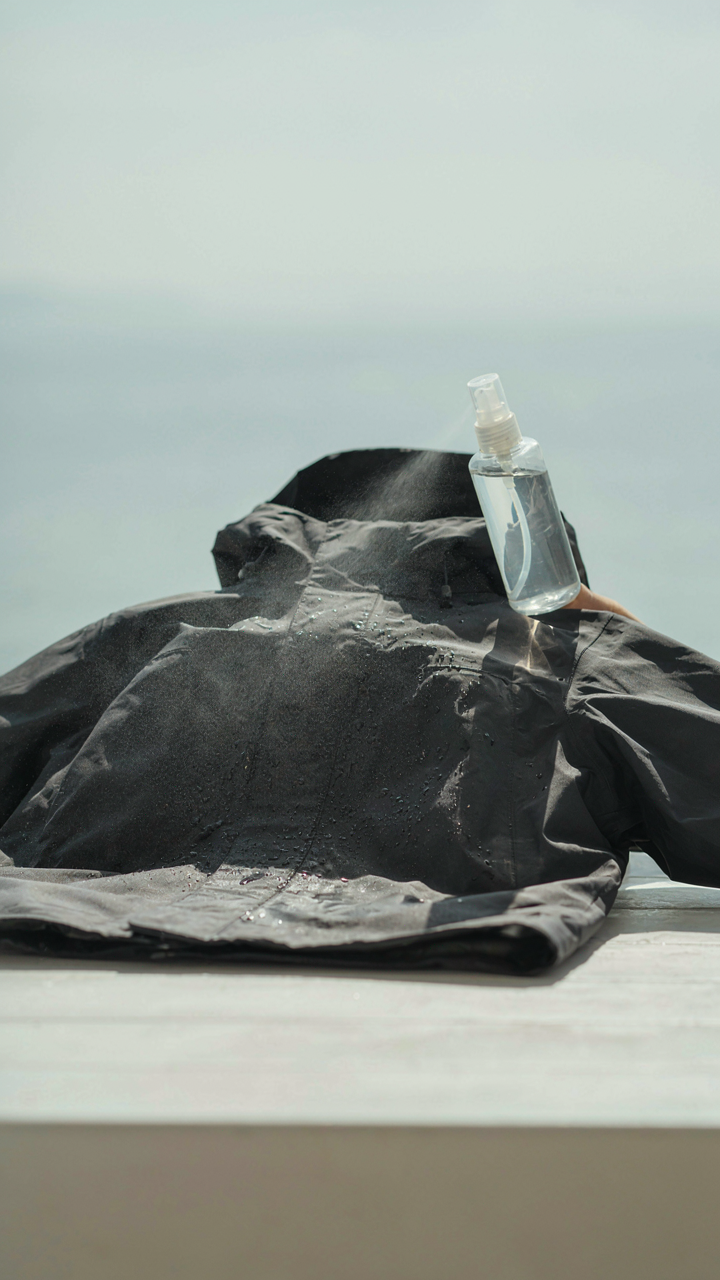
You want to believe your rain jacket will last forever because admitting it won’t means spending money again. It won’t. The durable water repellent coating on fabric works like a dam: water beads and rolls off, but the coating degrades. Rain jackets lose their water shedding ability after 40 to 80 wears, depending on washing frequency and sun exposure. The membrane underneath stays intact, but the outer coating fails first.
Reproofing restores the beading action. Wash your jacket in cool water with a technical cleaner designed for outdoor gear, then apply a DWR treatment by spray, wash-in, or tumble dry method. Most older adults find wash-in treatments easier than spraying. Reapply every season or when water stops beading on the fabric surface. This is the actual maintenance work that extends the jacket’s tactical life.
Boots Need Actual Drying Protocol
The common advice to air-dry boots is incomplete. Stuffing them with newspaper and leaving them in a warm room works, but the timeline matters. Stuff with dry newspaper, replace every four hours for the first day, then move to a single daily change until fully dry. Patience prevents permanent shape damage and material cracking that older adults’ joints already struggle to accommodate.
Once dry, condition leather or synthetic uppers with products formulated for that specific material. Leather needs a water-resistant conditioner applied thin; synthetics typically need silicone-based treatments. Insoles dry separately and should be replaced every 18 to 24 months for arch support that older hikers depend on. The protocol is: dry first, condition second, replace insoles by schedule.
Your Biggest Obstacle Isn’t The Weather; It’s Your Outdated Gear Philosophy

Most older hikers treat rainy season like a problem to survive instead of a condition to exploit. You’ve accepted the lie that age means staying inside when clouds roll in. Stop waiting for perfect weather. Buy one quality rain jacket today, test it on a neighborhood walk, then commit to a trail this week. The only thing between you and the trail is the decision to show up wet.