

Beyond “Waterproof”: The Permeability Paradox Of Kids Hiking Outfit

Your Kid Will Sweat More Than The Rain
You want your kid bone-dry because wet clothes feel uncomfortable and you’re afraid of hypothermia. Here’s the mechanism nobody says plainly: trapping sweat inside waterproof layers kills temperature regulation faster than rain exposure ever does. A fully sealed jacket stops water from entering and exiting. Your kid generates heat during hiking. That moisture has nowhere to go. The body cools through evaporation. Block that, and you’ve created an internal sauna that turns hostile the moment movement stops.
Waterproof doesn’t mean protected. It means sealed. For kids on the move, sealed equals trapped heat and the exact conditions that cause rapid core temperature drop when they stop for a snack break. The rain itself poses less risk than the vapor pressure building underneath a non-breathable shell. This is basic thermodynamics applied to fabric layers.
Breathability Trumps Impermeability

Physics defines permeability as a material’s ability to allow passage through it. In rainy season kids hiking outfits, you need permeability working both directions: water vapor out, liquid water limited in. Most parents treat waterproof as the goal. It’s the wrong variable. Breathability wins the actual exchange rate between internal moisture and external environment.
Materials like eVent or Gore-Tex with a backing layer shed rain while letting sweat escape as vapor. They’re not perfect dry-keeping solutions, but they preserve the temperature regulation your kid needs during active hiking. A breathable outer layer over a moisture-wicking base layer creates a system that manages both sweat and precipitation. Your kid stays warmer and more alert because core temperature stays stable. Test this: breathable gear dries faster after a hike, and kids complain less about discomfort. That’s not comfort preference. That’s physiology winning.

The Layering Protocol For Outdoor Kids
Start With Synthetic Or Merino, Not Cotton
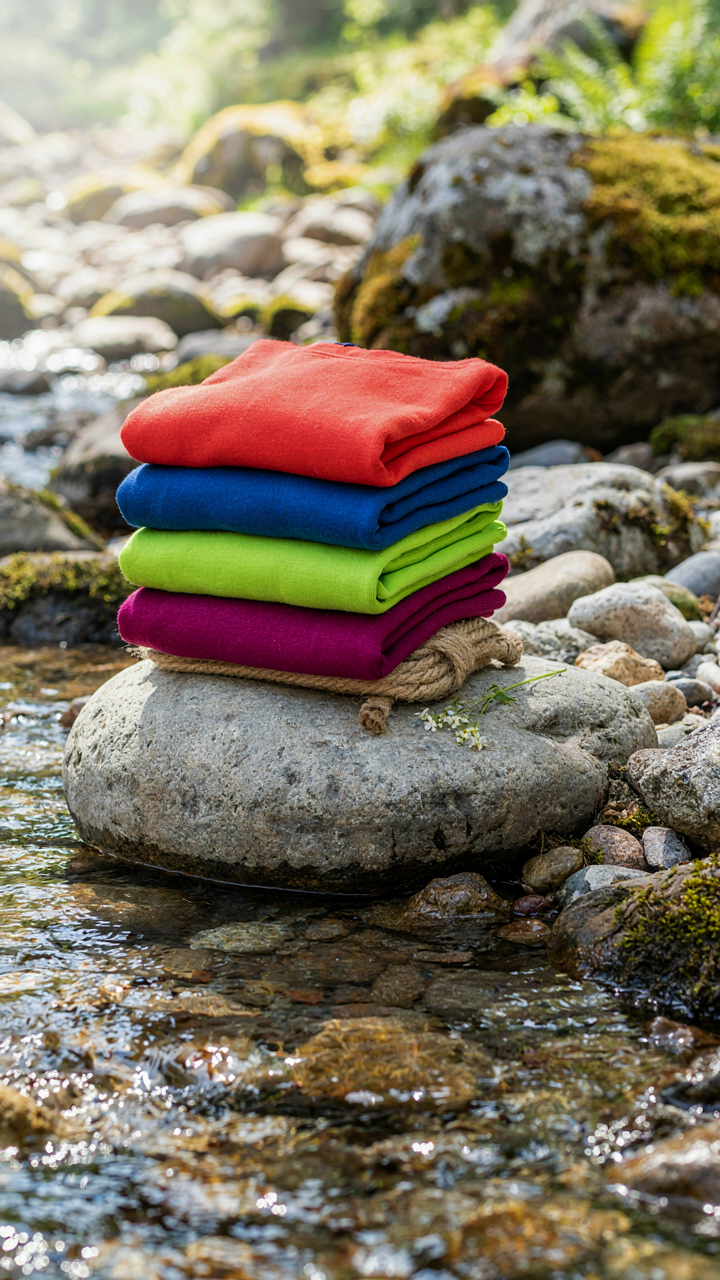
You want your kid to stay comfortable on the trail, but what you’re really after is avoiding the panic of a cold, damp child miles from the car. That panic costs you the hike. Here’s the physics: base layers work through capillary action, the same mechanism that pulls water up through plant roots. Cotton absorbs moisture and holds it against skin. Synthetic polyester and merino wool both wick sweat away from the body instead. Your kid needs the base layer moving water outward, not storing it.
Cotton feels familiar because it’s cheap and common. It fails in rain. Merino wool resists odor and regulates temperature across a wider range than synthetics, but costs more and requires gentler washing. Synthetic base layers dry faster, cost less, and handle repeated washing without degradation. Pick synthetic for kids who sweat heavily or need gear that survives a season of abuse. Pick merino if your budget allows and your child tolerates the texture. Either beats cotton every time on a wet trail.
The Mid Layer Does One Job
Insulation traps dead air, and your mid layer’s only purpose is holding warmth when the base layer has already moved moisture away. Most parents overthink this and buy fleece that’s too heavy or too thick. A lightweight fleece or a thin wool sweater works. The mid layer doesn’t need to repel water because the shell layer handles that job next. Stacking functions into one piece creates bulk without benefit.
Fleece made from recycled polyester performs identically to virgin polyester fleece at half the environmental cost and sometimes lower price. Wool mid layers add weight compared to synthetics but insulate even when damp, a real advantage in extended rain. The mistake people make: buying mid layers rated for winter mountaineering when kids are hiking low-elevation rain forests in spring. Match the insulation to the actual temperature drop on your route, not to worst-case scenarios. Test the layering at home before the hike so you know how many mid layers your child needs.
Kids Waterproof Clothing Essentials: The Outer Shell’s True Purpose
Wind And Rain Stop Here, Not At Your Base Layer
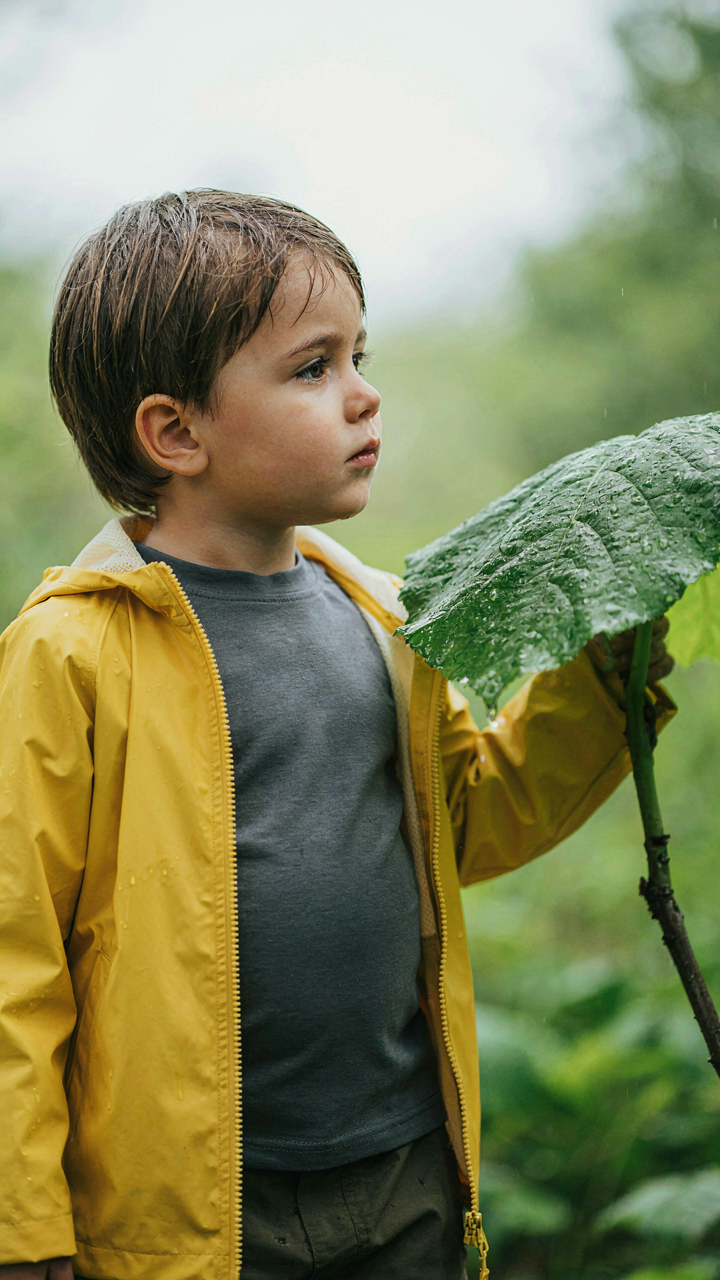
You want your kid to stay dry so they don’t complain and you look like a competent parent. That’s the real driver. But here’s the mechanism: an outer shell works through physics, not magic. It creates a barrier that water cannot penetrate while allowing vapor to escape. Without this layer, moisture from sweat or rain soaks everything underneath, and your kid gets cold fast regardless of what they’re wearing beneath.
Most parents confuse “waterproof” with “water resistant” and buy the wrong thing. Water resistant fabrics shed light rain for maybe thirty minutes before saturation. Waterproof shells use sealed seams and membrane construction to block water entry entirely. The shell sits on top, takes the abuse, and transfers nothing downward. Pick a jacket with taped seams, not just glued ones, because taped seams actually hold when a kid crawls over rocks or brushes against wet branches.
Weight Against Durability Matters More Than Fit
Everyone tells you durability matters for kids because they’re rough on gear. They’re right, but incomplete. The real trade-off is this: thicker, more durable materials weigh more, and a heavier kid on a long hike burns energy faster and quits sooner. Lightweight shells tear easily from branch snags and prove expensive to replace. You need the minimum durability threshold that survives your specific terrain, not maximum durability.
On moderate trails with low rock density, a lighter ripstop nylon shell does the job for a half-day hike. On technical terrain with sharp rocks and dense brush, you move toward heavier polyester blends that resist puncture and abrasion. Measure your actual conditions and match durability to that reality, not to worst-case scenarios that won’t happen. Check the shell after each trip for small holes, seal them immediately with fabric tape, and you extend its lifespan without upgrading to indestructible material your kid will outgrow in two years anyway.
The “Special Forces Kit” Approach To Kids Hiking Gear
Every Item Earns Its Weight
You want your kid to look prepared so other parents think you’ve got this figured out. Here’s what actually matters: military logistics wins because it eliminates gear debt. Every item must justify its existence by solving a specific problem or enabling another item to work. This mindset kills the gear bloat that makes rainy season hikes miserable. Most parents pack duplicates and nice-to-haves. That’s friction masquerading as readiness.
Start by mapping the actual failure points on a wet hike with kids. Wet socks cause blisters and complaints. Waterlogged outer layers create heat loss. Cold hands stop kids from using traction gear or eating. Mud buildup on boots adds weight and ankle strain. Each item you select must prevent one of these specific failures. A rain jacket doesn’t count if it soaks through in twenty minutes. A pair of gaiters prevents mud from entering boots entirely. That’s the difference between hoping and engineering.
Swap Gear Without Stopping
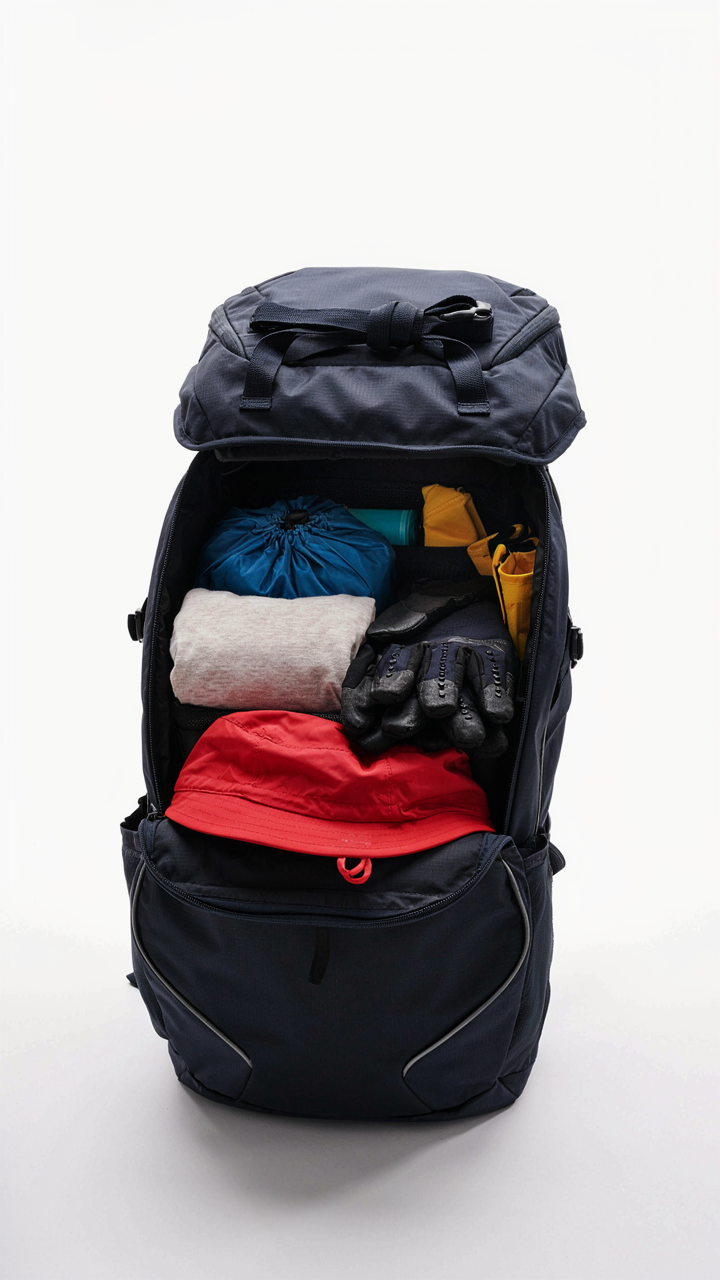
Rapid iteration in rainy conditions means your system adapts before the hike falls apart. Most advice says “pack layers and change when wet.” That’s incomplete. The real mechanism is staged equipment rotation: you pre-position backup items so you only swap what failed, not your entire system. Military units call this supply line efficiency. For kids’ rainy hikes, it means your backup sits ready to deploy, not buried in a pack.
Bring two pairs of gloves, not one. When the first pair gets soaked, swap in thirty seconds without removing the jacket. Two hat options let you switch from a brim-heavy style to a close-fitting beanie if vision gets compromised by rain. Keep a dry merino wool base layer accessible in a waterproof stuff sack. If your kid’s core layer loses insulation capacity, you replace it mid-hike instead of pushing through discomfort. The hike doesn’t stop. You rotate what failed and keep moving.
Footwear Fallacies: Why “Waterproof” Boots Fail Kids Hiking

Where Water Actually Gets In
You want to believe a label. That’s the real reason this matters. Waterproof boots fail kids because you’re picturing fabric as the only barrier, when water enters through predictable points that have nothing to do with the material itself. The collar opening, the seam where the sole meets the upper, the tongue gap, and the lacing holes are where rain gets in. Manufacturers don’t highlight this because it exposes their marketing.
Think of water entry like thermodynamics: it follows the path of least resistance. A boot is only as dry as its weakest seal point, not its fabric rating. Kids hike with inconsistent gait and step placement. They wade through puddles without technique. Their weight distributes unevenly on wet terrain. These behaviors expose every vulnerability a boot has, and waterproof fabric can’t compensate for structural design flaws. The collar opening alone can funnel water straight down the leg if it sits too low or doesn’t overlap the pants properly.
Quick Dry Beats Impermeable Every Time
The conventional advice reverses what actually works in field conditions. Everyone chases impermeable boots because the term sounds stronger, but kids’ feet spend the hike wet either way. What matters is what happens after water gets inside, which it will. Quick-dry mesh linings and drainage-friendly soles empty water fast. Impermeable boots trap moisture and create the exact environment where blisters form and feet stay cold.
Synthetic materials with open-cell foam linings shed water in minutes once you stop hiking. Leather impermeable membranes lock moisture in and take hours to dry. Kids don’t generate enough body heat during rest breaks to evaporate trapped sweat. A boot that drains in 20 minutes keeps the foot functional. A sealed boot that stays damp for six hours causes friction damage. Choose boots with drainage channels molded into the sole and lining permeability over any waterproof coating.
Accessorizing For Agility: Rain Gear Beyond The Jacket
Head, Hands, And Neck Protection
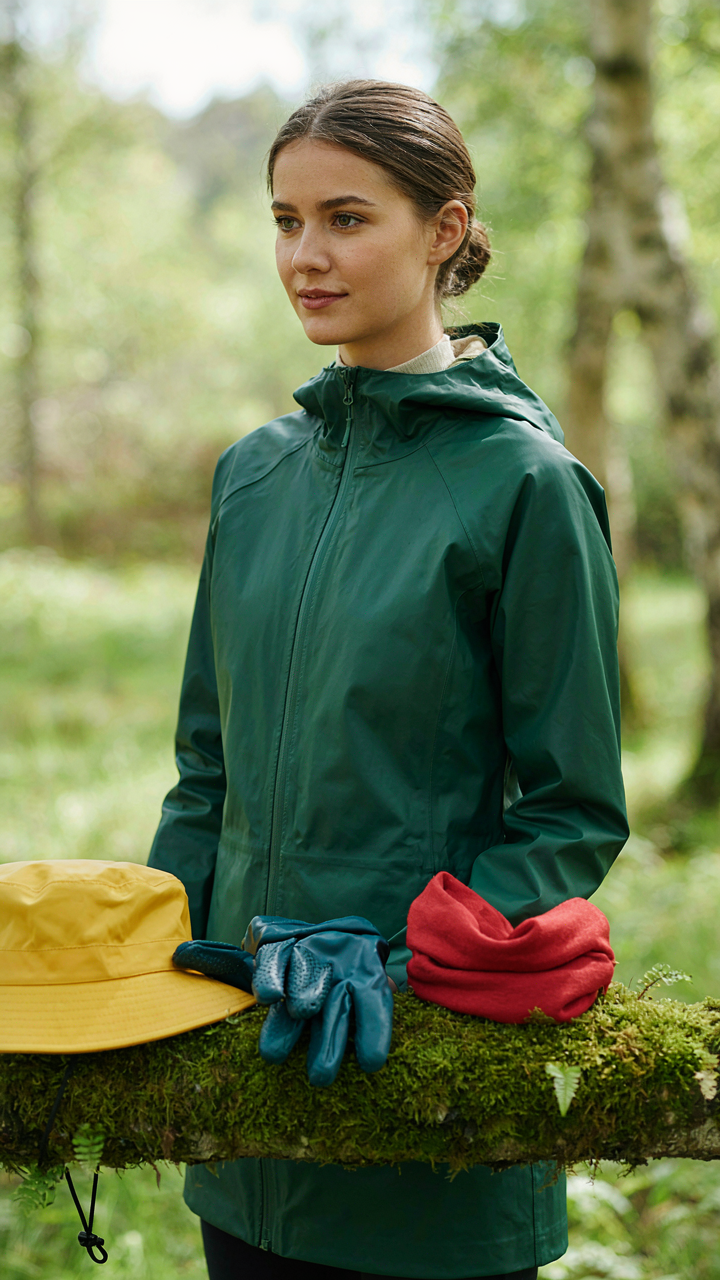
You want your kid to look prepared without actually buying the wrong stuff that sits unused in the closet. The real mechanism is heat loss: your body dumps warmth through your head, hands, and neck faster than anywhere else, and wet conditions accelerate this. Control those three zones and your kid stays functional. Ignore them and no insulated jacket fixes the problem.
- Wide-brimmed rain hat: Keeps water off the face and neck, not just the scalp. Look for adjustable chin straps that stay put during movement. Avoid peaked caps that channel rain down the back.
- Waterproof gloves with grip: Wet hands mean lost dexterity and faster heat loss. Choose gloves with textured palms so your kid grips rocks and branches securely on muddy sections.
- Neck gaiter or balaclava: Blocks wind and water from reaching the neck and collarbone area. Merino wool or synthetic blends shed moisture better than cotton and won’t lose insulation when damp.
- Liner gloves: Thin gloves worn under waterproof ones give extra insulation and let your kid remove the outer layer if conditions warm up without going bare-handed.
- Moisture-wicking beanie: For cooler rainy hikes, a beanie made from synthetic or wool provides warmth under the rain hat. Double-layer construction sheds water while retaining heat.
Your kid’s hands and head are where you win or lose the hike. Wet hands drop grip strength by 25 percent on slick surfaces. A good hat keeps water out of eyes so your kid watches terrain instead of squinting through rain. These pieces cost nothing compared to cutting a hike short or dealing with early hypothermia onset.
Waterproof Storage And Layering Strategy
The common advice says “just throw a dry bag in the backpack.” That misses the point. Your kid needs immediate access to dry layers during the hike, not buried gear that takes five minutes to excavate while standing in downpour. Strategic placement beats total waterproofing.
Small dry bags belong in the pack’s side pockets, not the main compartment. Keep a spare base layer, socks, and a thin fleece in the most accessible spot. Pack covers work for extended rain but only if you’re committed to keeping the entire pack dry through stream crossings or sustained downpour. Most rainy season hikes don’t require full pack coverage, they require fast layer swaps. Your kid gets cold, you stop for ninety seconds, pull out a dry mid-layer, and keep moving. That’s the protocol that prevents quitting halfway through.
Girls Hiking Outfit: Gender Neutral Performance, Not Pink
Fit And Function For All Kids
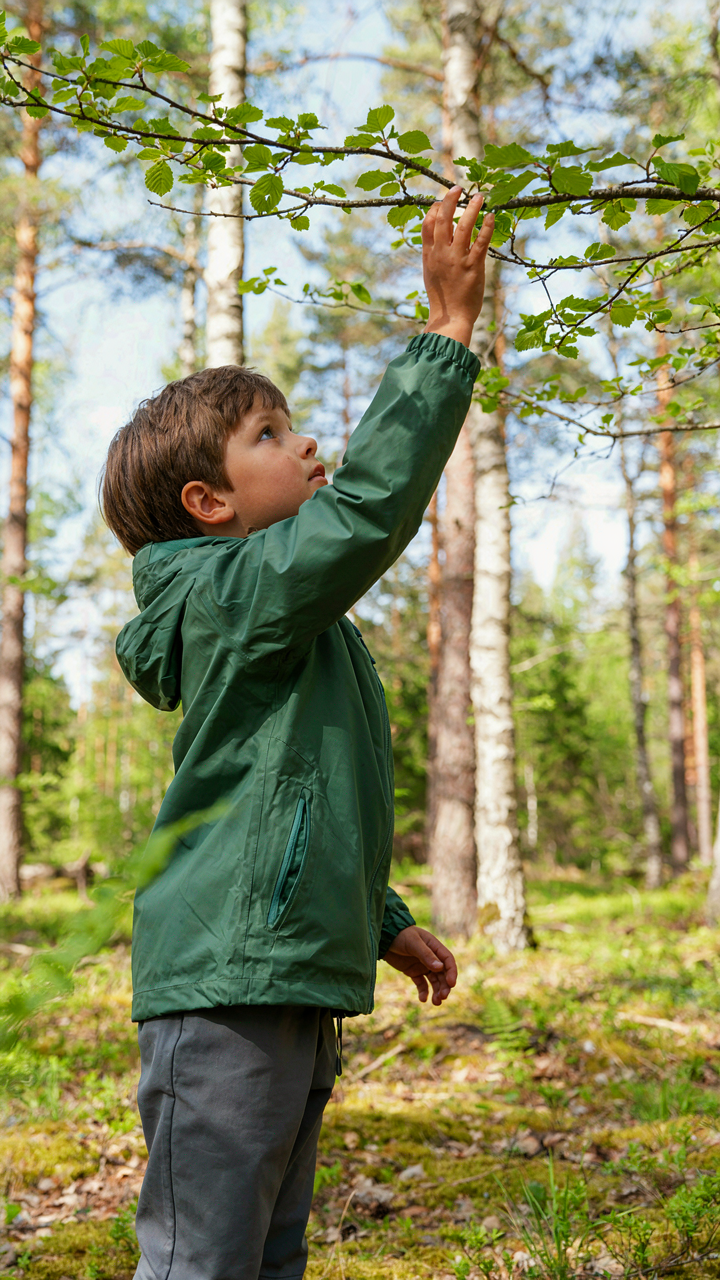
You want to buy something labeled for girls because you think it signals you’re a good parent who respects your kid’s identity. Here’s the mechanism: most “girls” outdoor gear is cut narrower in the shoulders and tapered at the torso, which restricts arm movement during climbing and scrambling. That’s a physics problem. A child hiking uphill in rain needs shoulder mobility and unrestricted breathing, not a silhouette that photographs well.
Performance fabrics don’t care about gender. Merino wool, nylon, and polyester blend equally well for boys and girls. The real variable is the cut. Buy based on your kid’s actual shoulder width, torso length, and arm reach. Test the fit by having them reach overhead, then crouch down. If fabric pulls or bunches, it’s the wrong piece. Size up slightly in rain gear to accommodate layers underneath without compression.
Avoiding Restrictive Kids Fashion
Most kids’ hiking brands market narrow cuts because children’s fashion follows adult fashion trends, not biomechanics. That’s backwards. A rain jacket that cinches at the waist or pulls tight across the chest forces your kid to move around the garment instead of with it. They’ll overheat from compensatory muscle tension, then remove the jacket when wet weather hits.
Look for straight-line construction through the torso and genuine arm gussets that extend into the underarm. The jacket should feel roomy enough for your kid to wear a fleece underneath and still move freely. Check seams under the arms during the fitting. If they sit high or tight, the jacket will ride up during climbing and expose the back. That’s when rain gets in and the hike ends early.
Post Hike Protocol: Maintaining Waterproof Kids Rain Gear
Cleaning And Reproofing Techniques
You want your gear to last because replacing it costs money and replacing it often signals you don’t know what you’re doing. Here’s the mechanism: waterproof coatings fail because dirt and salt trap moisture against the fabric, breaking the bond between coating and material. Most parents rinse once and assume the job is done. That’s incomplete.
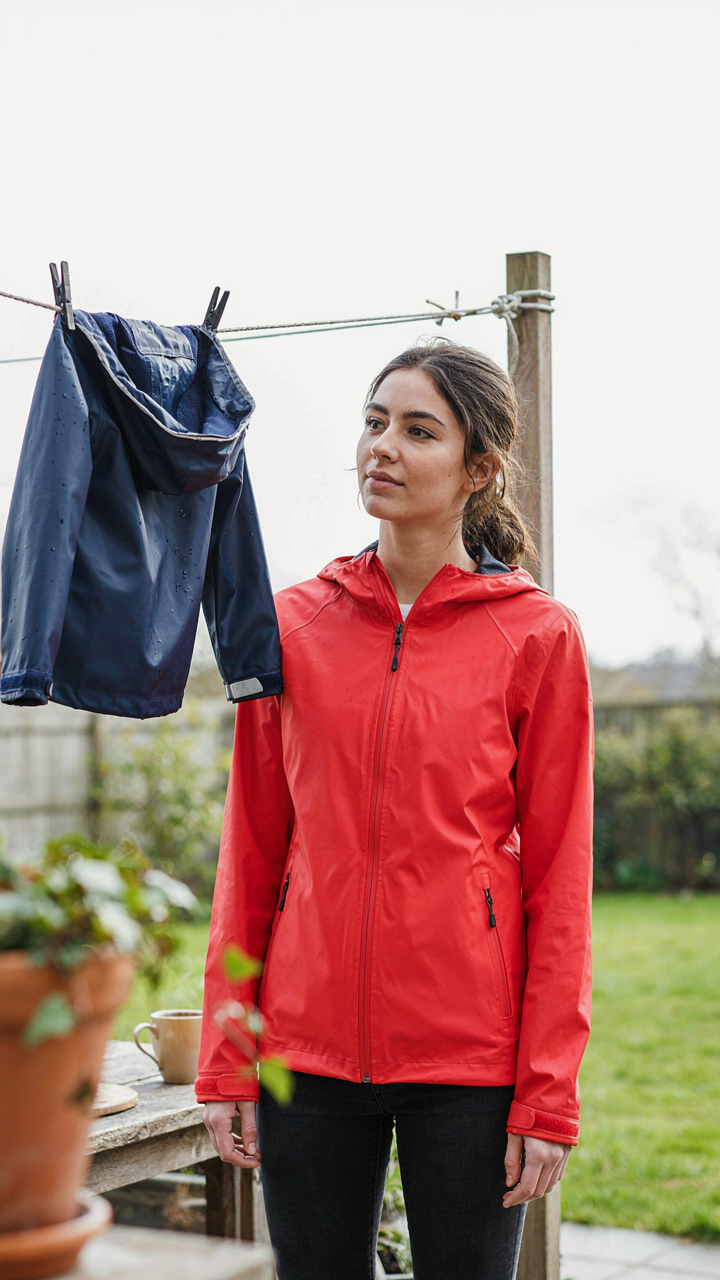
After each wet hike, rinse the gear inside and out with cool fresh water within a few hours. Use your hands, not a hose with high pressure. For stubborn mud or salt residue, use a soft brush and mild soap. Drying matters more than people admit: hang everything in open air away from direct heat for at least 24 hours before storage. Once the fabric is clean and dry, reproofing happens through either wash-in treatments or spray applications designed for the specific material your kid’s jacket uses.
Storage For Longevity
The real reason gear degrades in storage is oxidation and material memory, not just neglect. Think of fabric like muscle: without tension and movement, it loses elasticity and the waterproof coating cracks at stress points. Rolled or crumpled storage accelerates this. Hang jackets and pants on proper hangers in a cool, dry closet away from direct sunlight and heat sources like furnaces.
Store everything uncompressed and unfolded. Boots sit upright with newspaper stuffed inside to maintain shape and absorb any lingering moisture. Check gear every month during off season by unfolding and rehanging it. This simple motion prevents permanent creases from forming in the coating. Before the next rainy season, inspect seams and high stress areas like shoulder seems and pocket edges for cracks in the waterproofing before you hike.
The “Weather Sense” Advantage: Reading The Environment, Not The Forecast

What Your Kid’s Microclimate Actually Tells You
You want to feel like you have control, like checking an app gives you certainty. It doesn’t. The mechanism at play here is borrowed from ecology: the same elevation change that takes two minutes to climb creates measurable shifts in temperature, humidity, and wind speed. Your kid exists inside multiple microclimates simultaneously, and the forecast covers none of them. The trail at 3,000 feet behaves differently than the parking lot at 2,200 feet. Dense forest blocks wind but traps moisture. Open ridge accelerates cooling. Your job is to teach kids to read these zones, not memorize weather predictions.
Most parents dress their kids in static layers and hope. Wrong approach. A child who understands why their arm felt cold in the shaded section but warm thirty seconds later on the exposed ridge has actual decision-making power. They notice wind direction shifts. They feel humidity climb before rain arrives. They develop calibration. This isn’t intuition. It’s pattern recognition built on repeated observation. Spend the first fifteen minutes of every rainy-season hike explicitly pointing out these transitions. “Notice how the air changed when we entered the trees? That’s because we lost the wind.” Repeat this until kids start naming it themselves.
Switching Gear Mid Trail Without Stopping Progress
Adaptation isn’t about having every piece of equipment. It’s about having the right access points. Your rain jacket needs to zip off without removing your pack. Your base layer needs to dry fast enough that adding or removing it actually shifts your kid’s temperature. The real mistake parents make is treating outfit changes as major pit stops. They’re not. They’re 20-second adjustments.
Teach kids to notice the signal before they’re actually uncomfortable. That’s the mechanism: prevent the discomfort state, don’t react to it. If your child’s neck feels damp but not soaked, that’s the moment to open a vent or pull off a layer. If their hands are getting cold but they’re still moving, add gloves now, not when they’re shivering. Carry a small compression bag for damp items so swaps don’t create bulk. Make layer adjustments routine, normalized. Your kid should treat their outfit like a pilot treats instrument panels: constant small checks, never a crisis response.
The Real Obstacle Isn’t The Rain; It’s Your Static Mindset Against A Dynamic Environment
Most parents treat rainy hikes like a problem to solve instead of a condition to embrace. Your kid doesn’t care about perfect gear. They care about moving, exploring, and feeling alive in weather that most people avoid. Grab one quality rain jacket today and actually take them out this week. The gear matters less than the willingness to let mud happen.