
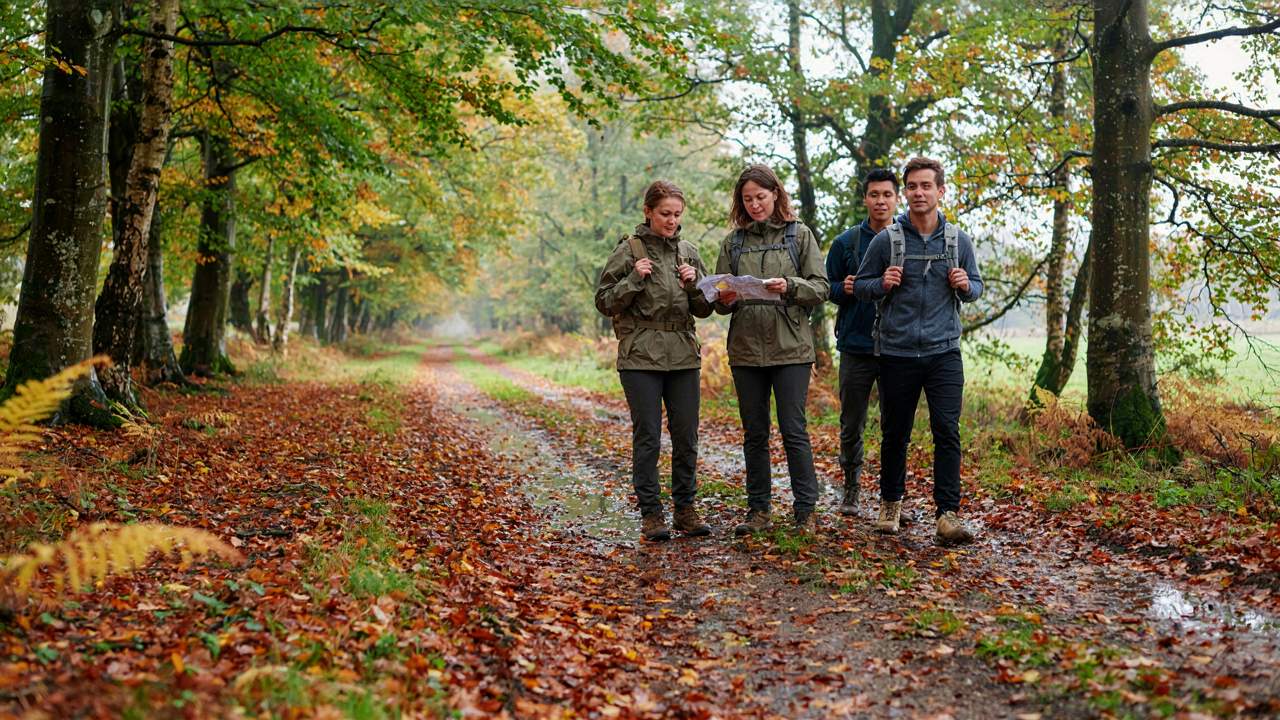
The Wet Weather Protocol: Mindset Over Material

Stop Pretending Dampness Is Avoidable
You want to believe staying dry is possible on a rainy hike, but that’s status anxiety talking. You’re afraid of looking unprepared or uncomfortable. The mechanism is simple: water finds every gap in your gear. Rain doesn’t respect layers or brand names. Your job isn’t to stay bone dry. Your job is to stay functional while wet. This distinction changes everything about how you outfit yourself.
The common advice tells you to buy expensive waterproof jackets and call it solved. That’s incomplete. Real preparation means accepting that you’ll get damp inside your jacket from sweat and humidity, your socks will absorb moisture, and your backpack interior will collect condensation. Once you stop fighting this reality, you start making better gear choices. You pick materials that work when soaked instead of materials that fail the moment they get wet.
Material Selection That Actually Works Wet

Forget the idea that your rain outfit needs to be fashionable or match your campus aesthetic. Function kills trends here, and function means materials that don’t collapse when saturated. Cotton becomes a liability in wet conditions because it absorbs water, traps it against your skin, and takes forever to dry. Wool and synthetic blends stay warm even when wet. Nylon and polyester shed water faster than cotton and dry quicker on the trail.
Pick a rain shell made from nylon taffeta or ripstop rather than cotton-blend fabrics that promise comfort but deliver water retention. Choose wool or merino blend base layers instead of cotton thermal wear. Your socks should be merino or synthetic acrylic blends, not cotton. The protocol is straightforward: eliminate cotton from your rainy season hiking outfit entirely. Replace it with materials engineered for moisture management, not moisture absorption.

Deconstructing The Waterproof Myth: A Rainy Hiking Outfit Reality
Gore Tex And The Performance Ceiling
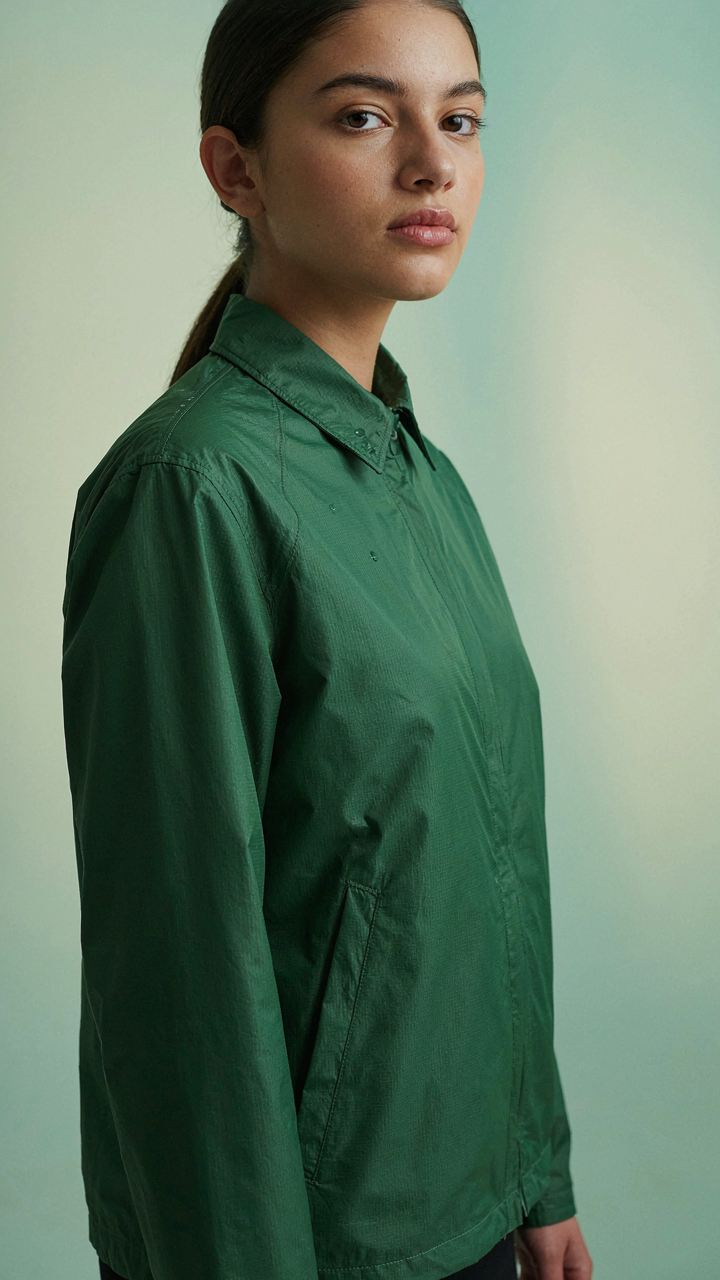
You want to believe a $200 jacket solves the problem so you stop thinking about it. Here’s what Gore-Tex actually does: it blocks liquid water while allowing water vapor to escape. That’s the entire mechanism. It doesn’t make you dry in heavy rain. It delays saturation. Gore-Tex fails when water pressure exceeds its hydrostatic capacity, when seams leak (they always do eventually), or when sweat accumulates faster than the membrane can vent it. Most college students experience this within two hours of hiking. The fabric works. Your expectations don’t.
Gore-Tex and similar membranes are engineered solutions to a physics problem, not magic. They can’t eliminate moisture accumulation in your clothing system because your body generates heat and perspiration regardless of external conditions. Add movement, pack weight, and ambient humidity, and you’re creating an internal microclimate that no membrane solves alone. The real issue: Gore-Tex costs enough that people stop buying additional layers and assume one jacket handles everything. That’s the trap. Your jacket needs backup systems, not blind faith in a brand name.
Understanding Hydrostatic Head Ratings
A hydrostatic head rating measures how many millimeters of water pressure a fabric can withstand before water penetrates it. Think of it like structural engineering applied to textiles: the higher the rating, the greater the load the material tolerates before failure. Most budget rain jackets rate between 5,000 and 10,000mm. Premium jackets hit 20,000mm or higher. Heavy rain generates roughly 4,000mm of pressure. Sitting on wet ground? That’s higher localized pressure. Seam sealing reduces effective ratings significantly. The number means less than most hikers assume.
Here’s what kills the conversation: hydrostatic head ratings don’t account for time, movement, or sweat. A 10,000mm jacket blocks hard rain temporarily but fails through micro-penetrations over hours or through areas where stitching creates weak points. College students carrying wet packs on steep terrain create downward pressure that exceeds what the fabric can handle. The spec sheet doesn’t mention this. Test your jacket before committing to an eight-hour hike. Sit in actual rain. If water enters through seams or cuffs within 90 minutes, the rating is theater. Plan for layered moisture management instead of betting on a single barrier.
The Layering Imperative: Your Trekking Outfit Strategy
Base Layers That Wick, Not Repel
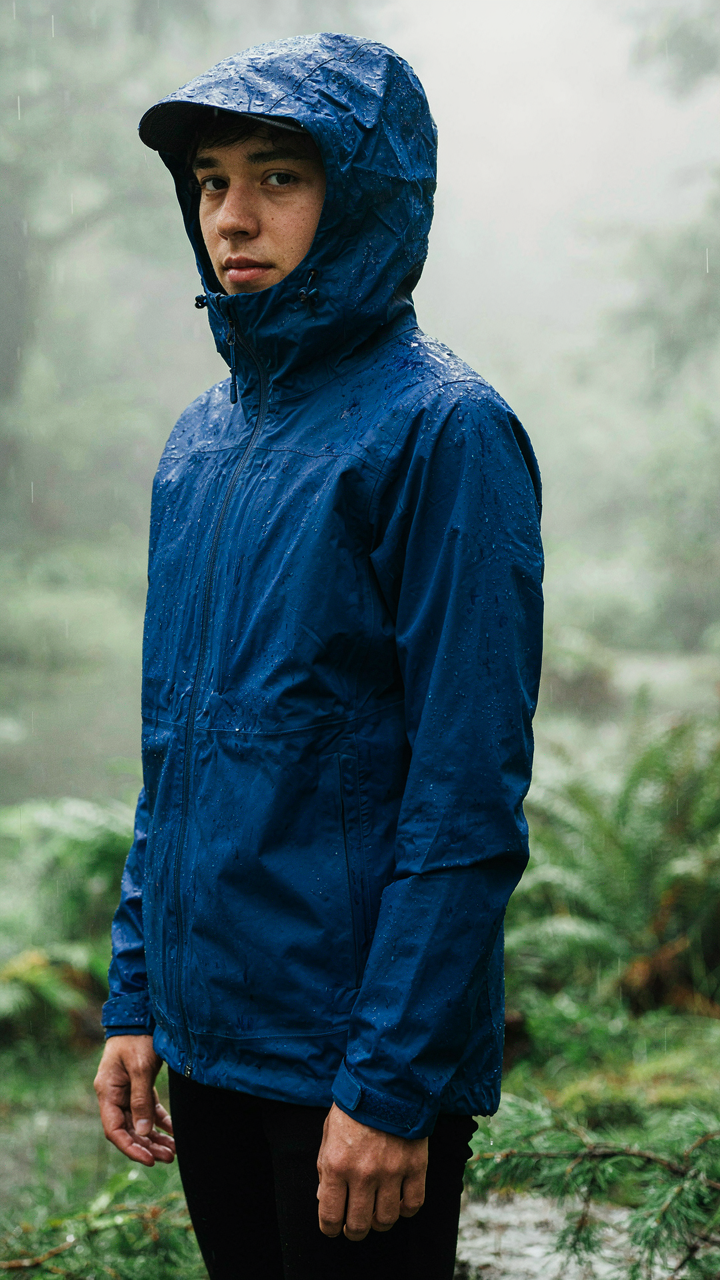
You want to look like you know what you’re doing on the trail. What actually matters is thermodynamics: your skin generates heat and moisture simultaneously, and cotton traps both. Base layers pull sweat away from your body through capillary action—the same mechanism that lets paper towels absorb water. Synthetic materials like polyester or merino wool move moisture outward faster than your skin can cool you down. Cotton keeps sweat against your skin, which makes you colder when the wind hits.
The mistake most college hikers make is thinking base layers need to be waterproof. They don’t. Rain jackets handle that job. Your base layer’s only job is speed: how quickly it moves sweat away from your body to the next layer. Merino works in both wet and dry conditions because it naturally regulates temperature. Synthetic dries faster and costs less. Both beat cotton every time. Wear one or the other against your skin, and your mid-layer performance improves immediately.
Mid Layers Built For Active Rain
Mid-layers provide insulation while staying breathable, which sounds easy until rain enters the equation. When you’re hiking uphill in drizzle, your body generates serious heat. A fleece traps that warmth, but it also traps moisture if it can’t breathe fast enough. Wool fleece maintains insulation even when wet, while synthetic fleece dries quicker but loses R-value when damp. The choice depends on how hard you’re working and how long you’ll be in rain without stopping.
Lightweight fleece works better than puffy jackets in rainy season hiking because it sheds water faster and dries in minutes if you peel it off briefly. A puffy jacket absorbs moisture like a sponge and takes hours to dry. For college budget constraints, a synthetic fleece midlayer under your rain shell lets you adjust heat without peeling down to your base layer. Layer it this way: base layer, fleece, rain shell. Remove the fleece if you overheat. Add it back the second you stop moving.
Footwear And Foot Care: The Mountain Travel Outfit Foundation
Why Waterproof Boots Fail You On The Trail
You bought waterproof boots because you didn’t want to think about wet feet anymore. That’s the real reason. Here’s what actually happens: waterproof membranes like Gore-Tex work until your foot sweat builds up inside the boot faster than moisture can escape. The membrane blocks water entering from outside but traps vapor from your skin. After two hours of climbing, you’re standing in a personal swamp. Add abrasion from the damp fabric, and blisters accelerate. The physics here mirrors a vapor barrier in insulation: you need permeability on both sides or the system fails catastrophically.
Most hikers treat “waterproof” as a binary property. It isn’t. Water enters boots through three routes: direct saturation of non-membrane materials (the tongue, seams, ankle collar), condensation from body heat, and saturation from below when you wade through standing water or mud. A truly waterproof boot stays waterproof only if the entire construction—every seam, every panel—uses the same barrier. Most college budget boots skip this for price. Your actual strategy: accept that boots will get wet, and optimize for drainage and quick drying instead.
Sock Systems Beat Boot Technology Every Time
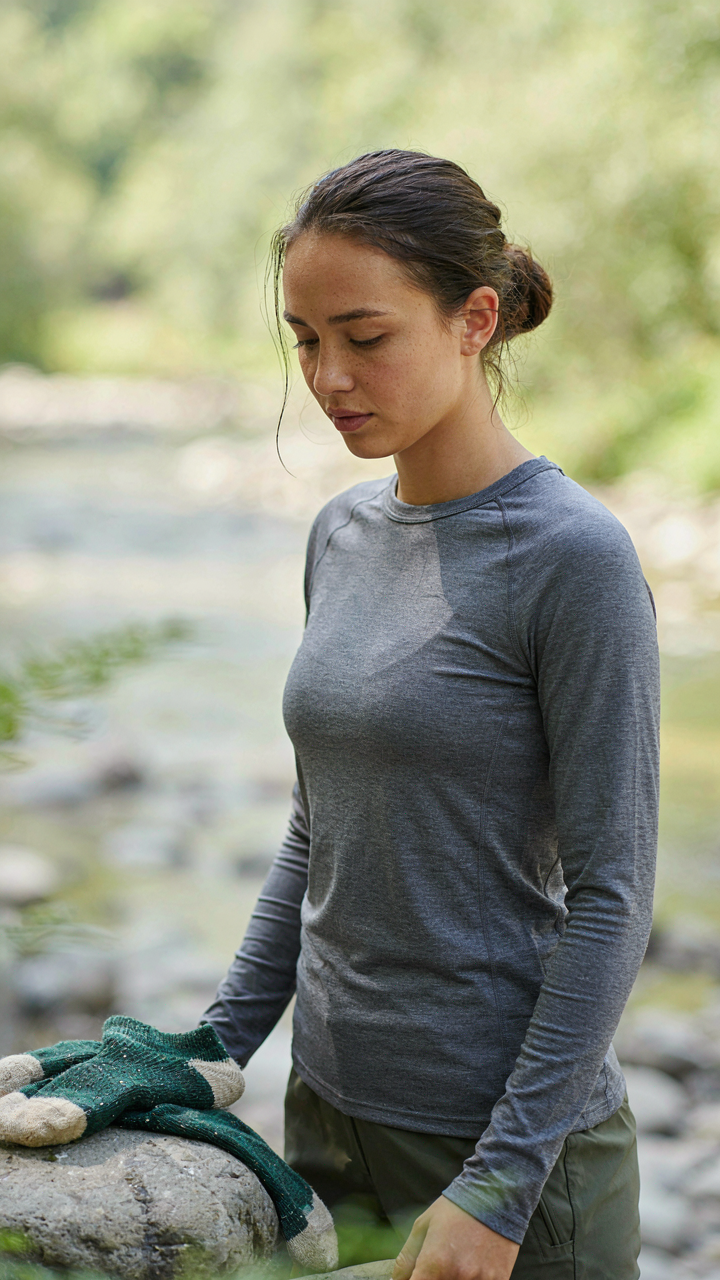
Blister prevention is a friction problem, not a moisture problem. This is biomechanics language: friction is force divided by surface area. A dual-layer sock system reduces friction at the critical interface—your skin against fabric—by introducing a smooth, low-friction layer between your foot and the outer sock. The inner layer (synthetic or silk, not cotton) moves with your foot. The outer layer absorbs moisture and handles abrasion. Your skin stays stable relative to the inner layer, so shear forces drop. Friction drops with them. No friction, no blister.
Merino wool outer layers outperform synthetics here because they manage moisture without feeling wet. They shed water, dry faster than cotton, and resist bacterial growth even when damp. Pair a thin synthetic liner with a merino midweight outer, and change socks at camp if you’re hiking multi-day. One sock change during the day cuts blister risk by forcing a reset of the moisture gradient and redistributing pressure points. Start with dry socks, end with dry socks, and your feet will finish the hike functional.
Beyond The Gorpcore Aesthetic: Actual Utility For A Tracking Outfit
Rain Gear That Won’t Drain Your Account
You want to look intentional without admitting you’re broke. Here’s the mechanism: rain gear companies price based on brand recognition, not material performance. A $40 rain jacket from a surplus store uses the same nylon ripstop as a $180 outdoor brand. The difference is the label and the marketing budget you’re financing. College students have an advantage most hikers don’t: you can source gear from outdoor surplus stores, military surplus outlets, and tactical retailers where the markup reflects actual function, not lifestyle positioning.
Real rain protection requires a shell that sheds water and a layer underneath that moves moisture away from skin. Cotton kills you in wet conditions because it holds water. Polyester or wool base layers work. Your rain jacket needs taped seams at stress points (shoulders, armpits, hood) to prevent water penetration. Test this before you hike: pour water on the seams and watch if it beads off or soaks through. Most cheap jackets fail this test because manufacturers skip the sealing step to save $3 per unit.
Hacks That Actually Reduce Failure Points
The standard advice tells you to buy rain pants. That’s incomplete. Rain pants add weight and bulk for one season per year. The real mechanism is layering strategy from military operations: a waterproof outer shell stops rain, but you need vapor escape underneath or you sweat through the system anyway. Use athletic leggings under regular hiking pants instead of buying dedicated rain pants. Add a lightweight poncho or rain cape over your pack for $15 to $25. This covers both you and your gear, eliminates the need for expensive pack rain covers, and dries faster than separate layers.
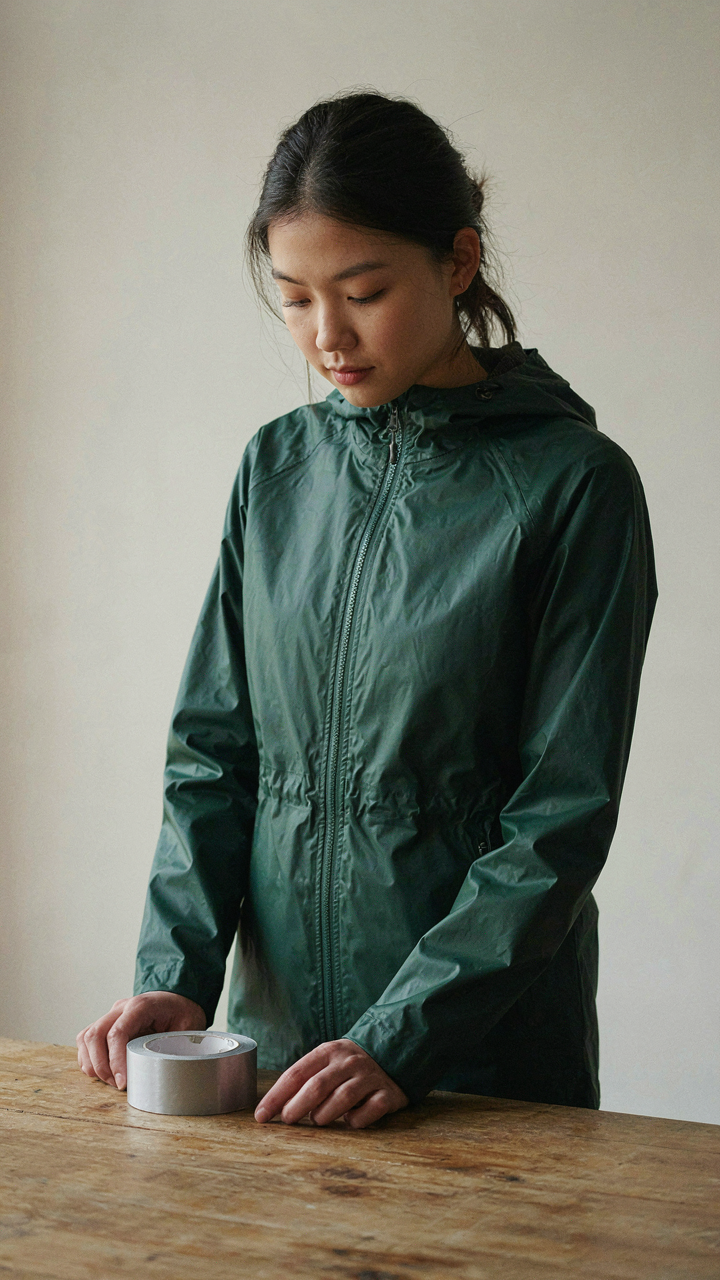
Seal your pack openings with a dry bag liner made from a heavy garbage bag and duct tape. Duct tape the seams of budget rain jackets at home before your trip. Wear a baseball cap under your hood to keep rain off your face and reduce water running into your eyes. Use stuff sacks made from plastic bags instead of fabric to keep sleeping gear dry. These aren’t tips you follow for style points. They’re the difference between staying functional on a wet trail and developing hypothermia risk before sunset.
The Biological Advantage: Optimizing Your Hiking Outfit Women For Thermoregulation
How Your Body Wins Or Loses Heat
You want this section because you’re afraid of getting cold and looking unprepared. The real issue is simpler: your body is a heat engine that either radiates, evaporates, or conducts warmth away depending on conditions. In rainy season hiking, wet fabric accelerates heat loss through conduction and evaporation simultaneously. Most college students wear cotton, which holds moisture and kills you faster than you realize. The mechanism is basic physics: wet skin loses heat 25 times faster than dry skin.
Women’s bodies generate heat the same way men’s do, but surface area ratios matter. Lower body mass means faster heat dissipation in cold, wet conditions. Your outfit’s job is to interrupt this process by trapping still air and rejecting water before it touches your skin. Layering isn’t magic. It’s about controlling the rate at which your body loses heat to the environment. Material choice determines whether you lose that heat to rain or retain it for the trail.
What Your Muscles Actually Demand In Cold Rain
The common advice says “just eat more protein.” That’s incomplete. Your metabolic rate spikes in cold, wet conditions because your body burns calories to generate heat through shivering and muscular activity. A college student hiking in rainy season burns calories faster than on a dry day at the same elevation and pace. You need caloric density in your pack because you can’t stop moving without risking core temperature drop.
Cold weather increases caloric expenditure by 20 to 30 percent depending on how wet you get and how long you’re exposed. Your outfit determines how hard your metabolism has to work. If rain soaks through, your body compensates by burning more fuel to maintain core temperature. Budget your snacks and meals around this truth, not around what feels convenient. Pack high-calorie, quick-energy foods because your body is literally burning through fuel faster the moment water touches your layers.
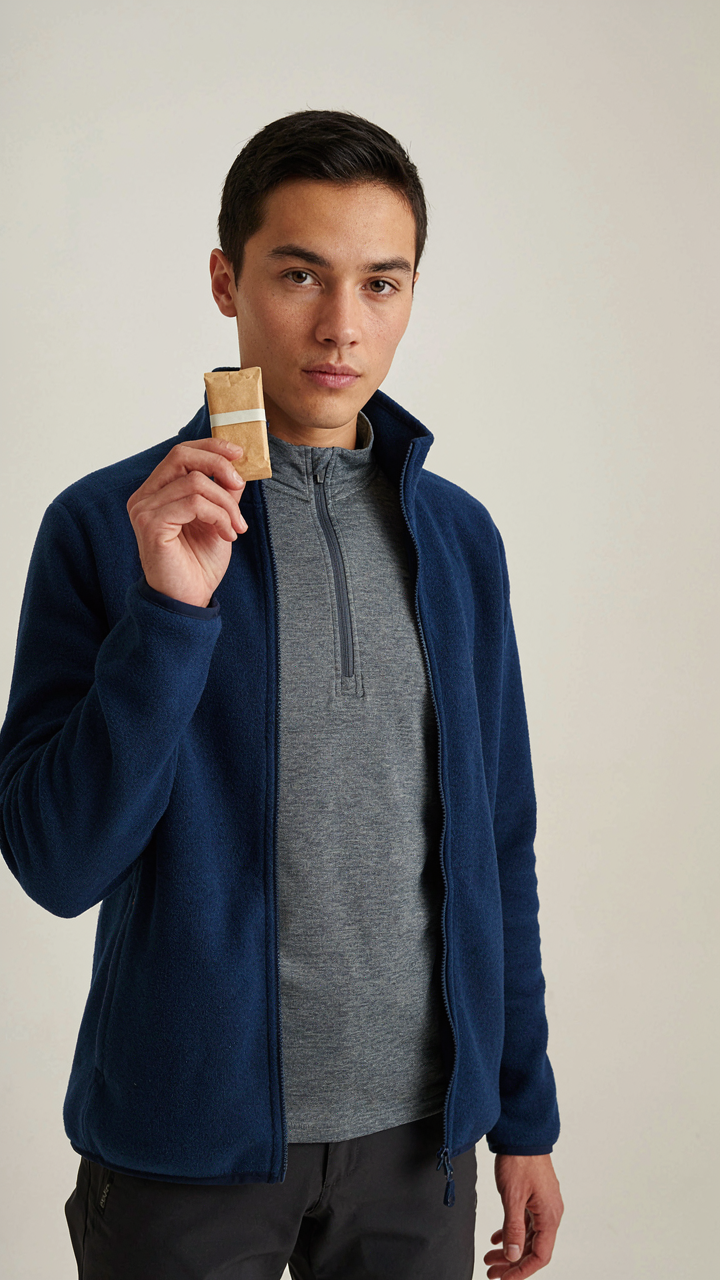
- Dense carbohydrates: Trail mix, energy bars, and dried fruit provide quick calories without requiring digestion time your body can’t spare in cold conditions.
- Fats and oils: Nuts, nut butters, and seeds deliver sustained energy that keeps your metabolism stable during long, wet sections of trail.
- Warm liquids: Hot water or broth consumed on breaks restores core temperature faster than cold drinks and signals your metabolism to calm the shivering response.
- Electrolytes: Salt loss through sweat continues even in rain, and electrolyte replacement prevents cramping and metabolic dysfunction during prolonged exertion.
- Protein-carb ratio: 3:1 carbs to protein on the trail maintains energy without forcing your digestive system to work too hard in cold stress.
Your outfit’s performance directly determines caloric demand, which determines pack weight and trail duration. A waterproof outer layer that actually sheds rain reduces metabolic burn by forcing your body to maintain heat instead of fighting evaporative loss. This isn’t theory. Your body’s survival instinct prioritizes warmth over everything else, so outfit failures become food failures fast.
Accessory Arsenal: The Neglected Rainy Season Essentials
Head, Hands, And Pack Defense
You skip accessories because you think they’re optional. They’re not. They’re the difference between a miserable hike and one where you actually move. Rain doesn’t stop at your shoulders. It runs down your face, soaks your gloves, and destroys your pack’s contents through sheer persistence.
A wide-brimmed hat keeps rain off your glasses and face without restricting peripheral vision like a hood does. Merino wool gloves stay functional when wet—cotton gloves become useless. A pack cover or dry bag liner prevents your entire setup from becoming a water-logged disaster. These aren’t luxuries. They’re mechanical solutions to predictable failure points.
Electronics Stay Dry Or They Don’t Work
Electronics fail in wet conditions through conductivity, not volume. Think of water like an unwanted circuit—it creates paths electricity shouldn’t travel. Your phone, headlamp, and power bank all operate on this vulnerability. Most college hikers ignore this until their navigation dies mid-trail.
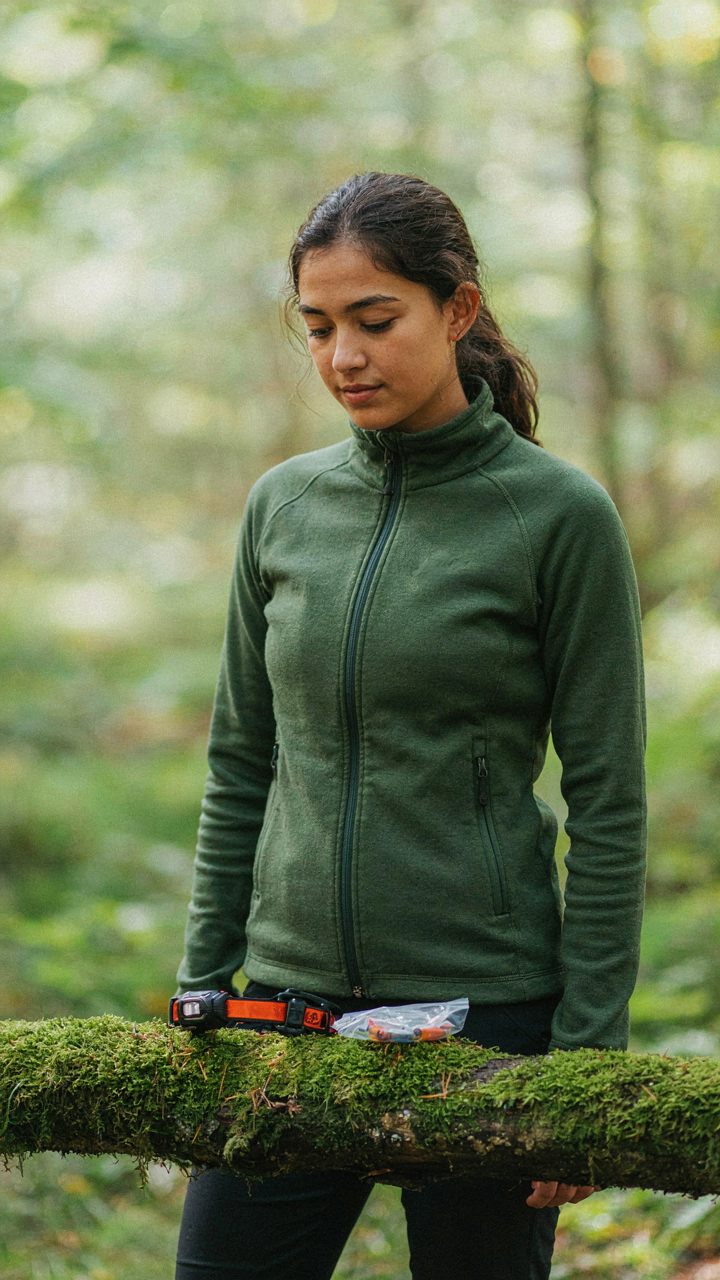
Use a waterproof case or dry pouch for your phone. Seal your headlamp batteries in a small ziploc. Store your power bank in an inner jacket pocket, not your pack’s outer compartment. The mechanism is simple: water finds the path of least resistance, so you eliminate access routes before the hike starts.
Post Hike Recovery: Extending Gear Longevity

Drying Wet Gear Without Destroying It
You care about this because ruined gear means buying new gear, and you’re already stretched thin on money. Here’s the mechanism: moisture trapped in fabric creates two problems simultaneously. First, it accelerates material breakdown through hydrolysis, which is the chemical process where water degrades synthetic polymers. Second, it feeds mold and mildew growth that permanently stains and weakens fibers. Both happen faster than you think.
Skip the dryer entirely. High heat damages waterproof coatings on rain jackets and melts synthetic insulation. Instead, hang everything in a well-ventilated space away from direct sunlight. Rain jackets need to air dry flat or on a hanger. Insulated layers should hang loosely to allow air circulation through the material. Boots dry faster if you remove insoles and stuff them loosely with newspaper, replacing it every few hours to absorb moisture.
Storage That Actually Prevents Decay
Most college students store damp gear in a backpack at the bottom of a closet. This is how you guarantee mold blooms across your jacket by week three. Moisture needs an escape route, which means air movement and low humidity.
Store clean, completely dry gear in a breathable storage bag or mesh container, never plastic. Cedar blocks or silica packets inside containers absorb residual moisture without adding chemical smell. Keep storage in a cool, dry closet or corner of your room. Check gear monthly during humid seasons, especially if you live in coastal or tropical climates where moisture lingers. Hang jackets on padded hangers rather than compressed in bags to preserve fabric structure and waterproof coating integrity.
The Only Real Obstacle: Your Mindset, Not The Forecast

Most college students skip rainy hikes because they’ve accepted the lie that wet weather ruins the experience. It doesn’t. Your gear either works or it doesn’t, and if you’ve read this far, you know what works. The real barrier? You’re waiting for perfect conditions that won’t come. Go this weekend in the rain. Your future self won’t remember the weather. They’ll remember you actually went.