
The Minimalist’s Manifesto: Ditching The “Just In Case” Mentality

What Actually Gets Wet On The Trail
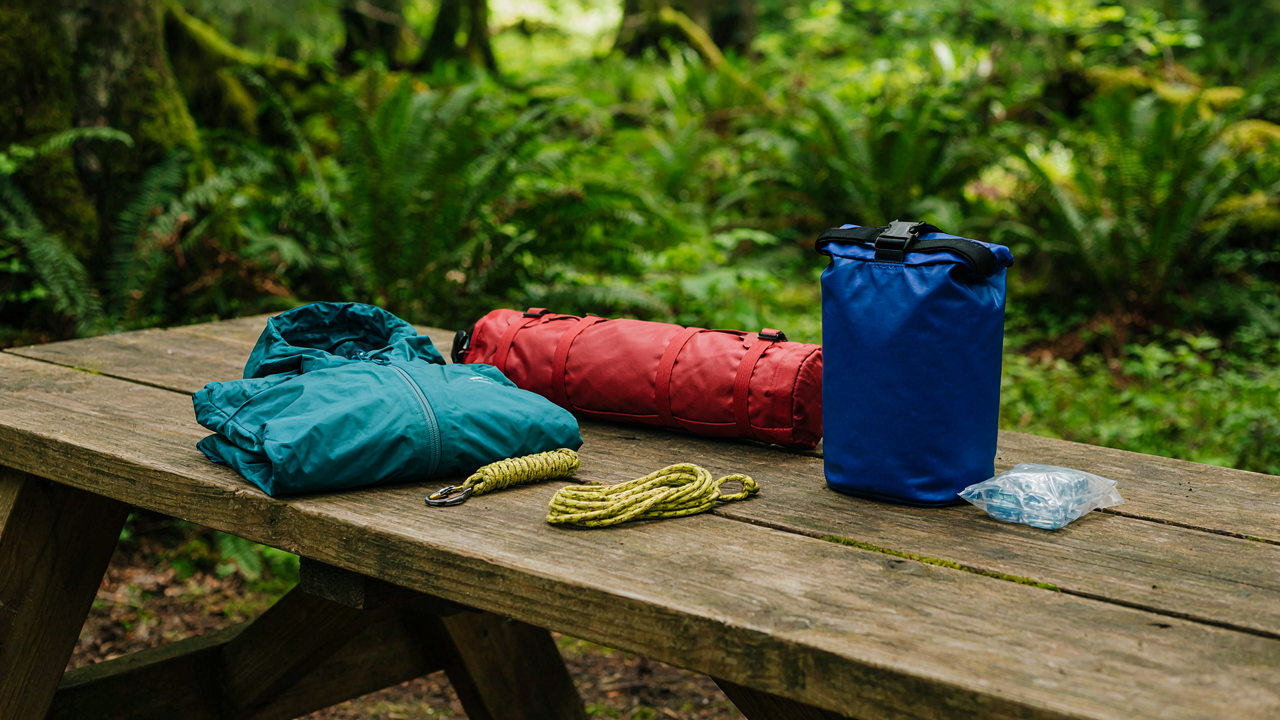
You’re packing extra gear because you’re afraid of looking unprepared, not because you’ve actually mapped what fails in rain. The mechanism is simple: you conflate possibility with probability. Not everything you own needs protection from water. Your phone, your food, your fire-starting kit—yes. Your third layer, your backup socks, your “emergency” poncho—no. Assess the actual duration and intensity of the forecast, then pack for that specific condition, not every condition that could theoretically happen.
Most hikers carry redundant items because they’ve never separated real risk from invented risk. A rain jacket handles precipitation. A pack cover handles saturation. Anything beyond that is insurance against a scenario you won’t face. Strip your load: identify the three things that actually fail when wet, protect those, and leave the rest behind. The pack gets lighter and you move faster.
The Multi Tool Principle For Wet Conditions
Military logistics uses the concept of force multiplication: one asset doing multiple jobs beats three assets doing one job each. Apply this to rain gear. A hard shell jacket with a hood replaces a poncho and a hat. Sealed pack compartments replace dry bags. Merino wool replaces both a moisture-wicking layer and an insulation layer. You’re not sacrificing function—you’re stacking it. Each piece works harder so you carry less.
The trade-off people miss: one high-quality multi-functional item beats three low-quality single-purpose items every time. A jacket with pit zips and sealed seams costs more upfront but eliminates the need for a separate ventilation layer and a backup shell. Test this on a short trail first. Wear the jacket in humid conditions to confirm breathability. Pack it alone on your next rain day without the “backup” pieces. You’ll see the redundancy you’ve been carrying.

Beyond Waterproof: The “Breathability Index” Protocol

Understanding EVent, Gore Tex, And Active Ventilation
You want to know which fabric will keep you dry without turning you into a sweat chamber because you’re tired of feeling trapped inside your own gear. That’s the real question, and the answer lives in membrane physics. A membrane’s job is to repel liquid water while allowing water vapor to escape. Gore-Tex uses microscopic pores that reject rain but pass vapor. eVent takes a different approach: its membrane blocks water at the molecular level without relying on pore size, which means it breathes faster under high exertion.
The practical difference matters on steep climbs. Gore-Tex excels in moderate activity where vapor production stays manageable. eVent performs better during sustained high output because it vents moisture quicker and doesn’t clog as easily when you’re working hard. Active ventilation, meanwhile, isn’t a membrane feature at all. It’s pit zips, underarm panels, and back vents that let you physically dump heat without removing your jacket. When packing, choose based on your intended effort level, not brand reputation.
Sweat Management: Internal Moisture Is Your Enemy
The common advice about layering is incomplete. Most guides tell you to wear moisture-wicking base layers and call it solved. That ignores the core mechanism: your body generates vapor at a rate that no raincoat can vent if you’re moving hard in humid conditions. Even premium breathable shells max out around 10,000 grams per square meter per 24 hours of moisture transmission. A climbing body can generate more vapor than that in one hour.
Pack your rain jacket to manage vapor defeat, not prevent it. This means packing your gear damp at the bottom of your pack, not dry. Wet base layers stay cooler than trying to vent sweat through a shell. Bring a thin synthetic or merino mid layer you can temporarily remove and wring out. Accept that internal dampness happens on wet trails during hard effort. Your strategy isn’t zero moisture. Your strategy is controlling where that moisture lives so it doesn’t accumulate where it cools you down.
The Layering Logic From Military Strategy
Moisture Management Under Load
You want to believe one jacket solves rain. It doesn’t, and that fantasy costs you miles. Military strategy borrowed a term: “defense in depth.” It means layered barriers, each with a specific job, working together to stop penetration. Your base layer is the first barrier. It doesn’t keep water out. It moves sweat away from skin so you stay warm even when damp.
Merino wool and synthetic fibers work here because they retain insulation value when wet, unlike cotton. A base layer stays against skin under your shell. It wicks moisture outward, creating a gradient that prevents water from pooling at your body. This is mechanical, not magical. The fibers have structure that shuttles water molecules away faster than they can accumulate. Pack your base layer first, closest to your body when dressing.
The Impermeable Perimeter
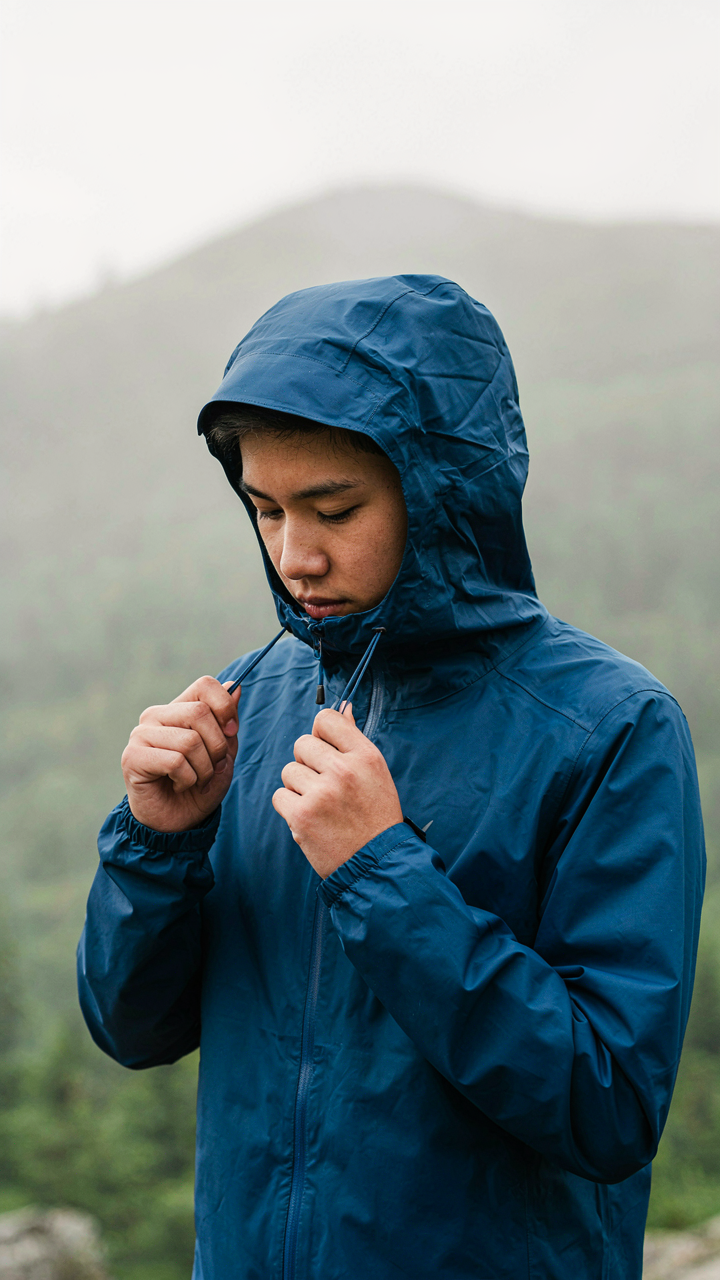
Common advice says “get a waterproof shell and you’re done.” That’s incomplete. Your shell is the outer defense, but it only works if moisture can escape. Breathability is the valve. Military doctrine calls this “containing pressure”—water tries to escape outward, but rain tries to enter downward. A true shell uses membrane technology: pores small enough to block liquid water but large enough for water vapor to pass through.
Pack your shell as the final layer. It sits outside your insulation and base layers, protecting them from direct rain. The shell must have pit zips or back vents when available, because trapped humidity destroys the system’s efficiency. Sealed seams matter. Tape them yourself if manufacturer seams are incomplete. When you pack your pack, place the shell in an accessible pocket, not buried. You deploy it immediately when conditions change, not after you’re soaked.
Smart Packing: The “Dry Bag” Imperative
Waterproof Compartments For Gear Separation
You want to feel prepared without actually thinking through what fails when it gets wet. Here’s the mechanism: water doesn’t attack everything equally. Some items stay functional when damp. Others become useless or dangerous. Organizing by vulnerability matters more than organizing by category.
Think in layers like a military supply chain does. Priority items get the innermost, most protected compartment. Mid-tier gear uses secondary barriers. Least critical items occupy exposed space. This tiering system forces you to answer one hard question before the trail: what actually breaks the day if it soaks? Your answer determines compartment placement, not sentiment or habit.
Rain Gear Within Arm’s Reach
Most packings bury rain gear under everything else, guaranteeing a five-minute extraction ritual in the moment you need it most. Your rain jacket lives three seconds from your hands, not thirty seconds. This isn’t convenience. It’s the difference between deploying at the first drops versus deploying after ten minutes of exposure.
Pack your outer shell on top of or outside your main compartment. Use an external chest pocket or dedicated rain pocket on your pack if one exists. Your pants go in a secondary pouch clipped to a shoulder strap or hip belt. The protocol: if you can’t deploy without unzipping the main bag, you’ve already lost. Accessibility determines whether rain gear functions as prevention or as damage control after the fact.
Footwear Fallacy: Why “Waterproof Shoes” Aren’t Enough
Where Water Actually Enters
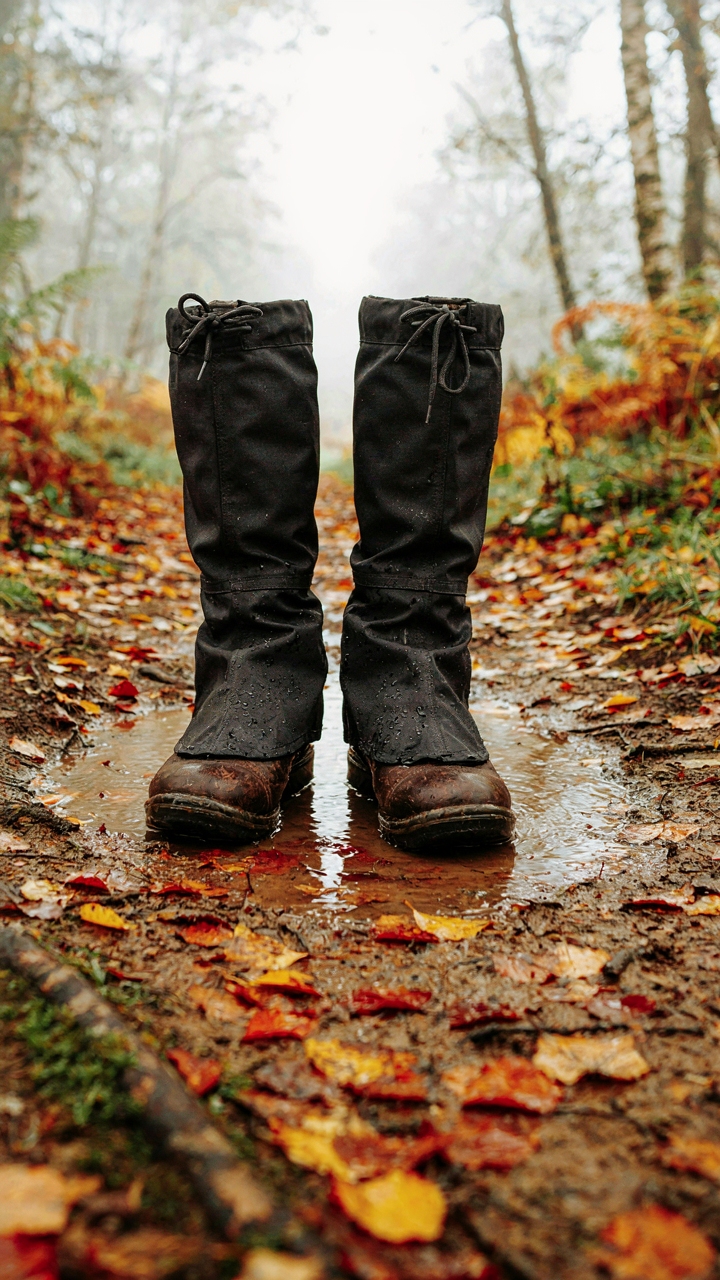
You buy waterproof shoes because you believe they’ll keep your feet dry. They won’t. Water enters from everywhere except the shoe itself. The real mechanism is simple: waterproof shoes are a sealed box only if you seal the opening. Most people pack the shoe and forget the perimeter. Your ankle collar, the tongue gap, and the lacing system are three separate leak points that bypass even premium membranes. Water finds the path of least resistance, and that path isn’t through Gore-Tex.
The shoe is the foundation, not the solution. Think of it in terms of hydraulic pressure: water seeks entry at the weakest structural point in your system. On a wet trail, that point sits six inches above the shoe, where your lower leg meets open air. A $300 waterproof boot fails instantly when water pours over the collar. You need layered defense, not a single barrier.
Gaiters And Sock Strategy
Gaiters solve the collar problem by extending coverage up the shin and sealing over the shoe’s tongue. Quick-drying socks complete the system by wicking moisture away from skin instead of trapping it. This pairing isn’t optional if you’re packing for sustained wet conditions. Merino wool or synthetic blends dry faster than cotton, which absorbs water like a sponge and stays wet for hours. The sock acts as a moisture relay: it pulls sweat and rain off your skin, moves it outward, and releases it to the air where evaporation matters.
Pack at least two pairs of socks if your trip exceeds four hours in rain. One pair stays in your pack sealed in a waterproof bag. Swap socks every two to three hours once they reach 50 percent saturation, not when they feel soaked. The gaiter sits over your shoe’s upper half and attaches via a strap under the arch. This overlap eliminates the ankle collar as a leak point and keeps debris out entirely. Change socks before your feet prune, not after.
The “Compact Umbrella” Deception: When It Fails
Wind Exposure Kills The Umbrella Strategy
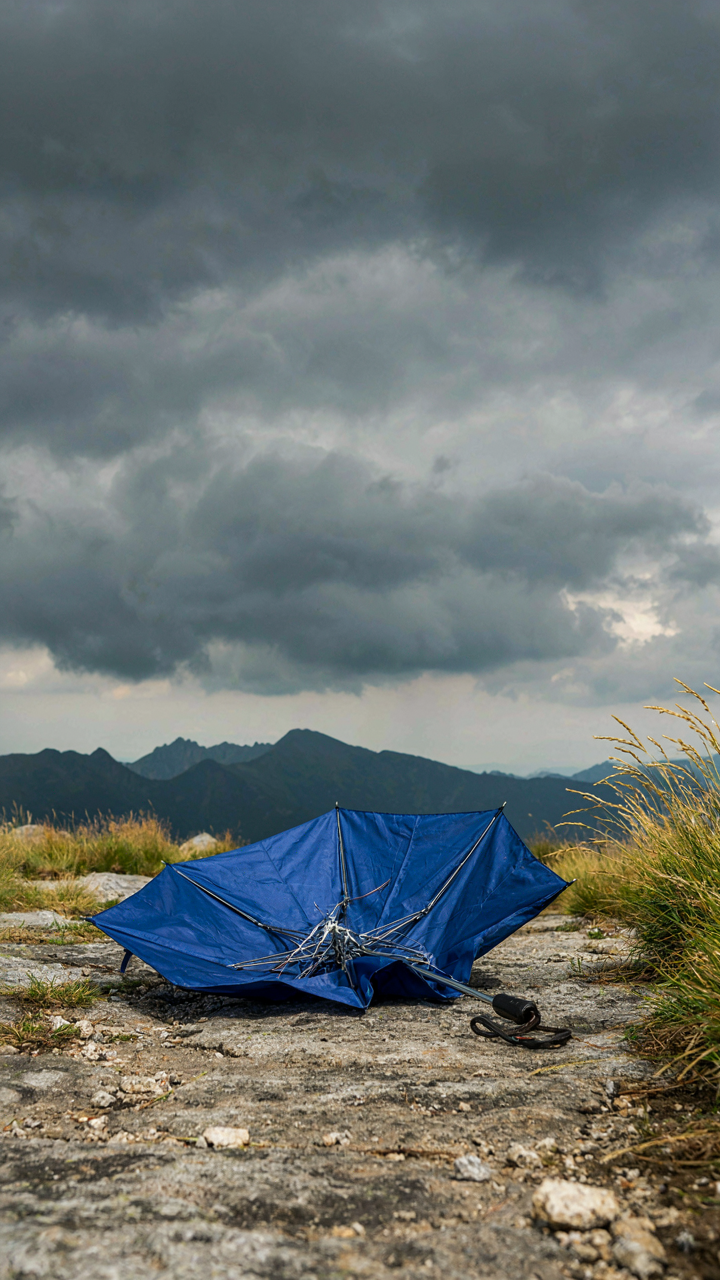
You want the umbrella because it looks like a complete rain solution and requires no backpack space. Here’s the mechanism: wind speed increases exponentially with elevation and exposed terrain, and umbrellas fail catastrophically in gusts above 20 mph. Most trails, especially at higher elevations, sit in constant wind. An umbrella handles flat, urban rain. It doesn’t handle trail conditions.
The physics term is “wind resistance.” Umbrellas present maximum surface area perpendicular to wind direction, making them unstable platforms. A gust flips the canopy, inverts the frame, or simply tears the fabric. You lose rain protection instantly and now carry a broken object. Compact umbrellas are worse because their smaller frames snap more easily under lateral force. Assess actual wind conditions before packing one—check local weather patterns and trail elevation reports beforehand.
Hands Free Matters On Technical Ground
Trail navigation demands both hands available. Holding an umbrella removes one hand from balance, handholds, and pole work, increasing slip and fall risk on wet rock or root sections. Waterproof jackets and packs keep you dry while preserving your kinetic options. Rain pants solve leg coverage without occupying your hands. This isn’t preference—it’s risk management on uneven, wet surfaces.
Pack a waterproof shell jacket rated for sustained rain, not just a windbreaker with water resistance. A hood that fits over a helmet stays in place during movement. Rain pants with ankle zippers allow you to put them on or remove them without taking off your boots. Store them in an accessible pack pocket, not buried at the bottom. When you reach the trailhead and see actual weather conditions, deploy hands-free protection immediately rather than testing an umbrella first.
Essential Travel Items: The Overlooked Micro Packs
The Systems That Keep You Functional
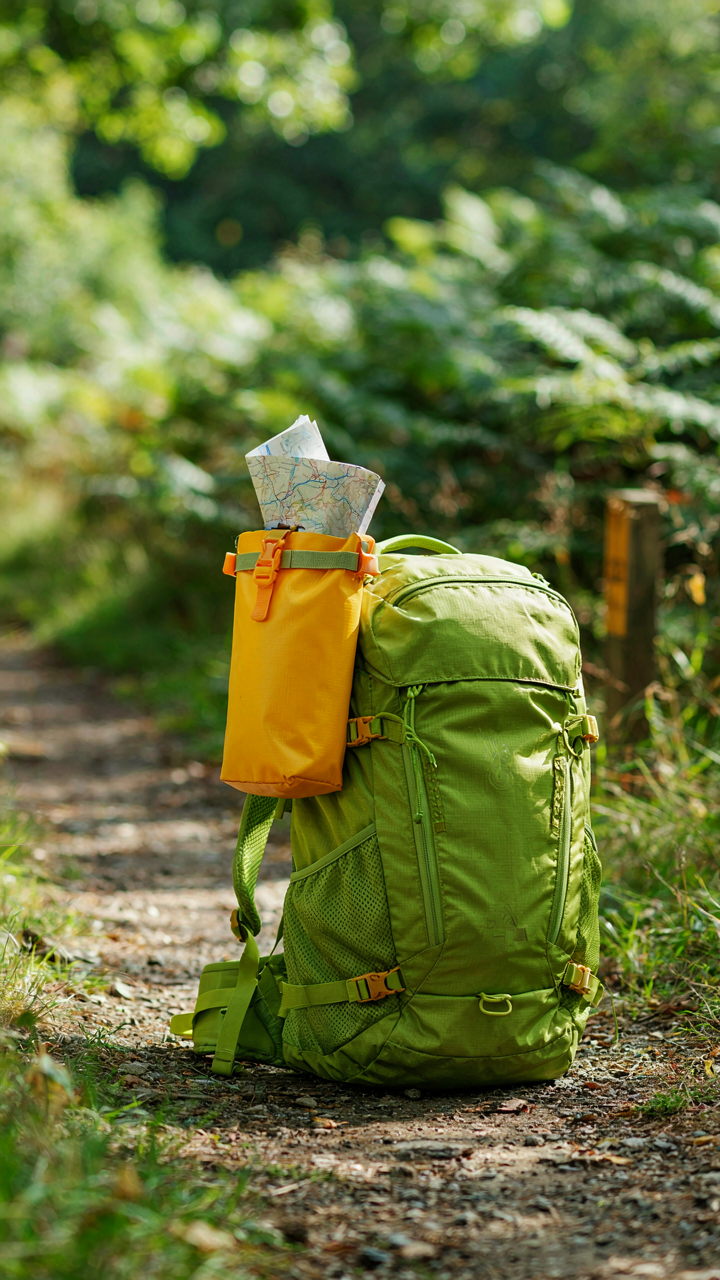
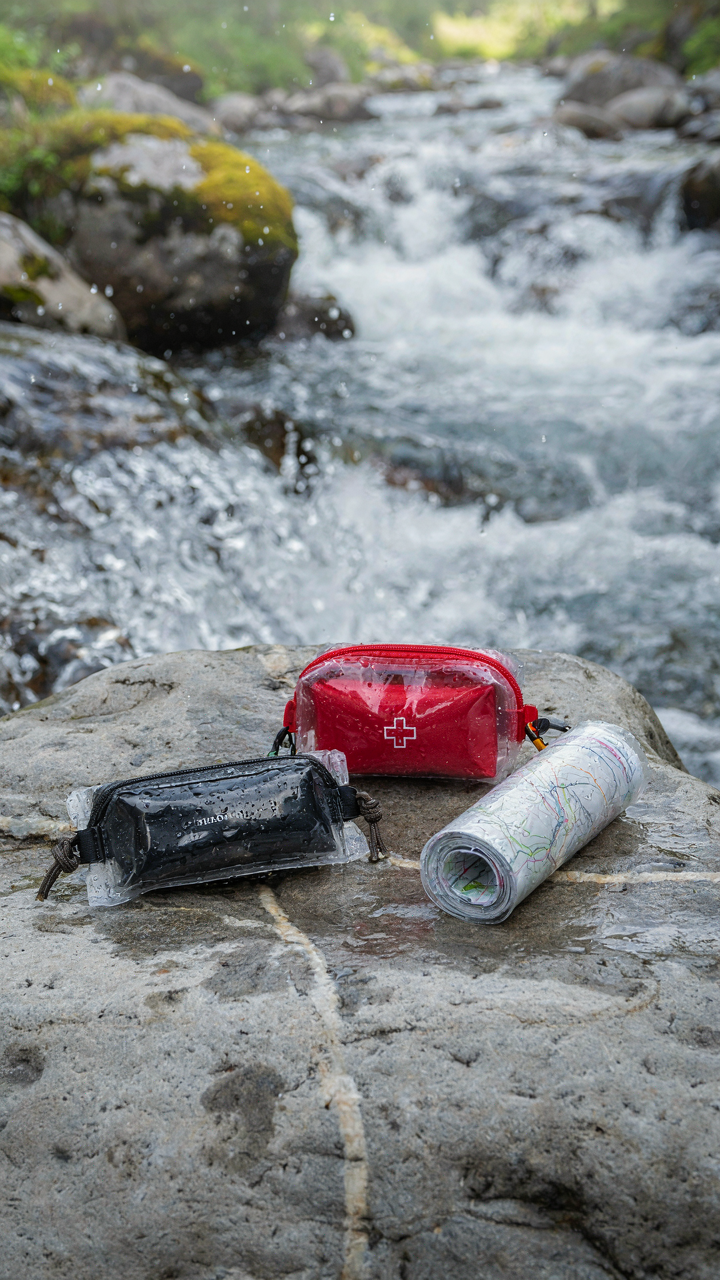
You want to pack these items because you’re afraid of the one scenario where your phone dies and you can’t call out. Here’s the mechanism: a wet environment degrades electronics exponentially faster than dry conditions, so you isolate critical navigation and safety tools into separate, sealed containers before you step on the trail. Military supply chains use compartmentalization theory to prevent single-point failure across operations. Apply that same logic here. Your headlamp, first aid kit, and map live in individual waterproof pouches, not loose in your pack.
Waterproof pouches come in two practical formats: rigid plastic cases with pressure seals, or fabric pouches with roll-top closures. Rigid cases protect fragile items like first aid supplies and prevent crushing. Roll-tops work better for headlamps because they compress smaller and let you access the light faster in darkness. Store each pouch where you can grab it without unpacking your entire bag. A headlamp goes in an outer pocket. Navigation tools stay in a dedicated side pouch. Your first aid kit attaches to your pack hip belt for quick reach. The system only works if the compartments stay independent.
Backup Shelter And Ignition
Most packing advice treats emergency shelter as optional because most trails don’t demand it. That’s incomplete thinking. You don’t pack for the average hike. You pack for the hike where weather turns fast or injury forces you to stop moving. A lightweight emergency bivy sack or space blanket folds to the size of a deck of cards and weighs under three ounces. Pair it with a waterproof fire starter like a ferro rod in a sealed pouch. These two items form the actual boundary between uncomfortable and dangerous.
Store your fire starter separately from your shelter. A waterproof match case or sealed ferro rod lives in a zippered pouch on your pack waist belt where rain won’t compromise it through constant shifting. Your bivy sack stays compressed in an outer compartment, accessible but not occupying premium real estate in your main pack. Before you step on any trail where you might get stranded, confirm you have both items physically in your pack. Check them off your packing list by touch, not by memory. If you can’t confirm it exists, assume it doesn’t.
Pre Hike Audit: The Hiking Checklist Reboot

Check The Forecast Before Route Lock
You’re doing this to avoid looking incompetent in front of your group, but the real mechanism is pattern recognition. Weather forecasts operate on a lag system—prediction accuracy drops sharply beyond 48 hours, so you’re not reading the future, you’re reading current atmospheric conditions mapped forward. A forecast rain probability means cloud systems are already forming. Your route choice depends on this data, not on hope.
Pull the forecast 24 hours before departure and again the morning of the hike. Note the confidence level, not just the percentage. A 40 percent rain chance with high confidence beats an 80 percent chance with low confidence. Terrain elevation and aspect matter here—higher elevations get hit first by weather fronts. Check the route’s water crossings and exposure zones. Rain turns a creek into a liability and exposed ridges into actual danger. This isn’t caution, it’s physics.
Inspect Gear For Tears And Seal Failure
Common advice tells you to check your rain jacket before you leave. That’s incomplete. You need to test the actual mechanism that keeps water out: the seams and the water-repellent coating. Both degrade over time and use, and both fail silently. A jacket that kept you dry last season might not this season.
Lay out all rain gear indoors. Run your fingers along every seam on the inside surface, feeling for hardened adhesive tape that’s lifting or cracking. Test the outer fabric with water—spray it lightly and watch if water beads or soaks in. If it soaks, the DWR (durable water repellent) coating is spent and needs reapplication. Check zippers for corrosion and sluggish movement. A stuck zipper is a useless jacket. Repair or replace before departure, not during the hike.
The “Post Rain” Protocol: Gear Maintenance For Longevity
How Water Leaves Your Gear
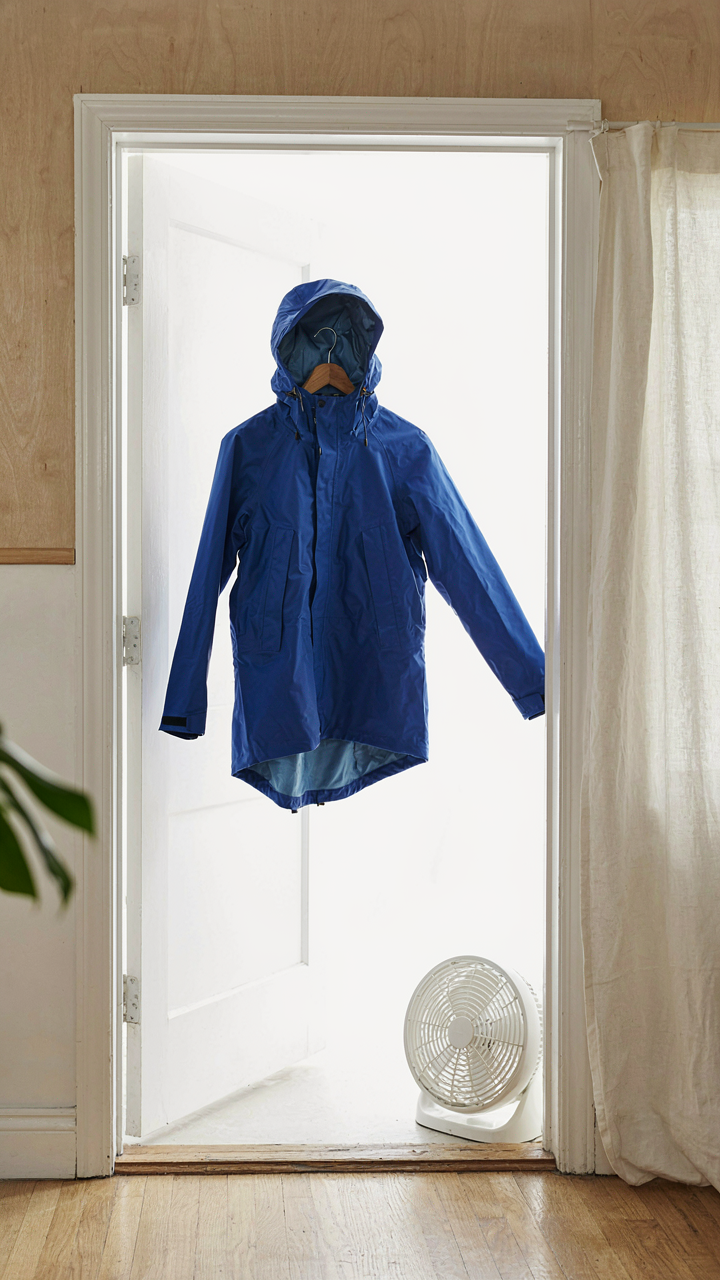
You want your rain jacket to last because replacing it costs money and time you’d rather spend elsewhere. Here’s the mechanism: water trapped inside fabric degrades the DWR coating and breaks down the membrane bond faster than open air exposure ever could. Most people hang wet gear in a closet and wonder why it fails. That’s wrong. Hang it where air moves. A bathroom with the door open works. Better yet, near a fan or open window.
The membrane itself—usually polyurethane or ePTFE—stays intact through proper drying. What kills it is sitting compressed in a dark space where moisture lingers. Spread the jacket flat on a towel or hang it with the shell facing out. Stuff sleeves with newspaper if water pooled there during the hike. Change the newspaper twice. This pulls moisture out systematically instead of letting it migrate deeper into the fabric stack.
Storage Treatments And Long Term Protection
Before storage, reapply the DWR coating because water beading on the shell surface prevents saturation before it hits the membrane underneath. Common advice says wash your jacket first, then spray. That’s incomplete. You need three steps: gentle rinse with cool water to remove salt and debris, complete air dry for 24 to 48 hours minimum, then DWR treatment applied in a well ventilated space.
- Heat activation after spray: Some DWR products require heat to cure properly. Check your specific treatment, as air drying alone won’t lock the coating. A low tumble dry cycle works, or hang in direct sun for several hours.
- Storage in breathable bags: Never seal rain gear in plastic. Use mesh storage bags or cotton drawstring sacks that allow air circulation. Plastic traps residual moisture and causes mildew regardless of how dry you think the jacket is.
- Temperature stability: Store in a closet, not an attic or garage where temperature swings are extreme. Heat cycles degrade DWR coatings faster than moderate, stable conditions do.
- Separation from heavy items: Don’t stack other gear on top of folded rain jackets. Weight compression damages the membrane structure and reduces its ability to breathe later.
- Annual recoating schedule: Reapply DWR every 12 months if you use the jacket regularly. Every 18 to 24 months for seasonal use. This prevents the silent failure where water stops beading before you notice performance dropping.
Store your jacket uncompressed in a cool, dry space with zero direct contact to plastic. Check it twice a year by running water on the shell and watching bead formation. When beading stops, retreat. This single check prevents the degradation spiral that turns a three-season jacket into a liner in two years.
Beyond The Gear: Cultivating “Rainy Weather” Resilience
The Mindset Gap Between Prepared And Broken
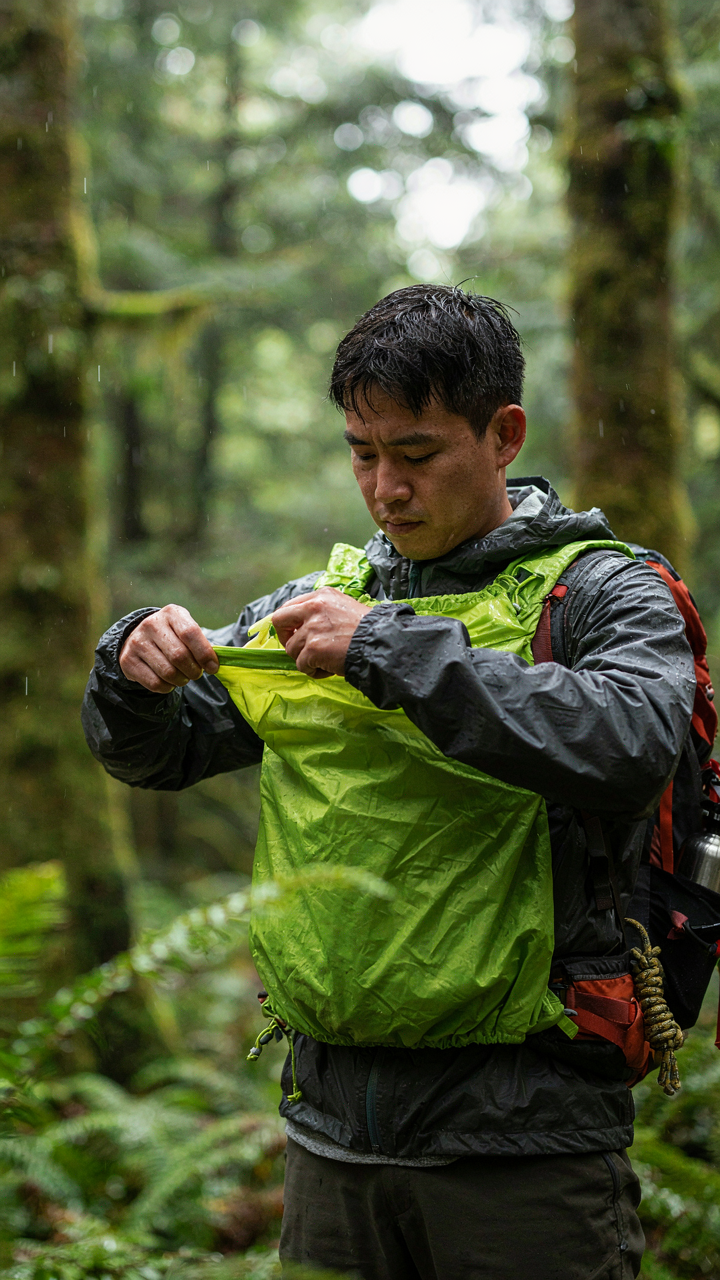
You want this section because you’re hoping the right mental framework will let you skip the hard part. It won’t. The mechanism is simple: your gear only matters if your brain stays functional under stress. Rain doesn’t break people. Panic does. The difference between a hiker who turns back defeated and one who pushes through is rarely the quality of their jacket. It’s whether they accepted discomfort before they left the trailhead.
Most advice here is generic motivation porn. Skip it. What actually matters is treating adverse conditions like a known variable, not a surprise. When you pack rain gear, you’re not just packing fabric. You’re making a decision statement: I expect this, I prepared for this, therefore this is manageable. That shift in framing changes your neurological response when the weather turns. Your body doesn’t spike cortisol if your brain already classified the situation as handled.
Turning Discomfort Into Protocol
The common advice says embrace the suck and find joy in struggle. That’s incomplete. You don’t embrace discomfort by thinking differently about it. You embrace it by building specific responses to it ahead of time, then executing those responses without emotion. This is how military units and emergency crews operate. They don’t motivate themselves on the trail. They drill the protocol so the protocol runs them.
Before you hike in rain, define one non-negotiable checkpoint. Example: if water reaches your pack straps, you stop, apply your rain cover. If visibility drops below fifty feet, you pull your headlamp. If your hands lose feeling, you rotate your gloves. These aren’t flexibility calls. They’re stops in the protocol. When the rain hits, you don’t decide. You execute. Your discomfort becomes data. Your data becomes action. Your action prevents panic.
The Real Obstacle Isn’t The Rain, It’s Your Attachment To Comfort Over Competence

Most hikers pack rain gear like an insurance policy they hope never to use. They stuff it deep, hesitate to deploy it, and suffer needlessly because admitting defeat to weather feels weak. It’s not. The competent move is packing gear you’ll actually wear and wearing it before you’re desperate. Pull out your rain jacket today, wear it on a casual walk, feel how it moves. Competence beats comfort every single time, and the trail rewards people who choose function over feelings.