
Introduction
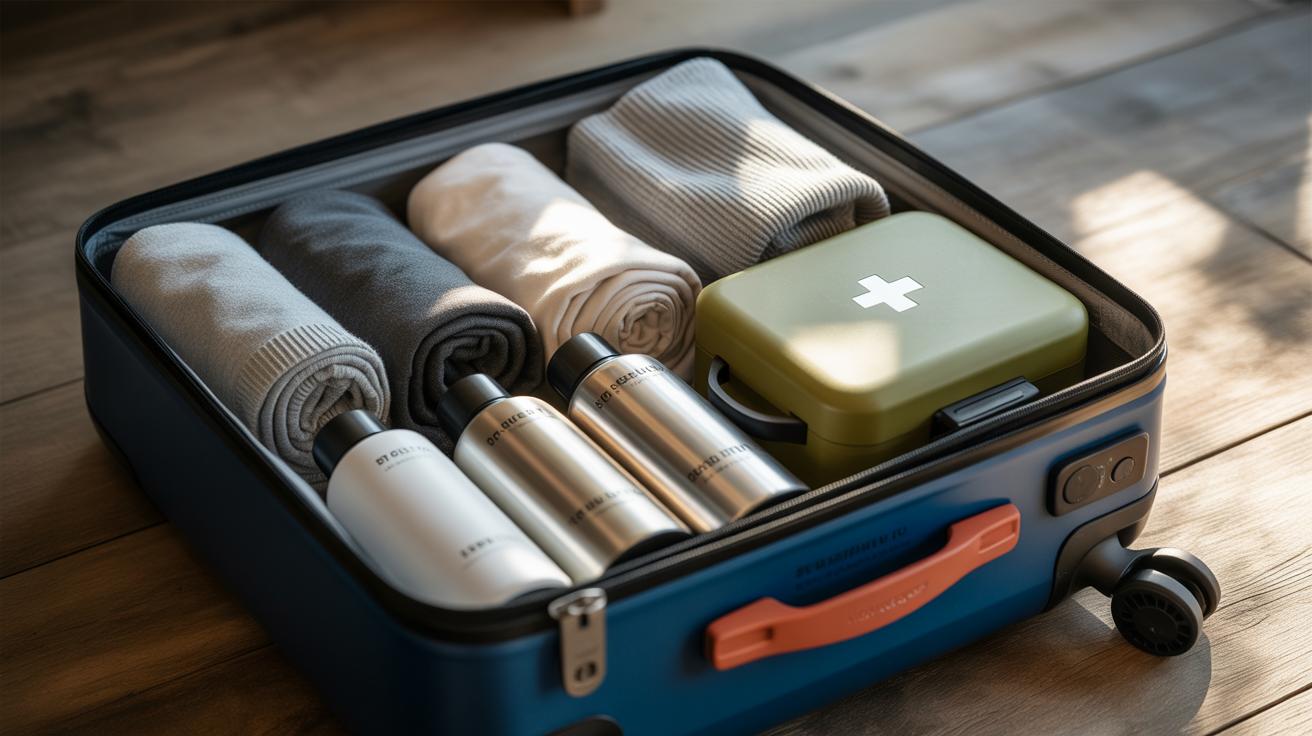
Packing for a trip can be challenging. The goal is to take everything you need while saving space in your luggage. Good packing helps you avoid heavy bags and missing essential items. It also helps you keep your belongings organized during your trip.
In this article, you will find useful tips to save space and keep healthy while packing. We will cover how to pack smart, what to include for your health, and ways to stay comfortable during travel. These practical tips will make your travel smoother and more enjoyable.
Check What You Really Need

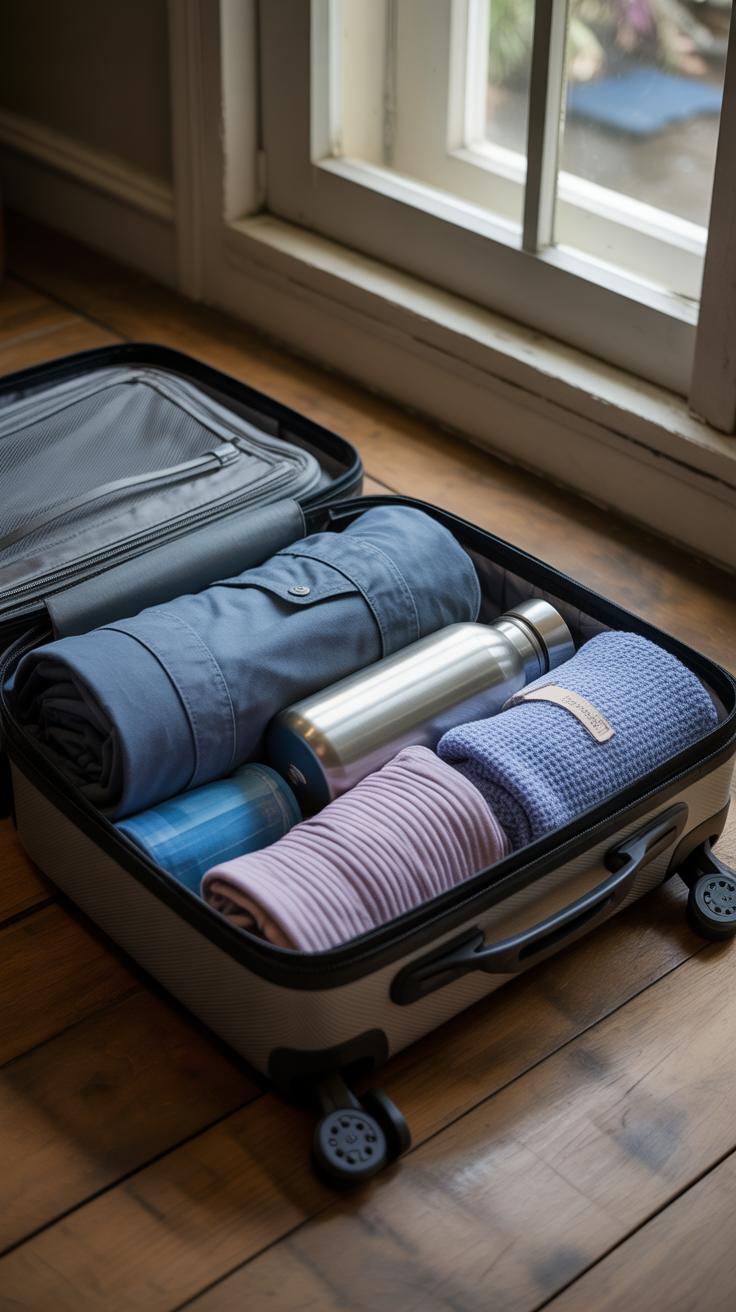
When packing, it’s easy to fall into the trap of tossing in things “just in case.” But that often leads to lugging around unnecessary weight. Making a precise packing list helps you keep only what truly matters for your trip. Think about where you’re going—the climate shapes what you’ll actually wear. If it’s a tropical place, heavy sweaters don’t make sense, right? And the length of your trip sets a natural limit on how many clothes or supplies you need.

Then, factor in your planned activities. A day at the beach requires very different gear than hiking in the mountains or attending formal dinners. If you force yourself to consider each day’s agenda, you’ll realize many things on your mental list aren’t necessary at all.
Personal experience? I once packed boots for a beach trip—I’ll admit that wasn’t the smartest move. That experience made me rethink the whole process of “guessing” what I’d need, leading me to rely more on planning and discipline rather than impulse.
Questions to Ask Before Packing
Before you start stuffing your suitcase, ask yourself a few key questions. What’s the weather forecast? Are you expecting rain or shine? Will temperatures swing drastically between day and night?
What types of activities will fill your days? Are you attending meetings, sightseeing, or exercising? Will you need special gear—like hiking boots or formalwear? Can any item serve multiple purposes, or is it a one-and-done?
Also consider access to laundry facilities. If you can wash clothes, you can pack less. If not, you’ll need more changes of clothes. These questions might seem obvious, maybe even bothersome, but they can save you from carrying baggage you don’t actually use.
Using a Checklist to Avoid Overpacking
A checklist can feel restrictive, but it’s like having a packing coach in your pocket. It forces you to think critically about each item. When I started using checklists, I realized I was packing duplicates and random “just in case” things that never left the bag.
Here’s what a simple checklist does: it keeps you focused on essentials, helps you track what’s already in your bag, and reminds you of small but crucial items that often get forgotten. You might jot down clothes, toiletries, chargers, medications, and any special gear.
One trick I use is checking off each item as I pack it. That way, I avoid the “Did I already put in my phone charger?” panic. Plus, on the trip home, the list flips into an unpacking guide—although I still sometimes discover surprises hiding at the bottom of my suitcase.
Use Packing Cubes to Organize
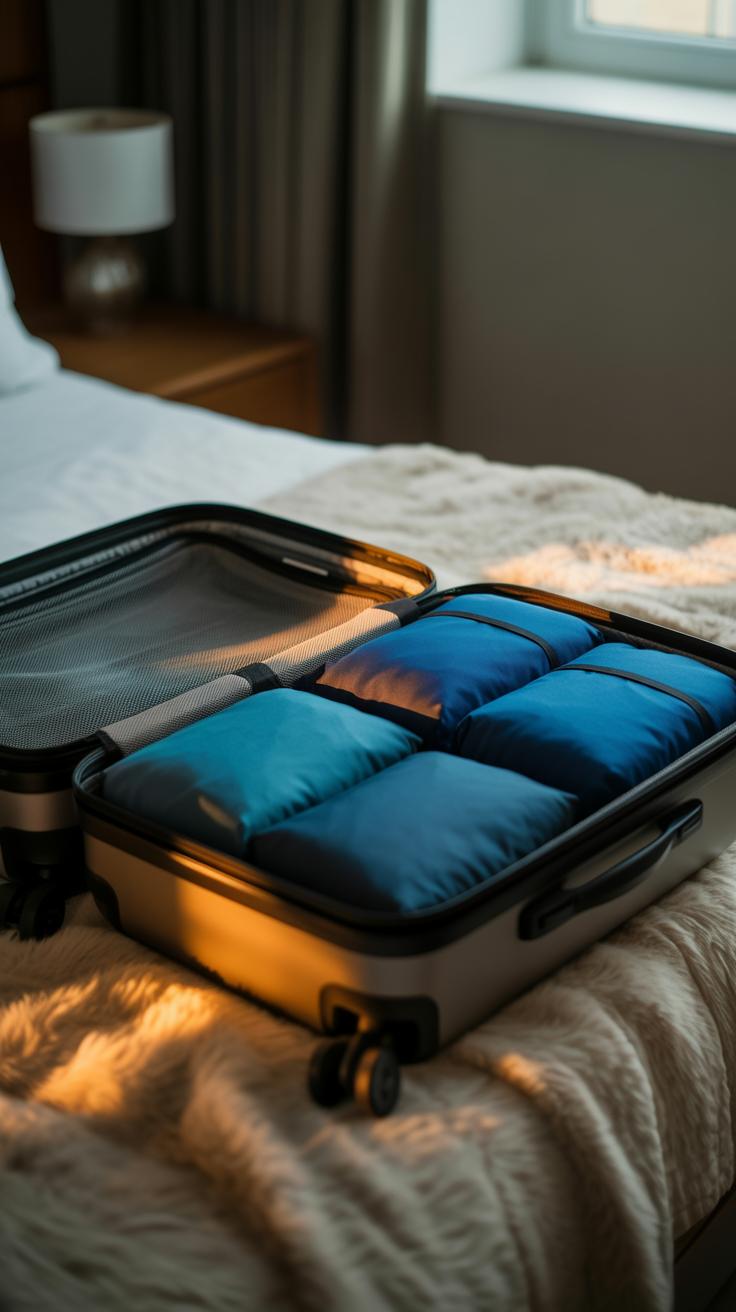
Packing cubes are small, zippered bags designed to keep your clothes and accessories organized inside your suitcase. They come in various sizes and usually feature mesh panels or lightweight fabric to let you see what’s inside without unpacking everything.
One of the main advantages of packing cubes is how they help compress your belongings. By grouping items tightly and then closing the cube, you reduce odd gaps and loose fabric. This can save you a surprising amount of space—sometimes enough for an extra outfit or two. I once squeezed an entire week’s wardrobe into a carry-on just by relying heavily on these cubes.
Benefits of Separating Your Clothes
Separating your clothes into cubes makes your suitcase less chaotic. Each cube can hold a category: shirts in one, underwear in another, chargers and toiletries in yet another. This means no more rummaging around to find a lone sock or struggling to pull out your favorite jacket because it’s buried under everything else.
This separation keeps items neat and reduces wrinkling because they stay put. It also helps when you reach your destination—unpacking becomes more straightforward when everything is already categorized. You can just toss the cubes into your hotel drawer without much fuss.
Case Example of Efficient Packing
Imagine a traveler named Sara preparing for a ten-day trip with only a small carry-on. Without packing cubes, her clothes ended up stuffed in random piles. She’d lost track of what was clean or dirty, and the suitcase was nearly impossible to close.
After switching to packing cubes, she separated her clothes by type and compressed them tightly. This strategy freed enough space for a pair of shoes and a compact jacket she hadn’t initially considered bringing. On top of that, Sara found herself saving time by quickly spotting exactly what she needed instead of unloading the entire suitcase.
Do you think your suitcase could benefit from this method? It’s worth experimenting. You might find that packing cubes not only save space but also reduce travel stress in unexpected ways.
Choose Clothes That Are Easy to Layer
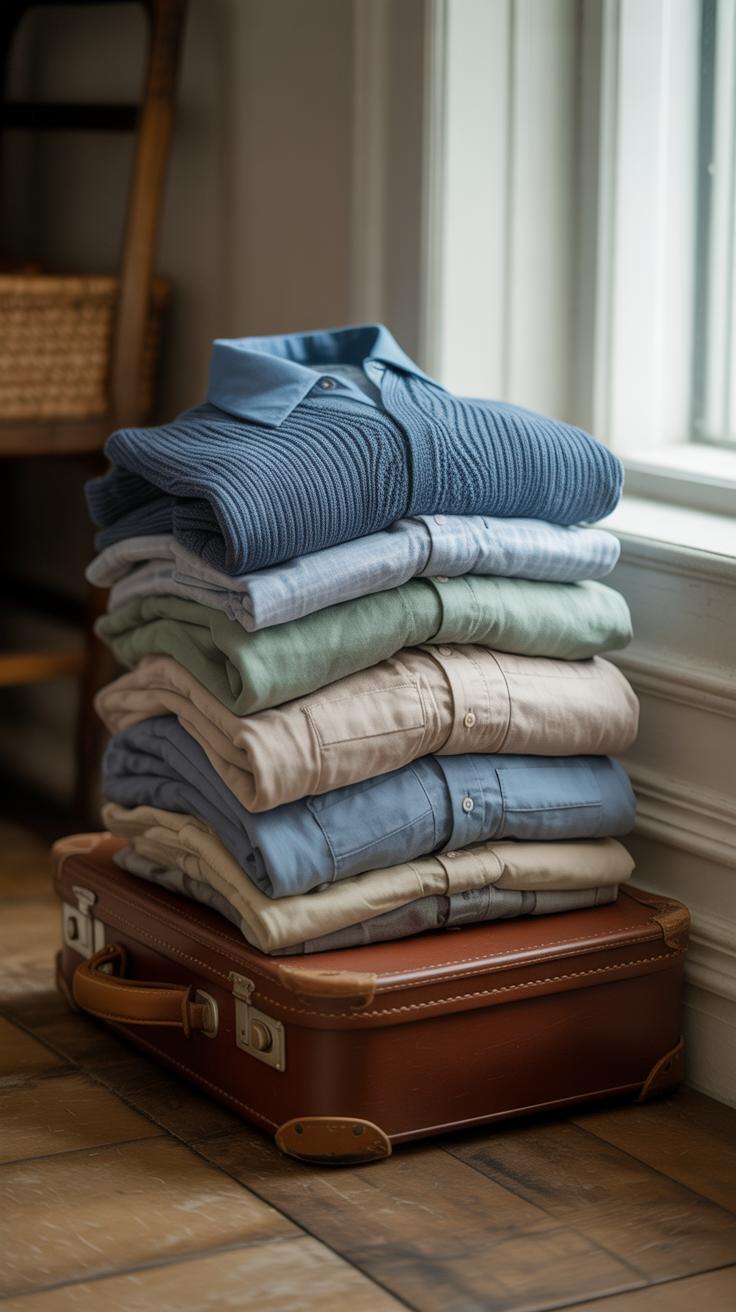
Layering clothes beats packing bulky items most of the time. Instead of lugging around a couple of heavy sweaters or coats, you can bring lighter pieces that work together to keep you warm or cool. When you layer, you have more control over your comfort. If it warms up unexpectedly, just peel off a layer. If it gets chilly, add one. It’s simple, flexible, and often saves a lot of suitcase space.
Materials matter here. Fabrics that dry quickly and resist wrinkles are ideal. Think merino wool, synthetic blends like polyester or nylon, and lightweight cottons treated to dry faster. These fabrics are less likely to stay damp after a rain shower or a sweaty day of travel, which is a genuine relief when you don’t have time to do laundry immediately. Plus, wrinkle-resistant clothes look better without ironing—a small thing that makes a travel day feel smoother.
How Layering Saves Space and Adapts to Weather
With just a few items, layering lets you adapt to all sorts of weather without overpacking. A base layer might be a thin, moisture-wicking shirt. On top, add a long-sleeve for warmth, then perhaps a light jacket or windbreaker if it’s really cold or windy. You don’t need a separate bulky coat for every temperature range. Instead, combine pieces to get warmth or ventilation exactly where you want it.
Often, these layers can double in use—wear the base layer to bed if it’s chilly or take off the jacket for a casual look in warmer spots. It’s surprisingly easy to mix and match when you’ve got pieces that coordinate well. You might pack fewer items but feel prepared for more.
Tips for Selecting Travel Clothing
Choose clothes that fit multiple roles on your trip. Pick neutral colors that pair well, so you’re not stuck in one outfit combination. A shirt that works for sightseeing should also look okay for dinner, and pants that are comfortable for walking but neat enough for an evening out.
- Go for wrinkle-resistant fabrics to avoid looking disheveled after long flights or train rides.
- Pick pieces that dry quickly in case you wash them mid-trip—this means fewer extras.
- Consider items that offer both breathability and warmth, depending on your destination.
It’s a bit of a balancing act—I’ve packed a jacket that was too heavy but didn’t bring enough layers, making that jacket mandatory every day. Lesson learned: layering gives you options, and options make travel easier.
Pack Health Essentials Thoughtfully
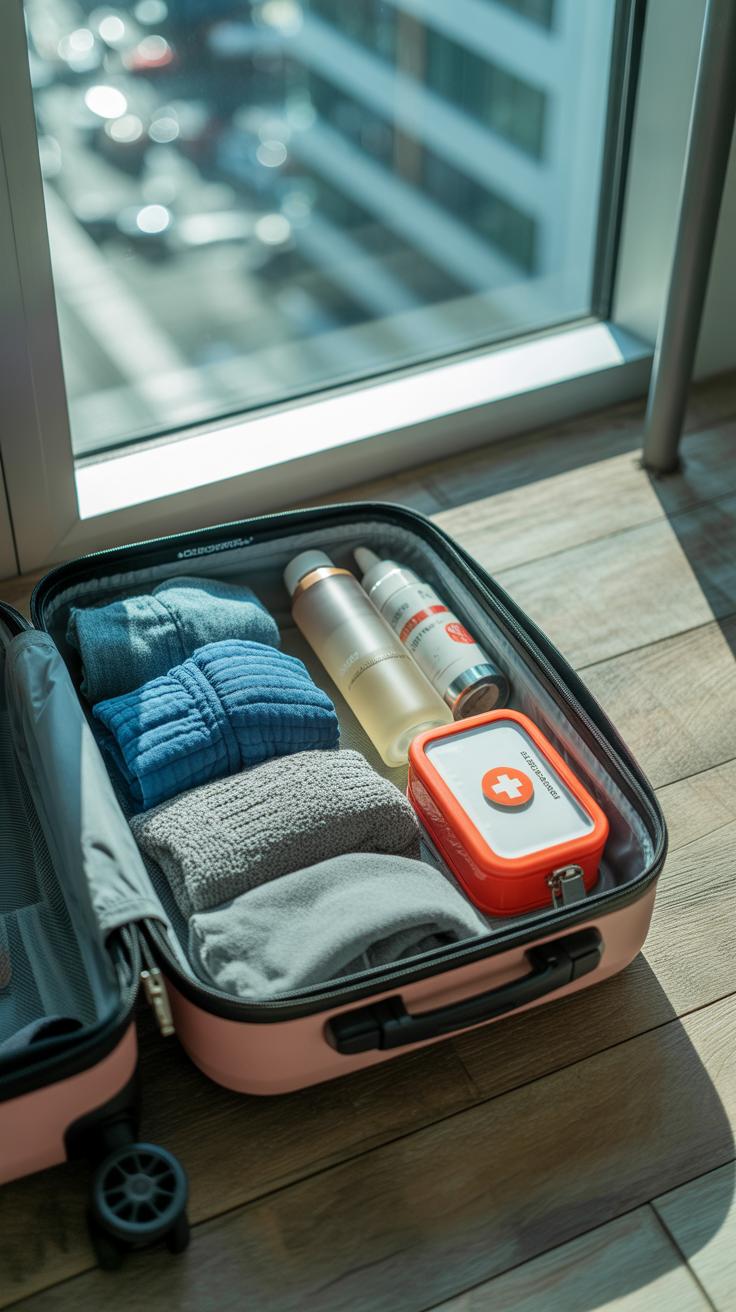
When traveling, carrying the right health items can make a huge difference. Medicines, hand sanitizer, and masks aren’t just extras—they can be real lifesavers in unfamiliar places. Think about it: you don’t always know how clean facilities will be or how quickly you can access a pharmacy. Having basic health supplies helps you deal with minor issues without stress.
Some key health items to pack include:
- Prescription medicines – don’t forget enough for the whole trip, plus a bit extra in case of delays.
- Pain relievers and fever reducers like ibuprofen or acetaminophen.
- Antiseptic wipes or hand sanitizer to keep germs at bay, especially when soap and water aren’t handy.
- Masks, which are still useful in crowded or enclosed spaces to reduce exposure to airborne illnesses.
- Band-aids and basic first-aid items for small cuts and scrapes.
I’ve found that keeping medications in their original containers helps avoid confusion at customs or emergencies. Labels and dosages should be clear, so if you need to explain what you’re taking, it’s easier and faster. It might seem tedious, but organizing meds in a small, sealable pouch dedicated just for health items has been a lifesaver—both for quick access and to keep everything clean and dry.
Do you prepare a mini first-aid kit? It might feel like overpacking, but asking that while sitting in a long security line or dealing with jet lag could change your mind. The more ready you are for unexpected aches or health hiccups, the better your trip flows.
Limit Shoes and Heavy Items
Why Shoes Take More Space
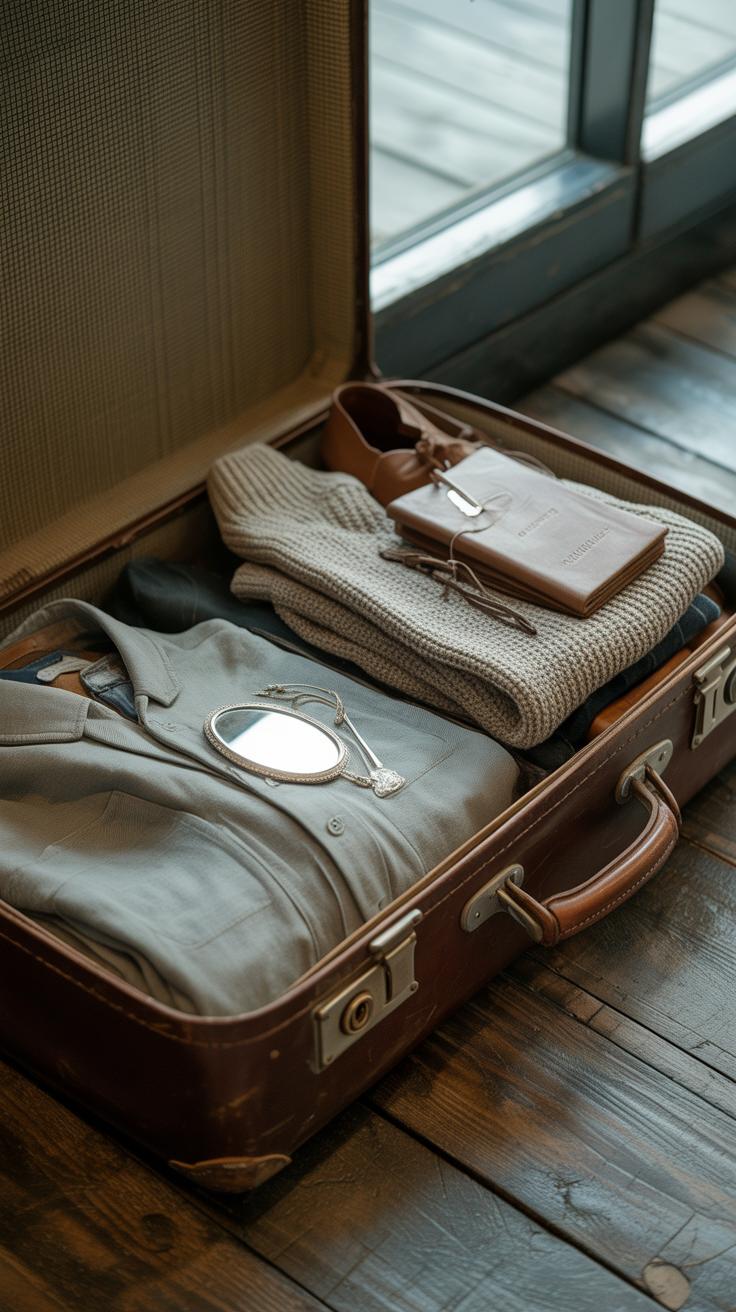
Shoes always seem to eat up more room than you expect. They’re bulky—not just in size but in shape. Even a compact pair holds air and resists squeezing down flat like clothes do. Plus, shoes are oddly awkward to fit around other things, leaving gaps you can’t really fill with smaller items. I’ve found that packing multiple pairs means losing precious space and adding weight that quickly racks up.
Try this: limit yourself to the absolute essentials. Think about your itinerary and what shoes you’ll really wear. Will you actually need those sandals for a day by the beach or the sneakers you bought on a whim? Carrying extras “just in case” often ends with them sitting idle, taking up more space than necessary.
Selecting Multi-Use Footwear
Choosing shoes that can serve multiple purposes lets you carry less. For example, comfortable sneakers can work for walking tours and casual dinners if paired with the right outfit. A pair of lightweight loafers might bridge the gap between formal and casual. I sometimes bring one versatile pair and one backup, but even then, it feels like a lot.
Look for shoes that are easy to clean, pack well, and can handle different environments. Darker colors often match more outfits, so you’re not stuck switching shoes all the time. Asking yourself whether a shoe fits different needs might reduce your load more than you expect. Strange but true: cutting down to two pairs, maybe even just one, isn’t easy. But it does pay off in lighter luggage and less hassle.
Keep Liquids and Toiletries Compact
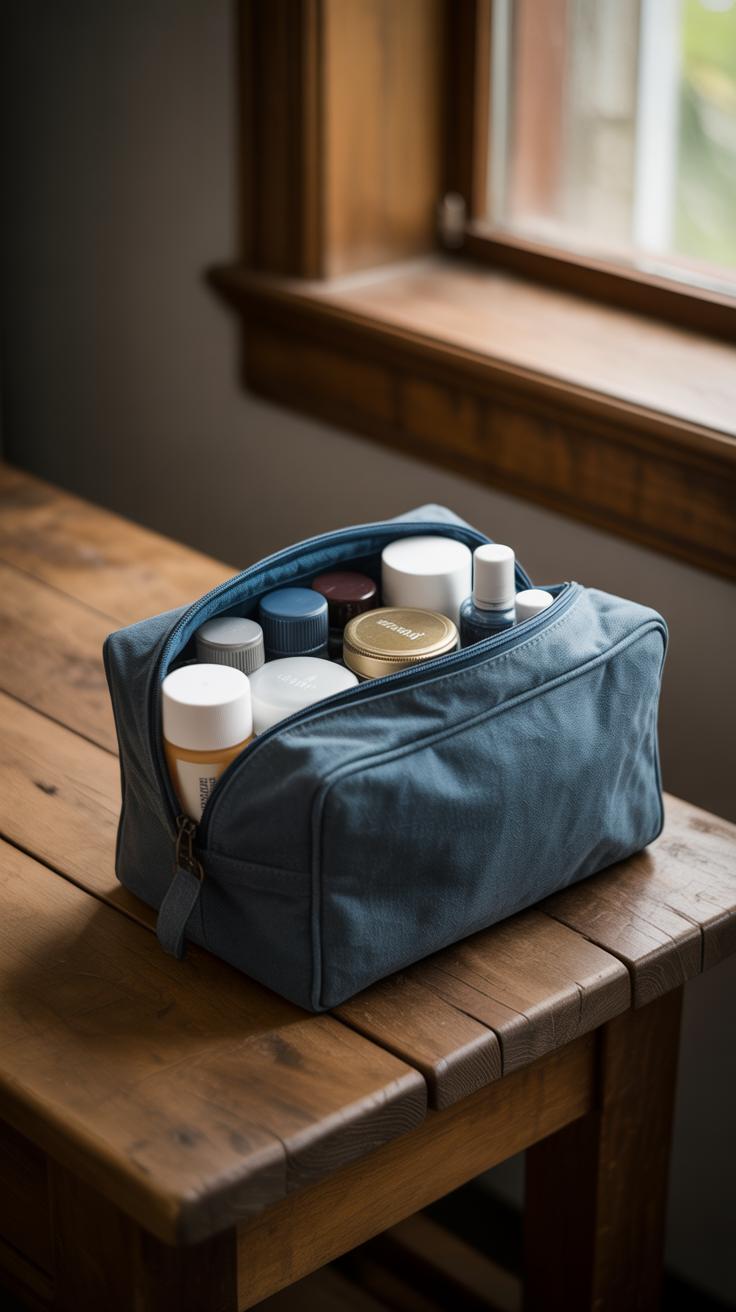
The typical airline rule for liquids in carry-on bags sets a clear limit: containers must be 100 milliliters (or roughly 3.4 ounces) or smaller. All of these bottles then need to fit neatly into a single, transparent, resealable quart-sized bag. You might have seen the TSA agents asking everyone to pull it out separately at security—it’s kind of a hassle but unavoidable. The point is, no matter how many lotions or sprays you pack, they all have to squeeze into that one little bag.
To avoid raid-style spills, transfer your shampoo, conditioner, and body wash into travel-size bottles. Glass is a no-go; plastic ones with screw-on lids work best. Testing these at home for leaks saves a potential mess later. And, if you want to be extra cautious, wrap the bottle tops with a little tape or snap on a silicone cap. Some travelers swear by layering a piece of plastic wrap under the lid before screwing it tight—it sounds excessive, but hey, no surprises at 30,000 feet.
When it comes to toiletries, less really can be more. Instead of packing full bottles, think about what you actually use daily. Maybe you don’t need that fancy facial scrub every trip or that extra moisturizer when you’re just going for a short stay. Solid bars of soap, small deodorant sticks, and multi-use products—like a moisturizer that doubles as sunscreen—can save valuable space. That tiny tube of toothpaste and a mini toothbrush? Perfect for a quick freshen-up without bulk.
If you’re curious, try lining your liquids bag with a thin cloth or placing it inside a waterproof pouch. It’s a small step that can prevent your favorite travel shirt from turning into an unwearable sticky mess. Maybe packing liquids thoughtfully is more of a nuisance than a thrill, but when you arrive with your stuff intact, it kind of feels worth it, doesn’t it?
Plan Your Bag Weight Wisely
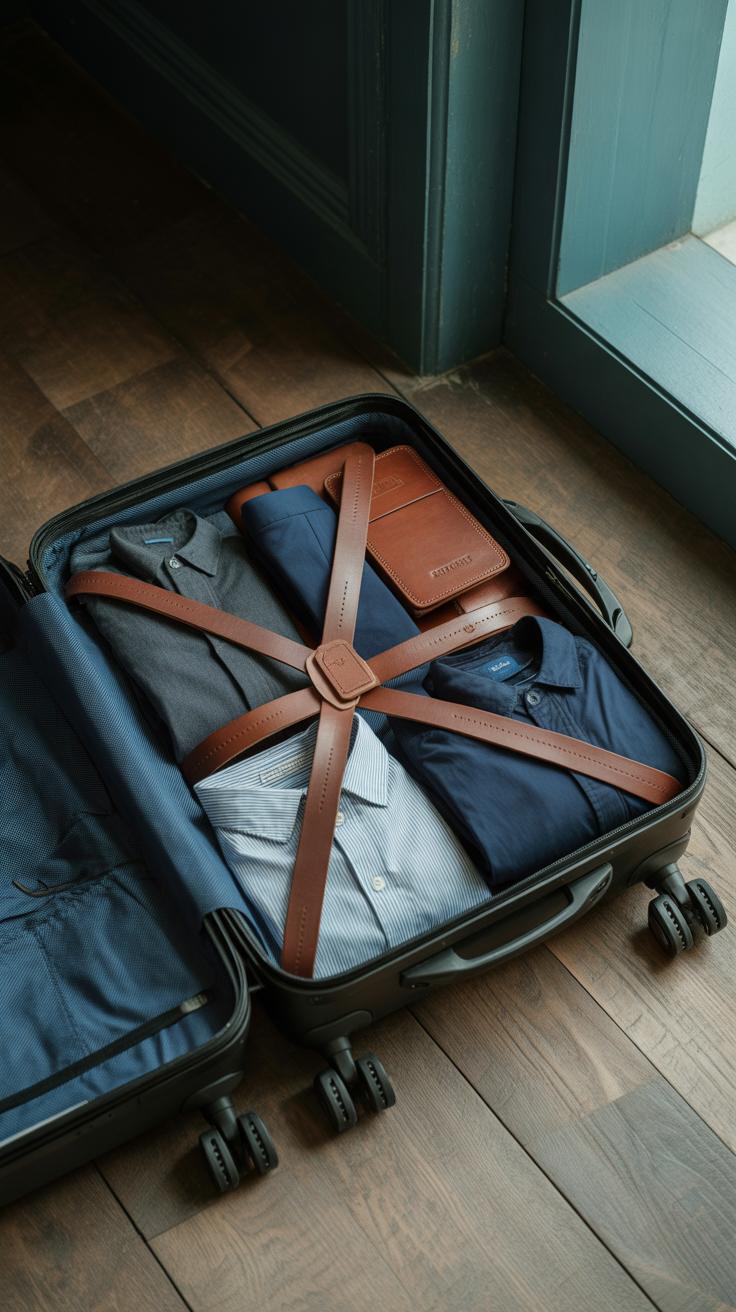
Balancing your luggage weight is more than just dodging extra fees. It’s about making your travel smoother and less stressful. Packing too heavy can strain your shoulders and back, especially when you’re hauling bags across airports or busy streets. On the other hand, being overly cautious and packing too little might leave you without essentials or force you to buy things last-minute that add weight anyway.
Try aiming for a middle ground: know your airline’s weight limits and give yourself a buffer—maybe a kilo or two less than the maximum. That way, you won’t panic at the check-in counter. Also, spread the weight evenly between bags or within compartments. This helps prevent awkward carrying and makes lifting easier.
Tools to Measure Luggage Weight
You don’t need fancy gadgets to check your bag’s weight at home. A simple bathroom scale can work fine—just weigh yourself first, then again holding your bag, then subtract. Easy math, right? If your scale isn’t super accurate, try moving your bag around to see if the weight feels consistent.
Other options include portable luggage scales, which are affordable, handheld devices designed specifically for this purpose. They clip onto your bag’s handle and give you a quick read. I’ve used one before, and it saved me from stressful airport surprises several times.
How Weight Affects Travel Comfort
Carrying less weight really makes a difference. Heavy bags slow you down, tire you out, and it’s just a pain when hopping between transportation or walking longer distances. I remember a trip where my bag was too heavy—dragging it felt like a workout, and I ended up avoiding places just because moving was exhausting.
When your bags are lighter, you can move freely, change plans on a whim, and even feel less anxiety about navigating busy terminals. Lighter packing also means less chance of injury or muscle strain. So, yes, it’s not just about fees. It’s about keeping your travel experience manageable, maybe even enjoyable.
Review and Adjust Before Departure
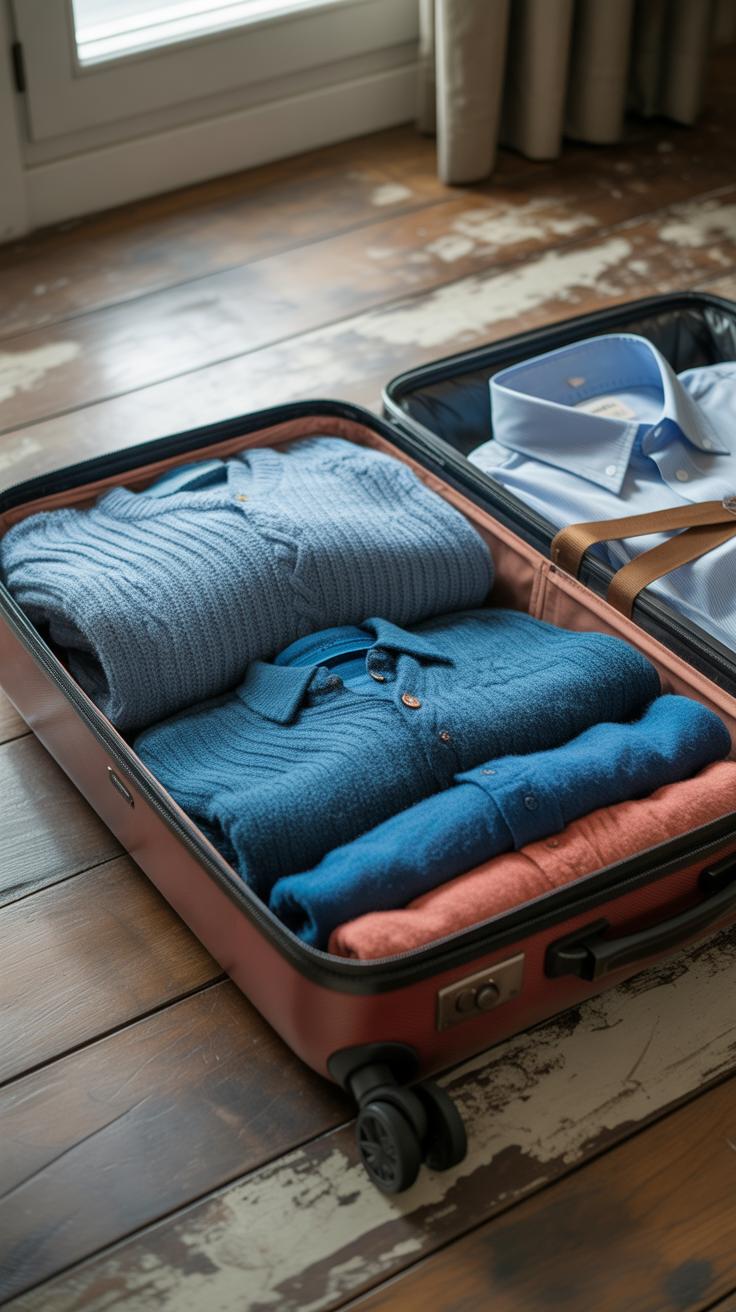
Last-Minute Packing Tips
Try to do a final check of your packed items at least a day before you leave. This gives you time to spot anything missing or extra that slipped in without much thought. If you discover you’ve overpacked, consider what can be left behind or perhaps moved to your carry-on if that space is open. On the other hand, if you realize something essential is missing, don’t panic. Quick fixes like grabbing toiletries from a nearby store or borrowing a charger from a friend can save the day.
Here’s what I usually do when I spot a gap last minute:
- Make a short list of must-have items that are missing.
- Check if any can be picked up on the way or near your destination.
- Reorganize your bag by removing duplicates or unnecessary items to create room.
- Use small pouches or zip bags to group last-minute additions, keeping things neat.
Why Final Review Helps Avoid Problems
Taking a last look before heading out actually eases stress more than you might expect. Rushing out without this review invites forgotten phone chargers, passports, or medications — things that could derail your trip. I think the magic lies in this pause; it lets your brain click through the checklist one more time, sometimes catching what slipped through earlier.
You know that uneasy feeling when you think, “Did I really pack everything I need?” That feeling fades after the final scan. It’s also when you realize—sometimes too late—that you might have packed too much, so you can trim it back down and avoid lugging extra weight. Plus, this review helps you mentally switch gears into travel mode. In a way, it’s less about the bag and more about peace of mind.
Conclusions
Saving space and staying healthy while packing helps you enjoy your trip without stress. Using organized methods like packing cubes and making a checklist can save time and effort. Choosing the right items for health, such as medications and hygiene products, keeps you prepared.
Following the tips in this article helps you pack efficiently and responsibly. You will travel lighter, stay healthier, and focus on your journey. Good packing habits make your trips easier and more fun, no matter where you go.