
The “Essentials” Myth: Why Your Camping List Packing Is Overloaded

What You Actually Need Versus What You Fear Missing
You want the list that proves you’re prepared so nobody questions your competence. Here’s the mechanism: every packing guide uses consensus language like “essential” and “must have” without defining what problem each item solves. That gap fills with anxiety. You pack the extra flashlight, the backup first aid kit, the rain jacket plus the poncho because removing anything feels like risk. The real filter is specificity. A two-night trip in established campgrounds in summer requires different items than a winter backpacking trip. Most lists ignore context entirely and stack every possible scenario into one bloated inventory. You end up carrying weight for situations that won’t happen.
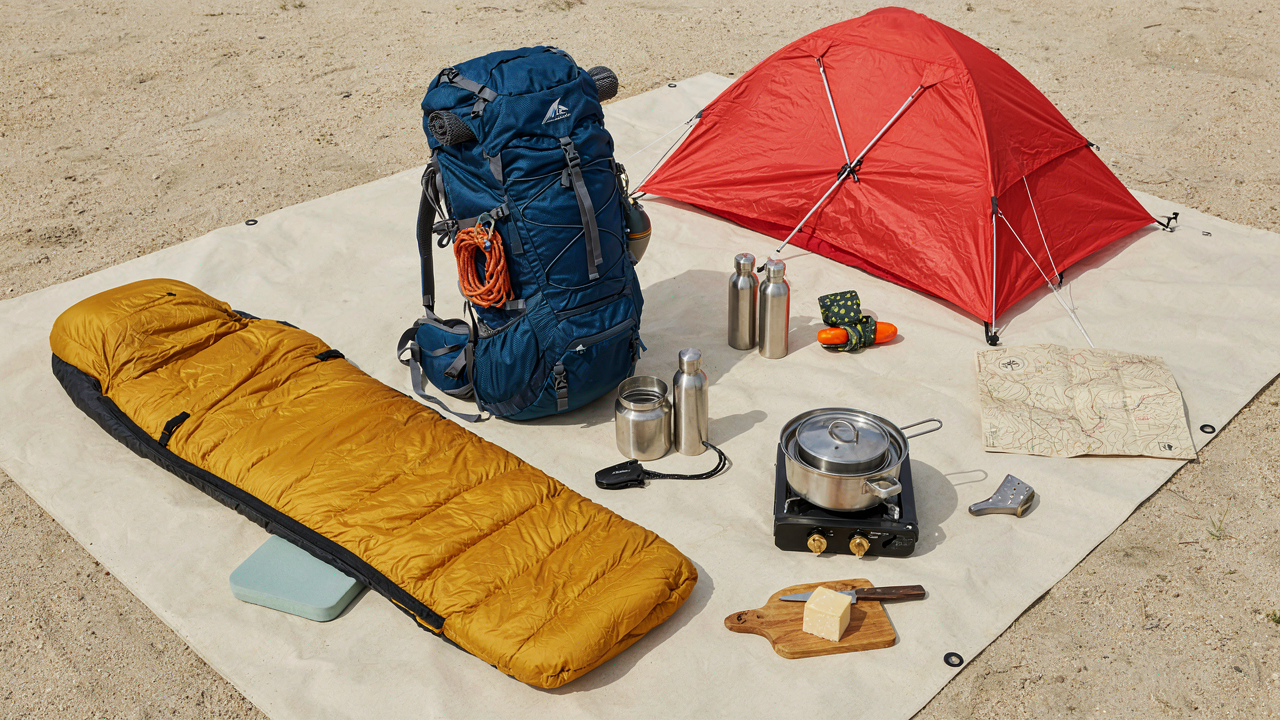
The distinction matters because your actual survival depends on three things: shelter, water access, and the ability to navigate back. Everything else is comfort or contingency. Strip your packing list by asking one question per item: what specific problem does this solve that I cannot solve without it? A sleeping bag solves temperature regulation during sleep. A camp stove solves the problem of cooking food. A map solves navigation. A backup phone charger solves nothing on a weekend trip to a campground with established trails and a ranger station. The pattern reveals itself immediately once you stop thinking in categories and start thinking in mechanisms.
The Fear Layer Hiding In Plain Sight
Consumer psychology calls this “loss aversion in equipment selection,” and it’s the real architecture of overpacking. You don’t add items because research says you need them. You add them because you can imagine a scenario where not having them creates embarrassment or minor discomfort. That’s the mechanism: avoidance of specific social and physical outcomes, not preparation for actual danger. The second knife, the emergency shelter tarp, the backup lighter, the extra socks beyond what you can wear in forty-eight hours. These multiply because each one addresses a fear, not a legitimate need.
The protocol is to separate genuine constraints from imagined ones. Genuine: you need to sleep without hypothermia, drink water without getting sick, and return to your vehicle. Imagined: needing four different ways to start a fire, or carrying backup gear for gear that already has backups. Test your packing list by removing one item and asking what actually breaks. If the answer is “nothing, it just would have been nice,” it leaves the pack. On a weekend trip, nice becomes weight. Weight becomes fatigue. Fatigue kills your enjoyment and creates the false belief that you need even more gear next time.

The 3 Layer Survival Protocol For A Weekend Camping Trip

Your Clothes Are Regulation, Not Expression
You want to look like you belong in the woods. That’s the real driver here. But the mechanism most people miss is that clothing functions as a thermoregulation system, not a fashion statement. In thermodynamics terms, you’re managing heat transfer through layering. Base layer wicks moisture away from skin. Mid layer traps dead air. Outer layer blocks wind and rain. Each serves a specific thermal job. Stack them wrong and you fail the system.
Most packing advice says “bring layers.” That’s incomplete garbage. You need three specific layers that work together. Cotton kills you in cold and wet. Synthetic or wool base layer first because it sheds moisture fast. Fleece or wool mid layer second because it insulates even when damp. Hardshell jacket third because it stops convective heat loss. This isn’t preference. It’s physics. Bring one complete set, plus one backup base layer. That’s your regulation.
Sleep System Beats Tent Every Time
Your sleep system determines whether you wake rested or destroyed. Most people treat the tent as the shelter and forget the real work happens inside it. The tent is weather protection. Your sleep system is survival. A sleeping bag rated for the season does the actual insulation work. Ground pad underneath prevents conduction loss to earth, which most campers catastrophically underestimate. The sleeping pad matters as much as the bag itself because cold rises from below first.
For a weekend trip, bring a sleeping bag rated 10 to 15 degrees below the lowest temperature you expect. Overrating is cheap insurance. Pair it with an insulated sleeping pad with an R-value above 2. Skip the cheap foam pad nonsense. Lay both inside the tent in the same spot every night so your body finds it in darkness. Test your system at home first so you know exactly how warm you’ll be instead of discovering hypothermia at 3 AM.
The Weight To Worth Ratio Applying Economic Principles To Your Camping Packing List

Every Ounce Has A Cost
You want to feel prepared without admitting you’re afraid of looking incompetent in front of people who actually camp. The real mechanism here is opportunity cost from economics, and it applies directly to your pack weight. Every item you add displaces something else and consumes energy you’ll burn carrying it. Economics calls this tradeoff analysis. On a weekend trip, that means a five pound item must deliver proportional value or it’s dead weight subsidizing your anxiety.
Most people pack to avoid worst case scenarios that never happen. They treat the pack like insurance against embarrassment. Instead, calculate what each item actually solves for the specific conditions you’ll face. A rain jacket solves a real problem. A backup rain jacket solves perceived risk. The difference is weight you’ll carry three miles uphill for no return. Strip items until you hit genuine gaps, not theoretical ones.
Density Of Function Per Ounce
Each item should serve multiple purposes or solve a high frequency problem you’ll face during two days outdoors. A bandana handles sweat, sun protection, water straining, wound wrapping, and cordage. A single knife replaces six tools if chosen correctly. This is utility maximization. Poor packing list advice tells you to “bring options.” Real advice demands each item justify its weight by delivering function you’ll actually use.
Weight distribution matters less than weight reduction for weekend trips. A lighter pack means less fatigue, fewer breaks, and more time at your destination. Start by listing every problem a weekend trip creates: hunger, cold, wet, injury, darkness, disorientation. Then assign items to solve those problems with minimum redundancy. Remove anything that duplicates function. You’ll end up with forty to fifty pounds instead of seventy, and you’ll use everything inside.
Beyond The Gear: The Real Camping Essentials Checklist
Skills Trump Stuff
You want the packing list because you think the right items will save you. They won’t. The mechanism is simple: gear fails, knowledge doesn’t. A broken tent pole matters only if you can’t improvise a fix. A dead headlamp matters only if you panic instead of navigate by starlight or landmarks.
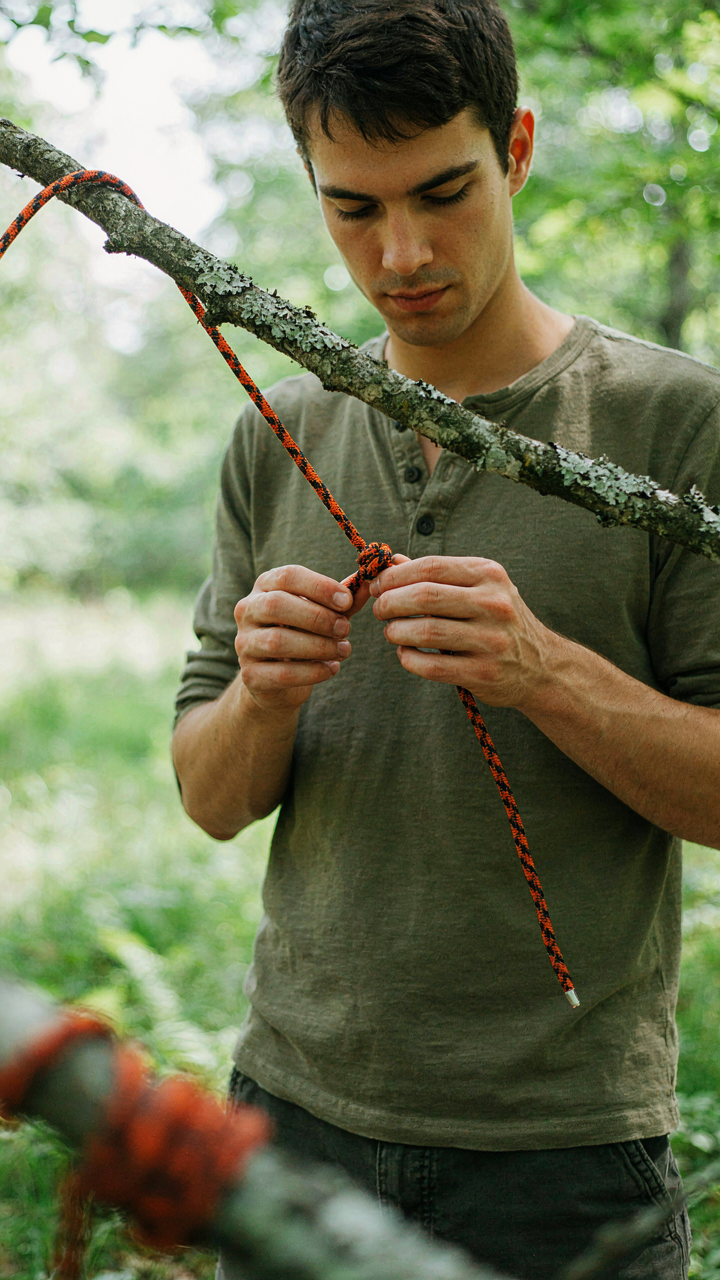
Skills create optionality. Fire-starting without a lighter, shelter repair with cordage, water sourcing without a filter, navigation without GPS. These aren’t nice-to-haves. They’re the actual insurance policy. When you pack, you’re packing for a scenario where something you brought doesn’t work. The person who knows how to do things survives that scenario. The person with a full pack doesn’t.
What Changes, You Adapt
Weather forecasts lie. Trail conditions shift. Gear breaks in ways you didn’t predict. The common advice treats packing like a static formula: same list, every trip. That’s wrong. Adaptability is borrowed from systems thinking in engineering: build redundancy into critical functions, not into every function.
Your packing list isn’t a checklist you follow once. It’s a protocol you adjust before each trip based on three variables: season, terrain difficulty, and distance from help. A winter trip demands different clothing layers than summer. A backcountry trip demands different water storage than a car-camping trip. A solo trip demands different communication tools than a group trip. Pack according to the actual conditions you’ll face, not the conditions you think sound impressive.
The “Contingency Vs. Redundancy” Framework: Smarter Camping Checklist

Planned Alternatives, Not Duplicates
You want to look prepared without admitting you’re terrified of looking unprepared. Here’s the mechanism: redundancy is bringing two of the same thing. Contingency is bringing one thing that solves a different problem if the first thing fails. Borrow from military logistics—they call this “mission-critical vs. nice-to-have.” A backup flashlight is redundancy. A headlamp is contingency. One solves the same problem twice. The other solves it a different way.
Most packing lists tell you to bring multiples of everything. That’s wrong. You’ll overpack and waste space on weight you don’t need. Instead, map each item to the problem it solves, then ask whether a second item solves that same problem or a different one. Your main shelter is your tent. Your contingency shelter is a tarp and paracord. Your cooking method is your camp stove. Your contingency is a metal grate over a fire. Contingency thinking forces you to think in systems, not in checkbox lists.
Assessing Genuine Risks
Most people pack for the trip they imagine, not the trip that will actually happen. Bad weather feels dramatic. Forgotten items feel dramatic. Running out of fuel feels dramatic. But the actual risk is different: it’s the gap between what you need and what you have when you can’t get more. This isn’t about fear. This is about probability and consequence.
Identify three things that would actually end your trip early: severe injury, equipment failure that kills core function, or running out of fuel or water. For each one, ask what you could do with items already in your pack. A blister doesn’t end your trip if you have tape and moleskin. A tent tear doesn’t end your trip if you have a patch kit and duct wrap. Running out of fuel ends your trip—so you bring a stove that uses multiple fuel types, or you learn to cook over fire. The contingency isn’t backup gear. It’s gear that works in multiple contexts.
Food & Water: Fueling Your Weekend Camping Experience, Not Feasting

Calorie Dense, Low Volume Provisions
You want to feel prepared and capable, which means you’re imagining a scenario where food runs out. The mechanism is simple: your body burns more calories in cold air and during physical activity, so density matters more than quantity. Borrowing from logistics optimization, think of your food pack like a supply chain—every ounce must deliver maximum energy output relative to its weight. Most people overpack because they confuse “being prepared” with “bringing their kitchen.”
- Nut butter packets: 90 calories per ounce, require no preparation, stable in temperature swings. Single-serve packets prevent waste and simplify rationing.
- Beef jerky or dried meat: 10 grams protein per ounce, zero refrigeration needed, chewing slows consumption and extends satiation. Pick low-sugar varieties.
- Trail mix with high fat ratio: Nuts and seeds deliver 160 calories per ounce. Minimize dried fruit to reduce sugar crash risk on day two.
- Whole grain crackers or hardtack: 100 calories per ounce, long shelf life, won’t crush easily. Pairs with nut butter for complete macronutrient ratio.
- Chocolate or energy bars: 120 to 150 calories per ounce depending on formulation. Choose bars with balanced macros, not sugar-loaded versions marketed as “energy.”
The standard advice to “eat balanced meals” fails on a weekend trip because you’re not living a normal metabolic schedule. You’re moving more, sleeping in cold, and your digestion slows. Pack foods that require zero cooking, stack macronutrients, and won’t spoil if your cooler fails. Calorie density is your only real metric—every other consideration is secondary.
Water Intake Without The Weight
Carrying water defeats the purpose of camping lightweight. The real constraint is access, not capacity. Identify water sources before departure: lakes, streams, or established campsites with spigots. A 1-liter bottle covers the gap between sources, not the entire trip. Dehydration happens when you drink based on thirst instead of schedule, not when you lack water nearby.
Drink half a liter before departure and another half liter every two hours of activity. Your urine color is the mechanism that signals actual hydration status, not how thirsty you feel. Most campers drink too little because they wait for thirst, which is already a deficit. Bring water purification tablets or a lightweight filter to treat any source you find. This removes the weight penalty of hauling all your water from the trailhead and lets you refill from the landscape itself.
The “Leave No Trace” Imperative: Your Unspoken Camping List Responsibility
Minimizing Your Actual Footprint
You care about this section because it signals you’re the kind of camper who doesn’t wreck things, and that matters to your self-image. Here’s the mechanism: Leave No Trace operates like systems engineering in reverse. Instead of adding infrastructure, you subtract your presence. Your packing list becomes a subtraction tool. Every item you bring must either be consumed completely, packed out identically to how it arrived, or genuinely decompose without toxins. This isn’t sentiment. It’s logistics.
Most campers pack without considering what stays behind. They assume “the forest handles it.” Wrong. Microplastics from synthetic fabrics shed into soil. Food scraps attract wildlife and disrupt feeding patterns. Soap, even biodegradable soap, alters stream pH and kills aquatic insects. Your packing list solves this by eliminating items that can’t complete a full cycle. Choose gear made from natural fibers or rigid materials you can account for. Skip anything with coatings, treatments, or dyes that leach when wet.
Pack Out Everything You Pack In
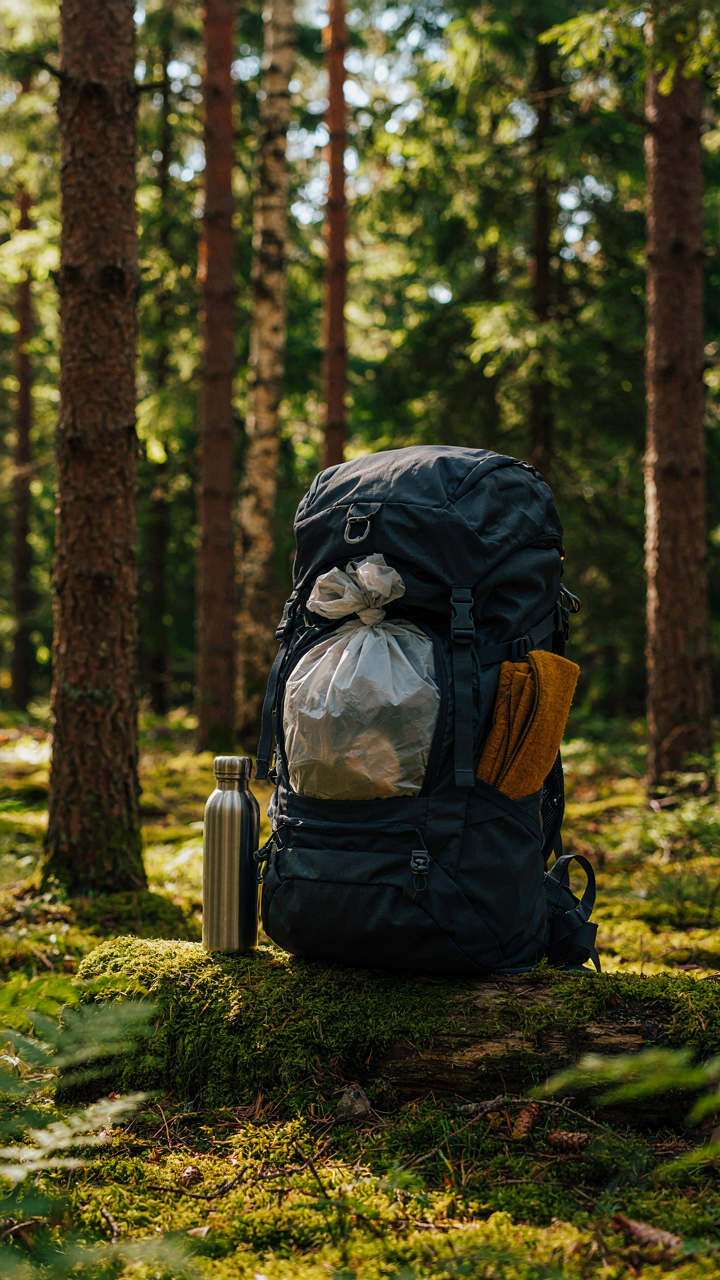
The confusion around this rule costs ecosystems real damage. “Pack it in, pack it out” doesn’t mean pack it out eventually. It means every single piece of trash, every scrap, every wet wipe leaves with you in the same container it arrived in. Your packing list needs dedicated trash management. Bring a sealable bag sized for actual garbage. Bring a second bag for wet items that might degrade faster than dry items. Bring a waterproof container for used toilet paper and feminine hygiene products. These aren’t optional accessories. They’re load-bearing items like your tent.
The mechanics are simple but strict. Your cooler contains your food trash. Your pack contains your waste. Your vehicle contains your trash bag. Nothing stays behind except what you explicitly brought to stay behind. When you pack your car to leave, your campsite looks untouched. This isn’t aspirational. This is how responsible campers structure their trip before they arrive. Build your packing list around the principle that every ounce leaving your camp comes home in your vehicle.
Pre Trip Protocol The Ultimate Camping Checklist Family Discipline
Gear That Actually Works
You want this section because you’re terrified of arriving at camp missing something critical and looking unprepared. Here’s the mechanism: most people pack based on memory or generic lists. They forget that gear fails silently until you need it. Military logistics uses the term “readiness state” to describe whether equipment functions on demand. Your packing list for weekend camping trip has one readiness state: either your tent poles are intact or they’re not. Either your stove ignites or it doesn’t.
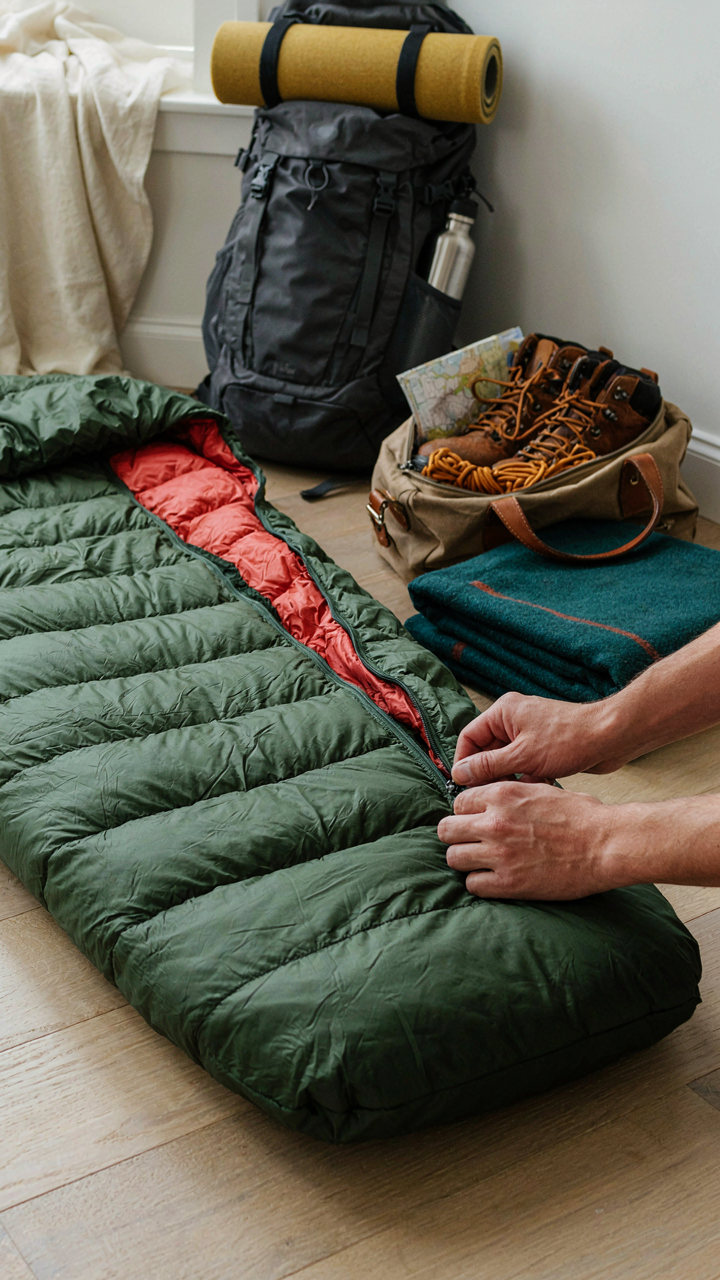
Start inspection three days before departure, not Friday night. Lay out every item you plan to bring. Test the tent by pitching it in your yard. Strike the camp stove and confirm fuel flow. Check that sleeping bag zippers slide without catching. Examine the lantern for broken glass or fuel leaks. Common advice skips this entirely. People say “just double-check before you go.” That’s useless. You need to physically verify function, not mentally review a mental checklist.
The Pre Dawn Clarity Window
Preparation isn’t motivation. It’s the absence of decision-making in moments when your judgment fails. Your brain deteriorates after 11pm and during the first two hours after waking. You pack in those windows and forget essentials. The tactic here is basic: prepare when your mind is sharp, typically late morning or early afternoon on the day before departure.
Create a physical staging area in one room. Organize gear by category: shelter, sleep system, cooking, water, navigation, emergency. Walk through each category and physically check items off a written list. Don’t rely on mental notes. Paper forces specificity. After staging, walk away for two hours. Return with fresh eyes and verify the layout once more. You’ll catch what you missed. Load the vehicle only after this second pass confirms everything is present and functional.
The Real Obstacle Isn’t The Gear You Lack, It’s The Mental Clutter You Refuse To Shed
Most people never go camping because they spend three weeks researching gear instead of spending three hours packing. They mistake preparation for action. Your packing list for a weekend camping trip isn’t complicated. It never was. Stop adding items to justify your hesitation. Pick up your backpack today, throw in what you actually need, and leave tomorrow. Done beats perfect every single time.