

Beyond The Generic Trail Running Checklist: The Principle Of Scarcity

Constraint Forces Competence
You want this list because you’re afraid of forgetting something important and looking unprepared. The mechanism is simple: constraints force better decisions than unlimited options ever will. Economics calls this scarcity. In trail running, scarcity means you carry less, which means every item must earn its weight. When you have room for everything, you pack everything. When you have limits, you problem-solve. You learn what actually matters versus what marketing told you to want.
Most runners pack as if conditions will never change and nothing will ever work. They carry backup gear for backup gear. This creates weight penalty that makes the run harder, which defeats the entire purpose. The real skill isn’t owning more stuff. It’s knowing what solves the most problems in the least space. That knowledge only comes from running with less, failing occasionally, and adjusting based on real data instead of gear reviews.
Essentials Versus Everything Else

The common advice here is incomplete. Gear companies benefit when you think everything is essential. The truth is simpler: you need items that prevent injury or death, manage the specific terrain and climate you’re running, and solve problems that will actually occur on your run. That’s it. Everything else is preference disguised as necessity.
Trail running creates three categories of need. First, protection from the environment: shoes, socks, weather-appropriate layers. Second, hydration and fuel because your body runs on both. Third, navigation and safety tools because getting lost or injured far from help ends your trip. Everything you own falls into one of these or it’s dead weight. Before packing anything, ask which category it solves and whether that problem will actually emerge. Then run with only that.

The “Trail Running Gear List” Fallacy: What To Ruthlessly Cut

Duplicate Functions Kill Your Pack Weight
You want permission to bring less because you’re afraid of looking unprepared. Here’s the mechanism: most runners pack gear that solves the same problem twice. In economics, this is called redundancy waste. You’re carrying items that overlap in function, each one adding ounces that compound over miles. A base layer and a rain jacket both manage temperature. A hydration pack and a handheld bottle both carry water. One item per function is the rule.
Audit your gear by asking what each piece actually prevents or solves. Your shorts have pockets. You don’t need a separate beltpack. Your shoes have built-in rock plates. You don’t need gaiters on a dry run. Strip until you have exactly one tool per problem. This takes discipline because gear manufacturers engineer desire, not necessity. Every ounce you cut is one less ounce your legs carry for ten miles.
Every Gram Earns Its Position
Weight-to-utility ratio is how you decide what stays and what goes. A 50-gram emergency whistle has high utility in crisis but zero utility on a six-mile loop near town. A 200-gram first aid kit has medium utility on a backcountry ten-miler. A 30-gram energy gel has immediate, guaranteed utility on any run over ninety minutes. Context determines what belongs in your pack.
Common advice says “bring it just in case.” Wrong. Trails don’t reward caution with lighter loads. You either need something or you don’t. Calculate the actual risk of each scenario: getting lost on a marked trail versus getting bonked on a long run. Bonking ends your run. Getting lost adds time. Then stack your pack accordingly. On short runs, cut the emergency kit. On long runs, cut the extra socks. Match your loadout to the specific route distance and elevation, then cut once more.
The “What To Wear Trail Running” Algorithm: Layering For Dynamic Conditions

Start With Skin Contact, Not Fashion
You want to look like you know what you’re doing on the trail. That’s not why base layers matter. The real mechanism is vapor transport: sweat must move away from skin faster than it can accumulate. Cotton fails because it absorbs moisture and holds it against your body, dropping core temperature. Synthetic fabrics and merino wool wick sweat outward, maintaining thermal regulation during effort and recovery phases.
Merino wool handles temperature swings better than synthetics because it regulates moisture without the bulk. It works at 40 degrees and 70 degrees equally well. Synthetics dry faster but offer no temperature buffering. Your choice depends on trip length and whether you’ll rewear base layers. For a three-day run, merino justifies its cost. For one day, synthetic works fine.
Shell Layer That Doesn’t Betray You
Most runners pack rain jackets that weigh nothing but tear on contact or trap humidity worse than going shirtless. The real problem: you’re confusing waterproof with weather-appropriate. A true shell protects against wind and light rain while allowing vapor escape through laminated membranes. Gore-Tex and similar materials breathe because they’re engineered with billions of micropores, not because they’re magic.
Pack a shell that fits over your base layer without compressing it. Compression ruins insulation. The jacket should have pit zips or vents to dump heat during climbs, then seal during descents. Weight matters less than packability here. A 4-ounce shell in a fanny pack beats a 12-ounce one you leave behind because it’s inconvenient. Test your shell on a short run first to confirm it doesn’t chafe or bind your shoulders.
Trail Running Gear Systems: Applying Military Loadout Principles

Build Around Swap Points, Not Fixed Loads
You want to feel prepared without admitting you’re anxious about the unknown. The real mechanism is this: military loadout design uses “modular systems” where soldiers swap gear based on mission variables, not trip length. In trail running, your core stays constant. Your variables are weather, distance, and terrain. Build your pack around swap points—the specific slots where you exchange items based on conditions.
Your base layer, hydration system, and safety kit never change. Everything else operates on a swap protocol. Running a 10-mile alpine loop in May? Swap in a windbreaker and extra electrolytes. Same pack, different contents. This isn’t about owning more gear. It’s about designing your pack architecture so you make one deliberate choice per variable instead of repacking from scratch each time.
The Hierarchy Of Reach
Most trail runners pack everything equally accessible and end up digging for what matters. The constraint from logistics is “weight distribution.” Your constraint here is “decision speed under fatigue.” Items you need mid-run go in your front pockets or chest rig of your pack. Items you need at the trailhead go in the main compartment. Emergency items go in a fixed back slot you never touch unless necessary.
Your watch, phone, and energy fuel should reach in two seconds without looking. Your rain shell and backup socks take ten. Your first aid kit takes thirty. This isn’t comfort. This is removing the friction that makes you skip crucial items or waste calories reaching for things in the wrong place. Organize by retrieval time, not by item category.
Fuel & Hydration: The Ultra Marathon Sustenance Strategy

Caloric Density Maximizes Energy With Minimal Weight
You want to believe ultralight gear exists so you can run farther on less. That’s the real anxiety here. But physics doesn’t negotiate: your body burns calories at a fixed rate per mile. The only variable you control is how much dead weight you carry to fuel that burn. Energy density is economics applied to your pack. You’re trading grams for joules, and the math is ruthless.
Most runners pack like they’re afraid of hunger instead of like they’re solving an optimization problem. Nut butter, energy bars, and dried fruit all exist. The difference is caloric output per ounce. A gram of fat yields nine calories. A gram of carbohydrate yields four. On a six-hour run, this difference compounds into actual time saved because your legs don’t carry unnecessary weight. Pick foods that deliver 100+ calories per ounce: dates, nuts, nut butter packets, energy gels. Calculate your burn rate, multiply by your trip duration, subtract nothing for fear.
Hydration Pack Options Favor Efficiency Over Bulk
Capacity is a trap. Runners obsess over liter counts and forget that more water means more weight, which means more calories burned to move it. A two-liter pack with half-empty bladder is dead load. The mechanism here comes from ultralight backpacking: carry only what you’ll consume before the next refill point. Map your water sources first. Then size your pack down to the gap between sources, not the gap you hope exists.
Most hydration systems fail because runners buy them before knowing their route. A one-liter pack is faster and easier to manage than a three-liter pack on technical terrain. You refill at streams or aid stations instead of hauling excess weight uphill. If you’re running loops or point-to-point routes with water access every four miles, a handheld bottle works better than any pack. If you’re in true wilderness, a two-liter pack with a reliable filter becomes your protocol: fill at every water source, drink what you need, refill before moving forward.
Navigating The Unknown: Gear For Ultramarathon Training Beyond The Obvious

Map And Compass: Low Tech Wins When Batteries Die
You want navigation gear because you’re terrified of getting lost and looking incompetent. Here’s the mechanism: electronics fail. GPS units die. Phone batteries drain. A map and compass work in any condition because they rely on physics, not power. In navigation, redundancy isn’t backup—it’s your system. Carry a waterproof map of your route and a basic orienteering compass. Learn how to use the compass before the run. This takes thirty minutes and eliminates the panic when your device quits.
Most runners skip this entirely and rely on memorized routes or phone maps. That works until weather hits, you take a wrong turn, or your phone gets wet. The compass costs twelve dollars and weighs almost nothing. You don’t need a military-grade model. An entry-level orienteering compass with a baseplate does the job. Knowing how to orient your map to north and take a bearing is the only skill required. This is not optional if you run remote terrain.
First Aid: What You Actually Need To Carry
These are the items that address real injuries on trail, not theoretical ones. Skip the bloated premade kits. They bloat your pack and include useless items. Build your own focused kit targeting cuts, blisters, sprains, and dehydration. A blister ruins an ultramarathon faster than any other injury. A twisted ankle ends your run. Cuts attract infection on longer efforts. Dehydration compounds every problem.
- Blister treatment: Moleskin and tape. Prevention beats cure, but when it fails, these stop the bleeding fast and keep you moving.
- Gauze and antiseptic wipes: Four or five individual packets. Cover cuts immediately to prevent infection and dirt accumulation during remaining hours.
- Elastic wrap: A two-inch compression wrap handles sprains and strain support. Lightweight and works for ankles, knees, or wrists.
- Pain relief: Two to four ibuprofen tablets only. Not for comfort—for inflammation reduction when your body starts breaking down.
- Electrolyte powder: Single-serving packets you mix with water. Addresses cramping and bonking faster than food alone when your system shuts down.
Organize everything in a small ziplock bag. Weigh your kit. Strip any item you’ve never actually used in training. A first aid kit you don’t know how to deploy is just dead weight. Test each item in at least one training run to confirm it stays put and doesn’t chafe against your pack. Your kit exists to keep you moving, not to solve problems you should have prevented during training.
Footwear & Foot Care: The Foundation Of Any Trail Running Trip

Match Terrain To Tread Pattern And Support Type
You want the right shoe because you’re afraid of rolling an ankle and looking incompetent on the trail. The real mechanism is this: ground contact changes every three feet on technical terrain. Borrowing from biomechanics, terrain acts as a load variable that determines which support structure you need. Rocky, rooty ground demands aggressive tread and lateral stability. Packed dirt or smooth singletrack tolerates minimal cushioning. Most runners buy shoes based on road running habit, then wonder why their feet feel unstable.
The shoe’s outsole pattern determines grip on specific surfaces. Widely-spaced lugs shed mud but slip on wet rock. Densely-packed lugs grip rock but clog with mud. Stack height and midsole firmness control how much your foot rolls on uneven ground. Test your shoe on the actual terrain type you’ll run. One shoe doesn’t handle alpine scree, loose desert sand, and wet forest floor equally well.
Blister Prevention Beats Blister Treatment Every Time
Most runners carry blister kits and call it prevention. That’s backwards. Prevention is a protocol you execute before pain starts. Blisters form when friction heat exceeds skin tolerance, so you control moisture, fit, and sock material. Merino wool socks wick sweat faster than synthetic blends and resist bacterial growth even when wet. Cotton holds moisture and creates the friction environment blisters need.
Toe box fit matters more than overall shoe size. A shoe that’s half a size too small creates pressure points on long runs. A shoe that’s too large creates heel lift and toe jamming on downhills. Apply anti-chafe balm or tape to known friction zones before the run starts, not after you feel hotspots. Carry one fresh pair of socks and change them at mile eight if your feet feel damp.
The “Trail Running” Mental Game: Packing Your Mind

Your Mindset Is The Gear That Matters Most
You’re reading this because you want to feel prepared, maybe even in control. Here’s the mechanism: preparation anxiety gets mistaken for actual readiness. Your brain treats gear checklists like a substitute for mental resilience. It isn’t. The fastest runners on technical terrain pack less, not more. They’ve already decided what discomfort they’ll accept before they step on the trail.
Mental fortitude works like load capacity in physics. Your physical pack has a weight limit before performance degrades. Your mind has a tolerance threshold for adversity before decision-making collapses. Every piece of gear you bring is a crutch you’re training yourself to depend on. Remove the crutch, and you build the actual muscle. Trail running punishes hesitation harder than it punishes missing a gel.
Discomfort Is The Variable You Control
The common advice says “prepare for everything.” That’s incomplete. You can’t prepare for everything because you don’t know what will go wrong. What you can do is mentally rehearse the specific discomforts you’ll actually face: blisters, fatigue, cold, fear on technical descents, the moment your body wants to quit at mile eight.
Rehearsal isn’t visualization nonsense. It’s a protocol. Before your trip, run a shorter version on similar terrain and deliberately let yourself get uncomfortable. Note what actually bothers you. Get cold. Run hungry for thirty minutes. Do it with purpose. Then, on the real run, your nervous system recognizes the sensation as familiar instead of threatening. The discomfort doesn’t disappear, but your reaction to it changes. That’s where mental toughness gets built, not in your gear bag.
The Clutter In Your Pack Isn’t Just Weight; It’s A Mirror Reflecting Your Fear Of The Unknown
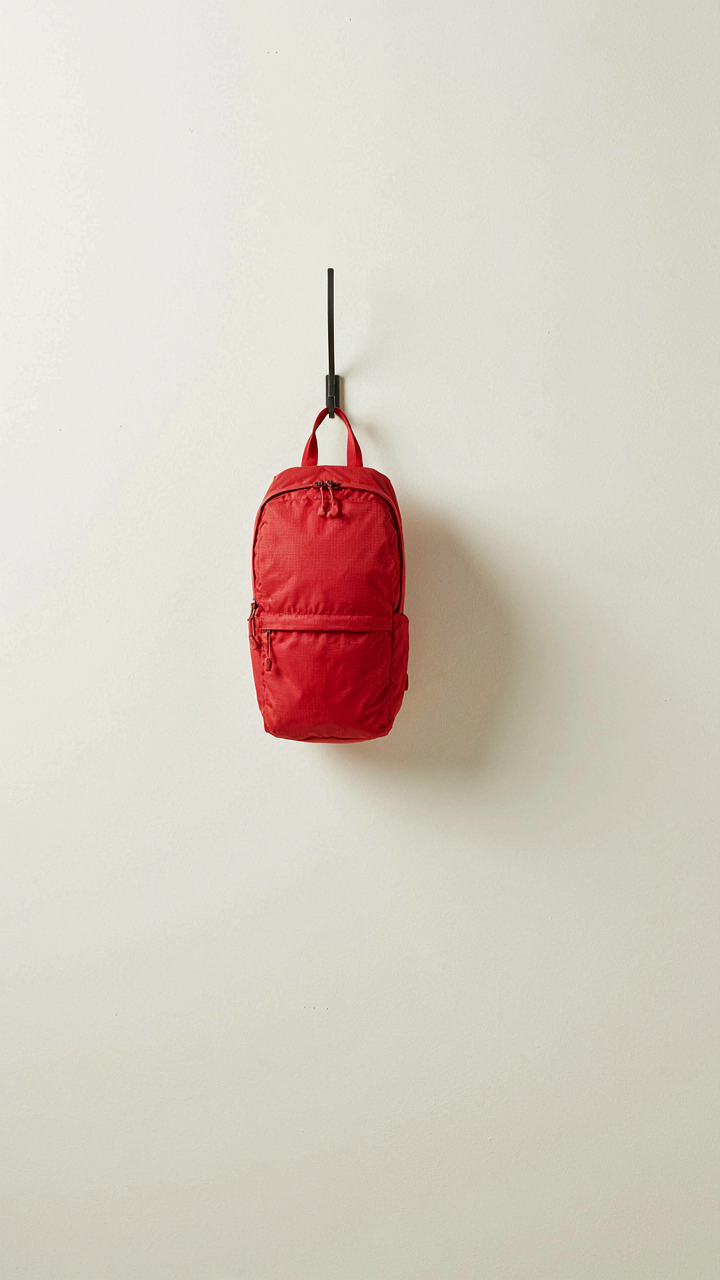
Every unnecessary item you pack is a bet against yourself. You’re betting you’ll fail, so you load up insurance policies disguised as gear. The lightest pack wins because it demands you trust your ability to solve problems on the move. Stop planning for hypothetical disasters. Go through your pack today and remove one item you’ve never actually needed. The trail doesn’t reward preparation. It rewards adaptation.