
The Minimalist Momentum: Rethinking Your Solo Backpacking Woman Kit
Challenge Every Item For Necessity, Not Comfort
You’re afraid of being unprepared, so you pack insurance in the form of duplicates and “just in case” items that you’ll never touch. The mechanism is simple: your brain confuses ownership with safety. You don’t need more gear. You need to test what you actually use. Every item in your pack should earn its weight by solving a real problem you’ve encountered before, not a problem you imagine might happen. “Comfort items” are fine at a hotel. On a solo hike, they’re just friction between you and movement.
Start by listing only what you’ve used on every single trip you’ve done. Not most trips. Every one. A lightweight rain shell stays because you’ve needed it. A second pair of shoes leaves the pack because you’ve never changed footwear mid-hike. A full toiletry kit gets ruthlessly edited down to essentials: sunscreen, blister treatment, pain relief. The test is brutal but honest. If you haven’t used it on at least three separate outings, it doesn’t belong in your base kit.
Weight Versus Utility: The Economics Of Burden
Economics teaches us to measure marginal utility, and that’s exactly what separates smart packing from lazy packing on the trail. Marginal utility means each additional ounce should deliver measurably more value than the ounce before it. A two-pound tent delivers massive utility. A two-ounce backup hair tie doesn’t. The common advice here is wrong: “bring what makes you feel good” is how people end up with a 40-pound pack that exhausts them before mile five.
The real cost-benefit forces you to ask a specific question for every item: will I abandon this on the trail to go lighter? If the answer is yes, leave it behind now. This filters out the psychological safety blankets masquerading as practical gear. Your base pack weight should target 15 to 20 percent of your body weight before adding water and food. A 140-pound person carries five to seven pounds of gear, not twelve. The protocol is measurement before departure, ruthless removal before the trailhead.

Beyond The Hiking Checklist: The Psychological Inventory
The Real Threat Assessment
You want this section because you’re afraid of looking unprepared, or worse, being actually unprepared when something goes wrong. The mechanism is simple: your brain conflates unlikely catastrophes with likely discomforts. You pack for the disaster movie instead of the actual hike. Real risk on a solo female hiking trip breaks into two categories. First, the environmental facts: weather changes, terrain difficulty, distance from help. Second, the social facts: visibility to strangers, communication gaps, decision fatigue from being alone. Everything else is noise dressed up as preparation.
Most packing lists treat risk like a checklist you complete and forget. That’s wrong. Risk changes based on the specific trail, season, and your experience level. A scramble in summer Colorado presents different hazards than a fall hike in Appalachia. Spend time identifying what actually threatens your hike, not what could theoretically happen. This means researching the trail conditions, weather patterns for that season, cell service maps, and distance to the nearest ranger station. The discomfort you pack for should match the region and conditions you’re entering, not your worst-case imagination.
Mental Fortitude As Your Operating System
Psychology calls this “stress inoculation training” – the principle that controlled exposure to manageable stress builds resilience for harder situations. Your mental inventory works the same way. The gear matters less than your ability to make decisions under uncertainty, recover from mistakes, and stay calm when something doesn’t go as planned. Every solo hike trains you to trust your own judgment because you have no one else to defer to or blame.
Start building this before you leave. Practice setting up your tent at home. Test your navigation tools on familiar trails. Hike shorter distances alone first. Failure in controlled conditions teaches you what actually matters and what you’ve catastrophized. When you hit the trail, you’re not managing fear through preparation. You’re managing fear through evidence. You’ve already proven you can handle what comes because you’ve handled smaller versions of it. Your first solo hike isn’t about conquering the wilderness. It’s about collecting proof that you’re capable of managing yourself in it.
The Survivalist’s Scarcity Principle: Multi Use Gear Mastery

Every Item Earns Its Weight
You want to pack light so you feel capable and self-sufficient on the trail. That’s the real driver here. The mechanism is scarcity economics applied to your backpack: when resources are limited, you stop buying garbage and start buying tools. Each item must justify its existence through at least two functions. A lightweight merino wool layer isn’t just insulation. It’s moisture management, odor control, and temperature regulation in one piece. This isn’t minimalism for status. It’s ruthless efficiency.
The common advice to “bring layers” fails because it doesn’t tell you what layers do the work. Most solo female hikers overpack jackets and underpack versatile base layers. A single quality merino shirt handles more scenarios than three single-purpose items. The math is simple: less weight means less strain on your knees and ankles over eight to twelve hours on uneven terrain. It also means you move faster and recover quicker between days. That speed compounds into safety when you’re alone and weather shifts unexpectedly.
Systems That Shrink Without Breaking
Modular packing treats your gear like interlocking components, not random items stuffed into bags. Think of it like load balancing in systems engineering: distribute stress across multiple redundant pathways so failure in one place doesn’t collapse everything. Your backup water bottle becomes a cooking vessel. Your emergency tarp becomes a ground cover. Your first aid kit nests inside your toiletry bag. Nothing sits idle.
Start with your core layer system and build outward in clusters. All your water and hydration sits together in one accessible pocket. All your navigation tools live in one weatherproof pouch. All your repair supplies fit in a single compression sack. When you reach camp, you grab what you need from one location instead of excavating through layers of fabric. Pack your backpack so the heaviest items sit closest to your spine and mid-back, not at the bottom. This shifts your center of gravity correctly and reduces the rotational force on your lower back during long descents.
The “Adapt Or Die” Protocol: Skills Over Stuff For Solo Treks

Navigate Without A Leash
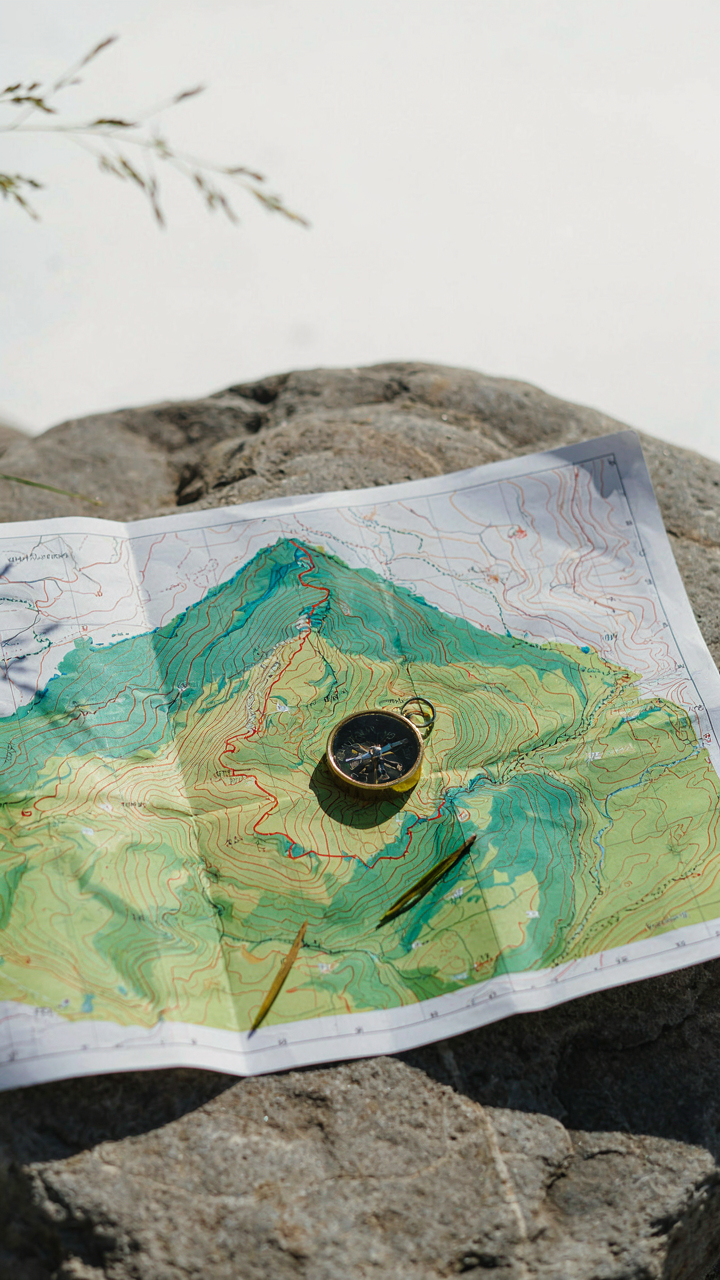
You want this section because you’re terrified of getting lost and looking incompetent, or worse, needing rescue. Here’s the mechanism: your phone dies at 40% in cold, you hit no signal, or you simply never charged it. Map and compass work when batteries fail. Navigation is a military term for moving through space with intention. In hiking, it means you don’t follow a dotted line on a screen—you read topography, understand bearing, and move independently of technology.
Most hikers treat maps as decoration. You’ll treat yours as your actual position reference. Carry a waterproof map of your route plus a half-mile buffer in all directions. Learn to take a bearing before you leave. Memorize major landmarks. A compass costs eight dollars and weighs nothing. Your phone is a backup, not your system.
Emergency Shelter And Wound Response
First aid in the backcountry isn’t about bandages—it’s about stopping bleeding, managing shock, and staying warm until you walk out or help arrives. Emergency shelter is biology: your body loses heat through wind and wet. You control both with what you carry and what you build.
- Compact first aid kit: Include tourniquet, gauze, antibiotic ointment, pain reliever, blister treatment, and tape. Skip the full pharmacy—weight is the enemy.
- Emergency bivy or space blanket: Reflects 90 percent of body heat and folds to pocket size. Mylar construction makes it waterproof and durable enough for repeated use.
- SAM splint: Aluminum-foam hybrid that immobilizes sprains and fractures. Molds to any limb, weighs ounces, costs under twenty dollars.
- Triangular bandage: Functions as sling, tourniquet, or large dressing. One piece handles multiple injuries without redundancy.
- Shelter improvisation skills: Learn to build a debris shelter, recognize a natural windbreak, and use your rain jacket as insulation. Practice once before the trip.
You don’t pack for comfort in emergencies—you pack for survival duration. Three hours of exposure in the wrong conditions kills. Your kit keeps you functional long enough to move downhill or signal help. Test your shelter build at home, not on the trail.
Environmental Intelligence: Localizing Your Hiking Pack List
Know Your Actual Conditions Before You Pack
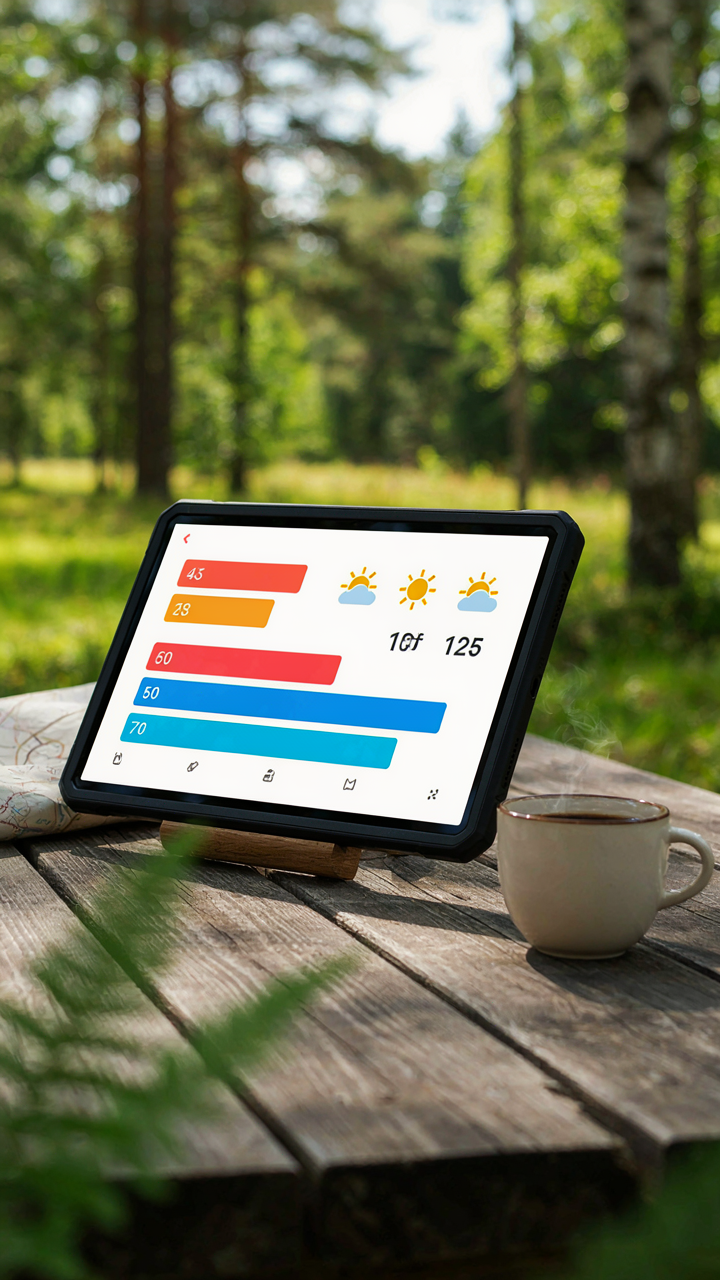
You want to feel prepared so you don’t spiral into anxiety on the trail. That’s the real driver here. The mechanism is simple: generic packing lists fail because they ignore the specific variables that determine what you actually need. Temperature swing, water availability, terrain difficulty, and season dictate gear weight and type. A summer day hike in the Sierra Nevada demands nothing like a spring backpack trip in the Pacific Northwest. Research is not optional preparation—it’s the foundation that prevents you from carrying dead weight or, worse, lacking critical gear.
Start with the NOAA National Weather Service historical data for your exact region and dates. Pull up topographic maps showing elevation gain, water sources, and trail exposure. Check recent trip reports from actual hikers who went when you’re going, not generic seasonal summaries. Talk to the ranger station directly. They’ll tell you what’s real on the ground right now—snow patches, stream crossings, wind exposure. This takes two hours maximum and eliminates ninety percent of guessing.
Ecosystem Matching, Not List Copying
The ecology framework applies here: every organism succeeds by fitting its environment, not by carrying the same tools everywhere. Desert hiking demands sun protection and minimal water-dependent gear. Alpine hiking requires insulation and storm preparation even in summer. Coastal scrub needs different rain defense than forest. Copy-paste packing lists fail because they ignore this basic principle.
Identify your specific ecosystem type and what it actually demands. A trail through dense forest in humid conditions needs different rain gear than exposed alpine ridgeline. Check what fails first in that environment. In wet climates, moisture management and pack protection matter more than in arid regions. In exposed terrain, wind resistance becomes critical. Adjust your insulation type, shell material, and layering strategy to match. Don’t pack “the recommended items”—pack what that specific ecosystem will attack you with.
The “One In, One Out” Economic Model For Hiking Packing
Scarcity Forces Real Decisions
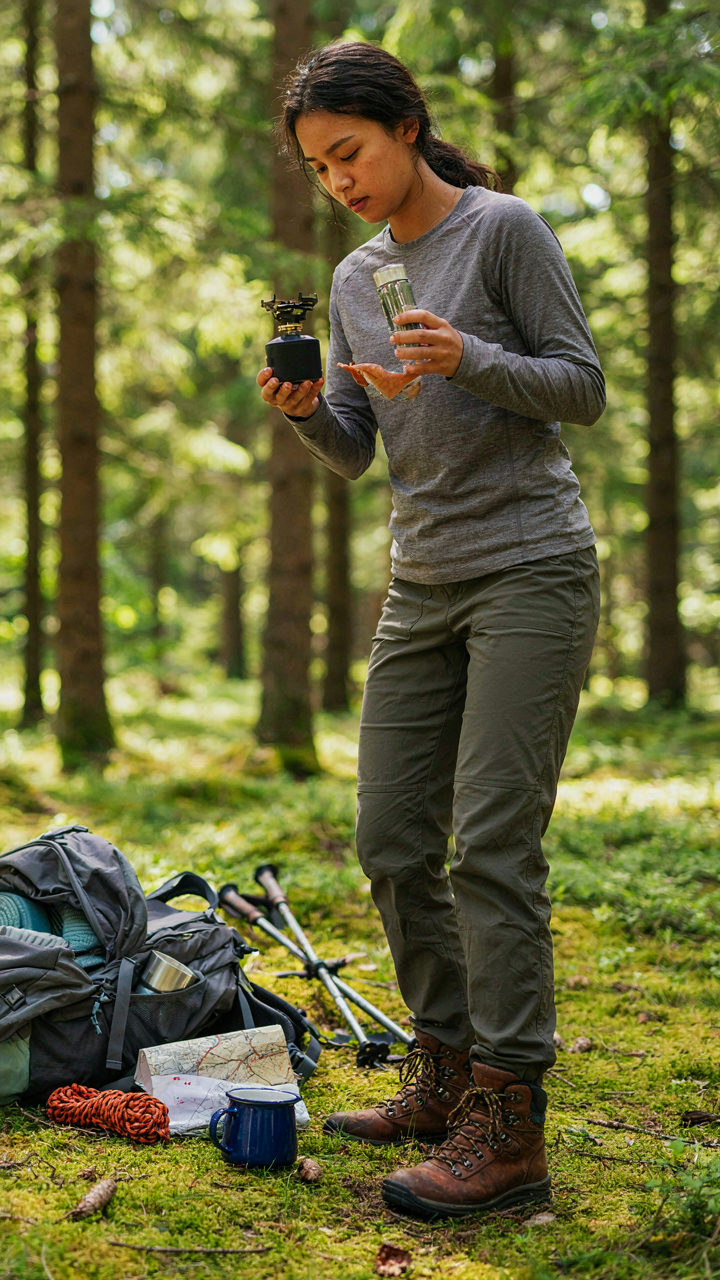
You want permission to bring more stuff without admitting you’re afraid of being unprepared. Here’s the mechanism: economics calls this constraint optimization. Your pack weight is a fixed resource. Every new item you add displaces something else. That displacement cost is real, not theoretical. Most packing advice pretends your pack is bottomless. It’s not. A 25-pound base weight on a solo trip isn’t a suggestion; it’s a ceiling that determines what you can physically carry for days.
The constraint forces prioritization. When you know adding a second pair of socks means removing either your backup water filter or emergency shelter materials, you stop treating both as must-haves. You evaluate actual need versus perceived need. This is where solo female hikers often diverge from generic packing guides. You’re managing risk alone. Your redundancy decisions carry weight standard advice ignores. Apply the one-in-one-out rule before you leave your driveway: lay everything out, assign it a slot, then ruthlessly remove equal weight for each new item you reconsider adding.
Marginal Returns Drop Fast On Extended Routes
The utility curve flattens after day three. Economists measure marginal utility as the satisfaction gained from one additional unit. On a five-day trip, your fourth pair of underwear delivers almost nothing compared to your first. The problem with extended solo trips is you convince yourself more options equal more control. That’s a psychological trap. After day two, you’ve established your actual pattern. You know which layers you actually wear. You know your real water needs. Adding gear after that point is insurance against unlikely scenarios, not preparation for known ones.
The math becomes clear by day four: the weight cost of carrying a backup item you haven’t used exceeds the benefit of having it. Solo hiking demands you make this trade explicit. A third base layer on a seven-day trip costs you trail miles or camp comfort for peace of mind you’ll never activate. On extended routes, cut one item from each gear category once your routine stabilizes. Test this protocol on a three-day trip first, then apply it to longer routes. The weight you shed compounds into speed and endurance you’ll actually feel.
The Anti Fragile Pack: Embracing Discomfort For Growth

Leave The Safety Blanket Behind
You want a packed bag that makes you feel secure. That’s the real driver here. But overpacking doesn’t create security—it creates dependence on stuff you’ll never use, and it kills the one skill that actually keeps you safe: adaptation. Antifragility is a concept from systems design: a system that gains strength from stressors rather than collapsing under them. Your pack should be built the same way. Remove one item you think you need. Not recklessly. Strategically.
The common advice says pack everything you might need. That’s backwards. You pack for what you will actually need, then you accept that minor gaps exist. A forgotten camp towel teaches you to use your shirt. A missing backup battery teaches you to manage power. A lighter load teaches you how your body moves on terrain. These lessons stick because they cost something small. You survive the discomfort, and next time you move smarter.
The Cost Of Learning Before The Trail
Minor inconveniences on a practice hike reveal what breaks you before major failures happen on a remote one. Test your system over a weekend trip first. Sleep in your tent. Cook on your stove. Walk eight miles with your full load. You’ll discover that your sleeping bag compresses better than you thought, or that your water filter clogs faster than the specs claim, or that your boots need two more days of break-in. These are cheap lessons. You adjust your pack, your technique, your expectations.
The mechanism is simple: controlled failure beats catastrophic failure. A blister on mile four of a ten-mile loop teaches prevention. The same blister on mile twenty of a remote range teaches panic. Bring one less pair of socks on a local trail. Learn what happens. Then decide if you need two pairs for your expedition. Your pack becomes a living document of what you actually need, not what marketing told you to fear.
Beyond The Obvious: Unconventional Hiking Tips From Experience

Multi Use Items That Earn Their Weight
You want to feel prepared without admitting you’re afraid of looking unprepared. The real mechanism here is payload optimization. Every item in your pack either serves one function or it’s dead weight. The difference between a bloated pack and a surgical one is treating your gear like economics treats resources: maximize output per unit of input.
- Duct tape wrapped around a pencil: Creates a compact repair tool for torn gear, broken straps, or hole patches without carrying a full roll. Wind 10-15 wraps around a pencil stub to save space.
- Zip lock bags in multiple sizes: Organize electronics, keep food dry, create emergency water containers, or isolate wet gear from dry clothes mid-hike without bulk.
- Paracord as boot laces: Dual-purpose cordage replaces standard laces, then serves as emergency repairs for gear, bear hang systems, or shelter rigging when needed.
- Empty stuff sacks: Compress wet items, organize small pieces, or create additional storage layers without adding weight beyond the fabric itself.
- Nylon repair tape over medical tape: Seals blisters while also patching fabric damage, first aid holes, or gear tears in a single thin item.
These items cut pack weight because they eliminate the false choice between carrying “just in case” singles or going without entirely. The mechanism works because overlap forces intentionality. You stop packing the seventh thing designed to do the first thing. Solo female hikers often over-engineer their packs from fear. Stop carrying five solutions to one problem.
Testing Your Pack Before The Trail
Most advice says do a short walk around your neighborhood. That’s useless. The test has to simulate actual conditions, or you’ll discover pack failures at mile eight when the terrain changes and your weight distribution falls apart.
Load your pack to full capacity and hike a real elevation gain for at least two to three hours in similar terrain to your planned route. This is the only way to identify shoulder strap pressure points, shifting weight loads, or gear accessibility problems while you can still adjust it. A flat walk around your block teaches you nothing about how your pack rides uphill, how your water access works under exertion, or where friction chafing develops. After the test hike, adjust specific items, repack intentionally, and repeat if major changes were needed. Don’t skip this step because it feels redundant. Pack failure on a solo trip compounds every other problem.
The Weight Of Freedom: Unburdening Your Trek

Pack Weight Changes How Your Body Moves
You want to feel capable out there. The real mechanism is biomechanics, not motivation. Physics doesn’t care about your intentions. Every pound on your back shifts your center of gravity forward, forcing your hip flexors and lower back to compensate. A 15-pound pack versus a 25-pound pack isn’t a 10-pound difference in effort. It’s exponential. Heavier loads compress your spine, shorten your stride, and spike fatigue faster than lighter loads at the same distance. Your knees absorb the extra force first.
Most hikers pack items they never touch, then blame the trail for exhaustion. The constraint is real: strip your pack to 15 pounds or less for a multi-day solo trek. This forces a decision at every item. Do you need it, or do you need the feeling of being prepared? Those are different. The second one kills your pace and your knees.
Clarity Emerges When Options Collapse
Cognitive load is the hidden tax on decision-making. Neuroscience shows that decision fatigue depletes glucose in your prefrontal cortex, which runs executive function. Fewer items mean fewer decisions on the trail. Fewer decisions mean sharper thinking when something actually matters, like route-finding in poor visibility or managing an injury. Generic packing advice says bring options for every scenario. That’s wrong. Scenarios don’t exist equally. You’ll encounter the same weather 90 percent of the time. Pack for that, not the exceptions.
One outfit for hiking, one for camp, base layers that work in cold and heat, one pair of socks. The repetition feels boring in planning. On the trail, it becomes automatic. You stop thinking about what to wear and start thinking about where to go. The mechanism isn’t mystical. It’s subtraction creating mental space. When you start each day with the same ritual, your brain preserves energy for route decisions, water management, and navigation instead of burning it on choice paralysis.
Your True Burden Isn’t The Trail; It’s The Weight Of Your Unexamined Fears
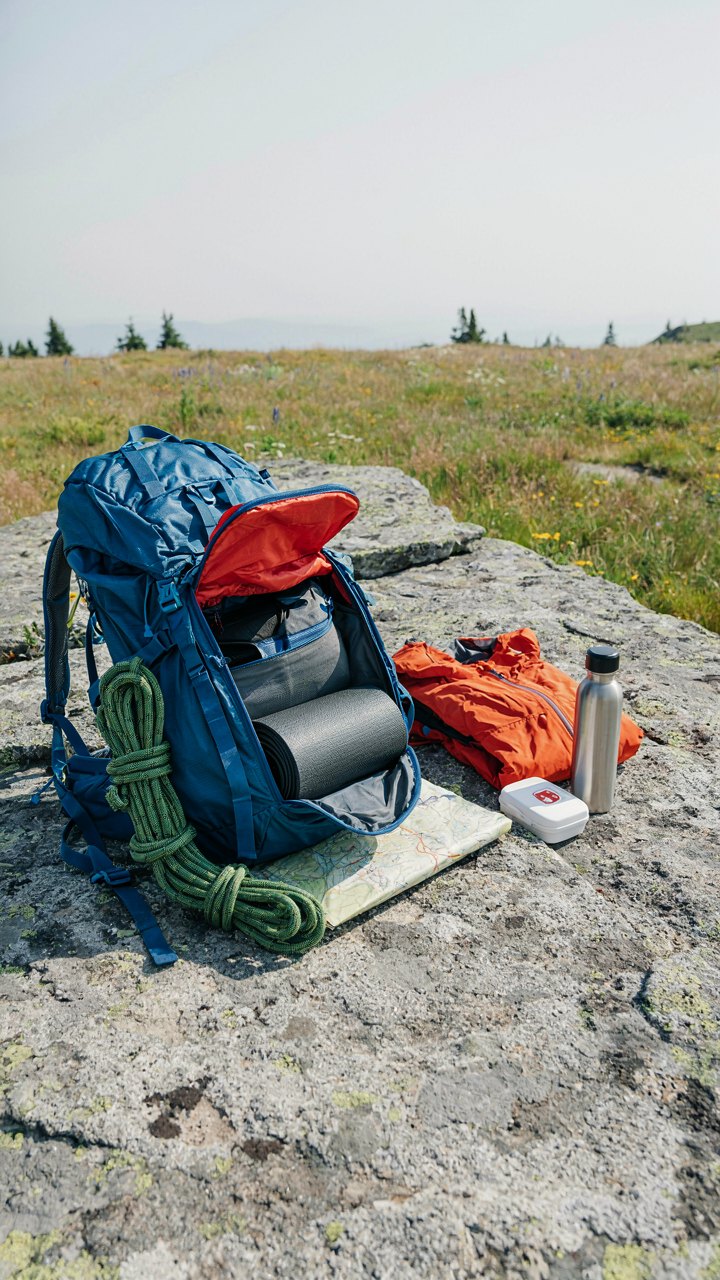
Most women overpack because they’re packing for worst-case scenarios that live only in their heads. The gear list matters less than the decision you make right now: stop treating the trail like a threat and start treating it like terrain. Open your closet today and pull out five items you genuinely trust. That’s your baseline. Everything else is noise disguising itself as safety. The trail doesn’t care how prepared you think you are; it only cares that you showed up.