
The Cognitive Load Delusion: What You Actually Need

Survival Versus Status Symbols
You want permission to bring less because you’re afraid of looking unprepared, not because you’ve actually calculated what keeps you alive. The mechanism is simple: your brain conflates “more gear” with “more safety,” when survival on an overnight hike depends on one thing—managing the gap between your body’s energy output and your ability to replace it. Everything else is derivative.
The baseline survival layer is thin. Water, food, shelter, fire-starting capability, and basic first aid. Everything beyond this tier is a luxury that trades weight for comfort or redundancy. Most people pack both because they can’t distinguish between the two categories. They bring backup systems for backup systems. Strip this down: one sleeping bag, one shelter, one water source, one heat method. No doubles.
Weight Penalty Versus Perceived Control
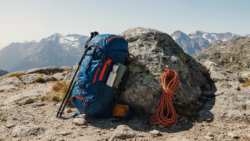
Physics doesn’t negotiate. Every additional gram you carry increases oxygen demand, joint stress, and the speed your fuel depletes. The biomechanics field calls this “metabolic cost”—and on a trail, it operates like compound interest working against you. A ten pound pack difference means roughly ten percent more energy burned over eight hours.
Most hikers rationalize extra weight as “just in case,” which is really just surrendering to doubt. The actual protocol: weigh everything before you pack. Know your base weight without water or food. Calculate the caloric demand of your route using elevation gain and mileage. Pack exactly what closes that gap, plus one redundant fire-starter and a basic med kit. Nothing more. The lightest pack wins because it preserves the energy you need when conditions actually demand it.

The “Leave No Trace” Mindset: Beyond The Obvious
Your Pack Is An Ecosystem
You care about this section because it makes you feel like you’re not destroying something. That’s not the real mechanism. Ecology teaches us about carrying capacity: the maximum population an environment can sustain. Your pack operates the same way. Every item you bring has a footprint cost. The trail can only absorb so much impact before it degrades. You’re not packing for yourself; you’re packing within a system’s limits. Choose items that compress impact, not items that feel noble.
Most people pack trash without thinking. They bring individually wrapped snacks, single-use wipes, or stuff they’ll abandon because it’s “too heavy.” The real move is packing items that create zero waste on the trail and minimal waste at home. This means buying bulk food, transferring it into reusable containers, and bringing zero packaging into the wilderness. Your shelter, water system, and toilet strategy all cascade from this single decision: does this item leave residue the trail has to absorb?
The Reusable Container Protocol
Stop buying pre-packaged trail snacks. Repackage everything at home into lightweight containers you already own. Aluminum foil, glass jars, or plastic tubs work. You reduce weight, eliminate trash, and save money. Most overnight hikers pack 20 to 30 percent more packaging than content. One ziplock bag of homemade gorp weighs half what store-bought granola bars do. The math is brutal: less packaging means less to carry out, less to carry back, less impact on the trail ecosystem.
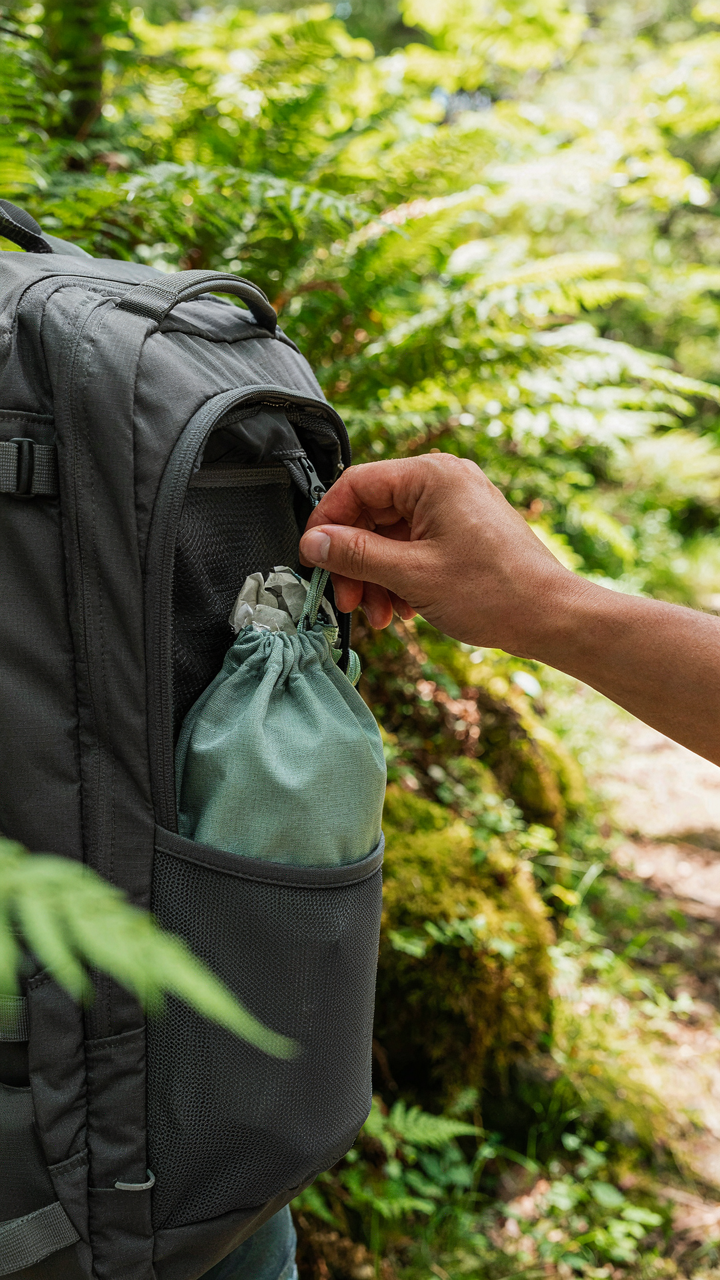
Food choice compounds this advantage. Dehydrated meals and energy-dense foods create minimal waste and pack efficiently. Cook-in-the-bag meals eliminate the need for extra containers at camp. Bring a lightweight cloth bag for trash, not a disposable one. Use biodegradable soap for washing if you wash at all; most overnight trips don’t require washing. Your water filter handles the hydration problem. Pack nothing that can’t be burned, buried, or carried back out.
The Decisive 3 Day Backpacking Trip Checklist
Core Gear For Minimalist Extended Trips
You want to believe that owning premium gear means you’re prepared. That’s the real fear underneath this section: you’ll be underprepared and exposed. Here’s the mechanism: overnight hiking demands you carry shelter, insulation, and water filtration. Everything else is negotiable. Think like a systems engineer optimizing for load reduction. Every item either provides survival function or enables the next day’s movement. Remove the guilt about not having the newest equipment.
- Backpack (50-65L): Sized to your torso length, not brand recognition. Capacity must fit shelter, sleep system, and three days of food without excess volume that becomes dead weight.
- Tent or tarp shelter: Two-person minimum to account for gear storage inside. Weight matters more than features. Most three-season tents weigh 2-3 pounds and function identically past marketing claims.
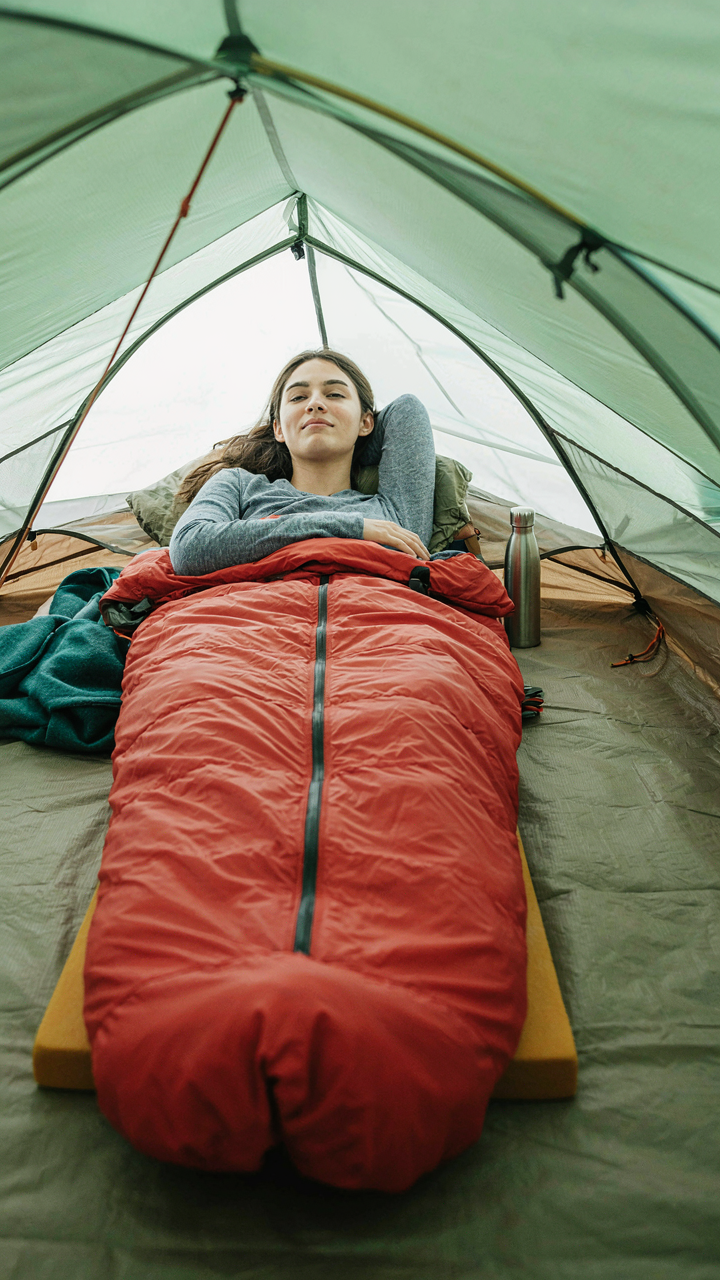
- Sleeping bag (season-appropriate): Match the temperature rating to your trip’s lowest expected overnight temp, then subtract 10 degrees for safety margin. A 20-degree bag handles most spring and fall conditions.
- Sleep pad: Non-negotiable for insulation from ground, not comfort. Closed-cell or inflatable both work. Insulation value matters more than thickness. A thin pad beats a thick pillow.
- Water filter or purification: Removes pathogens from natural sources. Lightweight filters (ounces, not pounds) replace the need to carry multiple liters. Boiling works but demands fuel and time.
The remaining core items handle specific gaps: a stove for hot food and water, a headlamp for movement after dark, and a navigation tool (map and compass, not just your phone). You don’t optimize this list for comfort. You optimize for the minimum threshold where your body functions and you move forward the next morning.
Seasonal Adjustments Adapting For Conditions
The mistake people make is treating seasons as aesthetic preferences. Cold weather demands different insulation layers. Rain requires different water management. Heat requires different hydration strategy. Spring and fall trips operate in the 40-50 degree range with variable precipitation. Add a fleece or down layer rated for that band. Summer trips (60-70 degrees) reduce insulation needs but increase sun exposure and blister risk. Fall trips demand rain gear because weather systems move through faster. Winter trips require three-season sleeping bags moved to four-season systems, extra fuel for melting snow into water, and different footwear entirely.
Seasonal adjustment isn’t about buying more stuff. It’s about swapping specific items. Your base shelter stays the same. Your backpack capacity stays the same. What changes: insulation weight, water strategy, and fuel consumption. A three-day winter trip burns twice the calories and requires twice the fuel for melting snow. Document what failed on your last trip in those conditions, then build specificity into your load for the next one.
Overnight Backpacking List: The Velocity Optimization Protocol
How Weight Distribution Breaks Or Makes Your Trip
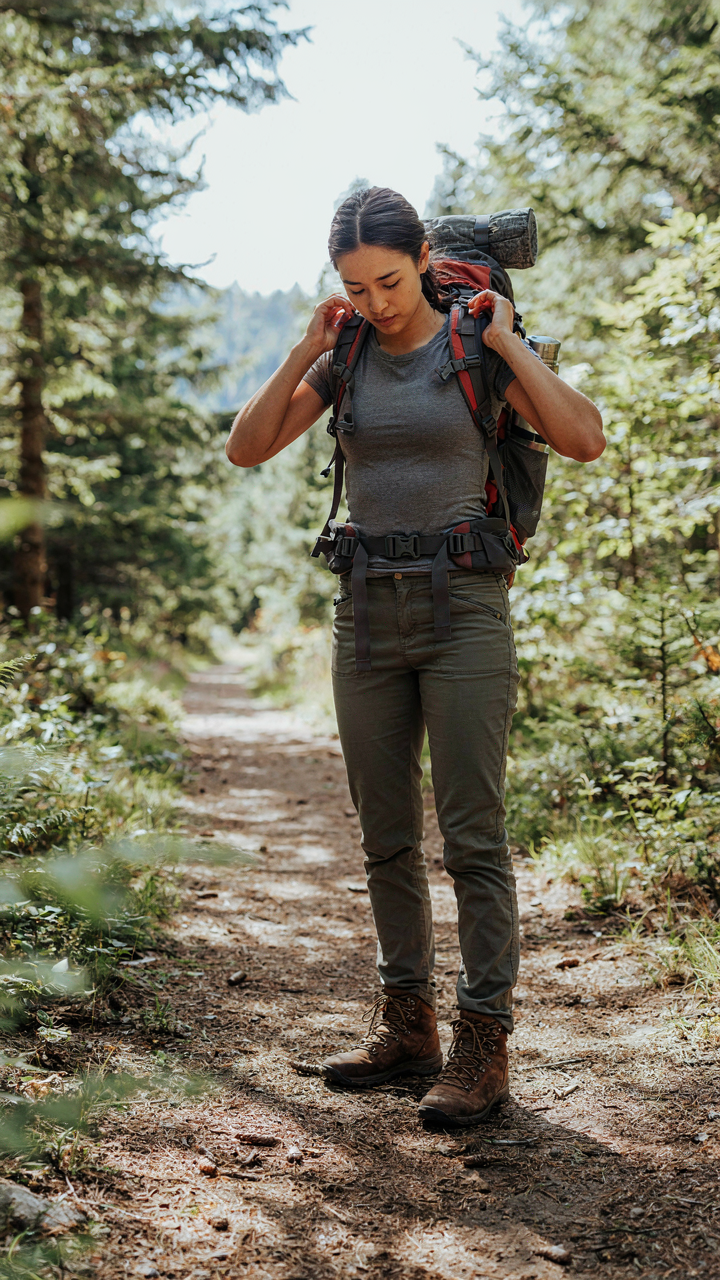
You want to believe a lighter pack means less suffering. That’s not the mechanism. Physics says momentum and leverage determine how your body experiences load, not total ounces alone. A poorly packed 25-pound pack exhausts you faster than a well-packed 30-pounder because your stabilizer muscles burn out fighting imbalance. The real game is load placement, not load reduction.
Your center of gravity must sit directly over your hips, not your shoulders. This is basic leverage: move weight forward or backward by even three inches and your lower back compensates with exponential effort. Pack heavier items tight to your spine and high in your pack, between your shoulder blades and waist. Distribute side-to-side weight evenly. Test this on flat ground before the trail. If your shoulders carry the pack instead of your hips, you’ve already lost.
Quick Access Architecture Beats Rummaging
Most people pack like their backpack is a suitcase. They stuff items in whatever gap exists and spend 20 minutes searching for sunscreen at mile four. The real system uses zones. Pack items by access frequency, not by category or size. Items you need zero times during the hike go at the very bottom. Items needed multiple times go in the upper pack where your hands reach without removing everything.
Create a hierarchy: daily snacks and map in the top pocket, first aid and toilet paper in the side pocket, rain jacket accessible without unpacking. This isn’t elegant storage. It’s elimination of wasted motion. Your body burns calories searching for things. Every minute fumbling with straps is a minute you’re not moving. Build your pack so your hands land on what you need on the first grab, every time.
The Overnight Hike Packing List: Redundancy Vs. Preparedness
The Single Use Trap
You want to feel prepared without admitting you’re scared of looking incompetent on the trail. The mechanism is simple: your brain mistakes specificity for safety. One item per function feels logical until you’re wet, cold, and that specialized thing is useless in the actual conditions you face. Single-purpose gear creates dead weight because it only works in the narrow scenario you imagined, not the messy reality of overnight hiking.
A headlamp with no backup, a rain jacket rated for one season, a stove that only burns one fuel type. These fail not because they’re poorly made, but because they’re brittle. They break, get forgotten, or become obsolete the moment conditions shift. Strip single-use items from your pack first. They’re psychological comfort disguised as preparation.
Gear That Works Twice
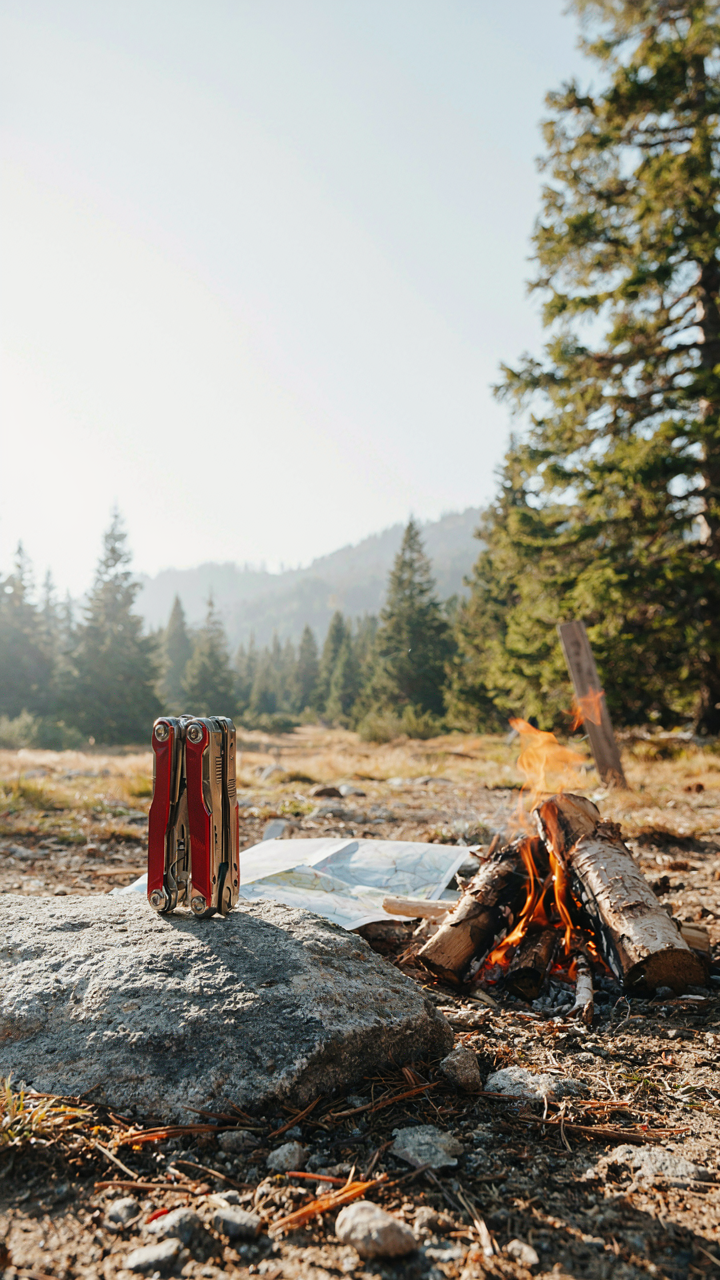
Borrow from systems thinking here. In engineering, redundancy means one backup. In packing for overnight hiking, it means one item solving two real problems simultaneously. Your shelter becomes your ground barrier. Your cooking pot becomes your water container. Your rope becomes your bear line and your gear organizer. This isn’t clever packing. It’s the only rational way to carry weight over distance.
The math is brutal. Carrying seven single-use items means seven individual weights, seven points of failure, seven reasons your pack is too heavy. Carrying five dual-purpose items cuts your cognitive load and your physical load. Test this on your next trip: before you pack anything, ask what problem it solves and what other problem it could solve instead. If it only does one thing, leave it behind or find something that does two.
Hiking Gear List: The Comfort To Weight Ratio Deception
What Gear Marketing Won’t Tell You
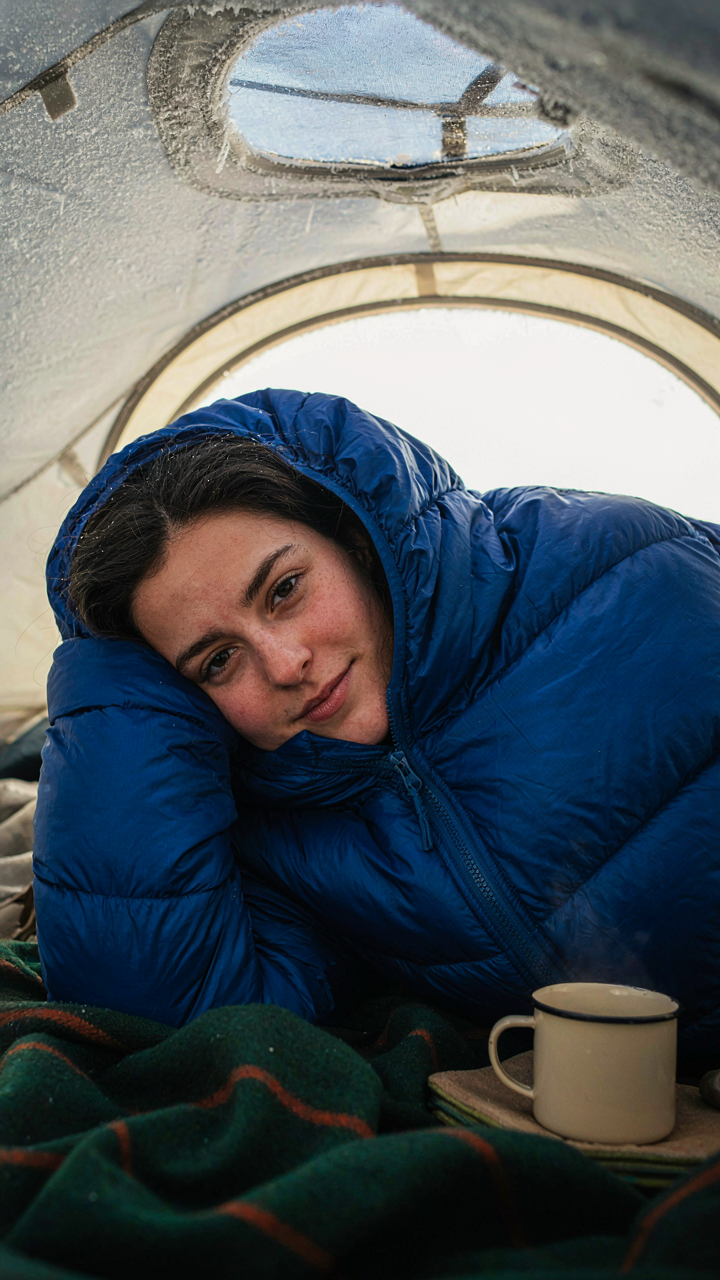
You want to feel like you made the right choice before you even leave the parking lot. That’s the real driver here. Gear companies exploit this by selling comfort as a feature instead of revealing the actual trade-off: every ounce of comfort costs weight, and weight costs energy on the trail. In economics, this is opportunity cost. In hiking, it’s the same mechanism: choosing a heavier sleeping pad means choosing to carry that weight up elevation instead of carrying food or water. The marketing show you a person relaxing on a pad in a climate-controlled showroom. Reality is different. That pad gets tested in a garage, not at 8,000 feet in 40-degree cold where your body heat matters more than foam thickness.
What actually works is function first, comfort second. A three-season tent that weighs four pounds keeps you dry and protected. Adding insulation to make it plusher adds two pounds. That extra weight compounds over eight miles. Pick gear that does its job without excess. If a sleeping bag keeps your core warm to its rated temperature, it’s done its job. You don’t need it to feel like down pillows. Strip the marketing layer and you see what’s left: lighter gear, better performance, less fatigue the next day.
Test Your Gear On Real Terrain First
Most hikers buy a full kit, hit the trail, and discover problems too late. Don’t do this. Borrowing from quality control methodology, the concept here is iteration: you identify failure points before they matter. Take your tent and sleep system to a nearby park overnight or a short trail loop. Camp in actual weather, not ideal conditions. Set up your pack on your back loaded to trip weight and walk three miles. Feel where it digs into your shoulders. Notice which pockets you actually reach into. Identify gear that doesn’t work before a full overnight commitment.
The difference between showroom testing and trail testing is honest feedback. Your tent might look spacious until you’re inside it for twelve hours with rain drumming above. Your sleeping bag might feel roomy until your legs go numb and you realize the draft collar doesn’t seal right. Your pack might seem comfortable for thirty minutes until the straps cut circulation on a steep climb. Real-world testing reveals what marketing hides. Before your overnight trip, spend one night on actual terrain under actual conditions. This single step eliminates 80 percent of gear regrets and saves you money on returns.
The Hiking Packing List: Your Mental Inventory System

Run The Trail In Your Head First
You want this section because you’re afraid of forgetting something critical and looking unprepared. The mechanism is simple: your brain can’t pack what it hasn’t imagined. Visualization isn’t motivation talk. It’s a rehearsal that exposes gaps in your gear plan before you leave the trailhead. Walk through your overnight mentally. Start at mile one. What’s the weather doing? What breaks do you take? Where do you sleep? What happens if it rains at hour six?
This process works because it forces specificity. Generic packing lists fail because they ignore your actual conditions. Imagine the specific moment you’ll need each item. When do you filter water? When does darkness fall? What’s your exact sleep setup? These questions reveal what you actually carry versus what you think you should carry. The visualization catches contradictions. You realize you packed a three-season tent but no emergency bivy. You spot that you have food but no way to cook it efficiently. Run through setup, sleep, and breakdown. Each scenario demands different gear.
Extract Data From What Went Wrong
Post-trip analysis is where most hikers quit. You return home, unpack, shove gear in a closet, and repeat the same packing mistakes six months later. The real leverage happens the first 48 hours after you return. Your memory is still sharp. Your body remembers what felt heavy or inadequate. Write down three specific things: what you used constantly, what you never touched, and what you wished you had brought.
This isn’t journaling. It’s data collection. You’re building a feedback loop that makes your next trip’s packing 20 percent lighter and smarter. Did you carry a full water filter when your route had reliable streams? That weight leaves the pack. Did you run out of lighter fuel because you underestimated fire time? You recalculate. Update your personal packing list with these specifics. Attach weight to items. Note which things proved redundant. The person who packs the same way twice without adjustment is ignoring operational intelligence from their own experience.
Day Backpacking Checklist Printable: Beyond The Template
Your Actual Constraints Matter More Than Best Practices
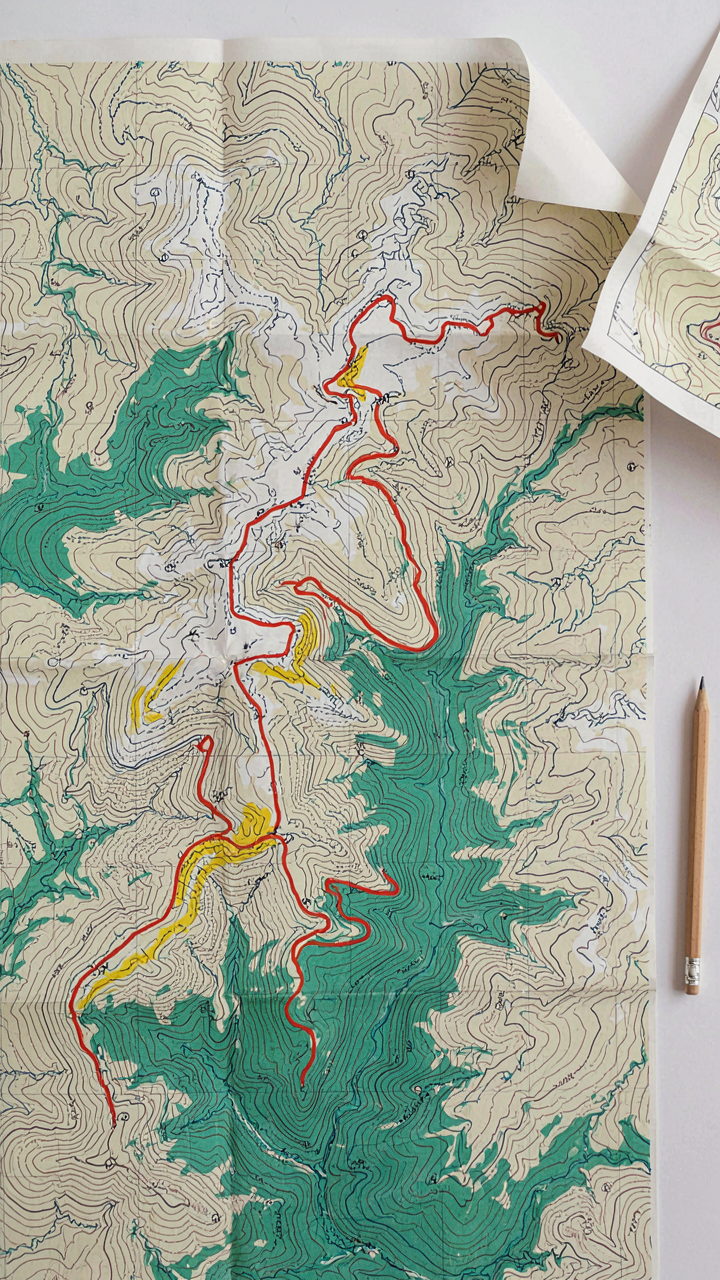
You want a checklist that feels complete so you stop second-guessing yourself before the trip starts. That’s the real motive. But here’s what nobody says: a generic packing list is just noise until you run it through your specific constraints. Think of constraint mapping like load balancing in engineering. You’re distributing weight, volume, and functionality across finite capacity. Your age, fitness level, season, terrain, and how far you’re willing to suffer all change what actually goes in the pack. A list built for someone else becomes a security blanket that weighs five extra pounds.
Start by defining three hard numbers before you look at any checklist. Weight limit you’ll actually carry without quitting. Days of food and water your route demands. Weather low for your exact dates and location, not a generic range. These aren’t suggestions to consider. They’re the frame that makes every item either necessary or dead weight. A sleeping bag rated for 20 degrees in July at sea level is a mistake. Cross-reference your constraints against the list, not the other way around.
Make The Call And Stop Researching
The paralysis comes from treating the packing decision like it matters more than it does. You’ll survive the trip with imperfect gear. You won’t survive if you never leave because you’re still optimizing. The common advice here is garbage: “research gear reviews” and “read what experienced hikers pack.” That stalls you. What works is the inverse. Pick functional gear that meets your constraints within 72 hours, then commit. Changing your mind four times costs more energy than carrying one extra item you don’t use.
The mechanism is simple. Every minute spent deliberating past the decision point is stolen from actual preparation and logistics. Set a deadline before you research anything. Saturday morning at 10 AM you finalize your list. You don’t optimize. You pack. Buying one mid-range sleeping bag you haven’t tested beats owning three high-end bags still in the research phase.
Hiking Essentials Packing Lists: The Anti Hoarding Manifesto
The Weight Of Doubt
You want to feel prepared because unprepared means exposed. The real mechanism here is psychological: extra gear signals control. You believe one more item insulates you from failure. But weight compounds. Every ounce you carry reduces miles you cover, increases joint strain, and steals energy you need for actual problems. The paradox is sharp: more gear creates more failure modes, not fewer.
Military load studies show soldiers with lighter packs make better decisions under stress. You’re not different. Excess gear occupies mental space and physical capacity. It forces trade-offs you don’t see until you’re tired. The hikers who move fastest and respond best to emergencies carry the minimum viable load. They know what works because they’ve tested it ruthlessly. Start by asking what you’d sacrifice first if your pack weighed ten pounds more. Remove that item now.
The Toolbox Principle
One quality piece beats five mediocre ones. Economics calls this the law of diminishing returns: the first dollar spent on gear matters most. Apply it directly to overnight hiking. A $180 sleeping bag rated for your season outperforms two $90 bags because it fits your body, compresses tight, and lasts years. A single $120 rain jacket you’ll actually wear beats three cheap ones collecting dust.
Quality gear has a hidden benefit: it requires less backup. A reliable stove doesn’t need a spare. A durable tent doesn’t need insurance items. This cuts clutter and weight by thirty percent without cutting safety. When you buy cheap, you buy risk. You compensate by adding redundancy. When you buy right, you buy confidence. You remove items. Before your next trip, identify the three pieces you use most. Upgrade those. Sell or donate everything else.
Your Biggest Obstacle Isn’t The Trail, It’s The Weight Of Your Unexamined Anxieties
Most people pack wrong because they’re packing their fear, not their needs. You throw in extra gear to feel safe instead of building actual competence. The shift happens when you stop asking “what if I need this” and start asking “have I actually used this before.” Pack once, hike once, adjust once. That’s the system. Stop optimizing for a disaster that won’t happen and start optimizing for the hike that will. Your pack weight reveals what you actually believe about yourself.