
The Minimalist Kayak Packing Protocol
Separate Wants From Actual Survival
You’re afraid of looking unprepared or getting caught without something. Here’s the mechanism: your brain conflates “nice to have” with “need to have” because both trigger the same anxiety response. Water, flotation, and a way to signal for help are your actual tiers. Everything else is negotiable based on trip length and conditions. Stop loading your kayak like you’re preparing for a worst-case scenario that won’t happen. Most kayaking trips are on familiar water within sight of shore.
The real filter is duration and distance from civilization. A two-hour paddle on a lake thirty minutes from the marina has different requirements than a full-day expedition. Your brain defaults to over-packing because it mistakes preparation for control. You can’t control weather or equipment failure, but you can control what weight you’re moving through water. Start by defining the actual trip parameters first, then reverse-engineer what you genuinely need.
Cut Duplicate Protection Systems
Common advice says bring a first aid kit, extra clothes, and backup navigation tools. That’s incomplete. Redundancy is borrowed from engineering systems, where critical failure means death. In kayaking, redundancy means carrying two of something that only solves one problem. You need one robust dry bag system, not three backup storage solutions. You need one reliable navigation method, not a GPS plus a compass plus a paper map. One backup paddle beats carrying spare rope and extra flotation that serves the same purpose.
The cut happens through function, not through item count. Ask what problem each item solves, then ask if you already solved that problem another way. If your paddling jacket keeps you warm and dry, a fleece becomes cargo weight. If your dry bag secures your gear, a second smaller waterproof case is waste. Eliminate items until removing one more thing creates an actual gap in your system.

Kayak Essentials: Ditching The “Just In Case” Mentality
Safety Gear First, Everything Else Second
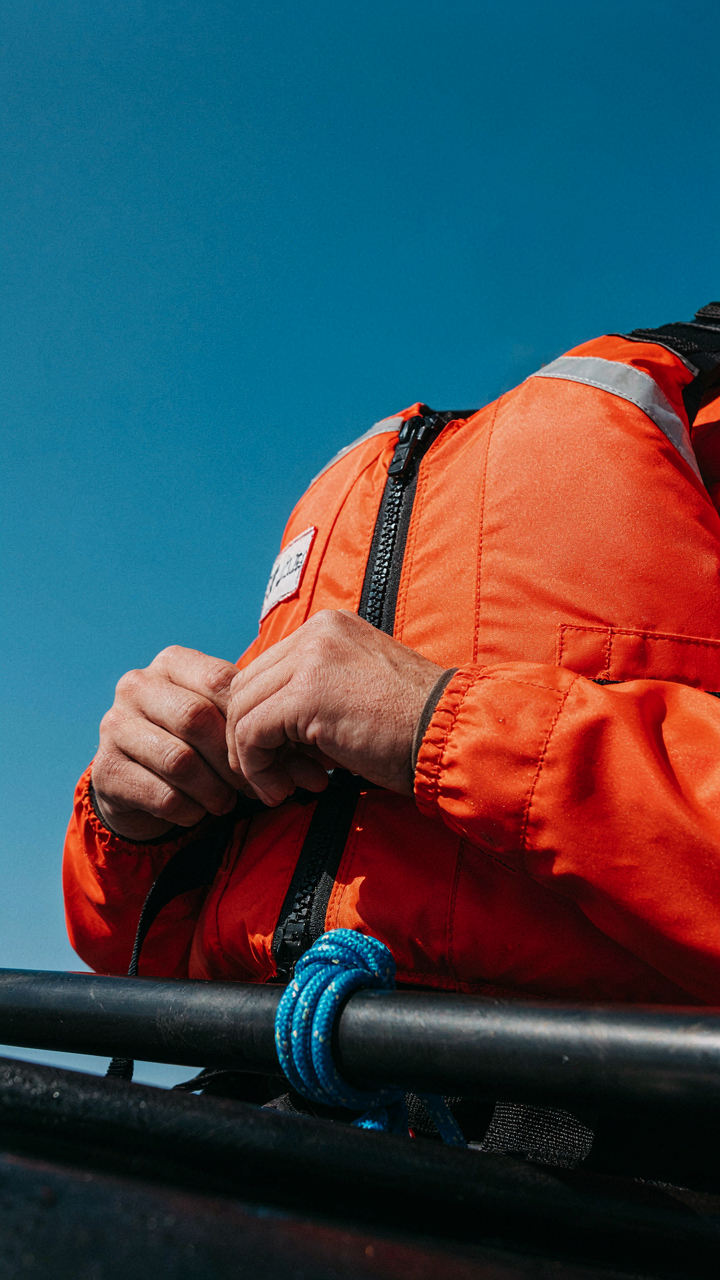
You’re packing extra stuff because you’re afraid of looking unprepared, not because you’ll actually use it. Here’s the mechanism: your brain conflates abundance with readiness. It doesn’t. A PFD (personal flotation device) keeps you alive. A throw rope gets you out of the water. A whistle signals distress. Everything else is negotiable. Start with these non-negotiables, then build outward only when the trip demands it. Most people reverse this and drown in gear they never touch.
The second filter is comfort that enables function. Waterproof bags protect electronics and dry clothes. A hat prevents sun exposure that degrades decision-making. Proper footwear keeps your feet operational for hours. These aren’t luxuries. They’re maintenance items. You don’t pack them because camping trips need coziness. You pack them because discomfort creates bad judgment, and bad judgment on water is lethal. Once safety and function are locked, stop looking for reasons to add weight.
Multi Use Items Over Single Purpose Tools
Military logistics calls this “force multiplication,” and it applies directly here. One item doing three jobs beats three items doing one job each. A paddle float stabilizes a swamped kayak and works as a dry bag. A carabiner secures gear and doubles as a potential rescue point. A bandana becomes a sweatband, a sun shield, a signaling cloth, or a minor first aid compress. The difference isn’t theoretical. You save weight, reduce volume, and lower the cognitive load of tracking what you brought.
The packing rule is simple: before adding any item, name its second use. If you can’t name one, it doesn’t go in the boat. This isn’t minimalism for aesthetics. It’s an operational constraint. Water trips demand weight discipline because every pound affects stability and paddling efficiency. A single-use item isn’t just wasteful—it’s a hidden tax on your actual performance. Your pack expands predictably when you enforce this discipline: you’ll carry less total gear and function better because of it.
Kayak Camping Checklist: The “One Bag” Principle
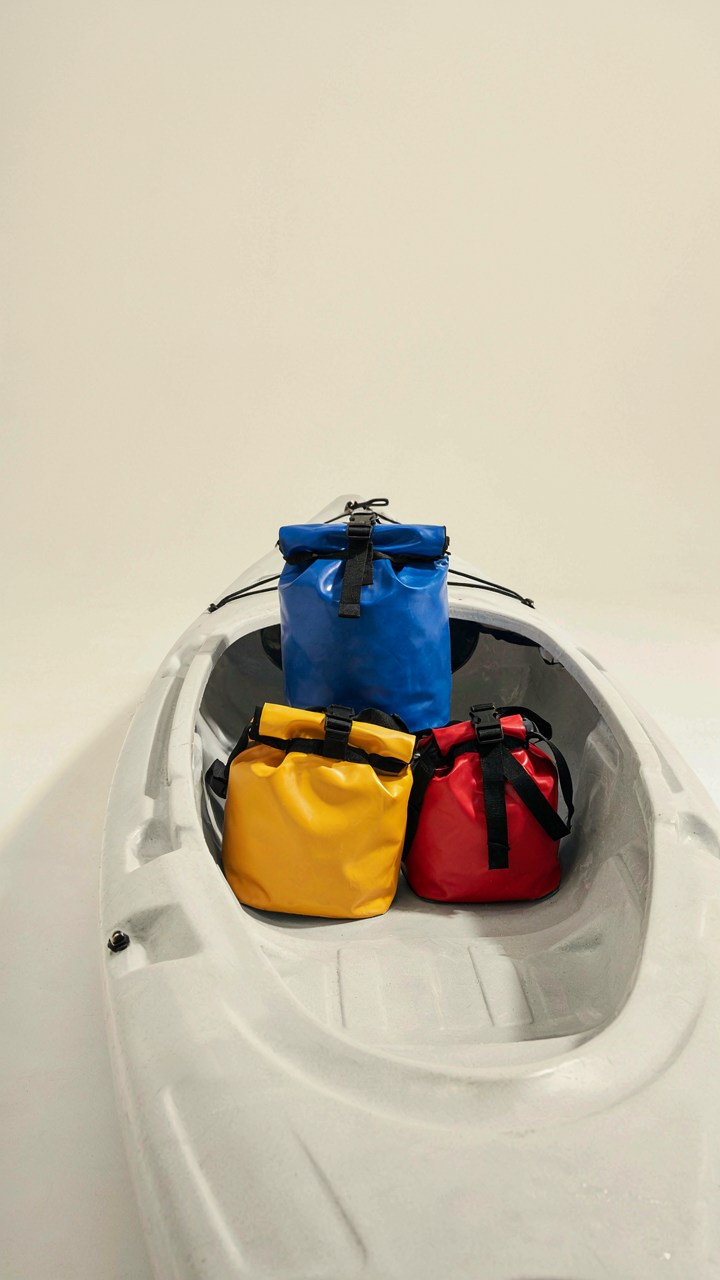
Primary Dry Bags Hold Everything
You want to feel organized without actually thinking about it. That’s not laziness—it’s the load-bearing principle from structural engineering applied to packing. One load path wins over scattered weight. Consolidate all gear into primary dry bags instead of spreading it across the kayak. This means your sleeping bag goes in one bag, clothes in another, food in a third. The kayak becomes a simple container, not a puzzle you solve mid-trip.
Primary dry bags eliminate the mental overhead of remembering where you stashed things. They also protect gear from spray and swamping. Use bags sized to fit your kayak’s storage compartments—typically 20 to 40 liters per primary bag depending on your boat. Smaller bags shift with waves and create dead space. Larger bags force you to overpack and reduce access speed when you need something fast.
Access By Compartment, Balance By Weight
The common advice here is wrong. People say “organize by category”—food with food, clothes with clothes. That works on land. Water demands something different: organize by urgency and physical balance. Your most-used items go in the bag you can reach without capsizing the boat. Heavy items sit low and centered. This is basic nautical trim, and most paddlers ignore it entirely.
Create a mental map before you push off. Snacks and sunscreen in the top of a front bag. Water bottle in a side pocket or attached to your skirt. Heavier camping gear—stove, fuel, water filter—stays central and low. The weight distribution matters more than alphabetizing your packing list. Test your balance in calm water before committing to a long crossing.
How To Plan A Kayaking Trip: The Military Logistics Model
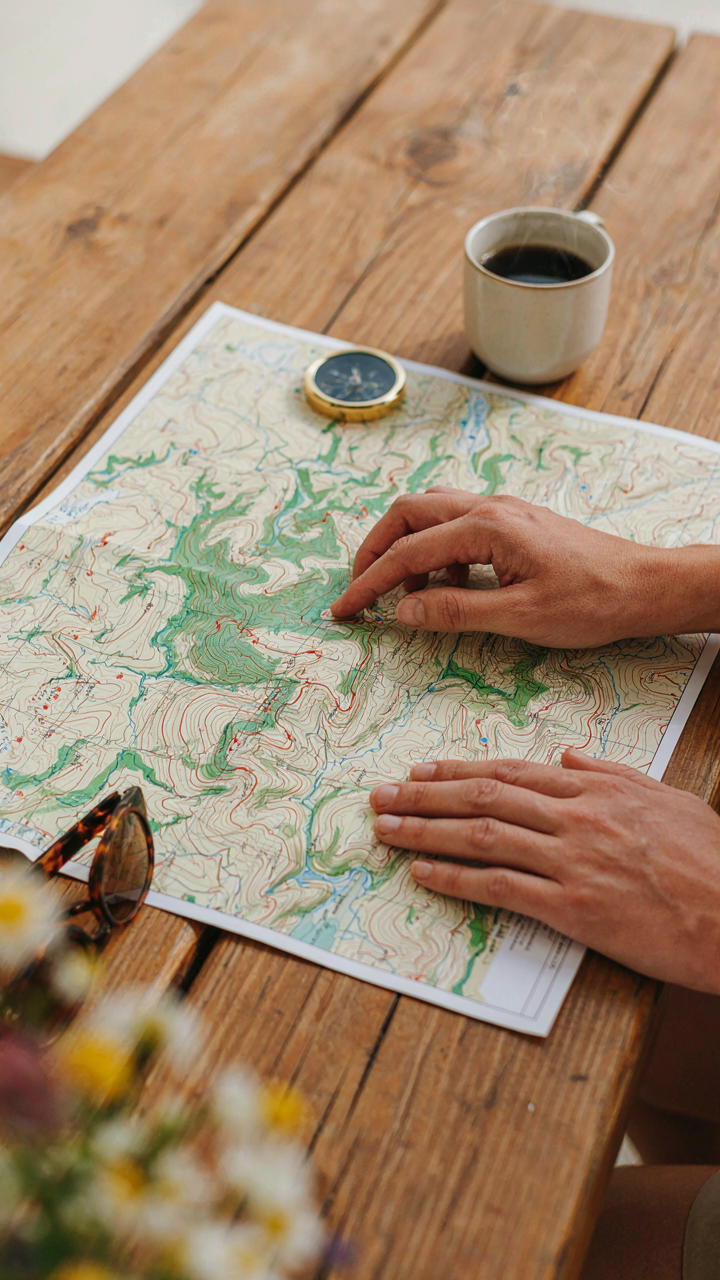
Know Your Theater Before You Pack
You want to feel prepared so you don’t look stupid on the water. That’s the real reason this matters. The mechanism is simple: you can’t pack intelligently without knowing what you’re actually facing. Military operations call this reconnaissance, and it’s not optional.
Map your specific route, not just the general area. Identify hazards: rock gardens, portage sections, rapids, weather patterns for that season, water temperature, and distance between takeouts. Check tide tables if paddling salt water. Talk to local paddlers who’ve run it recently. Your packing decisions flow directly from this data, not from generic checklists.
Ration Your Resources Like Supply Lines
The real mistake people make here is treating food and water as afterthoughts. You’re managing two separate systems: what you drink and what you eat. Military logistics teaches supply chain optimization, and kayaking uses the same principle: calculate demand, identify resupply points, and pack accordingly.
On day trips under four hours, one liter of water per person handles most conditions. Longer trips demand a water system that accounts for refill locations, not just volume carried. Food stays functional if you choose calorie-dense items that tolerate moisture: nuts, energy bars, dried fruit, jerky. Pack these in dry bags, not loose in the hull. Build your water and food strategy around known takeout locations and the time gaps between them, then verify your calculations on the water once.
Kayak Trip Preparation: Mastering Dry Storage
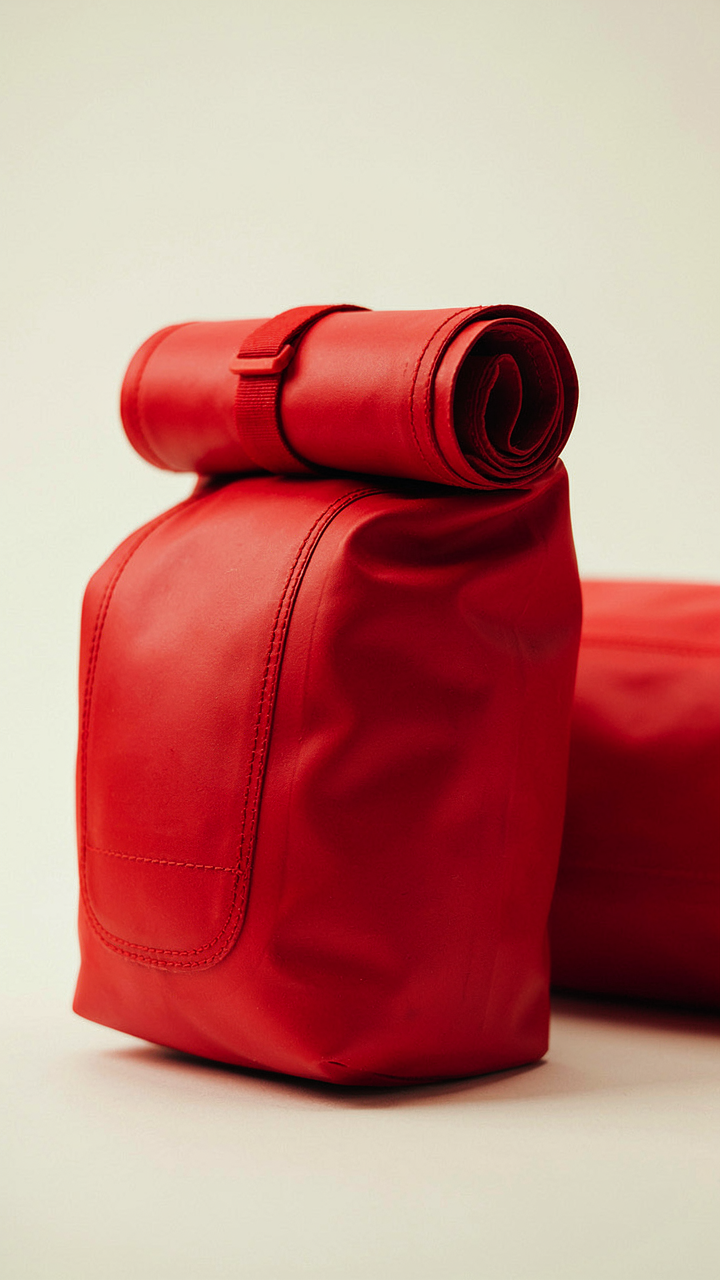
Quality Dry Bags Over Budget Alternatives
You care about this because cheap gear fails exactly when failure costs you money and ruins your trip. The mechanism is material durability under load. Budget dry bags use thin PVC or low-grade nylon that degrades fast under UV exposure and puncture stress. Quality bags employ reinforced seams, higher denier fabrics, and tested roll-top closures. The difference isn’t cosmetic—it’s how many seasons your investment survives before leaking becomes inevitable.
Real dry bags hold internal pressure without deformation. The fabric resists salt water degradation and repeated compression cycles. A fifty-dollar bag from a reputable maker outlasts five budget alternatives. You’re not paying for branding. You’re paying for material science applied to wet conditions. This matters because a failed dry bag mid-river means wet sleeping gear, soggy electronics, and a compromised trip. The cost delta between budget and quality is negligible against what you lose when water gets inside.
Compression Purge And Spatial Efficiency
Packing employs the physics principle of volume displacement—removing air multiplies usable space. Most paddlers stuff dry bags loosely, wasting forty percent of interior capacity. The correct technique involves rolling gear tightly to compress air pockets, then using pressure to maintain density. Start with your heaviest items at the bag’s base. Layer medium items next. Top with soft, compressible gear like clothing. Roll the bag’s opening down hard until you create a seal. This locks compression in place.
Purge air deliberately before each seal. Squeeze the bag sides as you roll. Apply body weight if needed. A properly compressed dry bag fits under thwarts and stays secure during capsizes. Loose packing shifts weight during paddling and makes your boat unstable. The discipline is mechanical, not inspirational—treat each compression cycle as a system checkpoint. When your bag resists further compression, you’ve hit the limit. Stop there and seal the closure.
Kayak Camping Packing: The Energy Density Equation
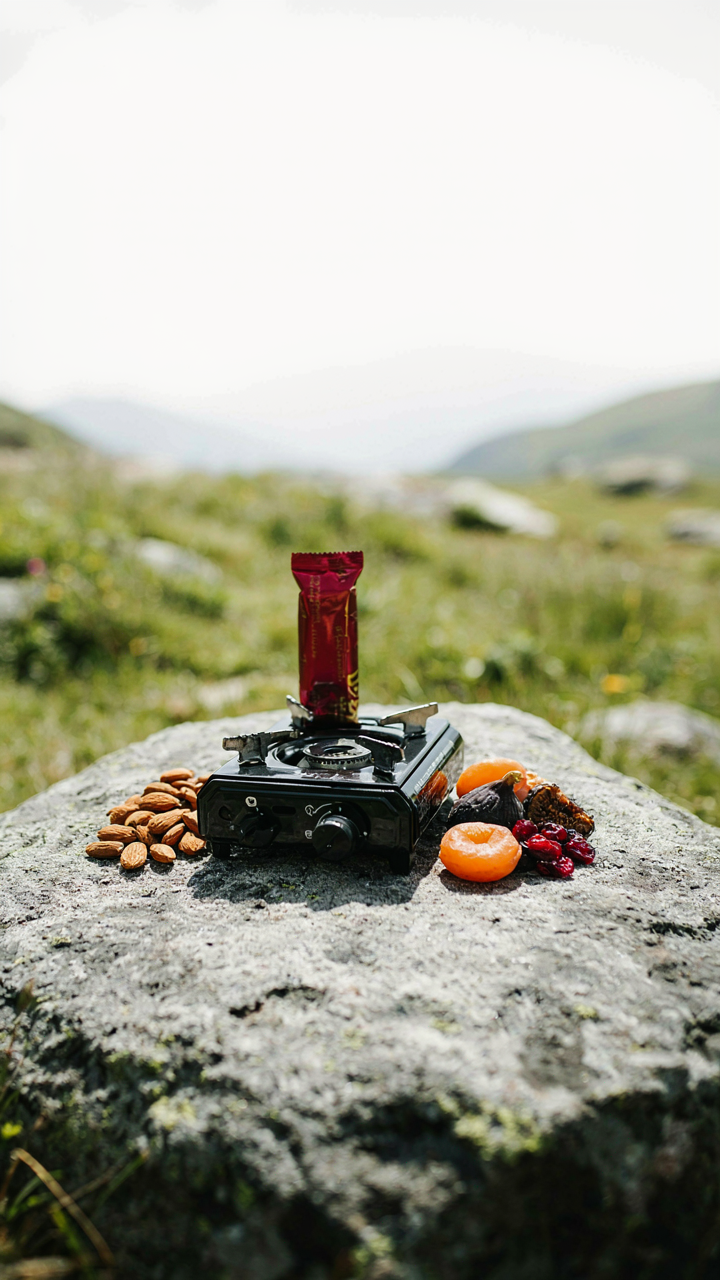
Food Choices That Actually Work
You want to feel prepared without hauling a supply depot across water. The real mechanism is energy density: calories per pound matters because your kayak’s weight capacity is fixed, and every ounce above the waterline reduces stability and increases fatigue. Think of this like payload economics in aviation. You’re not packing food; you’re packing fuel efficiency. The foods that win are those with the highest caloric return per unit of weight, which eliminates most of what casual packers bring.
- Nuts and nut butters: 160-200 calories per ounce. Peanut butter, almonds, and mixed nuts pack more energy than any fresh food option without spoiling or absorbing moisture.
- Dried fruit and jerky: 80-100 calories per ounce combined. Merging carbs and protein in a lightweight form beats bringing fresh produce that adds water weight.
- Oats and granola: 100-110 calories per ounce. A measured portion mixed with water creates a filling meal without requiring fuel to cook beyond boiling water.
- Energy bars and trail mix: 130-150 calories per ounce. Commercial formulations are engineered for this exact ratio, making them logistically superior to assembled alternatives.
- Pasta and rice: 100-110 calories per ounce dry. Lightweight carb bases that rehydrate quickly in boiling water, cutting cooking time and fuel consumption on multi-day trips.
Most paddlers pack what they’d eat on land, then complain about weight. The standard advice to “bring variety” is incomplete because it ignores the math. You’re building a meal plan around maximum calorie-per-pound density first, then fitting taste and texture within that constraint. On a three-day trip, the difference between 25 pounds of food and 18 pounds of food translates directly to paddling ease and camp setup speed.
Cooking Systems Built For Efficiency
Forget the campfire fantasy. Your cooking system needs to boil water fast and stop, because everything beyond that burns fuel you had to paddle in. A lightweight backpacking stove with an integrated pot system outperforms bulky camp stoves because it concentrates heat vertically into a container instead of radiating waste sideways. The mechanism is simple thermodynamics: minimize heat loss and transition time.
A 1.5 to 2-liter titanium pot with a lid and integrated burner system (like commercially available backpacking cook kits) covers 90 percent of kayak camping meals. Titanium over aluminum because it conducts heat faster, weighs less, and doesn’t require seasoning or careful storage. Pair this with a lightweight fuel canister stove and you’re done. Bring one fuel canister rated for your trip length plus 20 percent buffer. Wind can cut fuel efficiency by half, so pack a simple metal windscreen that clips around the burner. Cook at camp before you need energy, not when you’re hungry and impatient. This sequence prevents overeating from heat-driven hunger and saves fuel by eliminating wasted heating cycles.
How To Camp With Kayaks: Site Selection & Setup
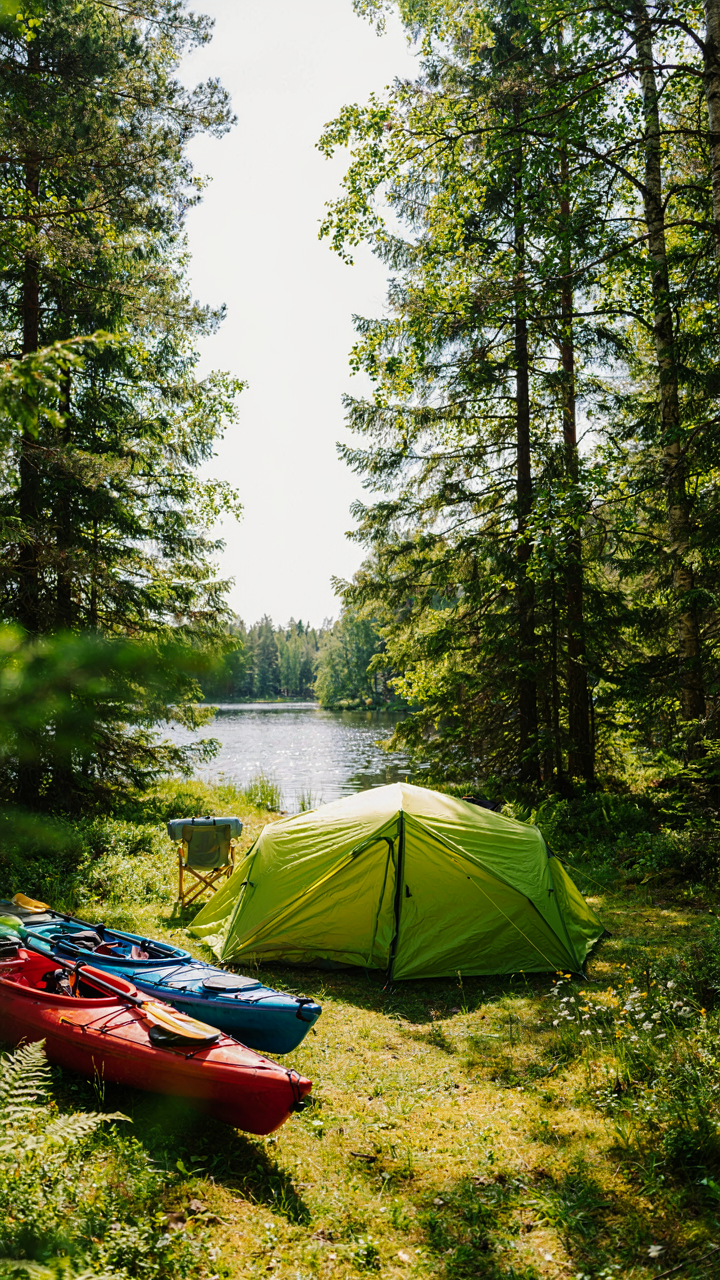
Ground Level Strategy Beats Views
You want the scenic overlook because it makes you feel like an adventurer. The mechanism is different: elevation kills you when weather shifts. Sheltered spots don’t just feel safer—they cut wind speed exponentially, which drops heat loss and stabilizes your tent under load. Scout for natural windbreaks: tree clusters, rock formations, terrain dips. Avoid ridgelines and open meadows regardless of visibility. Position your kayaks on the downwind side of camp as an additional buffer, not decoration.
Flat ground matters more than you think. Sloped terrain forces your body to work against gravity while sleeping, drains water toward your tent during rain, and makes cooking unstable. Walk the perimeter before committing. Press your palm flat against candidate spots—if you feel tilt, move on. Pack a small level if you’re serious about multi-night trips. Set up so morning sun hits your tent last, not first, to avoid condensation buildup that soaks your gear.
Pack Out What You Pack In
Leave no trace isn’t virtue signaling—it’s the only protocol that keeps public access open. Dispersed camping on public land depends on demonstrable restraint. Every microfiber from a synthetic jacket, every food particle, every ash from your stove registers as impact. Bury human waste 200 feet from water using a cathole method: dig six inches deep, cover completely, pack out toilet paper in a sealed bag. Filter or treat water downwind and downstream from your camp.
Pack a small trowel specifically for this work. Leave your fire ring cleaner than you found it by scattering cold ash and breaking up the ring before departure. Check your site one final time for forgotten items—this isn’t thoroughness, it’s the difference between permission and prohibition. Take photographs before and after to document your work. The mechanism is simple: sites that show use get restricted; sites that show respect stay open.
How To Camp On A Kayak: The “No Trace” Imperative
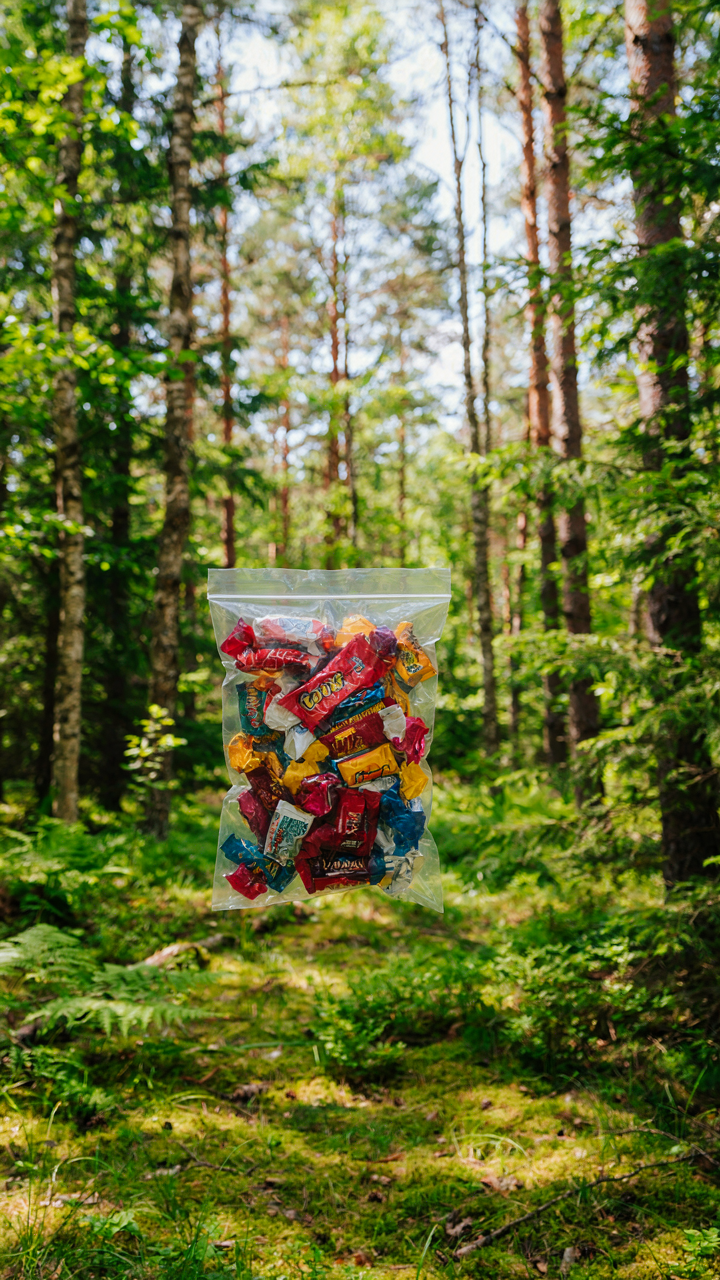
Everything You Bring Leaves With You
You want to feel like the good kind of outdoorsman, the one who doesn’t trash wild places. Here’s the mechanism: every item you pack has weight going in and weight going out. That’s not negotiable. The Leave No Trace framework borrows from military logistics—inventory control. You account for every unit. Pack a food wrapper, you pack it back. Pack coffee grounds, they exit in a sealed container. No exceptions, no exceptions based on how remote you think you are.
Most people assume biodegradable means safe to leave. Wrong. Apple cores take months to decompose in certain conditions. Sunscreen breaks down into compounds that damage aquatic ecosystems. Even human waste requires a protocol: dig catholes two hundred feet from water and camp, pack out toilet paper in a designated bag. The rule isn’t about purity—it’s about preventing compound damage across thousands of users doing the same small harm.
Waste Stays In Designated Containers
Secure waste storage isn’t an afterthought. It’s the difference between a campsite staying intact and wildlife learning to raid kayaker camps. Bring dedicated dry bags with airtight seals for food waste, packaging, and used items. Double-bag anything that smells: fish scraps, cooking residue, dental floss, feminine hygiene products. Tie these bags to your kayak during the day, not to trees where animals can access them.
Liquid waste demands equal attention. Gray water from washing dishes goes into a collapsible container, never directly into the water. Strain solids first, then pack them out separately. Store this container sealed until you reach a disposal point. Human urine, unlike solid waste, can go into water at least two hundred feet from camp and drinking water sources, but only if you’re not in a high-use area where cumulative impact matters. Check local regulations—they vary by region and season.
The Unpacking Fallacy: Post Trip Debrief
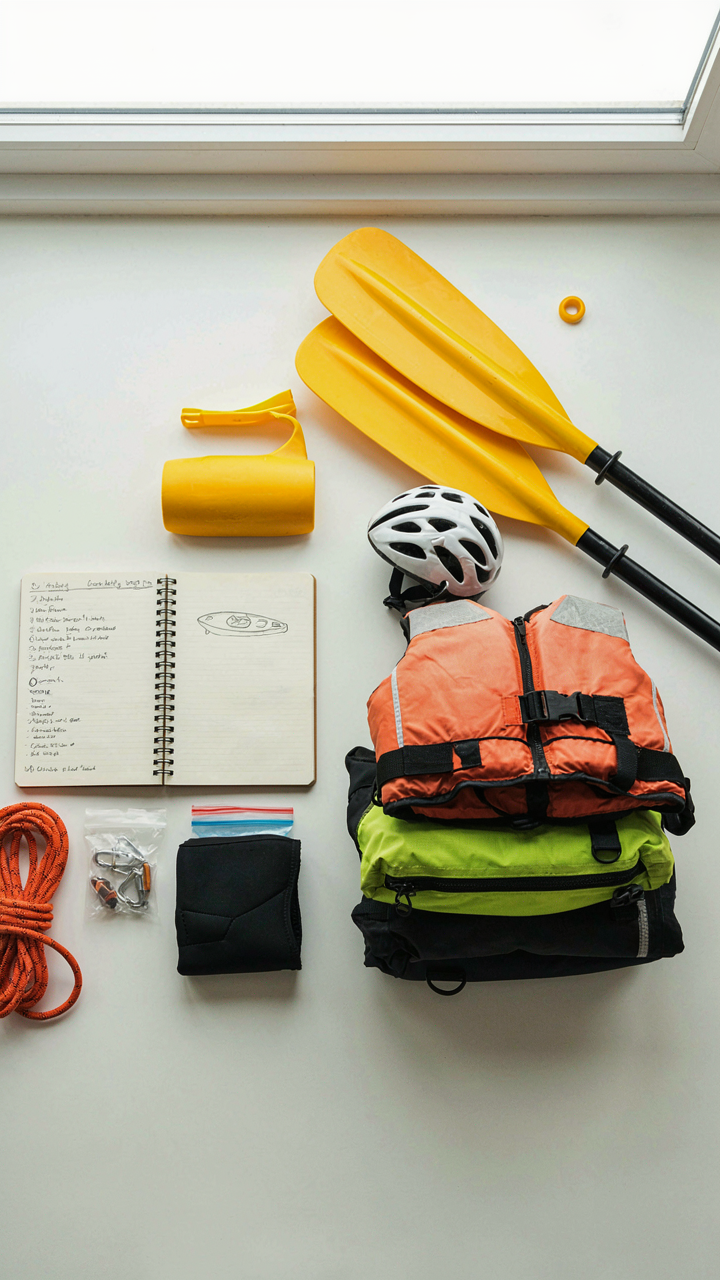
What Actually Got Used
You want to feel like you packed smart. The real mechanism is this: most paddlers overestimate how many contingencies matter. You brought ten things you never touched. Economics calls this the sunk cost problem, but for gear it works differently. You’re not mourning money spent. You’re defending the time spent deciding what to pack.
Start a usage log the moment you return. Document what you grabbed. Document what sat in the dry bag untouched. The gap between what you expected to need and what you actually deployed reveals the real variables in your paddling environment. That gap shrinks each trip. This isn’t about minimalism. It’s about calibration.
Refined Packing For Next Time
The common advice says “learn from mistakes.” That’s incomplete. You need a decision rule, not a feeling. Take your usage data and sort items into three categories: used multiple times, used once, never used. Items used multiple times stay. Never used items go. The once used items demand a threshold question: would skipping it have created a real problem, or just discomfort?
Build your refined list by keeping only gear that served a function on the water. A dry bag that stayed sealed becomes standard. A rain jacket you never removed from your pack gets evaluated hard. The test is simple: would you miss it more than you’d miss the pack space? If not, it’s overhead. Your next packing list comes from gear that proved its purpose, not from generic advice or what other paddlers carry.
Your Greatest Obstacle Isn’t The Current; It’s The Illusion Of Needing More
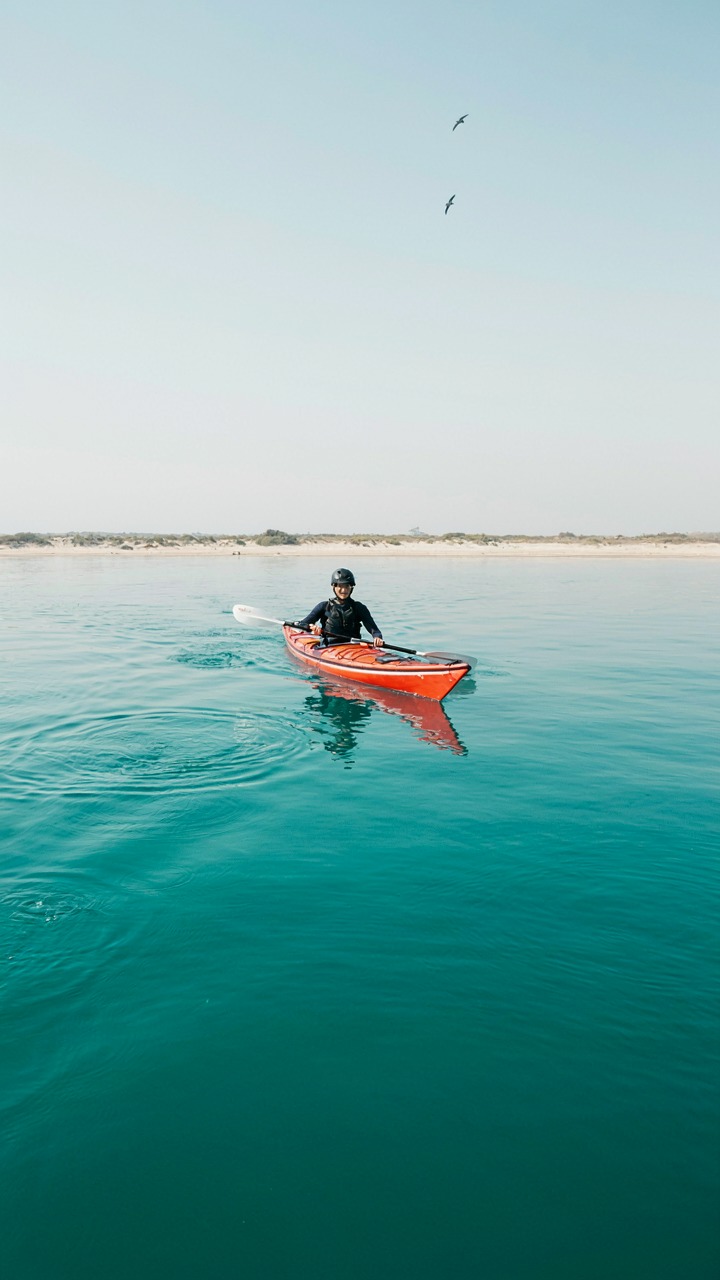
Most people pack for a kayaking trip like they’re moving houses. They confuse gear abundance with preparedness. The truth? Every item you don’t bring is one less thing that can fail you on the water. Strip your packing list down to what actually keeps you safe and functional. Today, remove three things you think you need. You’ll realize you never did. The lighter you travel, the faster you move through the water and through life.