
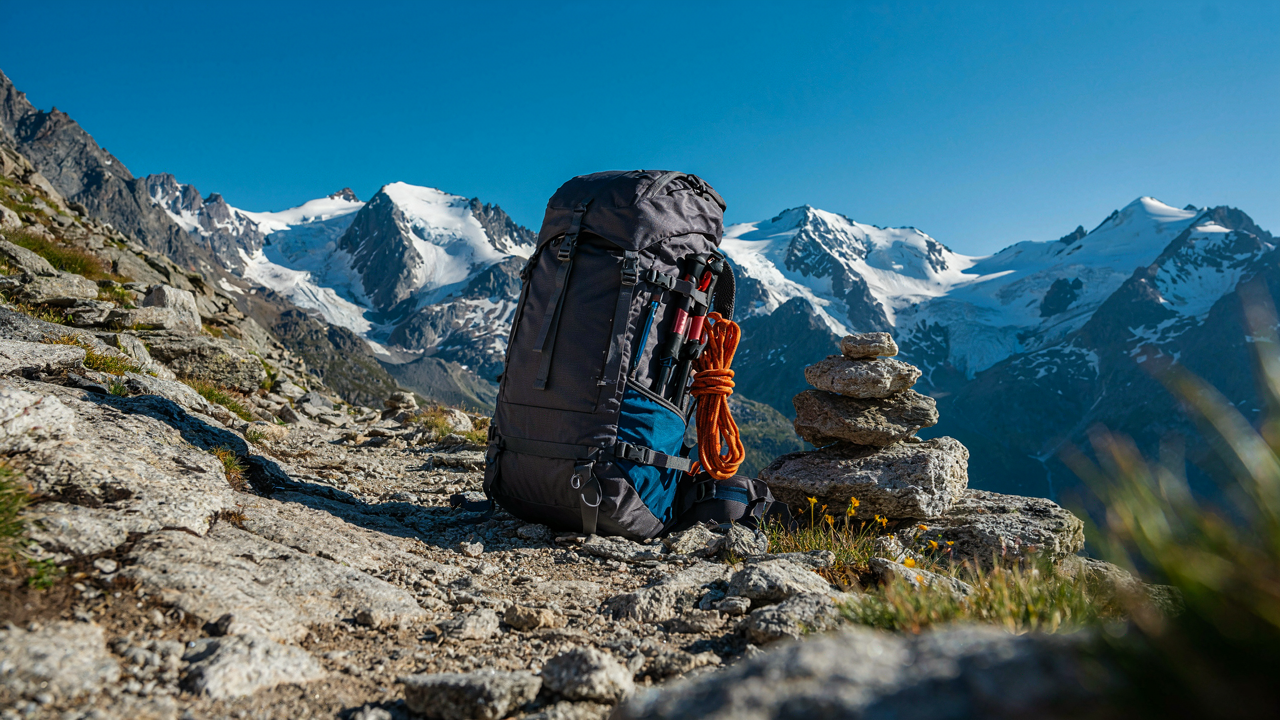
The Minimalist’s Anti Fragile Trek Packing List

Separate Signal From Noise
You want to feel prepared without carrying dead weight. Here’s what actually matters: at altitude, every gram either keeps you alive or doesn’t. The distinction between essentials and luxuries isn’t moral. It’s mechanical. An essential prevents system failure. A luxury makes failure less annoying. Your body at 14,000 feet doesn’t care about your comfort. It cares about oxygen, hydration, core temperature, and foot integrity. Everything else is negotiable.
Most packing advice treats this backwards. It lists items, then vaguely suggests you “decide what matters.” That’s lazy. What matters is this: essentials are non-negotiable regardless of conditions. Luxuries are things you’d pack if you had unlimited weight but would abandon first if a storm hit. Sunscreen at altitude is essential because UV damage at elevation compounds dehydration. A paperback is luxury. A backup pair of socks is essential because a blister at 16,000 feet can end your trek. The clarity matters because it forces you to pack with purpose, not anxiety.
Build Redundancy Into Your Critical Systems
Resilience in complex systems comes from redundancy. In aerospace engineering, critical functions have backup systems because single points of failure cause catastrophic loss. Your high altitude trek has three critical systems: respiration, thermoregulation, and foot protection. Each needs redundancy built in, not added as afterthought.
Redundancy for respiration means carrying a backup medication for altitude sickness if you’re prone to it, plus a pulse oximeter so you know when to descend. Thermoregulation means carrying two insulating layers instead of one heavy one because one can get wet or you need to adjust. Foot protection means carrying two pairs of socks, not one pair you’ve tested, because blisters cascade into immobility and hypothermia. Redundancy isn’t about carrying duplicates of everything. It’s about identifying the systems that fail catastrophically, then ensuring they don’t fail all at once.

Beyond The Everest Base Camp Trek: The Layering System Fallacy

Warmth That Adapts, Not Just Insulates
You want to believe the layering system is a formula. It’s not. The real problem nobody states: thermodynamics treats your body as a heat engine that must maintain equilibrium, not a static object that needs constant warmth. Your core temperature stays fixed around 37°C. The mechanism at altitude isn’t about piling on more insulation—it’s about managing the rate at which you lose heat relative to the work you’re doing.
Most packing guides treat layers as a stack you add or remove based on feeling cold. That misses the actual dynamic. At 4,500 meters, you’re working harder to move the same distance. Your metabolic output spikes. If your layers can’t shed sweat and vapor efficiently while you climb, you trap moisture and lose more total heat than if you wore fewer pieces. The system fails not from insufficient insulation but from poor vapor transmission. Your insulation layer matters less than the material science governing how quickly moisture moves through each piece.
Where Sweat Becomes Your Enemy
Sweat management isn’t about staying dry—it’s about controlling the phase transition of water on your skin. Moisture conducts heat 25 times faster than air does. One wet layer against your core kills you faster than no insulation at all because you’re no longer trapping dead air; you’re creating a thermal short circuit. The consensus advice says “moisture-wicking base layer plus insulation plus wind shell.” That’s incomplete.
What actually works: a hygroscopic base layer that absorbs sweat and moves it to the next layer without creating liquid pooling, an insulation layer that resists water absorption, and a shell that lets vapor escape faster than the ambient humidity can reabsorb it. Merino wool doesn’t wick sweat away—it absorbs it into its fiber structure, keeping your skin drier than synthetic fibers do. Then your mid-layer (synthetic or down) stays dry longer. Then your shell lets the vapor out before it condenses back into liquid on your skin. The order isn’t cosmetic. It’s thermodynamic. Test your actual system before you trek.
The Annapurna Trek Acclimatization Kit: Oxygen Debt & Strategic Nutrition
Portable Oxygen And The Illusion Of Safety
You want portable oxygen because it feels like insurance against the mountain. It’s not. Borrowing from physiology: your body experiences hypoxia—the actual deficit between oxygen demand and supply. A portable canister doesn’t fix the core problem. It masks symptoms for minutes while your lungs and blood remain undersaturated. Most trekkers on the Annapurna Circuit summit below 5,500 meters where supplemental oxygen creates false confidence that delays acclimatization, the only real adaptation your body needs.
Bottled oxygen on the Circuit serves one narrow purpose: emergency descent aid if cerebral edema develops. Carry it only if your route includes sustained sections above 5,000 meters where evacuation takes hours. Standard canisters weigh 1.5 to 2 kilograms and last roughly 90 minutes at modest flow rates. The decision isn’t whether it’s useful—it’s whether the weight cost justifies the singular crisis scenario. For most trekkers, it doesn’t. Train your cardio before departure. Let your body acclimatize on schedule. Skip the oxygen.
Calorie Density Versus The Appetite Paradox
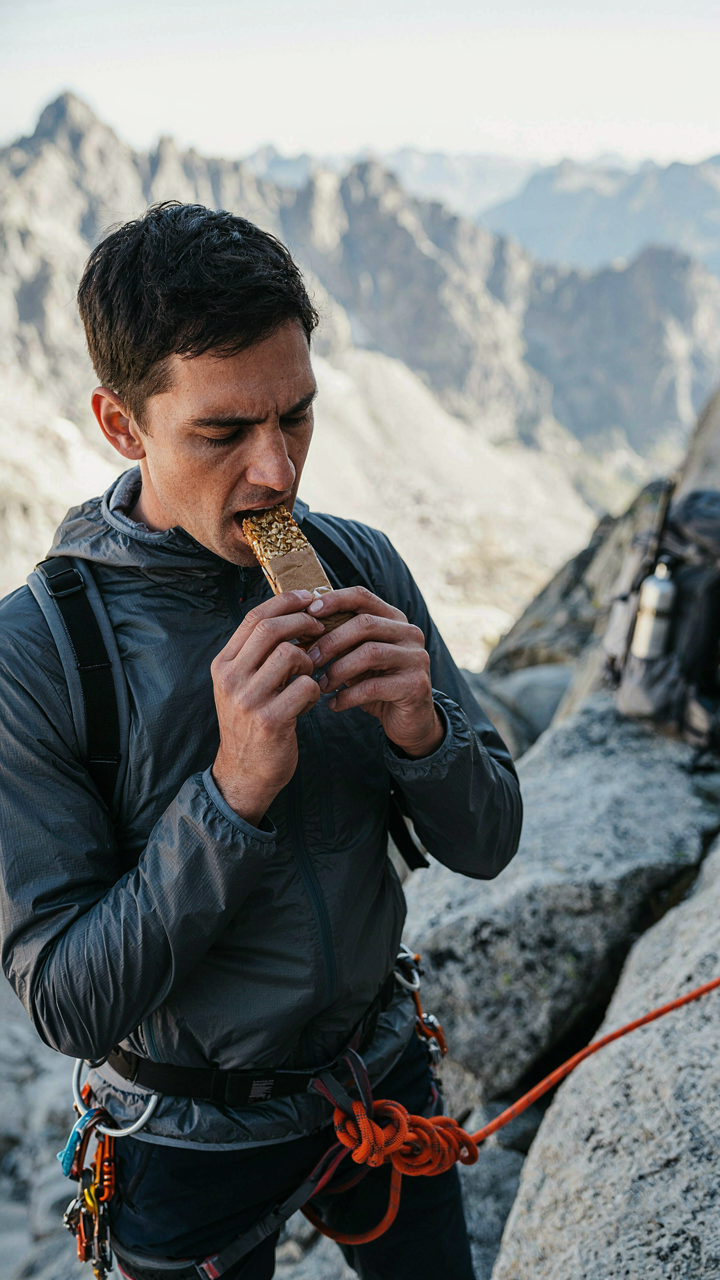
High altitude suppresses hunger through multiple mechanisms: reduced oxygen lowers ghrelin production, dehydration masks appetite signals, and the effort of breathing consumes mental bandwidth. You won’t want to eat at 4,000 meters. Pack food anyway, because your caloric burn accelerates while intake collapses—the opposite of sea level metabolism. This is the real trap: you feel satisfied on 1,500 calories while burning 3,000, creating an energy deficit that compounds daily and accelerates altitude sickness.
Solve this with calorie density, not volume. Nuts, nut butters, dates, and ghee deliver 150 to 220 calories per ounce. Bring twice what you think you’ll eat. Set eating schedules, not hunger cues—consume 200 calories every 90 minutes regardless of appetite. This protocol prevents the metabolic collapse that masquerades as normal altitude experience. You’ll summit stronger because you fueled the climb, not because you pushed through weakness.
The Unseen Weight: Mental Load Of Your Trek Packing List

Decision Fatigue Before You Leave
You want permission to pack less so you feel smart about it. Here’s the real mechanism: every item decision your brain makes depletes your cognitive resources. Cognitive load theory from psychology shows that decision fatigue is real and measurable. Each gear choice consumes mental energy. You arrive at the trailhead already exhausted from choosing between jacket weights and sock counts. This matters because your decision-making quality drops at altitude anyway. Starting with depleted reserves means you’ll make worse calls about hydration, rest, and risk when it actually counts.
The common advice says “pack light and bring what you need.” That’s circular garbage. What you actually need is a constraint system that eliminates choices before you face them. Build a pre-approved kit for high altitude treks, then stop questioning it. Your packing list should be a closed system you trust, not an open problem you solve every expedition. Spend the cognitive effort once during planning. Then the list becomes a checklist, not a decision matrix.
Planning As Prevention
Real planning isn’t motivational. It’s mechanically replacing future anxiety with present action. The anxiety you feel before a trek compounds because you’re holding uncertainty in your head. Every “what if I forgot something” moment is a cognitive loop you run without resolution. High altitude adds pressure: wrong gear choices have consequences beyond discomfort. A detailed pre-trek planning session converts vague dread into specific items and verified systems.
Write your packing list weeks before departure, not days. Cross-check each item against your actual route, duration, and elevation gain. Verify gear against weather reports and altitude profiles for your specific location. Test gear at home if it’s unfamiliar. This transforms uncertainty into certainty. On departure day, you execute a known system instead of managing risk in your head. The mental clarity you gain is worth more than any individual piece of equipment.
The Hiking Gear Protocol: Biomechanics Of Load Bearing
How Your Spine Distributes Weight Under Stress
You want to believe a good pack is about comfort. It’s not. It’s about preventing your spine from compressing unevenly at altitude, where oxygen deprivation already taxes your nervous system. Biology teaches load distribution through the kinetic chain: force travels from feet through joints to the spine. A pack that sits wrong forces your spine to stabilize laterally instead of vertically, burning glycogen you don’t have at 14,000 feet. The mechanism is simple: pressure concentrates where the pack doesn’t contact your body.
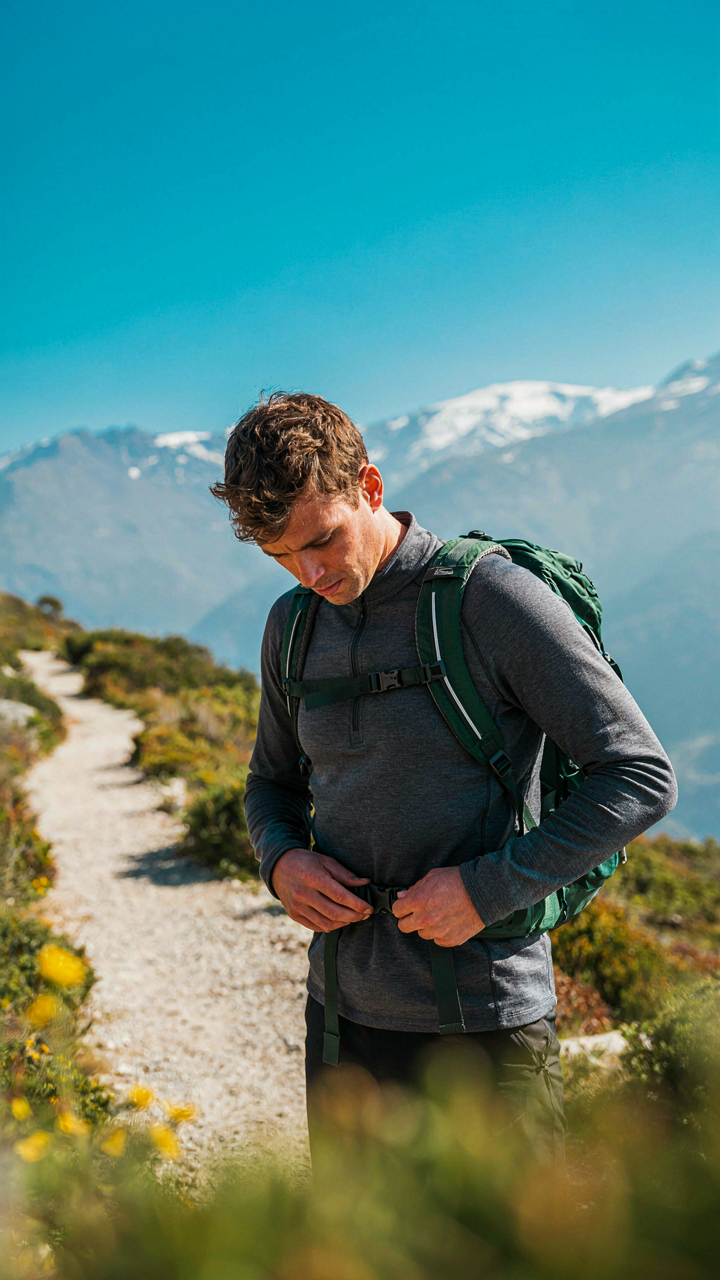
High altitude demands precision here because your body won’t tell you when it’s failing until it’s too late. Most people pack wrong because they focus on what feels soft in a store, not what actually stabilizes under eight hours of sustained movement. Your hips carry 80 percent of pack weight, not your shoulders. If the hip belt rides high or sits loose, the load shifts to your shoulders and upper back, destabilizing your thoracic spine. This is why tightness matters more than padding.
Spine Alignment Determines Your Oxygen Budget
Pack fit isn’t about ergonomics or luxury. It’s about physics. The pack’s center of gravity must sit directly above your center of mass, or your core muscles work overtime to compensate. At altitude, that waste motion costs you oxygen you’re already rationing. Your spine maintains a natural curve when weight stacks vertically. Angle matters: pack straps that pull backward tilt your trunk forward, forcing your anterior core to contract continuously. Measure your torso length before buying. Most people guess and end up with packs that sit two inches too high or low, creating micro-tensions that compound over ten days.
Your pack must contact your back from hip to mid-shoulder, not floating. Air gaps mean your muscles stabilize the load instead of the frame. Before any trek, load your pack to full weight, wear it for an hour on flat ground, then walk stairs. If you adjust straps more than once during that hour, the fit is wrong. Return it. One tight hip belt and straight shoulder straps prevent muscular fatigue that becomes altitude sickness at 16,000 feet.
Annapurna Base Camp Communication: Beyond Satellite Phones
Power Sources Matter More Than Devices
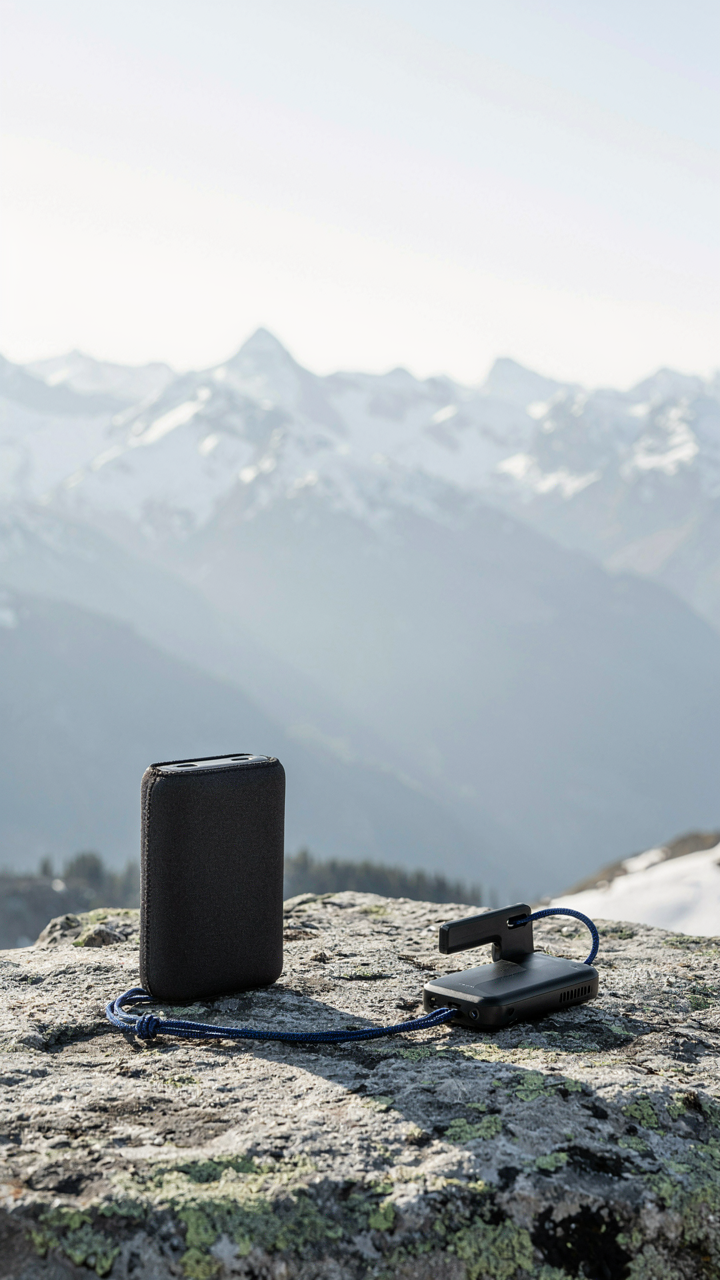
You want the satellite phone because it signals competence and safety to people back home. The mechanism that actually keeps you alive is sustained power delivery at altitude where cold destroys battery chemistry faster than it does anywhere else. Lithium cells lose 50% capacity in freezing temps. A dead satellite phone is worse than no phone because you wasted weight and mental energy on it.
Bring redundant power architecture, not redundant devices. A 20,000mAh power bank insulated in neoprene, carried inside your sleeping bag at night, outlasts three satellite phones with dead batteries. Hand-crank chargers work but demand physical effort you won’t have above 4,000m. Solar panels are nearly useless in cloud cover and fog. The real play is layering: insulated lithium battery, a smaller backup lithium unit, and a portable charger that stores charge for weeks without drain.
Emergency Signaling Without Dependency
Stop assuming communication equals talking. In military logistics, signaling refers to any information transfer that reaches help, and most high-altitude emergencies solve faster with position data than with voice conversation. A Personal Locator Beacon or satellite messenger transmits your coordinates to rescue services whether you’re conscious or able to articulate the problem.
Keep a PLB or Garmin InReach inside your pack’s main compartment, not buried. These devices work at Annapurna Base Camp where cell networks don’t. Test the activation button and message interface in your home country before the trek. Unlike satellite phones, they require no two-way negotiation and zero battery management from you during crisis. Your job is pressing one button and surviving until rescue arrives.
The EBC Trek Packing List For Extreme Weather: Anticipation Vs. Reaction
Weather Prediction Before You Leave Base Camp
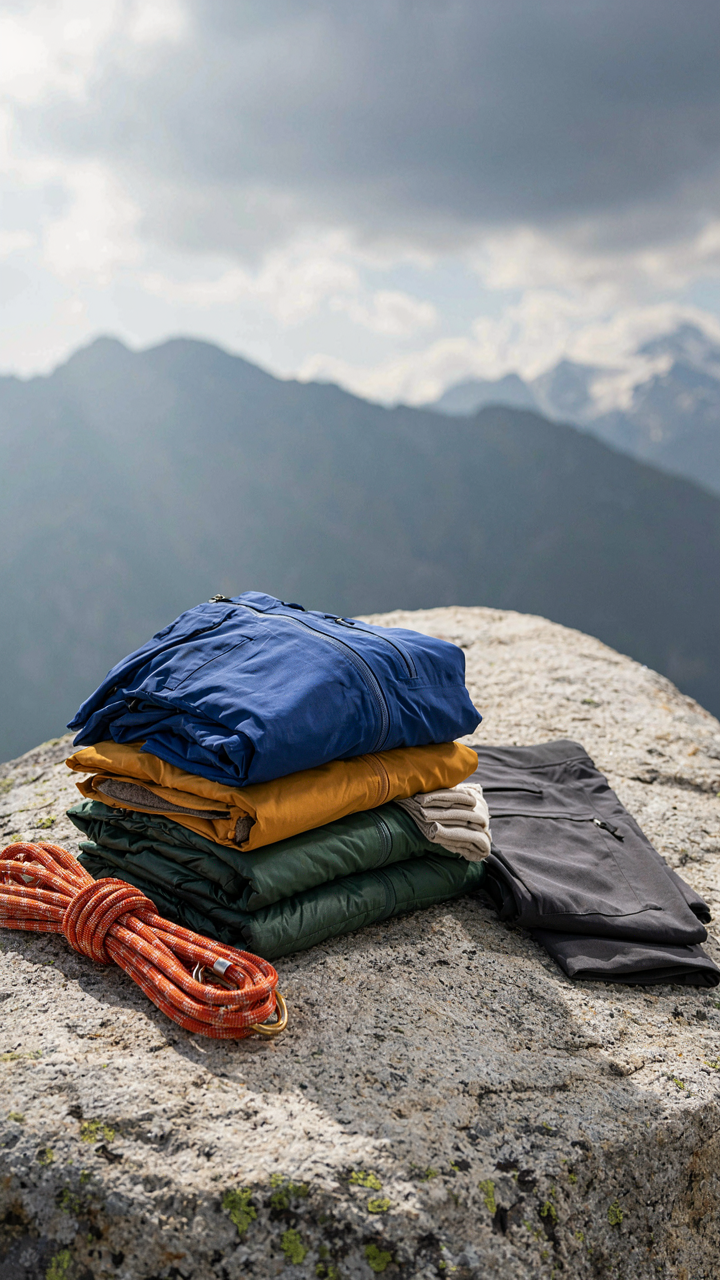
You’re hoping the right gear makes you look prepared and keeps fear at bay. The mechanism is this: weather at altitude doesn’t follow the forecast. You pack defensively not because you’ll use everything, but because the cost of being wrong compounds at 17,600 feet. The EBC trek sits in a zone where conditions shift violently in hours. Temperature swings of 30 degrees between sun and cloud cover happen routinely. Wind patterns change the effective temperature more than the thermometer ever will.
Predictive packing means building layers you can deploy, shed, or combine based on what you actually encounter. The standard advice to “check the forecast and pack accordingly” is incomplete. You’re not packing for the forecast. You’re packing for the margin of error in the forecast, multiplied by your inability to escape. Your gear strategy is your insurance policy against being stranded mid-trek with the wrong layers for a storm that wasn’t supposed to happen.
Storm Shelter Gear You Actually Deploy
- Down sleeping bag rated to minus 20 Celsius or lower: Provides core warmth in your tent during extended storms when movement is impossible and body heat alone fails.
- Waterproof outer shell with sealed seams: Storm wind drives precipitation horizontally at altitude. A compromised shell turns a managed situation into hypothermia risk in minutes.
- Insulated water bottle and thermos: Maintaining hydration and warm fluids during a storm lockdown prevents rapid energy depletion and cognitive decline at altitude.
- Headlamp with extra batteries: Extended darkness during midday storms creates disorientation and accidents around camp if you cannot see 10 feet ahead clearly.
- High-calorie emergency rations separate from daily food: A storm that pins you in place for 24 extra hours means you eat more than planned. Depletion erodes decision-making and physical capability.
When storms hit at altitude, you move into shelter-in-place mode. This isn’t hypothetical. The EBC trek has weather windows, and missing one means waiting in your tent for the next 24 to 48 hours. Your pack needs to contain everything required to survive stationary confinement at altitude without rescue logistics. The difference between gear you carry and gear that saves your life during a storm is specificity: items that function in cold, thin air, and do their single job with zero dependencies.
Post Trek Recovery: Your Unpacked Gear Checklist
Clean Your Gear Before Storage
You want your expensive kit to last because replacing it costs money and time—but the real mechanism is entropy. Moisture, salt, and UV damage accelerate material degradation the moment you stop using something. Treat your pack like equipment in preventive maintenance: address problems immediately after use, not months later when mold has already colonized the fabric.
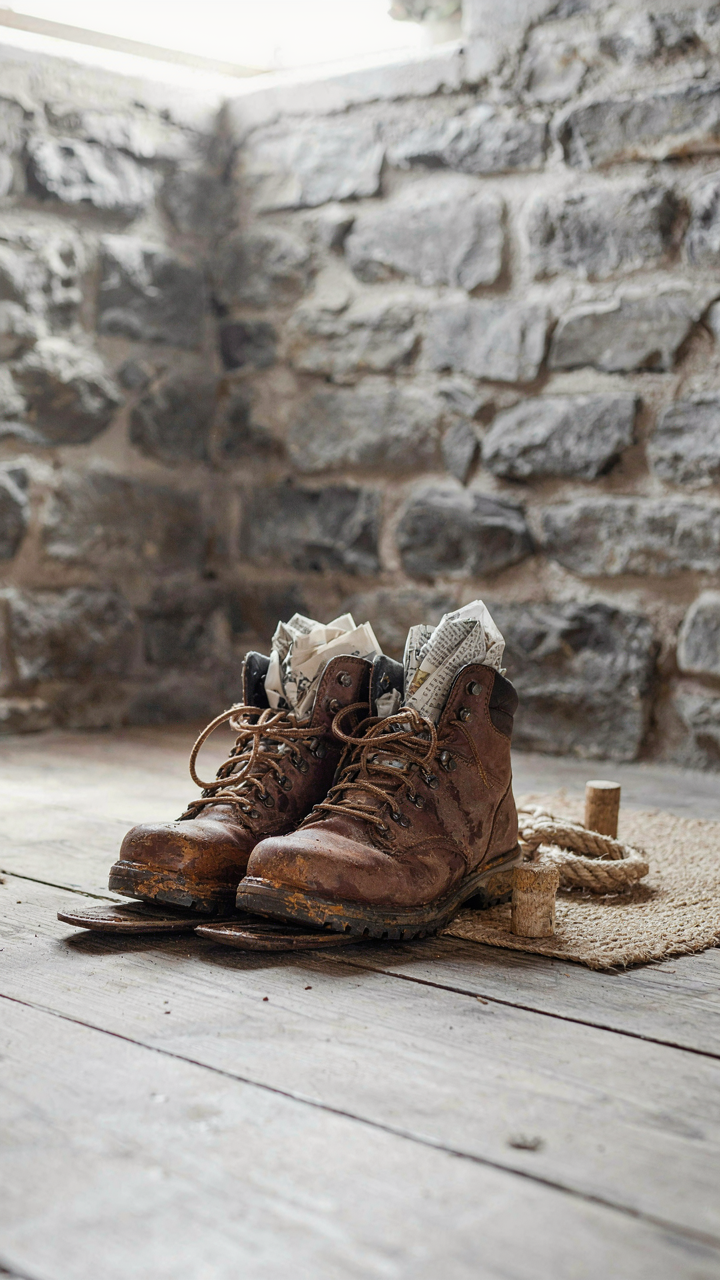
Start with your shell layers within 24 hours of finishing. Rinse synthetic jackets in cold water to remove salt and dirt, then air dry flat away from direct sunlight. Down requires more care: use a specialized down wash, never standard detergent, and tumble dry on low heat with wool dryer balls to restore loft. Boots need the same urgency—remove insoles, stuff with newspaper to absorb moisture, and let them dry in a cool space for three to five days. Wet insoles breed bacteria and fungi that destroy the boot’s interior structure.
Build A Seasonal Inspection Protocol
The difference between gear that lasts five years and gear that lasts fifteen is a written checklist done the same way every off-season. Weather sealing fails predictably. Zippers collect grit. Stitching separates under load. Document these failure points now so you catch them before your next trek, not during it when a blown seam becomes a real problem at 14,000 feet.
Create a simple spreadsheet: item name, date purchased, date last used, condition notes, repairs needed. Check synthetic seams for pulling. Test all zippers with the pack empty. Inspect boot soles for separation and toe box creasing. Rehydrate down jackets that have compressed for storage—hang them in a humid bathroom for an hour to restore fluffiness. This audit takes 90 minutes and determines whether your gear performs or fails on the mountain.
The Real Obstacle Isn’t The Gear You Lack, But The Mental Frameworks You Fail To Apply
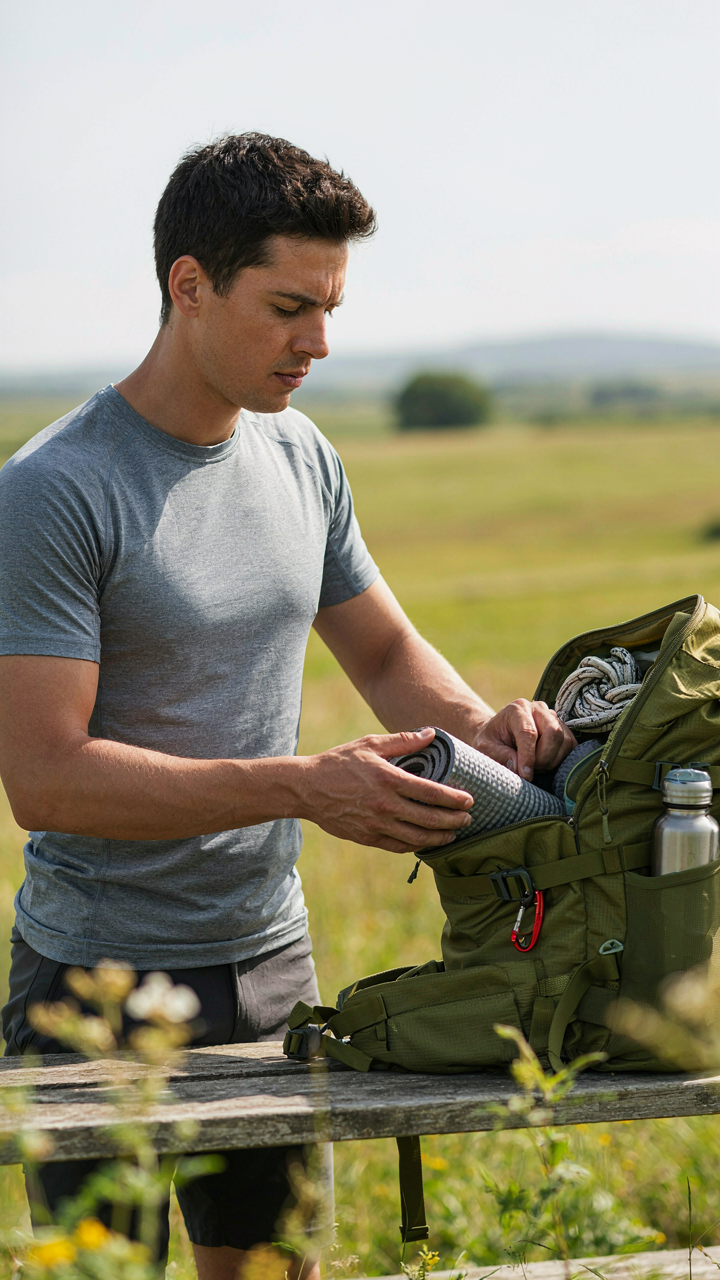
Most people pack wrong because they pack scared. Fear makes you overestimate what you need and underestimate what you can handle. The gear list doesn’t matter if you don’t trust yourself to adapt. Stop asking what to pack. Start asking what you can live without. Today, remove five items from your planned kit. You’ll learn more from constraint than from any checklist. The mountain doesn’t care about your gear—it cares about your clarity.