
Beyond The Tent: Redefining Glamping Essentials List
Luxury Without The Bloat
You want permission to bring less and still feel like you made the right call. The mechanism is simple: glamping removes the survival layer, so your packing problem shifts from “what keeps me alive” to “what maintains the experience I paid for.” Most people solve this by overpacking comfort items they think signal luxury. That’s backwards. Real luxury in glamping is the absence of friction, not the accumulation of stuff.
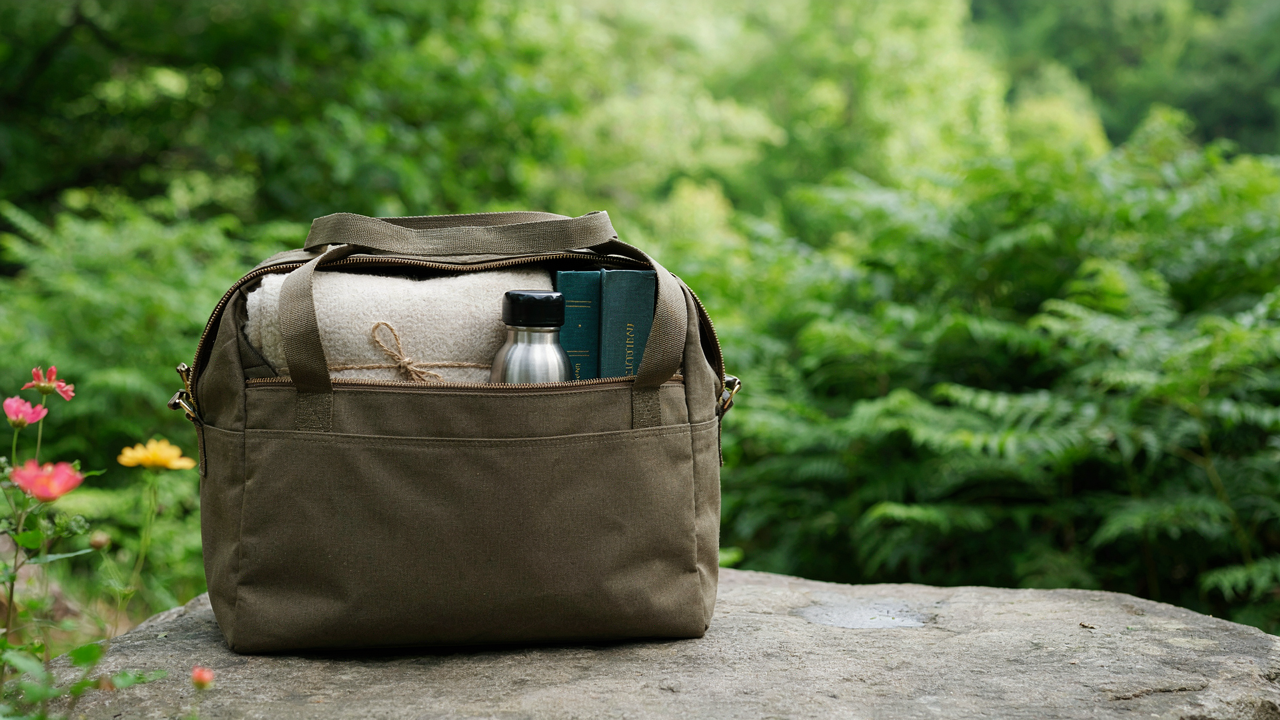
The difference between glamping and camping is infrastructure. Your accommodation handles temperature, weather, and basic shelter. Your job is to pack things that either extend comfort or prevent disruption. A cashmere throw adds nothing if the tent already has heating. A good book adds everything because boredom is the one thing infrastructure can’t fix. Filter everything through this question: does this solve a problem that the venue doesn’t already solve?
The Non Negotiable Versus The Trap
Economics teaches substitution: you can’t have everything, so you choose based on what costs you most to lose. Apply that here. Toiletries you forgot cost you comfort for two days. A second pair of shoes you didn’t need costs you pack weight and mental load. The non negotiables are items with zero backup at the venue. Everything else is a negotiation you lose by default.
Your venue provides bedding, climate control, and usually basic bathroom setup. Confirm this before packing. Then pack only what serves your specific activities: hiking boots if you’re doing trails, a nicer outfit if there’s a communal dinner, noise-canceling headphones if you need focus time. The trap is treating glamping like a resort where you need options for every mood. You’re there for two days. Wear the same clothes twice. Bring one pair of shoes that handles multiple contexts. Build your pack around your actual itinerary, not imagined scenarios.

The “Weightless” Wardrobe: What To Pack For Glamping
Stack Layers, Not Outfits
You want to look put together without looking like you tried. That’s the real game here. The mechanism is thermal regulation through layering, borrowed directly from mountaineering: you’re building redundancy so one garment failure doesn’t crater your weekend. Most packing advice treats layering as aesthetic stacking. It’s not. It’s a system where each piece moves heat away from or toward your skin based on conditions you can’t predict.
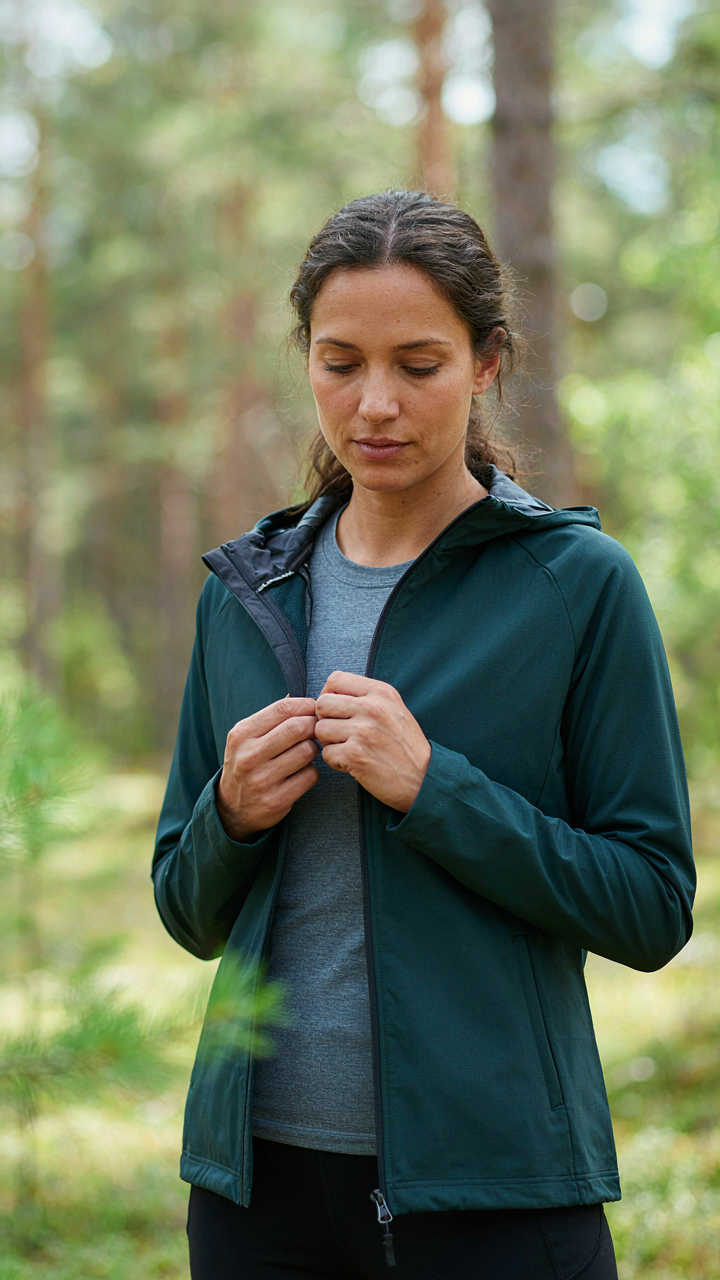
Pack a moisture-wicking base layer, a mid-weight fleece or wool sweater, and a water-resistant outer shell. These three pieces recombine into dozens of outfit variations across temperature swings. A glamping site at night drops 30 to 40 degrees below daytime highs. Your base layer handles sweat. Your mid-layer traps warmth. Your shell blocks wind and light rain. Wear the base alone in the cabin. Add the mid-layer for evening. Throw the shell on for morning walks. This isn’t versatility theater. It’s the only rational way to pack light without freezing or overheating.
Two Shoes, One Rule
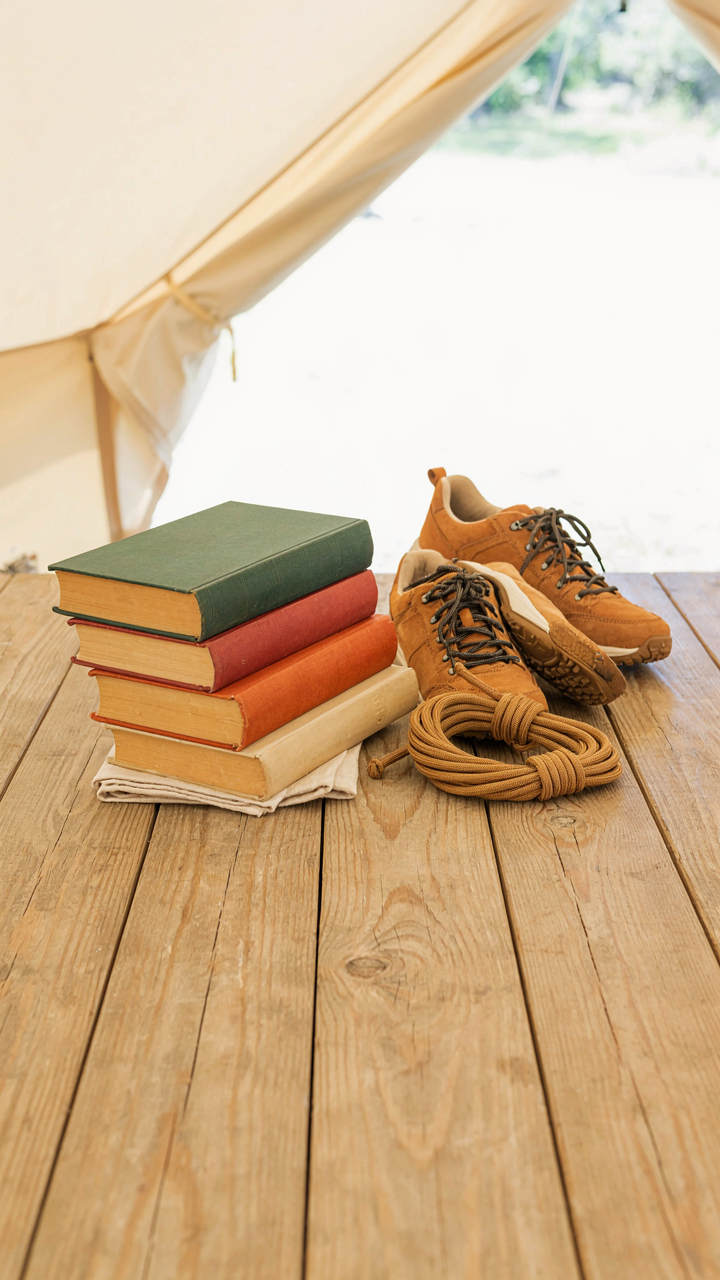
Footwear determines whether you move or sit still. One pair handles both activities. Most people pack a cute shoe and a hiking boot, then wear neither appropriately. Choose a neutral, low-profile sneaker or casual hiking shoe that doesn’t announce itself in photos but performs on uneven terrain. Wear it for everything except sleep.
Your second shoe is non-negotiable: slip-on sandals or camp shoes you can kick off instantly in the cabin. This eliminates the friction of unlacing boots thirty times daily. The sneaker-sandal combo covers every scenario without baggage waste. You’re not building a wardrobe. You’re removing decision points so you actually experience the weekend instead of managing logistics.
The “Optimize For Comfort” Protocol: Glamping Trip Essentials
Your Sleep System Determines Everything Else
You want to feel rested so you can tell people about it. That’s the real reason this matters. But here’s the mechanism: sleep quality is a physics problem, not a shopping problem. Your body loses heat through conduction (direct contact with cold surfaces). A mediocre sleeping bag won’t stop that. A quality mattress or sleeping pad rated for the season you’re visiting does.
Most people pack three blankets and a thin sleeping bag, then suffer. Wrong move. One excellent sleeping pad designed for the ground temperature of your destination, paired with a sleeping bag rated 10-15 degrees below the expected low, handles the job. Test your setup at home first. You’ll know immediately if you’re cold at night, and you can adjust before your trip.
Toiletries That Actually Fit Your Bag
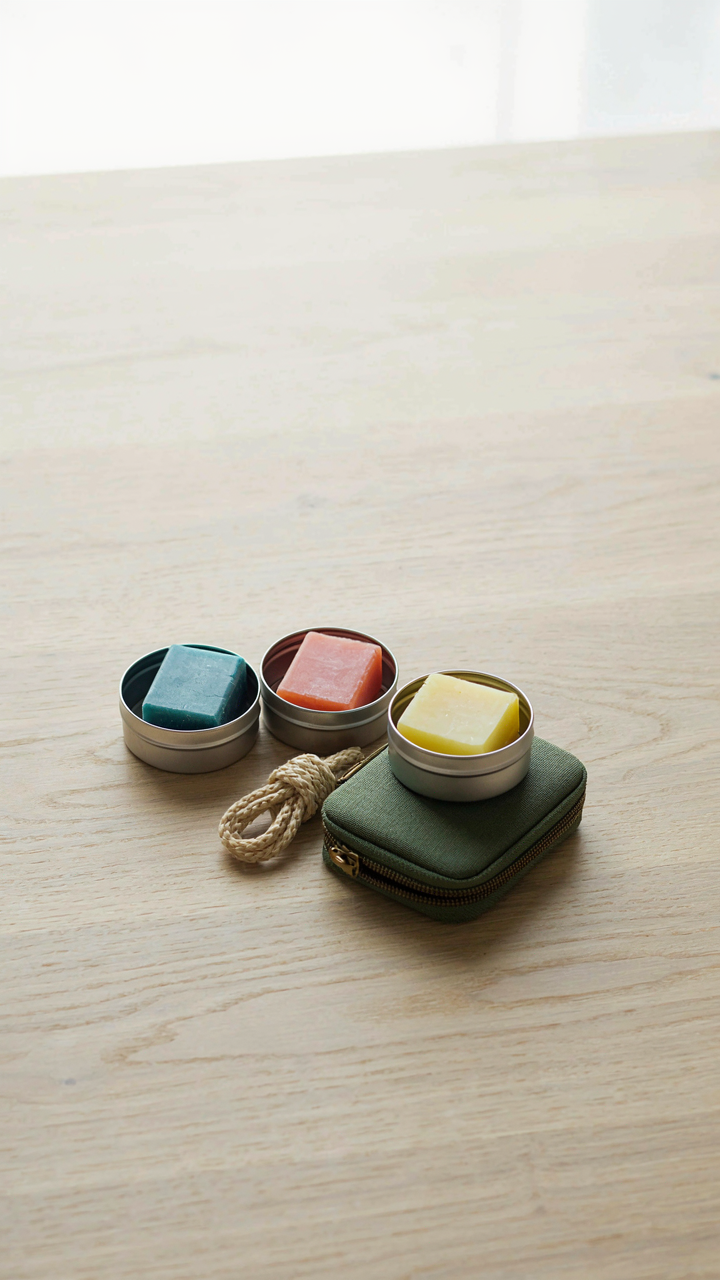
Conventional packing advice says to bring travel sizes of everything. That’s incomplete. Travel sizes cost more per ounce and run out mid-trip. Buy one solid multipurpose product instead. A quality bar soap works on skin, hair, and laundry. A single moisturizer with SPF replaces sunscreen and face cream. Deodorant, toothpaste, and a small first aid kit cover the rest.
Consolidation beats variety every time. Use small glass jars or aluminum containers to decant products you already own rather than buying duplicates. Pack only what you’ll actually use in 48-72 hours. Most glamping sites have basic facilities. You’re not prepping for a month in the backcountry. Bring one set of toiletries, use it efficiently, and move on.
The Digital Detox Dilemma: What To Take Glamping

Power Without The Outlet Dependency
You want to feel unreachable without actually being unreachable—that’s the real tension here. Think in systems terms: you’re managing energy reserves like a closed-loop ecosystem. Most people pack their phone charger and call it done, then spend the weekend half-present because the battery anxiety never stops. That’s the wrong optimization.
A 20,000mAh power bank buys you three full phone charges and removes the mental load. Skip the solar charger unless you’re staying five-plus days—the charge time defeats the purpose on short trips. The real move is this: charge everything fully before arrival, then leave your phone in the tent during activities. One complete recharge waiting at night handles emergencies without the device becoming a constant pull.
Books, Games, And The Observation Tax
Entertainment packing exposes a blind spot: people assume boredom is a problem to solve rather than data to read. Bring one physical book you actually want to finish, not the one you think you should read. Games work only if your group commits beforehand—half-hearted card games create dead time, not connection. The leverage play is observation without mediation: watch how light moves through the canopy at different hours, track animal patterns, notice how silence actually feels in your nervous system. Schedule one unstructured hour with nothing. Don’t jam activities into every slot. You drove out here to reset your baseline, not optimize your idle time.
The Culinary Conundrum: How To Pack For Glamping Meals
Pre Prepped Meals Beat Gourmet Improvisation
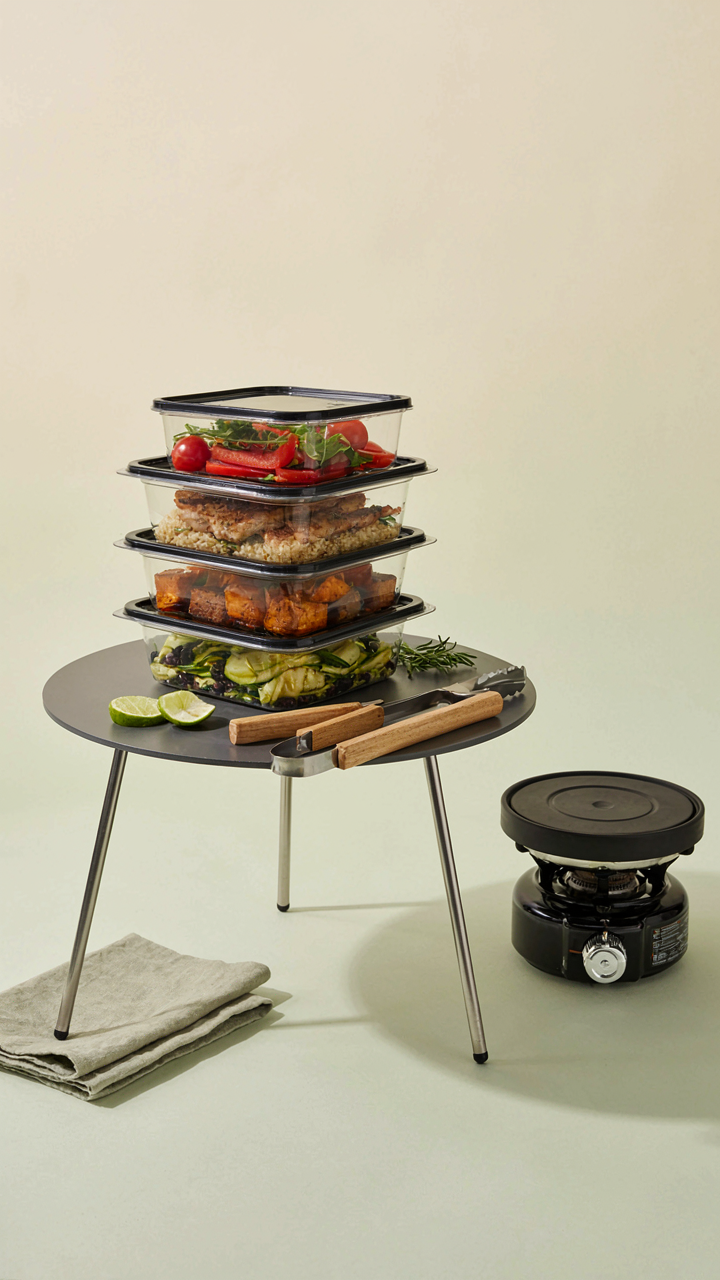
You want to feel like you’re roughing it while actually controlling every variable. That’s the real tension here. Pre-prepped meals let you manage this. You cook at home where your equipment works, your ingredients are measured, and failure doesn’t happen. Gourmet on-site cooking sounds romantic until you’re squinting at a camp stove flame at dusk, your butter won’t melt right, and nobody’s eating dinner until nine.
Pre-prepped wins because it trades the illusion of spontaneity for actual relaxation. Pack food in vacuum-sealed containers or glass. Reheat over a simple burner or fire pit. Gourmet cooking on-site demands you bring specialty tools, precise ingredients, and the mental bandwidth to execute technique under suboptimal conditions. The trade-off is simple: feel the satisfaction of prep work now, or gamble on execution then.
The Eighty Twenty Rule For Food Weight
Economics teaches resource allocation through the Pareto Principle: 80 percent of results come from 20 percent of inputs. Apply this to glamping meals directly. Identify the foods that deliver the most satisfaction and nutrition per ounce packed. Skip the filler. Five high-impact items beat fifteen mediocre ones.
Focus on calorie-dense, shelf-stable proteins and fats. Nuts, jerky, nut butters, cured meats, and aged cheeses occupy minimal space and deliver satiation. One pound of these beats three pounds of fresh produce in a pack. Then add one breakfast item, one lunch base, and one dinner component. Everything else is passengers taking up room. Plan backwards from weight capacity, not forwards from what sounds good.
The “Emergency Preparedness” Fallacy: Glamping Packing List
First Aid Basics That Actually Work
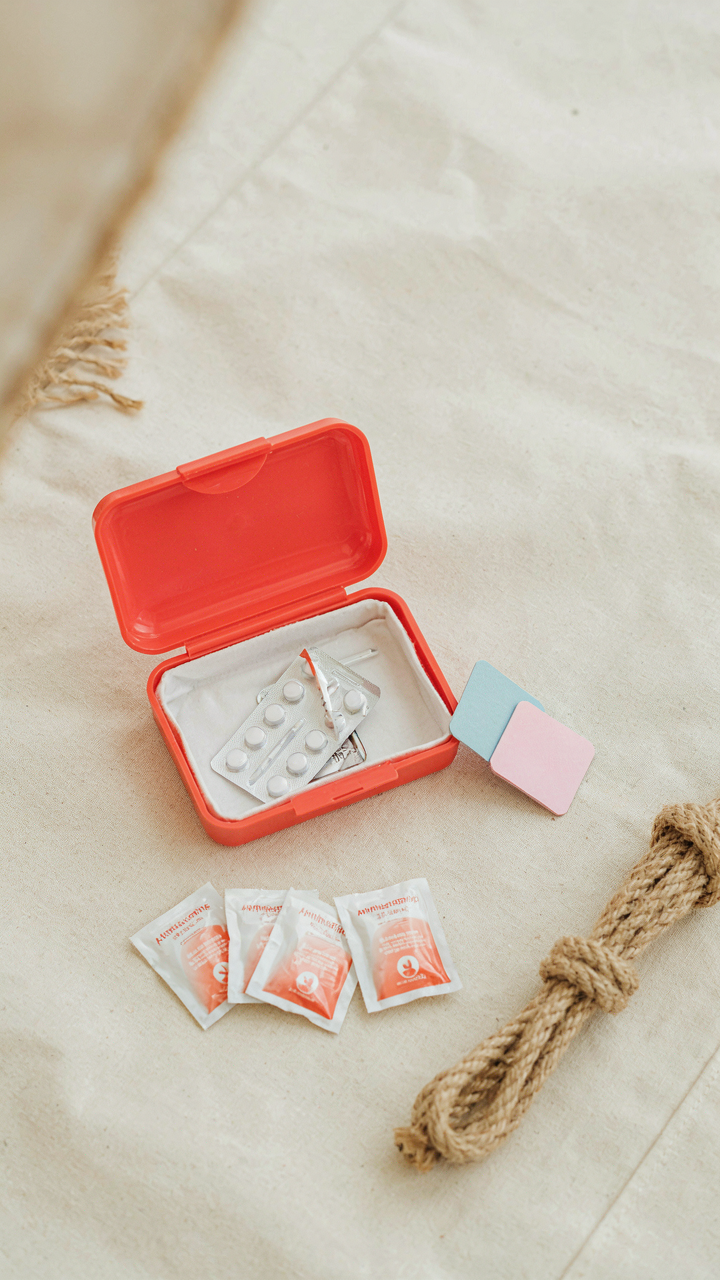
You pack a first aid kit because you’re afraid of looking unprepared in front of people, not because you’ll perform field surgery at a glamping resort. Here’s the mechanism: most people confuse preparedness with coverage. They grab a 200-piece trauma kit when glamping emergencies are blisters, minor cuts, and headaches. A resort has staff and proximity to actual medical help. Pack what handles the friction between comfort and minor reality.
- Blister treatment: Moleskin or blister pads stop friction damage before it starts. Most glamping involves walking on uneven terrain or in new shoes. This prevents the problem rather than treating it after pain develops.
- Pain relief: Ibuprofen or acetaminophen covers headaches, muscle soreness, and period cramps. Standard dosage tablets take minimal space and handle 90 percent of resort discomfort without calling a doctor.
- Antihistamine: Single-dose tablets for minor allergic reactions or insect bites. Glamping brings exposure to plants and insects you don’t encounter in your normal environment daily.
- Antibiotic ointment: A small tube handles minor cuts and scrapes. Apply it, cover if needed, move on. Prevents infection without escalation.
- Adhesive bandages: Pack ten, not fifty. Most glamping wounds are small. Extras create dead weight and false security.
This kit fits in a sandwich bag and weighs nothing. Don’t pack for scenarios with one percent probability. Pack for friction points with ninety percent probability. The resort likely has a first aid station anyway.
Adaptability Over Prediction
Weather forecasting fails beyond five days. You’ll check the forecast, pack accordingly, and still get surprised. Instead of building a kit for every possible condition, bring one principle: layering. Layering works because it gives you control over temperature without guessing what nature will do. Military and outdoor programs use this, not because it sounds smart, but because it’s the only system that actually handles variability without overpacking.
Two base layers, one insulating mid-layer, one windproof outer layer. That’s your full weather coverage. Add one item that handles extremes: a packable rain jacket or fleece. This setup weighs less than three separate “just in case” outfits and handles temperatures from fifty to eighty degrees. The mechanism is simple: each layer serves a function, and you add or subtract based on real conditions, not predictions. You gain control instead of hoping you packed right.
The “Leave No Trace” Mandate: What To Pack On A Glamping Trip
Portable Waste Systems That Actually Work
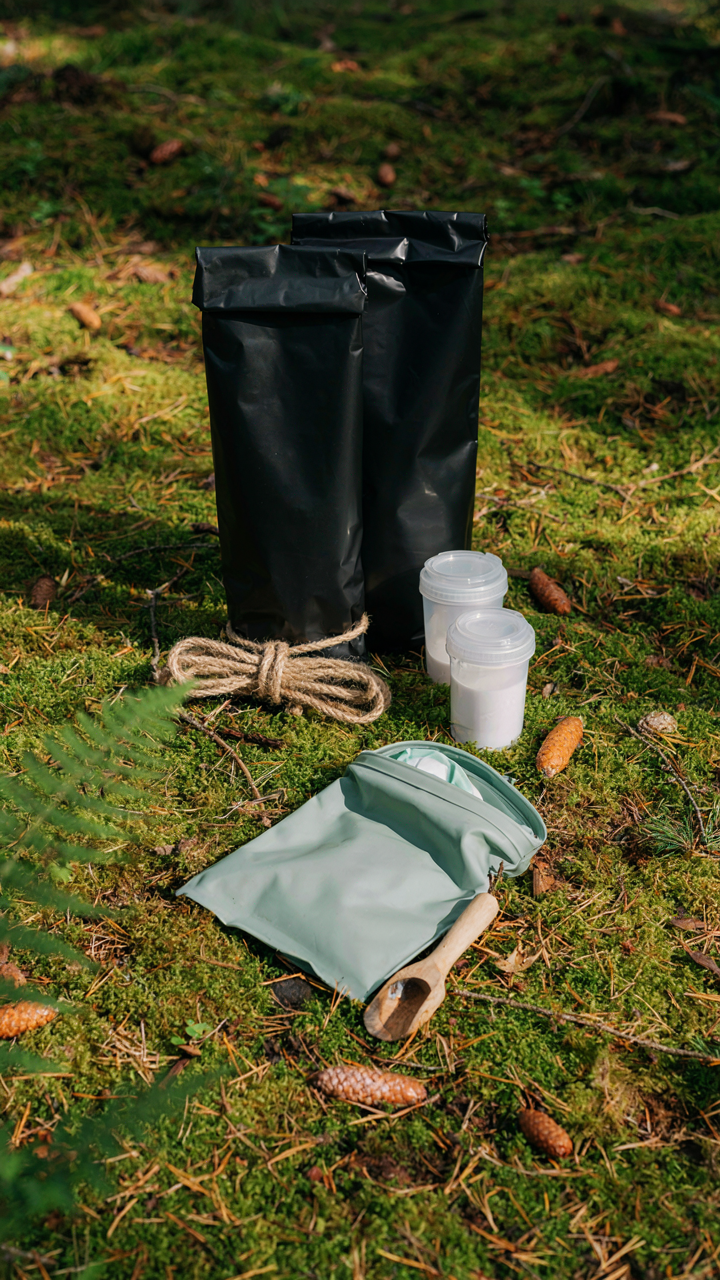
You care about this because you want to look like someone who respects nature, but the real mechanism is simpler: glamping sites fail when guests treat them like disposable spaces. Systems thinking from waste management tells us that containment is prevention. You need redundant collection layers, not faith in “being careful.”
Pack heavy-duty garbage bags in at least two sizes, wet bags for organic waste, and small sealed containers for microtrash like bottle caps and foil. Most people skip the wet bags entirely and wonder why decomposing food attracts animals or smells. Bring more containers than you think you’ll need. The constraint is always underestimated capacity, not over-preparation.
Respect Through Operational Discipline
The common advice here is vague nonsense about “leaving things as you found them.” That doesn’t translate to action. Real site respect means you prevent damage through specific protocols, not intention. You pack protection for the land itself: ground tarps for high-traffic areas under cooking or seating zones, stake covers to mark obstacles you’ve installed, and designated pathways that concentrate foot traffic instead of spreading it across vegetation.
Bring cleaning supplies designed for outdoor use, not household versions that harm soil or water systems. Pack a small repair kit for any gear failures that might force improvisation damage. Leave the site with zero evidence of your presence except the designated fire ring or grill. The protocol ends when you do a final perimeter walk and collect anything that wasn’t there on arrival.
The Experience Amplifier Kit: What To Bring Glamping
Set The Mood Without The Work
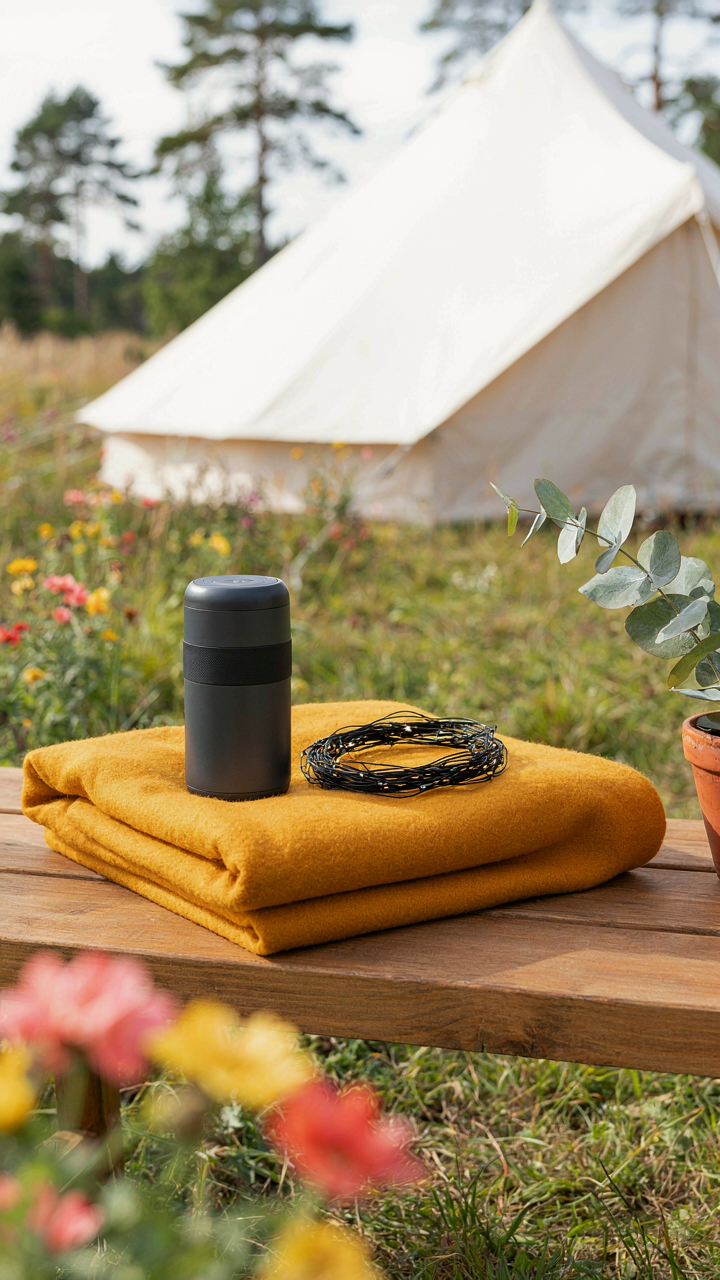
You want permission to feel special without admitting you need the setup to get there. That’s the real game. Ambience isn’t decoration—it’s environmental design, borrowed from retail psychology. Retailers control mood through sensory input to trigger spending and lingering. You’re doing the inverse: controlling your own neurological state through intentional inputs. A portable speaker doesn’t just play music. It anchors the space as yours, not a rental nobody built for you.
String lights and a cozy blanket aren’t luxury items. They’re the scaffolding that transforms a tent or cabin from functional shelter into a stage where you actually relax instead of anxiously checking your phone. Pack a waterproof portable speaker rated for at least 10 hours of battery. Bring a string of solar-powered lights to avoid power hunting. One quality blanket beats five mediocre ones. The mechanism: humans trust environments they’ve physically arranged.
Capture What You’ll Forget
Memory doesn’t work the way you think it does. You won’t remember the weekend unless you create friction in the moment—something that forces you to stop and observe instead of passively exist. A camera forces deliberate composition. A journal forces you to articulate what you actually felt instead of letting it blur into “it was nice.” A field guide forces engagement with the actual environment instead of scrolling through it.
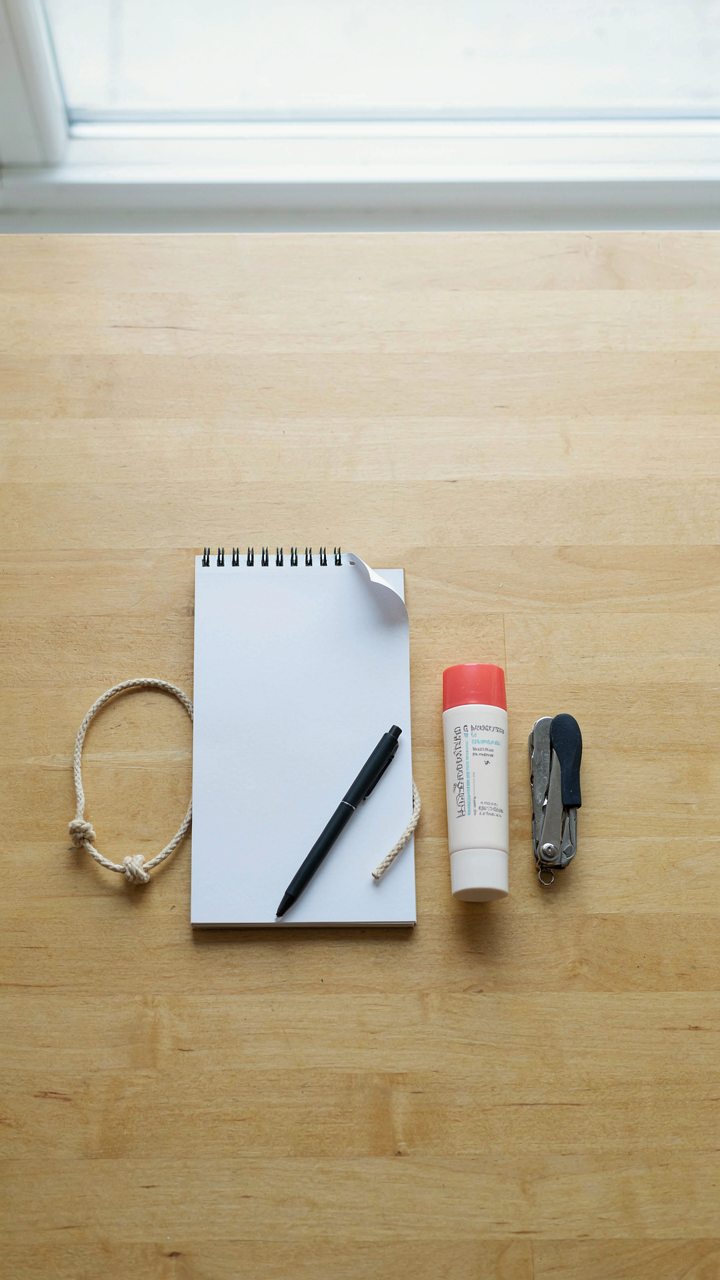
Bring a basic digital camera or use your phone intentionally, not reactively. A small notebook with a pen serves better than voice memos because writing activates different neural pathways than recording. If your glamping spot is near water, mountains, or forest, pack a regional field guide relevant to what’s actually there. These tools don’t create memories—they create the attention that memories require.
The Return To Simplicity: Glamping List Packing Checklist
Track What Actually Got Used
You want to feel like you nailed the packing game, but the real reason you care about this section is avoiding the sinking feeling of hauling unnecessary stuff. Here’s the mechanism: inventory works like feedback loops in systems design. You gather data, identify waste, then adjust. After your glamping trip, photograph every item you brought. Then mark what you actually used versus what stayed in your bag. Most people skip this step and repeat the same overpacking mistake every trip.
The items you didn’t touch reveal something true about your behavior. You packed them because of anxiety, not necessity. That unopened luxury toiletry kit, the backup outfit you never changed into, the entertainment you didn’t need. Document these failures without judgment. They’re not failures at all. They’re calibration data.
Compress The Iteration Cycle
The common advice here is vague: “learn from your mistakes.” That’s incomplete. The real answer is systematic reduction with a stopping rule. Take your unused items and score each one. Did you pack it out of fear or habit? Could a single item serve two functions? Apply this discipline: remove five percent of total weight for your next trip. Not randomly. From the unused category only.
This creates a compounding effect. After four glamping trips, you’ve cut twenty percent of dead weight without sacrificing comfort. The stopping rule matters. You stop cutting when every remaining item has a specific purpose you can name in one sentence. The final packing list becomes your baseline.
The True Obstacle To Glamping: Your Addiction To Just In Case
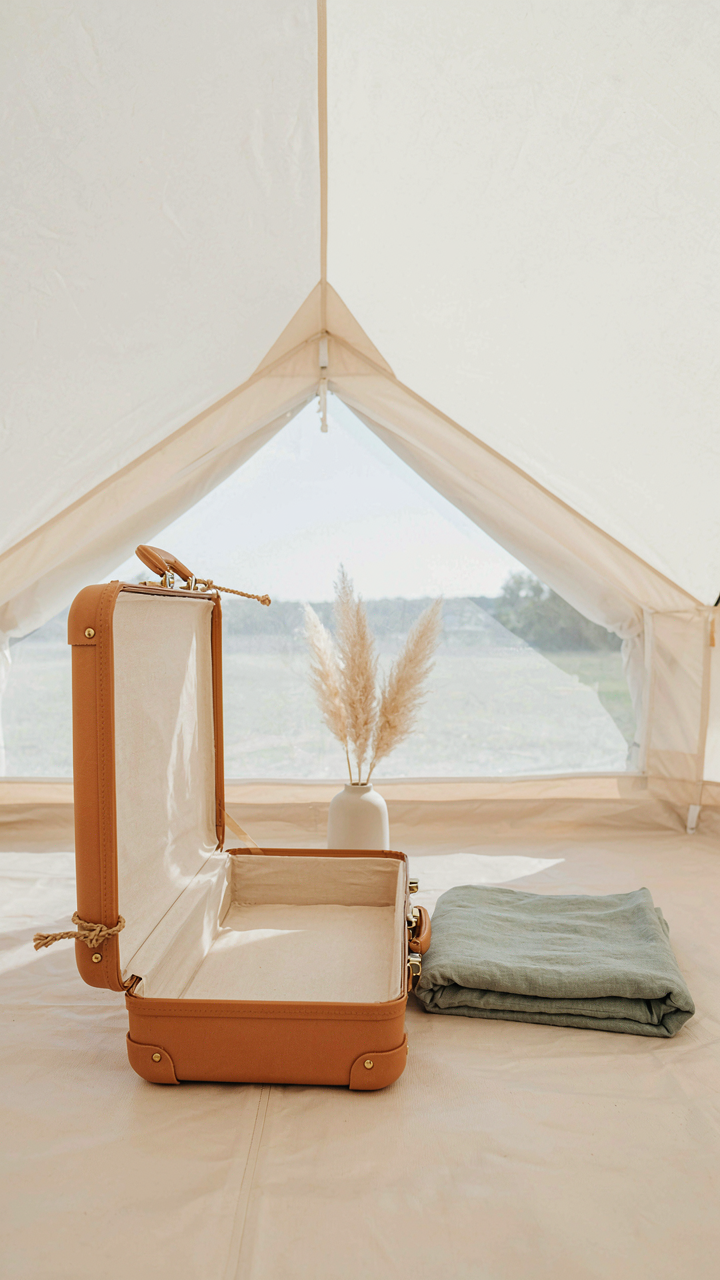
You don’t have a packing problem. You have a fear problem. Most people stuff their bags with items they’ll never touch because saying no to “what if” feels irresponsible. The real skill isn’t deciding what to bring. It’s deciding what you’re willing to lose. Open your suitcase right now and remove three items you’ve never actually used on a trip. Do it before you pack for glamping. This single choice rewires how you approach travel forever. Comfort isn’t abundance. It’s confidence in scarcity.