
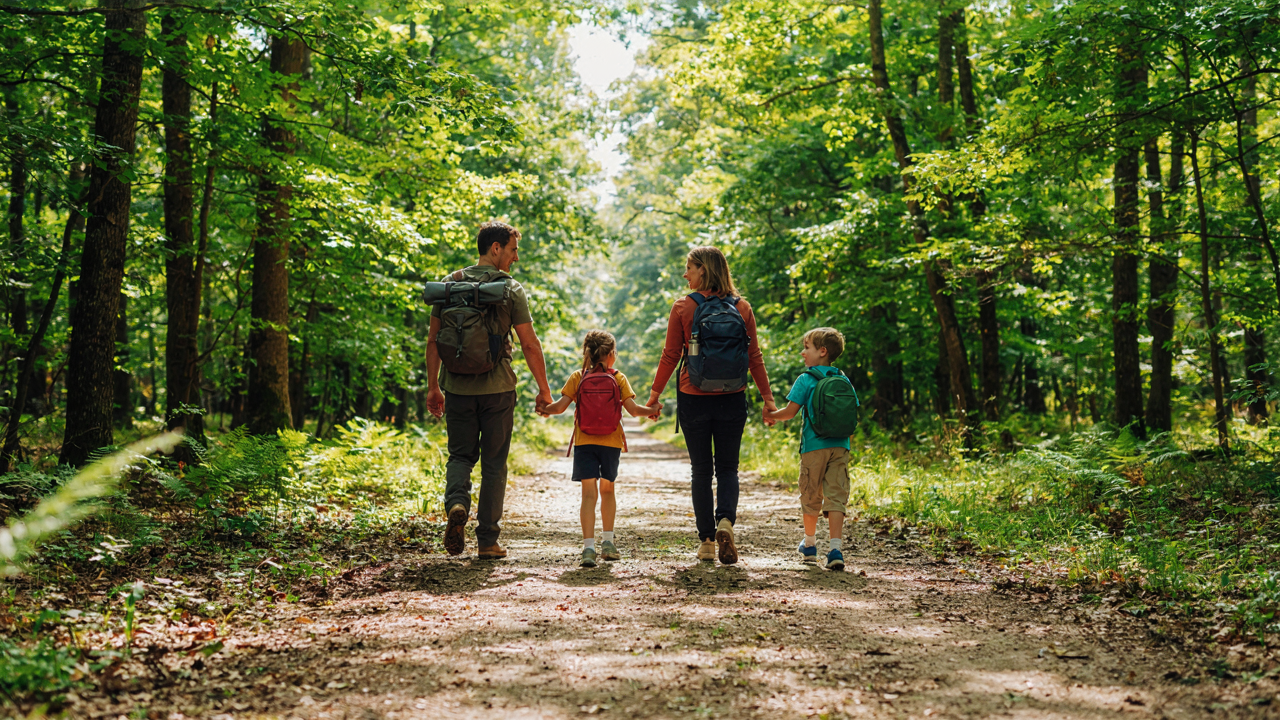
The Illusion Of More: Why Your First Family Camping Trip Checklist Is Bloated
Every Scenario Doesn’t Exist
You’re building a checklist to feel safe, not to survive. The mechanism is risk displacement: you think listing more items shrinks the chance something goes wrong. It doesn’t. Most camping checklists online are bloated because they’re written by people optimizing for liability, not your actual trip.
A three-day family camping trip in spring doesn’t require the same gear as a winter mountaineering expedition. Yet beginner checklists lump them together. The real cost isn’t the extra items you pack. It’s the mental overhead of deciding which ones matter, the vehicle space you waste, and the confusion that paralyzes you before departure.
Overpacking Kills The Point
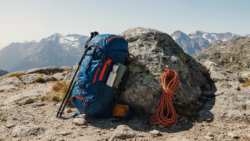
Think of packing like signal-to-noise ratio in engineering: more input doesn’t guarantee better output. It guarantees degradation. You arrive exhausted from hauling 40 pounds of “maybe I’ll need this” gear. Your kids notice. The trip becomes logistics, not experience.
Every item you don’t pack forces a decision: Can we work around this? Usually yes. That constraint breeds creativity and memory. Overpacking does the opposite. You stop adapting. You stop being present. The solution isn’t a longer checklist. It’s a protocol: pack for your actual destination, duration, and season. Then subtract one category entirely. Start there.

The Spartan Camping Protocol: Essentialism For Your Family Camping Trip

Survival, Comfort, And The Line Between Them
You want to feel like a competent parent on a camping trip without looking unprepared, and that anxiety drives most overpacking. The mechanism is simple: you confuse categories. Survival items keep people alive. Comfort items make survival tolerable. Luxury items make you forget you’re in a tent. The first category is non-negotiable. The second is negotiable based on trip length and age of kids. The third gets left behind.
Survival means shelter, water, food, and fire. A family of four needs a tent rated for your climate, a water source or treatment method, enough calories, and a way to cook or start fire. Everything else is comfort or luxury. Most beginners pack comfort items thinking they’re survival items. A camping pillow is not survival. A sleeping bag rated for actual temperatures is. The distinction determines what stays and what you remove before you leave the driveway.
Multi Use Items Beat Single Purpose Gear
Economics teaches opportunity cost: every dollar spent on one thing is a dollar not spent on another. Apply that to packing weight and vehicle space. A rope can secure a tarp, hang food, or fix a broken gear loop. A bandana works as a washcloth, sun protection, or emergency sling. A knife cuts food, processes firewood, and opens packages. One item, multiple uses, reduces total items without reducing capability.
The minimalist mindset isn’t about suffering. It’s about forcing yourself to choose items that earn their space through utility, not convenience. Before you pack anything, ask: what else does this do? If the answer is nothing, it either solves a problem nothing else solves or it doesn’t go. A single flashlight with extra batteries outperforms five flashlights. A cooking pot with a lid does more than a pot without one. Stack functions intentionally.
Shelter & Sleep: Beyond The Tent
Temperature Ratings Actually Matter More Than You Think
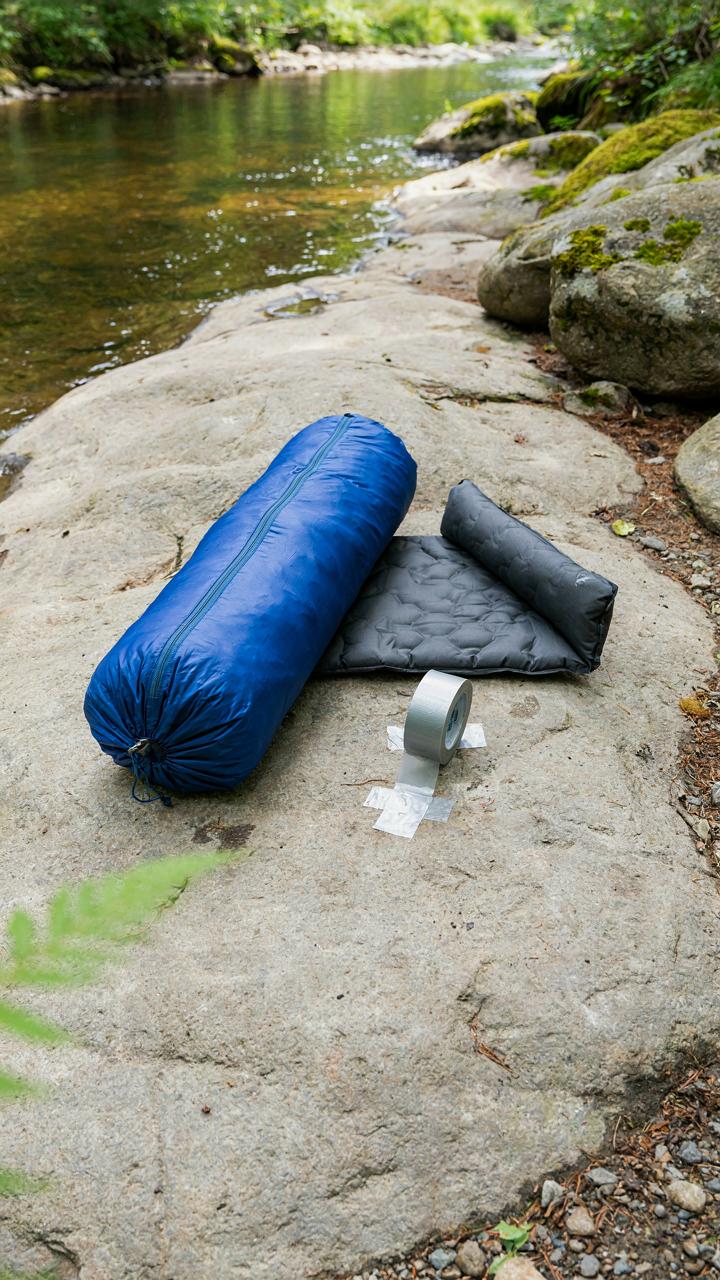
You want to believe one sleeping bag works for every season. It won’t. The real mechanism here is thermodynamics: your body loses heat through conduction (direct contact with cold surfaces), convection (air movement), and radiation. A sleeping bag’s temperature rating measures the lowest temperature at which a standard adult maintains core warmth without shivering. Ignore the rating and you’re gambling with your family’s sleep, which tanks the entire trip.
Manufacturers rate bags using standardized tests with controlled conditions. A 20-degree bag means 20 degrees Fahrenheit in still air with proper insulation underneath you. Most people sleep colder than the test dummy. Buy for 10-15 degrees lower than your expected low. Three-season bags (20-40 degree range) cover spring through early fall in most regions. Winter camping demands 0-degree or lower ratings. Check your destination’s typical September-to-May lows before purchasing anything.
Backup Shelter Options For When Tents Fail
Most people own one tent and pray it doesn’t break. That’s risk acceptance disguised as planning. A quality waterproof tarp and eight feet of paracord take up minimal pack space and create instant emergency shelter. Tarps deploy faster than tents, require no poles or stakes in their basic form, and work as ground cover, sun shade, or rain barrier depending on configuration. Hammocks with built-in bug nets eliminate tent setup entirely on established campgrounds where trees exist.
The lean-to works when you have fallen branches or driftwood. Three sturdy branches lashed into an A-frame, covered with tarp or heavy plastic sheeting, provides wind and rain protection in minutes. Bring a tarp rated for at least 1000 denier thickness and include a repair kit with patches and duct tape wrapped around a pencil to save weight. Know how to deploy at least two of these before your first trip. Test them in your backyard under rain simulation before you need them at mile three of a downpour.
The Sustenance System: What To Bring Camping (Food & Water)
Plan Meals Around Simplicity, Not Instagram
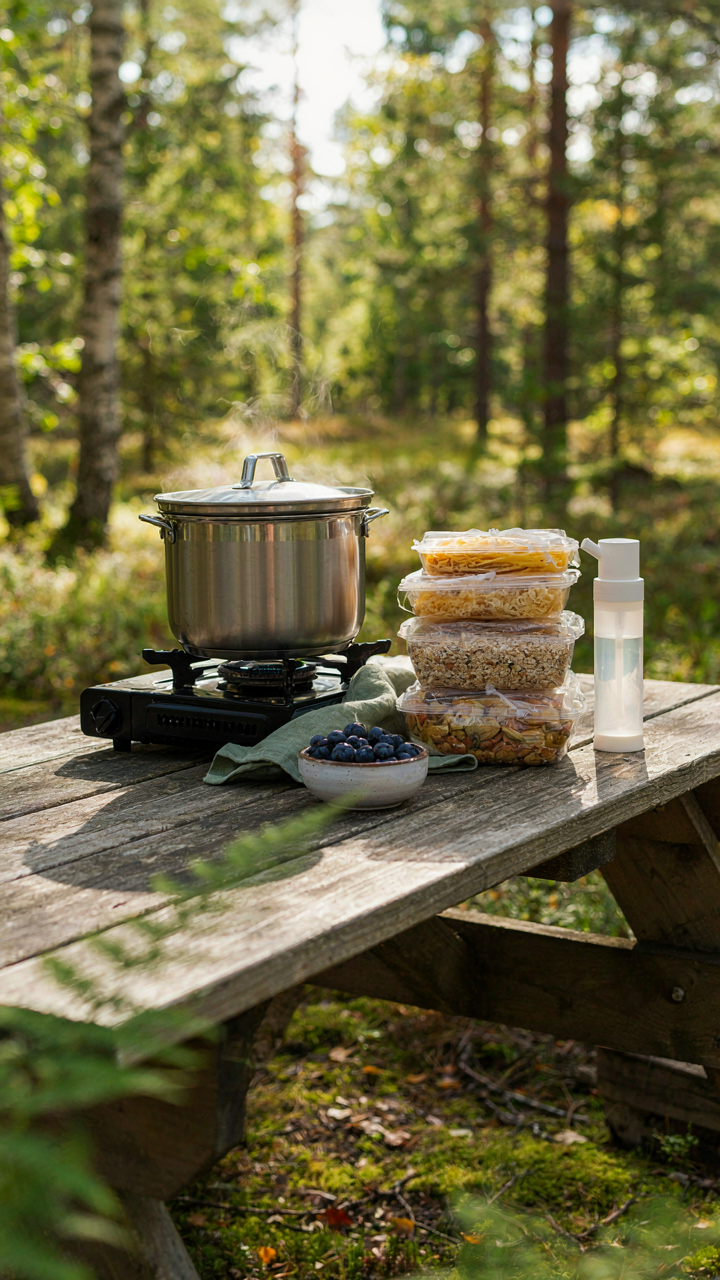
You want to feel like a competent parent feeding your family outdoors instead of scrambling at 6 PM with hungry kids and no plan. Here’s the mechanism: meal planning works like inventory management in logistics. You constrain inputs upfront so execution becomes automatic later. Dry goods—pasta, rice, oats, beans, flour—don’t spoil, require minimal prep, and scale to group size without mental math. Fresh food demands ice, rotation discipline, and decisions you won’t have energy for after hiking.
The common advice says “bring what you love.” That’s wrong. Bring what requires the fewest decisions and smallest cooking window. One-pot meals eliminate cleanup logistics that destroy morale faster than hunger does. Pre-portion snacks into bags before the trip. Granola, nuts, dried fruit, crackers travel better than open containers and prevent the 3 PM blood sugar crash that triggers family conflict. Your job isn’t culinary—it’s removing friction from fuel delivery.
Filter On Site, Haul Nothing Wet
Carrying water weight defeats the core efficiency of camping. A water filter or purification tablets turns any natural source into drinking water, which means you show up with empty containers and fill them there. Boiling works but consumes fuel and time. Portable filters—gravity filters or squeeze systems—cost thirty to sixty dollars and handle bacterial and parasitic contaminants that make kids sick for days after the trip ends.
The mechanism here is simple: reduce load weight by acquiring resources on location rather than transporting them. One two-liter bottle per person for immediate use, plus a collection vessel, plus a filter. That’s your system. Boil water if you lack a filter, but understand you’re trading fuel consumption and attention for the convenience of not thinking about filtration beforehand. Fill containers at camp morning and night. Check water sources before arrival so you know what’s available and what filtration method works.
Clothing & Comfort: The Layering Principle (What To Take For Camping)
Build Around Three Layers, Not Ten Outfits
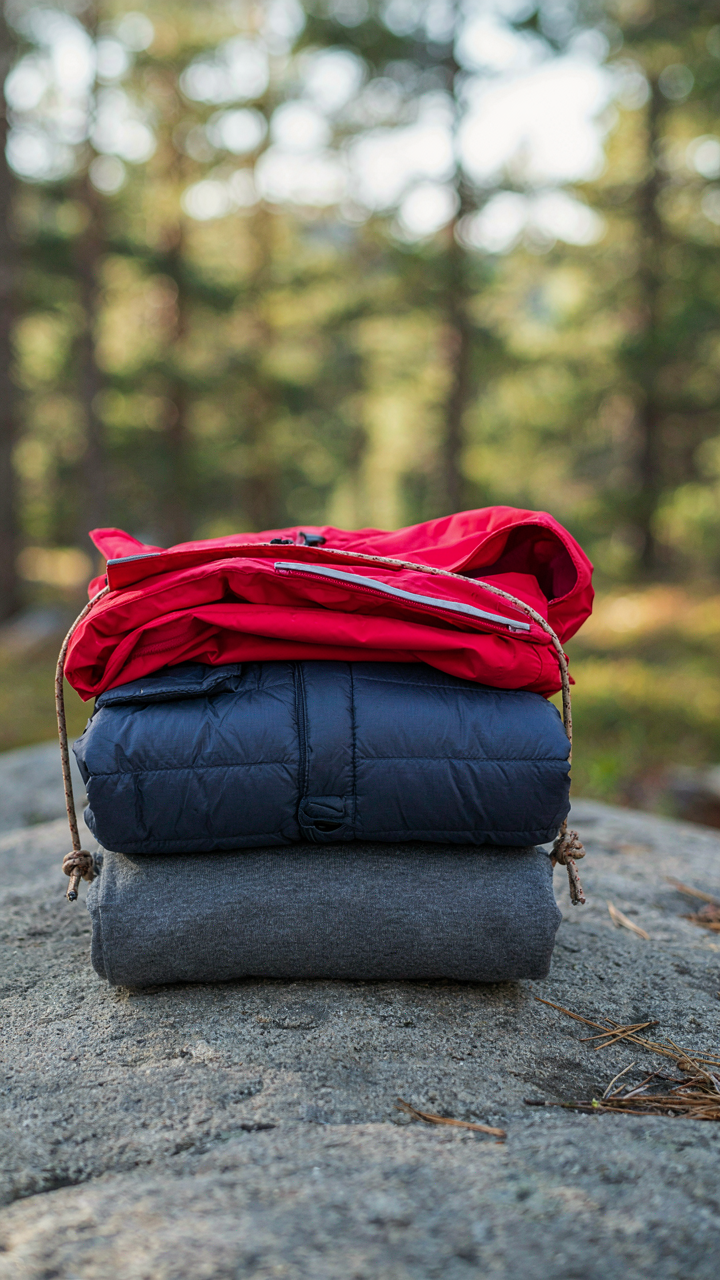
You want to feel prepared because unprepared feels like failure. But the mechanism is this: temperature swings at a campsite demand adaptation, not inventory. Borrow from thermodynamics—the base layer, insulation layer, and shell layer form a closed system. Each piece does one job. You swap them, not accumulate them. Most families pack one outfit per day. Smart families pack three pieces that recombine.
Start with a merino wool or synthetic base layer that wicks moisture away from skin. Add a fleece or down jacket for insulation when air temperature drops. Top with a rain shell that stops wind and water. This trio handles 90 percent of camping weather. Cotton absorbs sweat and traps it against your body. Leave it home. Swap pieces as conditions change, not as vanity demands a fresh look.
Wear It Dirty, Reset Your Baseline
Nobody at a campsite cares if your shirt has yesterday’s dirt on it. This mindset removes the pressure that creates overpacking. Wear the same base layer for two to three days. Wash it in camp or wear it under different shells. Kids especially benefit—one pair of hiking pants, worn repeatedly, simplifies morning chaos and teaches practicality.
The “dirty camping” protocol works because laundry doesn’t happen there. Pick one primary outfit per family member, then one backup. One pair of camp shoes. One set of sleepwear. One light jacket. One warm jacket. Socks and underwear get cycled. This is not deprivation. This is logistics. Accept the baseline and pack one-third of what you think you need.
The “Go Bag” Approach: Emergency Preparedness (Camping List Packing)
The Military Principle Of Minimal Load
You want to feel prepared without admitting you’re afraid of looking unprepared in front of your family. That’s the real tension here. Military strategy solves this through the concept of “load bearing capacity”—the weight a soldier carries directly determines survival time and decision quality. For camping, your go-bag load bearing capacity is your mental bandwidth. Overpacking it destroys the system.
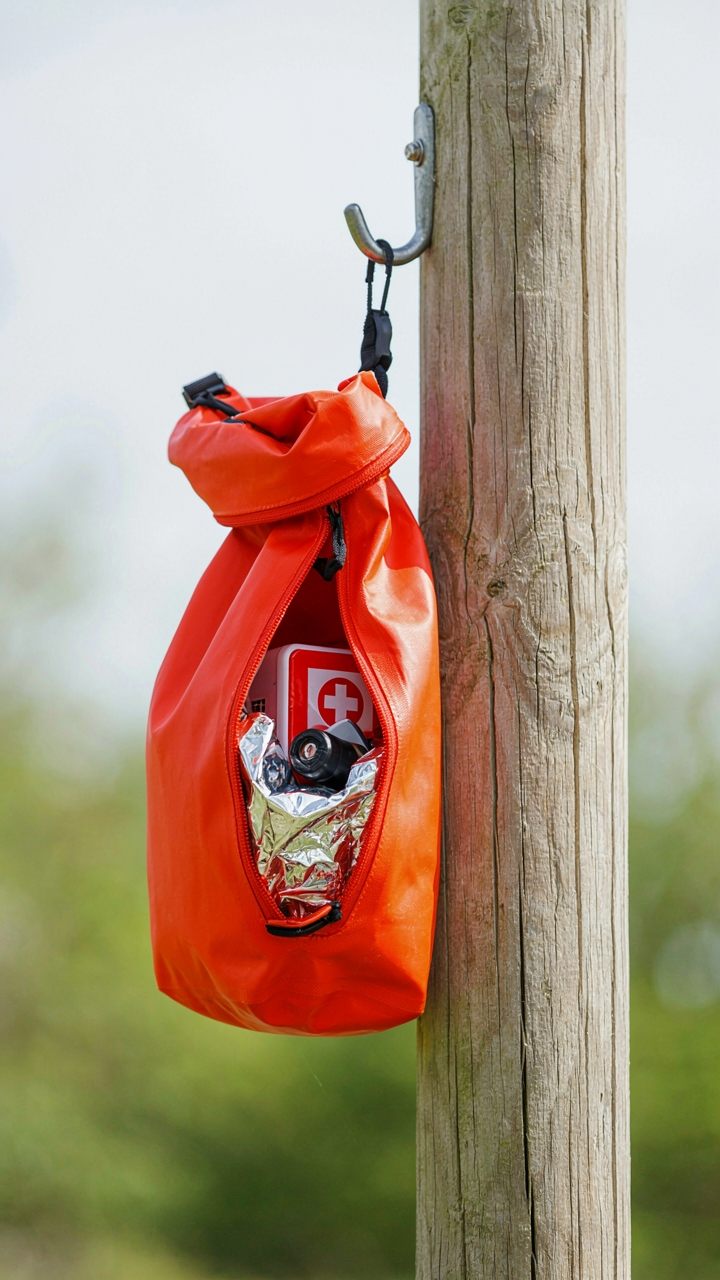
A functional go-bag contains only items that solve life-threatening problems in the first four hours. This is not about comfort or convenience. Water, shelter from elements, first aid for bleeding, fire starter, and one navigation tool. Everything else is noise. Your family’s survival doesn’t depend on that second flashlight or backup camp pillow. It depends on having the right tool and mental clarity to use it fast.
Survival Over Redundancy, Always
Most family camping advice tells you to pack backups of everything. That’s wrong. Redundancy kills efficiency because you end up managing 40 items instead of deciding which 8 matter. A true go-bag trades quantity for positioning. You pack one item that solves each critical failure point, then position it where you can deploy it in under 30 seconds.
This means a first aid kit with tourniquets and gauze, not three small kits scattered across bags. One waterproof fire starter, not matches and a lighter and flint. One headlamp that clips to you, not flashlights in two tents. When a kid gets cut or weather shifts fast, you move immediately because you know exactly where the tool lives and how it works. Slow hands kill trips.
Navigation & Light: Ditch The Gadgets, Trust Your Instincts
Map And Compass Mastery
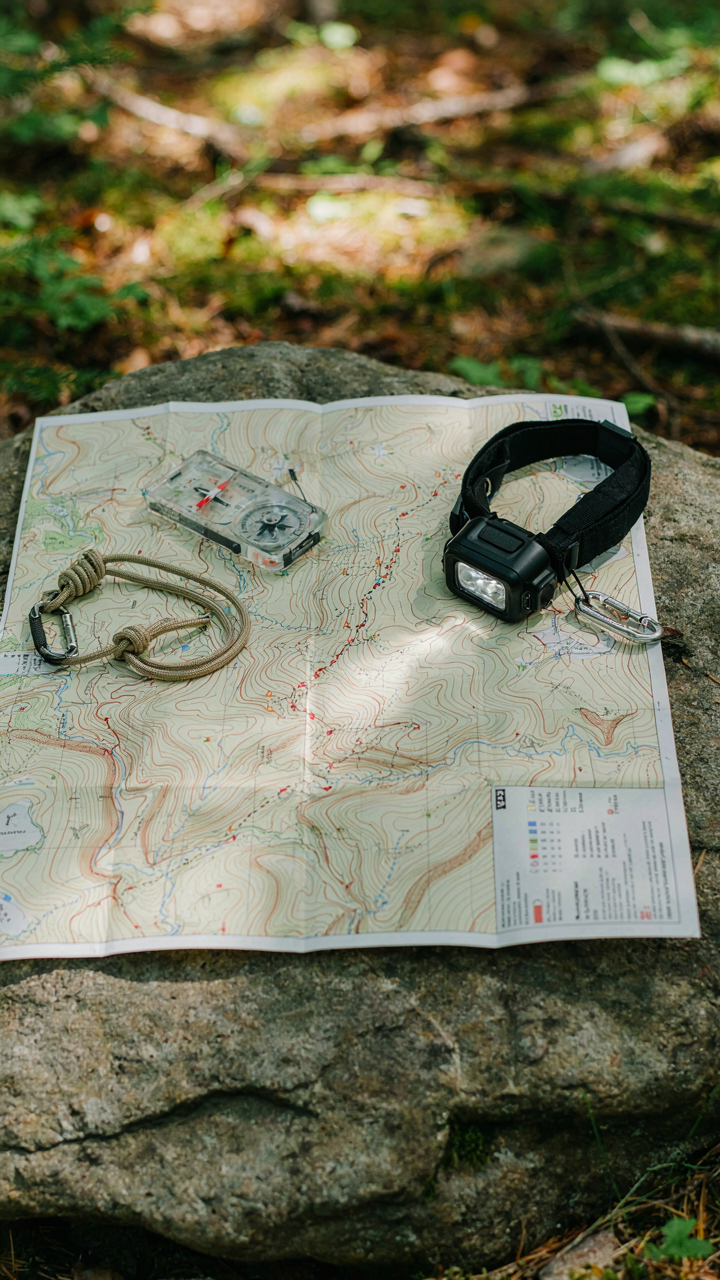
You want the safety net of technology so you don’t feel like an idiot if you get turned around. Here’s the mechanism: a map and compass don’t require batteries, cellular coverage, or software updates. They work when your phone dies at mile three. Navigation is a system problem, not a gear problem. Most families pack a GPS device or rely entirely on their phone, then panic when the signal drops. Both fail. A paper topographic map and a baseplate compass cost twelve dollars and last forever. Learn to orient the map to terrain and take a bearing. This takes one evening of practice, not a certification course. Your kids need to see you reading terrain, not staring at a screen. That’s the actual skill transfer happening on a camping trip.
The real cost of skipping map training is decision paralysis in the field. When you hit an unmarked junction at dusk, you freeze because you’ve outsourced all spatial reasoning to an app. A map doesn’t make decisions for you—it forces you to think. That’s the feature, not the bug. Before your trip, download the USGS topographic map for your area, print it, and laminate it. Spend thirty minutes at home with your compass learning declination and bearing-taking. On the trail, your kids watch you navigate without electricity. That’s packing for family camping trip done right.
Headlamps Versus Lanterns
Headlamps focus light where you direct it. Lanterns scatter light everywhere at the cost of carrying more weight and bulk. Choose based on task, not convenience. Most families pack both and end up using only the headlamp because the lantern sits in the tent collecting condensation. A single quality headlamp per person eliminates decision-making. Red-light mode preserves night vision and battery life during bathroom trips. One backup headlamp for the group covers equipment failure. That’s it. Skip the lantern unless you’re car camping with a table and a generator.
The protocol is simple: one headlamp per adult, one per child old enough to hike without carrying a parent. Each gets spare batteries in a ziplock bag. The backup headlamp stays in the first aid kit. Test all headlamps at home before packing them. At camp, establish a no-headlamp rule after sunset except for necessity, so everyone acclimates to darkness and saves battery hours. Hand out headlamps only when someone needs to move through the dark. This creates a rhythm. You pack what serves function, not what feels complete on a gear checklist.
The Hygiene Hack: Minimalist Cleaning And Waste Management

What Actually Gets You Clean
You want this section because you’re afraid your family will look like they’ve been living in dirt for three days. Here’s the mechanism: soap works through surfactants that break the surface tension between water and oil, lifting dirt off skin. Biodegradable soap does exactly this, then breaks down naturally in soil instead of persisting in groundwater. Pack one bar of biodegradable soap and one small bottle of hand sanitizer. That’s your entire cleaning arsenal. Soap handles washing hands, dishes, and bodies. Sanitizer handles the gaps.
Leave-no-trace hygiene means you’re not contaminating the campsite water source. Wash yourself, dishes, and gear at least 200 feet from any water body. Use a basin or bucket to contain the runoff. Rinse everything separately so soapy water never enters streams or lakes. This isn’t environmentalism theater. It’s practical: contaminated water breeds illness, and illness ends the trip. A small collapsible bucket weighs almost nothing and solves the whole problem.
Pack It In, Pack It Out, Everything
Waste management isn’t discretionary. Pack a dedicated trash bag, a recycling bag if your campground accepts it, and a compost bag for food scraps if applicable. Every wrapper, bottle, and can comes home with you. Your kids will produce more trash than you expect. Plan for double what you think you’ll need. One family learned this the hard way by leaving trash behind and returning to find raccoons had destroyed their tent in retaliation.
Feminine hygiene products, diapers, and any soiled items go in sealed bags inside your main trash bag. Do not burn them, bury them, or leave them. Animals dig them up and scatter them. Follow your campground’s specific protocols before arrival. Most have dumpsters that handle different waste streams. If your campground has none, you transport everything home. This is non-negotiable. Leaving waste behind is theft from the next family who uses that site.
Entertainment & Engagement: Unplugging For Real Connection

Analog Games Beat Screens Every Time
You want to feel like a good parent on this trip, so you’re hoping screens don’t matter. That’s the denial talking. Here’s the mechanism: boredom forces kids to talk to each other and notice their surroundings. Screens hijack the boredom response before it can happen. The solution isn’t about virtue. It’s about engineering the conditions where connection happens by default, not by willpower.
- Playing cards: Deck of standard cards weighs almost nothing. Teaches strategy, probability, and turn-taking without batteries or charging cables.
- Board games (travel versions): Compact games like magnetic chess or travel Uno fit in backpacks. Creates structured interaction time without passive consumption.
- Mad Libs or word games: Pens and pads spark creativity and laughter. Requires active participation from everyone at the table.
- Books (age-appropriate): Comics, adventure novels, or picture books for younger kids. Physical pages don’t compete with flickering screens for attention span.
- Notebooks and drawing supplies: Blank space lets kids create without instruction. Sketching, journaling, or building stories occupies hands and minds for hours.
These items take up minimal space and work without infrastructure. Pack them first, not as backup when screens die. The trip succeeds when boredom becomes the default state, not the emergency.
Night Sky And Wildlife Observation
The real value of camping isn’t escape from daily life. It’s exposure to systems that operate on their own schedule, indifferent to your plans. Stars move regardless of whether you’re watching. Animals appear when conditions align, not when you demand entertainment. Kids who sit with this observation shift from consumers to witnesses.
Bring a basic stargazing guide specific to your region and season. Download a free star app before losing cell service so constellation names load offline. Binoculars reveal detail without specialized equipment. A simple insect or bird identification book turns random sightings into named things, which makes them stick in memory. The mechanism is recognition: when kids name something they see, they remember it. When they forget the name, they look it up themselves next trip.
Pre Trip Protocol: The Art Of The Dry Run
Stress Test Your Gear Before Departure
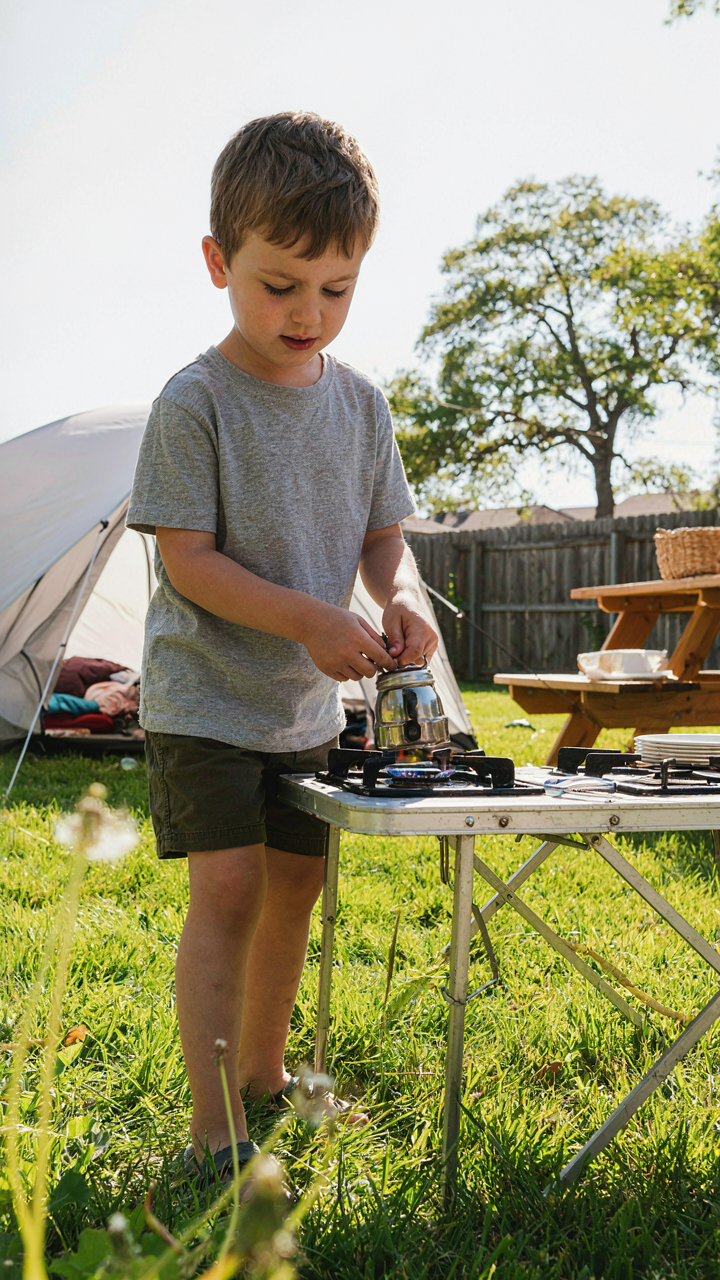
You want to avoid looking incompetent in front of your family. The real mechanism is simpler: equipment fails predictably under use, and you need to find those failures at home, not in the field. Set up your tent in the backyard. Inflate your sleeping pads overnight. Test your camp stove with fuel. Run your lantern until the battery depletes. This isn’t practice. It’s failure detection.
Most tent failures happen at the seams or poles. Most sleeping pads leak slowly over hours. Most camp stoves have clogs or fuel valve issues. You’ll discover all three in your driveway, not after dark when your kids are cold. Grab your repair kit and fix what breaks now. You’ll know exactly what you’re bringing and what actually works.
Map Your Pack Before You Load It
Packing efficiency borrows from logistics strategy: inventory management. You control “lead time” by knowing where everything sits inside your vehicle. Don’t just throw bags in. Lay everything on your garage floor first. Arrange it by frequency of access and weight distribution. Heavy items low and centered. Frequently needed items on top or at easy reach.
The dry run reveals what doesn’t fit, what you forgot, and what weighs more than expected. Load your vehicle the way you’ll actually pack it for the trip. Drive around the block to feel weight distribution. Unload and reorganize if you notice instability. This single repetition eliminates chaos on departure day and prevents you from leaving critical items behind because you ran out of space.
The Real Obstacle Isn’t What You Pack, But Your Addiction To Perceived Control
Most beginners obsess over packing lists because they mistake preparation for control. You can’t control the weather, your kids’ moods, or whether you forgot the tent stakes. You can only control showing up underprepared and learning fast. Stop building the perfect list. Pack half of what you think you need, take the trip this weekend, and watch what actually matters. The best camping trips don’t happen in spreadsheets.