

The Minimalist Coastal Kit: Core Essentials
What Actually Stays In Your Pack
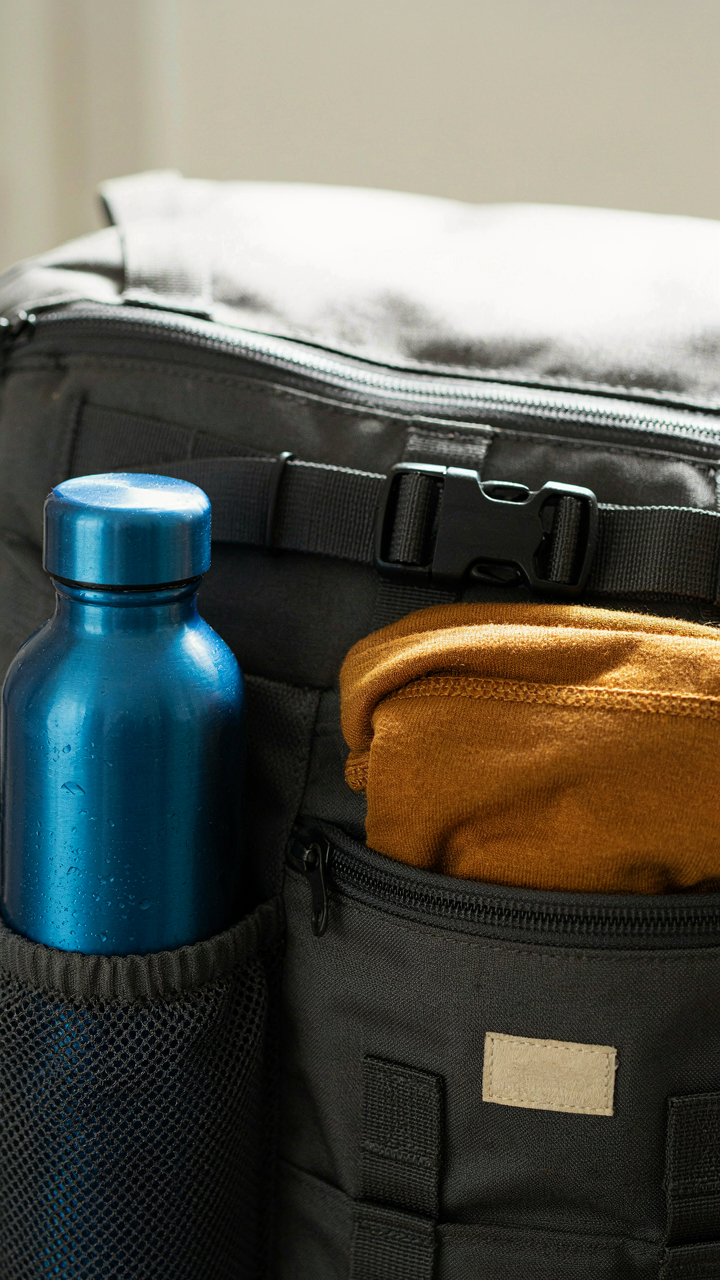
You want to feel prepared without hauling dead weight. That’s not laziness, it’s the real constraint: every ounce you don’t carry is mental energy you keep. The mechanism is simple. Coastal hikes demand specific protection—sun, salt spray, wind—so you strip everything that doesn’t address those threats. Redundancy feels safe. It isn’t. It’s just extra pounds masquerading as security.
Start with non-negotiables: water container, sun protection, a layer for wind, basic first aid, and navigation. Everything else gets tested against one question: does this solve a problem the coast creates? A heavy rain jacket fails that test most days. A lightweight windbreaker passes. A full toiletry kit fails. A single zinc stick and lip balm passes. This isn’t minimalism as aesthetic choice. It’s math.
Gear That Earns Its Weight
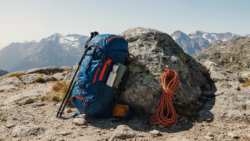
Military logistics borrowed the concept of load bearing efficiency decades ago. Apply that same thinking to your pack: each item must perform multiple functions or you leave it behind. This is how you cut bulk without cutting capability. One piece of gear replacing three isn’t compromise, it’s design.
A merino wool long sleeve shirt handles sun protection, wind blocking, and temperature regulation in one layer. A buff or lightweight scarf works as sun shield, sweat management, and emergency bandage. Your backpack’s hip belt stabilizes weight and secures a water bottle. Your phone becomes navigation, emergency contact, and weather tracker. Stop carrying separate items for separate problems. Coastal conditions repeat. Your gear should too.

Weather Whiplash: Adapting To Coastal Microclimates
The Layering Trap That Costs You
You want to look prepared. That’s the real fear here. So you pack seven shirts thinking coverage equals competence. It doesn’t. Coastal zones create rapid temperature swings because water absorbs and releases heat slower than land, forcing air masses to collide unpredictably. This is thermodynamics at work. Your job is to pack for transitions, not conditions.
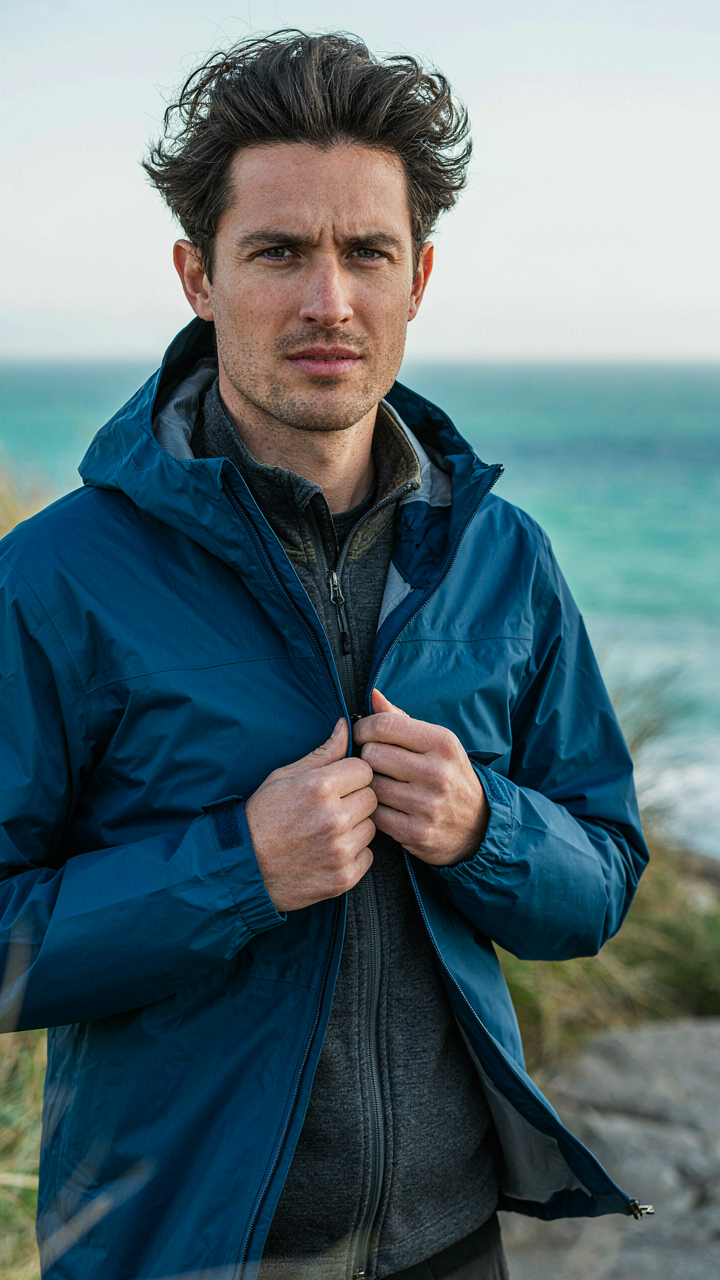
The standard advice says “dress in layers.” That’s incomplete. You need layers that serve different functions at different densities. Start with a moisture-wicking base that pulls sweat away from skin. Add an insulating mid-layer in merino wool or synthetic fleece that traps air without absorbing water. Top it with a shell that blocks wind and light spray. Don’t pack redundancy. Each layer does one job in one condition. You rotate them on demand, not rotation for rotation’s sake.
Water Resistant Isn’t Waterproof, And That Matters
Most people use these terms interchangeably and pack the wrong jacket. Water-resistant fabrics slow water penetration but fail under sustained contact or pressure. Waterproof fabrics use sealed seams and membranes to block water entirely. On a coastal hike, you face mist, spray, and sudden rain. Mist doesn’t breach water-resistant. Rain does. Spray pressure does.
The technical difference comes down to fabric weight and sealing. Water-resistant jackets use tighter weaves but no sealed seams. Waterproof jackets add Gore-Tex or equivalent membranes plus taped seams at every stress point. For coastal hiking, you need waterproof on the outer shell. Skip water-resistant for your main protection layer. That’s the only call that matters. Wear it over your base and mid-layers, and you stay functional for eight hours in bad conditions instead of two.
The 3 Layer Defense: Unpacking Hiking Gear For Comfort

Where Moisture Goes To Die
You want to look competent on the trail without overheating or freezing. That’s the real reason this matters. The base layer does one job: move sweat away from your skin before it cools you down. Cotton fails here because it absorbs moisture and holds it against your body. Synthetic fabrics and merino wool wick sweat outward, keeping you dry and regulating temperature through the evaporation cycle your body actually needs.
Coastal hikes demand this more than inland trails because salt air and wind accelerate heat loss. A wet base layer becomes a liability in minutes. Choose synthetic polyester blends or merino wool depending on your budget and odor tolerance. Wear nothing else directly against your skin. This single decision prevents the cascade of problems that ruins trips: chafing, hypothermia risk, and the constant discomfort that makes you quit early.
Layering Is Applied Physics
Midlayers and outer shells work together as a system, not as separate choices. Physics calls this the insulation-plus-barrier model. Your midlayer traps dead air for warmth. Your outer shell blocks wind and rain while letting vapor escape. Most people buy these independently and wonder why they still feel cold or clammy.
Fleece or wool midlayers provide insulation even when damp, unlike down. The outer shell must be breathable, not just waterproof. A nonbreathable raincoat turns your midlayer into a sweat trap. For coastal hikes, pack a lightweight hardshell that sheds rain and wind without trapping humidity. The synergy works only when both layers respect their function. Test your system in conditions before the trip, not during it.
Footwear Fallacies: What Your Soles Really Need
Heavy Boots Kill Coastal Efficiency
You want boots because they feel protective. That’s the real reason. But coastal hiking demands something different: boots trap moisture, slow you down on uneven rock, and create foot fatigue that compounds over miles. Heavy footwear is a tax you pay for security theater. Coastal terrain punishes weight more than it punishes exposure because you’re constantly adjusting your foot placement on wet stone and sand.
The mechanism is simple biomechanics. Every ounce at your feet multiplies energy expenditure across a day of hiking. Coastal paths force rapid micro-adjustments on technical ground. A lighter shoe lets your ankle and calf respond naturally to slope changes. Boot advocates built their recommendation for alpine trails where ankle support prevents catastrophic falls. Coastal rock demands agility instead.
Grip And Flex For Living Rock
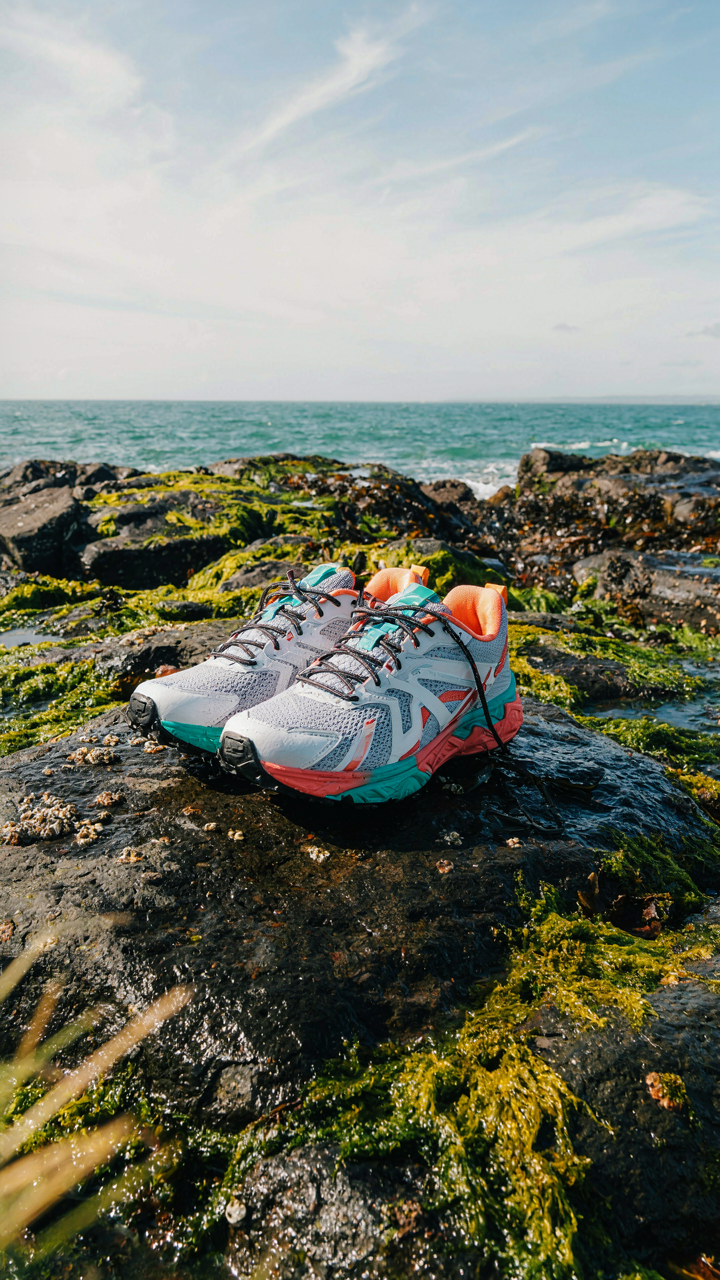
Traction on coastal terrain beats protection every time. You need rubber soles with aggressive tread patterns that bite into wet stone and algae-covered surfaces. Most hikers choose wrong here: they prioritize ankle support over sole design, backwards logic on terrain that requires foot mobility and grip above all else.
The ground changes constantly as you move along the coast. Wet rock, loose gravel, sand, tide pools, and dry sections demand a shoe that flexes with your foot while maintaining edge grip. A trail runner or approach shoe with sticky rubber compounds outperforms a rigid boot on this mixed surface. Your sole becomes the contact point that determines whether you slip. Test your shoe on wet tile before committing to a coastal route.
The “Cargo Cult” Trap: Avoiding Over Specialization

Nature Doesn’t Specialize For Show
You’re buying gear to feel prepared, not to actually survive the coast. That’s the real driver here, and it kills your packing efficiency. Biology teaches us that organisms optimize through constraint, not accumulation. A coastal hiker should apply the same principle: every item must solve a specific problem the environment creates, or it’s dead weight.
Nature discards redundancy ruthlessly. A seal doesn’t carry backup flippers. A gull doesn’t pack alternate wing designs. Coastal environments demand adaptation, but adaptation means selecting the right tool once, not collecting multiple versions of the same tool to hedge your bets. Your pack should reflect this economy.
Selection By Elimination, Not Addition
The common advice says “pack layers and you’re covered.” It’s incomplete. You need to identify which weather states actually occur on your specific coast during your trip window, then pack for those only. This requires research, not generic gear lists.
Evolutionary pressure removes what doesn’t serve. Apply this: before adding any item, name the specific failure it prevents. If you can’t name it, remove it. Test your core system on a local coastal day hike first. This exposes gaps without the cost of a full trip. The items that prove essential stay. Everything else gets cut before you ever step onto the trail.
Beyond The Pack: Hiking Essentials For Women
Body Mechanics And Fit Systems
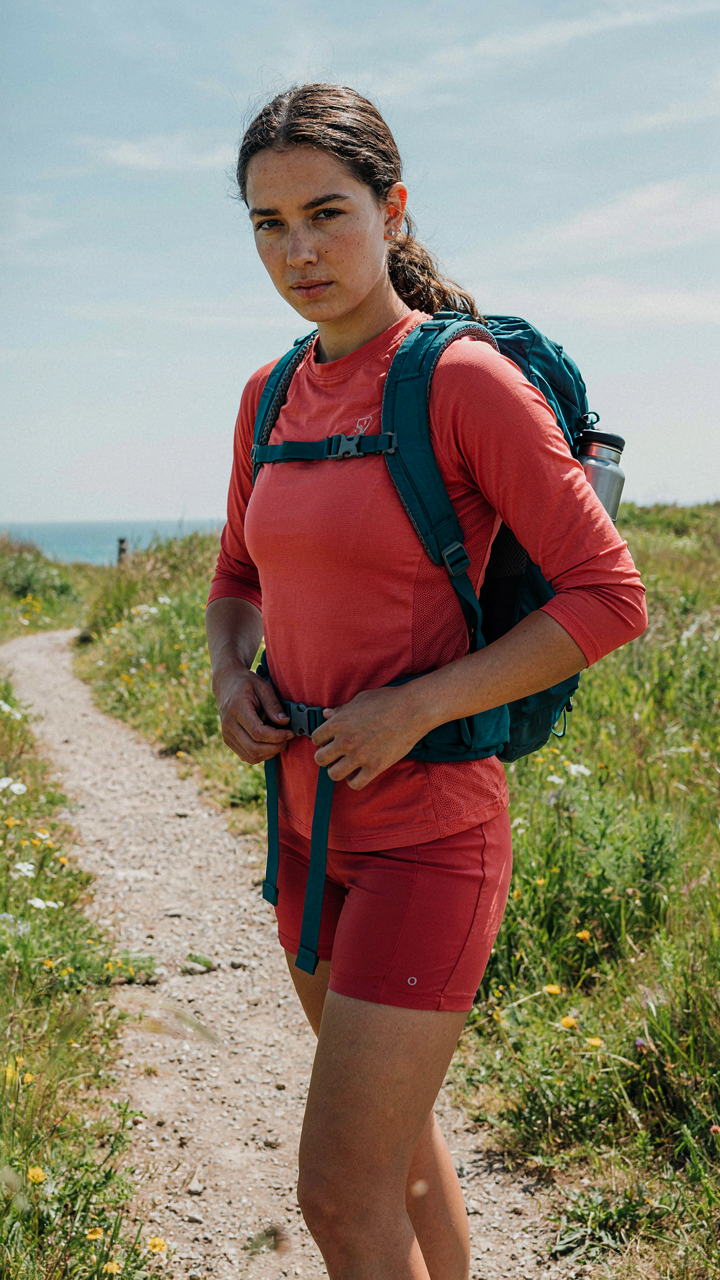
You’re reading this because you don’t want to look unprepared or worse, get hurt on the trail. The mechanism is simple: a pack designed for male torso proportions transfers weight to the wrong skeletal points on a female frame. Women carry load-bearing mass differently than men do, which matters when you’re hiking eight hours on uneven coastal terrain.
Most packs marketed to women aren’t actually engineered differently. They’re just smaller versions with pink accents. Real female-specific packs have shorter torso lengths, narrower shoulder straps positioned closer together, and hip belts that sit higher and curve around the ribcage instead of the hip bone. This changes where the pack transfers its weight. Buy accordingly or adjust a unisex pack by tightening straps and layering foam at contact points.
Menstrual Cycle And Recovery Packing
Menstrual cycle phases alter your body’s caloric needs and fluid retention, which directly affects how much water and food you should carry. During the luteal phase, your metabolic rate increases roughly ten to fifteen percent. This isn’t motivation talk. This is biology that changes your pack weight calculation.
Pack extra electrolytes, not just water. Include period products you actually use, not what marketing suggests. Bring double the amount you think you need because removal of used products becomes a pack management issue on a multi day trip. A small zippered pouch prevents odor problems and keeps your main pack clean. Know your cycle timing before booking your trip so you can plan accordingly.
The Slow Travel Advantage: Less Baggage, More Experience

Carrying Less Forces Better Decisions
You want to feel like you’re the type of person who travels light, and you’re hoping some gear hack will let you keep everything anyway. That won’t work. The mechanism is constraint-driven design, borrowed from industrial engineering: removing options forces prioritization. Every item you pack competes for weight and space. This scarcity eliminates decision paralysis on the trail. You stop asking what you might need and start asking what you actually use.
Coastal hiking exposes this fast. Salt spray corrodes gear. Sand infiltrates pockets. Wet conditions demand functional items only. Most hikers pack backup layers they never touch. The real move is packing one versatile piece instead of three specialized ones. A single merino wool long sleeve works as sun protection, wind layer, and insulation. You carry half the weight and gain full coverage. Constraint solved the problem better than options ever could.
Attention Replaces Acquisition
Every moment spent looking at your packed gear is a moment not spent on the actual landscape. The goal is earning access to the experience, not documenting proof that you went. Coastal hikes reward observation: tidal patterns, rock formations, water color changes, wildlife behavior. None of that registers if you’re mentally inventorying your pack. Fewer items mean less maintenance attention on the trail. You stop fidgeting with gear and start noticing what’s actually in front of you.
The real friction isn’t carrying weight. It’s the cognitive load of managing too many possessions. A five-item essentials system lets your mind settle into the terrain instead of cycling through contingency plans. Start with navigation, water, sun protection, first aid, and a single warm layer. Everything else is negotiable. Test this on a short coastal section first. You’ll find that constraints unlock the trip you actually came for instead of the one you prepared for.
Oregon Packing List & Other Coastal Hotspots

Gear That Shifts With Your Region
You want to feel prepared without overpacking, which is really just fear dressed up as prudence. The mechanism is simple: coastal regions share salt spray and wind, but temperature range and precipitation type change everything about what actually protects you. Oregon’s coast demands different layering than California’s. The Atlantic seaboard isn’t the Pacific. Match your gear to the specific thermodynamic and weather patterns of your target coast, not to a generic “coastal hiking” template.
- Moisture-wicking base layers: Oregon’s fog and drizzle require merino wool or synthetic fabrics that shed water without holding it. Cotton fails here and wastes pack space.
- Windproof outer shell: Oregon coast wind hits harder than inland terrain. A lightweight hardshell or soft shell rated for salt spray beats a heavy rain jacket.
- Neoprene or wool gloves: Coastal fog cools faster than mountain air. Thin gloves work better than bulky insulation because they dry quicker and won’t overheat during exertion.
- Saltwater-resistant sunscreen: SPF 50+ in a stick format resists salt spray better than lotions. Reapply after beach crossings where salt deposits accelerate UV reflection.
- Gaiters with sealed zippers: Sand and salt-laden grit work into boot seams. Sealed gaiters block debris and extend boot life by preventing salt corrosion of stitching.
Don’t assume every coastal trail needs the same protection. A Washington trail near temperate rainforest requires different base layers than a Southern California scrub hike where sun exposure becomes the limiting factor. Test your regional setup on a short day hike first. Adjustments made after ten miles of discomfort don’t help the hike you’re already on.
What The Camino Taught About Ultralight Coastal Packing
Most coastal hikers misunderstand the Camino de Santiago lesson: it’s not about suffering less, it’s about discovering which discomforts actually matter. The Camino forces weight discipline because you walk the same route every day for weeks. Coastal hiking doesn’t require that extremity, but the principle translates. You learn fast which items genuinely solve problems and which ones just ease anxiety.
The Camino taught pilgrims that redundancy kills. You don’t need backup socks if you dry them at night. You don’t need three tops if one dries fast enough to rewear. On a coastal trail, apply this ruthlessly: salt spray corrodes gear, so prioritize items that handle moisture without degrading. Choose one reliable base layer that dries quickly over two mediocre ones that linger damp. Bring one pair of hiking pants that work wet rather than two pairs hoping one stays dry. The mechanism is elimination through repetition, not accumulation through fear.
Post Hike Recovery: Don’t Pack The Pain
Gear That Actually Prevents Damage
You’re packing recovery items because you’re afraid the hike will destroy you and you won’t bounce back. Here’s the mechanism: damage happens during the hike, not after. Recovery gear doesn’t reverse injury—it stops inflammation from locking in place. The difference is physics. In material science, tempering prevents brittleness after stress. Your muscles need the same principle: controlled cooling and compression immediately post-hike, before inflammation hardens into stiffness.
Pack a compression sleeve or wrap for your legs. Not for show. Bring it because swelling in the first two hours after exertion becomes chronic tightness by morning. A microfiber towel dries faster than cotton and won’t hold salt water against your skin. Include a basic foam roller or massage ball if you have pack space. Use it within the first hour after finishing, not days later when damage is locked in.
Salt Water Exposure Isn’t Romantic
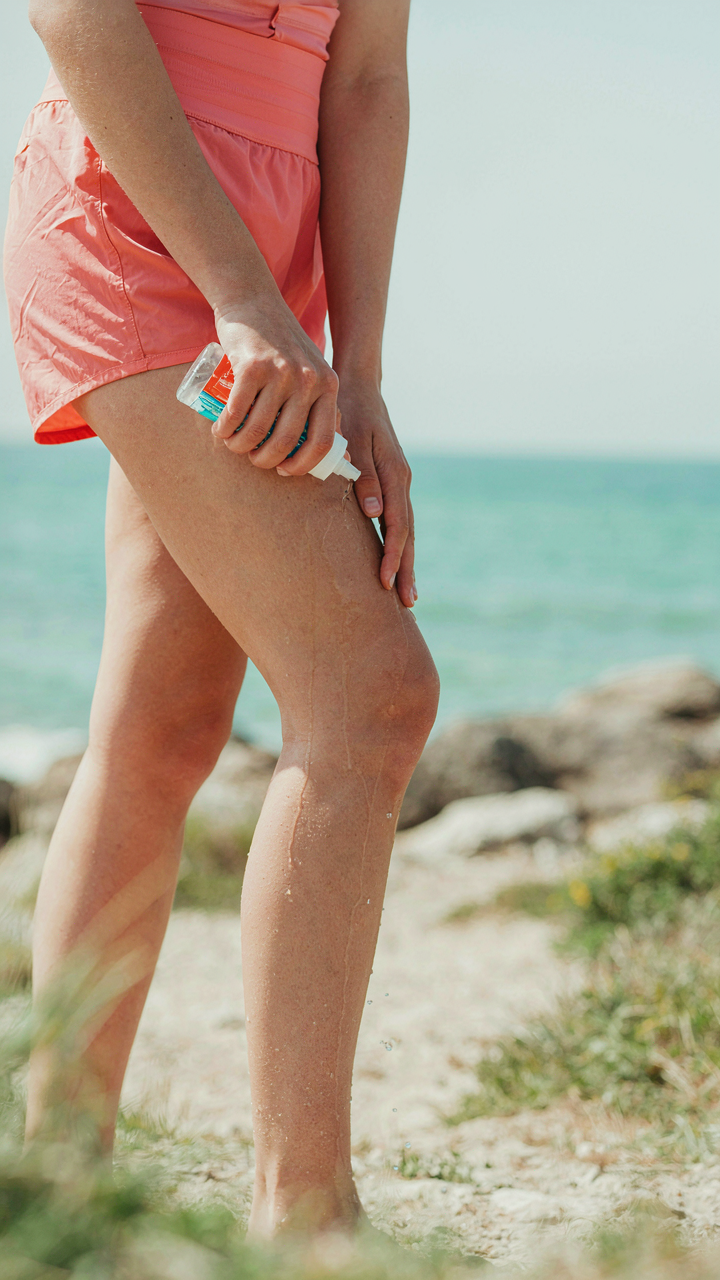
Most advice skips this because it sounds minor: salt corrodes skin, degrades joints, and breeds infection in minor cuts you didn’t notice you had. The common wisdom says rinse at the end of the day. That’s incomplete. Rinse immediately after water exposure ends, not when you reach camp or your car. Salt crystalizes and bonds to skin in under thirty minutes, and you can’t wash it out once it sets.
Pack a squeeze bottle of fresh water, not a hydration bladder. Pour it over any exposed skin that contacted salt water while still on the trail. Carry a small antimicrobial powder or body powder for areas prone to chafing. Apply it after rinsing and before putting on dry clothes. The goal is preventing salt-induced dermatitis and infection, not treating it later at home.
The Real Obstacle Isn’t The Trail, It’s The Narrative You Tell Yourself About Needing Everything
You pack too much because you’re afraid. Afraid of being unprepared, uncomfortable, looking foolish. But the weight you carry isn’t gear—it’s anxiety dressed up as caution. Strip your pack down to essentials today. Leave one “just in case” item behind. You’ll realize nothing catastrophic happens. The coastal trail doesn’t care about your contingency plans, and neither should you. Travel light, or travel burdened—everything else is just noise between those two choices.