
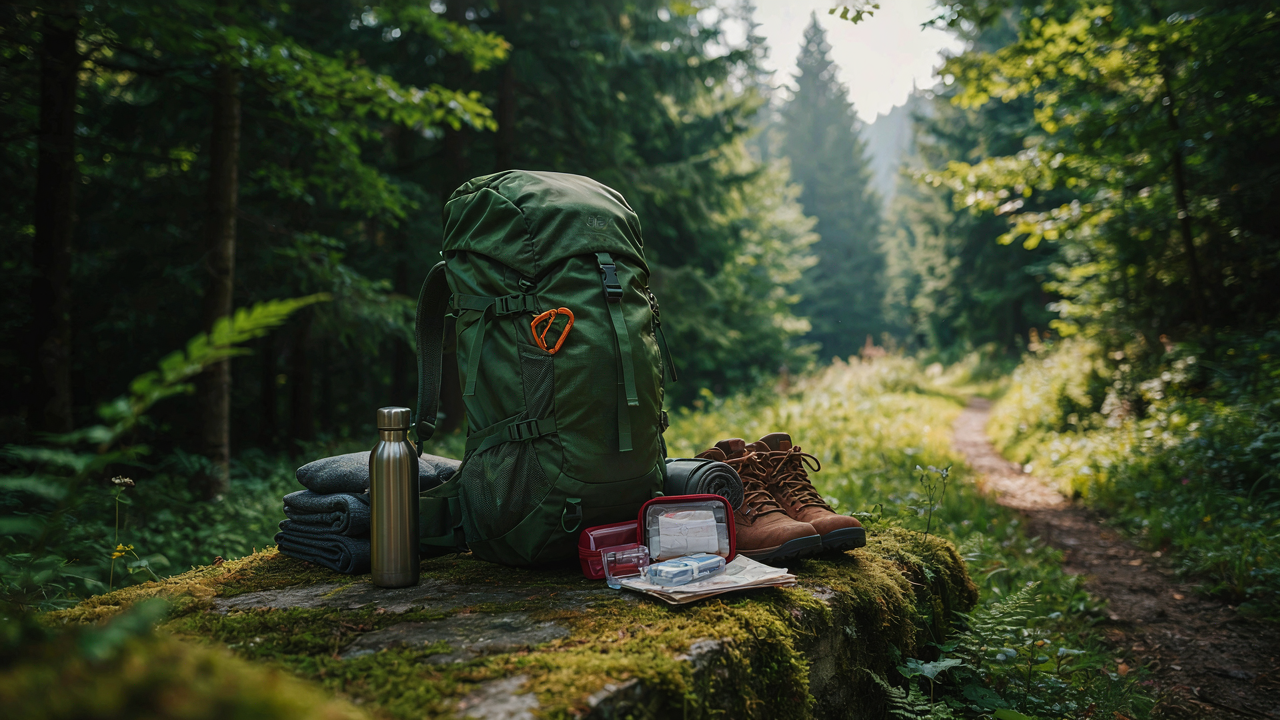
The Illusion Of Comprehensive Hiking First Aid Kits
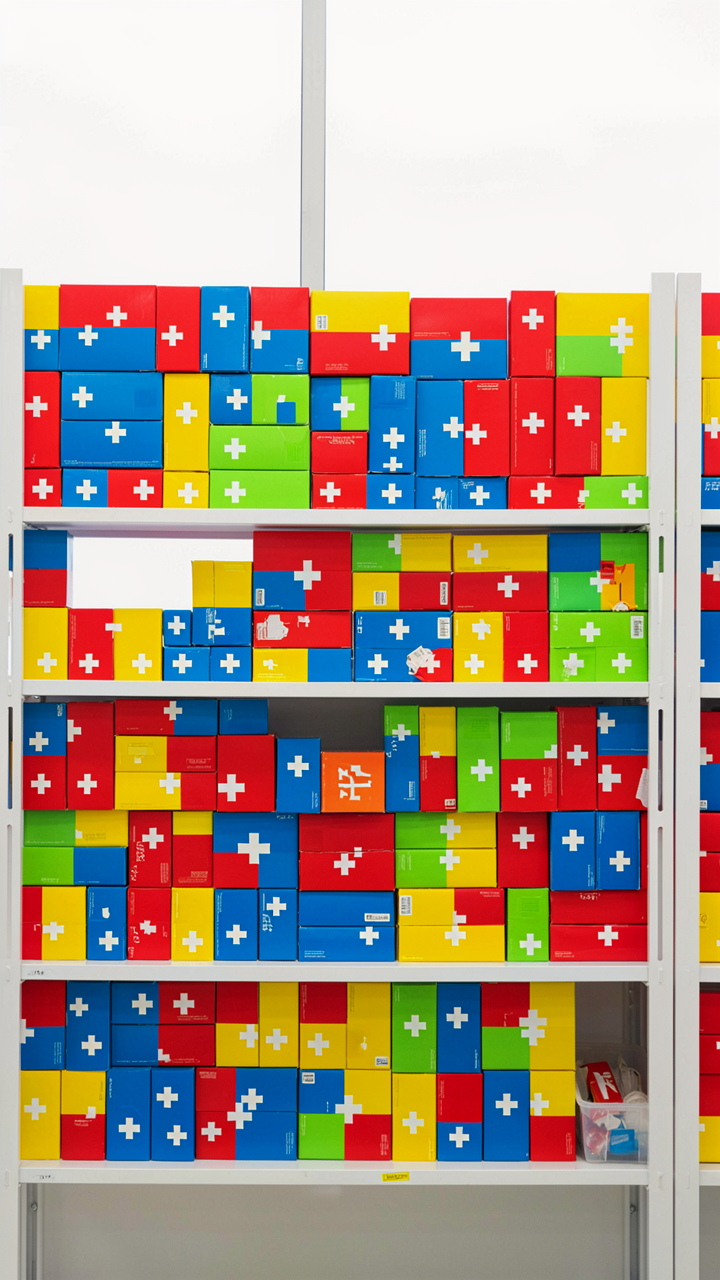
Pre Made Kits Solve For Shelf Space, Not Survival
You want the security blanket of owning something labeled “complete.” That’s the real driver. Pre-made kits fail because they’re engineered for retail margins and liability coverage, not the specific terrain and duration you’ll actually hike. A kit that handles everything handles nothing well. Manufacturers stuff bandages you’ll never use and skip redundancy where it matters. The result: dead weight that creates false confidence.
The mechanism is simple. Mass-market kits optimize for visual density and price point, not utility. They include one of everything to claim comprehensiveness. You get tweezers when you need traction. You get ten antibiotic packets when one or two suffices. The kit looks full but solves zero problems faster because you’re searching through irrelevant items in a crisis. Your actual trail conditions demand a ruthless edit of what stays and what gets cut.
Real Threats Don’t Match The Packaging
Blister management, not fracture splinting, causes most hikers to quit trails. Dehydration headaches, not snakebite antivenom, are the real battle. The gap between what pre-made kits emphasize and what actually stops your hike is wide. Most kits dedicate space to rare scenarios while undershooting common ones. You need density of usefulness, not density of options.
The economics of retail first aid kits favor drama over probability. Dramatic items sell kits. Common problems don’t. A single high-quality blister treatment system outweighs ten generic bandage varieties. Moleskin, athletic tape, and proper padding prevent more hikes from ending than anything else in a standard kit. Build your kit by tallying what actually happens on your specific route, duration, and season, then stock for those scenarios with precision.

Your Personal Risk Profile: Not A Generic First Aid Kit Checklist
Know What Actually Breaks You
You want a checklist so you don’t have to think. That’s the real reason you’re reading this. But a generic kit protects nobody because risk is biological, not universal. Think of your first aid kit the way epidemiologists think about disease vectors: you’re not preventing all illness, you’re preventing the specific threats that find you.
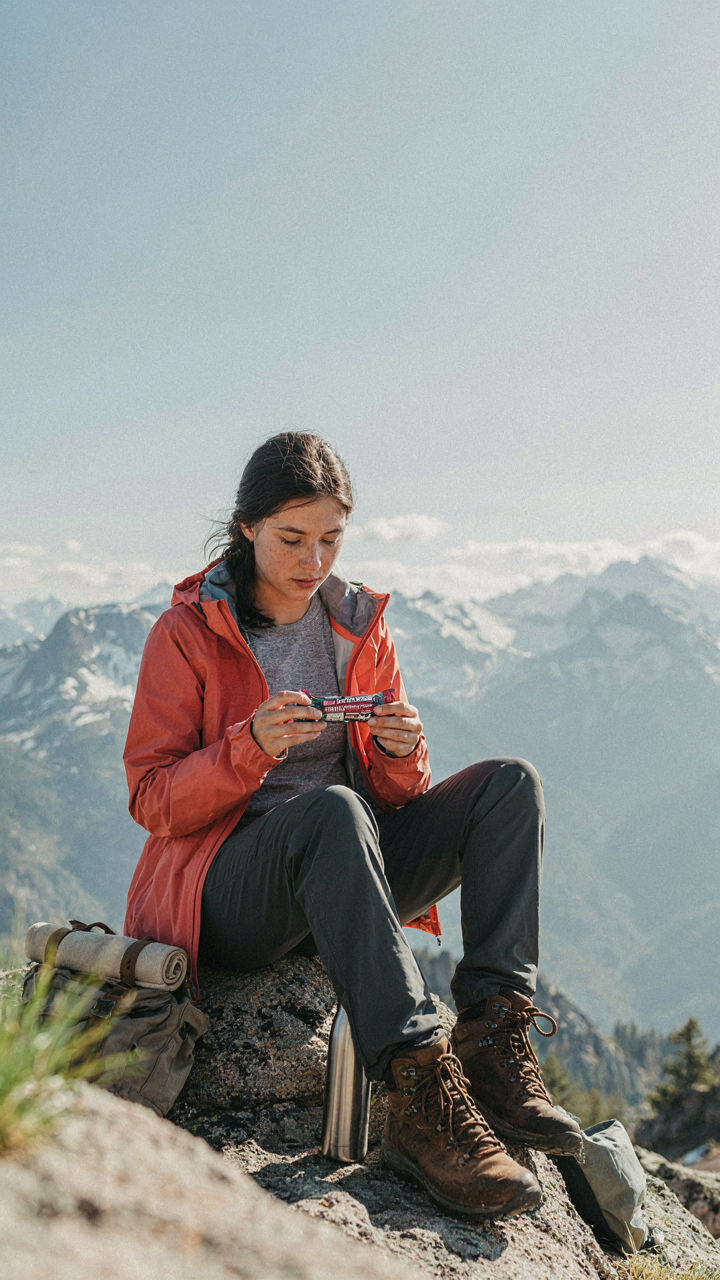
Start with your medical history. Diabetes, asthma, heart conditions, joint instability, medication allergies—these dictate what goes in your kit before terrain ever factors in. Someone prone to blisters needs blister prevention that someone with healthy feet doesn’t. Someone with a peanut allergy needs to examine energy bar ingredients; someone without doesn’t. Your kit solves your vulnerabilities, not hypothetical ones.
Distance, Elevation, And Who You’re With
Terrain mechanics change your injury profile entirely. A day hike on flat ground near civilization demands a different kit than a multi-day alpine route. An hour away from help means minor cuts warrant basic cleaning supplies. Six hours in means you need trauma response capability: larger gauze, elastic wraps for sprains, pain management for hours of walking out.
Group composition matters tactically. Hiking alone means your kit must handle self-rescue without assistance—tourniquets become relevant when you can’t apply pressure with two hands. Hiking with a partner or group means you can redistribute weight and depth of supplies. Duration compounds this: a 2-hour walk tolerates minimal supplies; a full day demands redundancy and depth for scenarios where extraction takes time.
The Minimum Viable Preparedness Protocol For Your Backpack First Aid Kit
What Actually Stops You From Dying
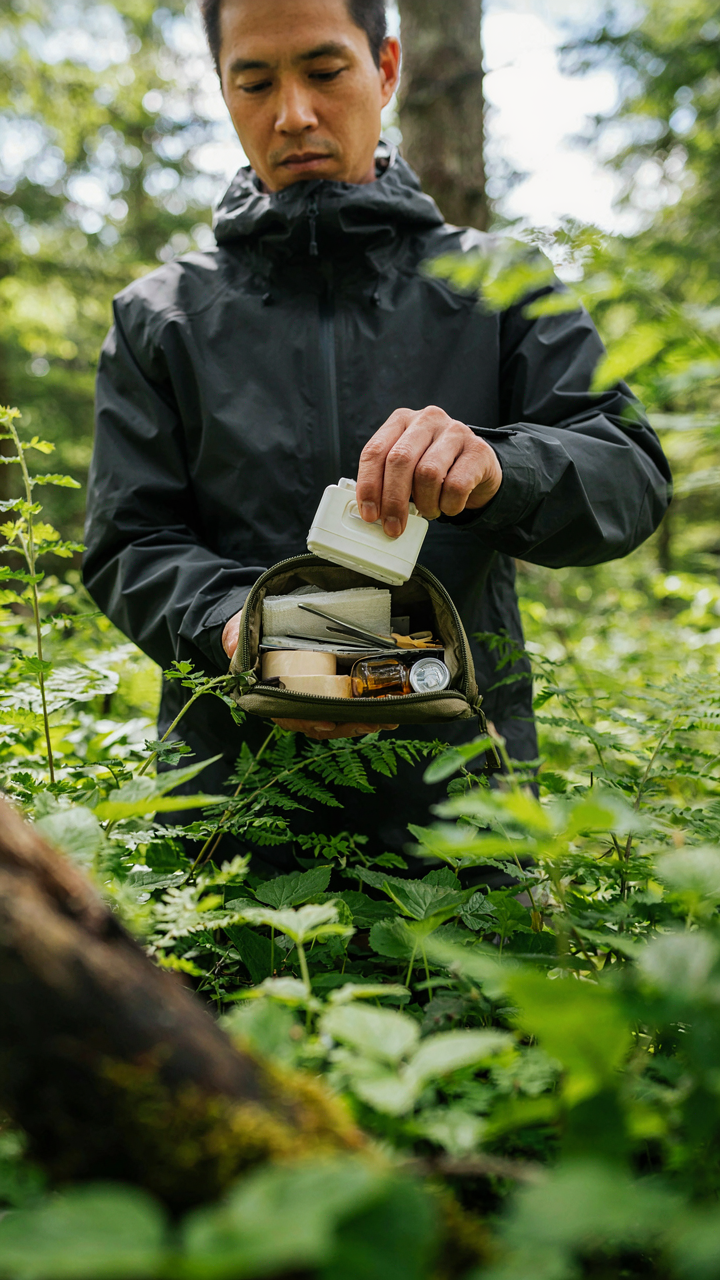
You want this section because you’re afraid you’ll freeze to death or bleed out alone, and you need proof you’re handling it. Here’s the mechanism: survival in backcountry emergencies hinges on one principle borrowed from triage medicine called the “primary survey.” It prioritizes threats in order of lethality. Airway collapse kills in minutes. Severe bleeding kills in minutes. Hypothermia kills in hours. Your kit must reflect this hierarchy, not your anxiety.
Most first aid kits are bloated with items that address problems you’ll never face on a day hike. Antihistamines, antacids, blister prevention that doesn’t work. This is kit bloat masquerading as preparedness. You need tourniquets, gauze, adhesive tape, and a way to keep warm. Everything else is noise. The real decision isn’t what to add. It’s what you can justify carrying given the actual risk profile of your specific hike.
Build It Around Your Specific Hike, Then Prune
The common advice here is garbage: “pack for emergencies you might encounter.” That’s too vague to act on. Instead, use an inverse economics framework. Start with the full kit everyone says you need, then subtract based on objective constraints. A two-hour loop near a trailhead requires less than a twelve-hour alpine push. Rain and cold visibility demands tourniquets and exposure layers. Desert day hikes don’t. Your kit scales down, not up, with honest risk assessment.
Add items only when the risk of that specific injury exceeds the weight burden of carrying treatment for it. Snake bite kits add ounces for threats that materialize once in a thousand hikes in most regions. Splinting materials matter more on technical terrain where fractures happen. Blister care matters more on long approaches on established trails. When you finish packing, your kit should weigh between four and eight ounces. If it weighs more, you’re carrying someone else’s fear, not managing your own risk. Repack until you can justify every item in writing.
Beyond Gear: Your Real Hiking First Aid Kit Is Your Brain
First Responder Training Is The Actual Tool
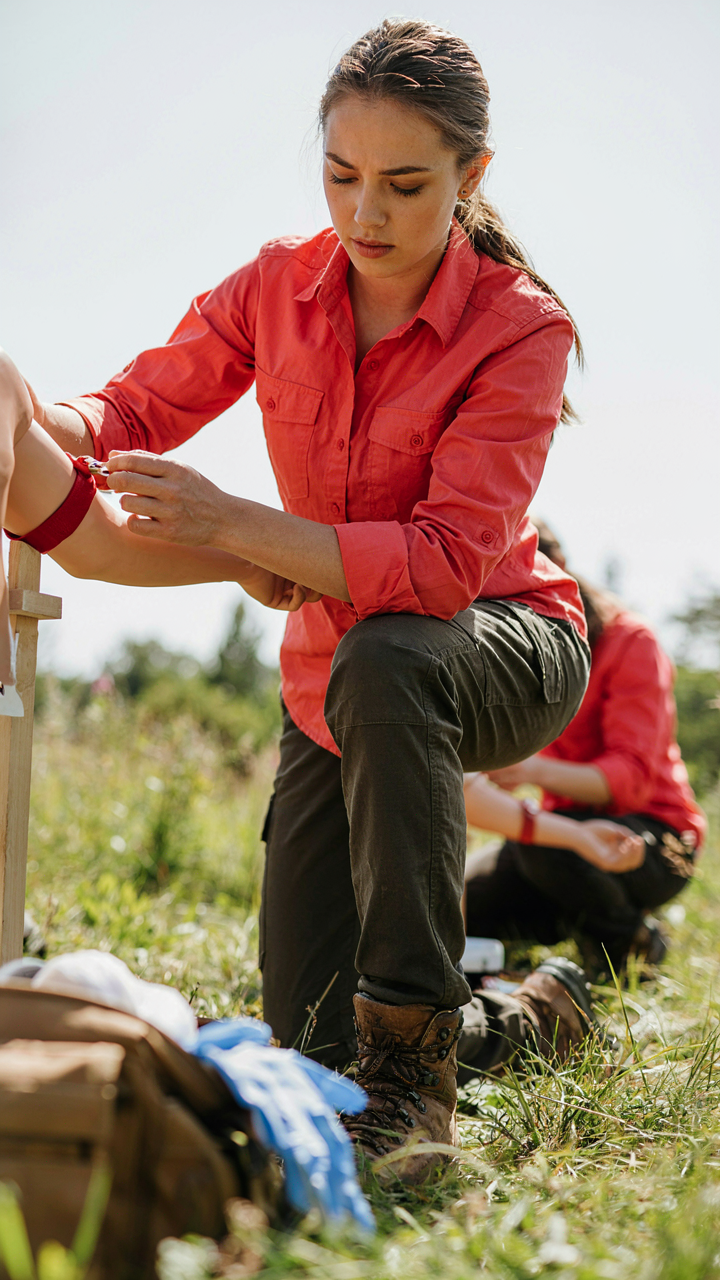
You want to feel prepared without doing the work. Here’s the truth: your first aid kit is worthless if your brain doesn’t know what to do with it. First responder training works like a decision tree in computer science—it maps inputs (symptoms, injuries, conditions) to outputs (actions, treatments, next steps). Without that map, you’re just carrying expensive supplies and guessing.
A Wilderness First Responder certification teaches you triage logic, not memorization. You learn to assess airway, breathing, circulation before touching your kit. You learn which injuries need immediate descent versus which ones stabilize on the trail. You learn when to call for help and how to communicate location and severity to rescuers. This changes what you actually pack and how you use it.
Improvisation Within Known Constraints
The common advice here is garbage: don’t pack for every scenario. That’s backwards. You pack based on what you can actually diagnose and treat given your training level. Wilderness medicine operates under a constraint that urban medicine doesn’t—evacuation time. In a city, an ambulance arrives in ten minutes. On a trail, you might be four hours from a road.
This constraint determines everything. You learn to improvise with what the environment gives you: trekking poles become splint supports, bandanas become pressure dressings, your own body heat becomes a passive warming system. The principle is simple: train in improvisation specific to your terrain and distance from help, then pack only to fill the gaps your improvisation can’t cover.
The Preparedness Entropy Principle: Why More Kit Means Less Readiness
Complexity Creates Failure Points
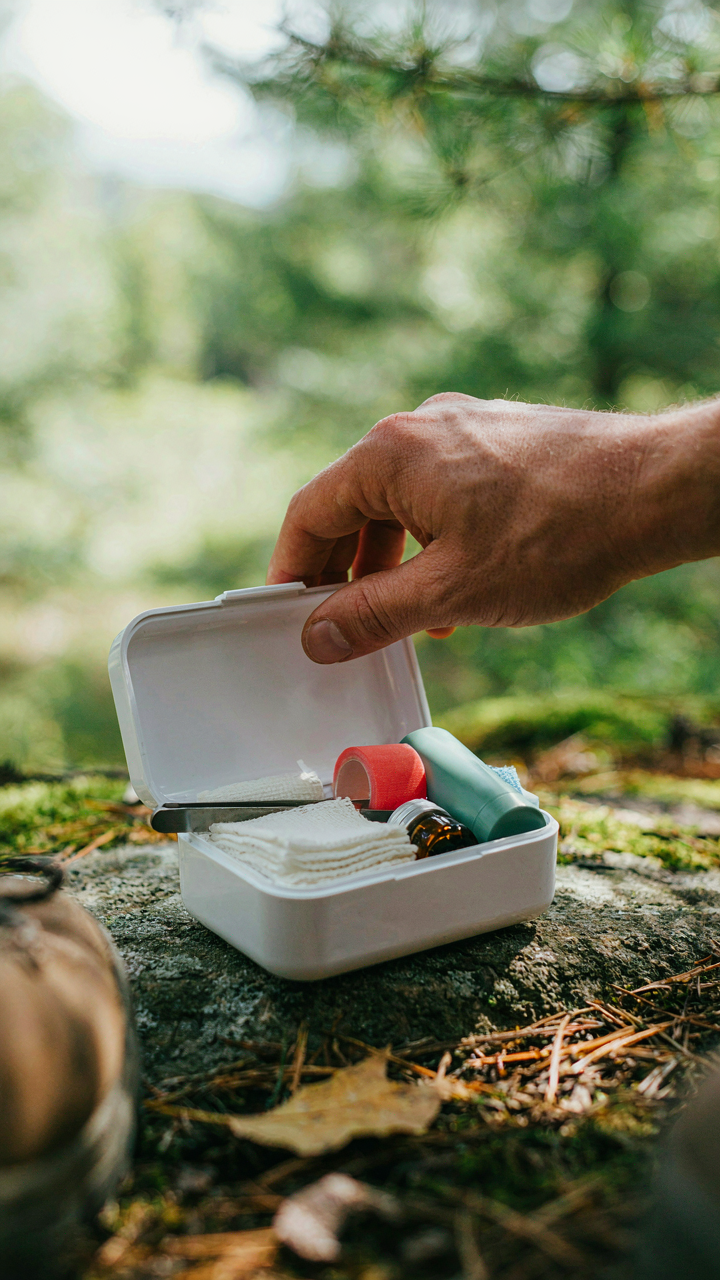
You want to feel safe, so you pack more. That’s the real trade you’re making. In physics, entropy describes how systems degrade as complexity increases. Apply that to your first aid kit: each additional item creates another decision point in an emergency, another thing to find in the dark, another bandage that expired two seasons ago. More supplies do not equal more readiness. They equal more ways to fail.
A bloated kit forces you to hunt for the right tool when you need it now. You’ve seen this before. The person with fifty things in their pack finds nothing. The person with twelve things knows exactly where each one lives. Your kit isn’t a insurance policy. It’s a decision tree you need to navigate fast, under stress, possibly injured. Bloat kills speed.
The Paradox Of Choice In An Emergency
When panic arrives, your brain stops being rational. You freeze between options instead of acting. The research on decision paralysis under stress is clear: more choices mean slower action and worse outcomes. This isn’t philosophy. This is neurology. Five bandages you know work beats twenty types you’ve never used.
The kit you pack for a day hike should fit in your hand. You should be able to grab it blind and know what’s inside without opening it. That’s not minimalism for its own sake. That’s the mechanism that keeps you functional when your heart rate spikes. Pack only items you’ve used before or trained with. Practice pulling things out of your kit at home, in daylight, so your muscle memory works in the field. That’s the protocol that separates preparation from theater.
DIY First Aid Kit: Customization Over Convention
Match Your Terrain To Your Threats
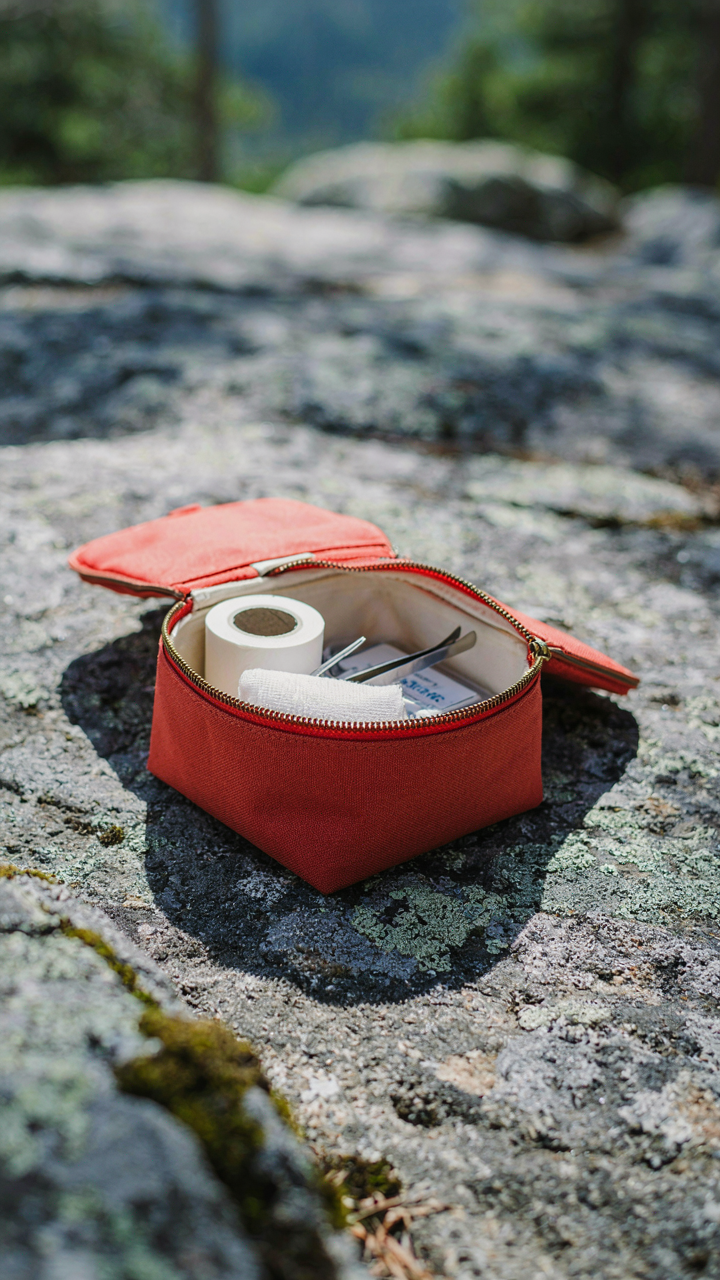
You want to feel prepared without admitting you’re terrified of being alone in the woods. Here’s the mechanism: threat probability determines what you carry. Military medics don’t pack identical kits for desert and jungle operations. Environment shapes injury patterns. A scrambling route on loose rock generates different wounds than a flat forest trail. Altitude, water crossings, and isolation duration all shift what matters.
Start by naming your specific hike constraints. What surfaces will you cross? How far from trailhead rescue? How many people in your group? Temperature range? A day hike on maintained trail within five miles of a road requires different gear than a solo multi-day alpine push. This isn’t overthinking. This is the difference between carrying useless weight and carrying what actually saves time when something goes wrong.
- Rocky or technical terrain: Blister management and ankle support become priorities. Include foot powder, athletic tape, and elastic bandage. Cuts from sharp stone require larger sterile gauze.
- High altitude above treeline: Sun exposure and wind damage accelerate dehydration. Pack extra lip balm with SPF, high-strength sunscreen, and extra electrolyte packets beyond normal water supply.
- Water crossings or wet environment: Infection risk and hypothermia concern dominate. Carry antibiotic ointment, waterproof adhesive tape, quick-dry clothing layer, and extra socks beyond standard kit.
- Solo hiking in remote area: Evacuation time extends injury severity. Add compression bandage for sprains, triangular bandage for sling support, and pain relief that works for six-plus hours.
- Cold weather hikes: Frostbite prevention and hand trauma increase. Include chemical hand warmers, extra insulating glove liners, and thick athletic tape for blister prevention during forced activity.
The weight penalty for customization is minimal. A specialized kit weighs ounces more than a generic one. The payoff is your kit treats actual problems instead of hypothetical ones. Stop carrying the same kit for every hike.
Every Item Earns Its Space
Generic first aid kits exist because manufacturers optimize for liability, not utility. They pack bandages in seven different sizes when you need two. They include tweezers and scissors you’ll never touch. They waste volume on items that don’t address your specific failure modes. Remove everything that doesn’t solve a real problem on your specific trail.
Ask one question for each item: have I used this exact thing on a previous hike, or would this prevent a specific injury I know happens on trails like mine? If the answer is no, it goes. Moleskin prevents blisters that end hikes. Carry it. A CPR face shield prevents disease transmission but doesn’t treat hiking injuries. Leave it. Ibuprofen stops inflammation and allows continued movement. Essential. Antihistamine treats allergies most hikers don’t have. Make the decision based on your personal history, not checklist thinking.
The real tax isn’t weight or space. It’s decision fatigue and wasted mental energy managing a kit bloated with items you’ll never open. A lean kit means faster decision-making when you need it, less to organize in a pack, and zero guilt about carrying dead weight. Build a kit where every single item has a job, and you’ll use it better because you understand exactly why each thing is there.
The Weight Of Anxiety: Lightening Your Backpacking First Aid Kit
Every Item Carries A Tax
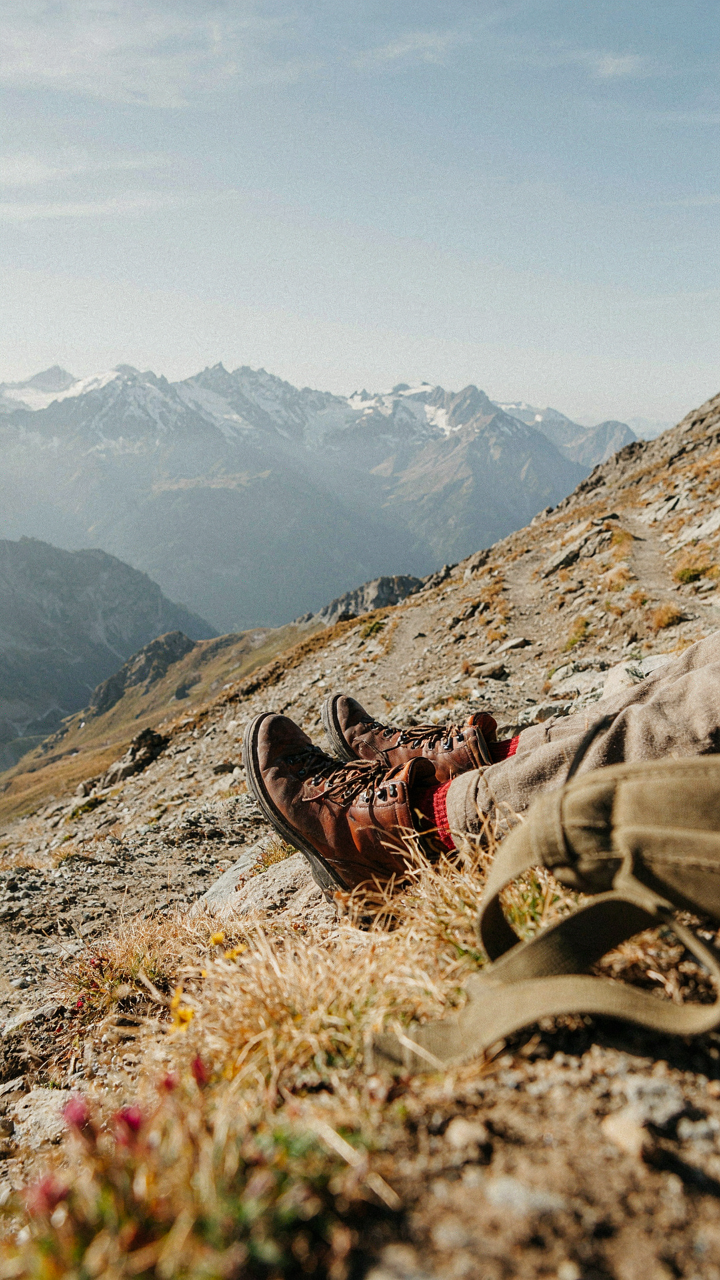
You’re packing that extra bandage because you’re afraid of looking unprepared, not because you’ve calculated actual injury probability. The mechanism here is simple: anxiety disguises itself as thoroughness. Every gram in your pack is a decision tax on your knees, shoulders, and how far you actually walk. Economics calls this opportunity cost. In first aid kit design, it’s the difference between what might happen and what statistically does. Strip the kit down to materials that treat the injuries that actually occur on trails.
Most hikers pack redundancy they’ll never use. They copy someone else’s kit or buy a premade one designed for a car glove compartment, not a ten-mile summit push. The result is dead weight that compounds over distance. Your real job is to match kit contents to your specific trail length, elevation gain, distance from rescue, and your own medical history. A day hike within cell service needs less than a three-day backcountry trip. Build for your exact scenario, not the fantasy scenario where you need everything.
Choose Materials That Compress And Stack
The design principle here is density of function per unit weight. Instead of a full first aid kit, select items that solve multiple problems with minimal footprint. Duct tape wrapped around a pencil beats carrying a full roll. Ibuprofen covers inflammation and pain without redundancy to acetaminophen. Moleskin prevents and protects blister sites simultaneously. Antibiotic ointment in a small container handles cuts, scrapes, and minor wound prevention. Your kit should contain tools, not a catalog of every possible scenario.
Multiuse items cut pack weight faster than removing individual items. A lightweight triangular bandage works as a sling, compression wrap, or tourniquet. Elastic wrap tape handles sprains and can secure other materials. Small packets of saline solution clean wounds and rinse eyes. Tweezers remove splinters and ticks in the field. Every slot in your kit should earn its place by solving a real problem you’ve encountered or researched as likely on your specific route. This is where most kits fail: they’re built on assumption, not observation.
Beyond The Kit: Environmental Preparedness For Backpacking

The Survival Hierarchy Before Bandages
You want to feel prepared so you don’t spiral into what-if scenarios on the trail. Here’s what actually matters: your first aid kit is tertiary. Before you treat anything, you need shelter, fire, and water. This is the survival pyramid from wilderness medicine—and it inverts everything most hikers pack. You can survive three weeks without food, three days without water, three hours without shelter in harsh conditions. A blister kit does nothing when you’re hypothermic.
Shelter stops heat loss fast. Fire purifies water and prevents infection better than most topical treatments. Water prevents dehydration, which accelerates injury and clouds decision-making. Pack a lightweight emergency bivy or tarp, waterproof matches or a lighter, and a way to boil water—a metal pot or even an aluminum foil pouch. These three items prevent the cascade of emergencies that make your first aid supplies irrelevant.
Signaling Cuts Response Time In Half
Military operations use the concept of signal-to-noise ratio to separate critical information from static. Your signaling kit does the same—it separates you from the noise of a missing person search. Most hikers carry nothing. A whistle, mirror, and bright tape cost under fifteen dollars and cut search time dramatically because rescuers actually find you instead of searching blind.
A whistle travels further than shouting and doesn’t exhaust your voice or energy. A mirror signals across miles in daylight. Bright flagging tape marks your location when you can’t move. Carry all three separately in different pack pockets so one loss doesn’t eliminate your options. When you need rescue, these items become your first aid kit’s real purpose.
The Post Incident Review Optimizing Your Hiking First Aid Kit Diy
What Actually Happened Out There
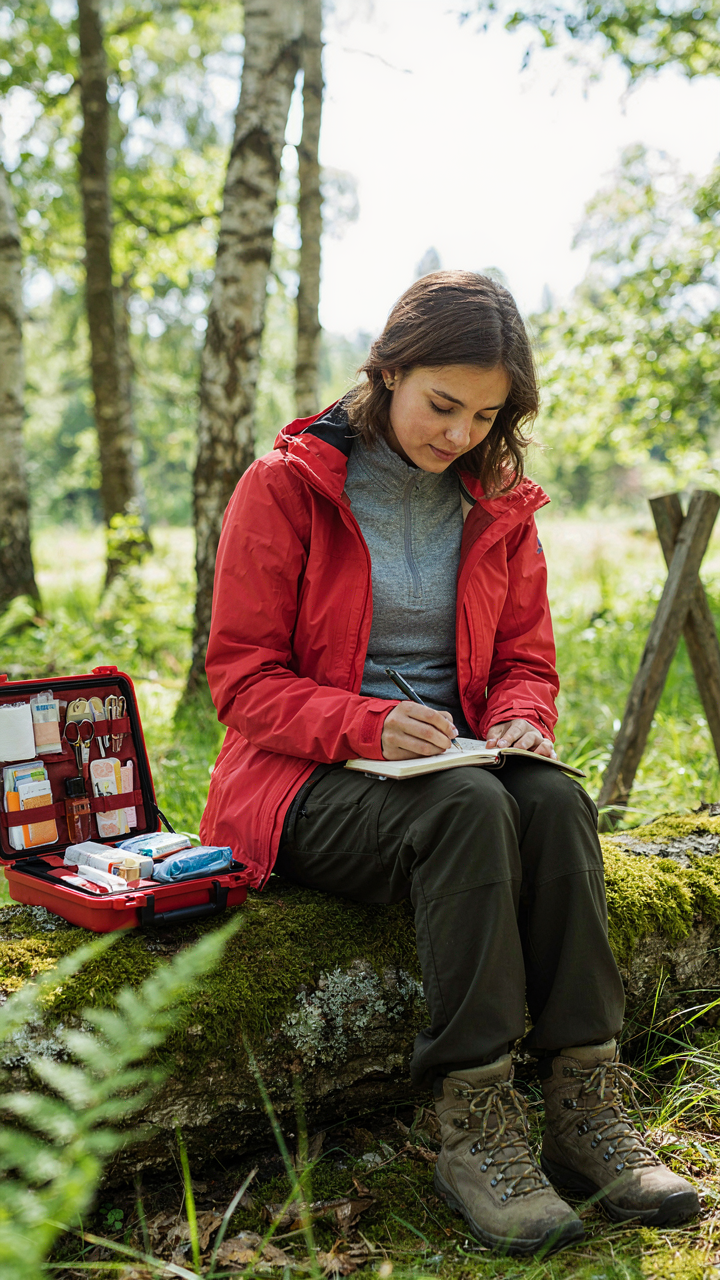
You want to believe your kit worked because you were prepared, not because you got lucky. Here’s the mechanism: every hike where something went wrong is data you’re ignoring if you don’t document it. In systems thinking, this is called feedback. Your kit doesn’t exist to treat injuries perfectly. It exists to handle the specific failures your body and terrain actually produce, not the ones you imagined when buying a premade kit at REI.
After your next mishap, write down three things: what failed, what you reached for, what you wish you’d had. Don’t romanticize the story. Just the facts. One twisted ankle teaches you more about your kit’s real purpose than ten injury-free hikes. Most hikers never do this step, which is why they carry the same generic supplies forever and wonder why they’re constantly improvising in the field.
Constant Redesign Beats Static Inventory
Optimization isn’t a one time event where you pack your kit and call it done. It’s a loop. You hike, something happens or doesn’t, you adjust. The kit that works for ridge trails in summer doesn’t work for creek crossings in spring. The supplies that save a friend’s blister on mile three reveal gaps you never anticipated. Standard first aid guidance treats your kit like a checklist you complete once. That’s wrong.
Track what you actually use on each trip. Mark items that stayed untouched. Replace them with something useful for your terrain and season. Rotate supplies before expiration, but don’t wait for expiration to question whether you still need them. If you haven’t used tweezers in two years, remove them and add something relevant. After three hikes with real usage data, your custom kit will outperform any commercial alternative.
The True Cost Of Neglecting Your Skills, Not Just Your DIY First Aid Kit
Training Beats Gear Every Time
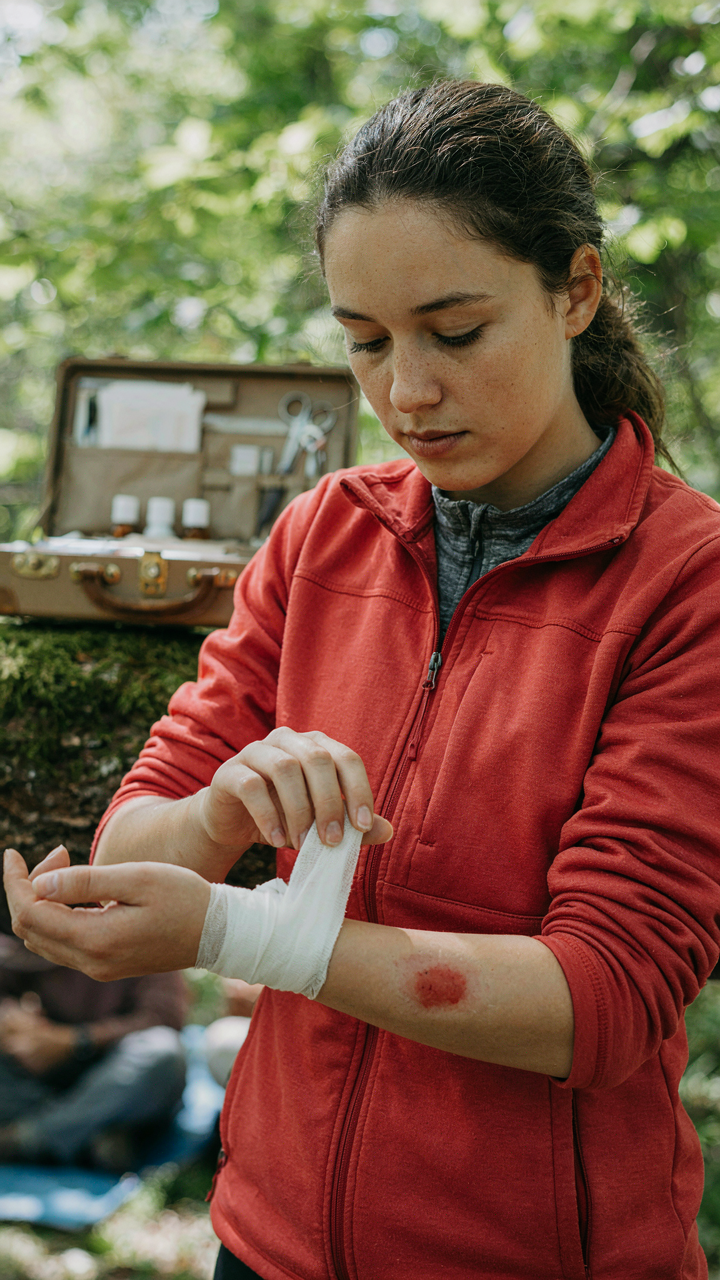
You want to feel prepared without actually doing the work. That’s why people buy expensive kits and never open them. Here’s the mechanism: equipment is passive. Skills are active. In military strategy, logistics support operations, but training executes them. Your first aid kit is logistics. Your ability to use it under stress is the operation. A $200 kit in untrained hands becomes dead weight or causes harm.
Most people reverse this priority. They optimize the contents and ignore the person holding it. A well-stocked kit owned by someone who’s never treated a blister or stabilized a twisted ankle is theater. Take a wilderness first aid course. Not the online certification mill. An in-person course where you practice tourniquets on fake limbs, treat simulated wounds, and work through decision trees when your hands shake. That training costs $150 to $300 and compounds every time you hike.
Ignorance Has A Price Tag
The hidden expense isn’t what you spend on training. It’s what you spend on extraction, emergency transport, and medical bills when you make the wrong call in the field. A hiker who doesn’t know the difference between a sprain and a fracture might immobilize incorrectly, causing nerve damage. Another who misapplies a tourniquet might create a limb-threatening situation. The ER visit, helicopter evacuation, or extended recovery costs thousands. Your training cost $300.
The mechanism works both ways: good decisions reduce harm and reduce cost. Bad decisions compound both. When you know how to properly clean a wound, you prevent infection before it starts. When you recognize shock early, you manage it before it becomes critical. When you know your limitations, you call for help at the right moment, not when someone’s condition has deteriorated beyond field management. Your first aid kit is only as useful as the decision-maker wielding it. Make the decision to train before you need to.
The Real Obstacle Isn’t The Kit; It’s Your Misplaced Reliance On Gear Over Your Own Preparedness
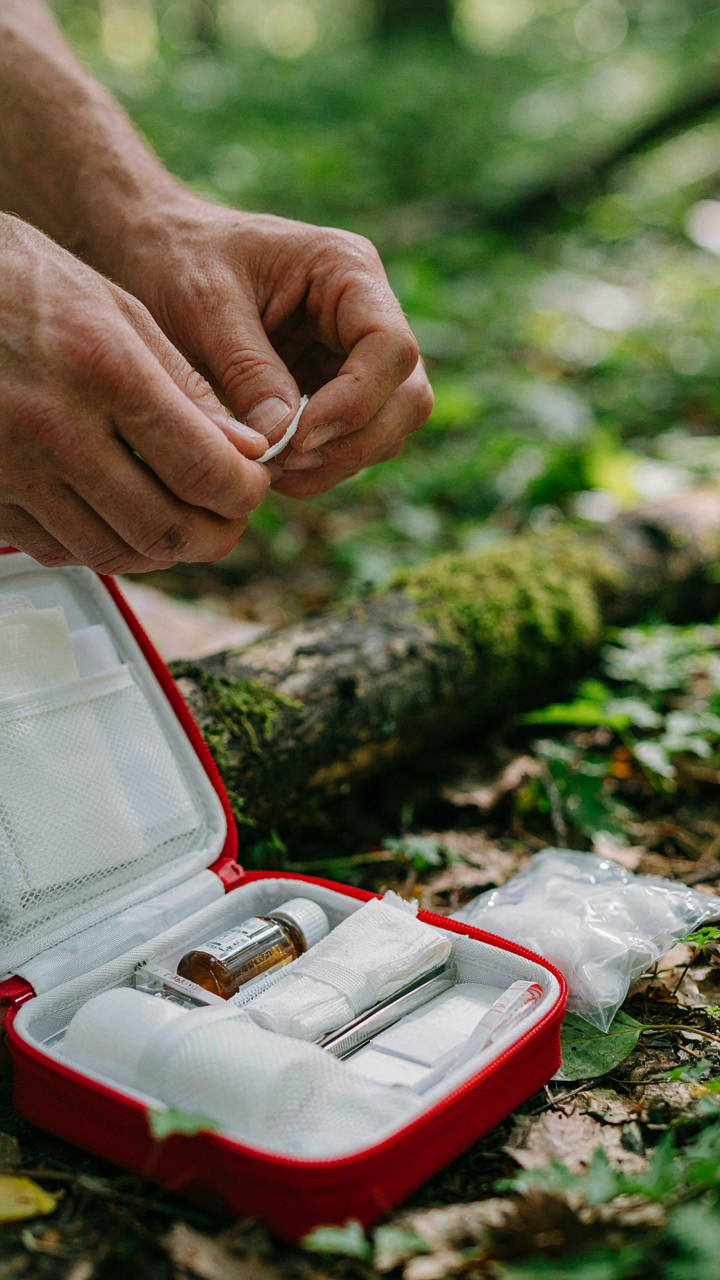
Most hikers pack a first aid kit and call themselves prepared. They’re not. The kit sits in your pack while your mind stays untrained. You need to spend one hour this week learning basic wound care, blister management, and what actually kills people on trails. Open your kit right now. Touch each item. Know what it does. Your gear means nothing if your hands don’t know how to use it. The difference between a close call and a tragedy is what lives between your ears, not what lives in your pack.