

The Illusion Of “Organized”: Why Your Current System Fails

What Everyone Gets Wrong About Packing
You want to feel like you have your life together before the trip starts. Here’s the mechanism: most camping advice treats packing as a one-time sorting problem. Dump everything in a bag, snap it shut, done. But packing cubes aren’t organizational tools. They’re constraint containers. Economics calls this a scarcity principle, and it applies directly: limits force decisions. Without them, you pack what feels necessary in the moment and discover halfway through camp that essentials sit at the bottom under dead weight.
The standard approach fails because it ignores friction. You stuff a backpack, arrive at camp, then spend fifteen minutes extracting one item while everything else spills. Each extraction costs energy and attention you need for actual camping. Packing cubes eliminate this tax by making retrieval a mechanical action instead of an archaeological dig. The real benefit isn’t “organization.” It’s speed of access and mental overhead reduction.
What Disorganization Actually Costs You
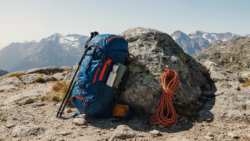
People underestimate the damage of a scattered gear setup because the cost spreads across the entire trip. You lose time. You lose patience. You lose the mental clarity that makes camping restorative instead of frustrating. Scrambling through an unstructured pack at dawn ruins your hiking window. Wet gear mixed with dry gear after a sudden rain means you have no dry clothes for tomorrow. One forgotten item forces a group to adjust plans because someone must backtrack or improvise.
The hidden cost runs deeper: disorganization creates decision fatigue before camp even begins. Every morning you waste cognitive energy remembering where things are or rediscovering they’re missing. Packing cubes front-load this work into a single session before departure. You group related items once, seal them, then stop thinking about placement. That mental space becomes available for navigation, weather assessment, or actual presence in the environment. The mechanism is simple: reduce daily decisions, preserve mental resources for the activity itself.

The “Expedition Loadout” Protocol For Camping Gear

Organize By Mission, Not By Category
You want to feel prepared without actually thinking through what prepared means. The real mechanism here is borrowed from military logistics: compartmentalization. In military operations, soldiers organize gear by operational function, not by item type. A cooking cube isn’t about grouping all food items together. It’s about isolating everything required to execute one specific task so you grab one unit instead of hunting through six containers.
Most camping advice tells you to separate clothes, toiletries, and gear. That’s categorization by item type, which wastes mental energy at 6 AM when you’re cold and need fire-starting materials. Instead, build cubes around functions: shelter setup, fire and cooking, water and hygiene, navigation and repair. This forces you to think like someone actually doing the camping, not someone organizing a closet.
Tier Your Access Priority
The things you need first aren’t the things you pack first. Triage works like this: identify what fails the trip if missing, then what you need within the first two hours, then what you use daily, then everything else. Your fire-starting cube goes on top or in the most accessible pocket. Your backup socks go deeper. This ordering prevents you from digging through everything to find what matters.
- Immediate access tier: Fire starter, water filter, emergency shelter, first aid. Pack these on the outermost edges or top of your backpack.
- Two-hour tier: Cooking setup, extra layers, navigation tools. These should take under 30 seconds to retrieve once you stop.
- Daily use tier: Toiletries, food, basic tools, clothing rotation. Position these in middle layers where you’ll naturally reach during the day.
- Backup tier: Extra fuel, repair patches, secondary clothing, spare batteries. These live deepest in your pack for weight distribution.
- Return-journey tier: Trash, used fuel canisters, items you’ll only need on the way out. Pack these last so they don’t shift upward during the trip.
Execution matters more than category labels. Once you establish your tier system, assign each cube a physical location in your pack and don’t deviate. This removes decision-making from the field and turns packing cubes into a retrieval system, not a storage system.
Beyond Clothes: Uncommon Uses For Packing Cubes On The Trail

Keeping Food And Gear Separated From Contamination
You want to feel organized without admitting you’re paranoid about a spoiled meal or crushed electronics ruining your trip. Here’s the mechanism: packing cubes work like compartmentalization in logistics. They create hard boundaries between categories that would otherwise migrate into each other. Food attracts moisture and odor. Toiletries leak. Electronics need protection from both. A cube dedicated to each prevents cross-contamination and makes retrieval instant instead of excavating your entire pack.
Fragile items benefit most from cube placement. Phones, cameras, and headlamps go in one cube with padding around them. Toiletries go in a separate cube to isolate spills from everything else. Food cubes keep snacks, energy bars, and dried meals grouped together so you know exactly where calories live. This isn’t about aesthetics. This is about preventing one broken item or leaked sunscreen from cascading damage across your entire setup.
Consolidating Safety Gear Into One Accessible Unit
Most campers scatter first aid supplies and emergency gear across multiple pockets, then can’t find the bandage when they need it. A single packing cube becomes your emergency station. Medications, bandages, antiseptic, tweezers, and emergency supplies occupy one compressed, labeled container that you grab from your pack in seconds. The cube itself becomes your triage table when unzipped flat.
Keep emergency cubes positioned where you can access them without unpacking your entire bag. Front pockets or the top layer work best. Organize contents by use frequency: blister treatment and pain relief at the top, less common items below. When something runs low mid-trip, you know exactly what to replace on the next outing. The cube system trains you to treat safety gear as a coherent system, not scattered items.
The Modular Camp Design Principle: Applying Cybernetics
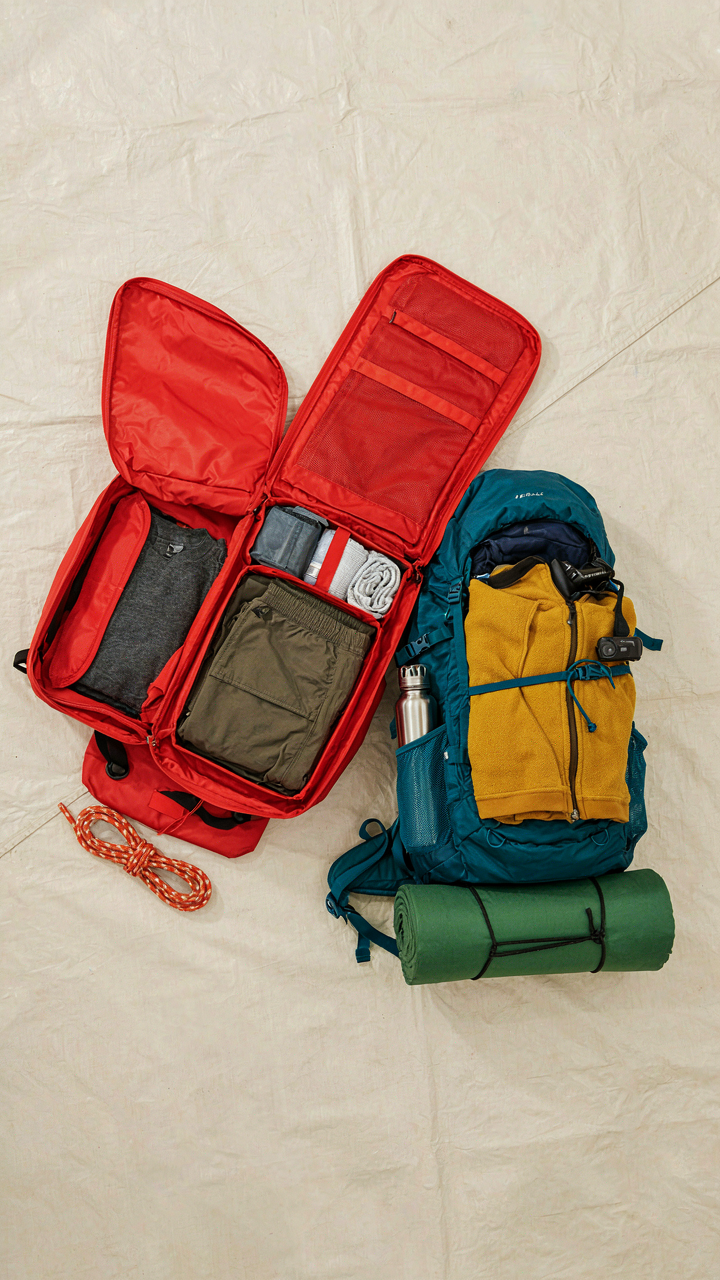
Rapid Feedback Loops Beat Static Planning
You want packing cubes to make you feel organized. That’s not the real mechanism. Cybernetics—the study of self-regulating systems—uses feedback loops to adapt in real time. Your packing cubes become a feedback loop: you pack them, you arrive at camp, conditions change, you reorganize without unpacking everything. The cube becomes your basic unit of adjustment.
Most camping advice treats packing as a one-time decision. It’s not. Weather shifts. You overestimate how cold it gets. You find yourself needing access to gear you buried. Cubes let you rearrange strategy on the fly because each one is discrete and moveable. Your tent storage, pack organization, and daily-use rotation all stay independent. You don’t cascade failures through your entire system when one assumption proves wrong.
Systems That Run Themselves
Self-regulating systems minimize the decisions you have to make once you’re in the field. Camping gear demands constant micro-management if you organize it loosely. Packing cubes eliminate that drain. Each cube handles one category: sleep system, cook kit, layers, toiletries. Your brain stops making the same sorting decision fifty times.
Color-coded or labeled cubes reinforce this automation. You reach for the blue cube because your system tells you blue holds water layers. No deliberation. No searching. The system runs itself because you built constraints into the physical organization. At breakdown, cubes pack in the same order they came out. You’ve eliminated friction from both ends of the camping day, which means you preserve mental energy for actual camp tasks.
Durability Vs. Weight: A Practical Equation For Packing Cubes
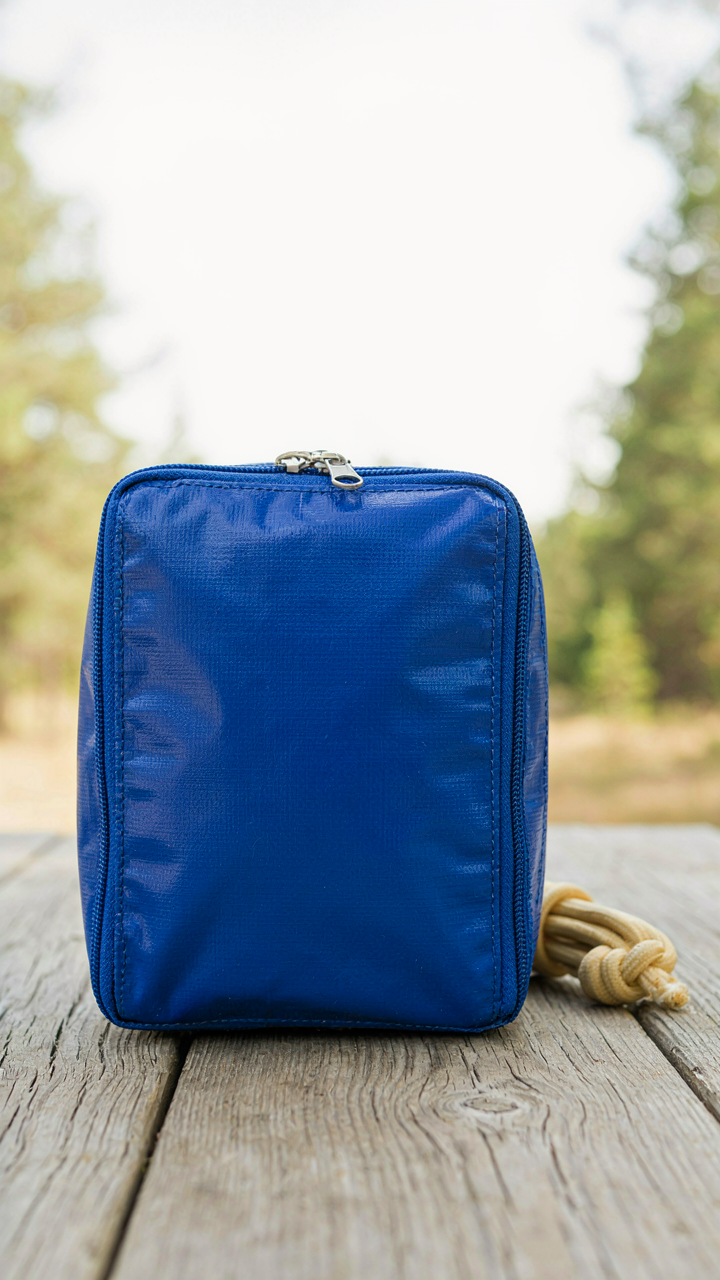
When Ultralight Fails
You want packing cubes light enough to disappear from your load calculation. That’s the real motive here—the status of traveling with minimal gear. But ultralight design in textiles has a breaking point, and most people hit it on trip two or three.
Fabric weight measures in denier. Lower denier means lighter material, but below 210D nylon, you’re trading durability for ounces. A 70D cube compresses beautifully but tears against sharp tent stakes or repeated friction. The mechanism is simple: thinner fibers have less surface area to distribute stress. Pick 210D minimum for camping. Anything lighter becomes a liability.
Material Science Ripstop Zippers And Seams
Ripstop fabric stops tears from spreading by weaving thicker threads in a grid pattern—a direct application of failure-prevention engineering borrowed from aerospace and sailmaking. Your packing cube’s ripstop layer doesn’t make it indestructible; it prevents small damage from cascading into total failure during a trip.
The real durability equation isn’t fabric alone. A 210D ripstop cube with weak zippers fails faster than 400D nylon with ball-bearing sliders. Seams matter equally. Flat-felled seams, where one seam overlaps another, resist tearing better than single-stitched seams. Check the zipper brand before buying. YKK or RiRi sliders cost more upfront and hold through five camping trips. Cheap zippers freeze after one season in wet conditions, making the whole cube worthless.
The “Quick Draw” Method: Accessing Essential Camping Outfits
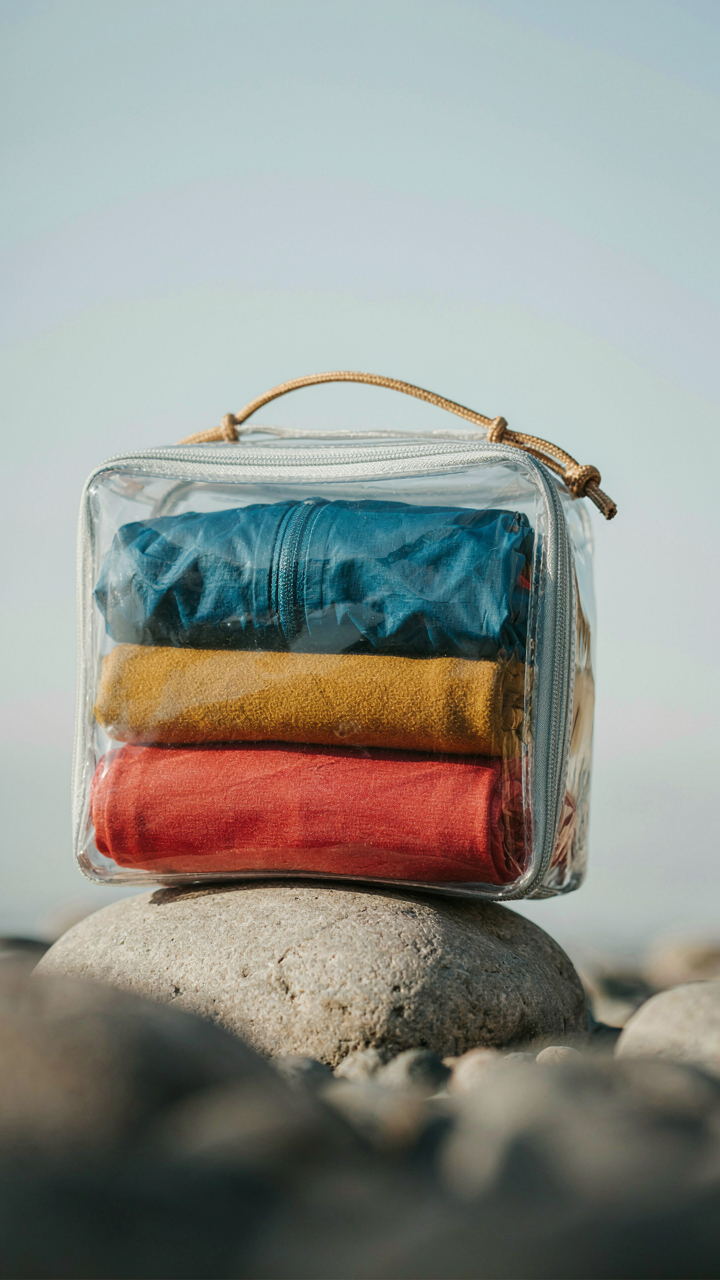
Layering Without The Guesswork
You want to feel prepared without overthinking every variable. The real mechanism here is thermal regulation, not outfit variety. Think like an engineer managing insulation systems: your packing cube becomes a containment unit where each layer serves a specific temperature threshold, not a fashion choice. Pack one base layer, one mid layer, and one outer layer per cube. This eliminates decision fatigue in the field.
Most people pack too many “just in case” pieces. Stop that. A thin merino base layer wicks moisture and regulates temperature across a fifteen-degree range. A fleece mid layer adds five to ten degrees of retention. A windproof shell handles everything above that. Stack these three in one cube, labeled by temperature rating, not by day. You grab one cube and you’re covered for the entire trip’s weather spectrum.
The Strategic Outfit Stack
Outfit pairing isn’t about matching colors or creating Instagram moments. It’s about eliminating the friction between activity and comfort. Pair your base layer with your mid layer in one cube. Pair your hiking pants with your camp shirt in another. Pair your sleep clothes with your down jacket in a third. Each pairing solves a specific camping state: active, settling in, sleeping.
Group each outfit cube by the sequence you’ll use it, not the days of the trip. On day one you’re active. On day two you might be active or settling. On day three you’re sleeping hard. This sequencing reduces unnecessary rummaging and keeps your tent organized by function instead of time. Pack your first-use outfit on top. Retrieve it, wear it, and the cube empties as you transition to the next state of the trip.
Weatherproofing Your Packing Cube System

Water Resistant Vs Waterproof: Know The Difference
You’re worried a cube will fail at the worst moment and ruin your gear. Here’s the mechanism: water-resistant means the fabric delays water penetration through force. Waterproof means water cannot penetrate the material at all, regardless of pressure or time. Most camping packing cubes are water-resistant, not waterproof. The coating breaks down under extended moisture exposure or when compressed against wet surfaces.
This distinction matters tactically. Water-resistant cubes handle brief rain and damp hands. Waterproof cubes cost more but solve the actual problem: sitting in wet tent floors or pack bottoms during multi-day trips. Check the manufacturer’s specification. If they say “water-resistant” without mentioning a DPM rating or fabric weight, assume the protection fails after eight to twelve hours of continuous moisture contact.
Controlling Internal Condensation And Moisture
Temperature swings inside your pack create condensation regardless of external weather. Physics calls this the dew point: air holds less moisture as temperature drops, so water vapor condenses into liquid on cold surfaces. Your packing cube becomes a cold trap inside your warm pack. The inside moisture doesn’t come from rain. It comes from your own body heat and sweat during the day, then condenses when temperature drops at night.
- Air gaps between cubes: Leave one inch of space between packed cubes and tent walls. This allows airflow and prevents cubes from sitting directly against moisture sources.
- Strategic cube placement: Position cubes away from the tent floor and pack bottom where water pools. Elevate them on sleeping pads or gear when possible during camp setup.
- Desiccant packets: Use small silica gel packets inside cubes holding moisture-sensitive items like electronics or down gear. Replace after three to four days on longer trips.
- Fabric selection: Choose cubes with mesh panels on at least one side. Mesh allows air circulation inside the cube and prevents moisture from pooling in fabric corners.
- Pre-trip ventilation: Open all packing cubes for two hours before packing them. This removes moisture already in the fabric from storage and speeds drying time in camp.
The real control mechanism is ventilation timing. Pack cubes the morning of your trip, not the night before. Open them in camp every second day for thirty minutes minimum, even if skies are clear. This breaks the condensation cycle before water saturates your gear. Moisture management beats water-repellent coatings because coatings fail. Airflow never does.
Packing Organizers For Post Trip De Mobilization
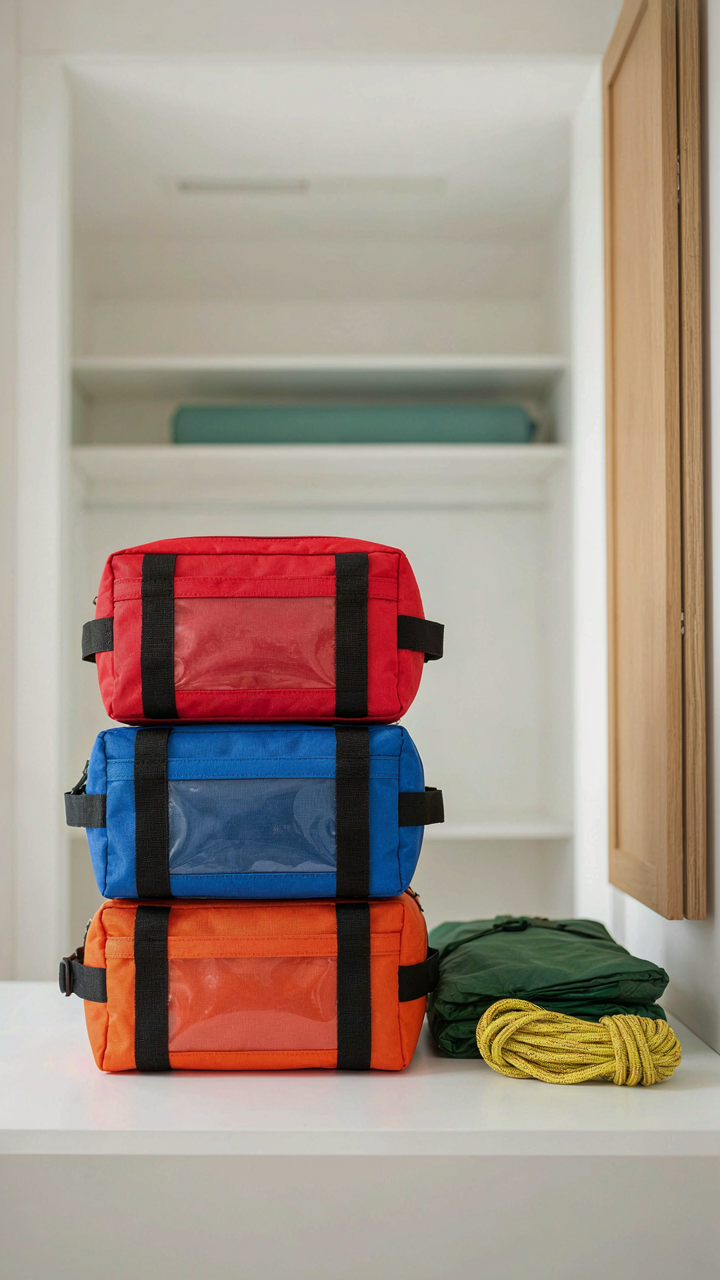
The Return State Problem
You want to feel organized after the trip ends, but that’s not why you care about this section. You’re afraid of returning home to chaos, of spending two hours finding your wet tent or discovering mold because your gear got jumbled in the car. The mechanism is simple: packing cubes create what logistics calls “state preservation.” Your gear enters the cube in a known configuration. It exits in that same configuration. No degradation between trip end and storage.
Most people unpack everything and scatter it across their house, then wonder why they can’t find their sleeping bag in six months. Pre-sorted cubes prevent this collapse. When you arrive home, you move cubes directly from vehicle to storage closet. Your camping gear never touches the floor of your bedroom. The transition from “trip mode” to “storage mode” takes minutes instead of hours because the cubes already define your inventory boundaries.
Prep Velocity For The Next Expedition
Reduced friction for next adventure prep is just another way of saying you lower the activation energy required to plan another trip. The fewer decisions you face when packing, the more likely you actually go. This is behavioral economics applied to camping. When your cubes sit in storage with contents labeled and separated by category, your brain recognizes a ready state. Packing for trip two takes half the time because you’re not rebuilding your system from scratch.
Pull your camping cubes from storage and you know exactly what’s inside without opening them. Your shelter gear lives in one cube. Your cooking setup in another. Your clothing in its own space. You add or remove specific items based on trip length or season. This eliminates decision fatigue. You pack by moving cubes into your vehicle rather than sorting individual items from multiple drawers and shelves. The protocol: label each cube by function, store them together in one closet zone, and grab only the cubes your next trip requires.
Maximizing Storage: Beyond The Tent
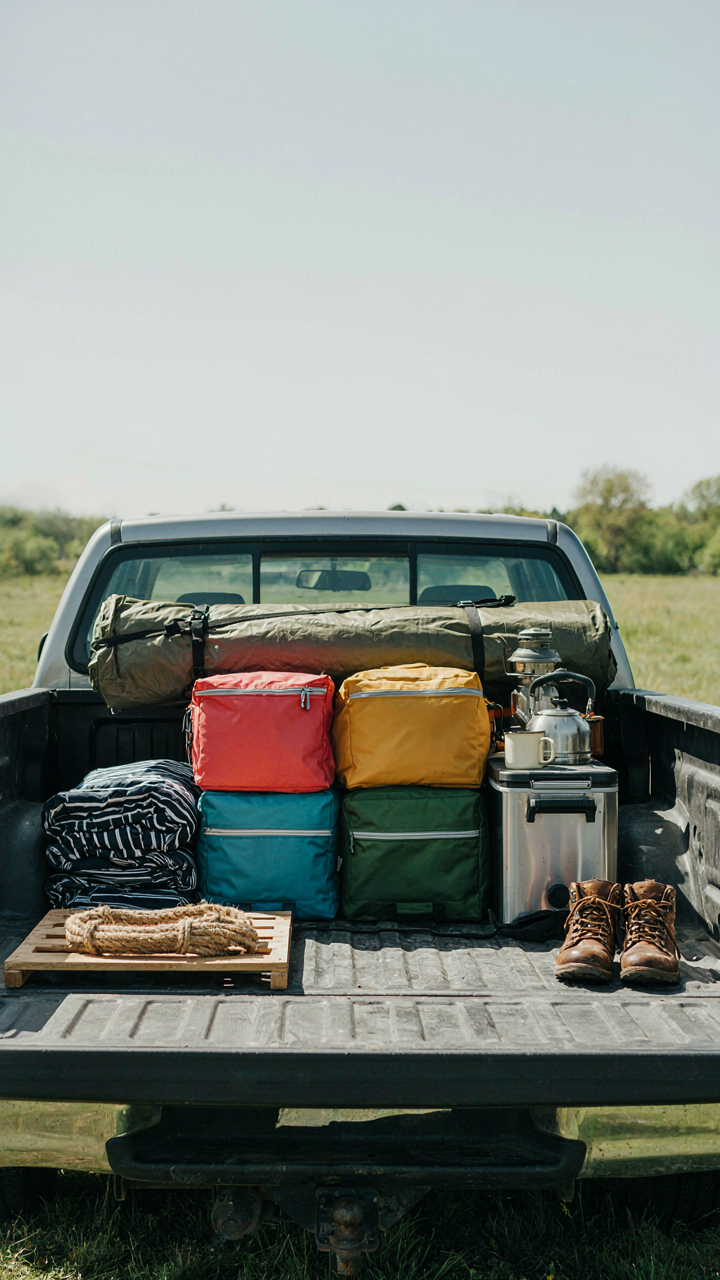
Your Vehicle Is Your Real Base Camp
You want to feel like you packed smart without actually thinking through the logistics. Here’s what nobody says: the vehicle itself functions as load-bearing architecture, not just transportation. Think in terms of load distribution from engineering. Your cubes aren’t random containers—they’re weight units you position to keep the vehicle stable and accessible. Front-loaded vehicles handle differently than rear-loaded ones. Organize cubes by frequency of access, not by sentiment or category.
The difference between a functional basecamp and a chaotic one is whether you can reach what you need without excavating everything else. Place cubes you’ll access daily on top or in the passenger area. Reserve lower positions and the rear for items you won’t touch until you break camp. This isn’t complicated, but most people pack like they’re storing a basement, not managing a mobile system.
Storing Gear Between Trips
The common advice—just throw cubes in your garage—misses the real problem: packing cubes deteriorate under temperature swings and UV exposure. Use sealed plastic bins to store your cubes when not in use, then nest the cubes inside. This protects the fabric and keeps gear organized without creating additional bulk. Label each cube by trip type or season so you grab the right one without mental overhead.
Moisture is the actual enemy here, not dust. Store cubes in a dry location away from direct sunlight and temperature extremes. If you camp quarterly, your cubes will last years. If you store them carelessly, mildew eats the material and renders them useless within one season. Check cubes before each trip and replace any showing mold or fabric breakdown. Establish a rotation protocol: inspect, clean, dry completely, then pack away.
The Real Obstacle Isn’t The Gear; It’s Your Unexamined Aversion To True Order
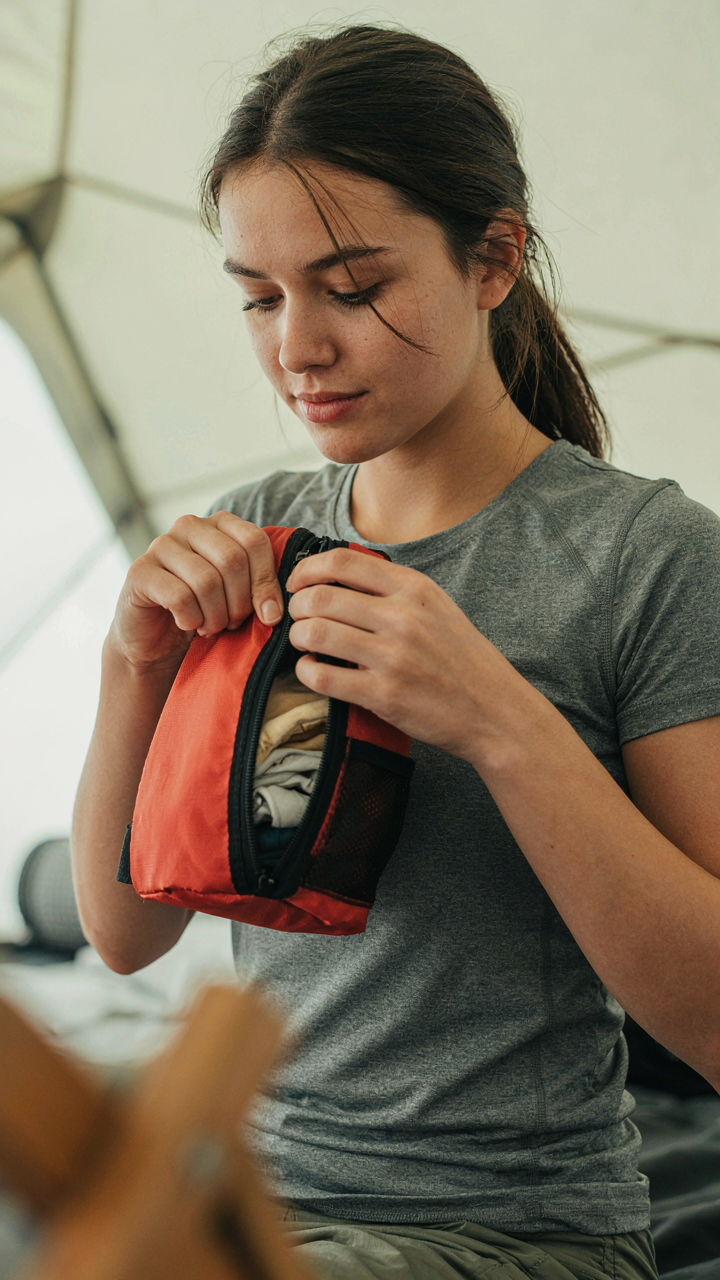
You don’t need packing cubes. You need to stop pretending chaos is flexibility. Most people avoid them because organization feels restrictive, when it actually gives you more freedom. You spend less time searching and more time living. Buy one cube today. Pack one trip with intention. Watch how a small system compounds into a skill that transfers everywhere. Order isn’t limiting. It’s the only thing that sets you free.