
The Adventure ROI Protocol: Maximizing Your Outdoor Life Aesthetic
What Currency Actually Matters
You’re checking Instagram wondering if you’re doing this right. The real mechanism is this: every trip trades one finite resource for another, and you’re not tracking which one you’re actually spending. Economics calls this opportunity cost, and every outdoor adventure forces you to pick your constraint.
Most people conflate adventure with distance or difficulty. Wrong move. You have three actual currencies: time, skill, and solitude. A week-long expedition demands time but rewards solitude and skill development. A weekend climbing trip sacrifices time but compresses skill gains. A solo backcountry trip trades time and physical capability for deep solitude. Name which one you’re actually buying. Most trips fail because you picked the wrong currency for your actual life.
Experience Density Over Coverage

Stop measuring trips by miles hiked or peaks summited. That metric is broken because it ignores the real variable: what sticks with you and why. A fourteen-day trek that leaves you exhausted and numb generated less value than three days in the right terrain at the right threshold of difficulty.
Experience density means matching environmental novelty, physical challenge, and psychological reset to your current state. A river trip teaches you something different than alpine scrambling. A winter ascent teaches something different than summer trail work. Calculate your actual return by asking what skill or perspective shifts, not what you can post. Before booking, write down one specific change you want to return home with. If you can’t name it, the trip is entertainment masquerading as growth.
Deconstructing The “Bon Voyage” Myth: Beyond Generic Getaways
The Trip Nobody Actually Wants
You’re scrolling through adventure content because you’re afraid a generic vacation won’t prove anything. Here’s the mechanism: most outdoor adventure trip inspiration gets recycled through the same five destinations until it loses all signal about what you actually respond to. Influencers don’t trip because a place is objectively good. They trip because the footage converts. You inherit their algorithm, not their taste.
The clichés persist because they’re friction-free to recommend. Moab, Patagonia, Iceland, the Swiss Alps, Southeast Asia—these names carry implicit permission to be there. No one questions them. But borrowed enthusiasm is noise. The hardest part of trip planning isn’t logistics. It’s admitting what genuinely compels you versus what you think should compel you.
What Actually Moves You
Introspection beats inspiration boards. Take inventory of three trips you’ve already done and felt something real during. Not the ones you posted about—the ones where you lost track of time or noticed something nobody else mentioned. Look for the pattern. Was it solitude, technical challenge, unfamiliar ecosystems, speed, or the specific people involved? That pattern is your actual constraint, not a limitation. It’s your filtering system.
Most people skip this step and jump straight to Pinterest. That’s why they book trips that feel empty halfway through. You don’t need more options. You need one honest rule about what works for you. Write it down. Not as inspiration. As criteria. Then use it to eliminate 90 percent of suggestions before they waste your attention or your money.
The “Extreme Aesthetic” Fallacy: Redefining True Challenge
Growth Demands Friction, Not Instagram Moments
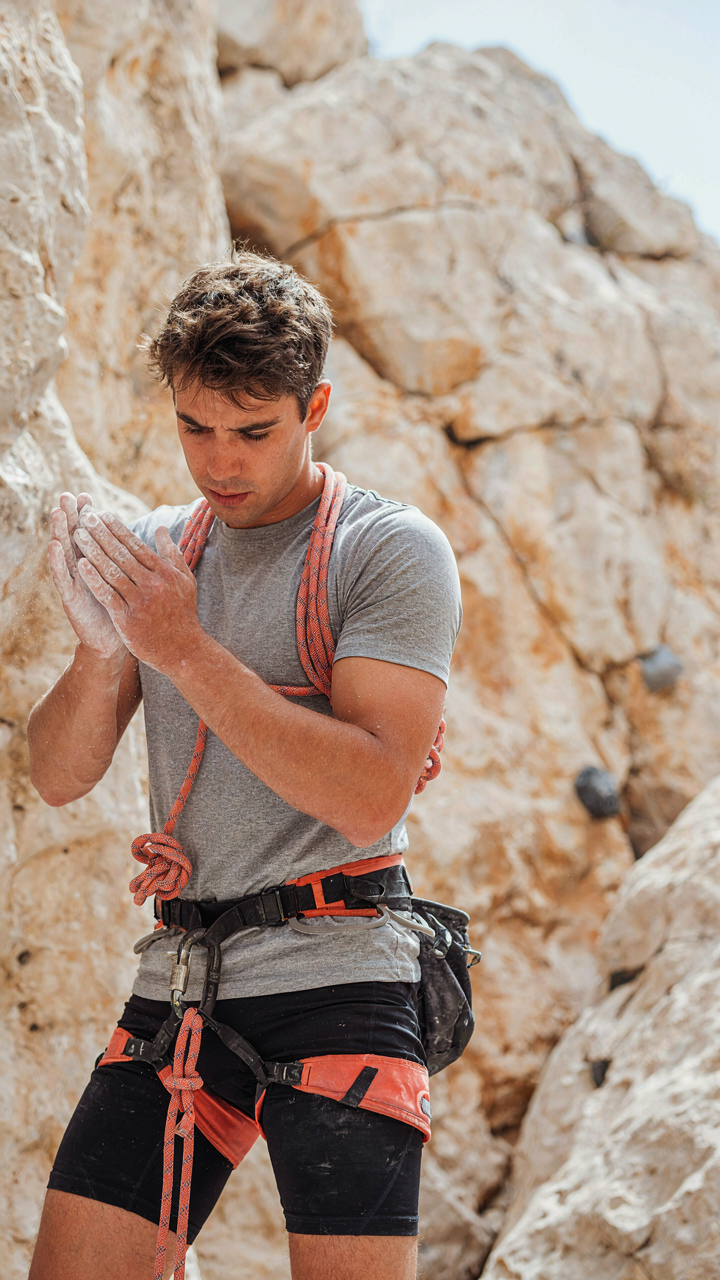
You want the story. That’s why you clicked. The mechanism underneath is this: challenge as a concept comes from psychology, not marketing. Psychologists use the term “flow state” to describe optimal performance, which happens when task difficulty matches your skill level exactly. Most people mistake extreme aesthetics for challenge. A helicopter drop into untracked terrain looks harder than it is. A three-day backpacking loop at your physical limit looks easy but reshapes you.
The gap between perceived and actual challenge is where most trips fail. You train for the wrong thing. You book the wrong adventure. You return unchanged because you optimized for the story instead of the stress that builds resilience. Real challenge isn’t about altitude or danger rating. It’s about operating in the space where your current abilities end. That friction is what triggers adaptation.
The Compound Effect Of Repeatable Discomfort
Small trips stacked over time build capacity that big one-off expeditions cannot touch. Micro-adventures force consistency. A weekend backpack every month trains your body, decision-making, and gear knowledge in ways a yearly bucket list trip cannot. You learn what actually breaks down. You debug your systems. You face similar terrain and weather patterns repeatedly, so iteration happens.
The progression compounds. After twelve monthly trips, you’ve accumulated real hours in real conditions. You’ve failed and solved problems dozens of times. Your body adapts. Your equipment preferences become hardened. This is how you avoid the trap of chasing extreme destinations before you’ve developed sustainable adventure literacy. The mechanism: frequency beats intensity when the goal is lasting personal development. Book the accessible trip this month, then the next one, then commit to the pattern.
Designing For Serendipity: Engineering “Hiking Content Ideas” With Purpose

The Constraint That Breeds Discovery
You want spontaneity to feel earned, not like you’re winging it. The mechanism borrowed from systems design is constraint theory: the right boundaries don’t limit outcomes, they multiply them. Most people pack a trip with zero friction points, then blame the destination for being forgettable. That’s backwards. Friction is where discovery lives.
Pre-trip prep isn’t about planning away surprise. It’s about removing the wrong variables so the right ones can emerge. Research the terrain enough to know where trails connect, where water sources exist, which ridges face which light at which hours. This baseline knowledge creates the framework where spontaneity becomes navigation instead of chaos. You move with intent, not desperation.
The Deliberate Route Boundary
Stop building trips around a single endpoint. That’s not serendipity, that’s tunnel vision. Instead, define a geographic zone, a time window, and specific constraints like “no trails under 8,000 feet” or “water-dependent camps only.” These parameters function like a container. They narrow choice paralysis while keeping the path inside unscripted.
The real mechanism: bounded autonomy produces more interesting decisions than total freedom. You’ll encounter micro-decisions constantly—which ridge, which camp, which water crossing. Each one matters because you chose the frame. Document what draws you in each moment: light angle, vegetation shift, unexpected trail junction. These become your hiking content ideas because they’re rooted in your actual movement through space, not tourist guides recycled online.
The “Travel Boyfriend Aesthetic” Trap: Authenticity Over Optics

Shared Experience Over Curated Imagery
You want the trip to look good on your feed because you think that proves it was good. That’s backwards. The mechanism is simple: memory formation in humans requires focused attention on the present moment, not divided attention between the experience and the camera. Neuroscience calls this the encoding specificity principle—your brain stores what it actually processes, not what gets filtered and posted later.
The gap between the trip you document and the trip you remember grows wider every year. You’re on a mountainside at sunset. You can either watch it happen or film it happening. Your phone cannot do both simultaneously with your attention. Choose the experience. The photos that matter most are the ones you take without thinking about the angle, which means you take fewer of them. That’s the point.
Connection Beyond Performance
Romance dies fastest when both people are performing it for an audience. Psychologists studying self-presentation call this “audience effects”—your behavior shifts when you know you’re being observed or judged, even if it’s just strangers scrolling. The adventure trip becomes a stage for your relationship narrative instead of space where your relationship actually deepens.
Stop narrating your trip in real time. Stop pausing to get the shot. The strongest outdoor adventures create moments of genuine vulnerability—exhaustion at mile eight, fear on the climb, laughter when the tent floods—that you cannot perform convincingly for a camera. Those moments are where actual intimacy lives. Plan a trip where the only documentation rule is no stories, no reels, no updates until you’re home. That constraint forces presence.
First Principles Of Outdoor Adventures: A Biological Imperative

Your Body Hasn’t Updated Its Software
You want outdoor adventure trip inspiration because you’re sensing a gap between how your body evolved and how you actually live. That’s not weakness. That’s accurate self-diagnosis. Evolutionary biology gives us the framework here: adaptation means a trait persists because it solved a survival problem. Your stress response, your pattern recognition, your need for variable terrain and unpredictable stimuli—these aren’t quirks. They’re operating systems built for an environment that no longer exists.
Most modern life is stimulus deprivation dressed up as comfort. Office fluorescence, climate control, predictable routes, algorithmic feeds—your nervous system interprets this as a threat because nothing novel is arriving. Outdoor adventures reintroduce the conditions your physiology expects: elevation change, weather variability, navigation decisions, physical uncertainty. This isn’t aesthetic. It’s recalibration. Your body stops running on defensive alert when it recognizes the inputs it was engineered to process.
Nature Rewires Your Attention Circuits
Stimulus-response cycles operate your brain like a lever. Neuroscience confirms this bluntly: your prefrontal cortex (conscious decision-making) downregulates in environments of low novelty and high predictability. Outdoor terrain forces the opposite. A backcountry route demands real-time pattern recognition. Wind direction changes. Visibility shifts. Footing varies. Your attention can’t drift to abstract worry because your brain is occupied solving immediate environmental problems.
This isn’t meditation or mindfulness theater. This is neurological load balancing. When you’re navigating a ridge or reading water conditions, the brain systems that generate anxiety about emails or social standing literally don’t have processing capacity. More important: this cycle repeats across hours, not minutes. The sustained engagement rewires baseline attention patterns. You return to ordinary life with a reset threshold for what counts as urgent. That mechanism is why the trip effect persists weeks after you return.
Strategic Inconvenience: Unlocking Deep “Hiking Aesthetic” Rewards
Discomfort As A Competence Signal
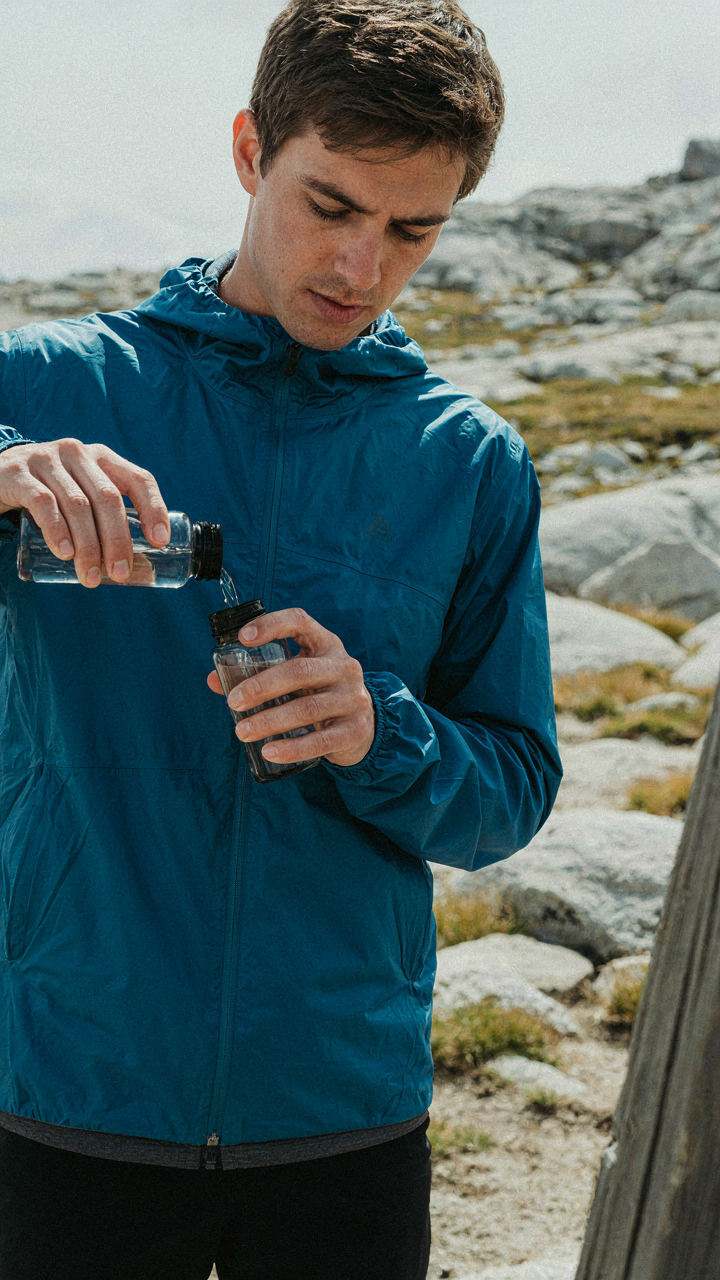
You want the Instagram version of toughness without the actual cost. That’s the real pull here. But the mechanism is simpler: controlled discomfort on a trail forces you to solve problems your normal life outsources. You learn what your body can endure. You learn what you actually need versus what you thought you needed. The discomfort becomes proof to yourself that you’re capable of more than comfort alone suggests.
This is how you build confidence that transfers. Three days with minimal gear and no cell service rewires your baseline. You return to normal life knowing you’ve already handled the harder option. Discomfort on the trail isn’t suffering for its own sake. It’s the tax you pay to stop relying on external validation that you’re competent. You prove it to yourself by surviving something deliberately harder.
Gear Minimalism Breaks False Dependencies
Ultralight gear design emerged from the backpacking community’s obsession with reducing weight, but the real win isn’t lighter packs. It’s the clarity that comes from elimination. You own fifteen things instead of forty. You know exactly what each does. You can’t hide behind gear abundance. This forces intentionality. What remains serves a purpose. Everything else was theater.
- Shelter: A single-wall tent or tarp setup weighs under two pounds and forces you to understand weather exposure rather than relying on redundancy.
- Sleep system: One quality sleeping bag chosen for actual conditions beats three mediocre bags you over-pack out of uncertainty.
- Cook kit: A single titanium pot, one stove, one fuel canister eliminates decision fatigue and teaches efficient meal planning.
- Navigation: Paper map and compass require active attention to terrain, building spatial awareness that GPS erases.
- Clothing: Five pieces in a layering system you actually understand beats ten items you choose from randomly each morning.
Minimalism in gear isn’t deprivation. It’s the removal of the psychological crutch that says more options equal better preparation. You learn what actually matters on the trail because you only carry what does. Strip the gear down and you strip down your excuses for not going. You stop waiting for the perfect equipment setup and start moving instead.
Beyond Tourist Traps: Real “Adventurous Activities” For The Discerning Few
Filter By Signal, Not Popularity
You want proof you’re not like other travelers. That’s the real reason you care about this section. The mechanism is simple: mass attractions generate buzz because they’re accessible to everyone, which makes them useless as status markers. Real adventurous activities leave no digital footprint until you share them yourself.
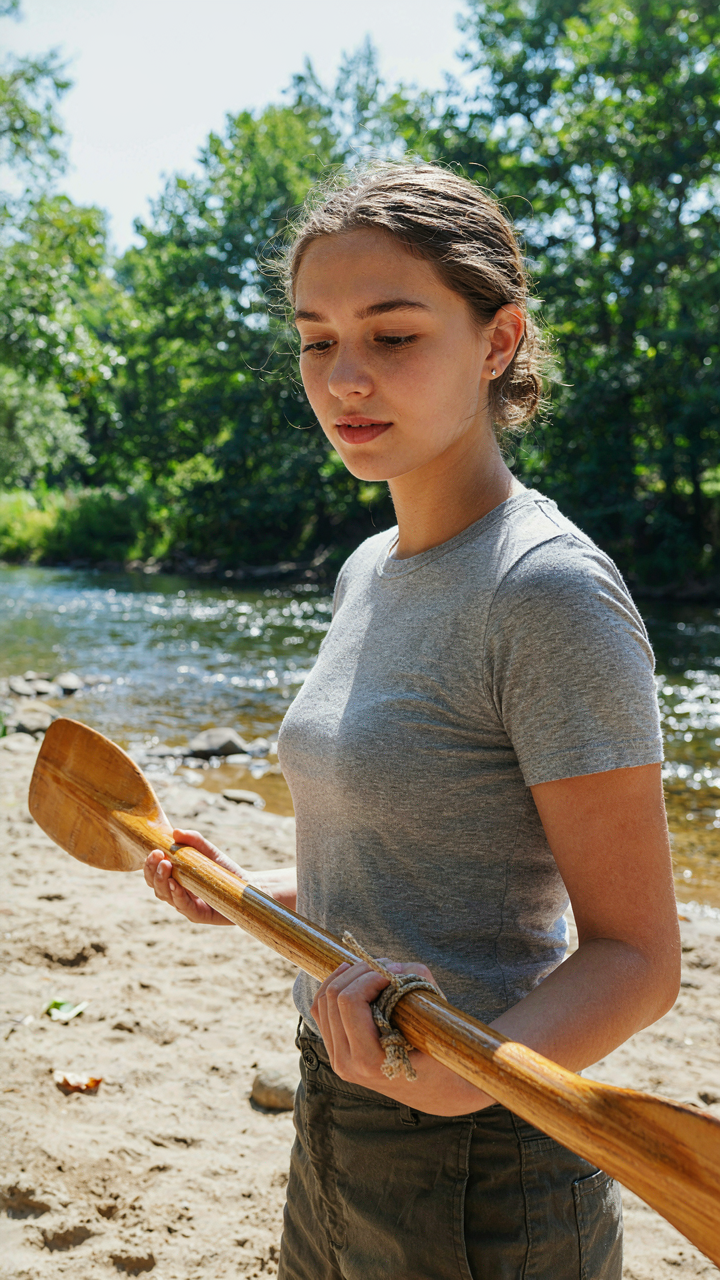
Start by inverting how you search. Skip travel blogs and Reddit threads entirely. Instead, find experiences that appear in academic papers, regional sports associations, or niche forums where locals argue with each other. A kayaking route mentioned in a whitewater research journal beats any Instagram location tag. The signal is expertise-driven content, not engagement metrics. Popularity kills authenticity faster than anything else.
Direct Access Beats Booking Platforms
Local experts guard real access because they profit from scarcity, not scale. Booking platforms democratize experiences, which means the curated adventure you found last week now has a three-month waitlist and a corporate partner. You need to build relationships with guides, outfitters, and fixers who work year-round in specific regions, not seasonal coordinators who manage calendars for a dozen companies.
Send a direct message to someone working in the field you want to explore. A mountain guide running his own operation, a kayak instructor who owns the shop, a climbing coach with ten years in one range. Ask for their recommendation on what’s actually worth doing, not what’s profitable to sell. Most will answer honestly if you ask specifically. Then book through them directly. You skip the platform margin and get actual insider routing.
The Post Adventure Integration: Sustaining The Adventure Aesthetic

Translating Wilderness Lessons Into Daily Life
You want the adventure to mean something so you don’t feel like you wasted money and time chasing a feeling. Here’s the mechanism: wilderness strips away the noise that lets you operate on autopilot in normal life. You make decisions faster, tolerate discomfort without complaint, and notice what actually matters. The trap is expecting this to stick without deliberate transfer.
The real work happens in the first week back. Document one specific moment from the trip where you made a decision under pressure or uncertainty. Not the sunset photo. The moment you chose to push forward despite doubt, or turned back despite wanting to continue. Write down the exact reasoning. Then identify where that same reasoning applies to your actual life right now. This isn’t motivation. It’s pattern matching. Your brain learned something under real stakes. You’re just pointing it at the right target.
Building A Personal Adventure Philosophy
The common advice here is trash. Stop talking about “finding yourself” or “disconnecting to reconnect.” That’s not a philosophy. A philosophy answers: what risks are worth taking and why, what comfort is worth keeping and why, what trade-offs you accept. Use economics’ concept of opportunity cost. Every moment on an adventure is a moment not spent elsewhere. You’re choosing based on explicit values, not accident.
Start by naming three non-negotiable elements from your trip. Not “the views were beautiful.” Name the actual structure: solo navigation, physical exertion at threshold, social constraint removal, time away from devices. Then ask which of these directly supports how you want to live. Build that into your calendar as non-optional. Not as hobby time. As operational infrastructure. Your philosophy lives in your choices, not your thinking. Schedule a monthly experience that mirrors one element from your best trip and protect that time like you protect work commitments.
The Real Obstacle Isn’t A Lack Of Destinations, But A Deficit Of Intentionality

You don’t need another list of places to go. You need to stop treating adventure like entertainment and start treating it like medicine. Pick one trip this quarter. Write down why it matters to you beyond the Instagram potential. Then book it before you talk yourself out of it. The difference between people who actually live and people who plan to live is commitment, not inspiration.