

The Concept Of An Office Hide Seek Strategy

Modern Professional Playfulness
Office Hide Seek serves as a tactical tool for team engagement. Gamification in the workplace breaks rigid social hierarchies and encourages lateral thinking. Companies now integrate play into Workspace Design to reduce stress and boost creative output. This strategy forces employees to navigate their physical environment in new ways. Physical movement through a Coworking Space improves blood flow and sharpens focus for difficult tasks.

Modern Interior Design now incorporates elements that support these brief mental resets. Managers use these activities to test communication skills under pressure. Effective games require clear rules and defined boundaries to remain productive. Strategic play creates a culture of agility. Teams that engage in these exercises adapt faster to sudden market shifts. A well-placed Call Booth Office provides the perfect tactical spot for quick concealment during drills.
Psychological Benefits Of Seclusion
Deep work requires total elimination of external distractions. Constant noise at a desk lowers cognitive performance and increases error rates. A Hidden Office or a Hidden Work Space allows an employee to disappear for high-value tasks. Isolation triggers the brain to enter a flow state quickly. This mental clarity is essential for complex problem solving. Professionals often use a Hidden Home Office to replicate this necessary silence.

Architects now design specialized areas like a Hidden Office In Closet for maximum privacy. A Hide Away Home Office or a dedicated Hidden Home Office provides a physical barrier against interruptions. These small zones mimic the safety of a den. This feeling of security lowers cortisol levels in the body. Using a Call Booth Office ensures that even open plans offer moments of solitude. Private spaces are not luxury features but essential tools for output.
Utilizing A Call Booth Office For Focus
Acoustic Isolation Trends
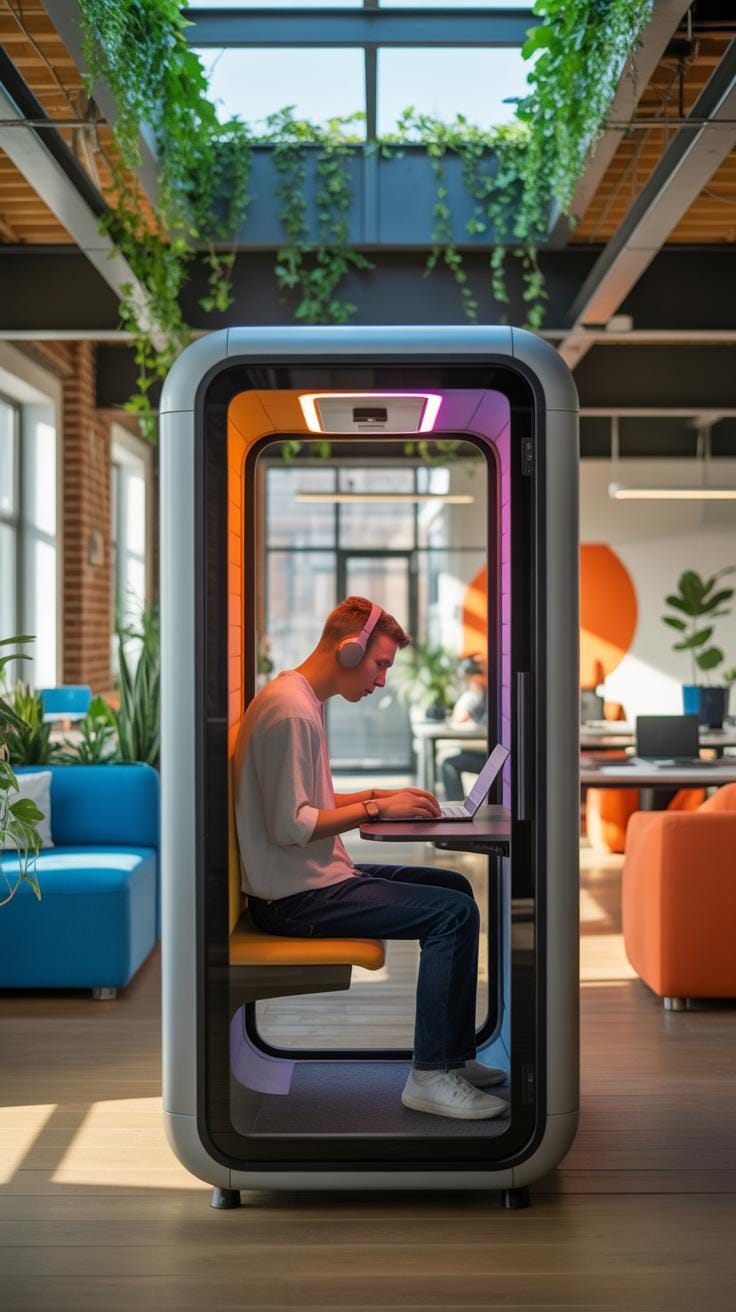
Open plan layouts dominate modern Workspace Design but fail at noise control. Constant chatter reduces worker output and raises stress levels. High performance teams now utilize the Call Booth Office to solve this problem. These units use high density acoustic foam and double glazed glass to block sound. They provide a reliable Hidden Work Space within a loud room. You regain control over your immediate environment.
Modern Interior Design focuses on modularity rather than permanent walls. Flexible pods allow companies to scale privacy without expensive construction. These units function like a Hide Away Home Office for the corporate floor. They ensure that deep work happens without distraction from the surrounding Coworking Space. You need these tools to maintain high output. Silence is no longer a luxury but a requirement for technical tasks.
Enhancing Executive Privacy
Leaders handle sensitive data that staff should not see. A standard desk offers zero security for confidential video calls or financial reviews. Using a Call Booth Office creates a temporary Hidden Office for high level discussions. It functions much like a Hidden Office In Closet does in a residential setting. It keeps your business strategy secure. Executives must have a place to vanish when the stakes are high.
Smart managers use these pods to stay accessible but protected. Visibility is important for morale but constant access ruins your schedule. A dedicated booth acts as a Hidden Home Office inside the corporate footprint. It signals to the team that you are busy but still present. Effective Interior Design integrates these zones to balance transparency with operational security. Use these spaces to protect your time and your data.
Maximizing Space With A Hidden Office In Closet
Cloffice Conversion Essentials
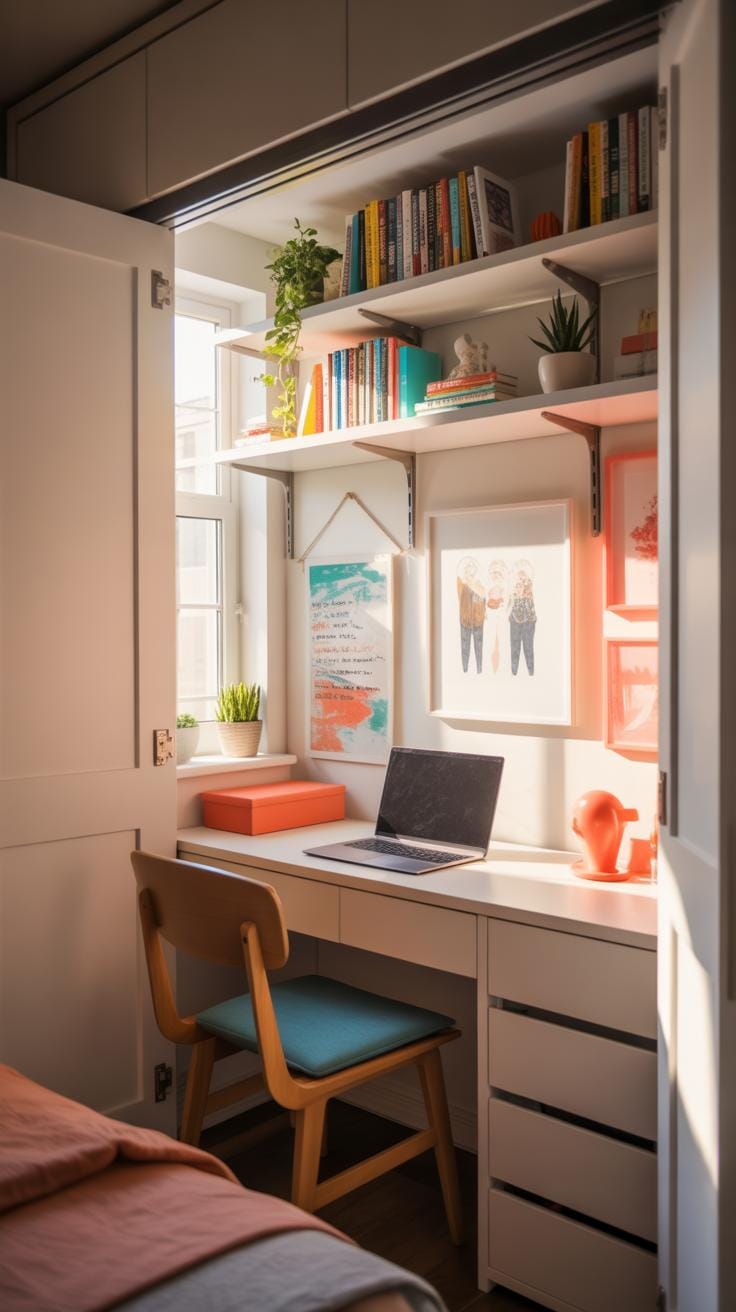
Maximizing square footage requires a strategic approach to Interior Design. You can transform a standard closet into a functional Hidden Office In Closet by stripping away unnecessary racks and reinforcing the interior shell. This setup provides a dedicated Hidden Work Space without occupying the main floor area. Proper planning ensures the layout accommodates essential hardware while maintaining a clean aesthetic that disappears when not in use.
- Folding Or Sliding Doors: Use pivot or bi-fold hardware to save external clearance. These doors allow the Hidden Home Office to vanish instantly. They keep professional clutter out of sight during personal hours to maintain room utility.
- Floating Desks: Install wall-mounted surfaces to eliminate bulky legs. This creates an open feel within the Hide Away Home Office. Choose solid core materials to support heavy monitors and provide a stable writing surface for daily tasks.
- Integrated LED Task Lighting: Mount slim light bars under shelving to eliminate shadows. Proper illumination is critical for a Workspace Design inside dark closets. Use neutral color temperatures to reduce eye strain during long hours of deep focus.
- Vertical Shelving Units: Utilize the full height of the closet for storage. Place frequently used items at eye level and archives at the top. This vertical strategy keeps the primary desk surface clear of distractions and physical obstacles.
- Ergonomic Stool Options: Select seating that slides completely under the desk. A low-profile stool or a task chair with folding arms is necessary for a compact Hidden Office. This ensures the doors close flush without any movement or obstruction.
Smart Workspace Design relies on high-quality materials and efficient placement. Every inch of a Hide Away Home Office must serve a purpose. Use cable management tracks to hide wires along the corners of the closet. This prevents tangling and maintains the professional look of your Hidden Home Office. A well-organized interior mimics the efficiency of a high-end Coworking Space within your own residence.
Discreet Work Environments
A Hidden Work Space allows executives to separate their professional duties from their personal lives. By using a Hidden Office In Closet, you create a physical barrier that signals the end of the workday. Closing the doors provides a psychological reset that a standard desk cannot offer. This tactic prevents work stress from bleeding into the home environment and preserves the integrity of your living space.
The rise of the Call Booth Office demonstrates a need for acoustic and visual privacy. A Hidden Office provides these benefits without the cost of a full renovation. It functions like a private nook in a modern Coworking Space, offering a quiet zone for high-stakes decisions. Strategic Interior Design turns a simple storage area into an elite base of operations that stays out of sight when guests arrive.
Innovations In Workspace Design For Privacy
Ergonomics And Flow
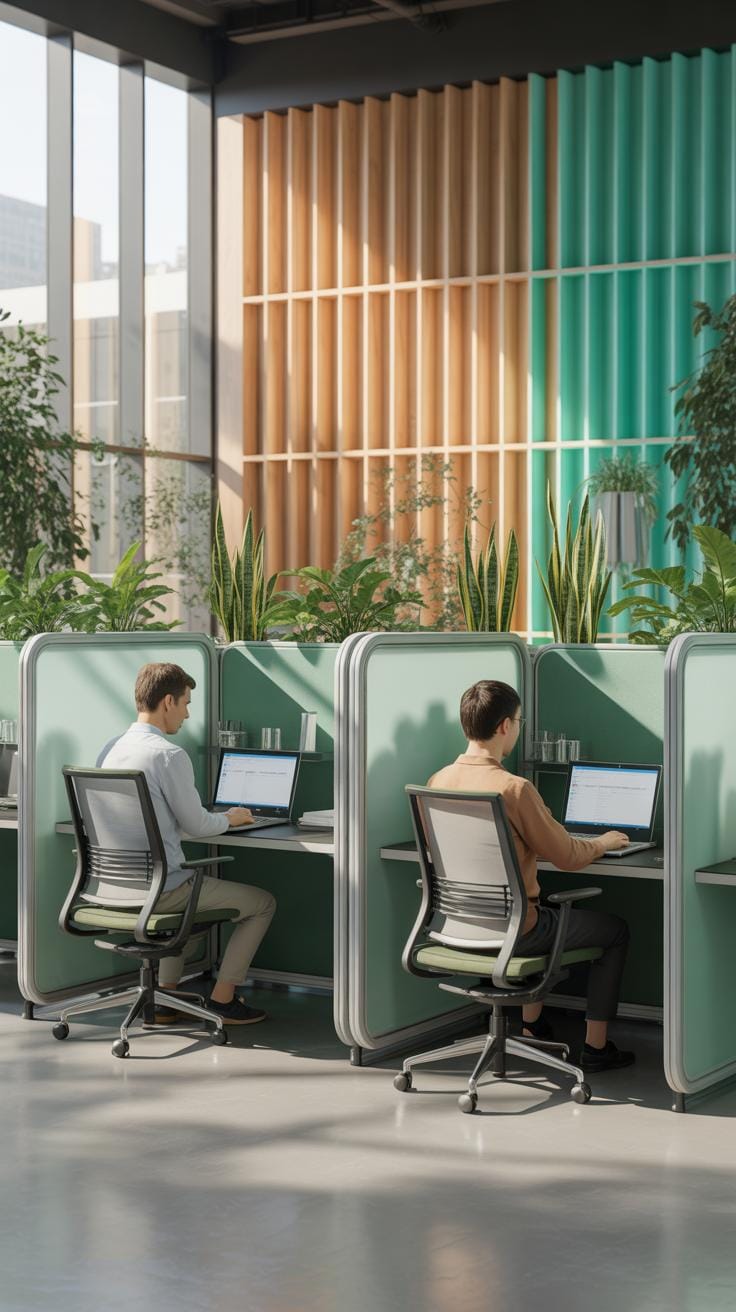
Modern Workspace Design uses furniture as structural walls. Strategic placement of tall shelving and acoustic panels creates a Hidden Work Space without building permanent walls. This setup directs foot traffic away from deep work zones. You must align desks to avoid direct line of sight between employees. This layout reduces visual noise and cognitive load. It allows for high focus in an open floor plan.
Good Interior Design balances density with movement. Professionals now integrate a Hidden Home Office into mixed use rooms using folding screens or modular units. A Hide Away Home Office or a Hidden Office In Closet saves square footage while providing a mental boundary. You move from life to work by physically unfolding your desk. Efficient flow ensures that high traffic areas do not bleed into these quiet corners.
The Architecture Of Silence
The Architecture of Silence divides floor plans by noise levels. Busy zones handle team meetings and social interaction. Private zones use a Call Booth Office to contain loud phone conversations. This prevents one person from disrupting the entire group. Every Coworking Space now utilizes these phone pods to maintain a quiet atmosphere. It is a tactical move to preserve worker productivity and focus.
A dedicated Hidden Office or a Hidden Home Office provides a silent retreat for complex tasks. Effective design uses sound absorbing materials like felt and cork to dampen vibrations. You should designate specific areas as zero talk zones to protect employees from interruptions. This approach mirrors the library model of task management. It ensures that everyone has access to a calm environment when they need to execute high stakes work.
Transitioning To A Hide Away Home Office
Multifunctional Residential Spaces
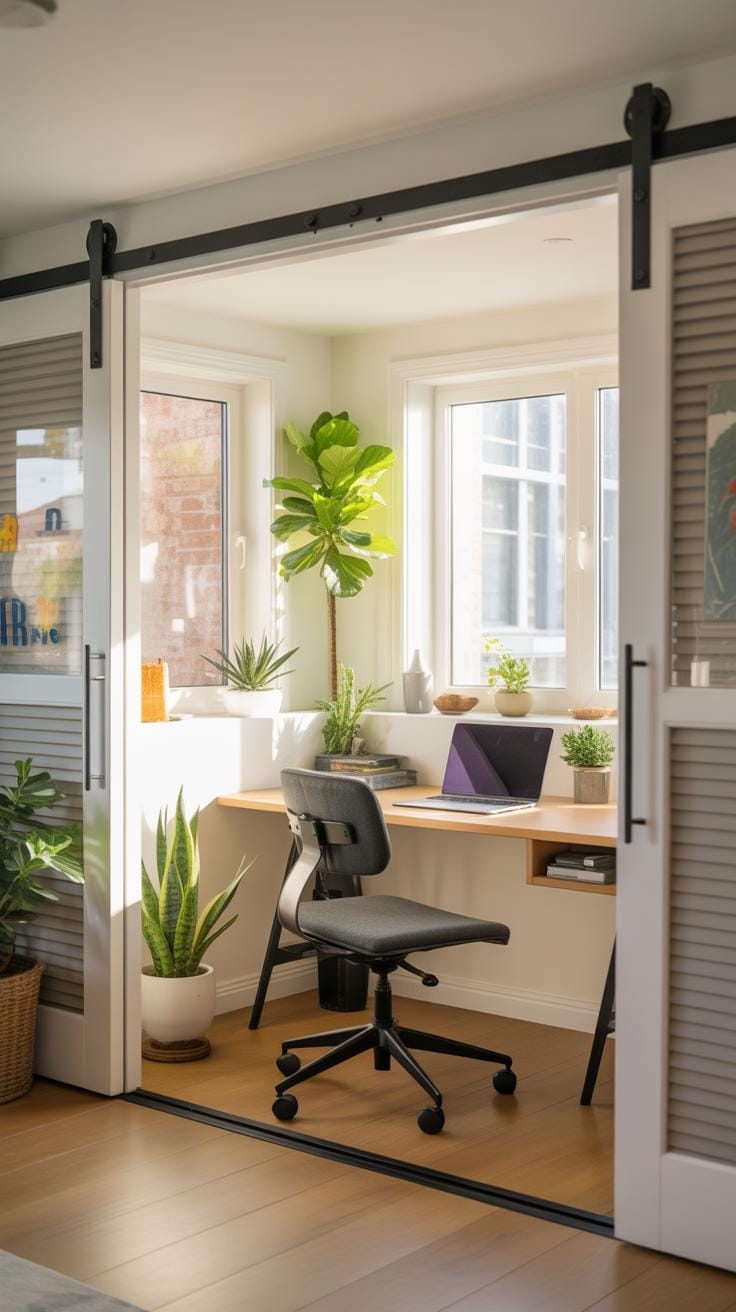
Smart Interior Design now prioritizes utility over pure square footage. Small apartments require a Hide Away Home Office that does not compromise living areas. You achieve this through custom cabinetry and retractable furniture. High density fiberboard and pneumatic hinges allow desks to disappear when not in use. This tactical approach ensures your home remains a sanctuary while providing a professional Hidden Work Space during production hours.
A Hidden Office In Closet serves as the ultimate space saving solution. You strip the traditional rod and shelf system to install a deep desktop and cable management. Bi fold doors or sliding panels keep the equipment out of sight. This design choice mimics the privacy of a Call Booth Office within a standard bedroom footprint. It creates a physical boundary that separates your domestic life from your professional tasks.
The Stealth Desk Trend
The Stealth Desk Trend utilizes modular furniture to mask productivity tools. Modern pieces transform from a decorative sideboard into a full scale workstation in seconds. You select heavy duty hardware that supports dual monitor setups without sagging. This strategy eliminates the clutter of a traditional Hidden Home Office setup. Your Workspace Design remains clean and aesthetic while holding the capability for high intensity work at a moments notice.
Implementing this trend requires a focus on durable materials like solid wood or reinforced steel. Many professionals now repurpose mid century modern credenzas for this specific purpose. The goal is to blend your Hidden Office into the surrounding room seamlessly. This mimics the clean lines found in a premium Coworking Space while maintaining residential comfort. You effectively hide the machine of labor behind a facade of high end residential furniture.
The Role Of Interior Design In Professional Stealth
Aesthetic Concealment Techniques
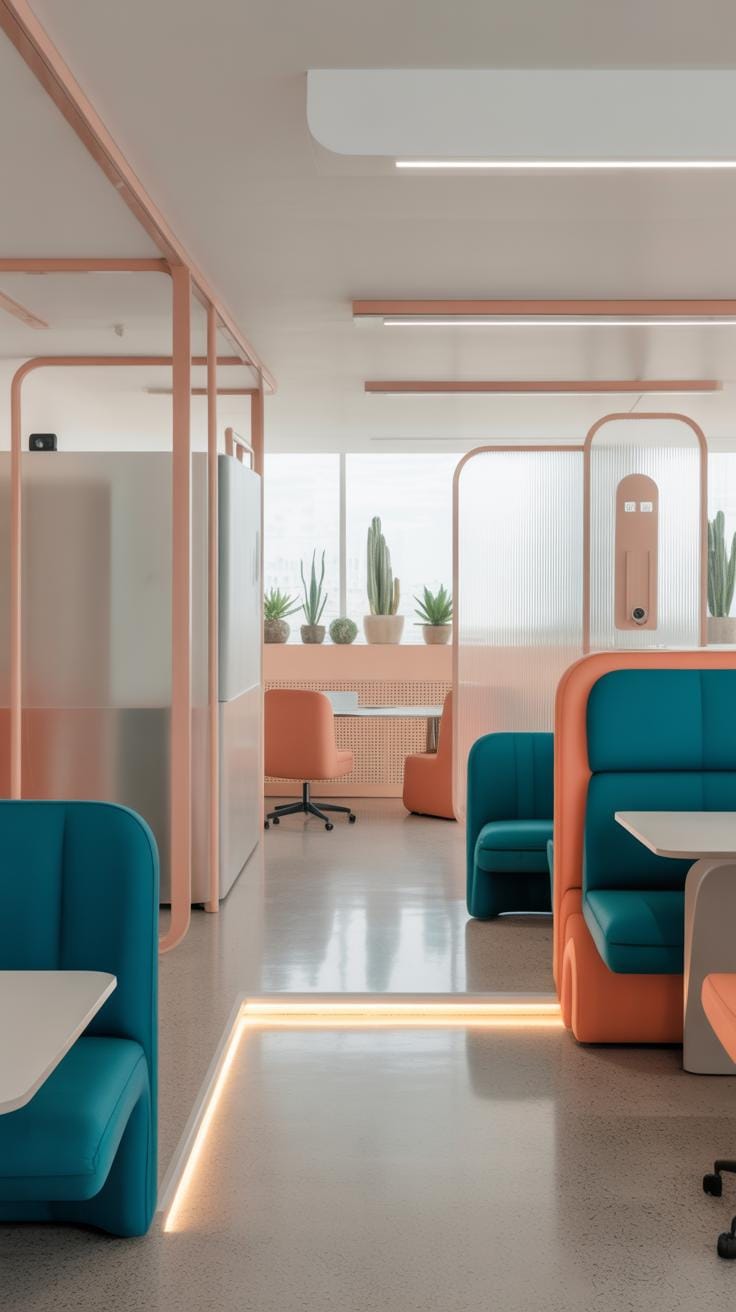
Effective Interior Design focuses on visual continuity to mask a Hidden Office. Practitioners use monochromatic color palettes to make bulky desk units disappear against walls. Flat finish paints eliminate highlights that give away the location of a Hide Away Home Office. Choosing matte textures prevents light from bouncing off hard surfaces. This strategy turns a functional Hidden Work Space into an invisible element of the room.
Tactical concealment requires matching wood grains and metal finishes to existing furniture. A Hidden Office In Closet must use doors that mirror the architectural trim of the house. Custom cabinetry allows a Hidden Home Office to look like a standard storage unit. Professionals avoid high contrast hardware that draws the eye. This approach ensures a Call Booth Office does not disrupt the aesthetic flow of a modern Coworking Space.
Biophilic Integration
Natural elements provide a strategic visual shield in any Workspace Design. Large leafy plants create a soft barrier that hides computer monitors and cables from view. Integrating green walls provides acoustic dampening for a Hidden Office. Strategic placement of foliage breaks up the hard lines of office equipment. This technique allows a Hidden Work Space to exist in plain sight without attracting unwanted attention.
Daylight management is a critical tool for professional stealth. Controlling light spill ensures a Hidden Home Office does not project shadows during night use. Use frosted glass or wooden slats to diffuse light and hide movement. These organic textures provide a sense of calm while maintaining privacy. Effective biophilic design makes a Hidden Office In Closet feel like a natural part of the living environment rather than a cramped box.
Embracing The Coworking Space Evolution
Flexibility For Leadership
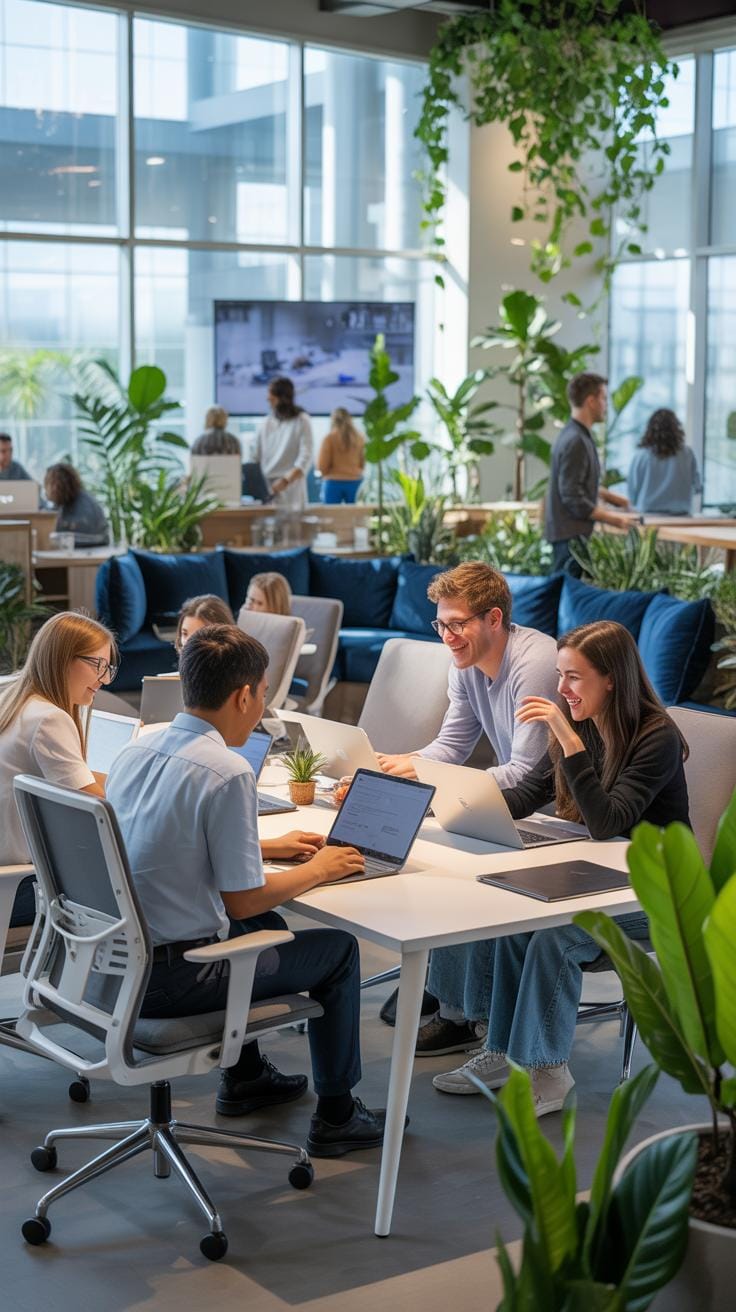
Leaders often get trapped in corner offices. This isolation kills innovation and slows down decision making. Moving to a Coworking Space forces managers to engage with different industries. It breaks the routine of old corporate habits. A Hidden Office approach allows a boss to observe team dynamics without being a constant distraction. This shift creates a mobile leadership style that values output over presence.
Effective Interior Design now favors agility over status. Executives use a Hidden Work Space to focus on high-stakes strategy away from daily office drama. Neutral ground provides a safe place for networking and talent scouting. It stops the echo chamber effect found in traditional headquarters. Leadership becomes a tactical movement rather than a static position. Using a Hidden Home Office during off-site weeks keeps the workflow steady.
A leader who remembers how to play finds the hidden potential in every corner of the office. Rediscovering the wonder of our childhood games is the surest way to bridge the gap between authority and heart.
Shared Resource Efficiency
The traditional office model wastes too much money on unused square footage. Modern Workspace Design focuses on high-density utility. Companies now replace empty desks with a Call Booth Office for private tasks. This setup saves on rent and utilities while improving acoustic privacy for everyone. It treats space as a tool rather than an asset. Smart firms utilize a Hidden Office In Closet for maximum square foot recovery.
On-demand pods reduce the footprint of the standard floor plan. Organizations no longer need to build permanent internal rooms for every employee. A Hide Away Home Office provides the same focus benefits without the overhead of a dedicated lease. This trend follows the broader shift toward lean operations and flexible infrastructure. Integrating a Hidden Home Office into your real estate strategy cuts costs and increases speed. This is the new standard for efficiency.
Creating A Hidden Work Space For Deep Work
Eliminating Digital Distractions
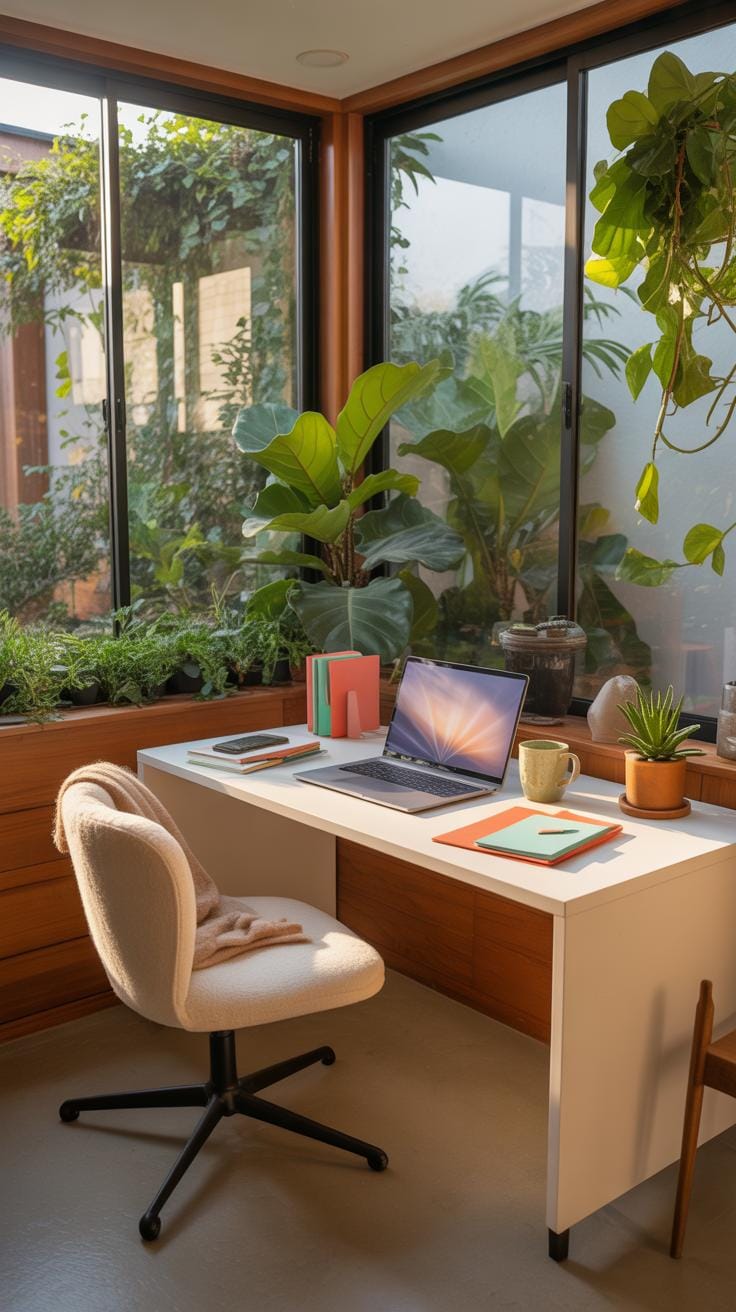
Modern Coworking Space layouts fail because they force employees to battle constant visual and auditory noise. A Hidden Work Space creates a physical barrier that stops the Pavlovian response to office pings. When you enter a Hidden Office, you signal your brain to ignore everything outside that perimeter. This transition is tactical and necessary for high stakes tasks. Interior Design must prioritize these zones to protect cognitive resources from draining.
Building a Hidden Office In Closet or a dedicated Call Booth Office removes the urge to multitask. Physical boundaries dictate mental focus. You cannot achieve deep work in an open floor plan where every movement catches your eye. Use a Hide Away Home Office to wall off the digital chaos of the household. This setup ensures that when the door closes your only priority is the specific objective in front of you.
The Science Of Flow States
Flow states require at least twenty minutes of uninterrupted concentration to materialize. A Hidden Home Office provides the isolation needed to reach this level of performance. Standard Workspace Design often ignores the cost of context switching caused by interruptions. By using a functional Hidden Office, you eliminate the external triggers that break your momentum. Isolation is a tool for speed and accuracy in complex technical environments.
Productive flow depends on a controlled environment where you face zero unexpected intrusions. A Workspace Design that incorporates these quiet zones allows for longer periods of intense output. Open desks invite casual drive-by conversations that kill productivity instantly. Strategically placed pods or a Hidden Work Space allow workers to disappear until they complete the mission. This approach mirrors industrial design movements that prioritize utility over aesthetics to drive results.
Benefits Of A Dedicated Hidden Home Office
Defining Professional Boundaries
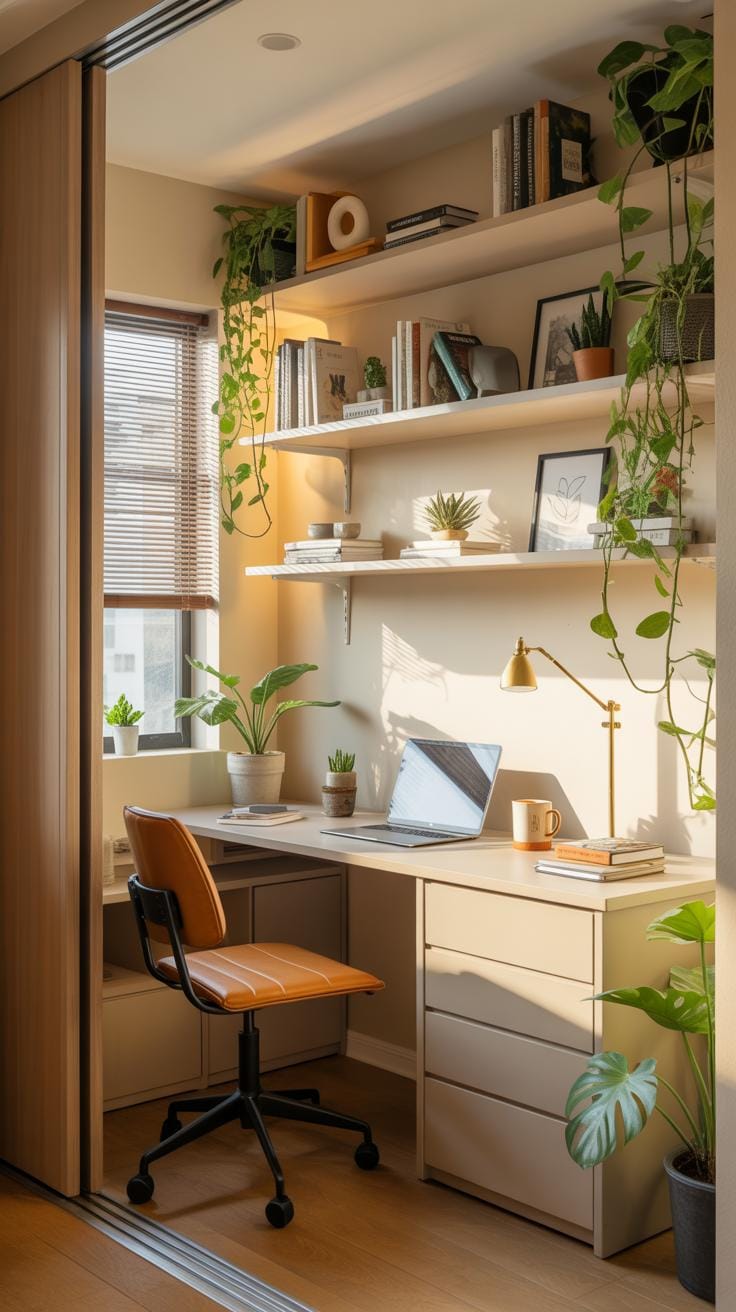
Continuous visual access to a desk creates cognitive load. You cannot rest when your laptop stares at you from across the room. A Hidden Office breaks the psychological link between your living area and your labor. It stops the constant reminders of unfinished tasks. This separation mimics the physical exit from a Coworking Space. It allows your brain to transition into recovery mode immediately.
Hiding your work area provides a clear start and end to your day. You close the door on a Hidden Office In Closet and the workday vanishes. This tactile action signals your nervous system to downshift. Without this physical barrier, mental fatigue sets in because you never truly leave the job. Proper Workspace Design prioritizes this mental off switch to maintain high performance over long durations.
Customization And Personalization
A Hidden Work Space allows for deep focus without ruining your Interior Design. You can install ergonomic tools and messy whiteboards inside a Hidden Home Office without cluttering the main house. This setup permits a high degree of utility within a small footprint. It functions like a private Call Booth Office but stays tucked behind a cabinet or wall. You get a cockpit built for your specific workflow.
You do not have to compromise on style when choosing a Hide Away Home Office. Professional setups often clash with domestic aesthetics. By using a Hidden Home Office, you keep your professional hardware out of sight when guests arrive. This strategy lets you optimize for technical efficiency behind closed doors while maintaining a clean living environment. It offers the best of both functional utility and home comfort.
Implementing A Hidden Office Policy

Strategic Management Steps
Modern workspace design demands a shift from constant visibility to functional isolation. Managers must facilitate environments where employees can disappear to execute deep work without interruption. This strategy reduces cognitive load and prevents burnout. Leaders must treat a hidden office as a tool for high performance rather than a sign of disengagement. Clear policies ensure that physical absence does not equate to a lack of productivity.
- Quiet Hours: Institutionalize blocks of time where teams stop all internal communication. This formal pause allows staff to retreat to a hidden work space or specialized zones. It protects the focus required for complex problem solving and strategic planning within the daily schedule.
- Private Pods: Install a call booth office to provide immediate acoustic privacy in open layouts. These units offer a physical escape for sensitive calls or deep concentration. They are essential for maintaining professional standards in a busy coworking space or a traditional corporate environment.
- Concealment Standards: Encourage remote staff to utilize a hide away home office to separate their professional and personal lives. Using a hidden office in closet setup allows workers to physically close their business day. This separation is vital for long term mental health and sustained output levels.
- Model Behavior: Executives should actively use a hidden home office to signal that isolation is acceptable. When leadership hides away to focus, it gives the entire team permission to do the same. This top down approach removes the stigma associated with working out of direct sight.
- Signal Respect: Train all staff to recognize and respect do not disturb indicators without hesitation. Whether it is a closed door or a specific digital status, these signals protect the integrity of the hidden office. Respecting these boundaries ensures that quiet zones remain effective and truly private.
Effective interior design must support these management tactics to be successful. A hidden office is only useful if the culture allows people to use it. Management must update employee handbooks to reflect these new spatial norms. By codifying the right to be unreachable, companies protect their most valuable asset: the focused mind of the employee. High output requires periods of total silence.
Measuring Productivity Gains
Data collection must move beyond badges and desk sensors to track actual output quality. Companies utilizing a hidden office often see a sharp rise in completed tasks and reduced error rates. Traditional metrics fail to capture the value of deep work sessions. Managers should compare project delivery speeds before and after implementing flexible workspace design changes. Accurate tracking reveals the financial benefit of allowing staff to hide.
Employee retention and morale provide a secondary layer of measurement for this strategy. A hidden home office reduces the stress of constant digital and physical surveillance. Teams with access to a hidden office in closet report higher job satisfaction due to better work life boundaries. Modern interior design that prioritizes privacy over density leads to lower turnover. These metrics prove that strategic isolation is a competitive advantage in the current labor market.
Frequently Asked Questions

What are the primary benefits of organizing an office hide and seek game?
Introducing a game of office hide seek can significantly boost employee morale and break down rigid corporate hierarchies. When a boss participates, it humanizes leadership and fosters a sense of psychological safety within the team. This playful interaction reduces workplace stress, encourages creative thinking, and builds stronger interpersonal connections, ultimately leading to a more vibrant and collaborative company culture where employees feel comfortable engaging with their managers.
How can a team safely coordinate an office hide and seek session without disrupting work?
To execute a successful round of office hide seek, it is best to schedule the event during a designated happy hour or a Friday afternoon slump. Set clear boundaries by designating “out of bounds” areas like server rooms or active meeting spaces to ensure safety. Establishing a specific time limit and using a whistle or group chat to signal the end of the game helps maintain structure while ensuring the fun remains productive.
Do we need a large budget or special equipment to host this type of team building?
One of the best things about this activity is that it requires absolutely zero financial investment. Unlike expensive escape rooms or catered retreats, playing hide and seek only requires your existing office layout and a willing team. It is an incredibly accessible way to practice inclusive team building, as anyone can participate regardless of their department. All you need is a bit of creativity to turn your cubicles and breakrooms into a playground.