
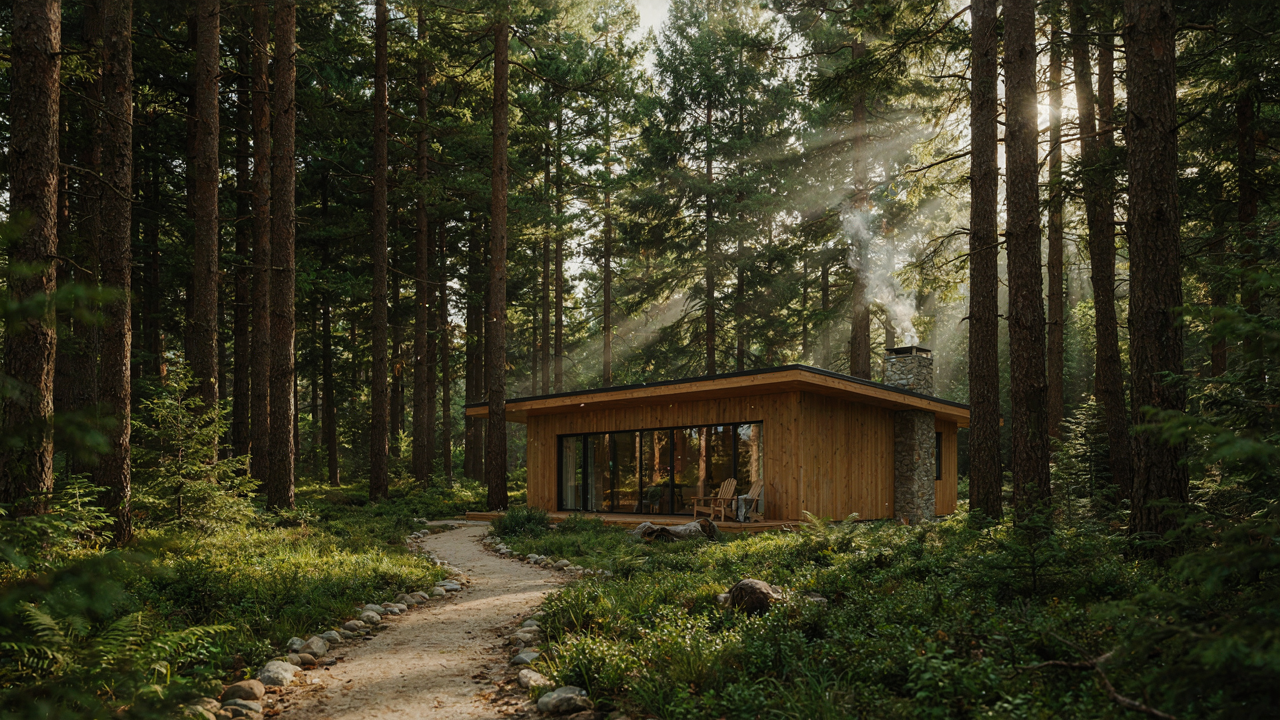
The Myth Of Simple: Why Off Grid Living Isn’t Your Easy Button
You’re Trading Problems, Not Solving Them
You want off grid cabin living because you think it erases complexity. It doesn’t. In systems theory, this is called complexity transfer: you don’t eliminate problems, you move them from one domain to another. City living creates noise, commute friction, and landlord dependence. Off grid living creates water sourcing, power generation, and waste management problems that demand constant attention. The work doesn’t vanish. It just changes shape and location.
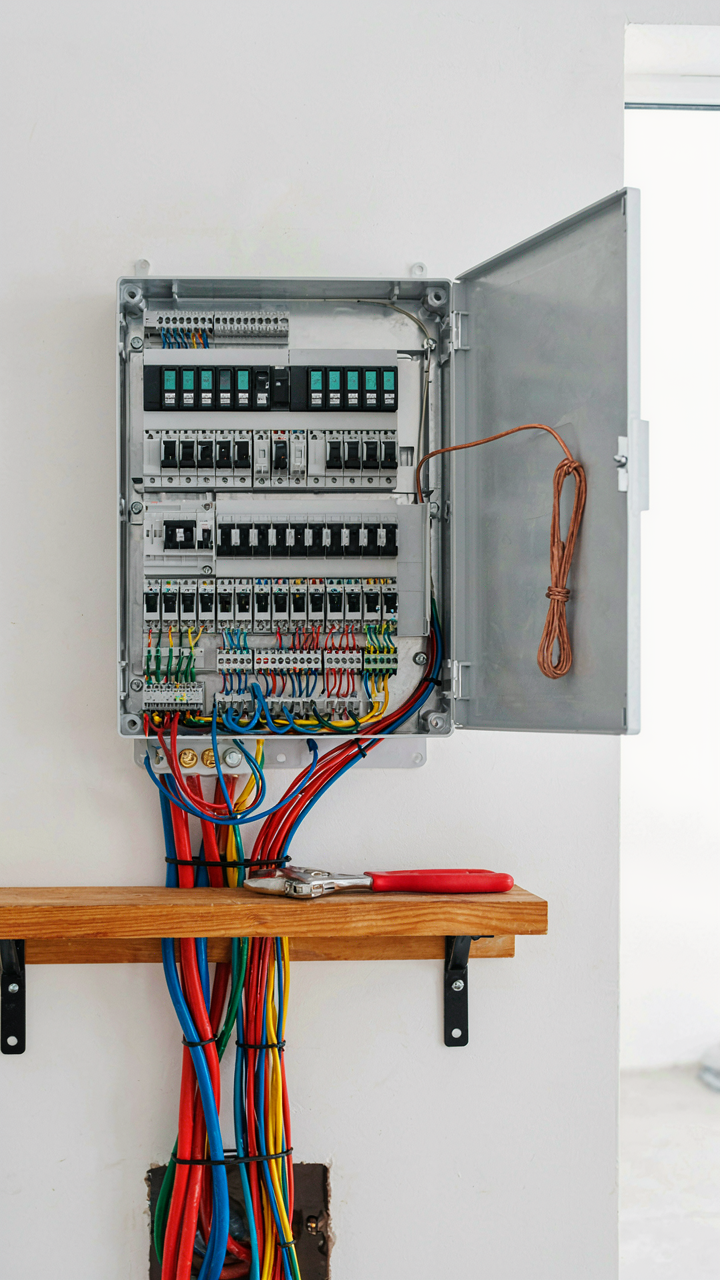
Most people romanticize the absence of bills and neighbors into the absence of responsibility. That’s denial dressed up as philosophy. Off grid living trades predictable utility failures for unpredictable system failures. You move from calling a plumber to becoming one. You move from paying an electric company to managing batteries, inverters, and charge controllers that fail at 2 AM in January when you can’t just call someone. The cognitive load shifts from passive bill payment to active problem solving every single day.
Energy Demands Never Scale Down
You cannot think about off grid power like you think about grid power. This isn’t semantics. Grid power is a pull system: you use what you need, when you need it, and someone else manages generation and storage at scale. Off grid power is a push system constrained by what you can generate and store right now. Solar output varies by season, cloud cover, and panel angle. Water systems depend on rainfall, groundwater accessibility, and pipe freeze risk. Waste systems require active management of gray water, composting toilets, and propane appliances that all have different failure modes and maintenance cycles.
The common advice says “start small and scale up.” That’s incomplete. What you actually need is a demand audit before you touch a single wire. You calculate winter energy needs first, then size batteries to cover 3 to 5 days of cloudy weather, then size solar panels to recharge those batteries even in poor conditions. Water demands require knowing your household consumption, calculating seasonal variance, and building redundancy for drought and freezing periods. Waste systems demand weekly to monthly active intervention, not passive removal. You live inside these constraints every day, and they compound when one system fails.
The Self Sufficiency Algorithm: Rebuilding Your Foundational Systems
Water Harvesting: Catchment, Filtration, Storage
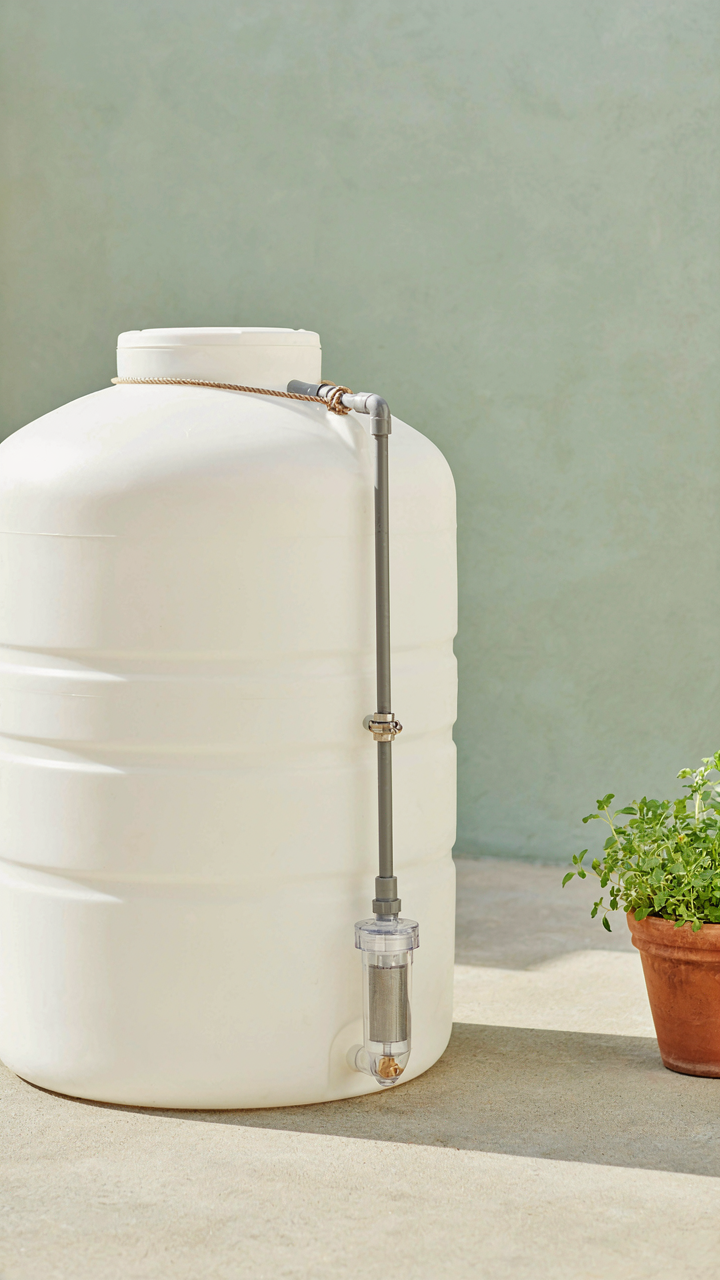
You want to believe that turning a spigot off the grid makes you independent. It doesn’t. Water systems fail silently, and when they do, you’re not living off grid—you’re just thirsty. The mechanism is simple: gravity moves water downhill into collection points, filtration removes particles and pathogens, and storage buffers seasonal variation. This is hydraulics applied to survival, not ideology.
Roof catchment works because surface area multiplies volume. A 1,000 square foot roof collects roughly 600 gallons per inch of rainfall. You route it through gutters into a first-flush diverter that discards the initial dirty water, then into tanks. Filtration happens in stages: sediment screens first, then sand and gravel beds, then activated charcoal or sand for chemical absorption. Storage tanks must be food-grade, sealed against light and debris, and sized to cover your driest season—typically 6 months minimum for most climates.
Waste Management: Composting, Greywater, Disposal
The standard advice about composting is wrong. You don’t compost to save money or feel connected to nature. You do it because sewage systems don’t work without municipal infrastructure, and septic systems fail when overloaded. Composting converts waste into a manageable biological process that runs on heat and time instead of treatment plants. It’s a closed loop applied to human waste, not gardening theater.
Greywater from sinks and showers needs separation from blackwater (toilets). Greywater can irrigate non-edible plants and reduce freshwater demand by 40 to 50 percent if routed correctly. Install a three-chambered system: settling tank removes solids, biofilter breaks down detergent residue, then irrigation lines or subsurface application to soil. Solid waste follows a protocol: compost toilet collects human waste, add carbon-rich material like sawdust weekly, let decomposition occur for 12 months before use on non-food plants. Incineration handles what won’t break down—metal, glass, ceramics stay in your waste stream permanently.
Beyond The Instagram Cabin: True Off Grid Cabin Ideas
Walls That Hold Heat, Not Just Views
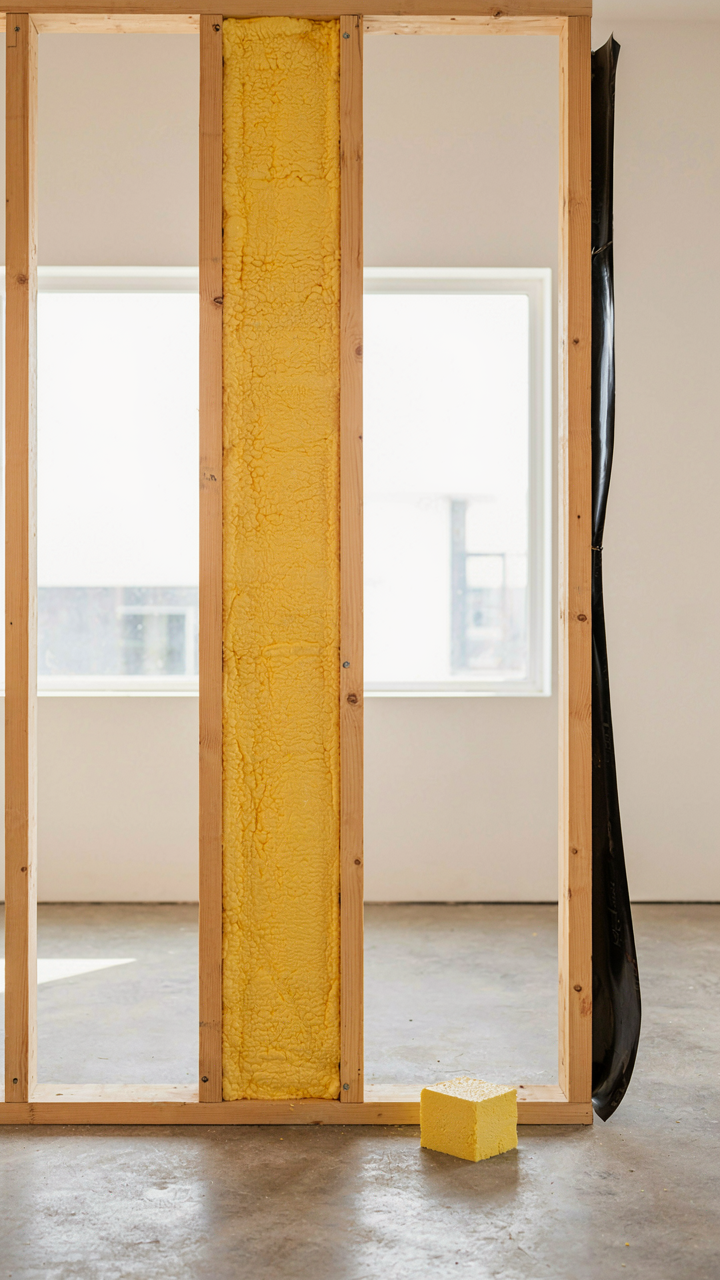
You want the cabin to look good in photos because you’re still half-convinced this is about escape rather than survival. The mechanism is simple: thermal mass and air sealing determine whether you heat or freeze, and Instagram never shows the inside of a wall cavity. Most cabin advice skips this entirely and jumps to aesthetics.
Structural integrity operates like thermodynamics. You can’t cheat the physics of heat transfer. A well-sealed cabin with proper insulation loses energy predictably. Poor sealing and gaps waste fuel and invite failure during cold snaps. Double-stud walls, sealed rim joists, and continuous insulation work because they eliminate the paths heat travels to escape. Fiberglass batts alone fail because air moves around them. Spray foam or rigid foam with sealed seams actually stop convection. The math is brutal: every gap you leave costs money and creates risk.
Weatherization happens before you move in, not after you notice cold spots. Install a vapor barrier correctly. Caulk every penetration. Insulate rim joists and band boards. Air seal the attic before adding insulation. Test your work with a blower door if possible, or walk the cabin at night with a thermal camera to spot heat loss. The cabin that survives winter is the one where someone treated the envelope like a system, not a checklist.
Kitchens And Bathrooms Built For Function
The common advice is to design your interior like you’re decorating a vacation home. That kills you fast. Off grid cabin interiors solve problems first, look nice second.
- Wood stove placement: Position it centrally to radiate heat through the cabin. Avoid corners and exterior walls where heat escapes. Proper clearance to combustibles matters more than style.
- Water storage and gravity feed systems: Install tanks higher than fixtures so water flows without a pump running constantly. A basement or elevated platform lets gravity do the work.
- Kitchen work surfaces: Use stainless steel or sealed concrete instead of natural wood. Off grid kitchens endure moisture swings and temperature changes that warp or rot unsealed wood.
- Bathroom ventilation: Moisture accumulation rots structural wood fast in unheated cabins. Simple exhaust fans or passive vents pull humidity out. Tile or sealed surfaces replace drywall in bathrooms.
- Storage for essentials: Design cabinets for tools, backup supplies, and seasonal gear. Accessible, protected storage keeps critical items functional and prevents theft or weather damage.
Interior design fails when someone prioritizes what photographs well over what works for months without power or running water. Every fixture, surface, and material choice either handles extreme temperature swings and moisture or fails. You dry dishes by hand, so drainage matters more than a sink’s shape. You heat with wood, so non-flammable surfaces around the stove matter more than paint color. Practicality becomes the only aesthetic that matters.
The Energy Autonomy Principle: Powering Your Self Sustaining Home
Solar System Sizing: Calculating Real Needs, Not Marketing Hype
You want solar specs that sound impressive at dinner parties, but what you actually need is a system that keeps your fridge running in January when the sun barely clears the treeline. The mechanism here is simple: solar marketing sells peak output under ideal conditions. Real life demands you size backward from your actual load, not forward from a salesman’s wattage claims.
Start with your daily consumption in watt hours, not kilowatts. Audit every appliance you’ll actually use. Measure winter production, not summer. Most cabin owners overestimate their needs by 40 percent because they design for a July that never controls their survival. Account for latitude, tree cover, and seasonal tilt angle. Then multiply your winter requirement by 1.3 to account for panel degradation and real-world inefficiency. This gives you the only number that matters: the actual array size your site demands.
Battery Storage: Understanding Capacity And Longevity
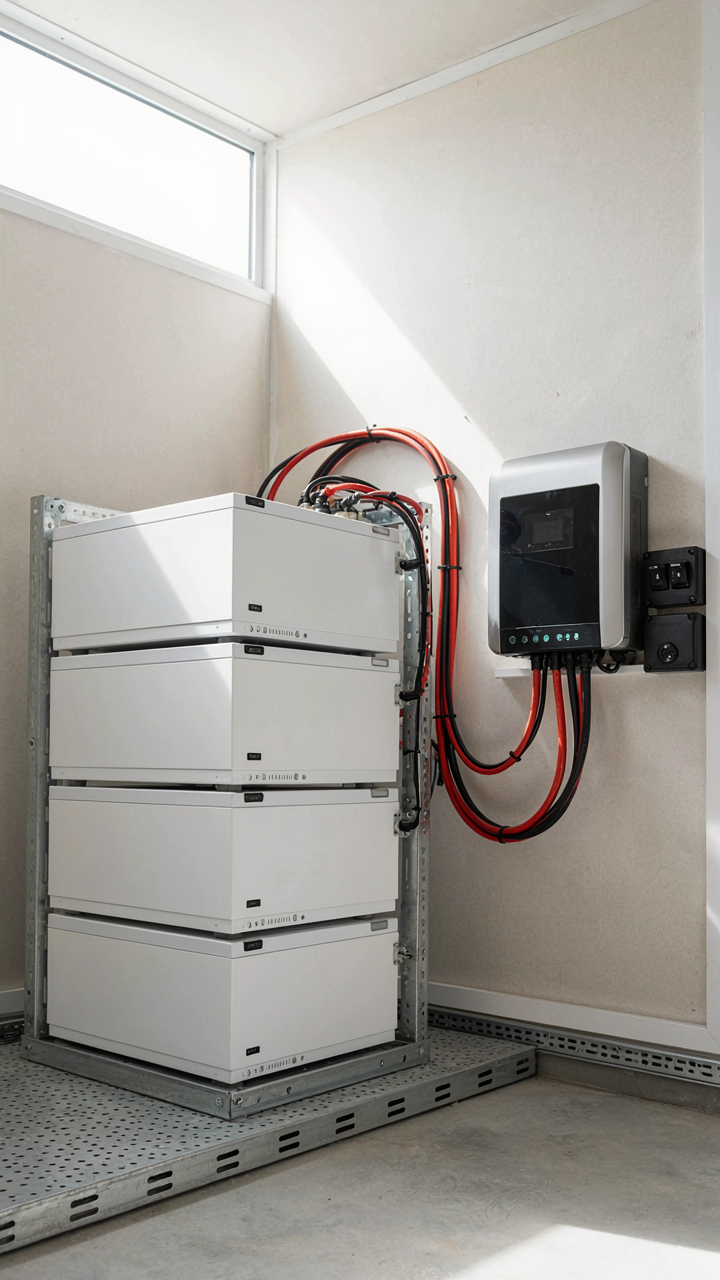
Physics calls this energy density, and lithium-iron-phosphate chemistry changed the off grid equation entirely, but only if you understand what you’re storing and why it degrades. Battery capacity means nothing without depth of discharge. A 20 kilowatt hour lithium bank at 80 percent depth gives you 16 usable hours. Lead acid at the same depth dies in three to five years. Lithium lasts twelve to fifteen years under proper conditions because the chemistry resists the physical degradation that corrodes lead plates.
The real cost calculation isn’t the upfront price. It’s cost per usable cycle across the battery’s lifespan. Temperature management determines longevity more than usage patterns. Keep your lithium between 32 and 77 degrees Fahrenheit and it survives its warranty. Freeze it or bake it and you’re replacing the pack seven years early. Your battery lives or dies based on the thermal envelope you build around it, not on the kilowatt hours you cycle through it each day.
The Preparedness Paradox: Survival Cabin Vs. Weekend Getaway
When Everything Goes Silent
You want off grid cabin living to feel like control. That’s the real driver. The mechanism is simple: most people confuse a power outage lasting six hours with actual isolation. They prep for the Instagram version, not the version where cell towers stay dead and roads freeze for weeks. Medical emergencies become genuinely different problems when you’re forty minutes from a hospital instead of forty seconds.
Think in terms of triage logistics, borrowed from emergency medicine. A triage system sorts patients by severity and sequence of treatment. Your cabin needs the same sorting: which problems kill you first, which ones just hurt, which ones you can ignore. Without this framework, you stockpile randomly and freeze to death next to a pantry full of canned soup.
When Help Isn’t Coming
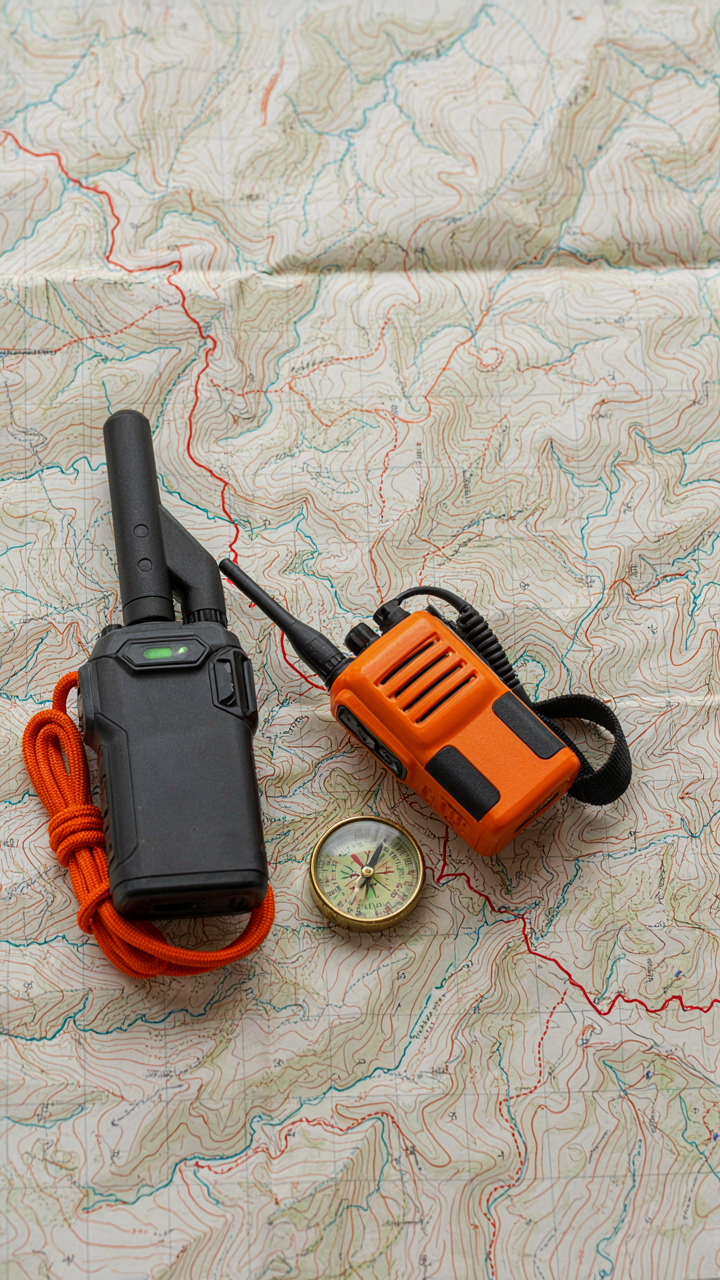
You need protocols, not products. Protocols are decision trees you execute before panic clouds judgment. For medical events, this means a satellite communicator or redundant radio system that doesn’t depend on infrastructure you don’t control. Weather protocols differ by region: if you’re in snow country, you need snow removal capacity before December. If you’re in wildfire zones, you need defensible space and evacuation routes mapped before fire season starts.
Communication breaks differently in different places. In mountainous terrain, line-of-sight matters. In valleys, it matters more. A single emergency contact system fails everywhere. You need a secondary system that works when the primary one doesn’t, and you need to test both quarterly. Document every protocol step on paper and laminate it. When power dies, paper doesn’t follow.
Stockpiling That Doesn’t Bankrupt Or Rot
The common advice here is garbage. People say “store a year of food.” They don’t say you’ll need a separate freezer, rodent-proof containers, and a rotation system that requires discipline most people don’t have. The real mechanism is rotation velocity: supplies must cycle through consumption before they degrade or become irrelevant.
Start with what you actually eat, then buy three months of it. Fuel stockpiling is where most fail worst. Propane expires in behavior, not date. Diesel gels in cold. Gasoline oxidizes and won’t run engines after six months unless you treat it. A realistic fuel protocol means calculating your actual monthly burn rate, then storing one and a half times that amount, refreshed every four months through use. Food and fuel costs money to maintain. The cost is the point. If you’re not spending money to refresh supplies, you’re not actually prepared.
Cultivating Resilience: Beyond Garden Beds For Off Grid Living Ideas
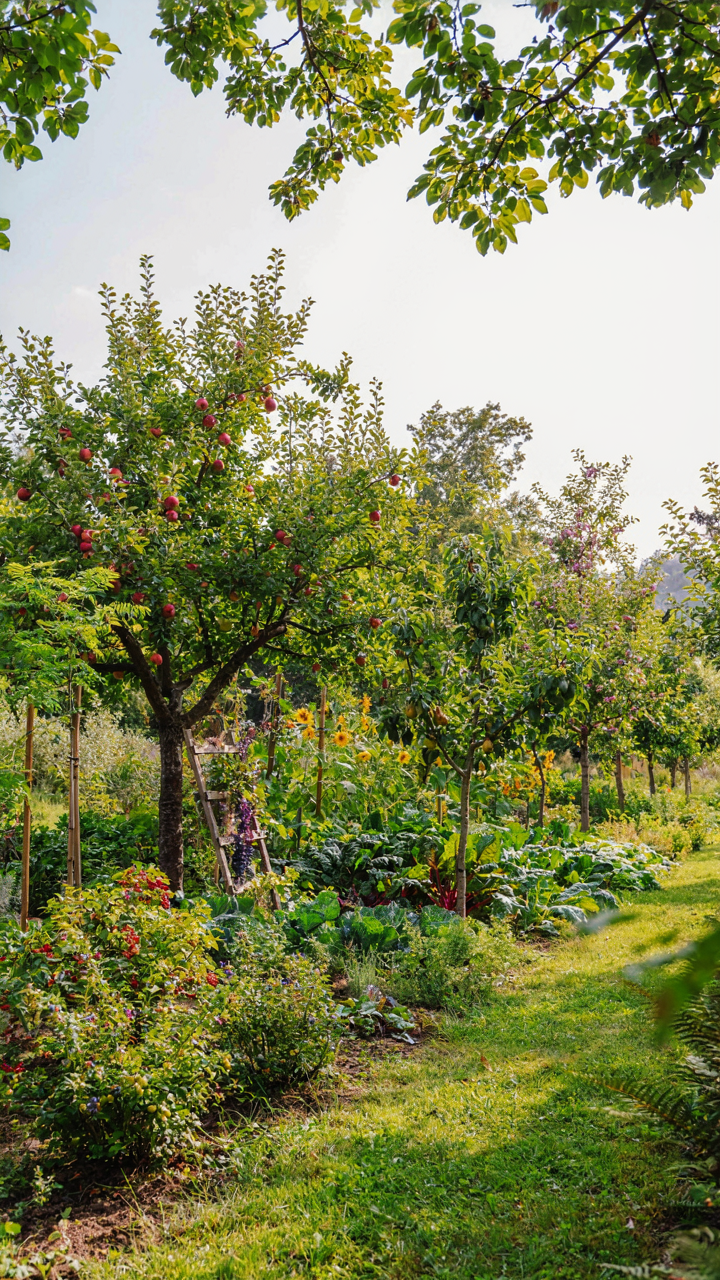
Design Your Land Like An Ecosystem, Not A Garden
You want resilience without admitting you’re afraid the system fails. Here’s the mechanism: permaculture isn’t spirituality, it’s applied ecology. Borrow the concept of “succession” from biology—the predictable stages ecosystems move through. Your land follows the same pattern. Early pioneer species prepare soil for later plants. You design for this. Trees establish nitrogen fixation and windbreaks. Perennials follow. Then productive systems stabilize with less input. Most off grid cabin guides skip this and tell you to plant things. They don’t.
Real permaculture design stacks functions. A single tree provides fruit, fixes nitrogen, blocks wind, and shades livestock. Water systems flow downhill through multiple zones of use, not randomly placed. Zones one through five move from highest intensity near the cabin to wild buffer at the perimeter. This isn’t philosophy. This is efficient energy flow. You stop fighting your terrain and start using it.
Observe Before You Plant Anything
Integration means watching your land for a full season before major changes. Document water flow during rain and snowmelt. Mark frost pockets and sun exposure. Identify what grows wild already, what insects appear, where animals travel. This data drives every decision. Most people skip this phase and follow a generic permaculture template designed for someone else’s climate. Your microclimate is specific. Niche construction—ecology’s term for organisms reshaping their environment—only works if you understand which niches already exist on your property.
Native species symbiosis beats importing solutions. What grows locally already has pest cycles, water requirements, and seasonal patterns matched to your region. A tree native to your zone survives your winters without intervention. An introduced species requires constant maintenance or dies. Start with observation protocols: weekly walks noting soil conditions, water behavior, plant emergence timing, and animal presence. This transforms guesswork into strategy. Document what thrives without effort—that’s your model.
The Human Element: Solitude, Skill Building, And Sanity Off The Grid

Mental Fortitude When Isolation Hits Hard
You think you want this because you’re tired of people. The real problem is you’re afraid of discovering who you are without their noise. Isolation off grid works like sensory deprivation in psychology: remove external input long enough and your internal experience becomes the entire arena. You can’t escape yourself. Most people quit before the breakthrough because they mistake the discomfort for failure.
Discipline off grid is non-negotiable because nobody enforces it. You wake up, tend the fire, maintain systems, process food, repair equipment. The work structures the day. When work stops, the silence announces itself. Build a schedule and stick to it like it’s a job you’re paid for. The alternative is hours spent cycling through boredom, regret, and bargaining to leave.
Competence Becomes Your Survival Operating System
You’ll need carpentry, plumbing basics, electrical troubleshooting, and medical triage because you can’t call someone. This isn’t optional skill collection. It’s the difference between a broken water line becoming a problem you solve in two hours versus a crisis that forces you out. Start before you go. Spend six months learning on YouTube while you still have internet and tools accessible.
Medical expertise doesn’t mean becoming a doctor. It means knowing how to treat burns, infections, fractures, and dehydration. Learn CPR. Understand antibiotics and when to use them. Stock a real medical kit, not decorative supplies. Repairs compound the fastest. A small leak becomes water damage becomes structural rot. Carpentry competence means you can replace a rotten board, reinforce a joint, and maintain your shelter. Skill-building is the cost of admission, not a bonus activity.
The Uncomfortable Truth: Why Most Quit Living Off Grid

The Math Nobody Wants To Face
You want this section to confirm your romanticized version of cabin life costs less than staying put, but it doesn’t. The real mechanism is simple: people confuse capital cost with operating cost. They calculate the build, divide by years, and call it done. Off grid systems demand constant replacement cycles. Solar panels degrade at roughly 0.5 percent annually. Batteries fail predictably. Propane tanks corrode. Wood stoves crack. Water filtration systems clog. You don’t own these problems until you live with them.
The trap is treating off grid infrastructure like traditional utilities. You pay once, it works forever. Wrong. You become the utility. A failed inverter costs 1,500 dollars and three weeks without power while you order, wait, and install. A conventional homeowner calls an electrician. You fix it or freeze. Most people quit because the hidden operating costs exceed their initial budget within five years, not because they lack discipline or want.
The Self Reliance Trap
Earning your own validation breaks people faster than cold does. Economics calls this comparative advantage: you should do what you’re best at and trade for the rest. Off grid living reverses this. You become carpenter, plumber, electrician, mechanic, and farmer simultaneously. You’re competent at none of them. You fail constantly. Society trains us to outsource struggle and buy status through consumption. Living off grid forces you to consume your own failures.
The emotional toll arrives quietly. There’s no external metric. No colleague to impress. No social feed to document progress. You chop wood because wood heats you. You filter water because water sustains you. The work becomes invisible. Most people move to the cabin seeking simplicity but secretly crave the validation they had before. When nobody witnesses your discipline, your brain stops rewarding it. You quit not because the work is hard, but because hardship without an audience feels pointless. The exit strategy is recognizing this early: move off grid only if the work itself is the reward, not the escape from something else.
Your Yearning For A Simpler Off-grid Life Isn’t About Escape; It’s About Confronting Your Crippling Dependence
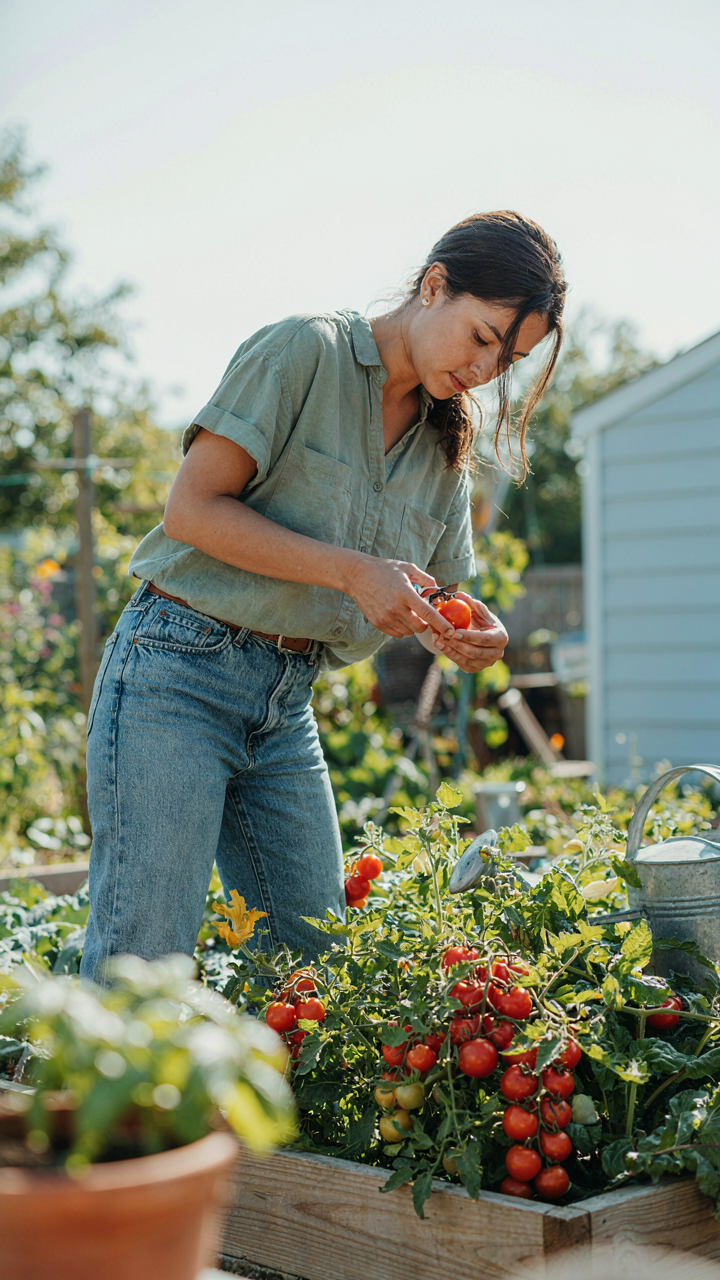
Most people romanticize off grid cabin living because they hate their dependency. They hate needing electricity they didn’t generate, water they didn’t source, heat they didn’t create. The fantasy isn’t about trees and silence. It’s about reclaiming agency. Stop waiting for the perfect cabin. Today, cut one dependency. Kill your streaming subscription. Grow one vegetable. Chop one cord. The off grid life doesn’t start with land—it starts with you refusing to outsource your survival any longer.